
Phool Bagh: Where Time Stands Still
Nestled in the heart of Gwalior, Phool Bagh is more than just a garden—it is a living chronicle of royal leisure, colonial transitions, and modern public life. Walking through its pathways feels like stepping into a layered story, where every pillar, pavilion, and water tank whispers fragments of history.
Origins: A Royal Garden of the Scindias
Phool Bagh was developed during the rule of the Scindia dynasty, which transformed Gwalior into a flourishing princely state in the 18th and 19th centuries. The garden was envisioned as a royal retreat—a place where the rulers could escape the intensity of court life and enjoy nature, art, and conversation.
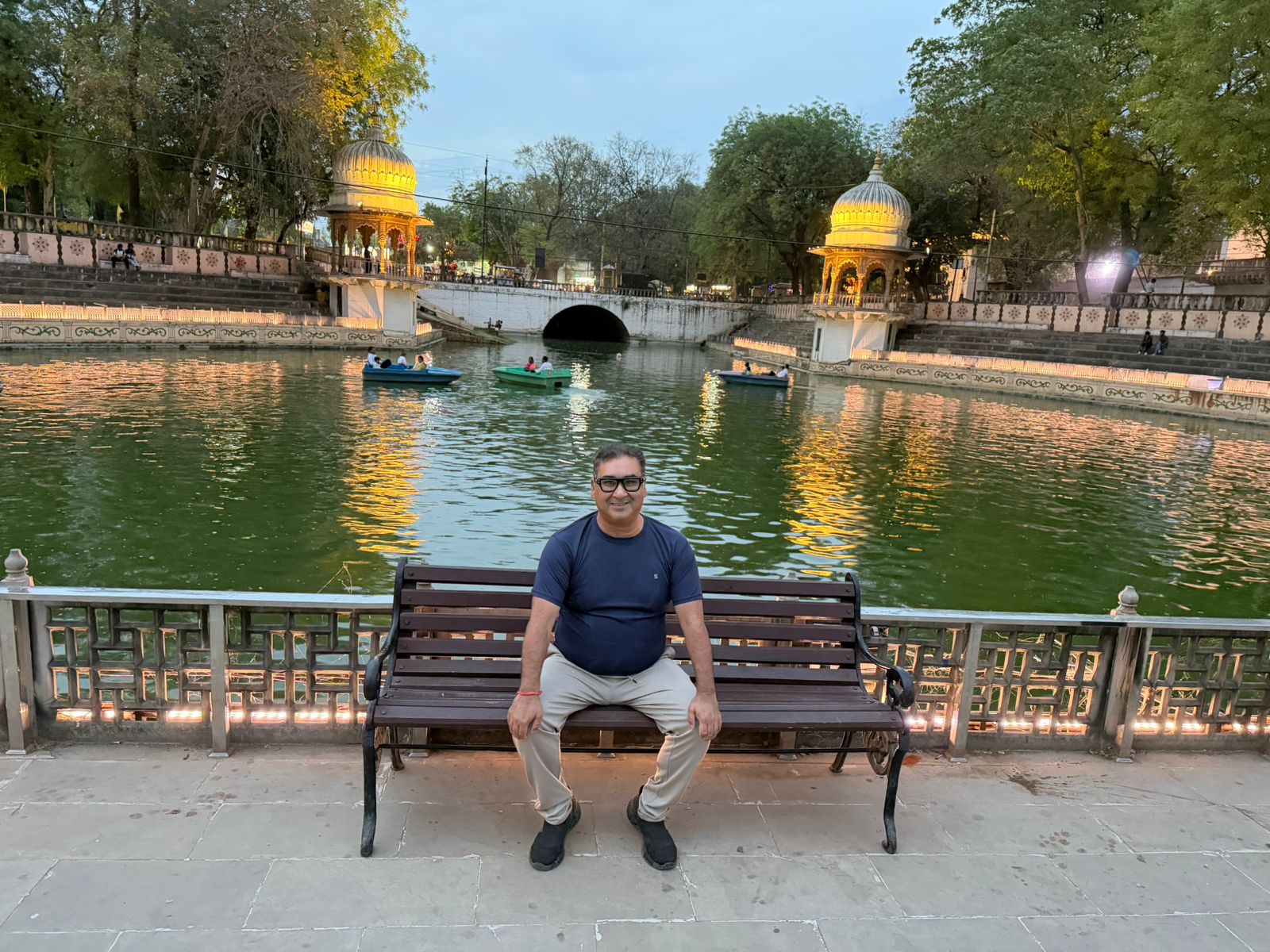
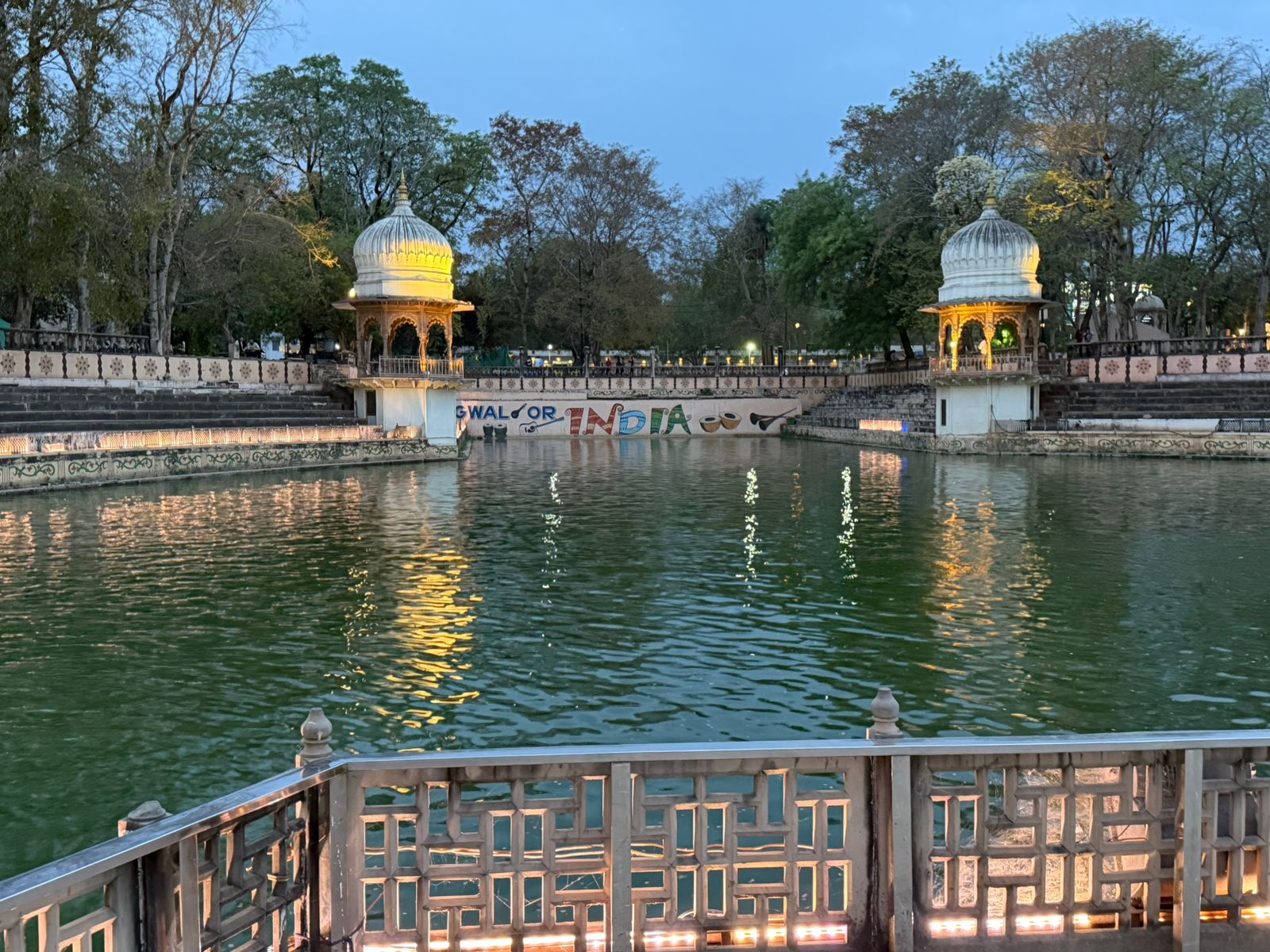
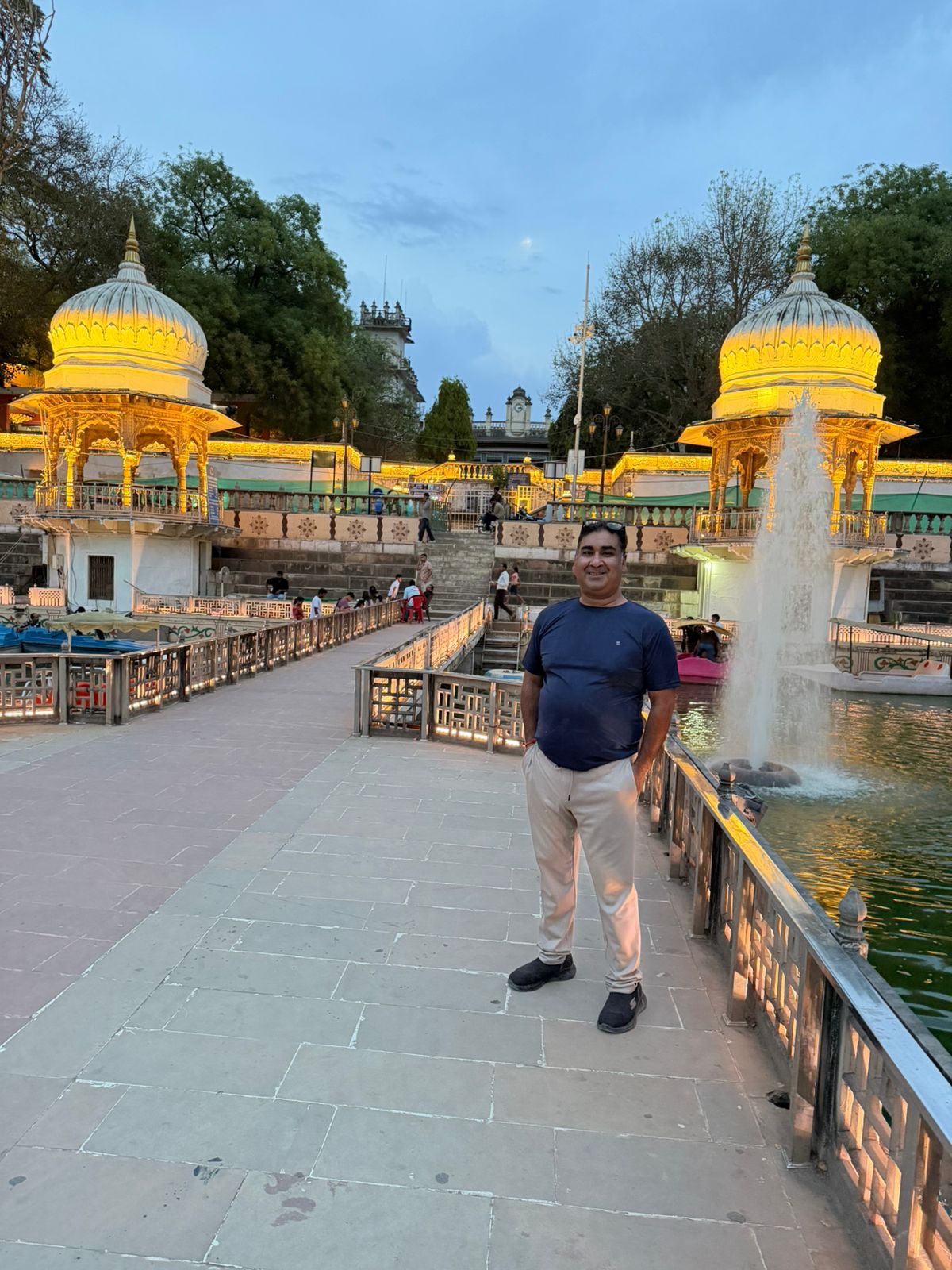
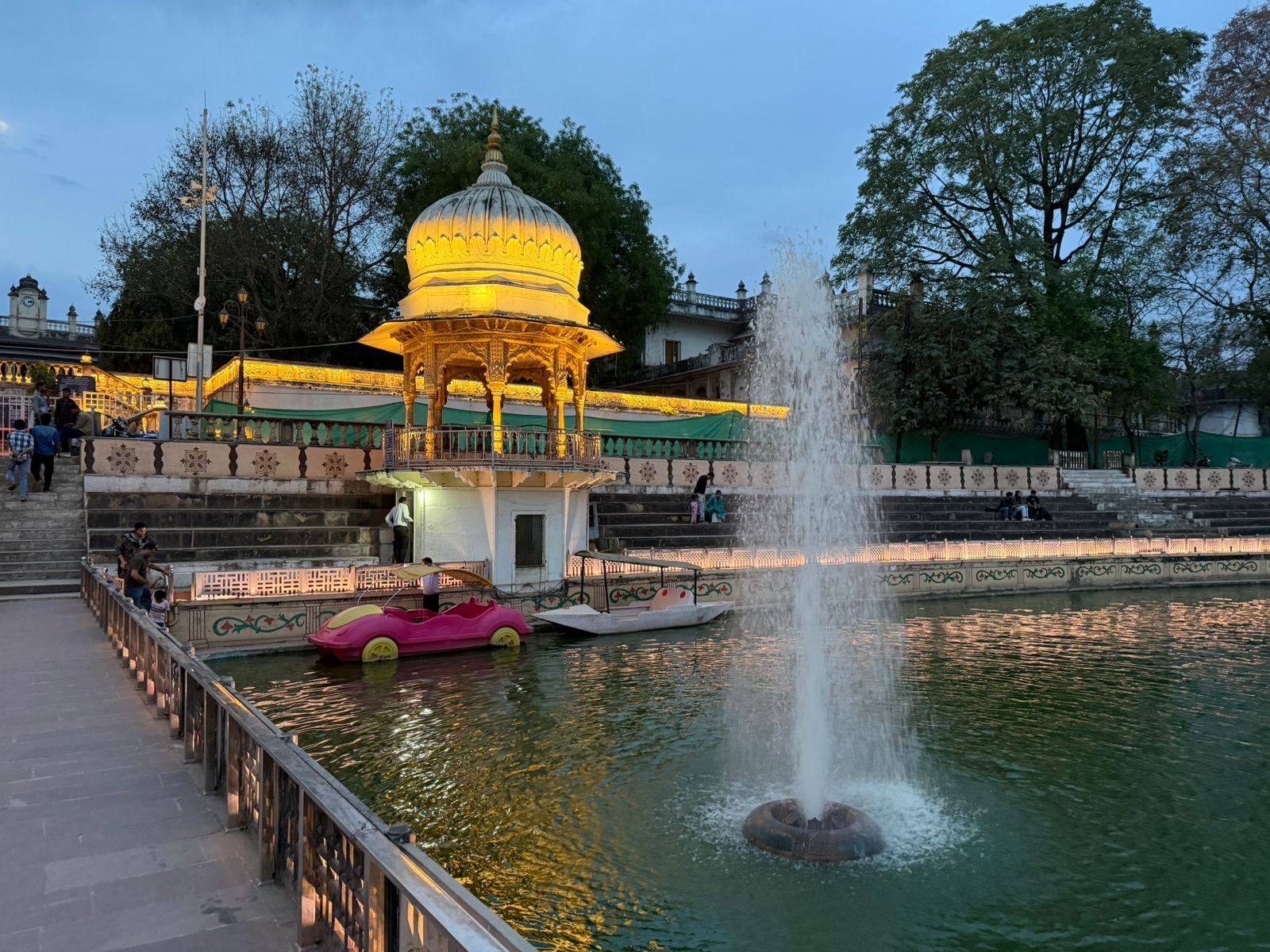
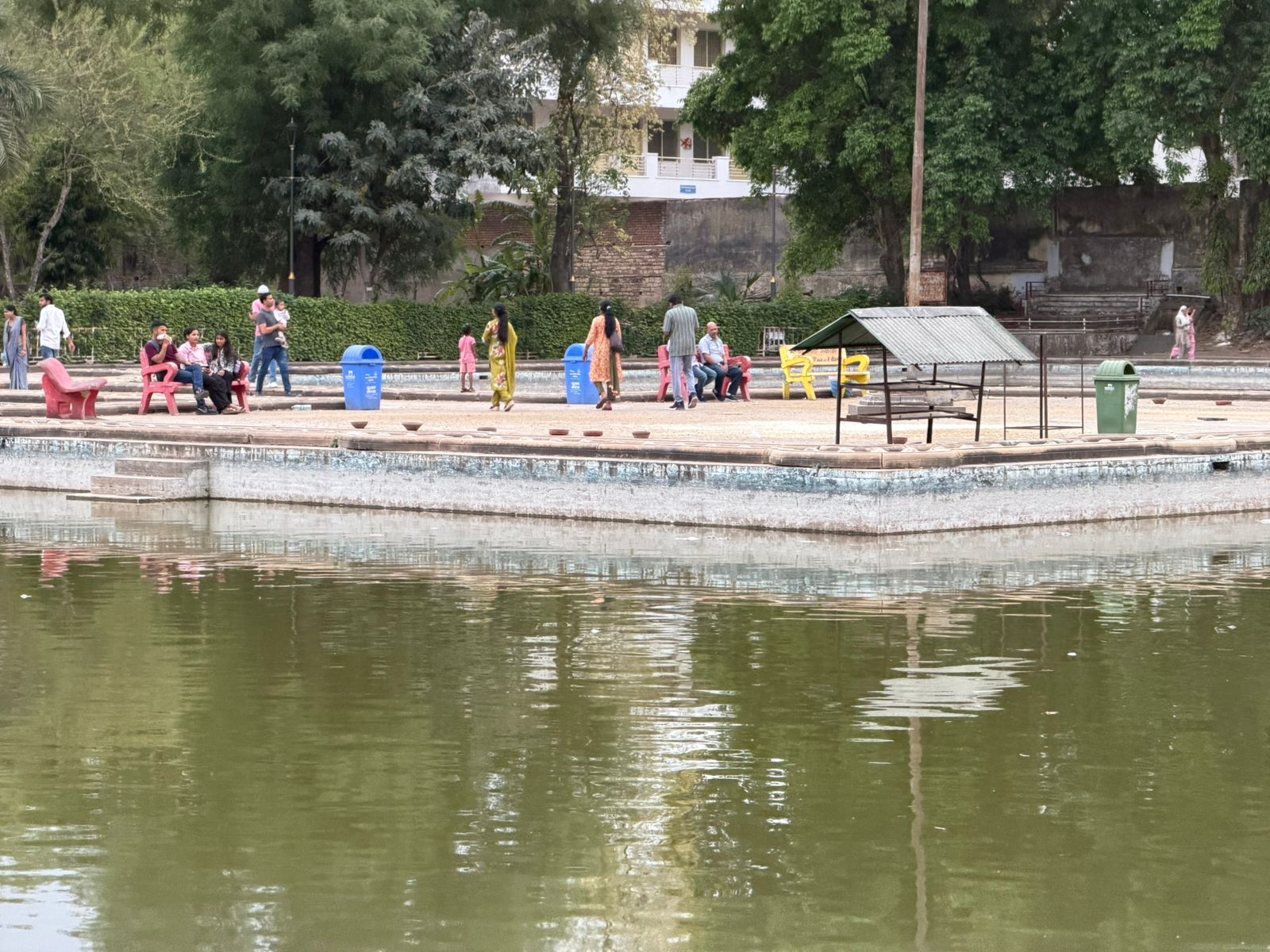
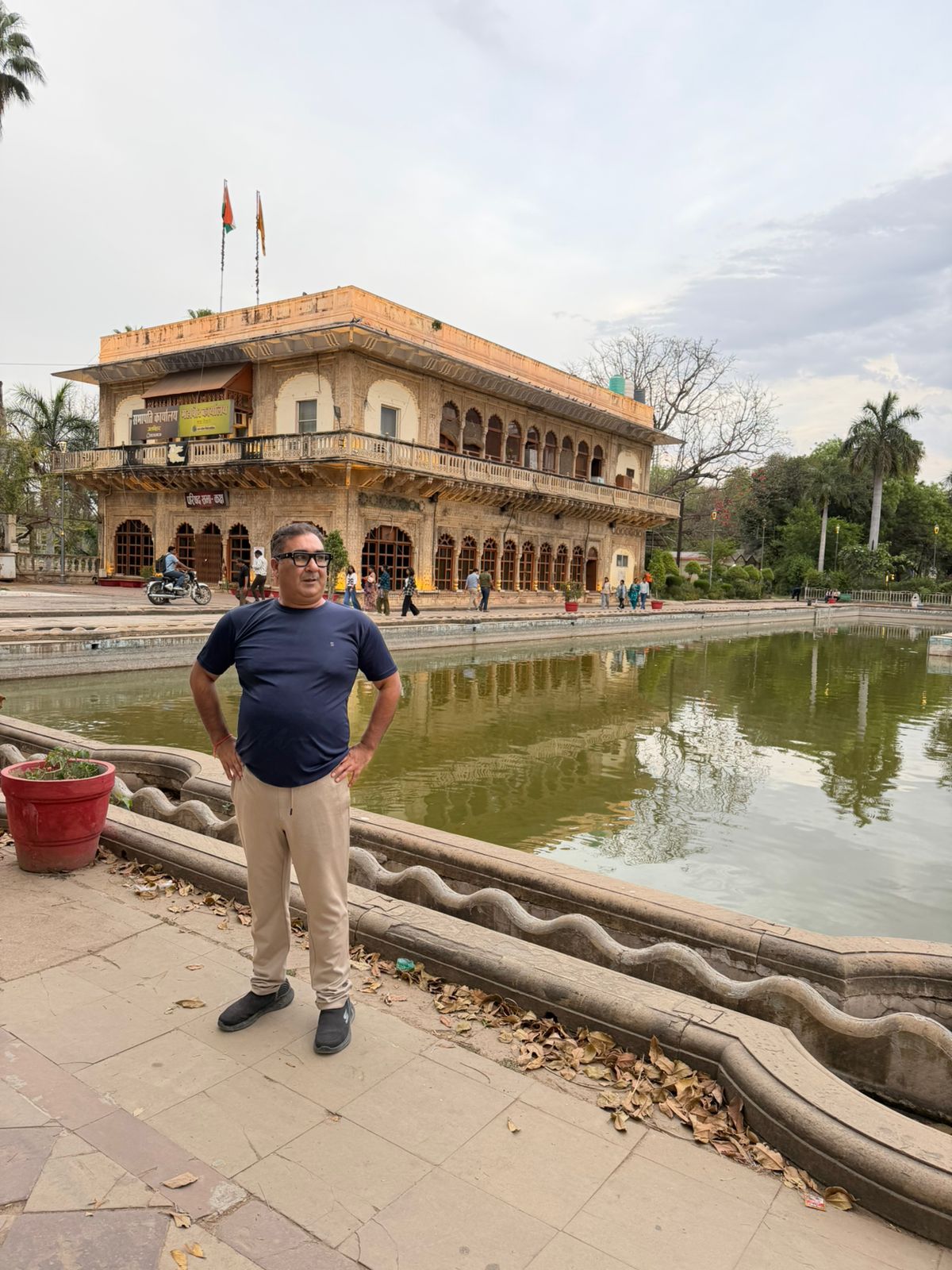
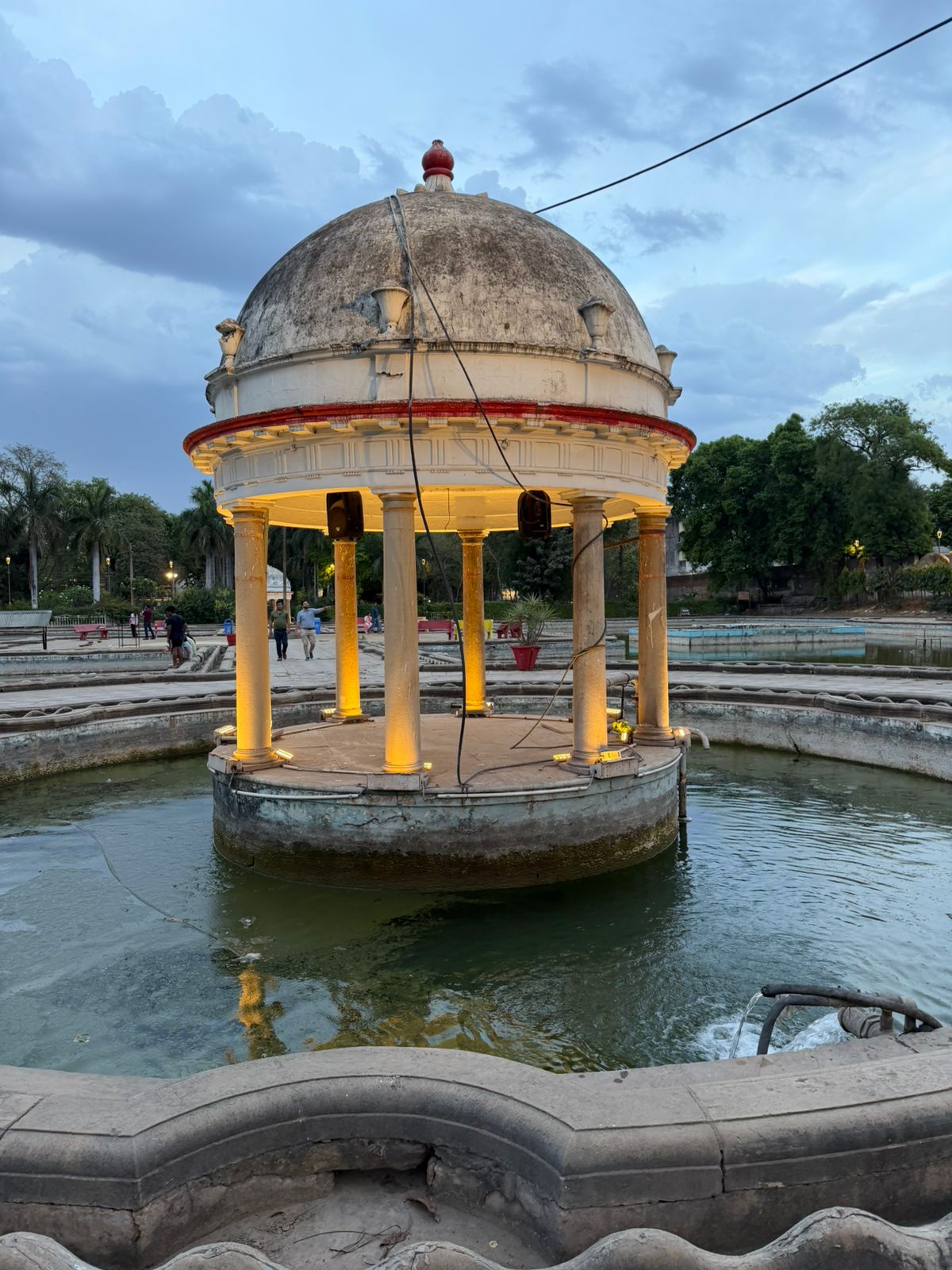
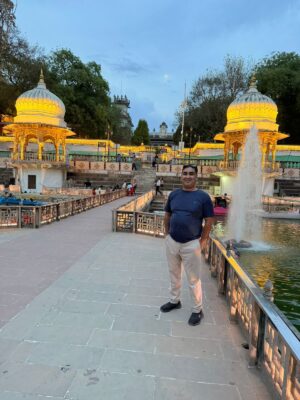
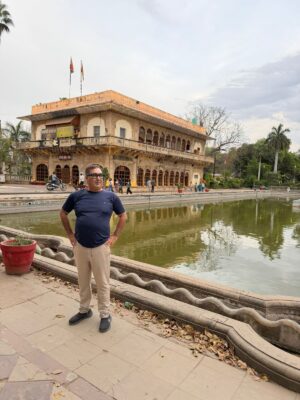
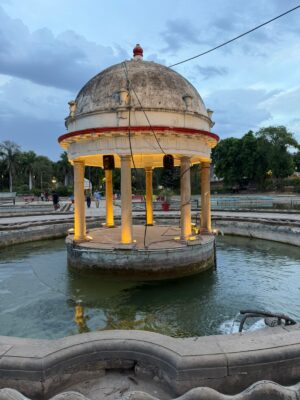
The design reflected a blend of Mughal garden aesthetics, Maratha sensibilities, and colonial architectural touches. At its core lies a large rectangular water tank, once part of an elaborate cooling and aesthetic system, with elegant domed pavilions rising from within—symbols of leisure and royal elegance.
Architectural Evolution: From Palace to Public Space
Over time, the structures around Phool Bagh evolved.
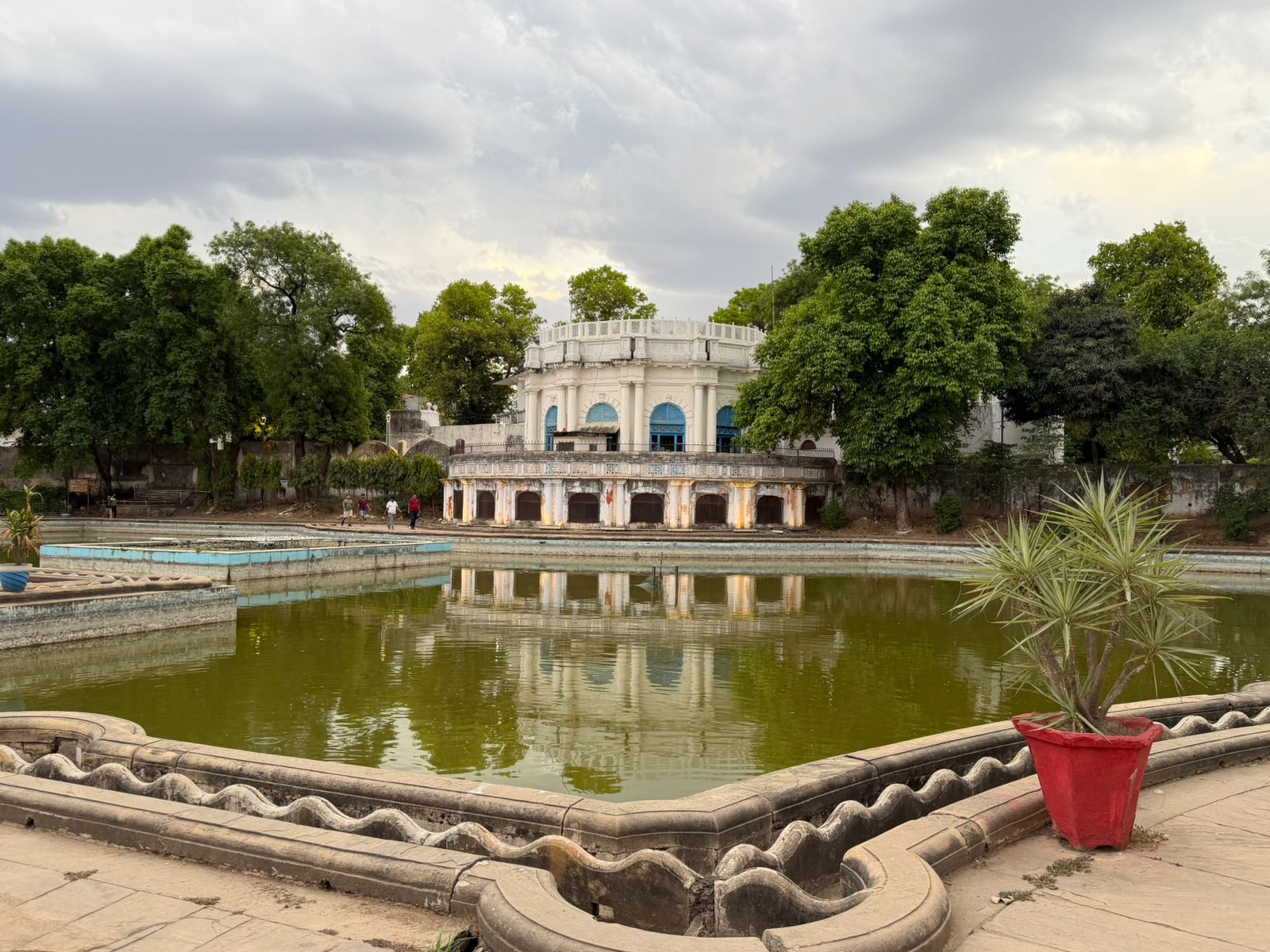
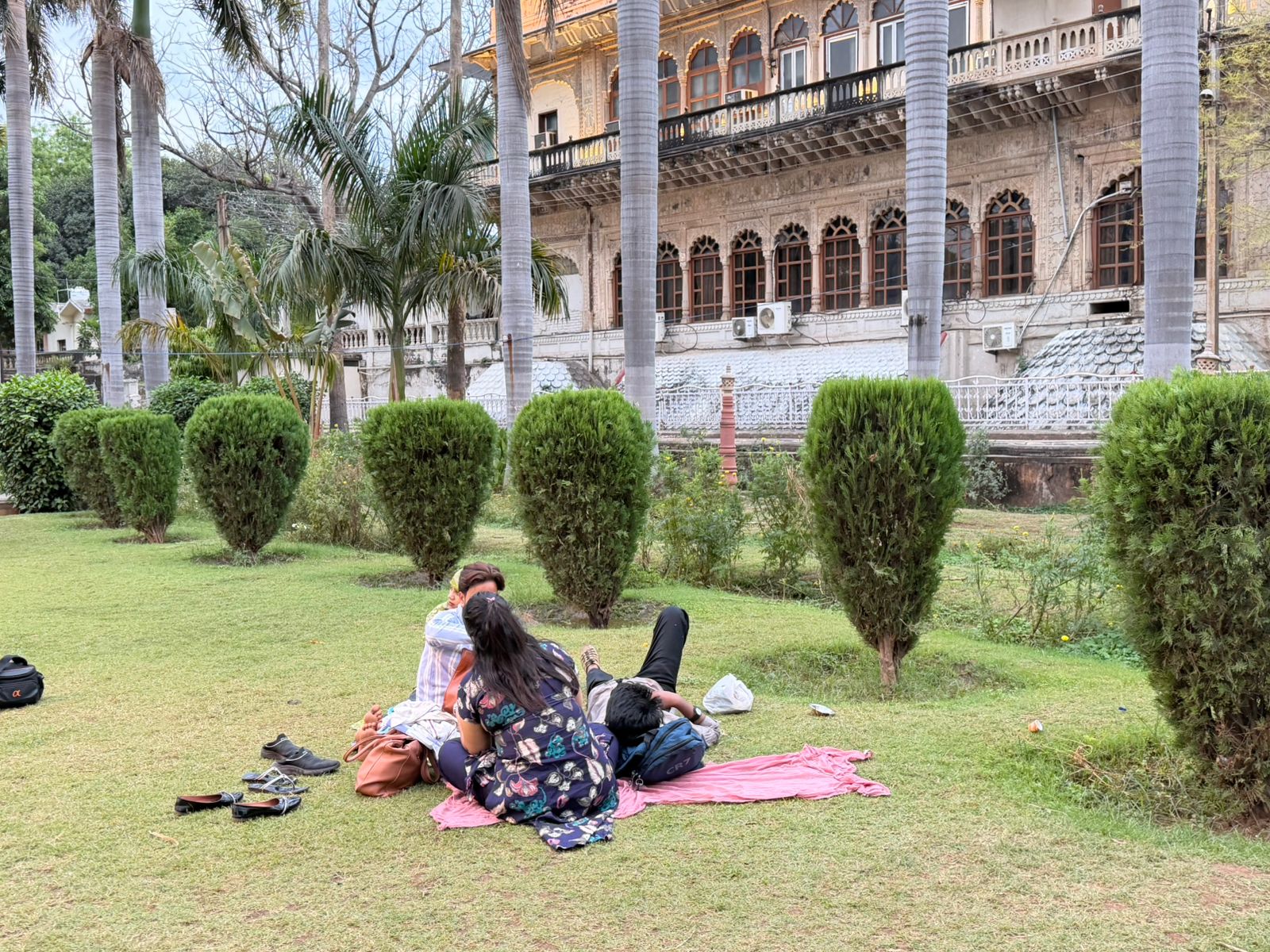
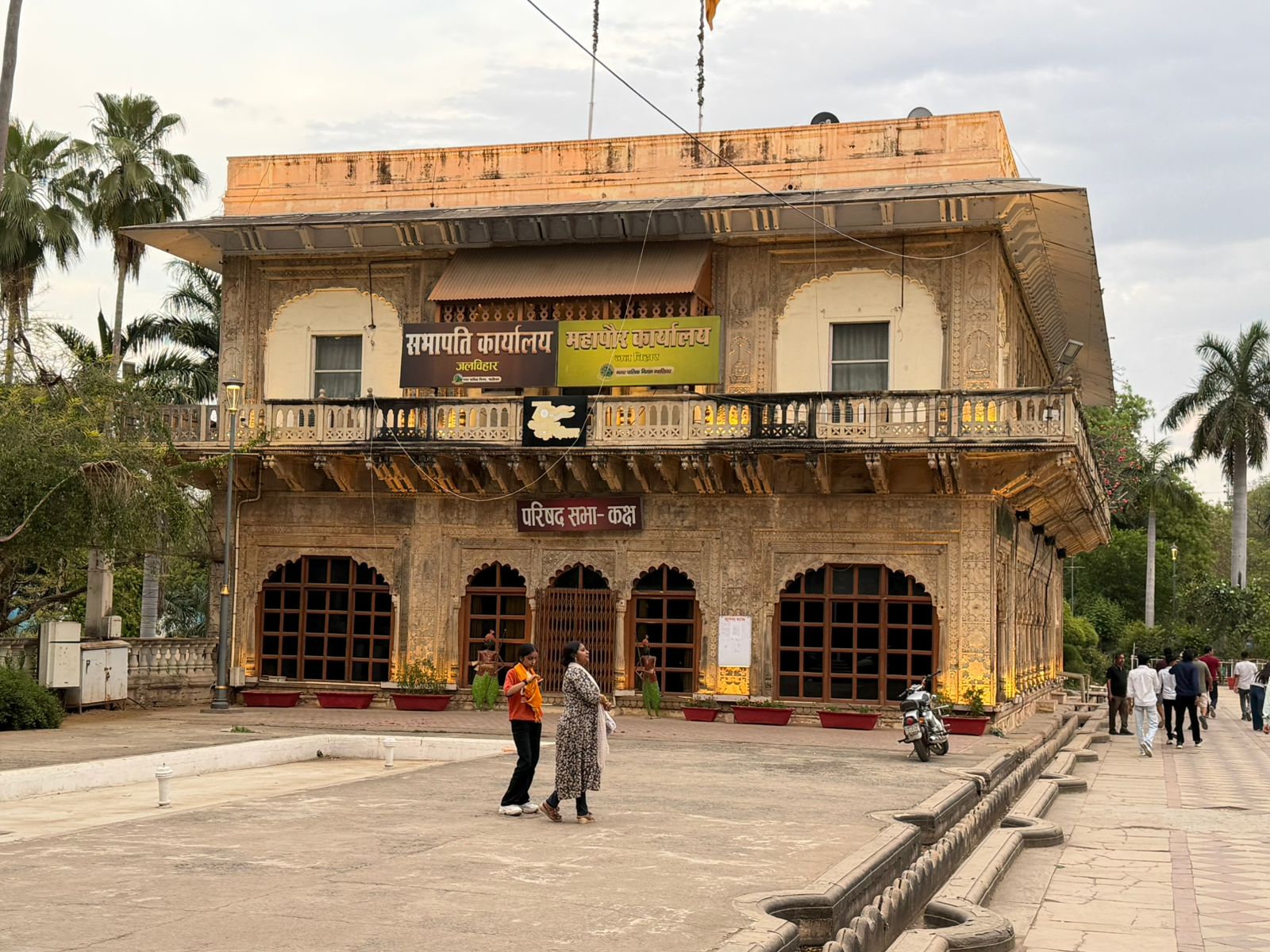
The grand building facing the tank—now used for administrative or civic purposes—was once part of royal or elite gathering spaces.
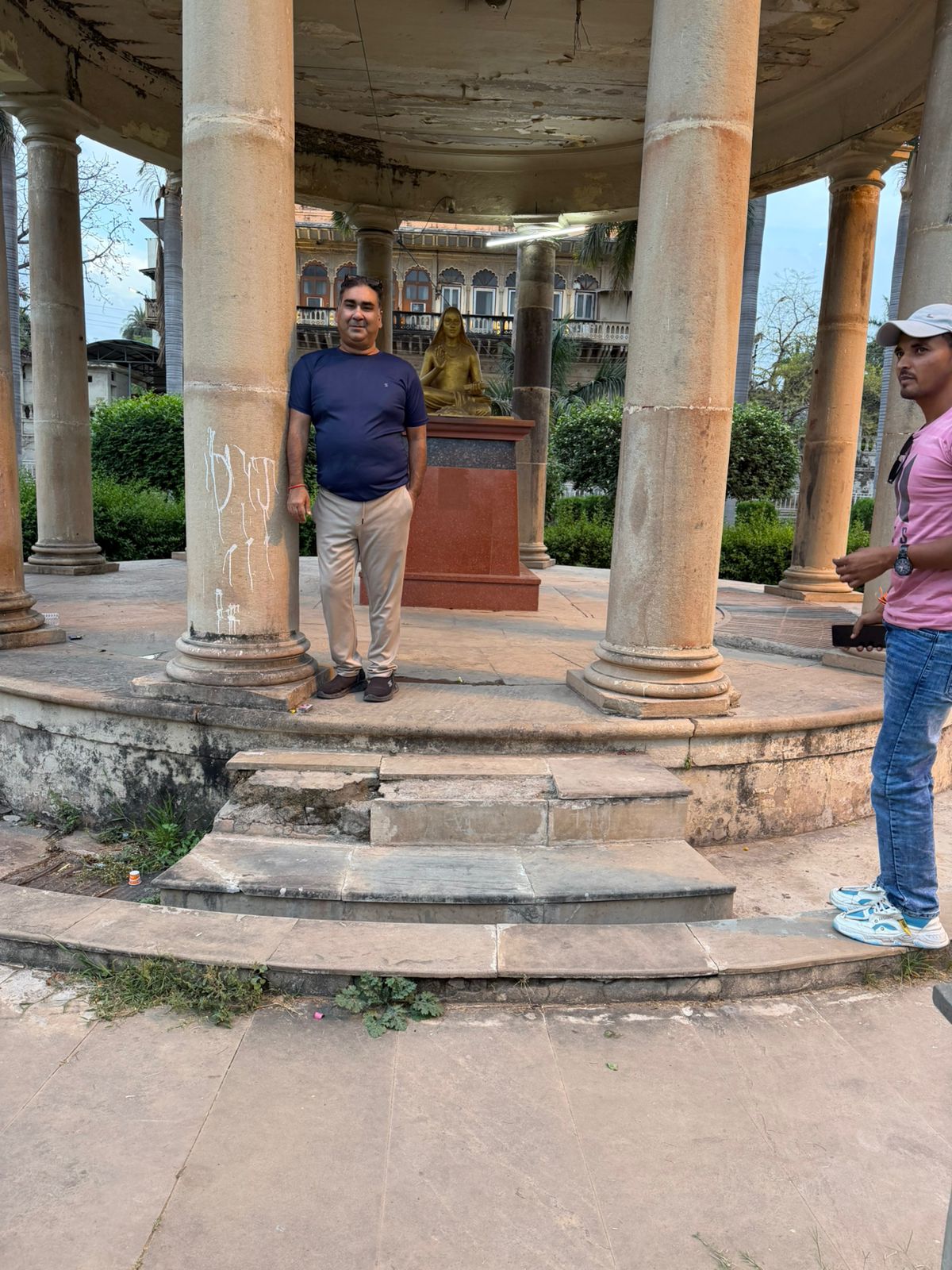
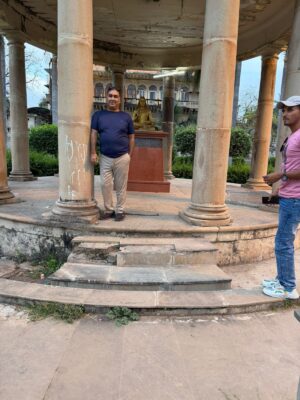
The circular and domed pavilions served as resting spots, musical venues, or quiet retreats. The garden gradually transitioned from a private royal enclave to a public urban space, especially during and after British influence. This transformation mirrors Gwalior’s own journey from a princely capital to a modern Indian city.
Phool Bagh








A Cultural and Social Hub Through the Ages
Phool Bagh has never been just about architecture—it has always been about people. In royal times, it hosted elite gatherings and leisurely walks.
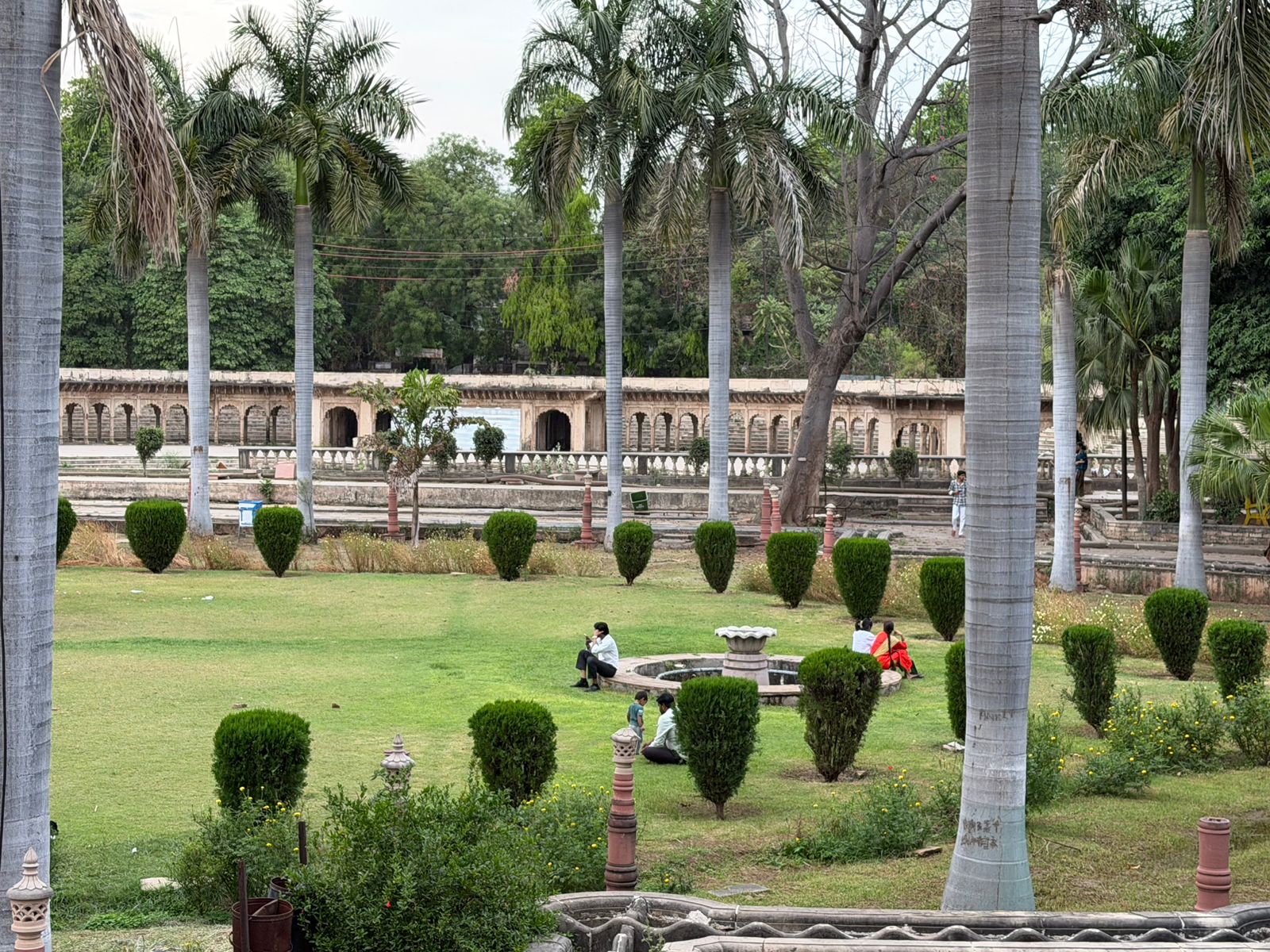
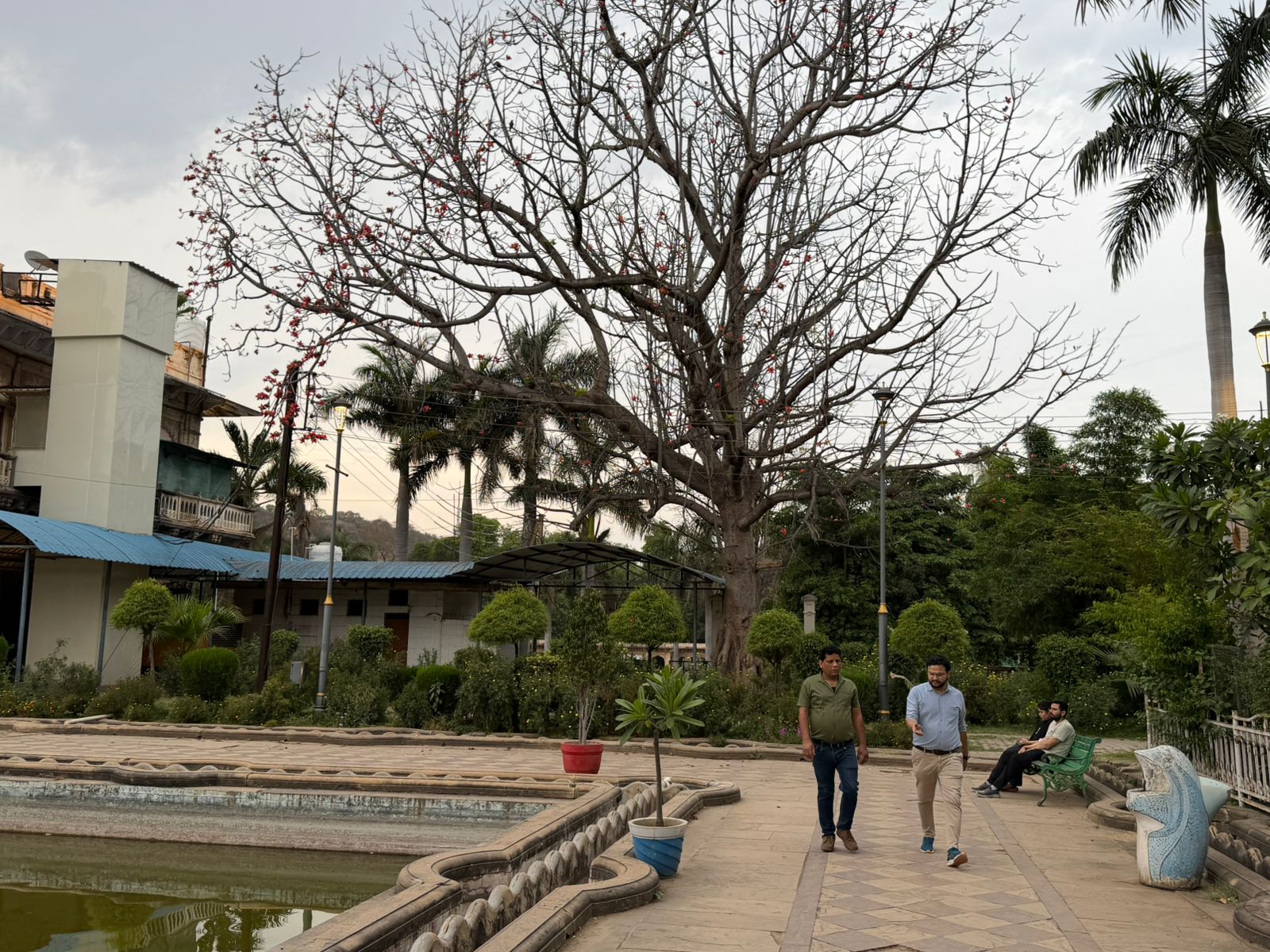
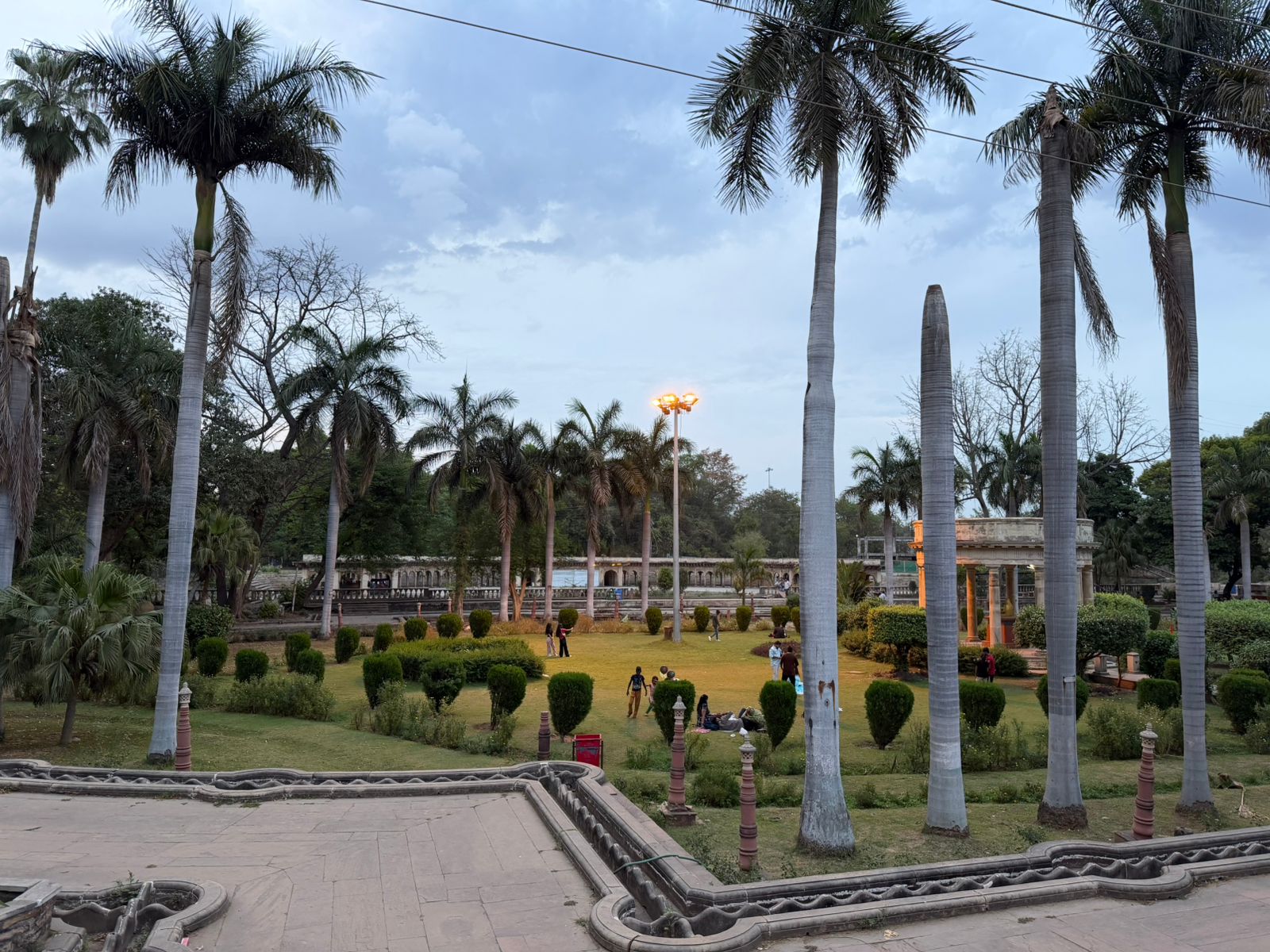
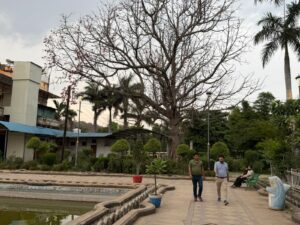
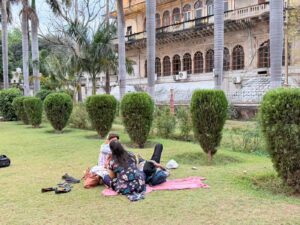
During colonial and early modern periods, it became a civic and administrative centre. Today, it thrives as a public space where families picnic on the lawns, friends gather under palm-lined pathways, and vendors bring a vibrant local flavour to the surroundings.
Evening Charm: When History Glows
As the sun sets, Phool Bagh transforms. The softly lit domes and pavilions reflect in the still waters, creating a scene that feels almost timeless. The garden, once echoing with royal footsteps, now hums with conversations, laughter, and the quiet rhythm of a city unwinding.
Conclusion: A Garden of Stories
Phool Bagh is not just a destination—it is an experience layered with history, architecture, and human connection. It tells the story of royal ambitions, cultural blending, and urban transformation.
It also shows us how history does not remain locked in monuments—it lives on in the everyday moments of people who walk, sit, and smile within its space.
Add a review
Your email address will not be published. Required fields are marked *