

Kumbh Festivals Around the World and Their Unique Traditions
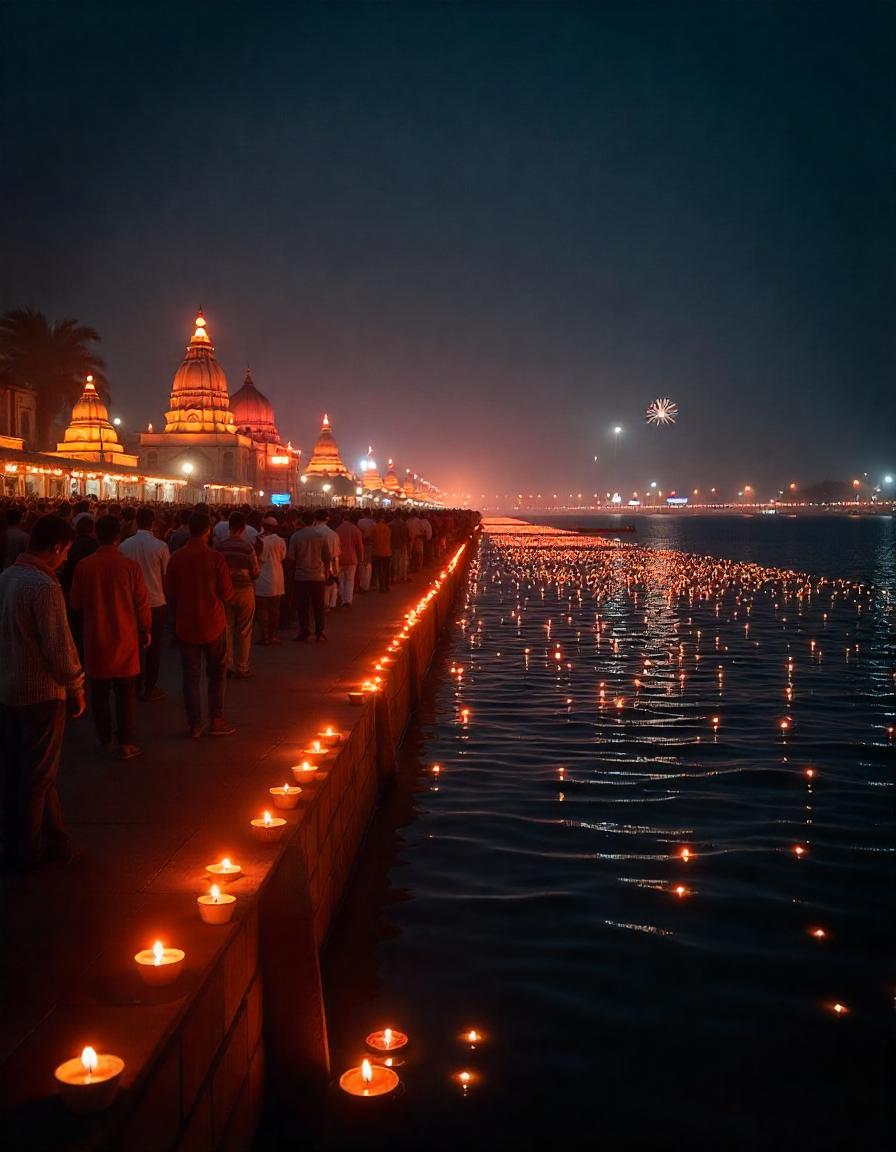
The Kumbh Mela is a Hindu festival celebrated in India and is considered one of the largest religious gatherings in the world. While Kumbh Mela is unique to India, several other festivals around the world share some similarities in terms of their focus on water, purification, and spiritual gatherings. Here’s an overview of the Kumbh Mela and its closest global counterparts:
Kumbh Mela in India
- Locations: Rotates among four sites: Haridwar (Ganga River), Prayagraj (confluence of Ganga, Yamuna, and Saraswati rivers), Nashik (Godavari River), and Ujjain (Shipra River).
- Traditions:
- Ritual bathing in sacred rivers to purify sins.
- Processions of sadhus (holy men) and religious leaders.
- Spiritual discourses, prayers, and cultural events.
- Largest gatherings occur during Maha Kumbh (every 12 years).

Global Festivals with Similar Themes
1. Songkran (Thailand)
- Focus: Water purification and renewal.
- When and Where: Celebrated in April across Thailand.
- Traditions:
- People splash water on each other to cleanse away sins and bad luck.
- Cleaning of Buddha statues with water.
- Community gatherings and offerings to monks.
2. Epiphany (Christian Traditions, Worldwide)
- Focus: Blessing of water and spiritual renewal.
- When and Where: January 6 or nearby dates, especially in Eastern Europe.
- Traditions:
- In countries like Greece and Bulgaria, priests bless water bodies, and participants dive into the water to retrieve a cross.
- Celebrations symbolize the baptism of Jesus Christ.

3. Obon Festival (Japan)
- Focus: Honoring ancestors and purifying spirits.
- When and Where: Celebrated in mid-August across Japan.
- Traditions:
- Lanterns floated on rivers or seas to guide ancestral spirits.
- Ritual dances (Bon Odori) and offerings at temples.
- Cleaning and decorating family graves.
4. Timkat (Ethiopia)
- Focus: Baptism and spiritual renewal.
- When and Where: Celebrated in January, mainly in Lalibela and Addis Ababa.
- Traditions:
- Commemorates the baptism of Jesus in the Jordan River.
- Processions with replicas of the Ark of the Covenant.
- Blessing of water and communal renewal ceremonies.
5. Vaisakhi (India and Diaspora Communities)
- Focus: Renewal and unity.
- When and Where: Celebrated in April, especially in Punjab and among Sikh communities worldwide.
- Traditions:
- Processions, prayers, and community meals.
- Ritual baths in sacred water bodies like the Golden Temple’s Sarovar in Amritsar.
6. Pushkar Fair (India)
- Focus: Pilgrimage and purification.
- When and Where: Pushkar, Rajasthan, in November.
- Traditions:
- Bathing in the Pushkar Lake to wash away sins.
- Animal fairs, cultural performances, and trading.
7. The Great Blessing of the Waters (Eastern Orthodox Christian Communities)
- Focus: Sanctification of water.
- When and Where: Celebrated in January in countries like Russia, Ukraine, and Serbia.
- Traditions:
- Priests bless rivers, lakes, and seas.
- Ice-hole swimming in freezing temperatures to signify spiritual renewal.
Common Themes Across These Festivals
- Water as a Symbol of Purification: Many cultures emphasize the cleansing properties of water, connecting it with spiritual rebirth and renewal.
- Community Gathering: These festivals often serve as communal events to foster unity and shared spirituality.
- Processions and Rituals: Processions, chanting, and religious rituals are central elements, highlighting devotion and cultural identity.
Each festival reflects the unique beliefs and traditions of its community, yet the underlying themes of purification, spirituality, and renewal remain universal.


Add a review
Your email address will not be published. Required fields are marked *