
Silence Carved in Stone: My Journey to Gopachal Parvat, Gwalior
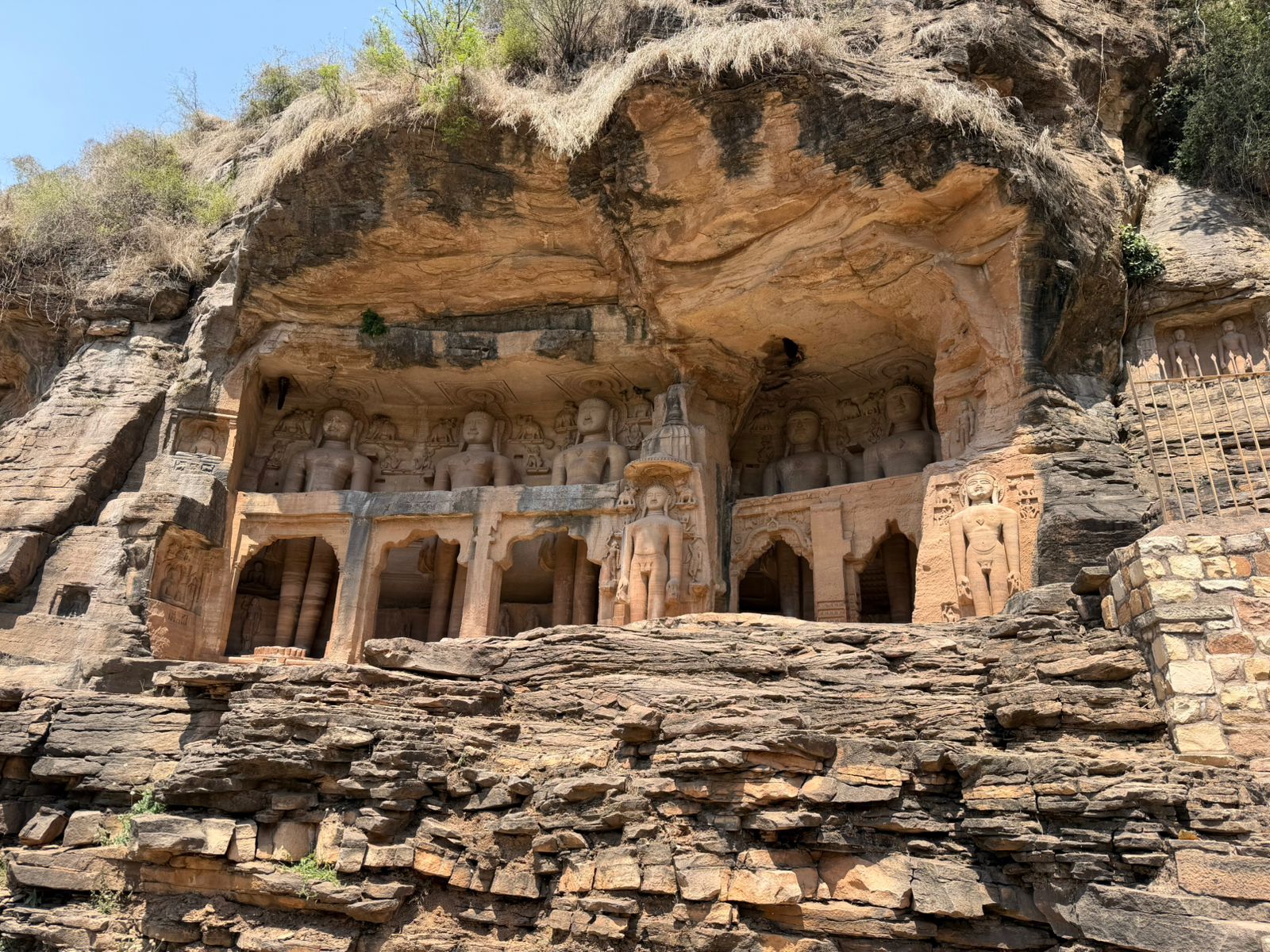
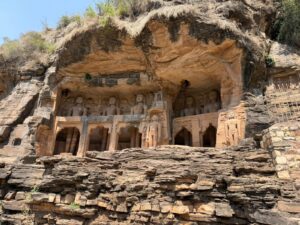
Perched quietly along the rugged slopes of the Gopachal Parvat Jain rock-cut sculptures, my journey felt less like a visit and more like stepping into a forgotten conversation between time and stone. Just below the towering walls of Gwalior Fort, these sculptures rise unexpectedly from the cliffs—silent, powerful, and deeply spiritual.
The First Glimpse
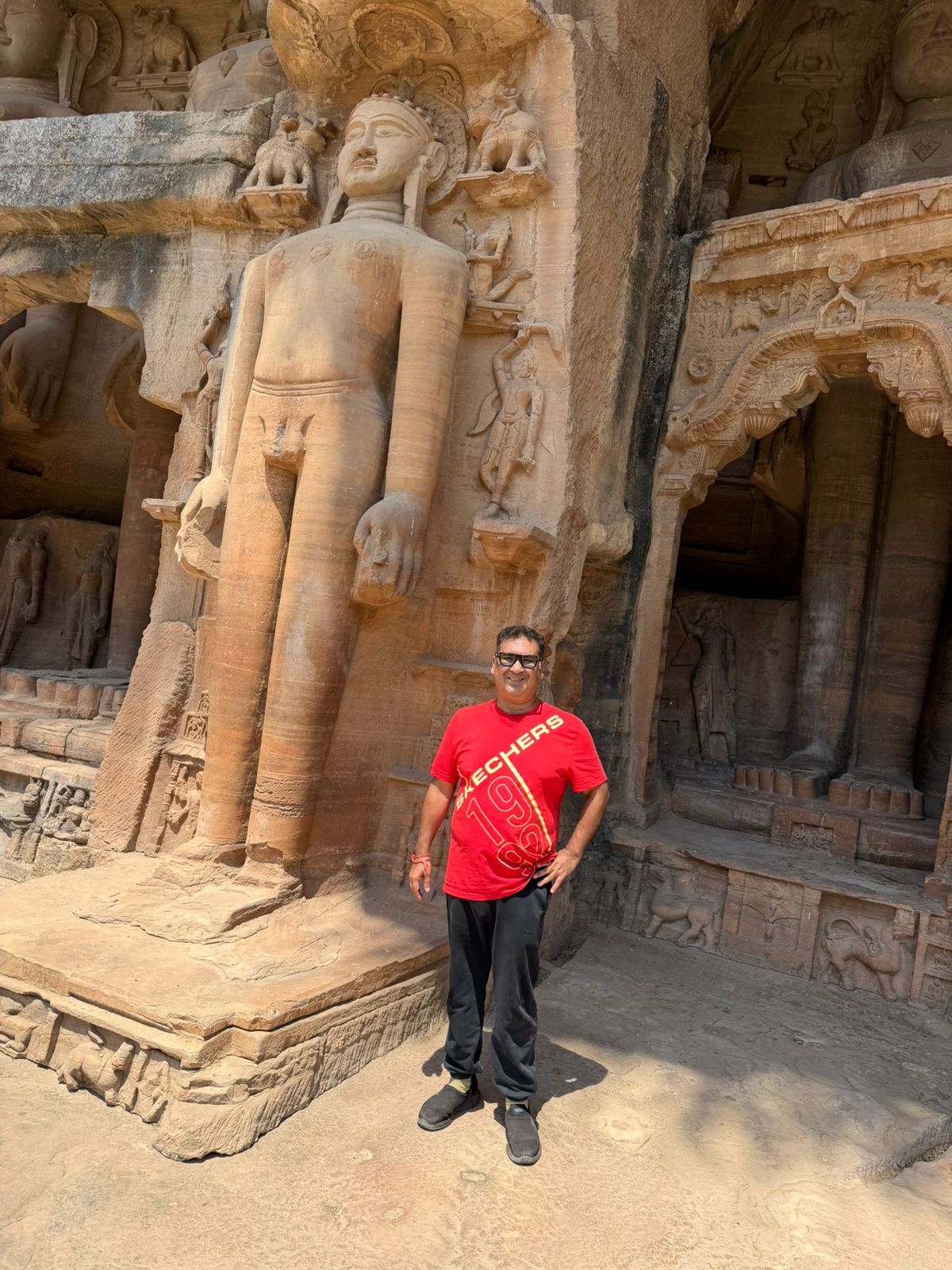
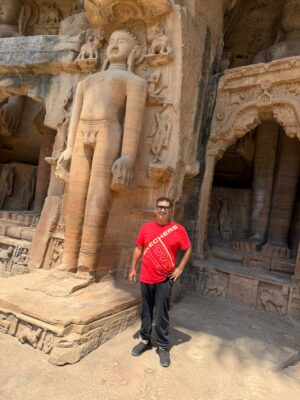
As I approached the site, the heat of the afternoon sun bounced off the rocks, and the dry terrain seemed almost lifeless. But then, suddenly, the cliff began to speak. Out of the stone emerged colossal figures—calm, composed, and eternal. Standing before them, I felt incredibly small—not just in size, but in time.
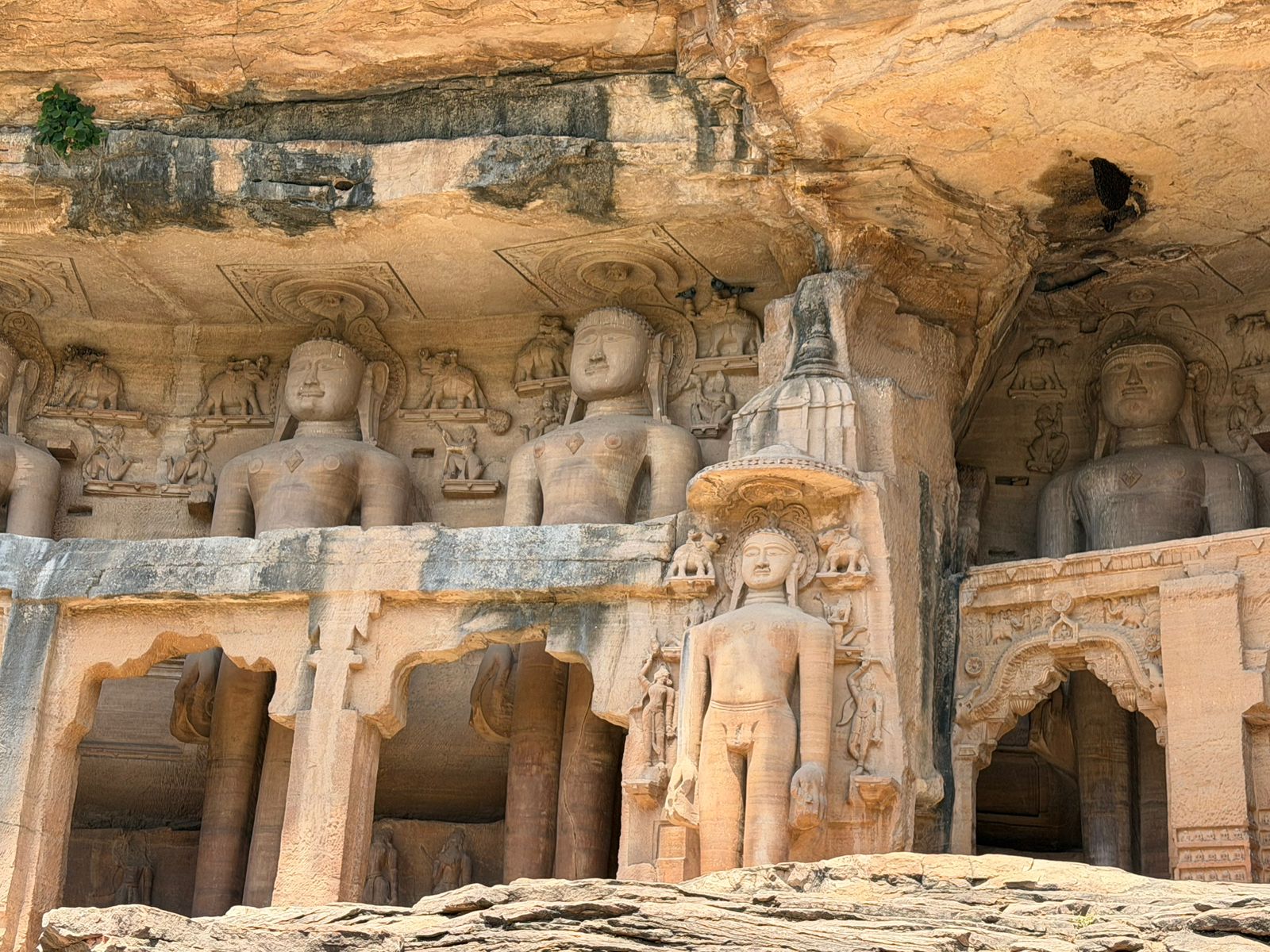
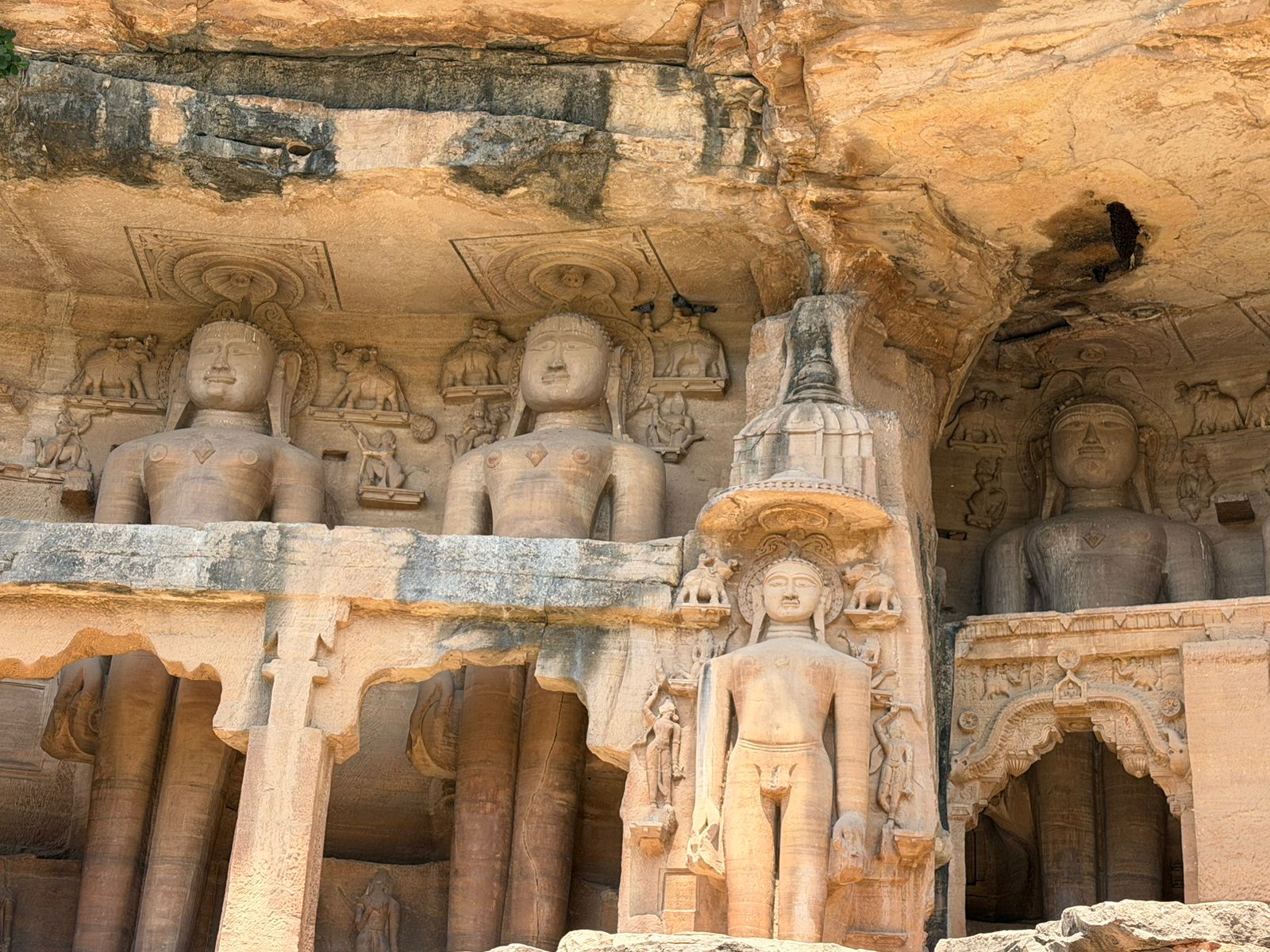
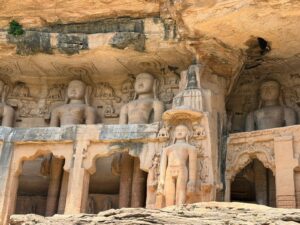
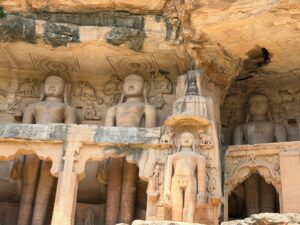
The towering statues of the Tirthankaras, some standing and some seated, seemed untouched by centuries of chaos. Their expressions were serene, their presence overwhelming. I found myself pausing more than walking—absorbing rather than observing.
Where Spirituality Meets Scale
Walking along the carved façade, I noticed how every inch of rock carried meaning. The massive central figure I stood beside seemed almost alive in its stillness. Around it were intricate carvings—attendants, symbols, and delicate architectural details etched with astonishing precision.
What struck me most was the contrast—gigantic forms, yet complete stillness; immense power, yet absolute peace.
Even the caves behind the sculptures felt meditative—cool, shadowed spaces that offered a break from the harsh sun and a moment for quiet reflection.
A Glimpse into History
These magnificent sculptures date back to the 15th century, during the rule of the Tomar dynasty in Gwalior. They were commissioned primarily by Jain patrons and merchants.
The site became an important centre of Jain devotion and pilgrimage. The statues depict various Tirthankaras, each representing enlightenment and detachment. However, history hasn’t always been kind. During later invasions, many of these sculptures were partially damaged. Yet what remains is still breathtaking—almost as if time itself chose to preserve their spirit, even if not every detail.
Art Beyond Architecture
Unlike temples built stone by stone, these sculptures are carved directly into living rock—a feat that requires not just skill, but vision. You don’t just see the art here—you feel the effort behind it.
Every chisel mark tells a story of devotion, every curve reflects patience, and every statue stands as a testament to the idea that spirituality can be monumental, yet deeply personal.
Gopachal Parvat, Gwalior
The View from the Heights
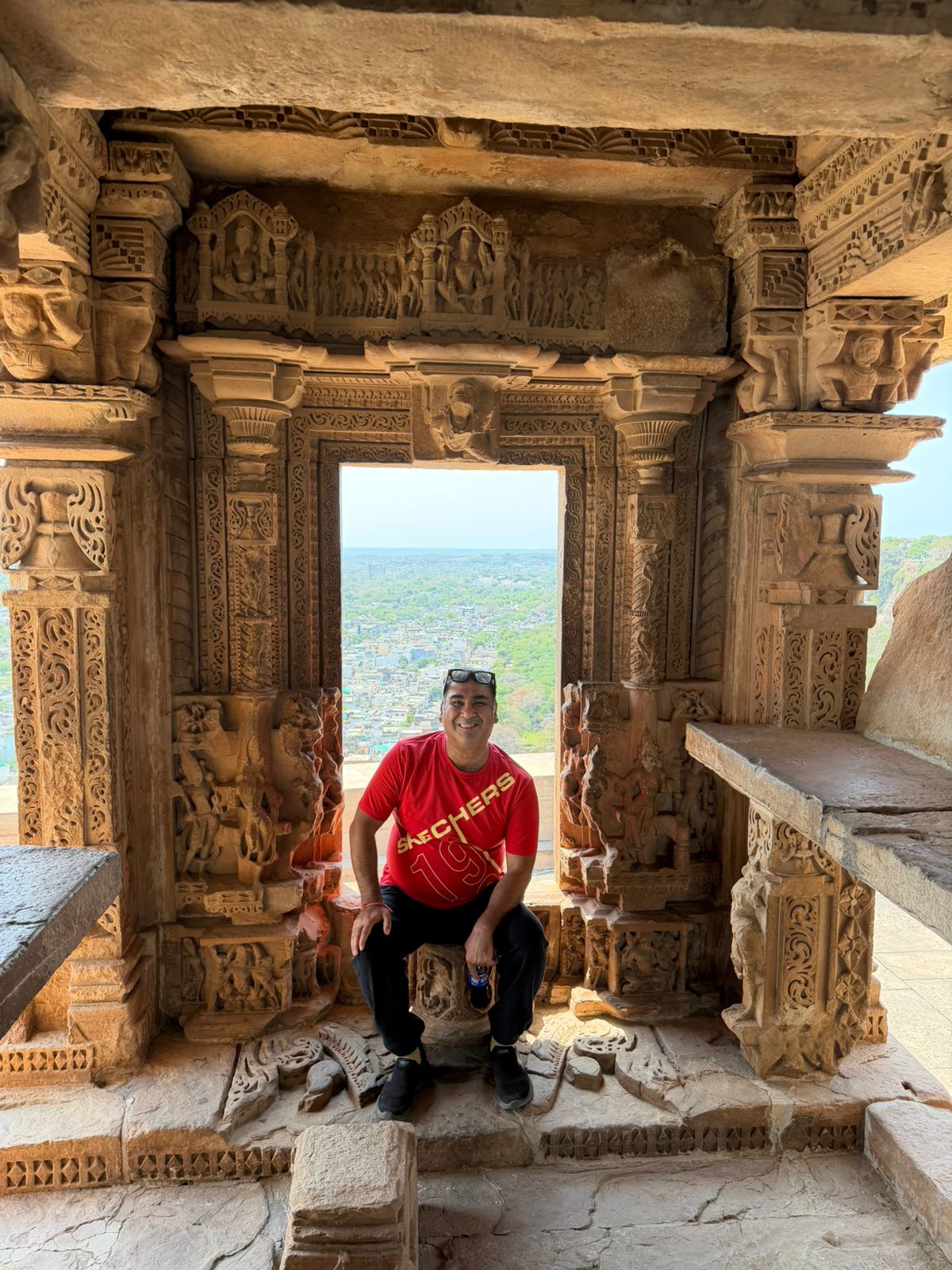
From the ledges near the sculptures, the city of Gwalior stretches endlessly into the horizon. The contrast is striking—modern life bustling below, while above, these ancient figures remain untouched by time.
It made me think about how many generations have stood here, looking at the same view under the same sky.
Reflections
This wasn’t just another stop in my travels through Madhya Pradesh. It was a moment of stillness in a journey otherwise filled with movement. And as I walked away, I carried with me not just photographs, but a quiet sense of peace—something only places like this can leave behind.
Add a review
Your email address will not be published. Required fields are marked *