
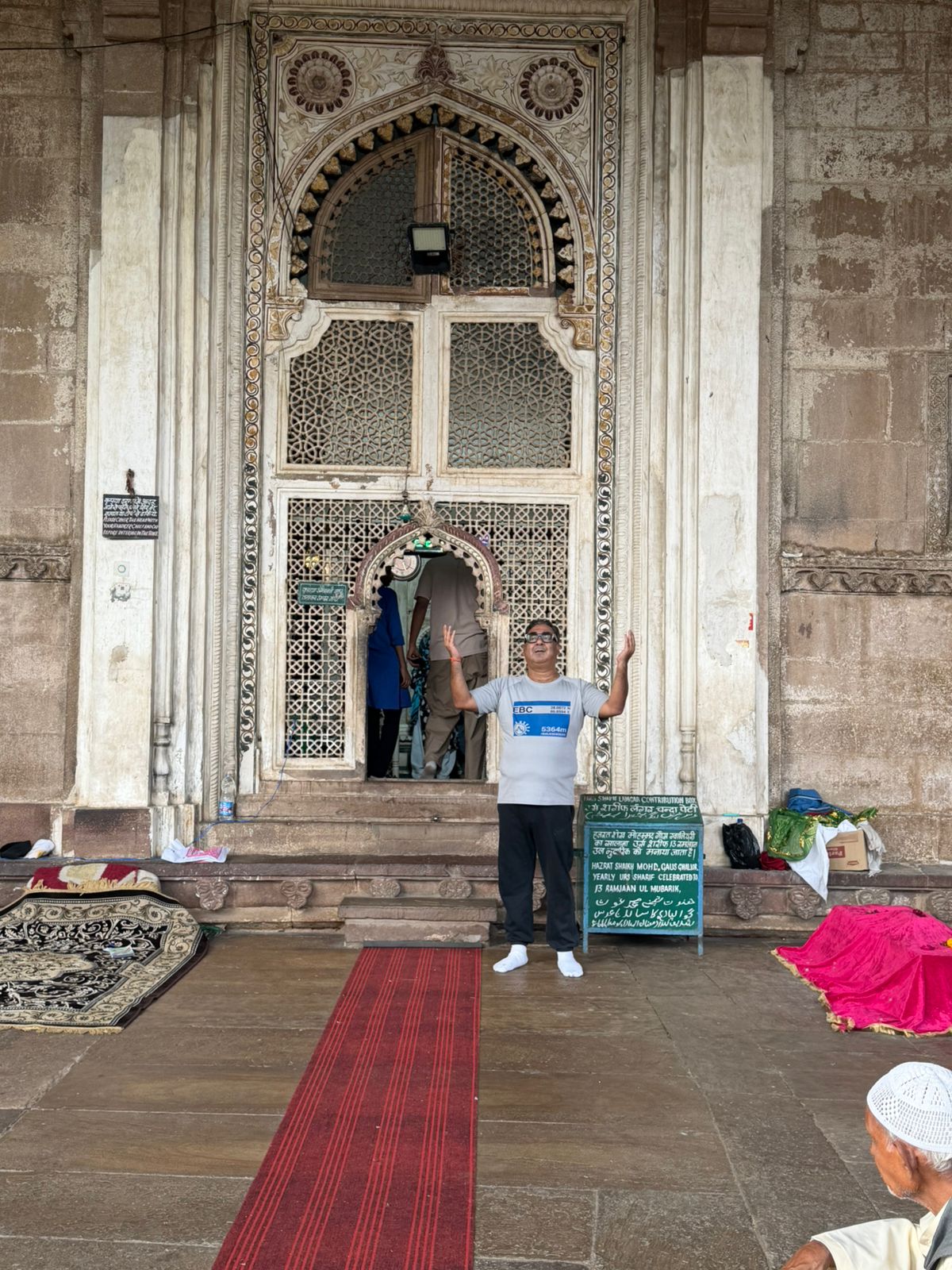
My Visit to Muhammad Ghaus & Tansen’s Mausoleum, Gwalior
A Gateway to Heritage
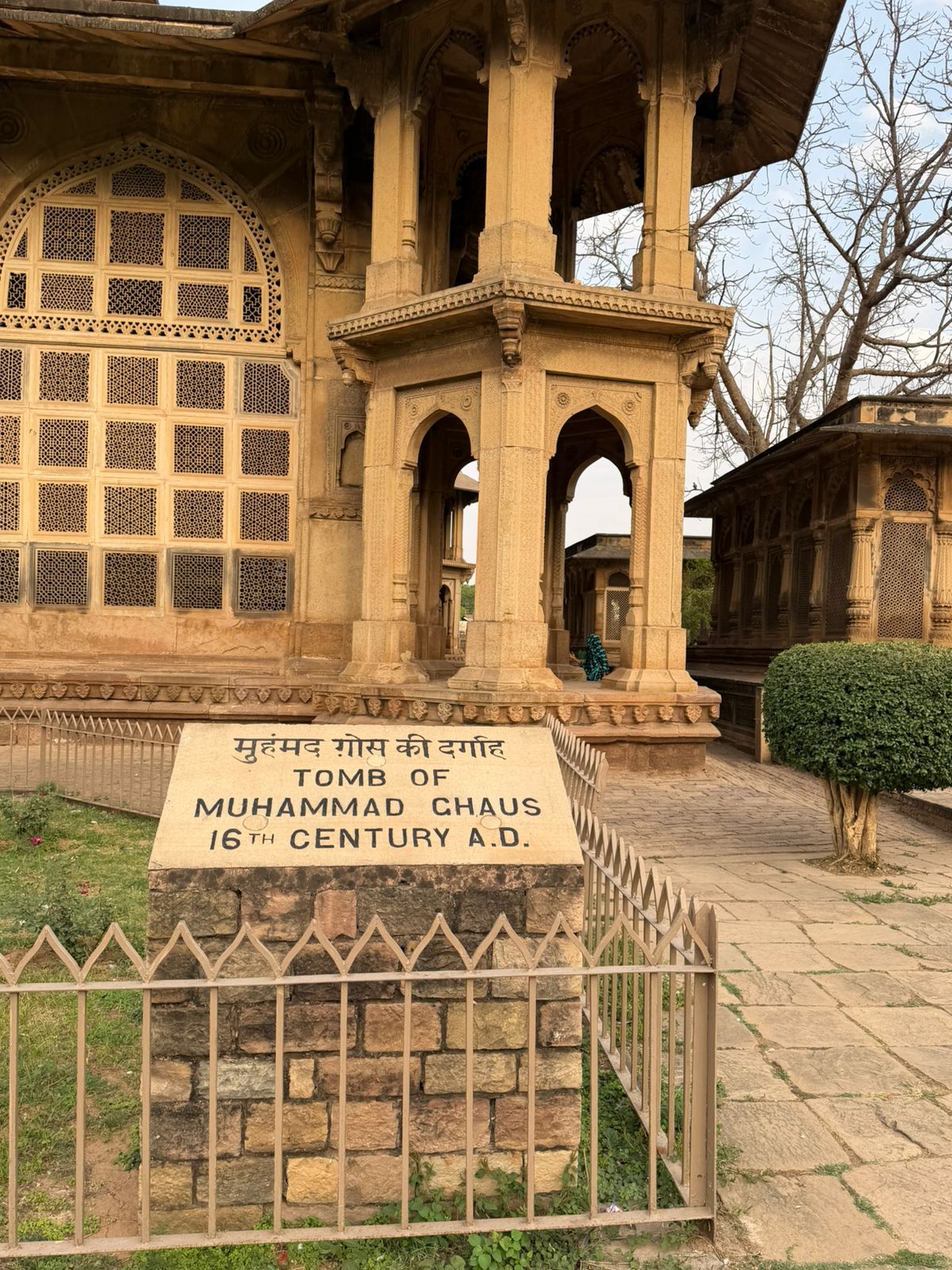
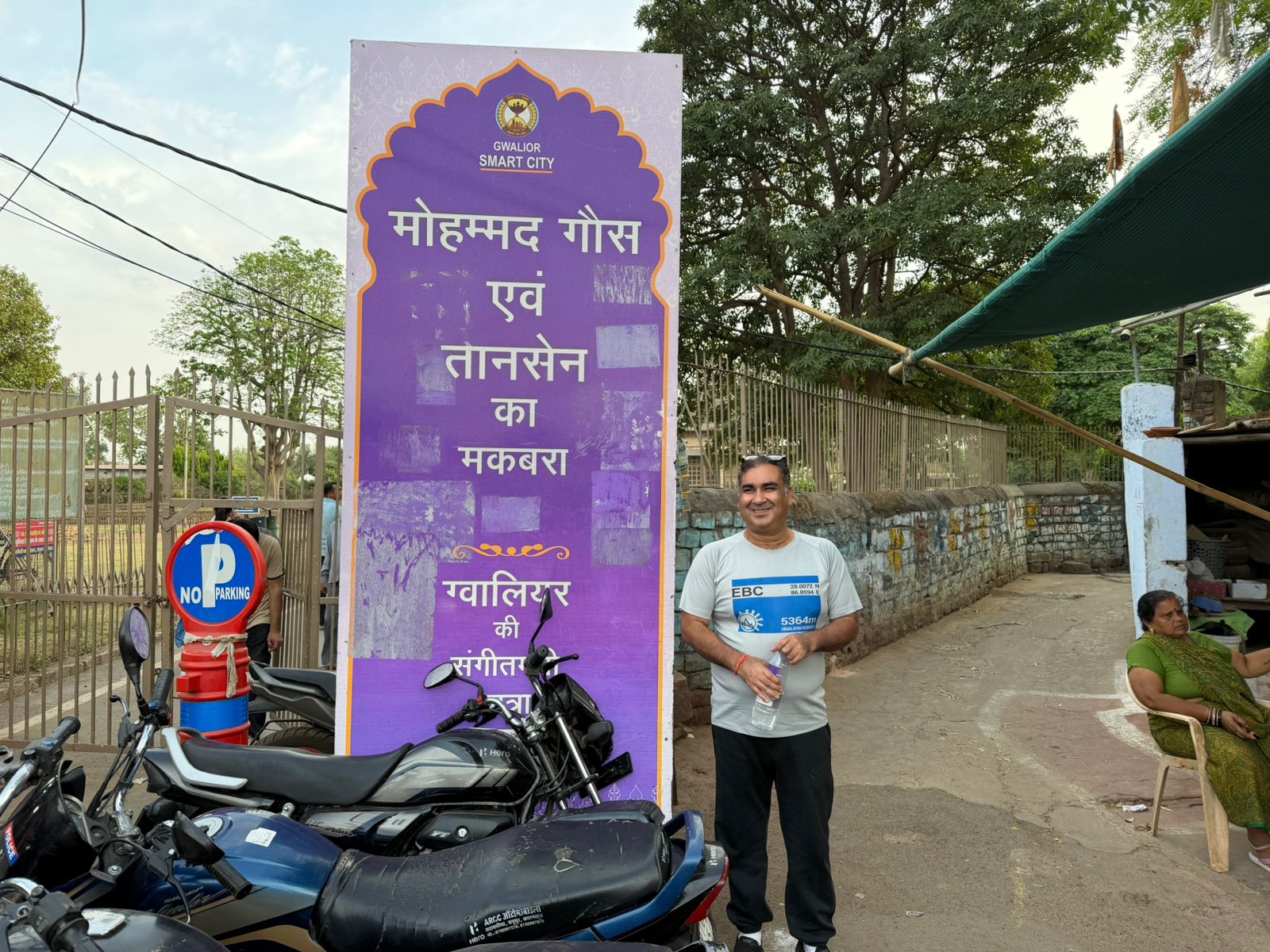
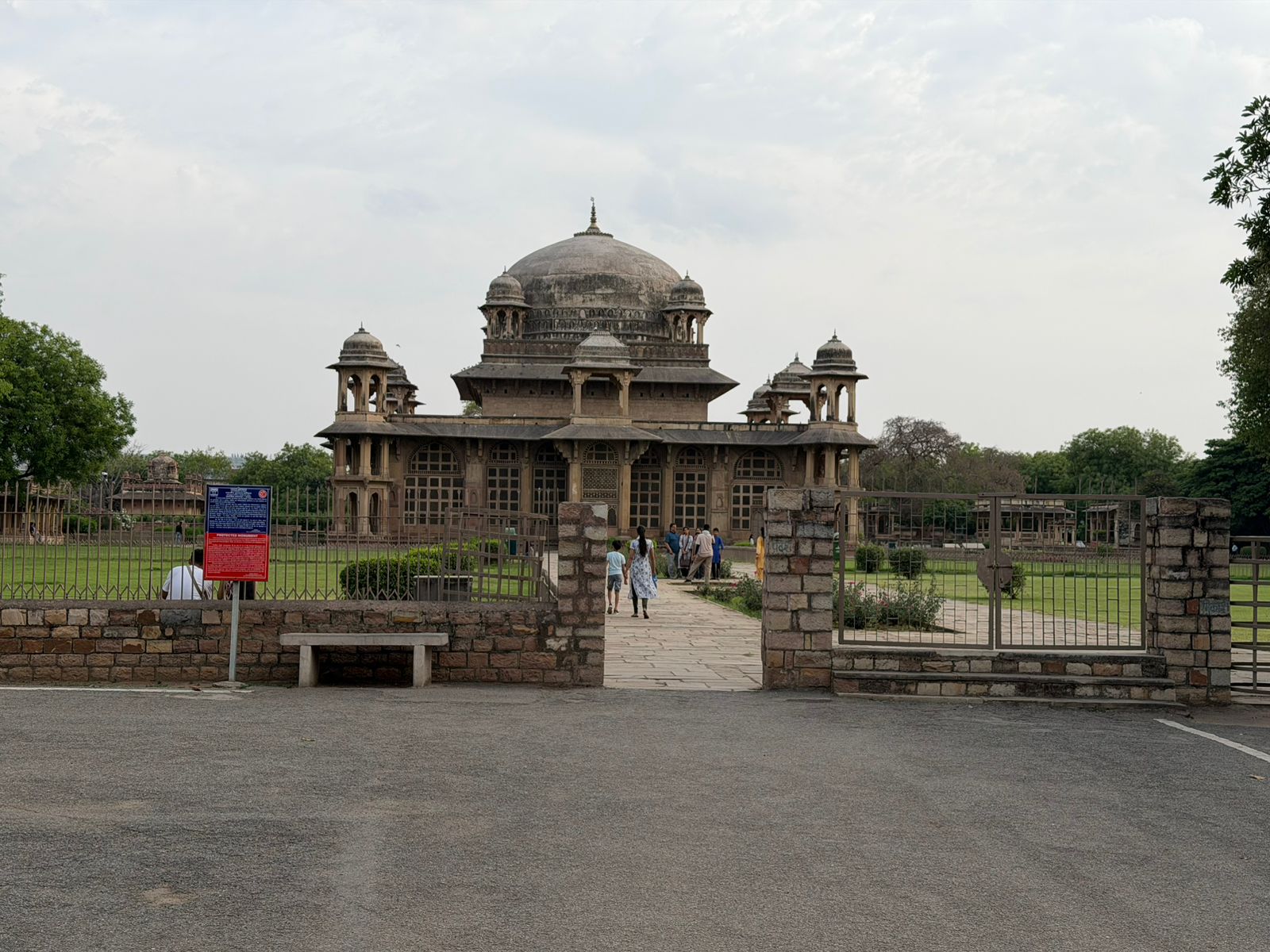
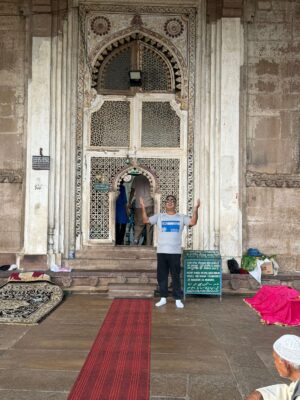
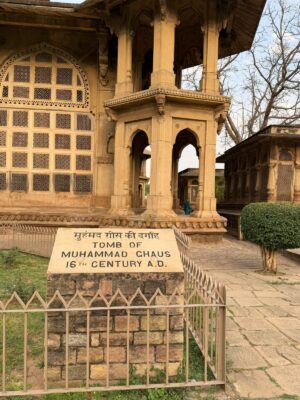
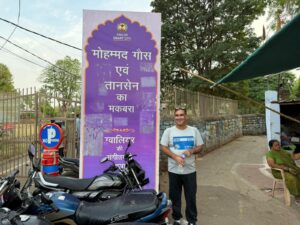
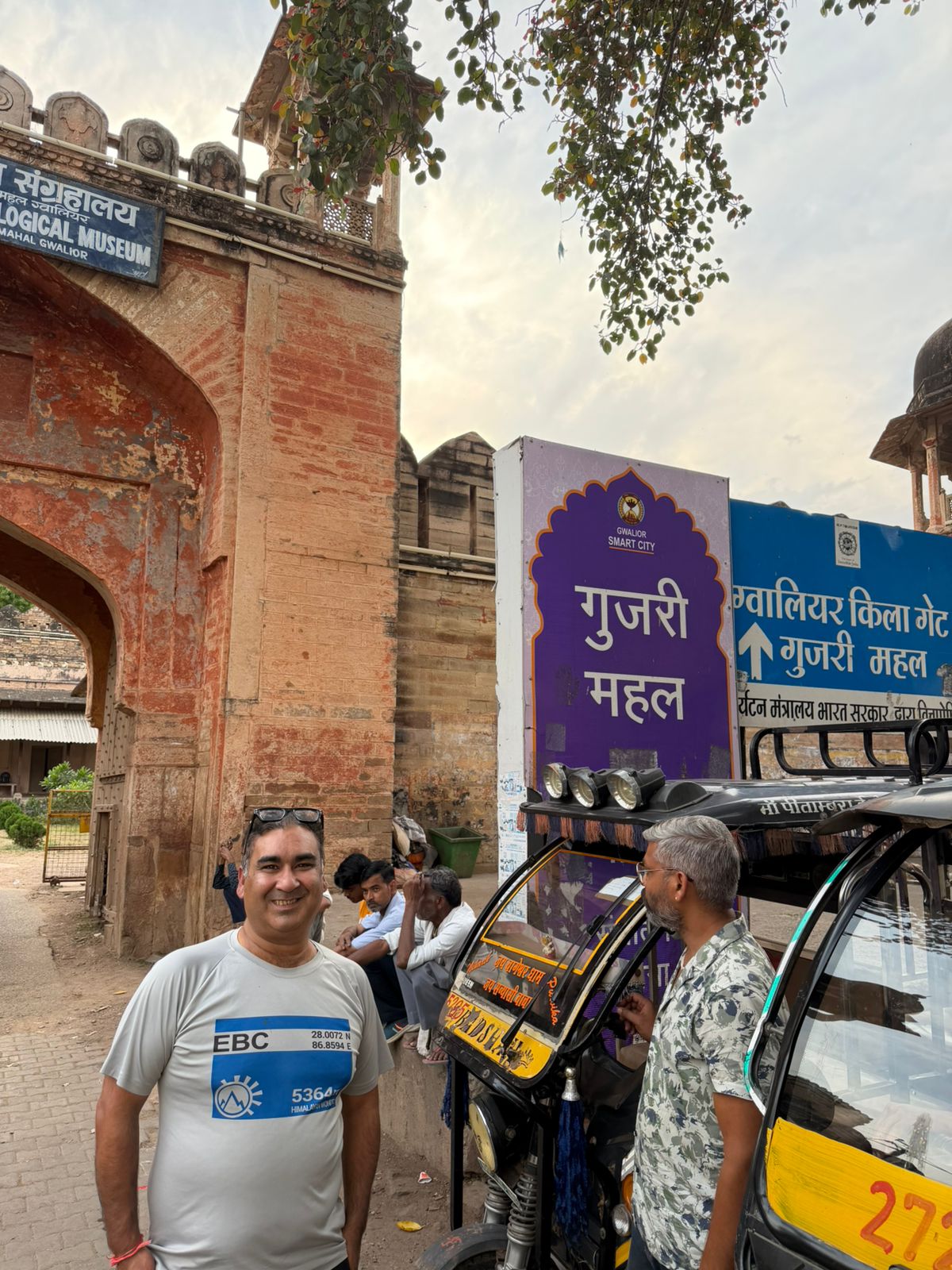
As I reached the historic complex in Tansen Town, home to the tomb of Muhammad Ghaus, the first thing that struck me was how quietly grand the place felt. The signboard welcomed me into a space that holds centuries of music, spirituality, and Mughal-era elegance. There was no rush, no chaos—just a calm invitation to step into history.
The Majestic Tomb of Muhammad Ghaus
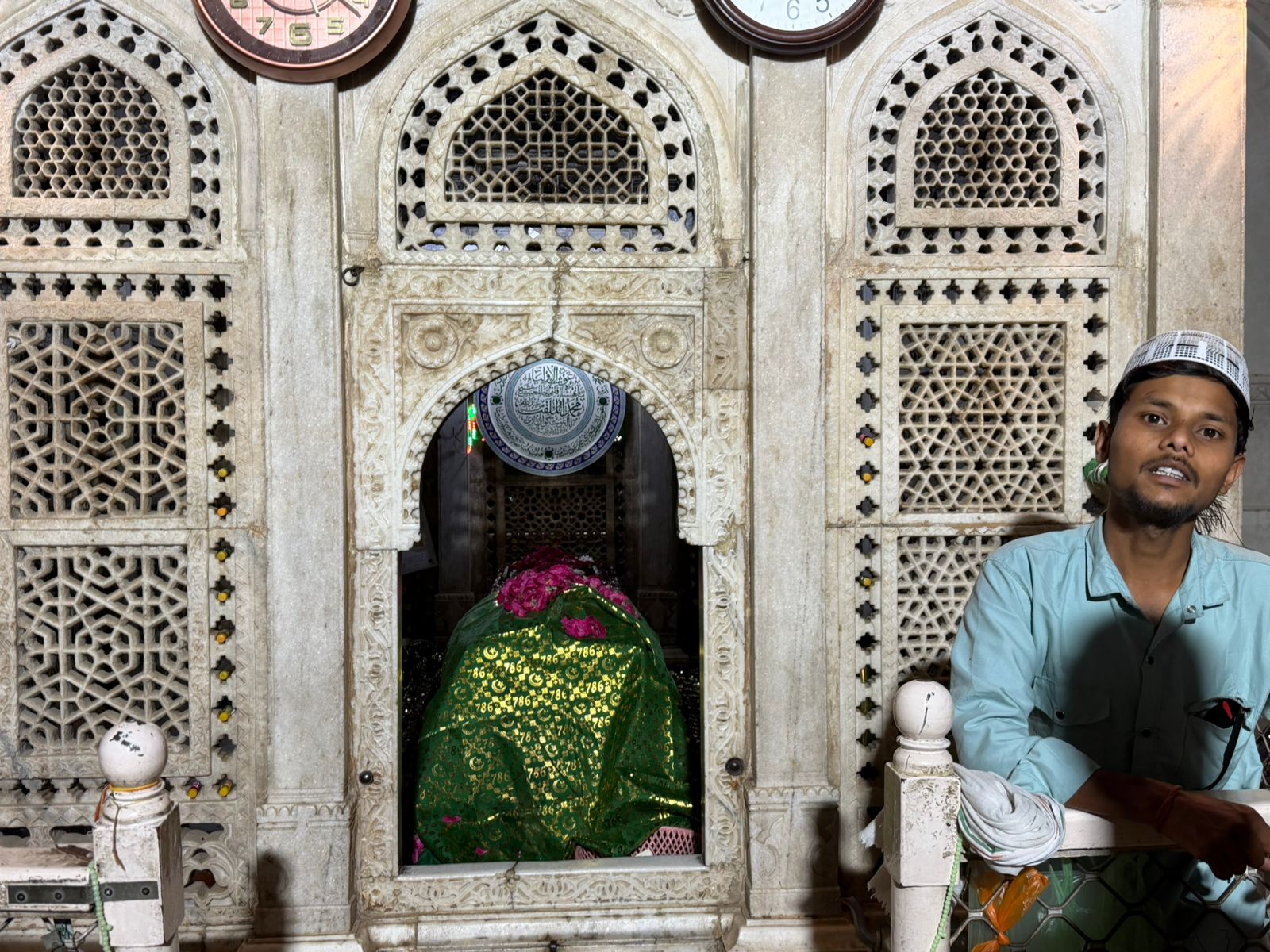
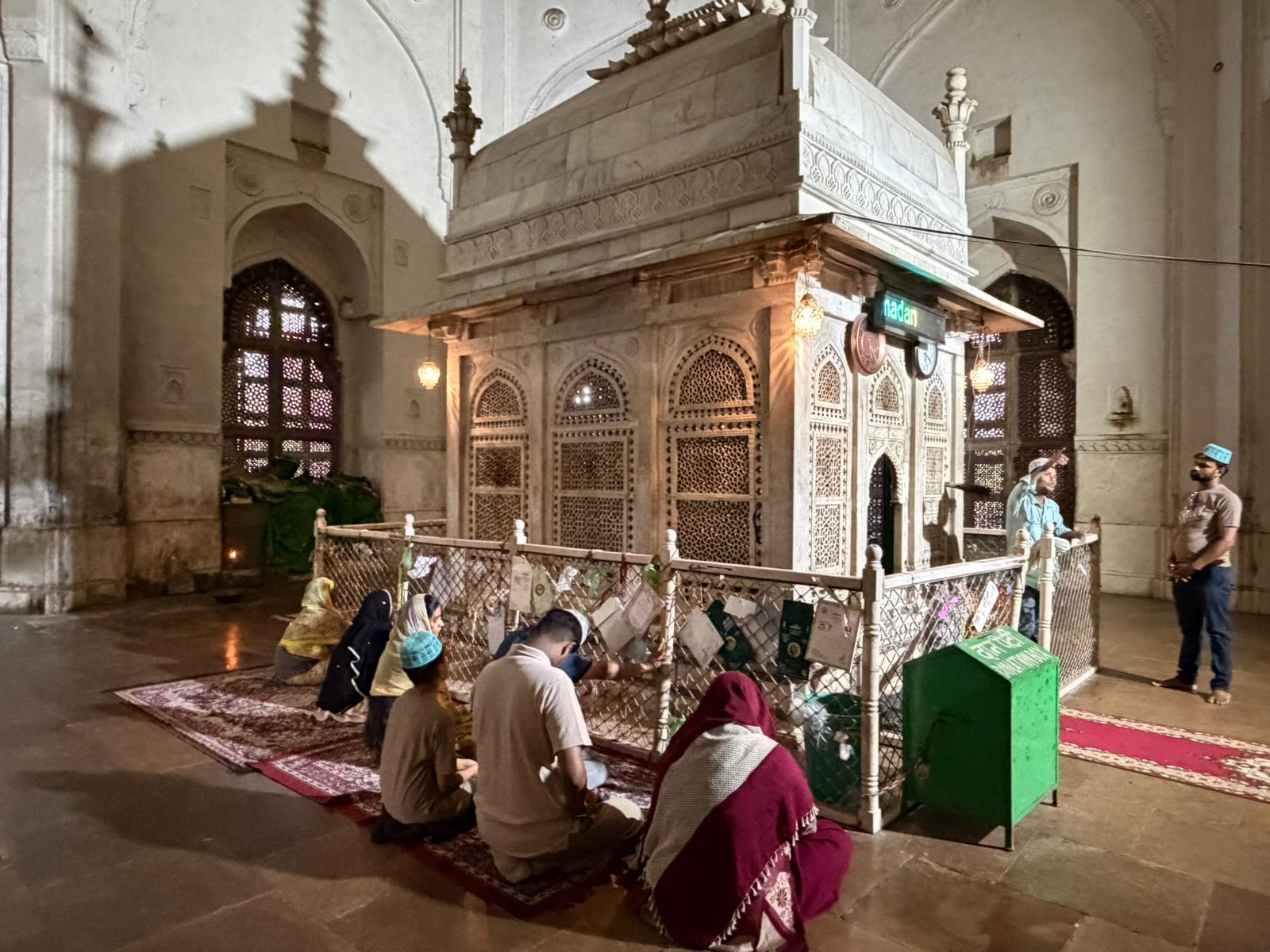
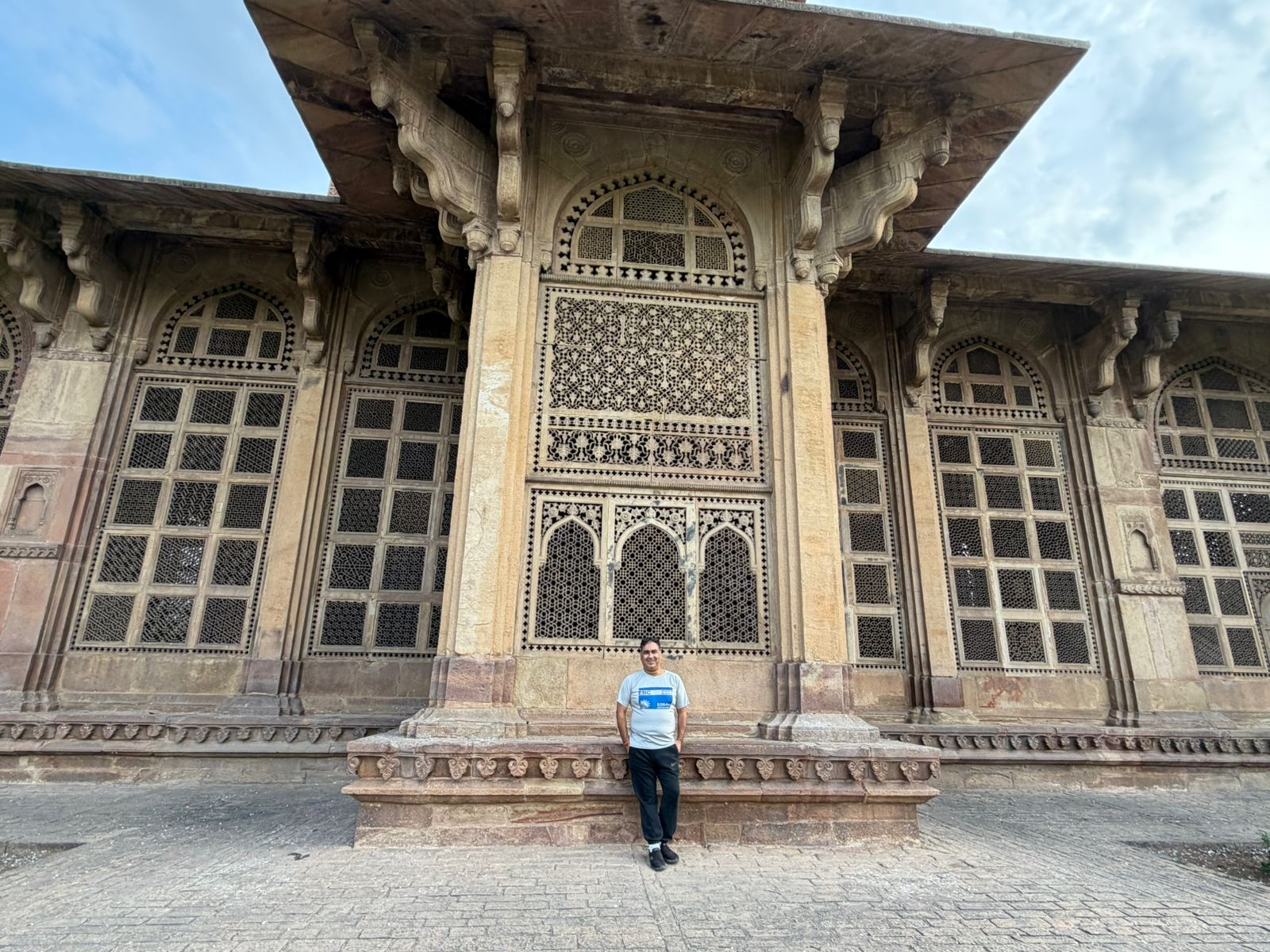
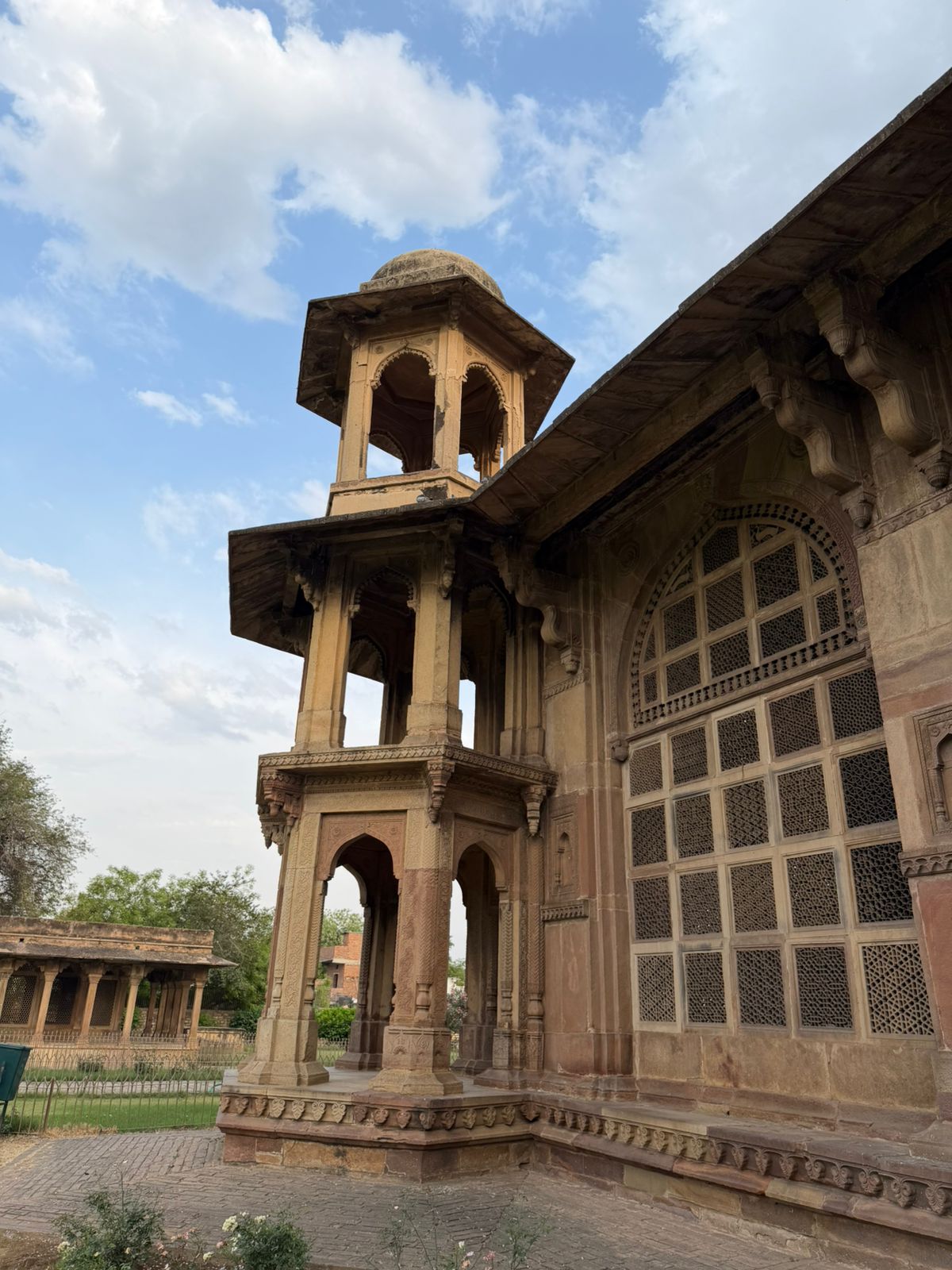
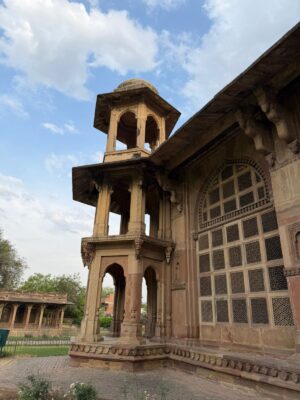
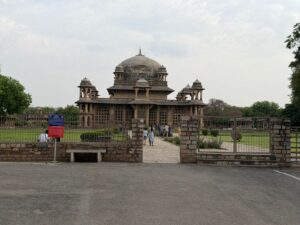
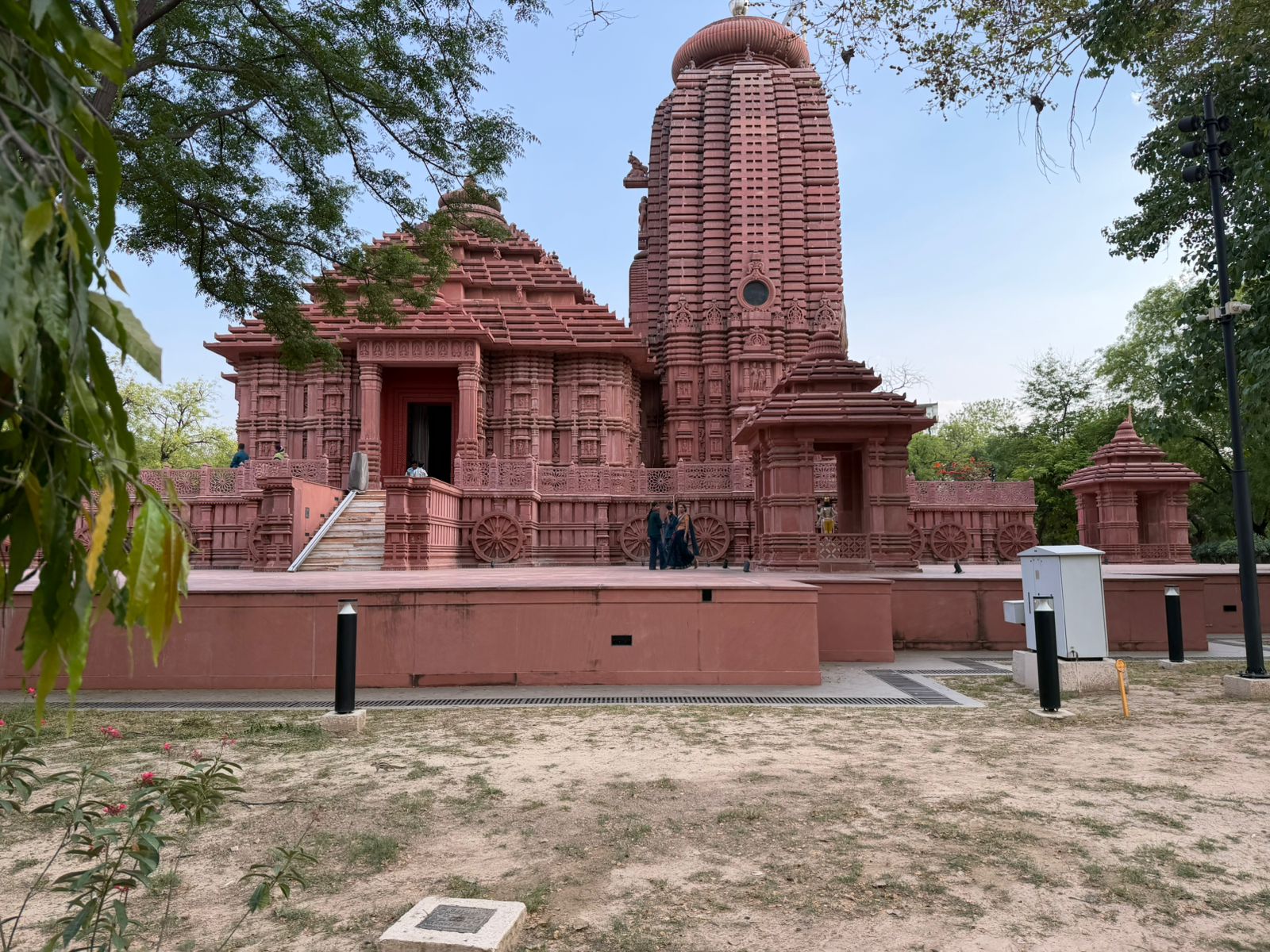
The imposing structure of Muhammad Ghaus’s tomb stands as a masterpiece of early Mughal architecture. Built in the 16th century, it reflects a blend of Afghan and Mughal styles. The intricate stone jali work on the walls is mesmerising—delicate patterns carved into stone that allow light and air to pass through like whispers from the past.
Muhammad Ghaus was a revered Sufi saint and spiritual guide, known not only for his teachings but also for his influence on art and culture. Standing inside the mausoleum, I could feel a deep sense of peace, as if the place still carries his spiritual aura.
Tansen: The Soul of Indian Classical Music
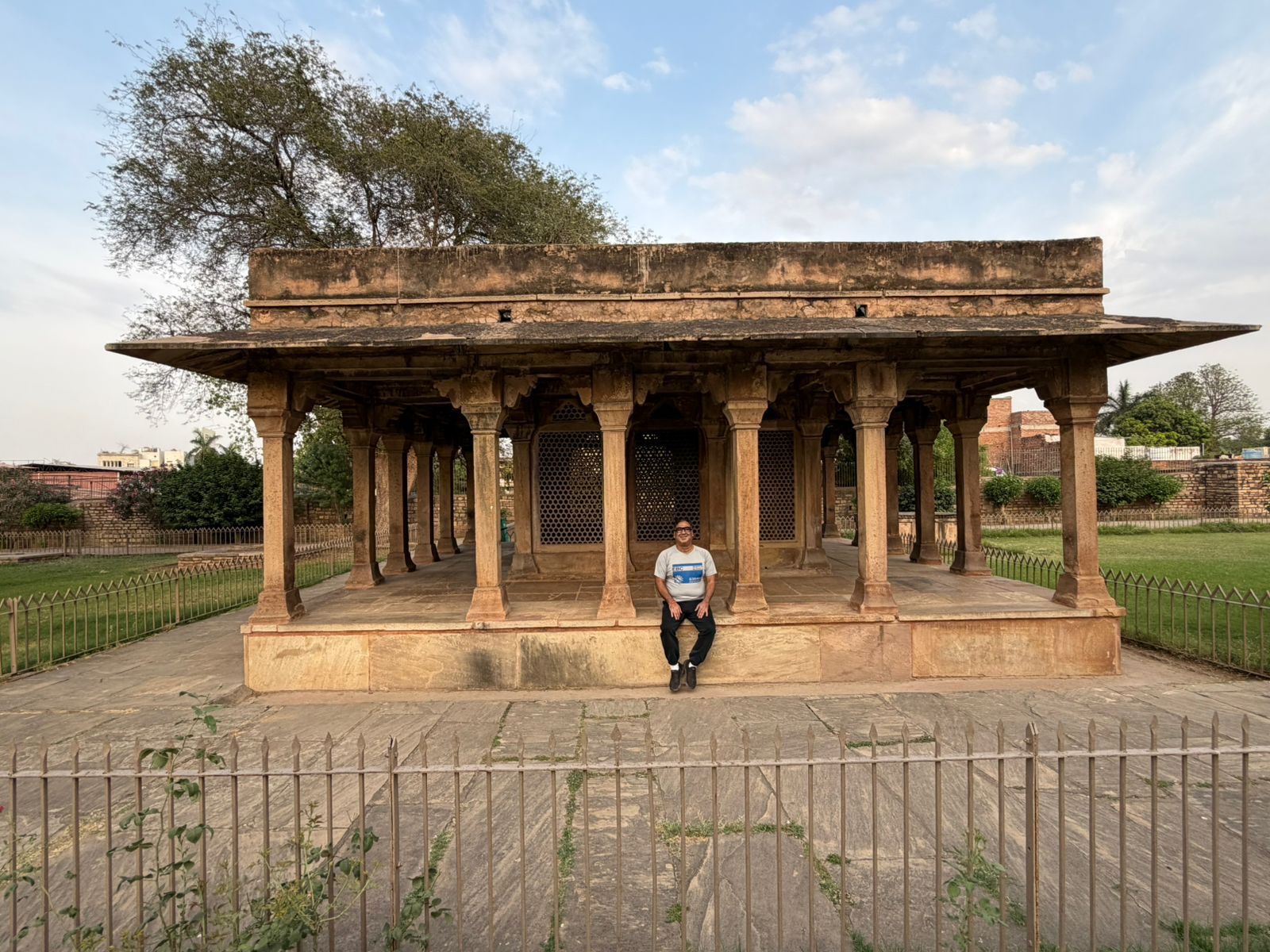
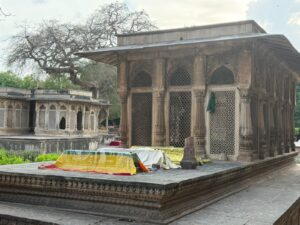
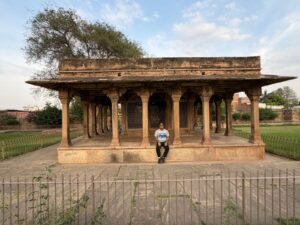
A short walk away lies the resting place of Tansen—one of the greatest musicians in Indian history and a jewel of Emperor Akbar’s court. Unlike the grand tomb of his spiritual mentor, Tansen’s mausoleum is simple and humble—yet incredibly powerful in its significance.
Muhammad Ghaus & Tansen’s Mausoleum, Gwalior
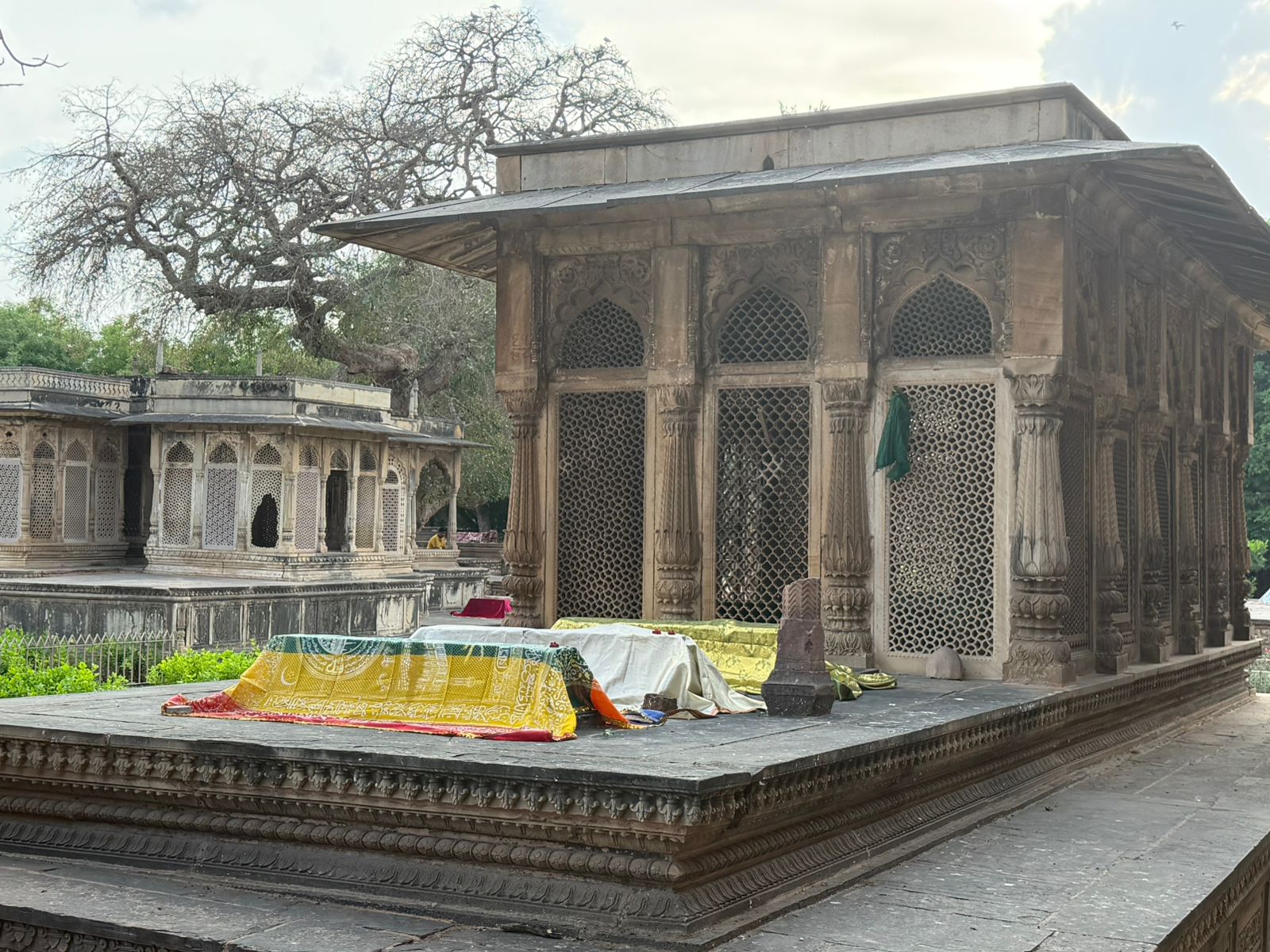
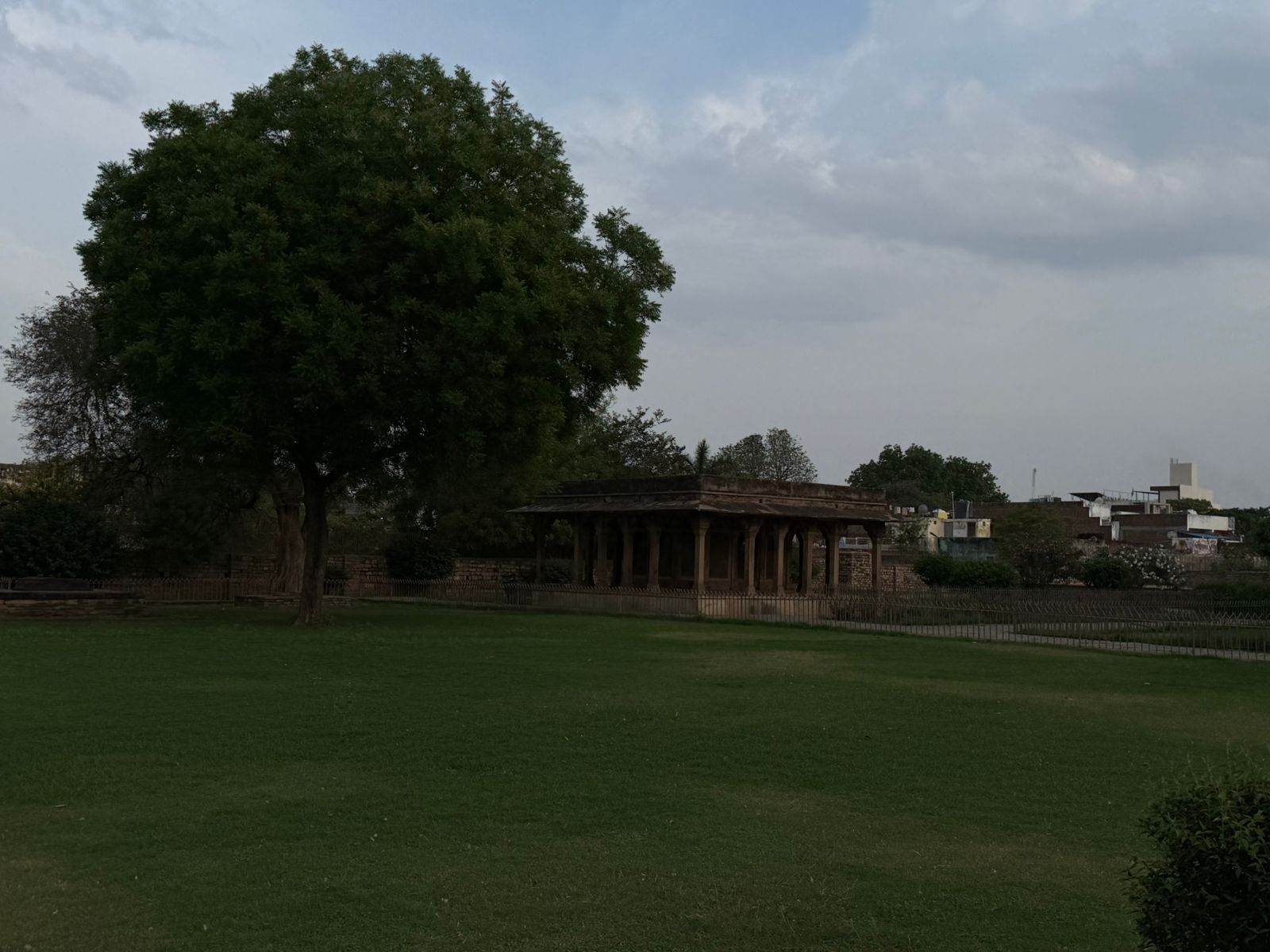
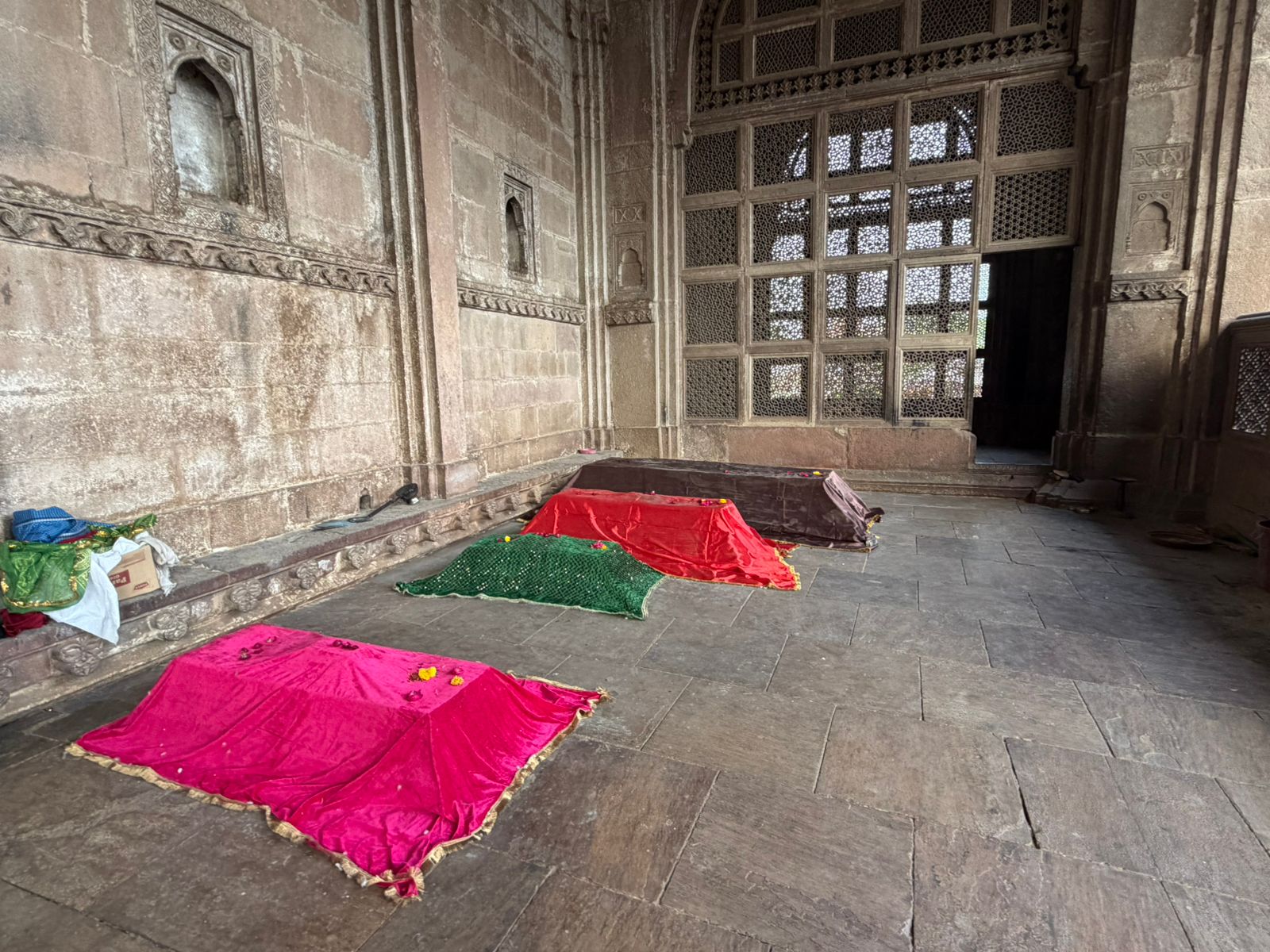
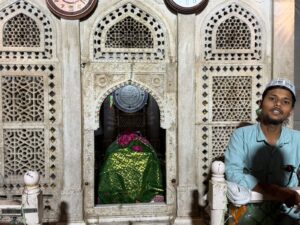
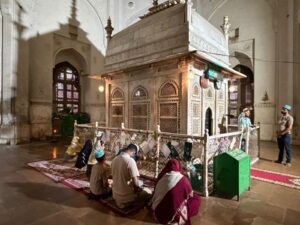
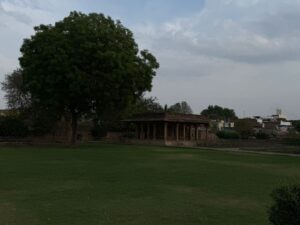
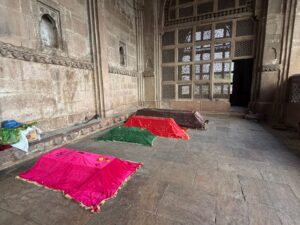
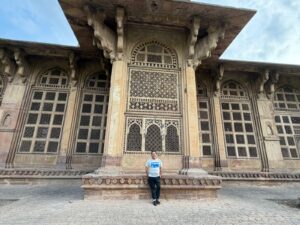
Legend says that he could light lamps with Raag Deepak and bring rain with Megh Malhar. Whether myth or truth, his legacy in Hindustani classical music is unquestionable. There is also a famous tamarind tree nearby, whose leaves are believed to enhance the voice of singers—a beautiful blend of folklore and devotion.
Walking Through Time and Stone
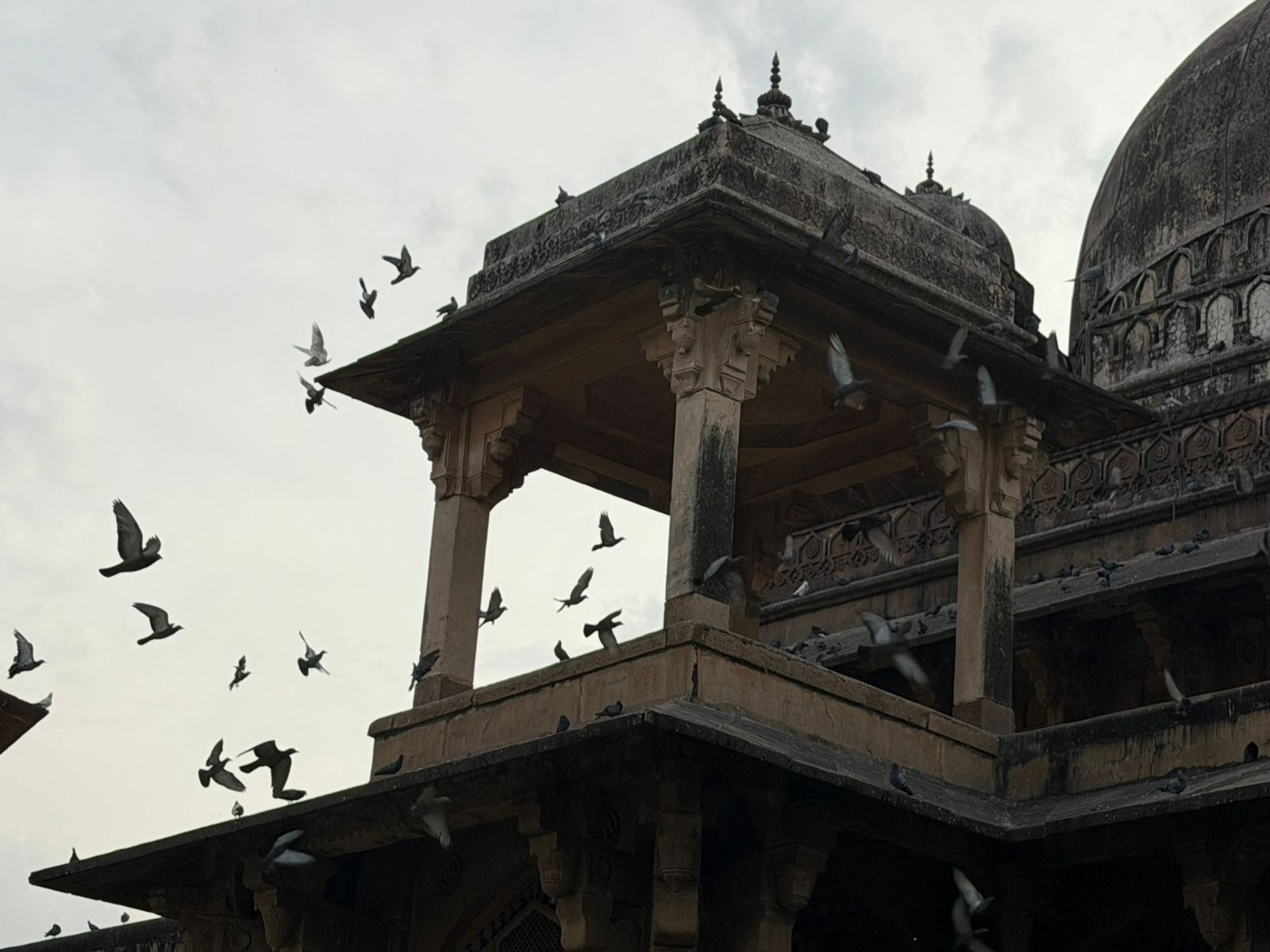
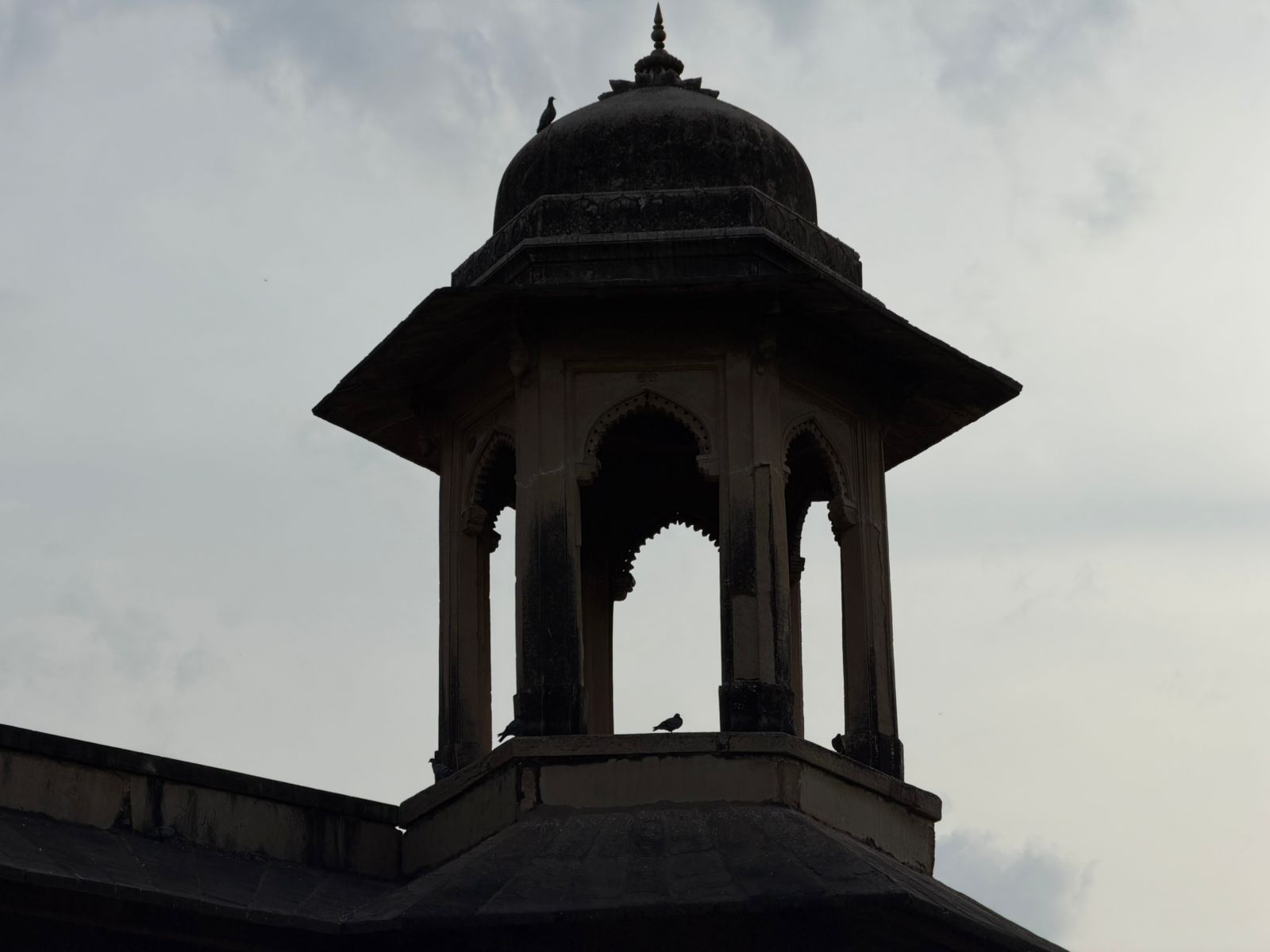
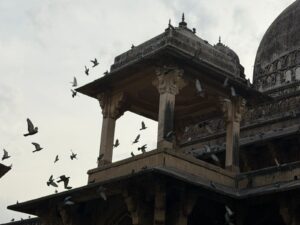
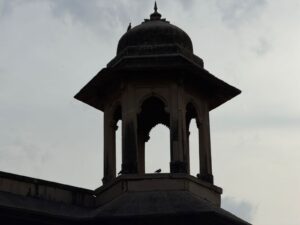
As I explored further, I was captivated by the symmetry of the pillared pavilions, arched corridors, and open courtyards. Every corner felt like a photograph waiting to happen. Sitting on the steps, I paused to take it all in—the silence, the birds, the breeze moving through centuries-old stone.
It’s the kind of place where time slows down, allowing you to truly connect with history.
A Personal Experience
Standing in front of these monuments, I felt a rare combination of admiration and calm. This wasn’t just a tourist visit—it felt symbolic: spirituality and art, devotion and creativity, all coexisting in harmony.
The Legacy Lives On
Every year, the famous Tansen Music Festival is held here, where artists from across the country come to perform in honour of the legend. It’s incredible how a place like this continues to inspire generations.
Final Thoughts
My visit to Tansen’s tomb and the tomb of Muhammad Ghaus was more than just sightseeing—it was an experience of history, music, and spirituality coming together.
Add a review
Your email address will not be published. Required fields are marked *