

Into the Forest with Guns and Grit
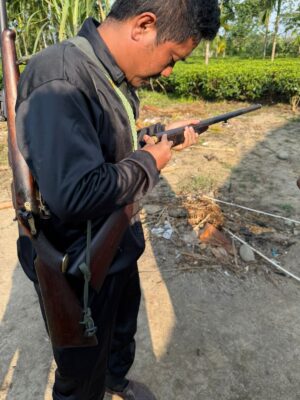
The real adventure began when we stepped into the jungle. The undergrowth cracked under our feet as we walked in a single file — a line of determined men with rifles slung across their shoulders. One hunter led us forward, his movements smooth and instinctive, as if the jungle itself whispered directions to him. Another walked behind, checking the safety on his weapon with the precision of a seasoned warrior.
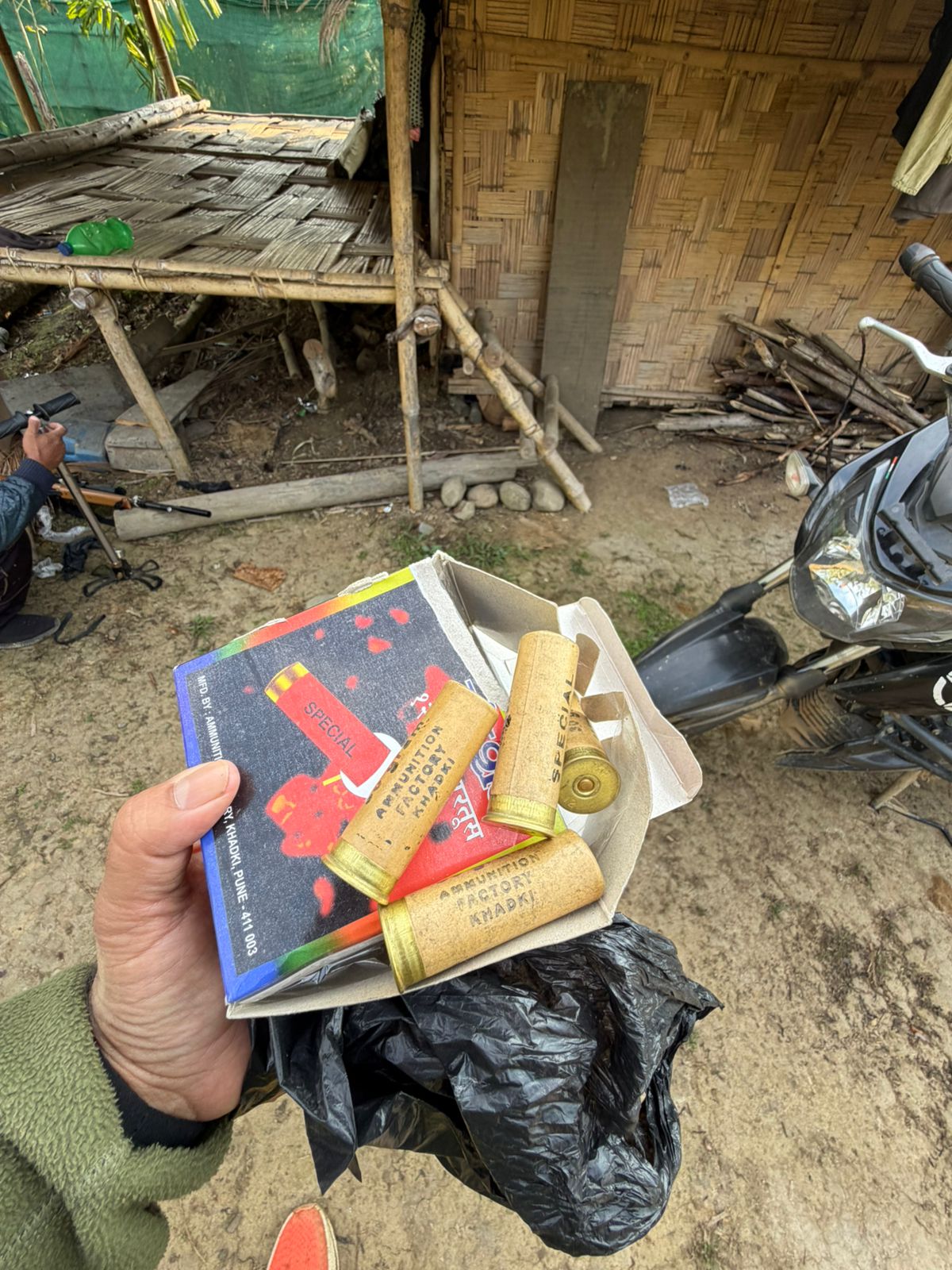
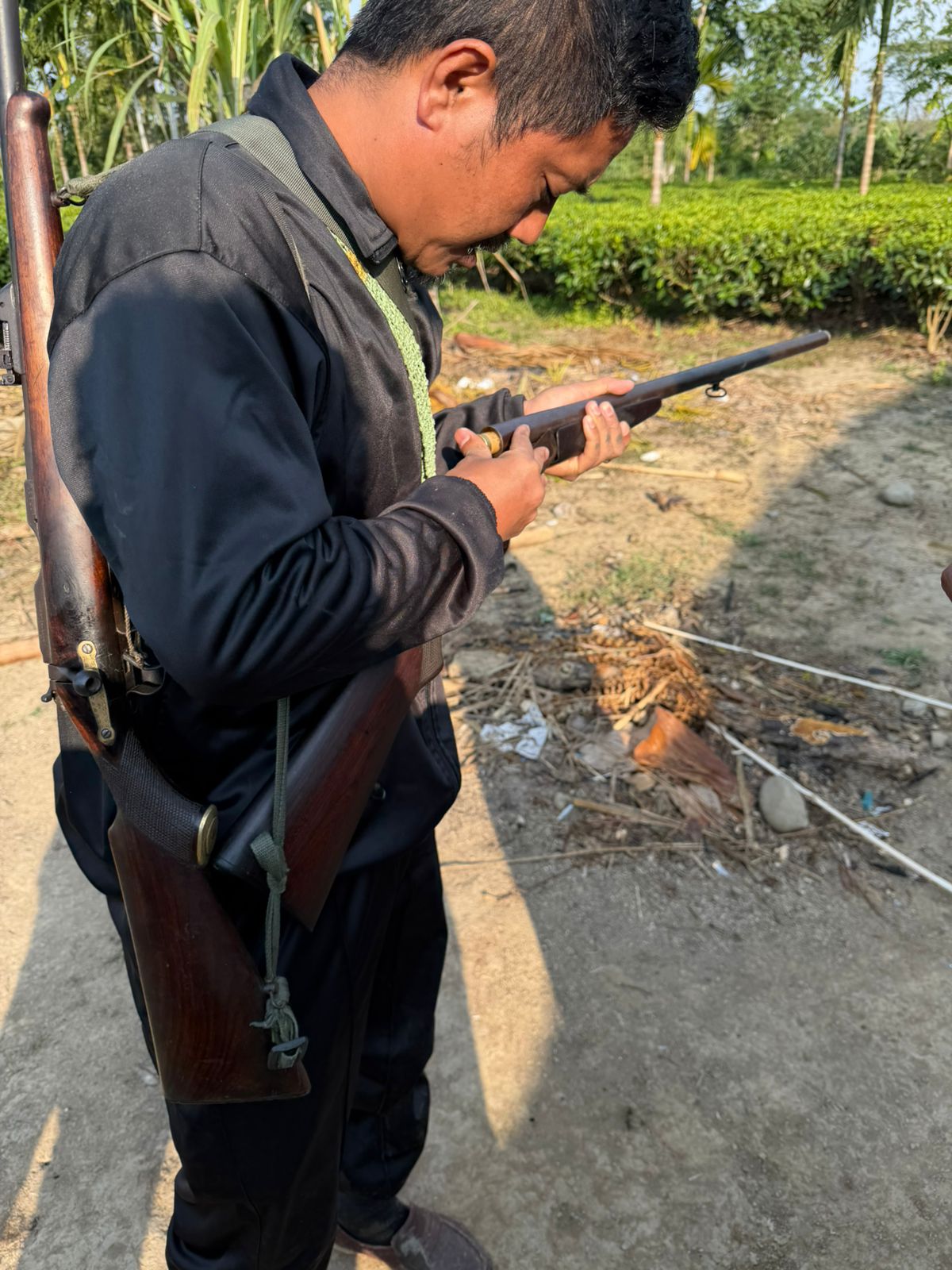
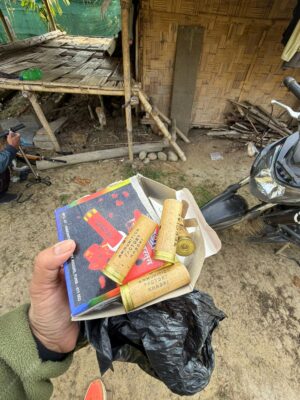
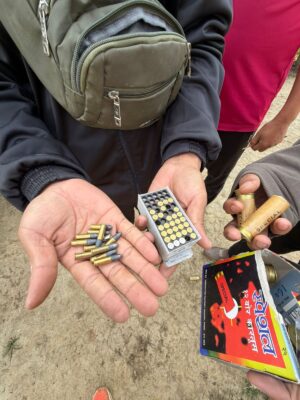
The deeper we went, the more alive the forest felt — rustling leaves, sudden calls of birds, and the unmistakable thrill of being far from civilization. We stopped at a hunter’s hut as the men began loading their guns. Some tested the bullets, while others shoved rounds into long bores with thin iron rods.
It was here that I learned how to shoot from a telescope gun with a silencer. I tested my aim on a jackfruit. Later, I wandered into a nearby tea garden and then into a dense patch of forest out of curiosity. There was a small water pond nearby, but not much else.
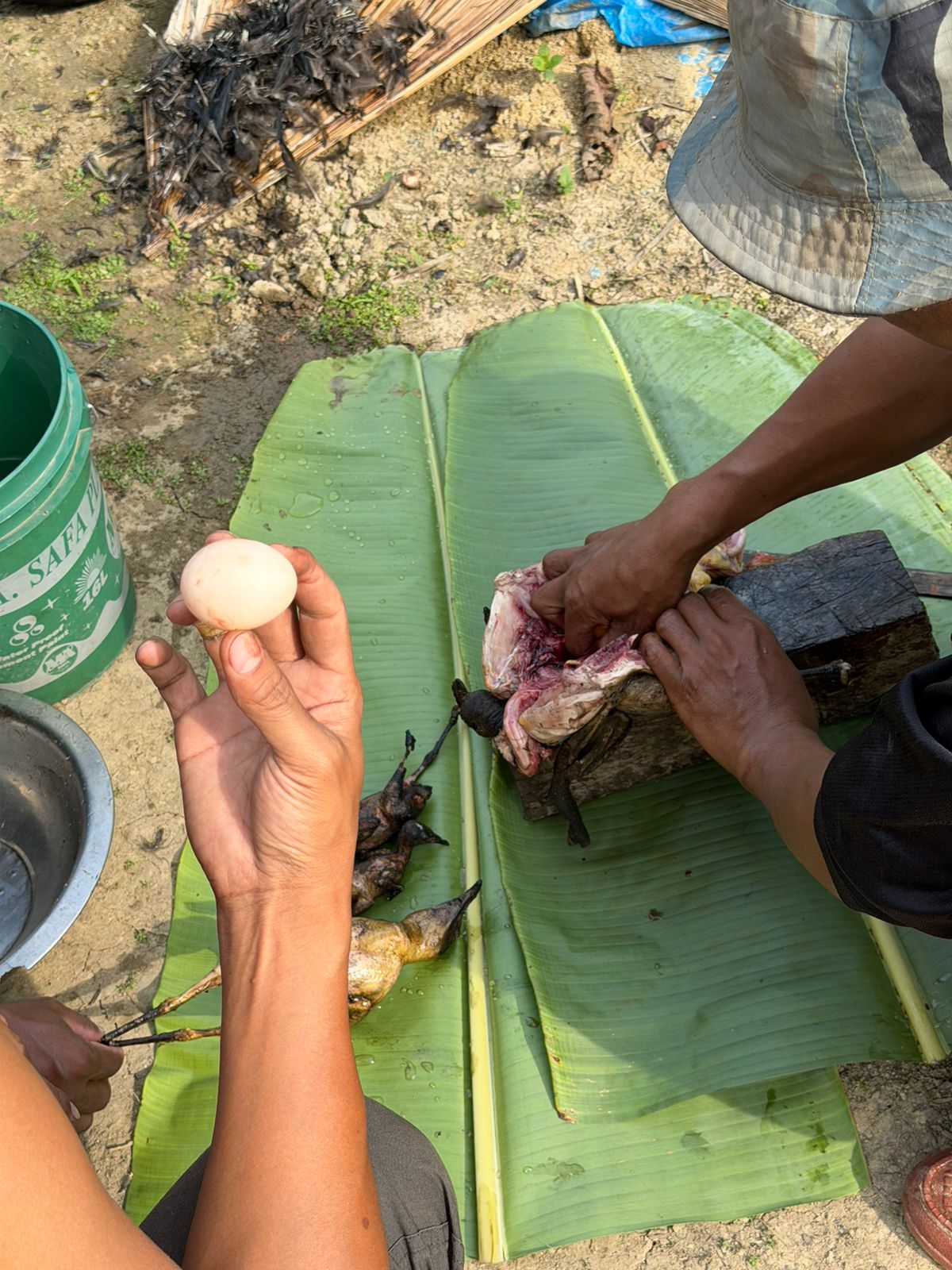
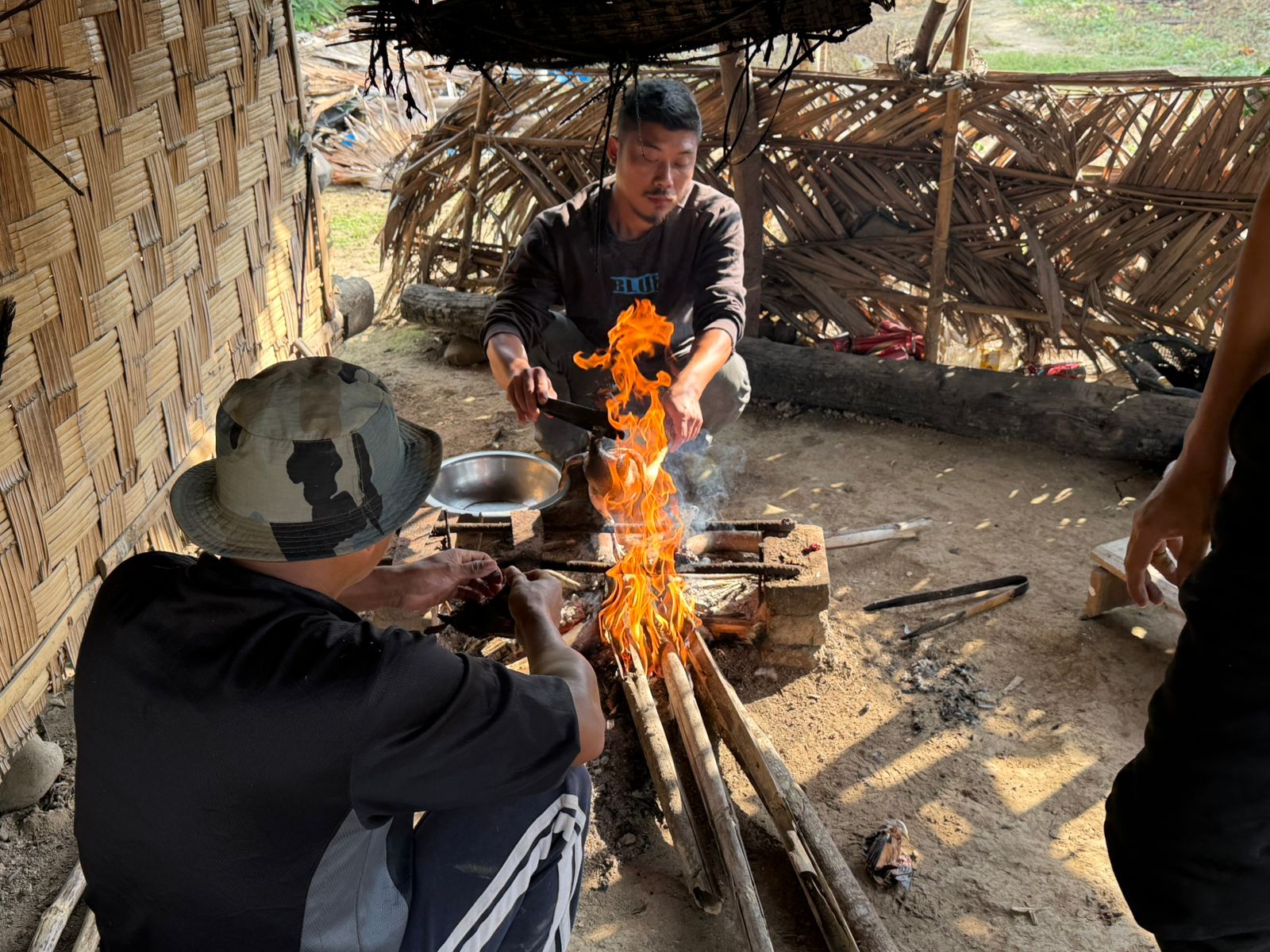
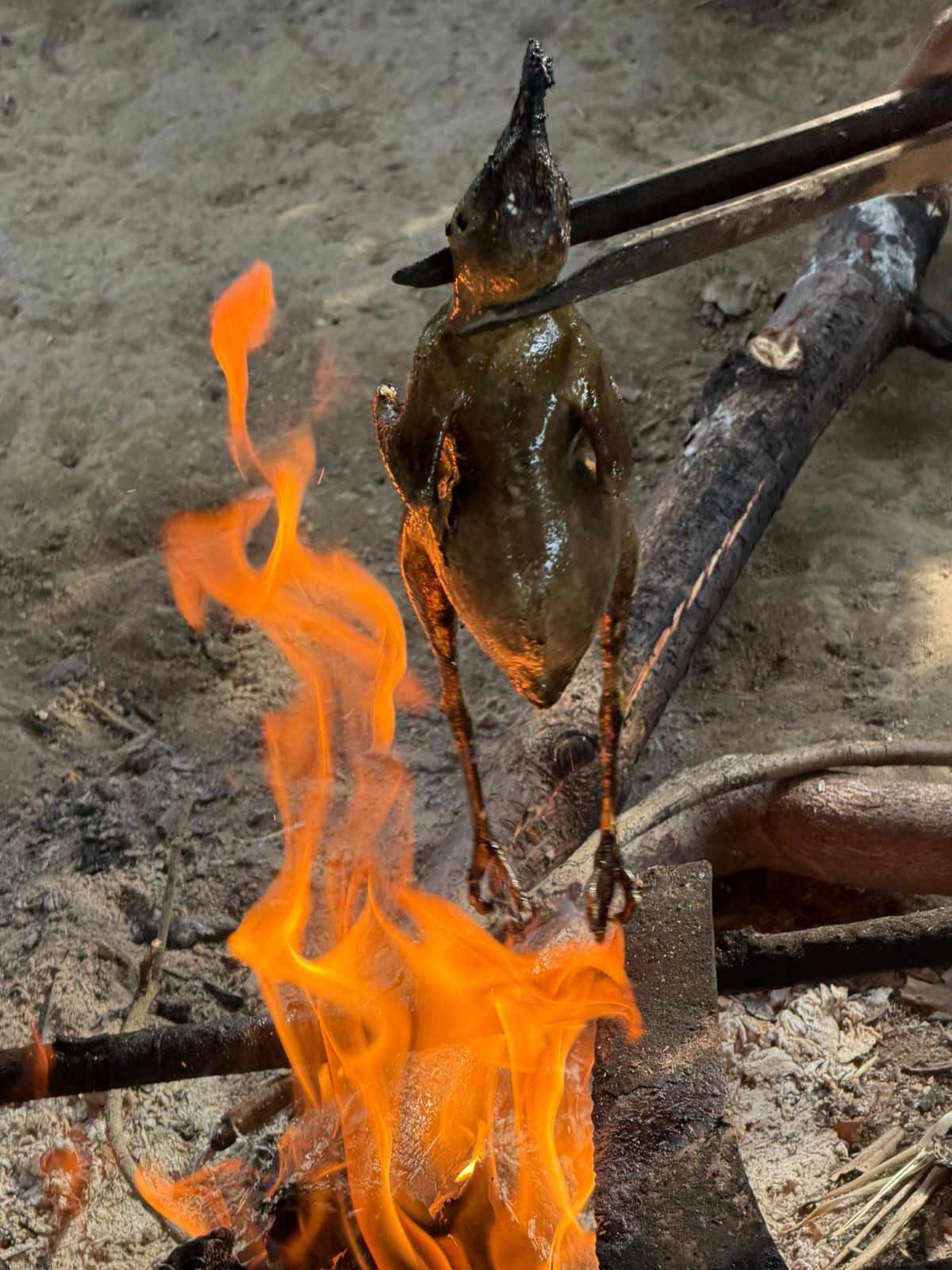
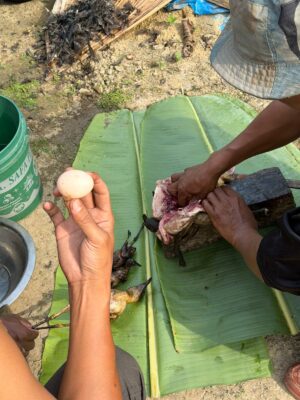
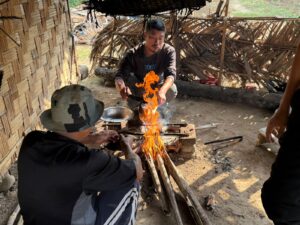
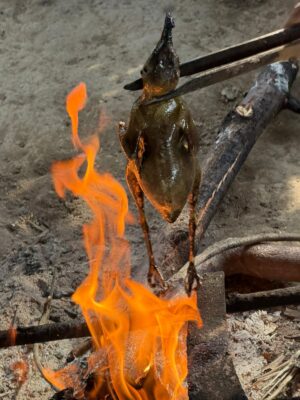
Meanwhile, the hunters began preparing the feast. One of them chopped the fowl and other game, while another plucked feathers and removed the skin to clean the entrails of the bird. One hunter even found a fully formed egg inside the belly of the bird and seemed very excited. Another cooked the cuts of meat over a live fire. The duck was slowly roasted, and a lot of fat melted away as it burned over the forest wood. The hunters used large knives and 12-inch blades to finely cut and chop the meat. A huge pot of rice boiled in black utensils on the fire.
It was the closest to nature I had ever felt. This is how medieval man lived; this is how the tribals live — they hunt, they cook, they eat, they drink rum and beer, and they enjoy the moment. I was amused to see that they all had smartphones, and one even carried a power bank. Some used single-barrel country guns, while others carried silencer rifles with telescopic sights. I particularly enjoyed firing the country gun — it made a loud boom and made me feel like a real hunter.
By the afternoon, the feast was ready. The men served rice and meat on large green palm leaves — the most ancient and satisfying way to eat. Just like in Kerala, but here the leaves were much bigger. The men drank, chatted, and gossiped as they ate the hunted birds.
Guns and Grit
“We Nagas are warriors. We even fought the British for freedom,” one hunter said with a grin. Most of them had stained teeth, but their smiles were bright and tribal, stretching from ear to ear. They were simple men living each day as it came, following their own community rules in the wild.
“Nagaland is a dry state, but we still get beer and rum. It’s not allowed, but we manage,” another hunter said as he guzzled his drink.
I loved the warmth of the hunters as I took photographs and posed with my gun. One moment I was shooting with them, and the next I was sharing a joke. On a bike ride through the dusty village, one hunter laughed heartily, his rifle slung casually across his back — a sight that captured the essence of Nagaland’s wild freedom.
My hunting expedition to the village of Tizit was more than an adventure. It was a window into a world where tradition and nature exist in perfect harmony.
Add a review
Your email address will not be published. Required fields are marked *