
Gujari Mahal, Gwalior: A Place Built for Love, Strength, and Legacy
First Glimpse: Walking into History
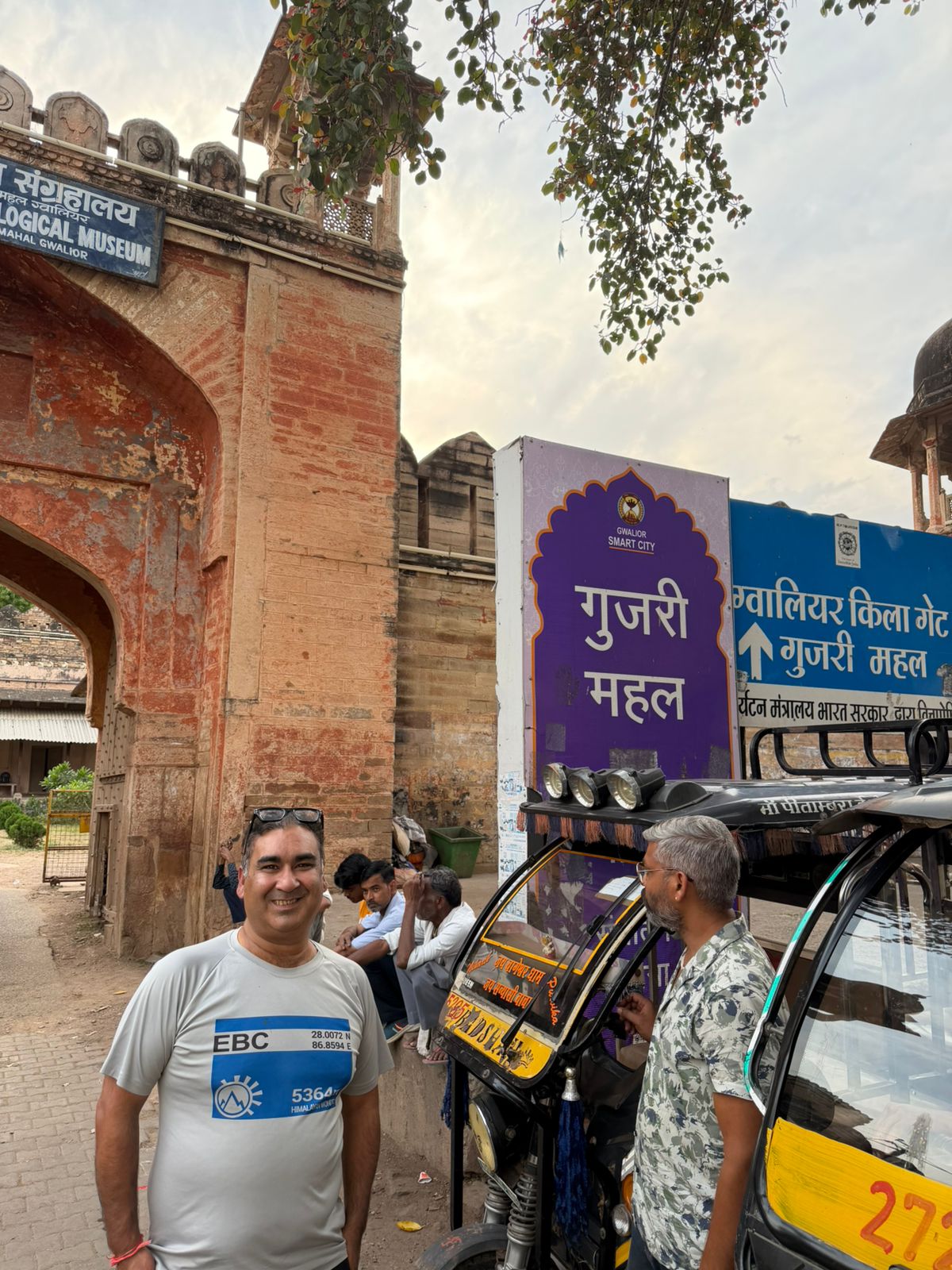
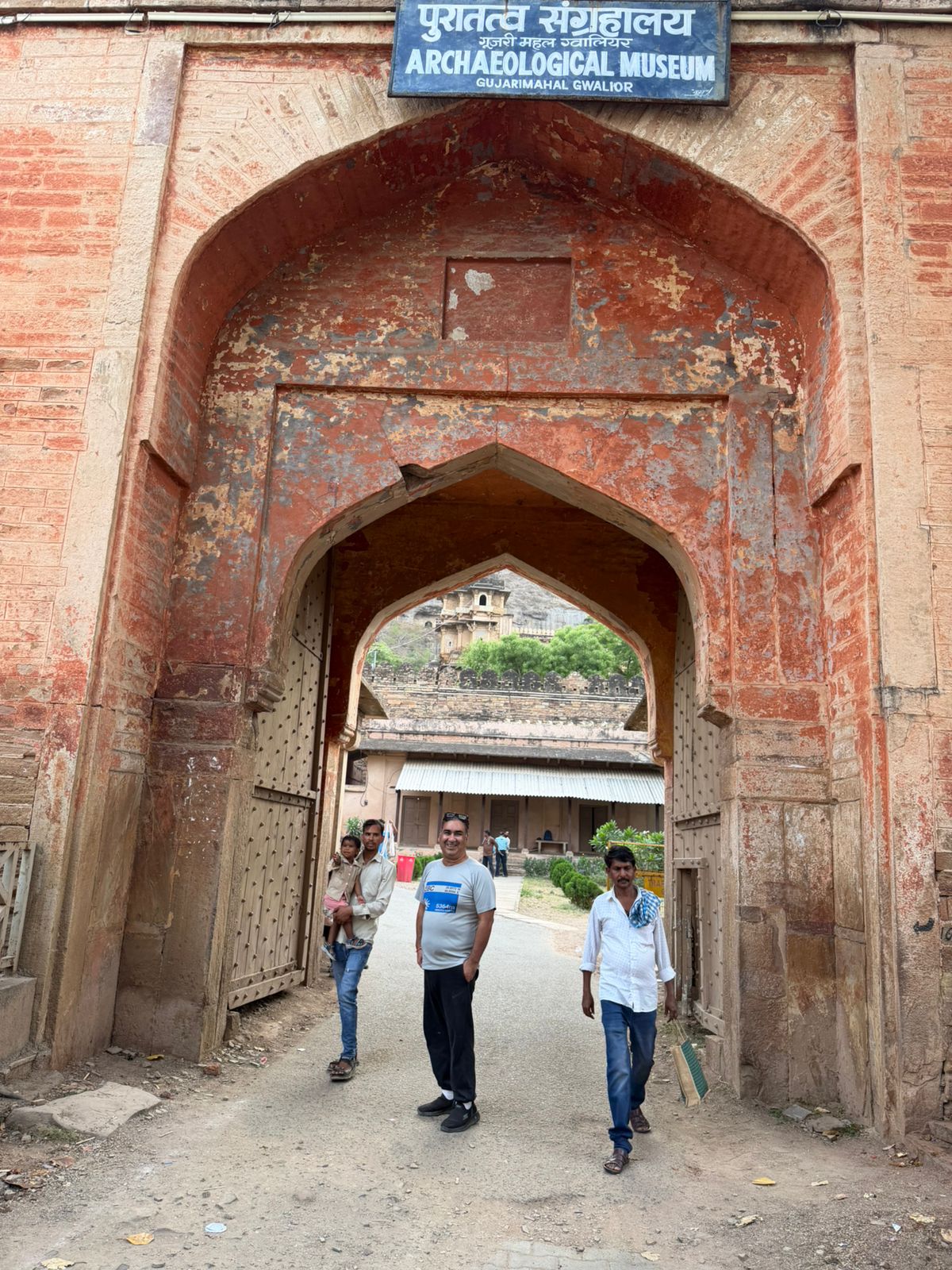
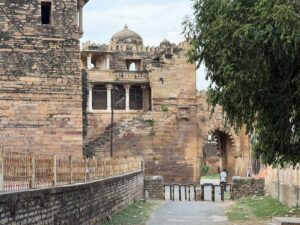
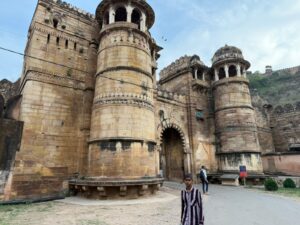
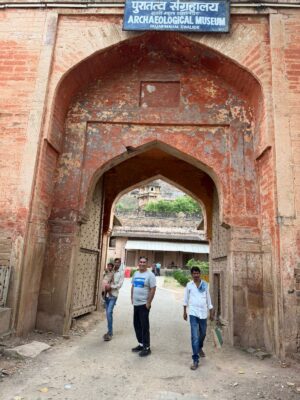
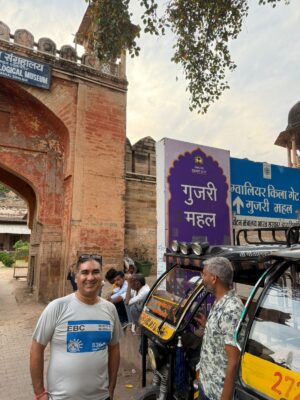
As I stood at the entrance of Gujari Mahal, the weathered red sandstone gateway felt like a portal into another era. The quiet surroundings, the towering fort walls above, and the slow rhythm of life around the परिसर made the experience feel raw and authentic.
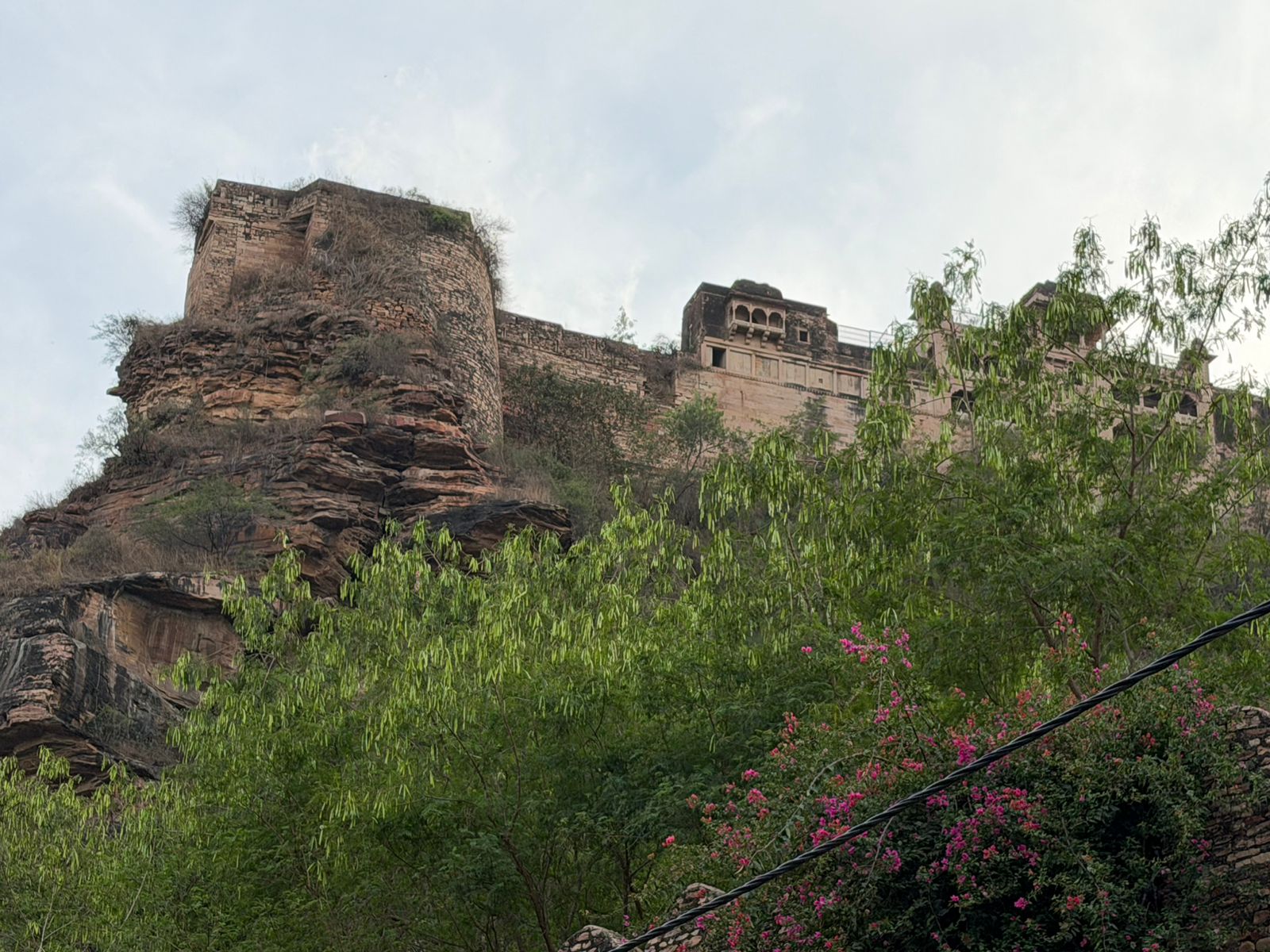
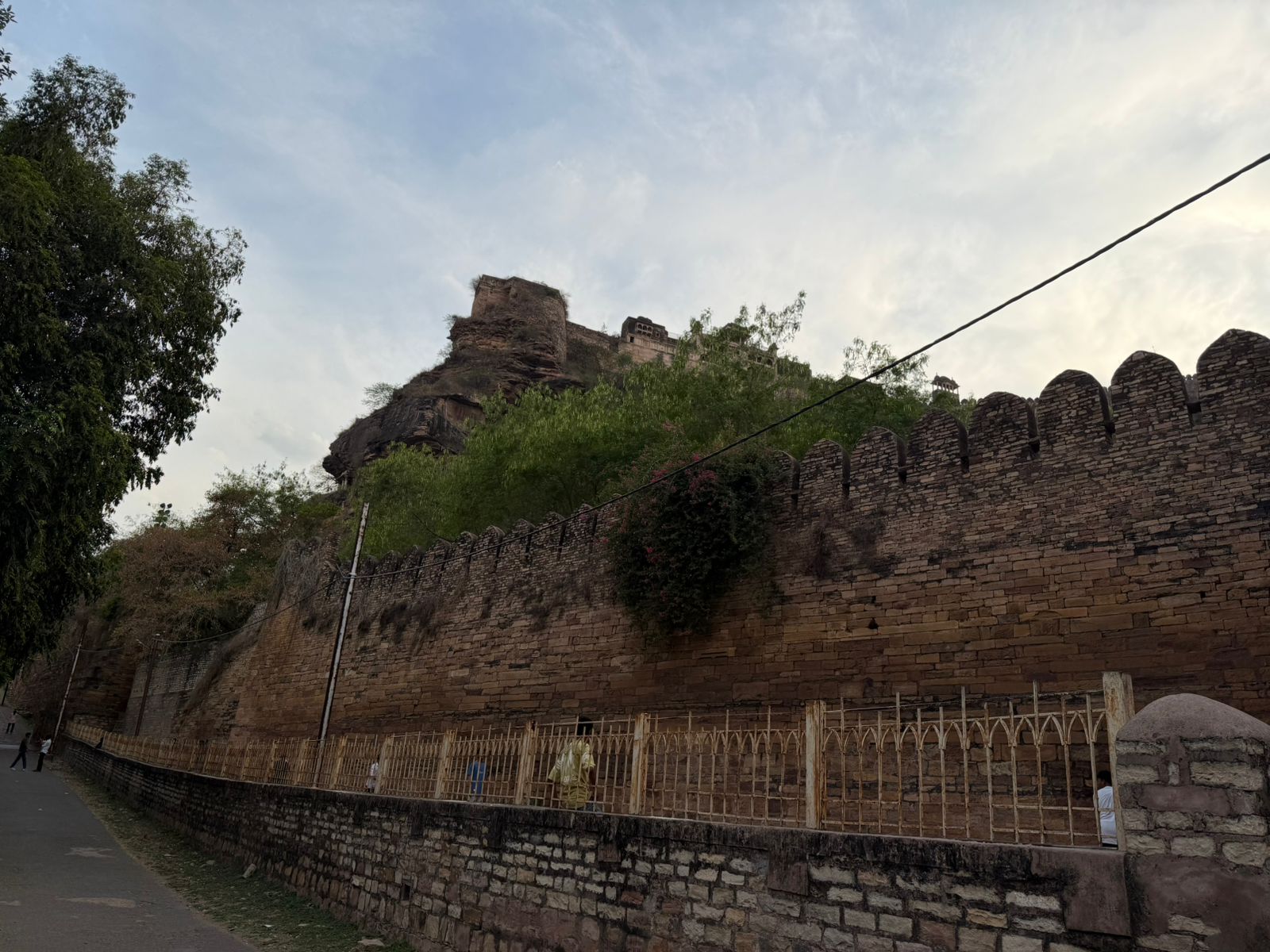
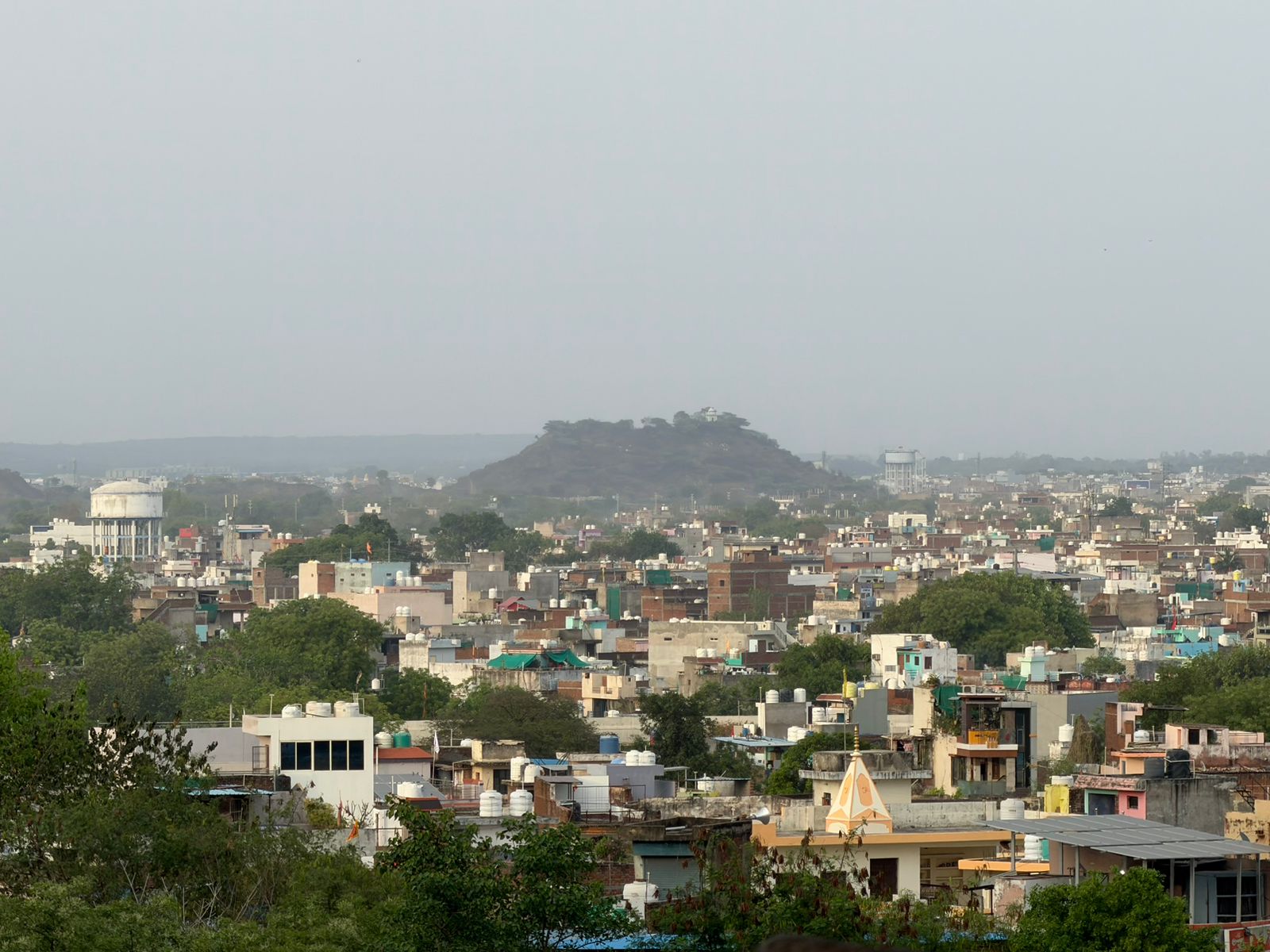
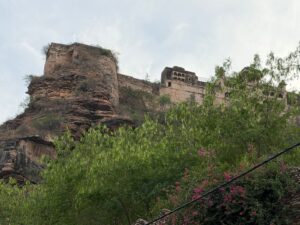
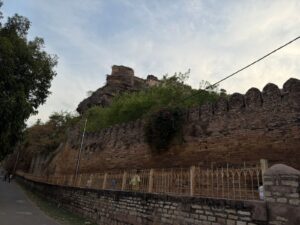
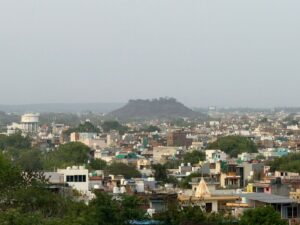
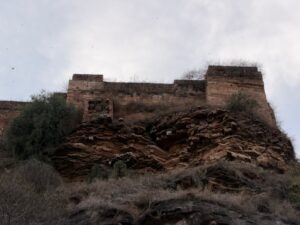
Unlike the grand palaces perched atop Gwalior Fort, Gujari Mahal sits at the base—grounded, strong, and deeply symbolic.
The Love Story Behind the Palace
At the heart of the mahal lies a timeless tale of love between Raja Man Singh Tomar and a courageous woman named Mrignayani. Legend says that Mrignayani was a Gujjar girl known not just for her beauty, but for her independence and strength.
When the king fell in love with her, she agreed to marry him—but with two conditions:
- She would not live in the main royal palace with the other queens
- She wanted a continuous supply of water from her native village
And so, Gujari Mahal was built—not as a symbol of royal power, but as a tribute to love, respect, and individuality.
Architecture: Strength Meets Simplicity
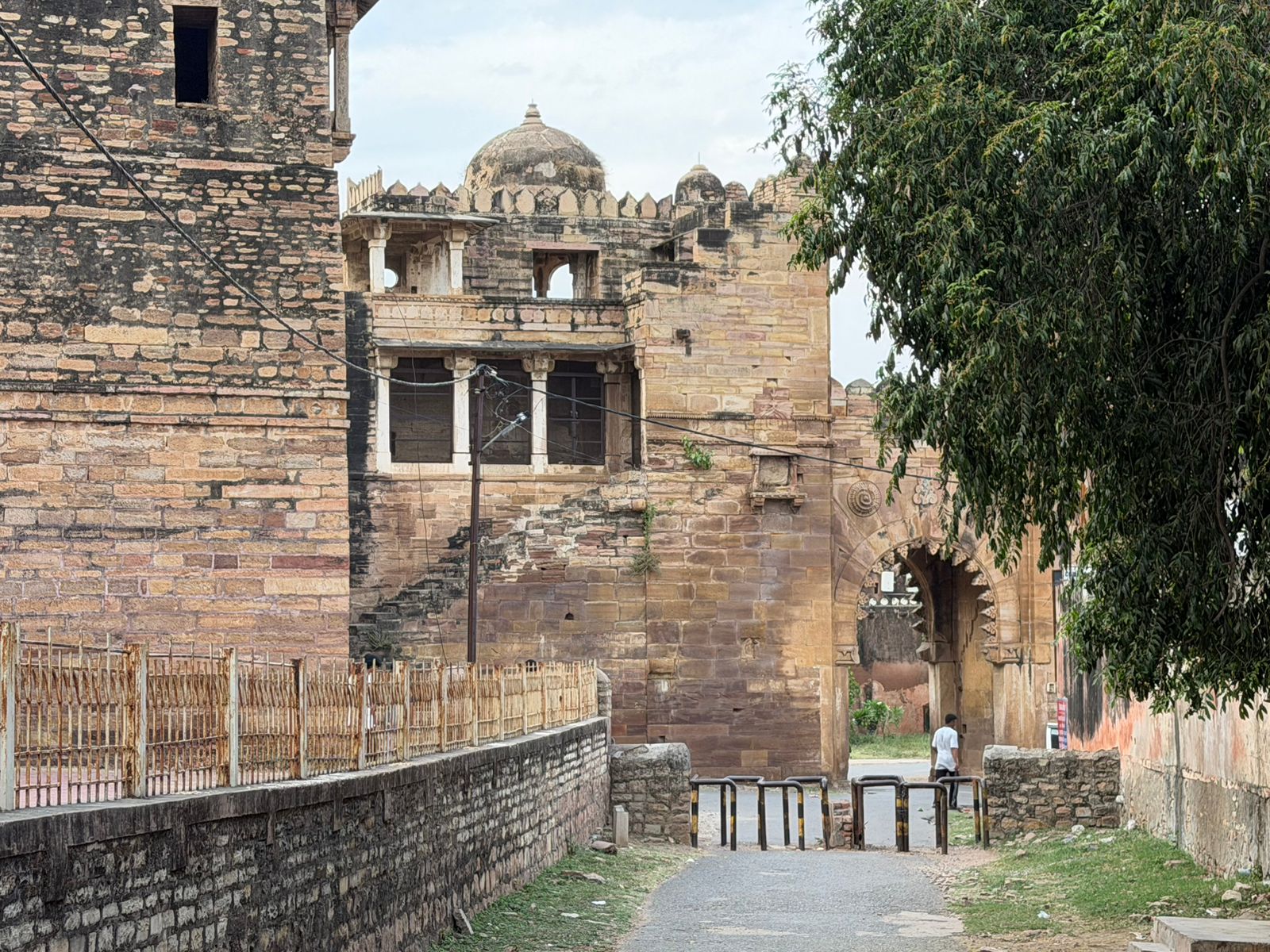
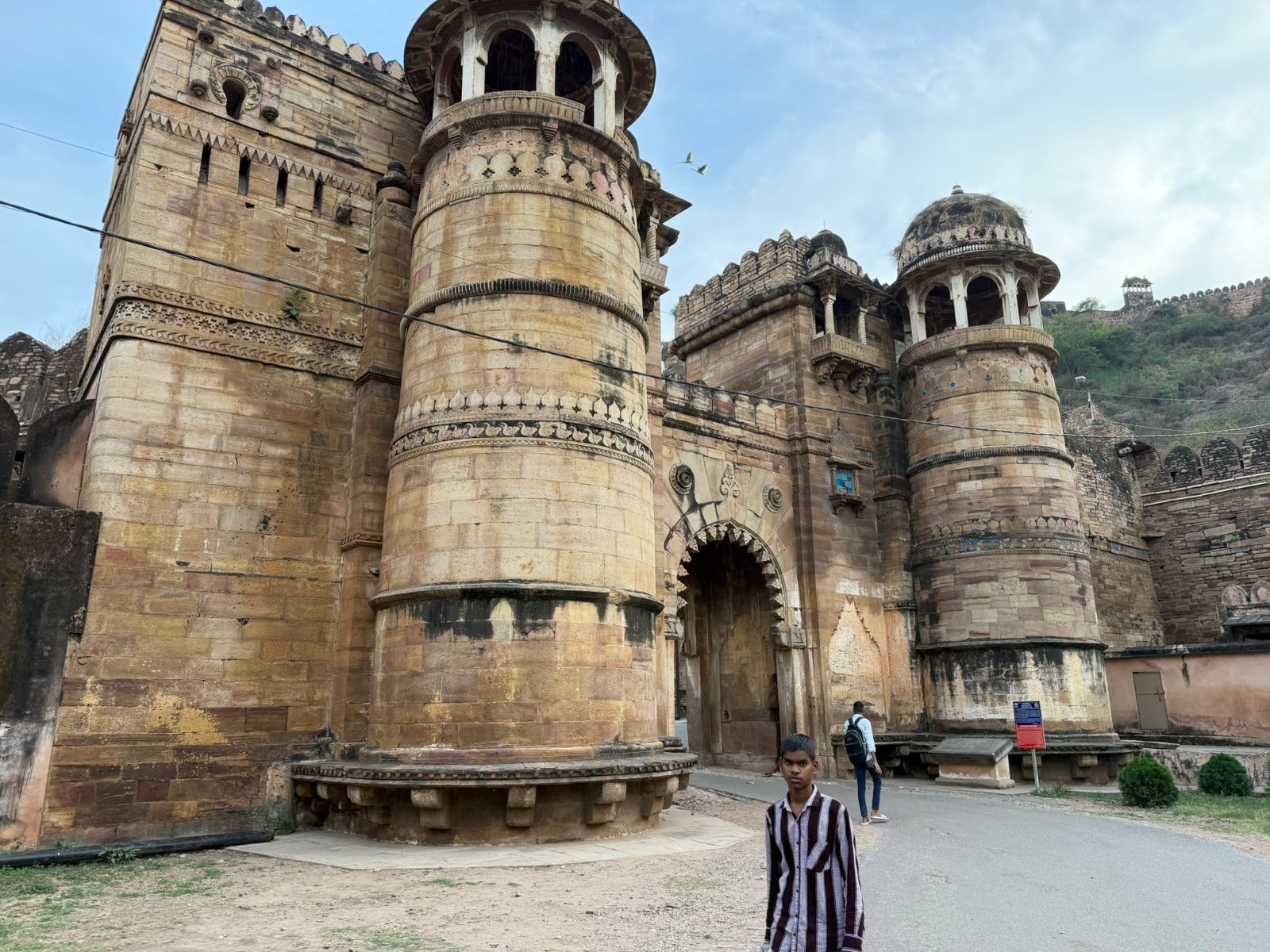
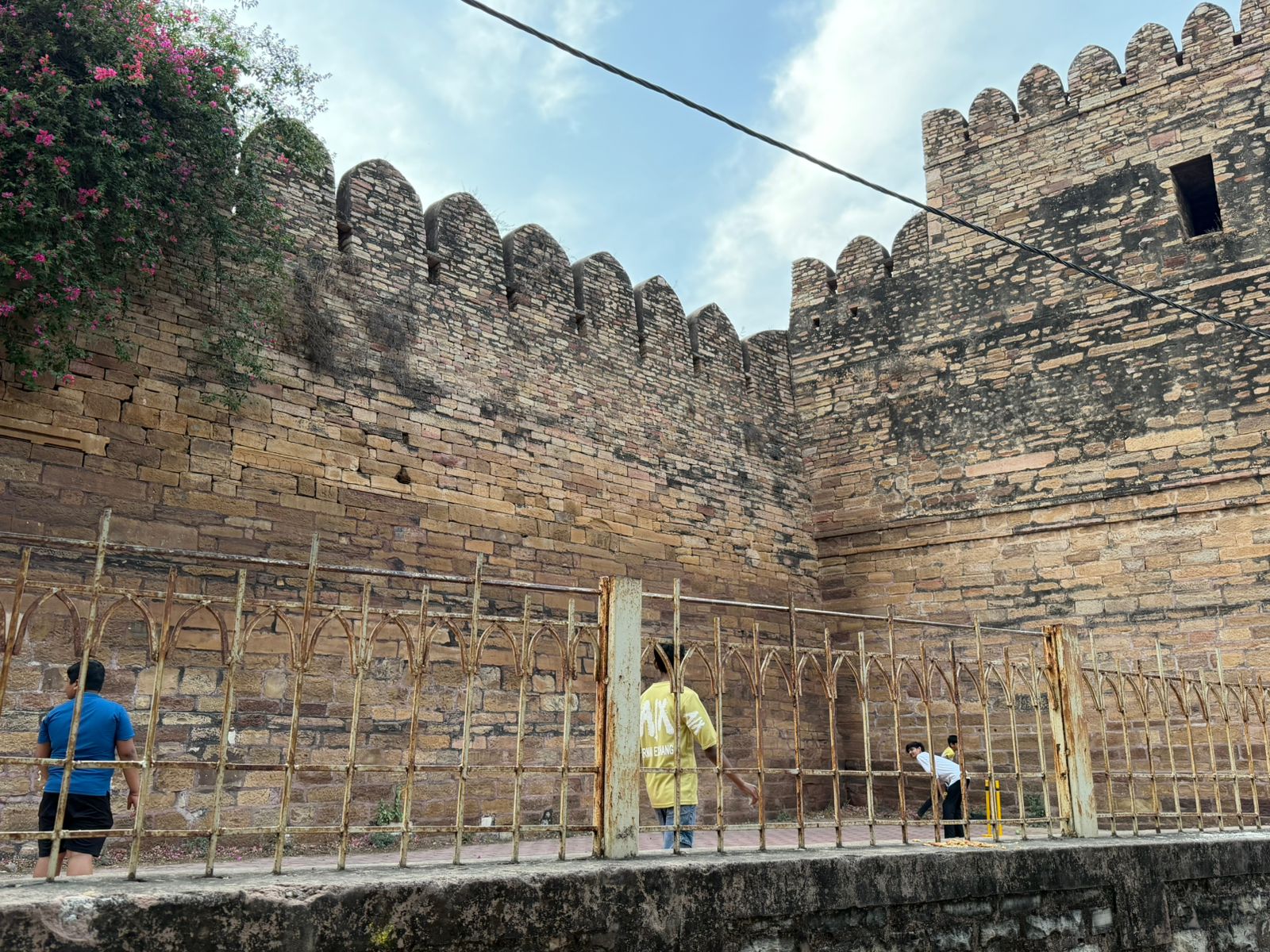
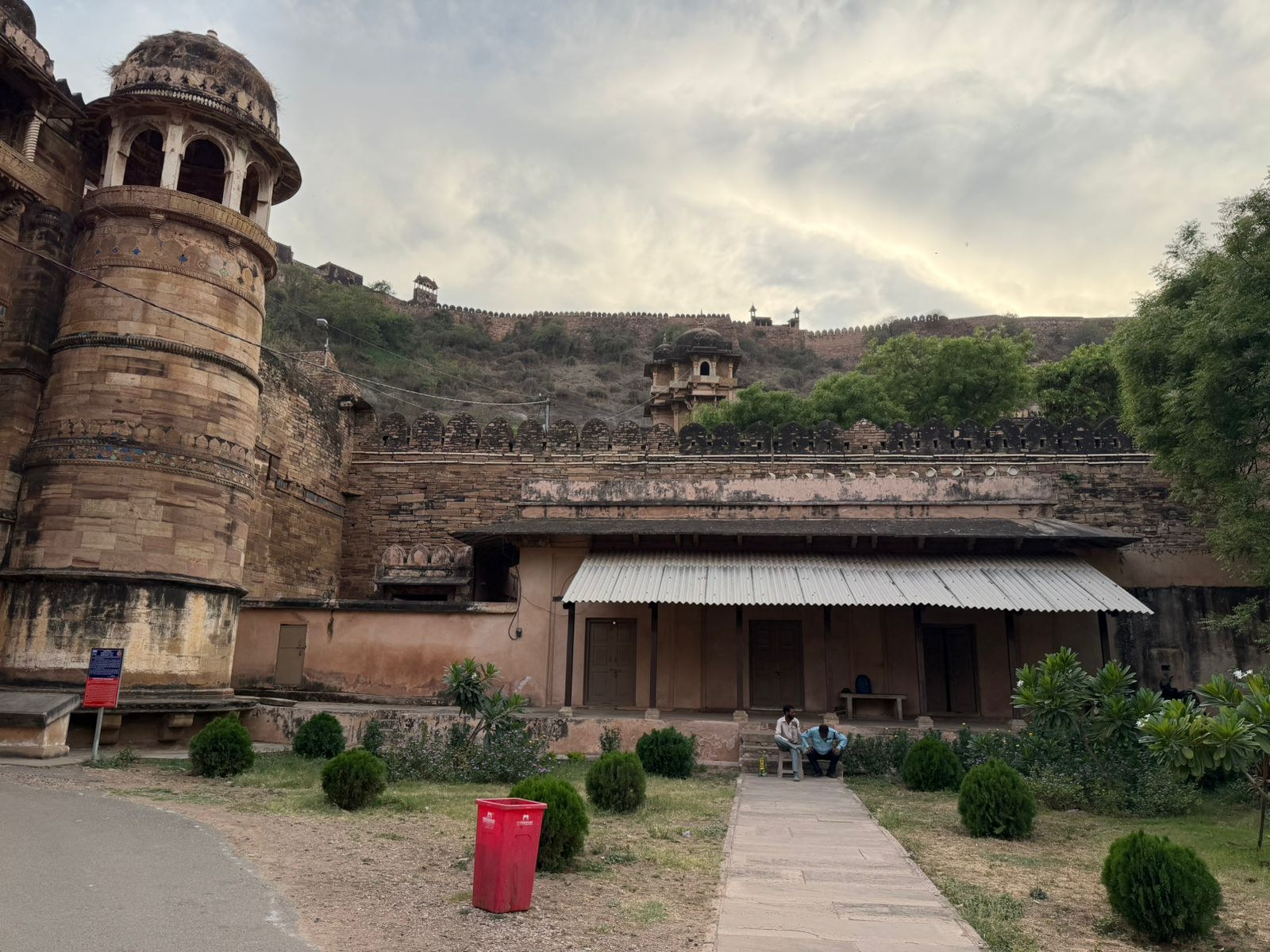
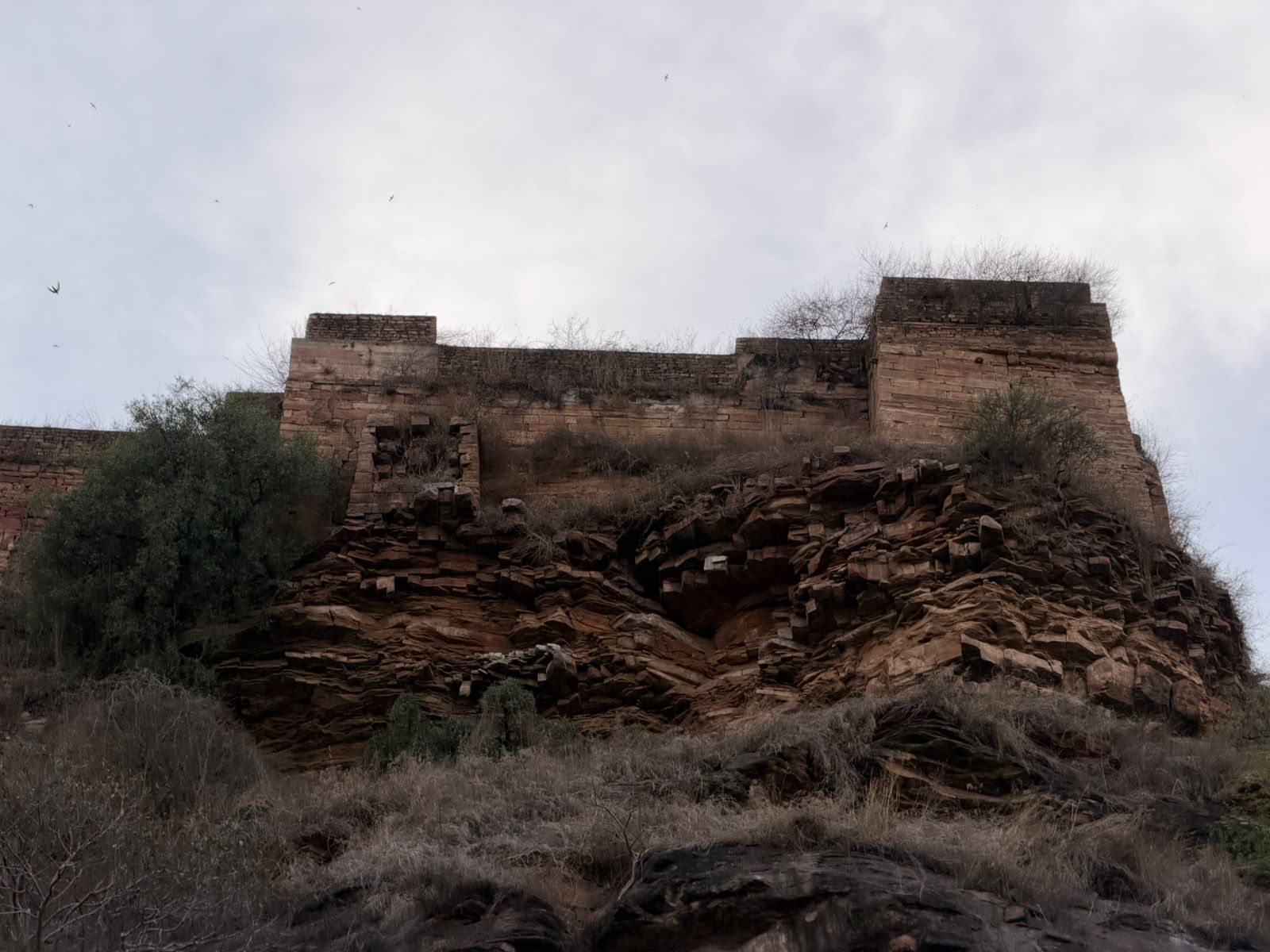
Constructed in the 15th century, Gujari Mahal stands apart from the ornate palaces above the fort. Its robust architecture is functional and grounded.
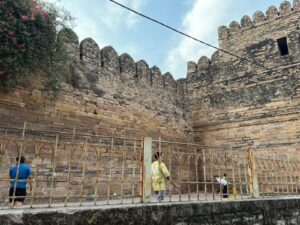
- Thick sandstone walls designed for durability
- Circular bastions and defensive features
- Minimal yet elegant carvings
- A layout that reflects practicality rather than luxury
What fascinated me most was how the palace balances royal intent with rustic strength—much like the personality of Queen Mrignayani herself.
The Ingenious Water System
One of the most remarkable aspects of Gujari Mahal is its historic water system. True to Mrignayani’s condition, water was reportedly brought from the Rai River through an elaborate aqueduct system.
In a time without modern engineering, this speaks volumes about the technical brilliance and determination behind the palace’s construction. Even today, standing there, you can sense how important this feature must have been—not just practically, but symbolically.
Gujari Mahal, Gwalior
From Palace to Museum
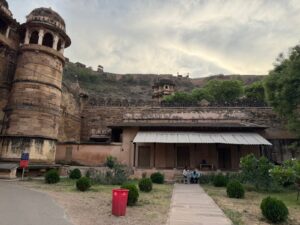
Today, Gujari Mahal houses the Archaeological Museum of Gwalior, making it not just a monument but a treasure trove of history.
Inside, you will find:
- Rare sculptures from the 1st and 2nd centuries
- Intricately carved idols of Hindu deities
- Artefacts from various dynasties that ruled the region
One of the highlights is the famous Salabhanjika sculptures—a masterpiece of ancient Indian art.
My Experience: Between Silence and Stories
Walking through the mahal, I felt a unique stillness. Unlike crowded tourist spots, Gujari Mahal allows you to pause and absorb. The fort walls rising above, the aged stones, and the quiet surroundings all created a deeply immersive experience.
The Legacy of Gujari Mahal
Gujari Mahal stands today as more than just an architectural site. It represents:
- A king who respected love over tradition
- A queen who stood firm in her identity
- A blend of romance, engineering, and history
In a world where monuments often celebrate power, this one quietly celebrates respect and partnership.
Add a review
Your email address will not be published. Required fields are marked *