
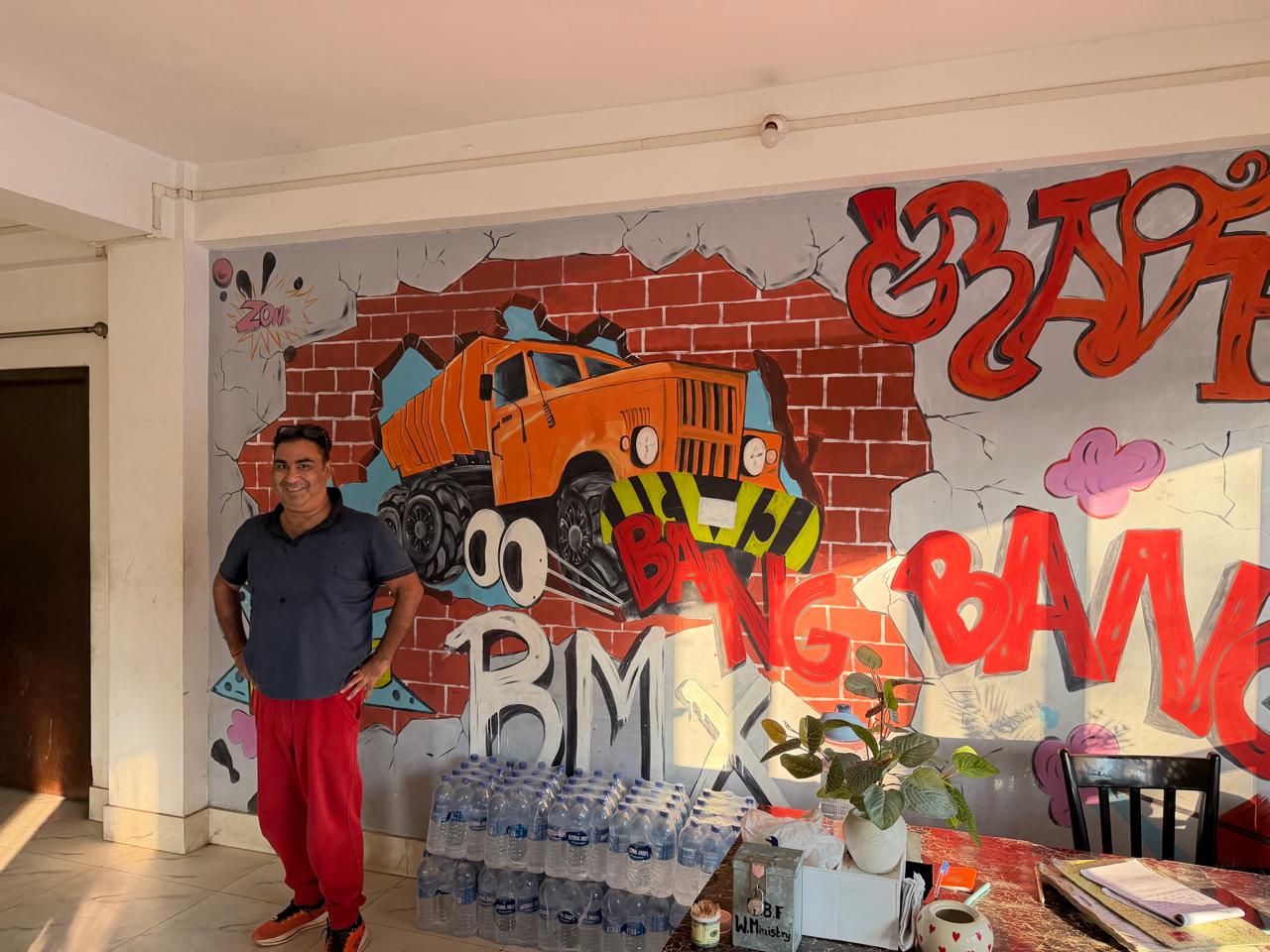
Dimapur to Mon Village
Travelling from Dimapur, the bustling gateway city of Nagaland, to the remote highlands of Mon village feels like crossing into another world. The journey is long, rugged and often unpredictable – but it rewards you with a rare look into the culture of Konyak villages, the legendary warrior tribe known for their rich heritage, festivals and craftsmanship. This is the story of what to expect, what to see, and why the Dimapur–Mon route is one of the most unforgettable tribal travel experiences in India.
The Road from Dimapur – Where the Journey Begins
Most travellers begin in Dimapur, which is well connected by flights and trains. The city buzzes with life – its markets, traffic and modern bustle – but all of this quickly fades as you drive towards the interior.
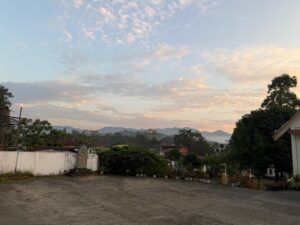
The landscape slowly transforms. Flat plains give way to rolling hills, the air turns cooler and the scenery opens up with every kilometre. The route goes via Dimapur – Kohima – Mokokchung – Tuli – Mon. Expect 10–12 hours of travel depending on road conditions, weather and stops. The road snakes through lush forests, terraced fields and ridge-side villages perched dramatically on mountain slopes.
Mon Village
Entering Mon District: Into the Land of the Konyaks
Mon is one of the culturally richest districts in Nagaland. The moment you enter Konyak territory, you feel the shift – traditional stilt houses, intricate wood carvings and men whose facial and body tattoos narrate stories of ancestry and valour.
This is a land that has preserved its identity with remarkable dignity.
1. The Morungs (Traditional Youth Dormitories)
Walking through Mon village, your eyes are immediately drawn to the morungs – traditional longhouses where young warriors once trained and lived. They are decorated with buffalo skulls, wooden carvings and symbolic motifs that reflect the tribe’s powerful past.
2. Tattooed Elders
Mon is famous for its tattooed headhunters – an iconic part of Konyak identity. Although headhunting ended decades ago, a few tattooed elders still live in and around Mon. Meeting them is like stepping into a living museum of Naga oral history.
3. Blacksmiths and Woodcraft
The Konyaks are master craftsmen. Their spears, daos, pipes and wooden totems remain some of the finest tribal artworks in India. Watching a local blacksmith at work is a captivating experience, as iron and fire shape tools and ornaments used in daily life and rituals.
One of the most extraordinary villages near Mon is Longwa, where the Angh’s (King’s) house literally straddles the India–Myanmar border. You can stand in two countries at once – a surreal experience unique to this region.
Shangnyu Village
Shangnyu is home to ancient wooden monuments, warrior carvings and some of the most intricate tribal architecture in Nagaland. The local Angh here is highly respected, and the village offers a deep glimpse into Konyak traditions and history.
Travel Tips
You need to start early, and it is important to obtain a travel permit for Nagaland, called the Inner Line Permit (ILP). This can be applied for online through the Government of Nagaland web portal. The process is straightforward: there is a permit fee, and you need to upload a photo and an ID proof such as passport or Aadhaar card.
The interiors of Nagaland are a sensitive area and there is a strong army presence. I had to show my ID and register with army personnel; everyone coming to this side of the state is recorded. This system is actually reassuring and adds a layer of safety for tourists.
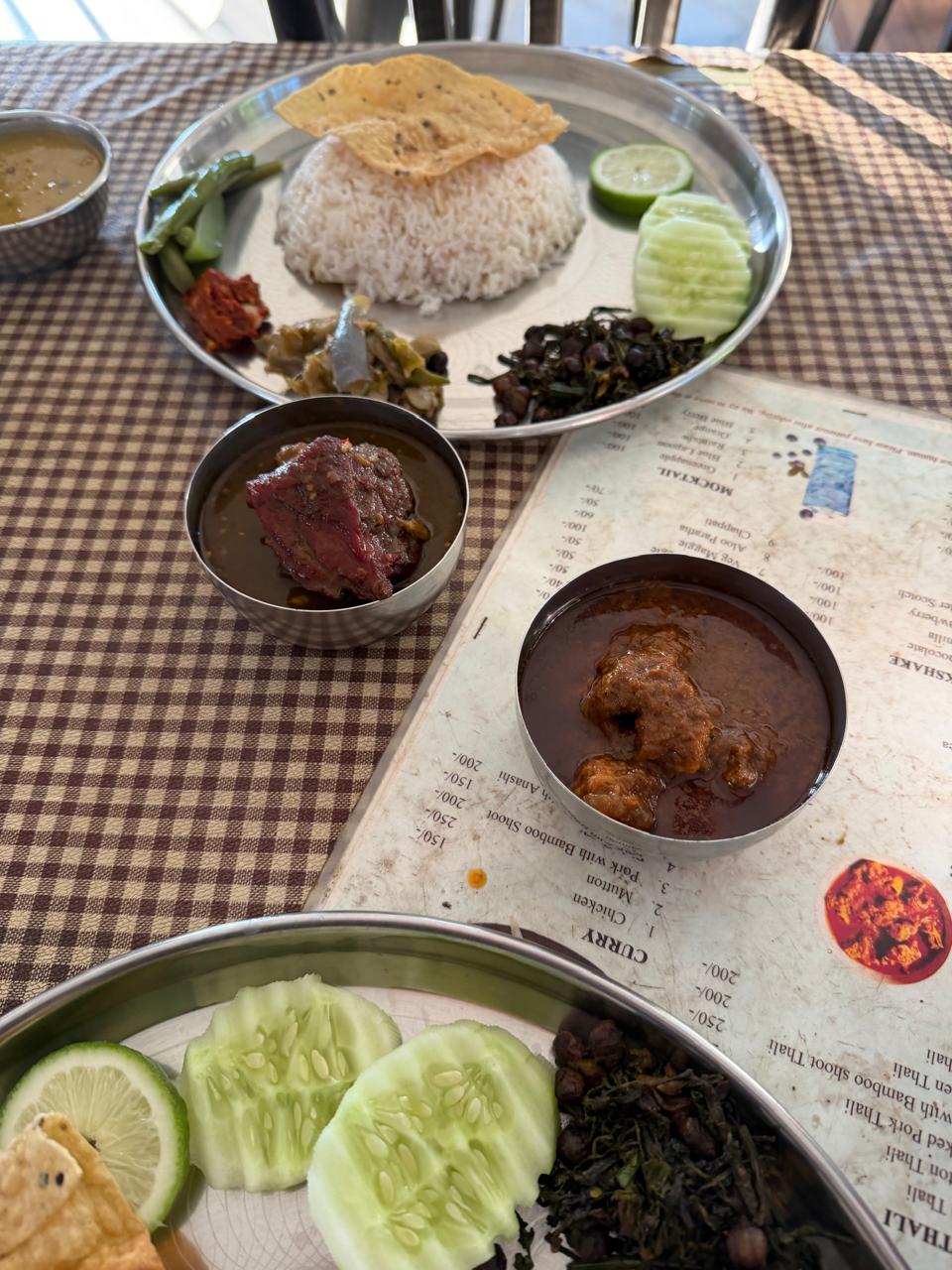
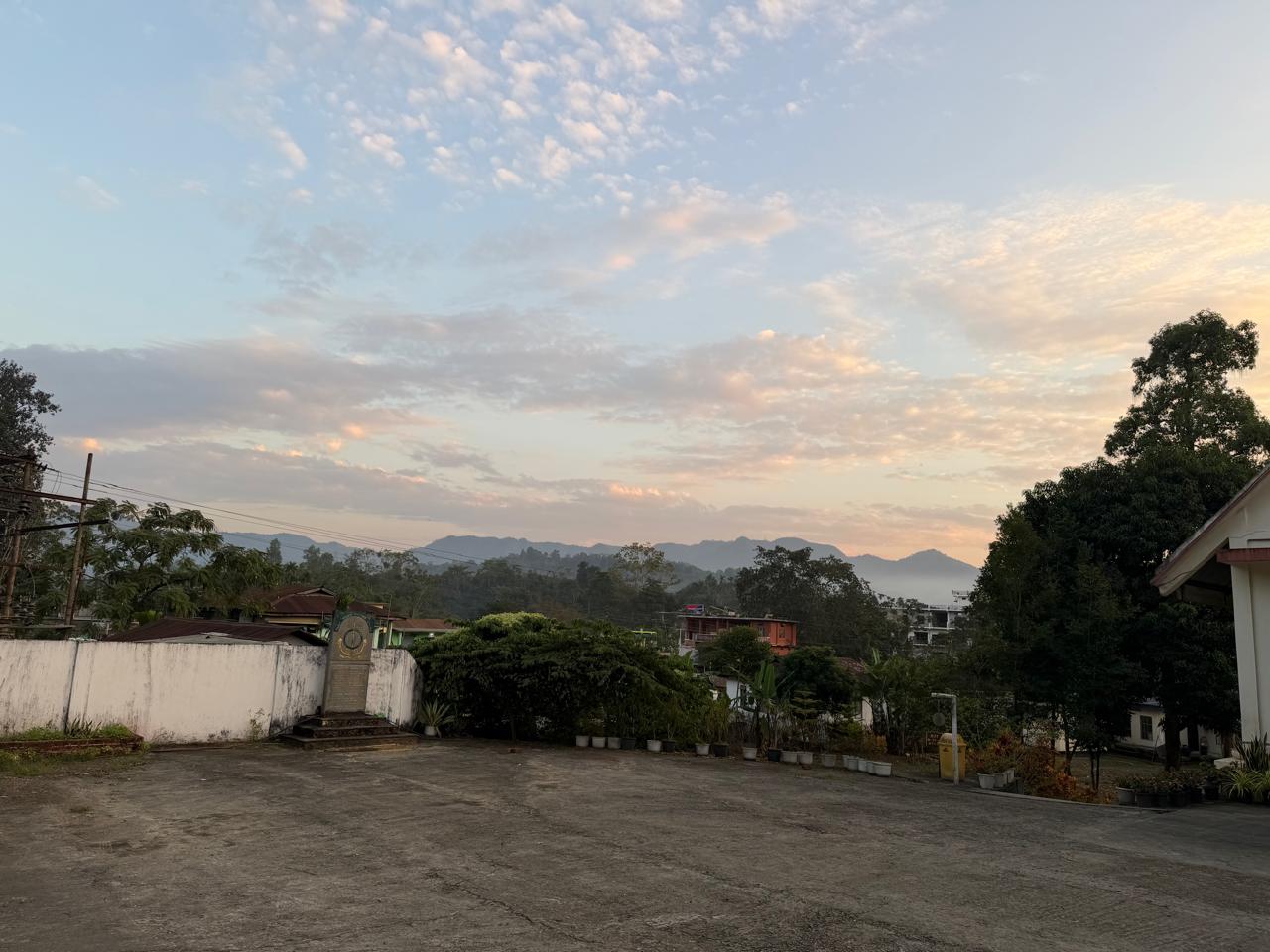
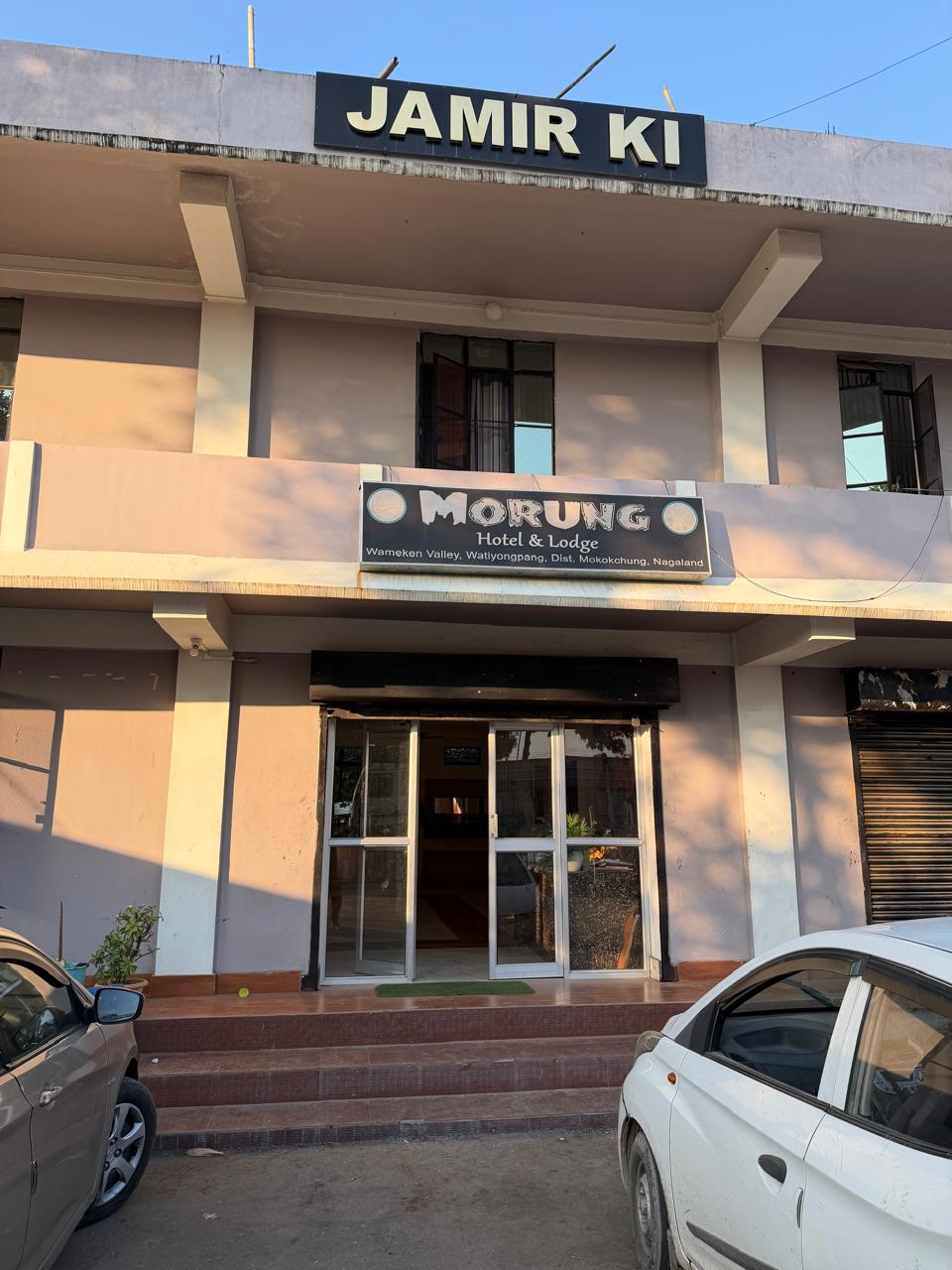
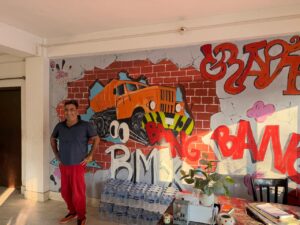
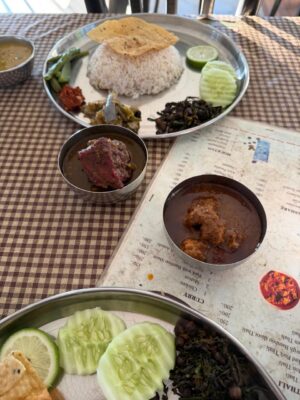
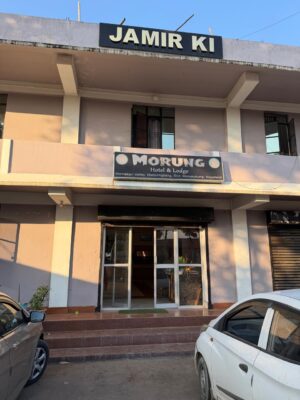
There are enough shops along the way, and you can get a good meal of rice, dal and chicken. The route is amazing and the skyline is wondrous, with wildflowers, misty hills and plenty of fresh air along the way. I even ventured into a church en route called the Tuli Town Baptist Church. I had lunch at the Morung Hotel and Lodge, and then went on my way merrily towards the village of Mon.
Add a review
Your email address will not be published. Required fields are marked *