
A Spiritual Sojourn: My Visit to Kankai Mata Temple in the Gir Forest
Nestled deep within the wild expanse of Gir National Park, the Kankai Mata Temple offers a unique blend of spirituality, nature, and adventure. As someone from Ahmedabad, I have always been drawn to the mystical allure of Gir — the last stronghold of the Asiatic lion. But this recent trip turned into an unforgettable pilgrimage.
What began as a wildlife safari detour evolved into a serene encounter with divinity amid the forest’s untamed beauty. If you are seeking a place where faith meets wilderness, this hidden gem is a must-visit.
The Journey Through the Wild
The journey to Kankai Mata is not your typical temple visit. It is part of the famed Kankai Temple safari trail — a rugged path that winds through the dense Gir forest. About 25 km from Sasan Gir, the road is uneven and dotted with acacia trees and occasional wildlife sightings. Though I did not spot any lions this time, the thrill of knowing they roam nearby added an extra layer of excitement.
The temple is dedicated to Shri Kankeshwari Mataji, also known as Kankai Mata — a powerful form of Goddess Durga, revered as the protector of shepherds and forest dwellers. Legends say the shrine is over 400 years old, with roots tracing back to shepherd tribes. Some local tales even connect it to the Mahabharata, where Arjuna is believed to have struck the earth with his arrow to quench the Pandavas’ thirst. Another story links the temple’s origins to the 8th century, when the goddess was honored as the guardian of the region.
A Temple Alive with Nature
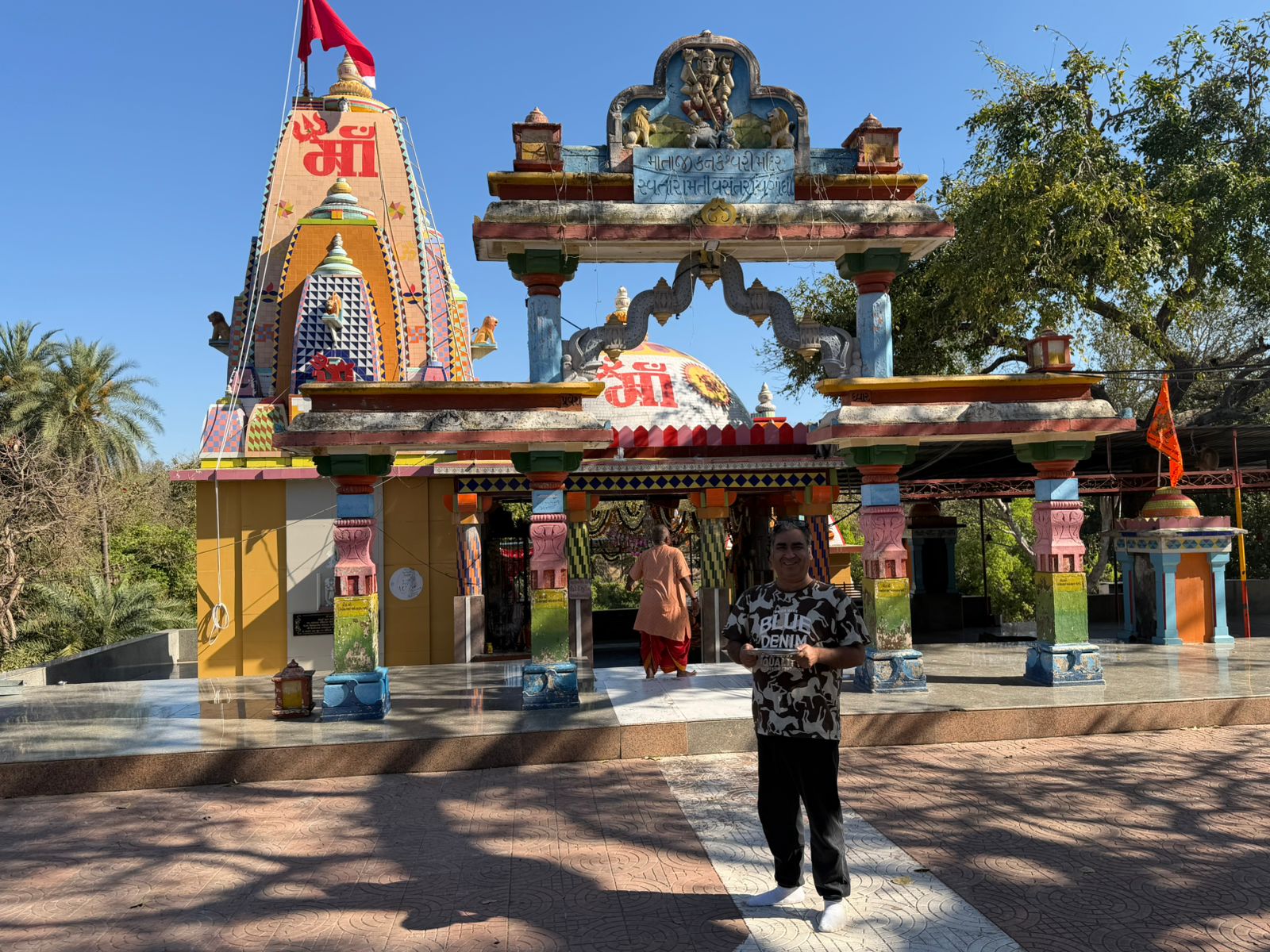
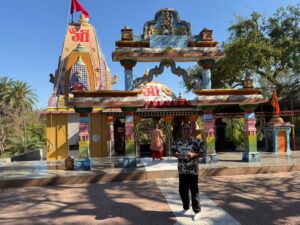
Upon arriving at the temple, I was struck by its vibrant exterior — a colorful dome adorned with mosaic tiles in shades of pink, yellow, blue, and red, proudly bearing the word “Maa” in bold red letters.
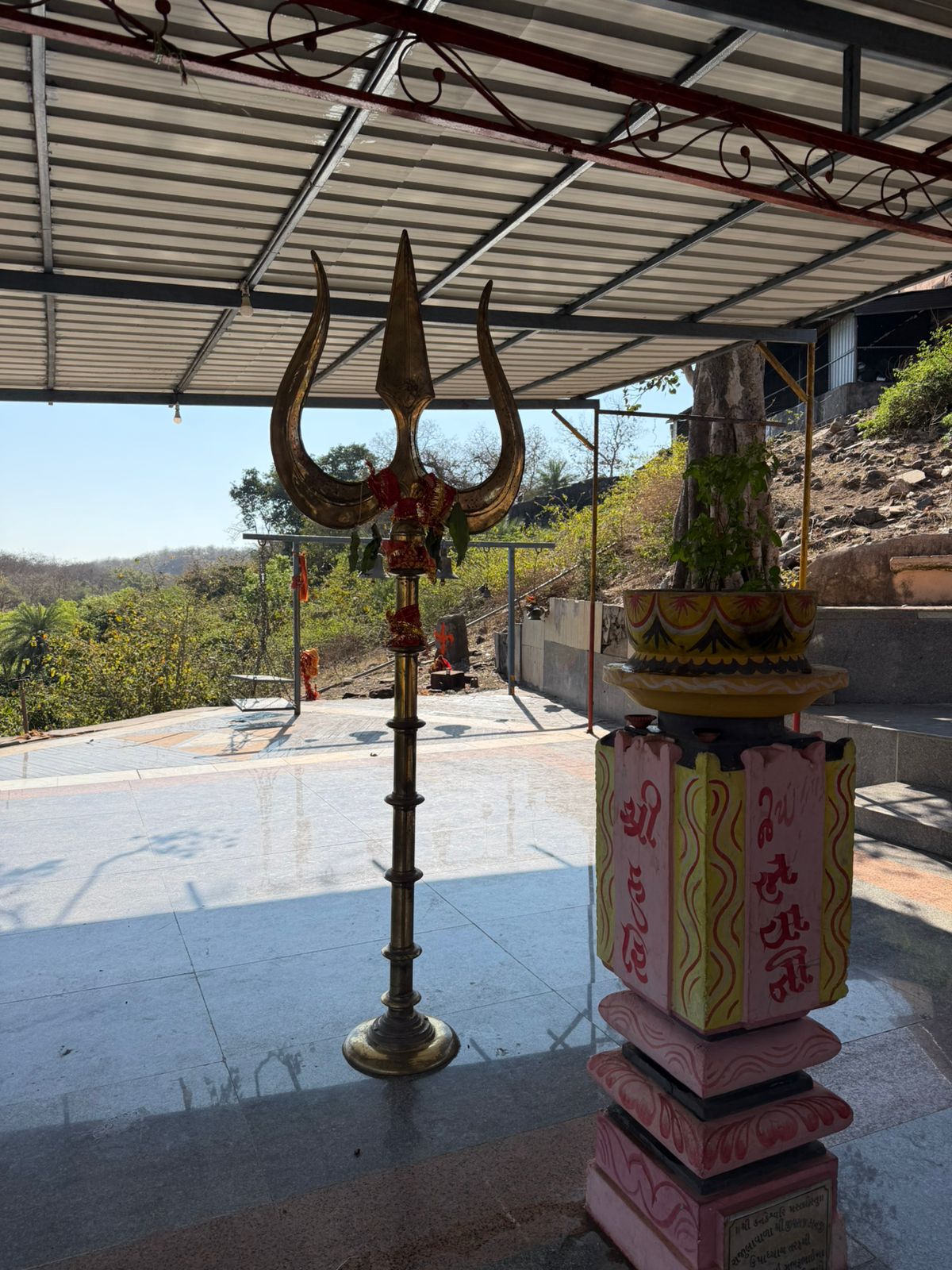
A lion statue stood near the entrance, and a large trident rose in the middle of the courtyard. But the most fascinating sight was the langurs. Gujarat is home to thousands of them, and they were everywhere around the temple complex — perched on tin roofs, sitting on branches, and even leaping across the walls. At one point, the priest gently threw small stones to shoo them away, and they scampered across the roof, creating quite a commotion.
Kankai Mata Temple
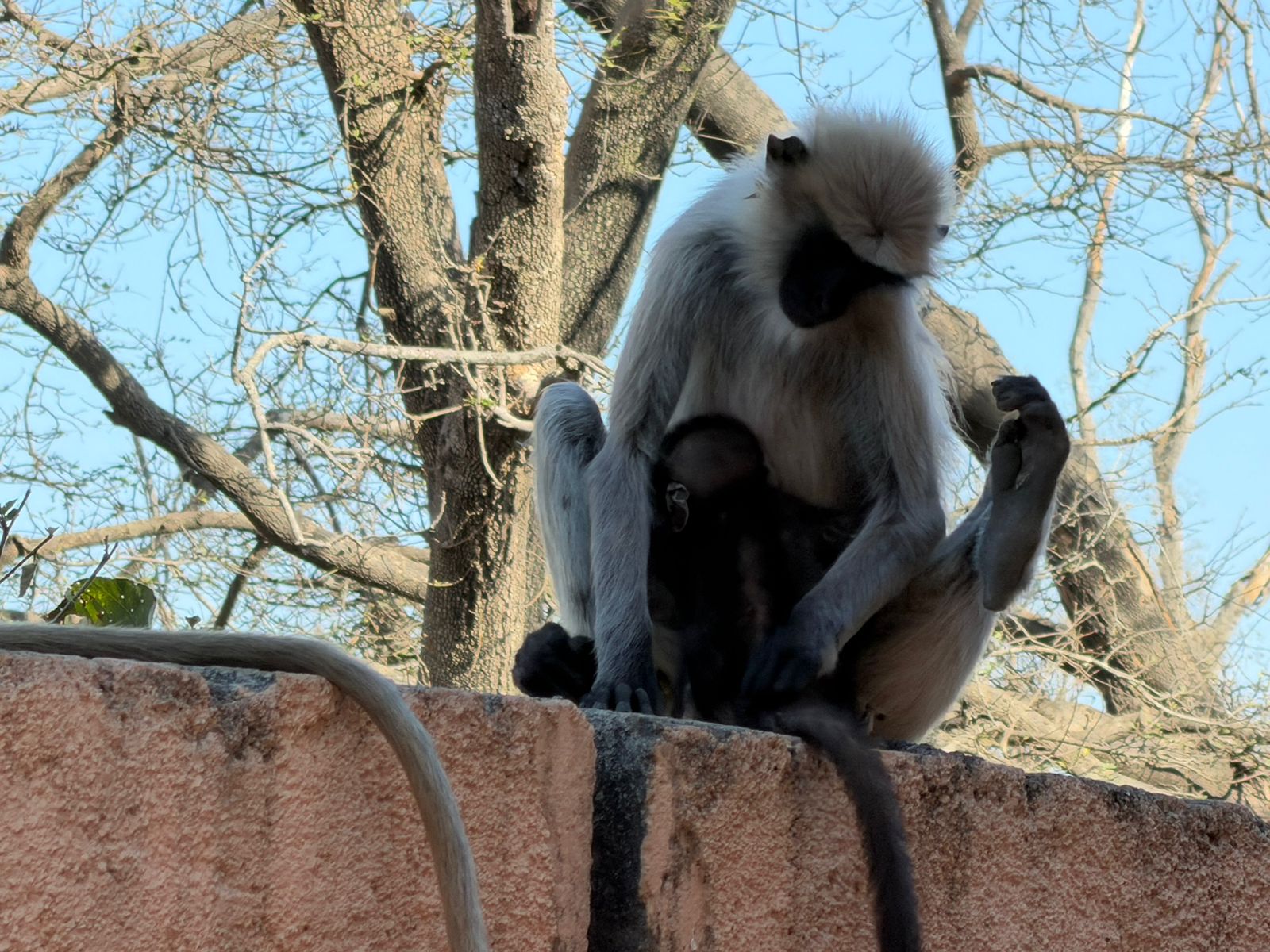
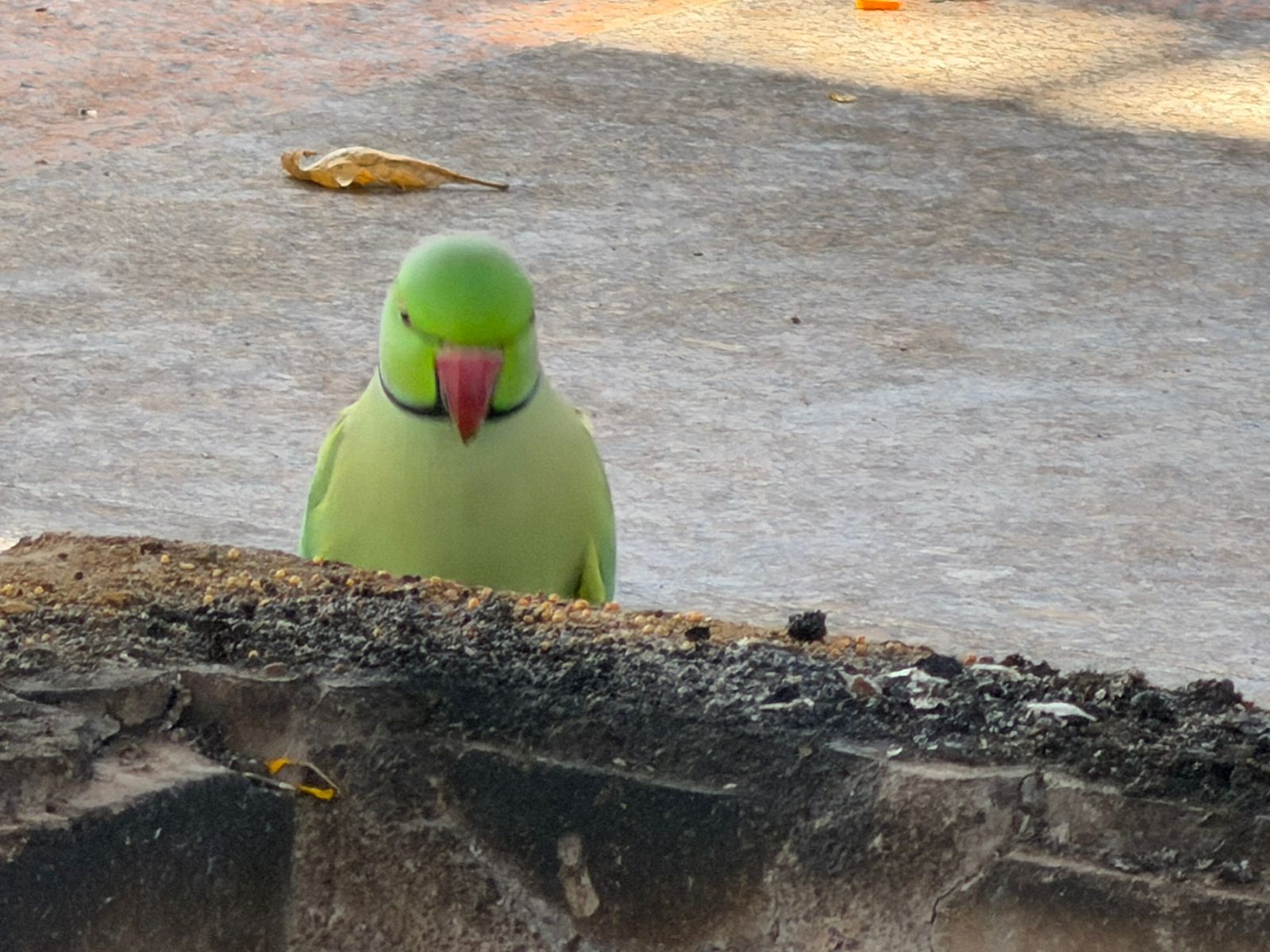
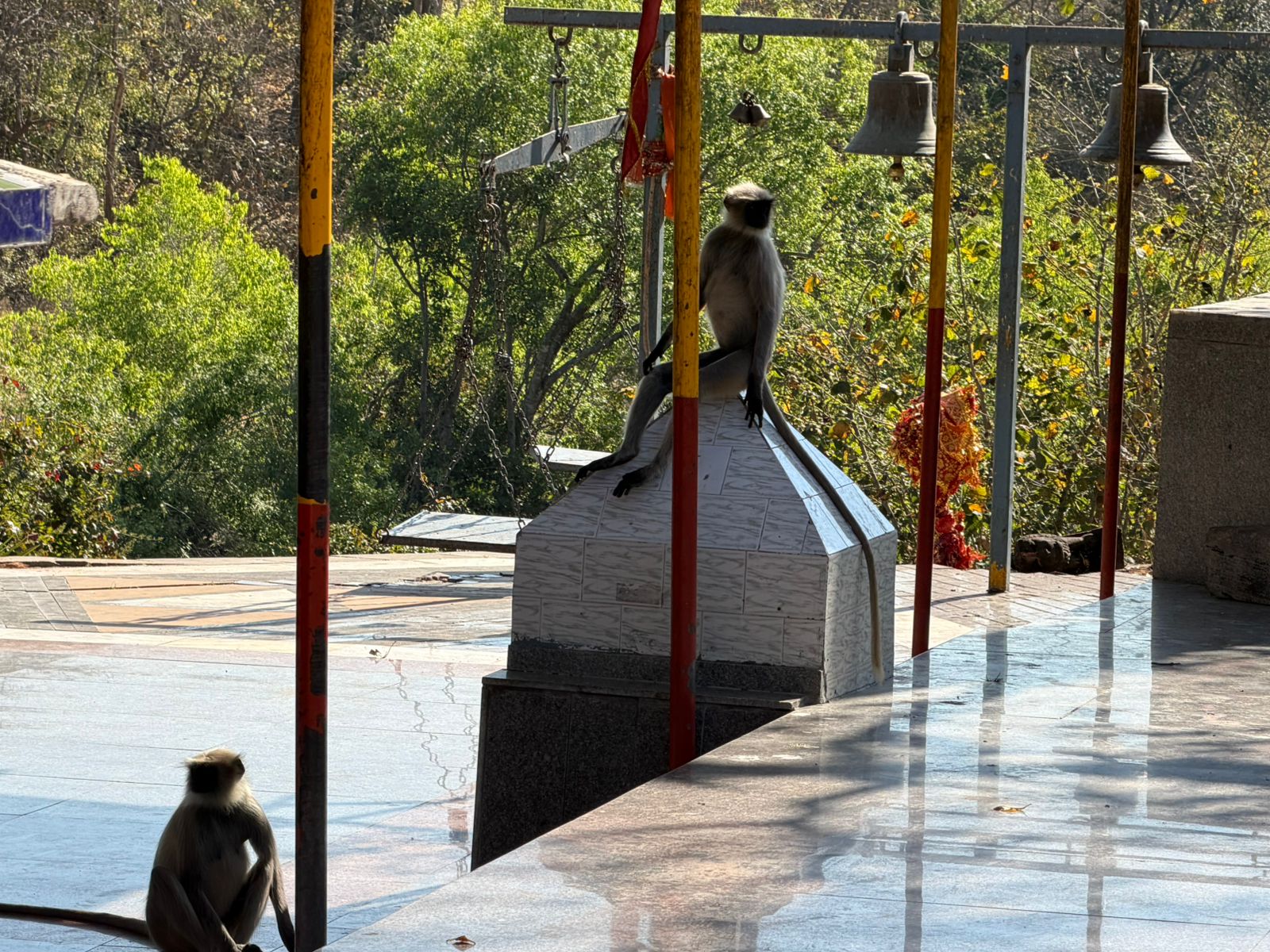
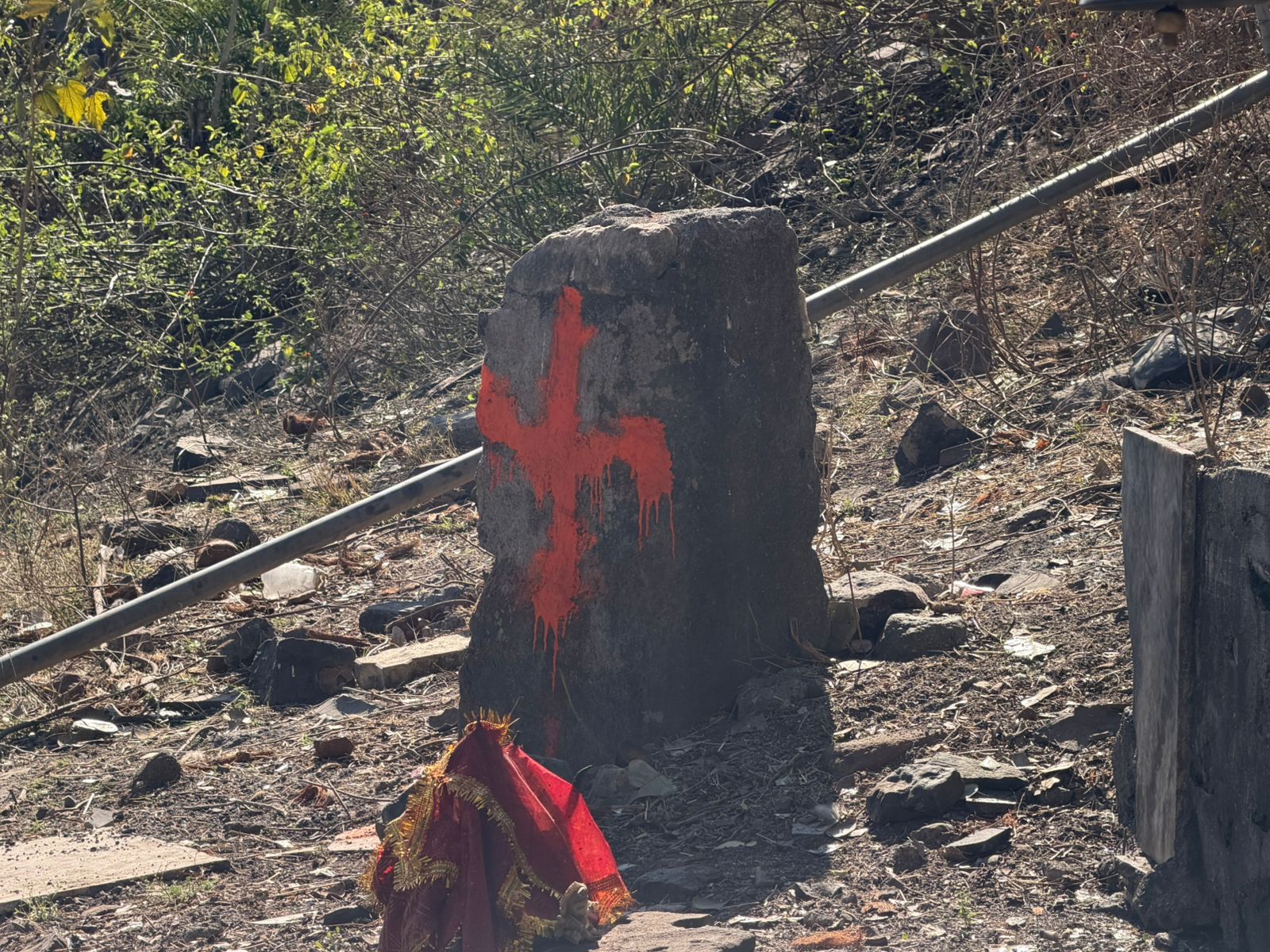
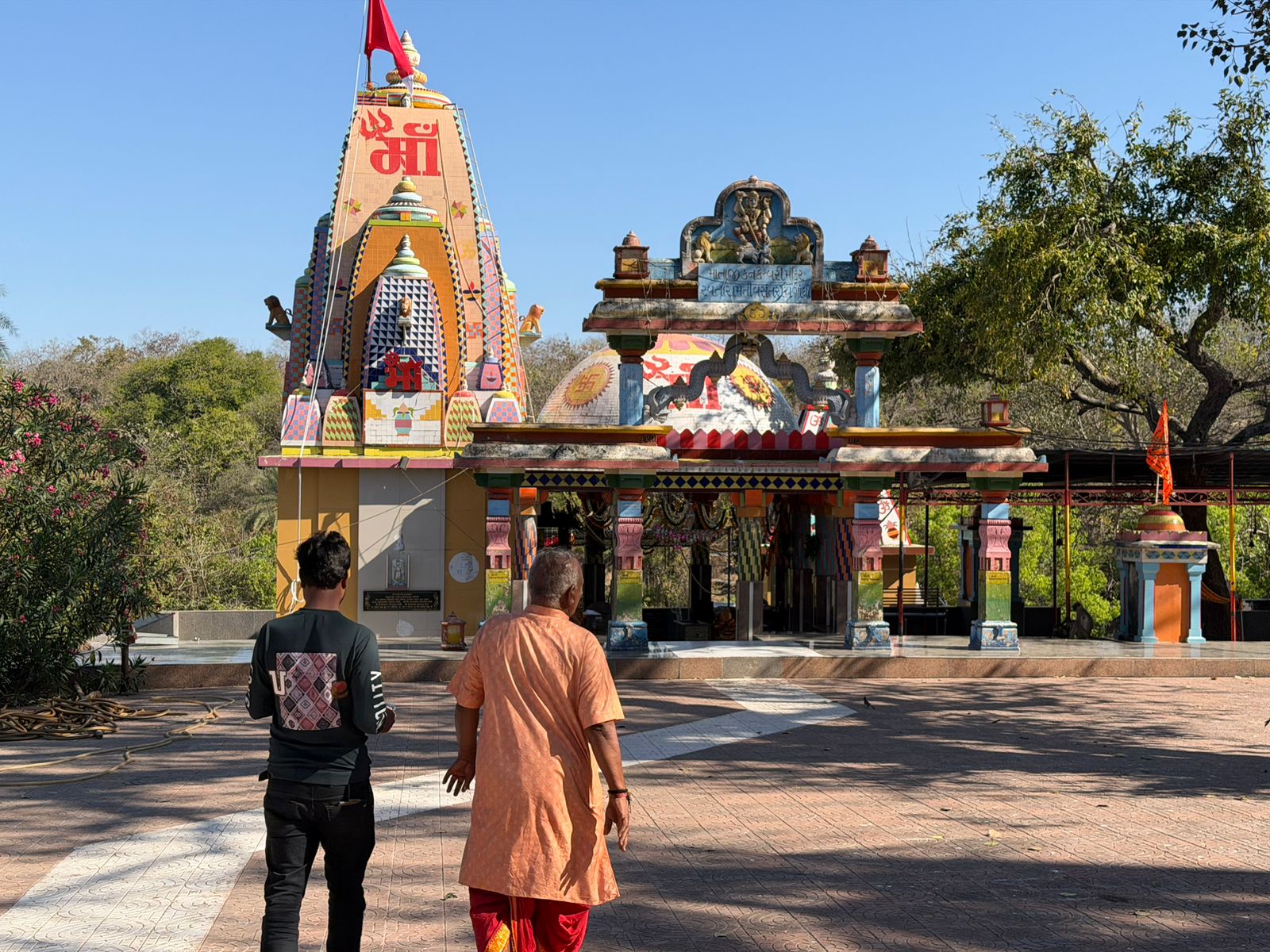
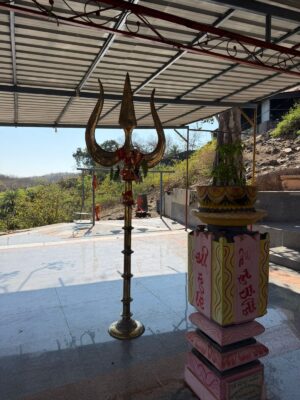

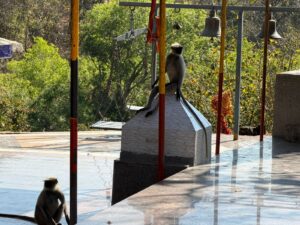
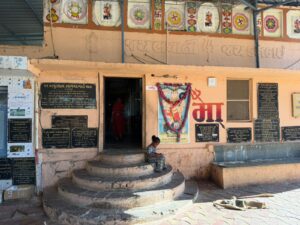
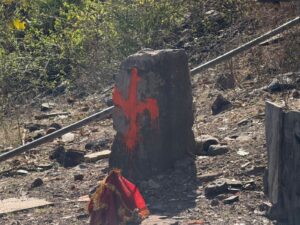
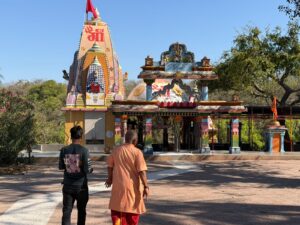
Wild crows circled overhead, and green parrots fluttered across the courtyard. The temple truly felt like a shrine for the jungle — surrounded by animals, right in the middle of the dense brown forest of Gir.
The Sacred Experience
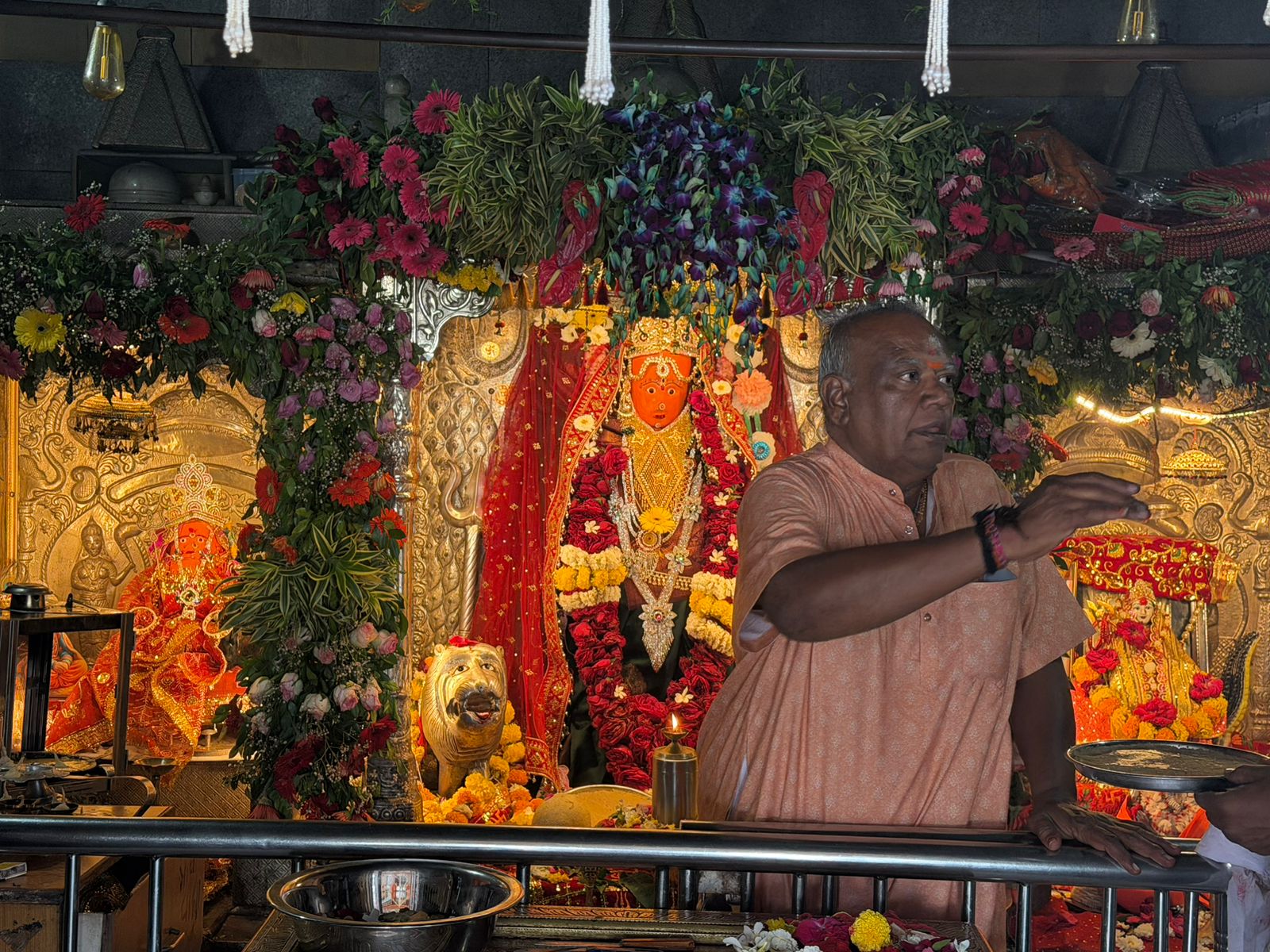
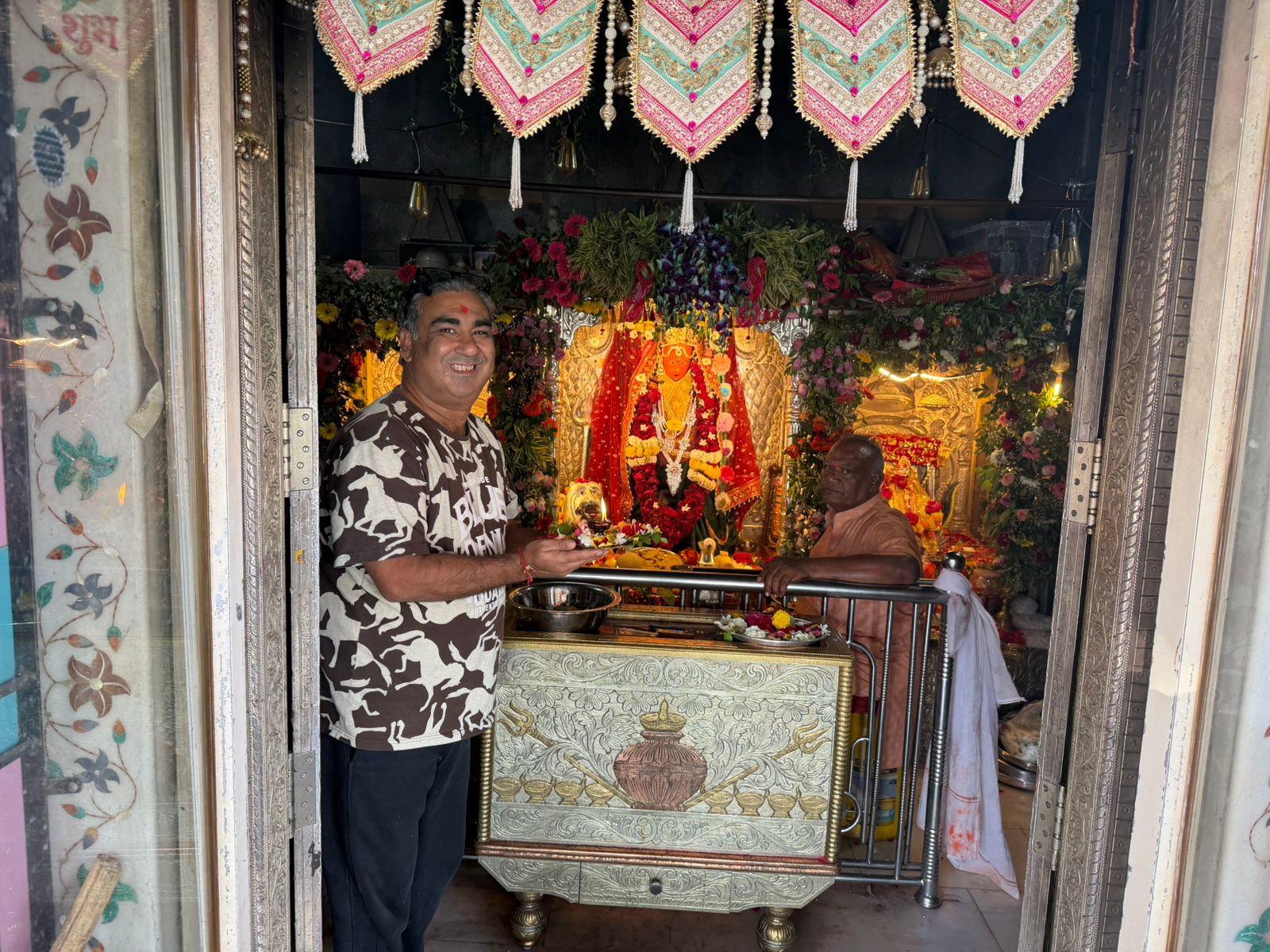
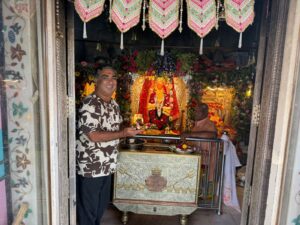
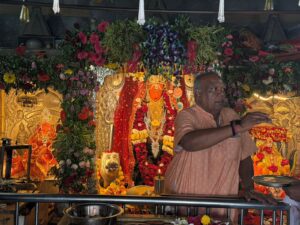
I joined the devotees for the aarti, holding a lit diya in my hand as the priest chanted prayers. The goddess, resplendent in red and gold, adorned with garlands of marigolds and jewels, seemed to radiate protective energy — fitting for a deity believed to safeguard those who traverse the perilous forest.
Standing there, offering my prayers, I felt a profound sense of peace. The intricate marble walls, painted with floral motifs, framed the sacred moment beautifully. Nearby, a devotee in saffron robes performed rituals, while others bowed in reverence. It is a place that draws people from all walks of life — locals, pilgrims, and travelers alike.
Faith in Everyday Life
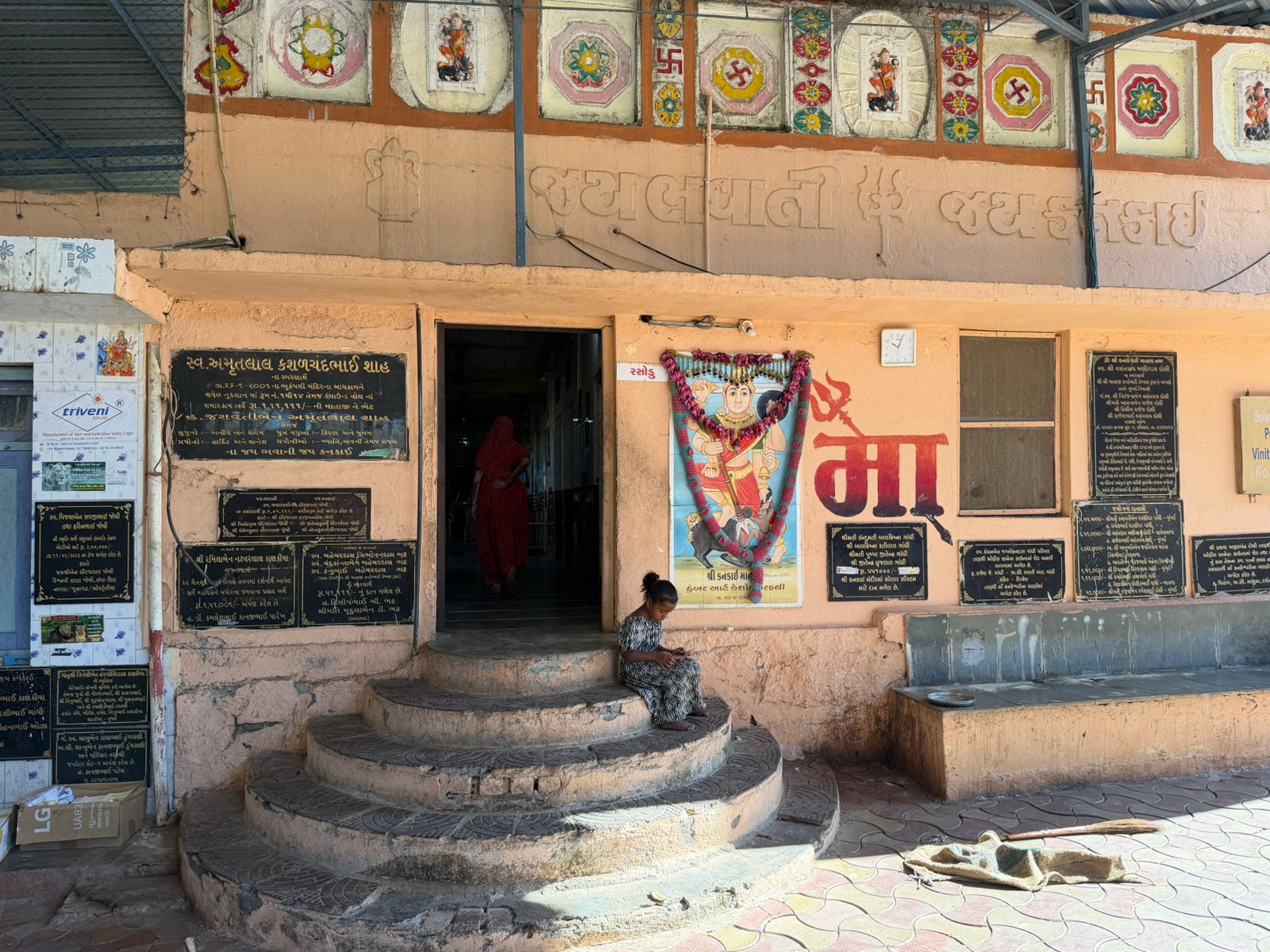
One touching moment was seeing a group of children near the entrance, standing beside a painted mural of the goddess slaying a demon. The children, dressed in school uniforms, milled about cheerfully — perhaps from a nearby ashram or village school. It reminded me how deeply faith is woven into everyday life here, even for the youngest.
The temple surroundings also include a nearby lake where animals often gather, though I chose to remain within the sacred precincts during this visit.
What Makes It Special
What makes this temple truly special is its isolation. It is the only temple fully located within the boundaries of Gir Forest, making the visit feel like a sacred adventure. There are no overwhelming crowds or commercial distractions — just pure devotion amid nature’s raw power.
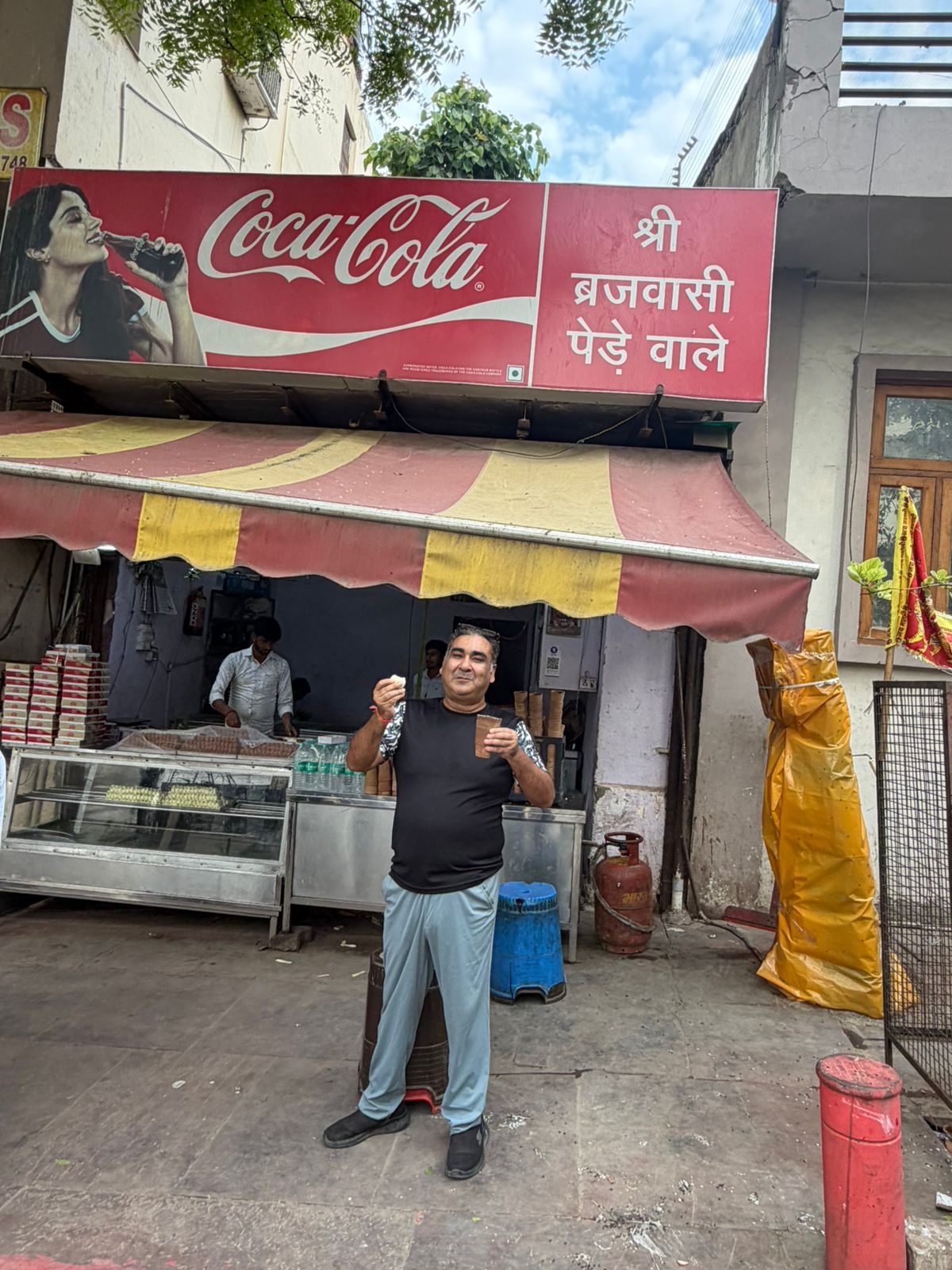
If you are planning to book a safari, make sure to reserve at least a month in advance; otherwise, you may have to pay a higher fee. Along the way, enjoy local treats like samosas, pakodas, peda, and aam ras from small shops near the forest entrance before beginning the long 30+ km ride into the interior. The journey can take around five hours, but every moment feels worthwhile.
I captured some beautiful photographs during this visit — memories of a place where spirituality and wilderness coexist in perfect harmony.
Add a review
Your email address will not be published. Required fields are marked *