
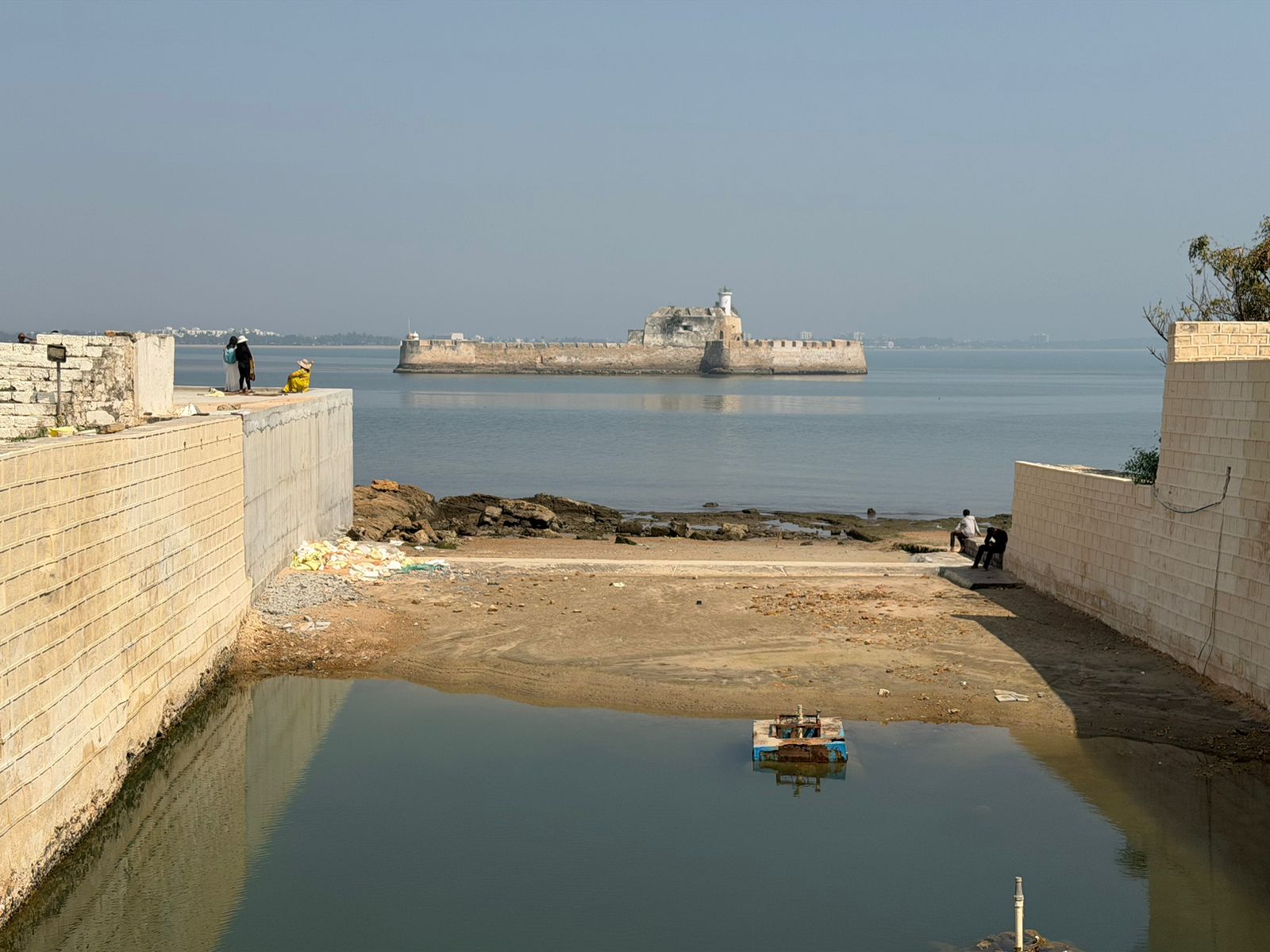
Diu Fort: Where the Sea Guards History
My visit to Diu Fort felt like stepping into a grand maritime epic carved in stone. Standing proudly on the edge of the Arabian Sea, this massive structure is not just a fort — it is a symbol of power, strategy, and survival.
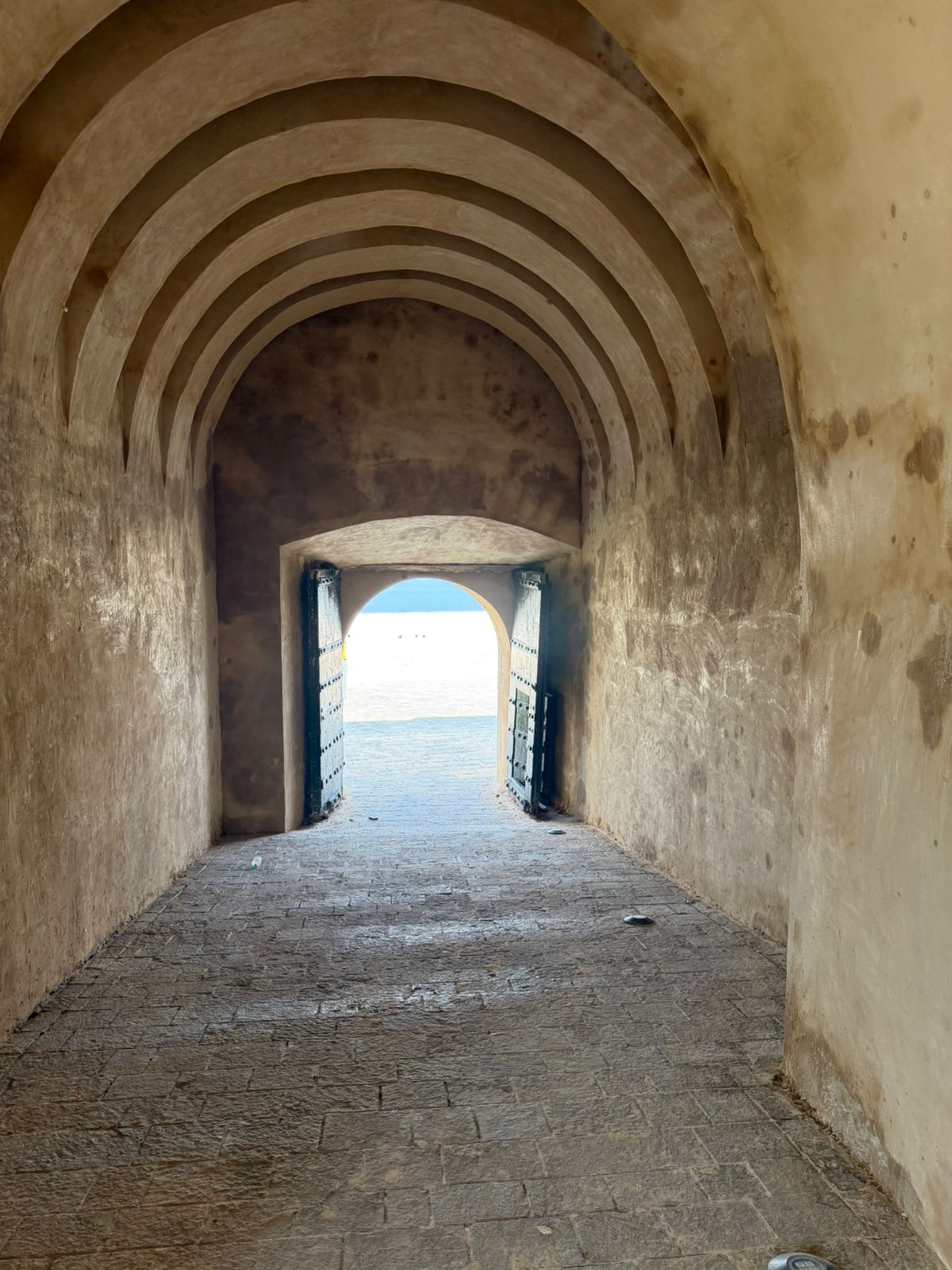
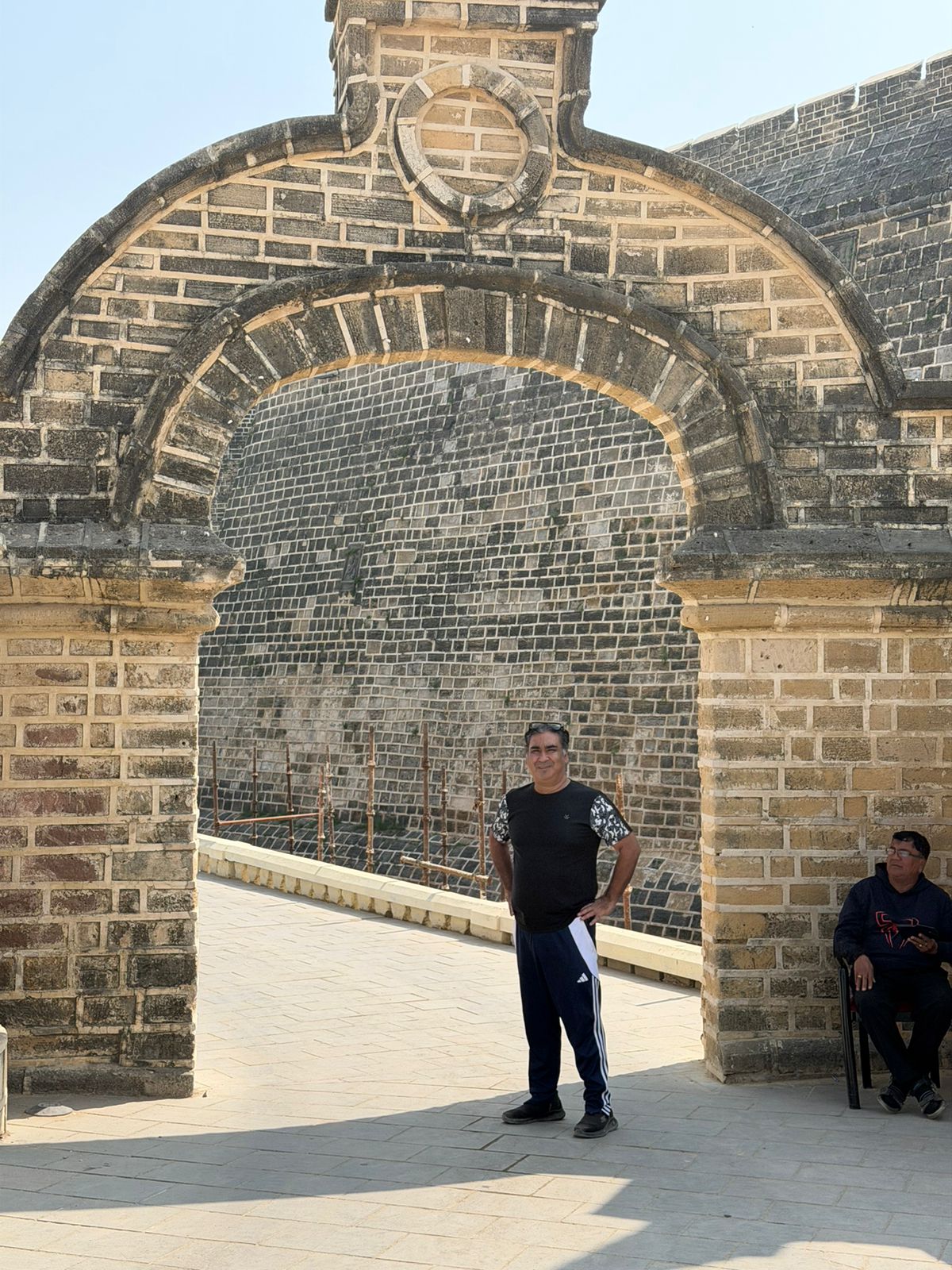
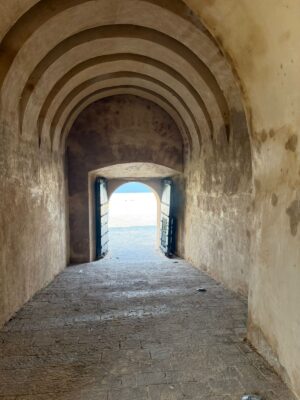
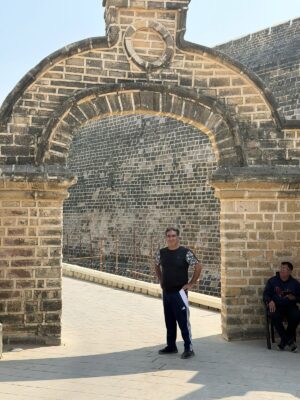
As I approached the entrance, the scale of the fort immediately impressed me. Built in 1535 by the Portuguese after forming an alliance with Sultan Bahadur Shah of Gujarat, Diu Fort was designed to command the sea. Its thick sandstone walls, bastions, and watchtowers were created to withstand naval attacks and enemy invasions. Walking through its gateway, I could almost sense the tension of a time when ships on the horizon could mean trade — or war.
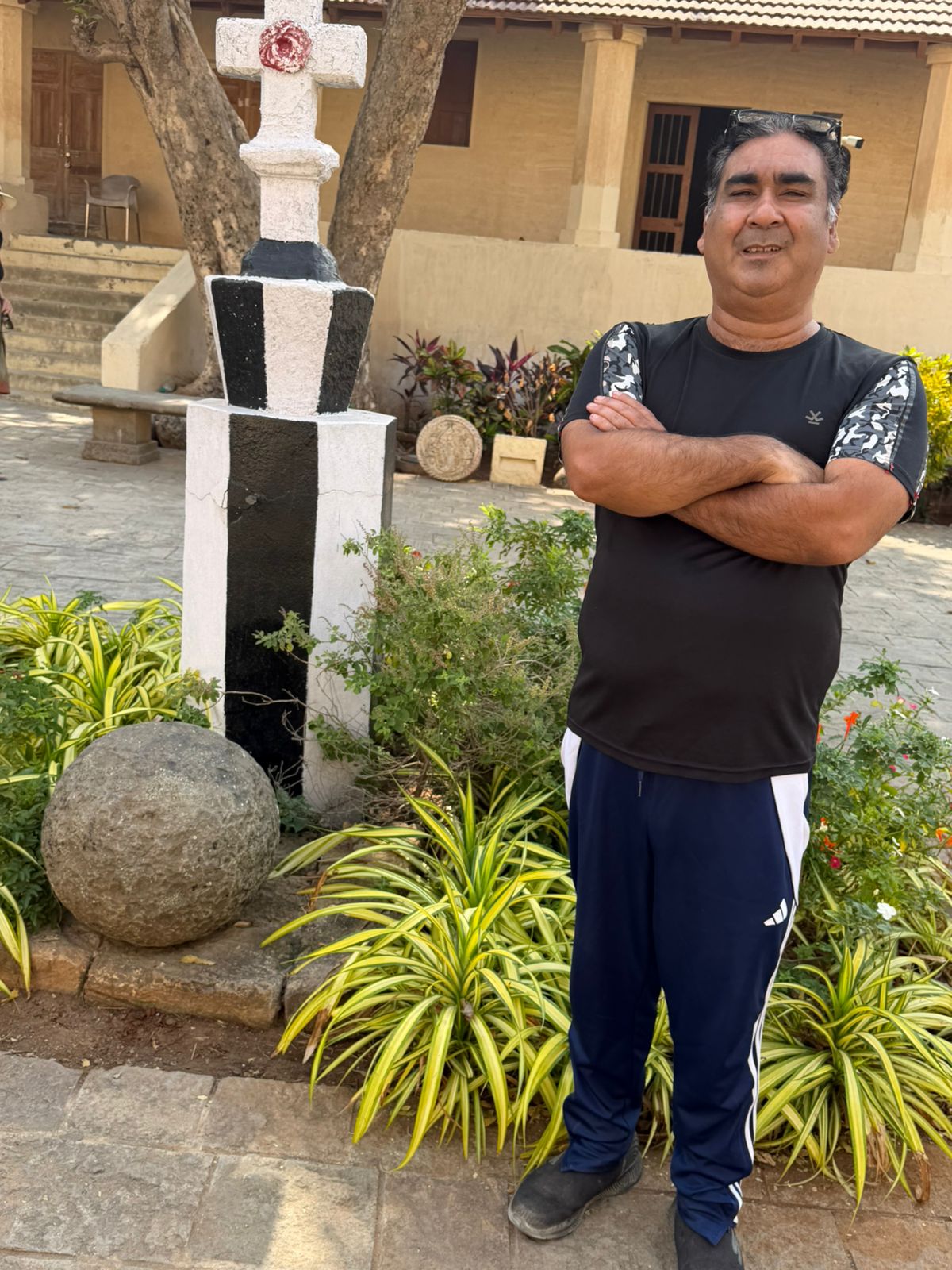
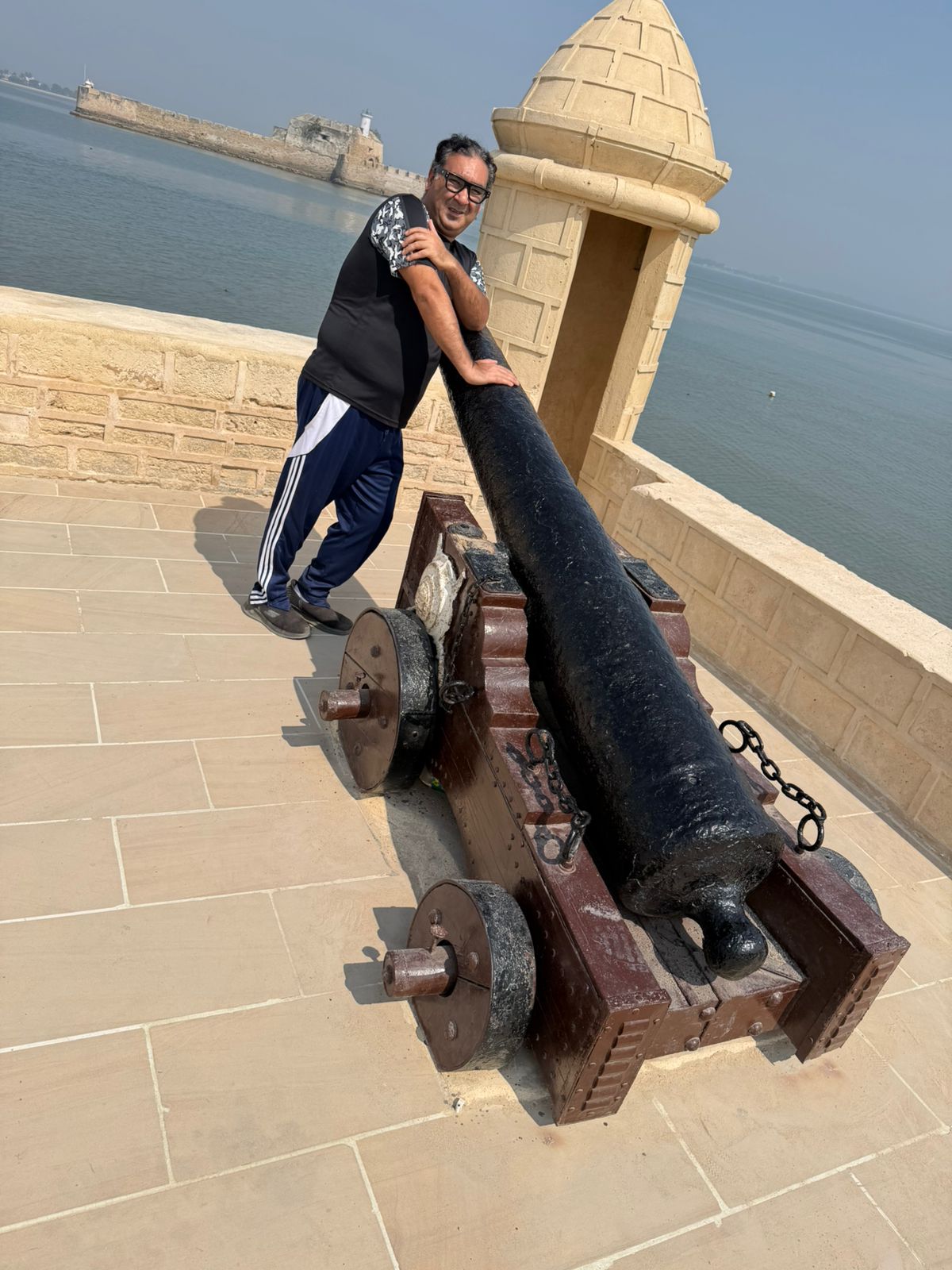
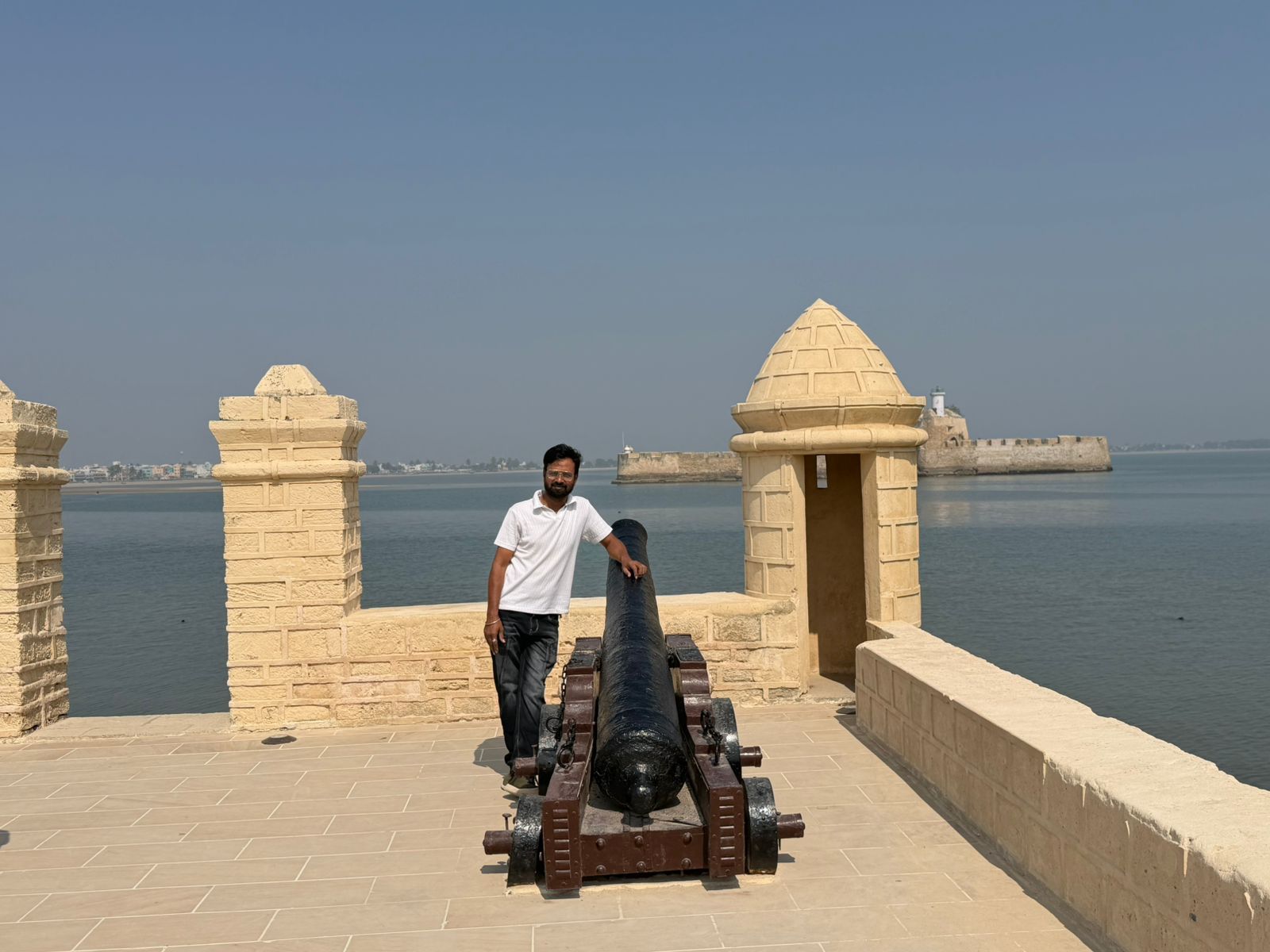
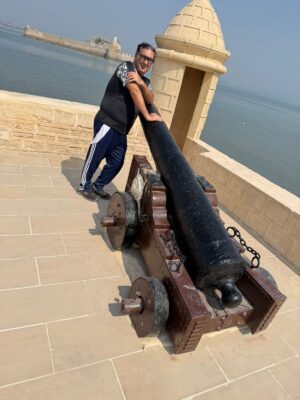
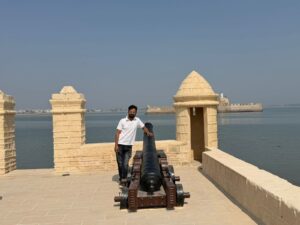
Inside, the fort opens into vast open grounds surrounded by towering ramparts. The architecture reflects European military engineering blended with local materials. Massive cannons still rest along the edges, facing the endless sea. These cannons once stood ready to defend Portuguese dominance over the strategic port. Today, they sit silently, offering visitors a glimpse into a powerful colonial past.
What makes Diu Fort truly special is its location. The Arabian Sea wraps around it on three sides, creating breathtaking views from every corner. I stood along the fort walls, watching waves crash against the rocks below. The contrast between the calm blue waters and the rugged stone fortifications was striking. It made me reflect on how this peaceful setting was once the center of intense naval battles.
Diu Fort
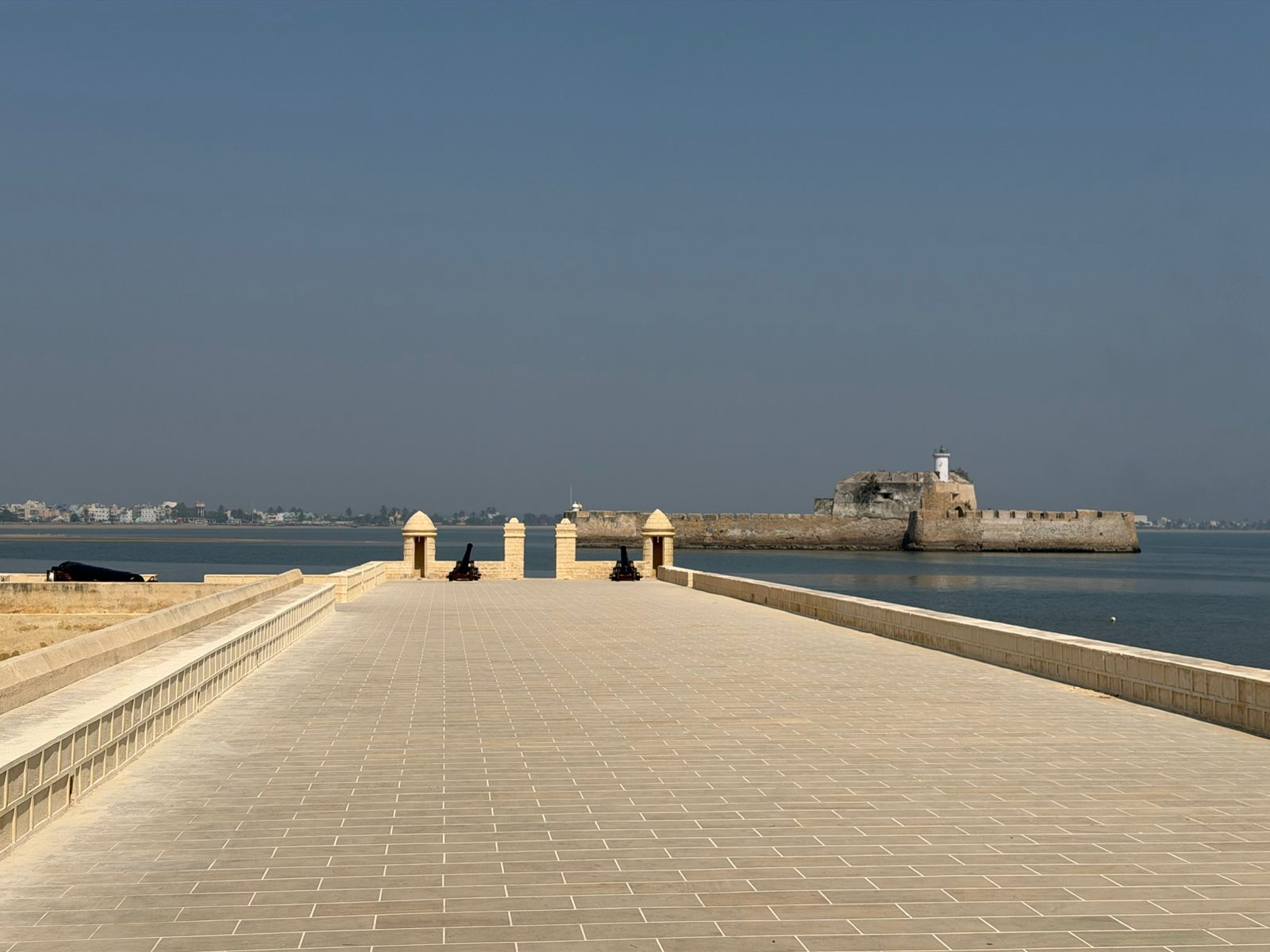

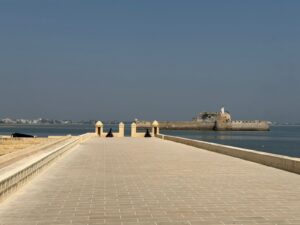
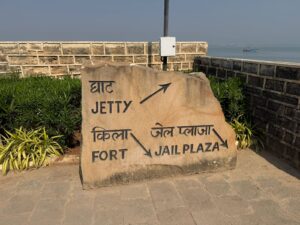
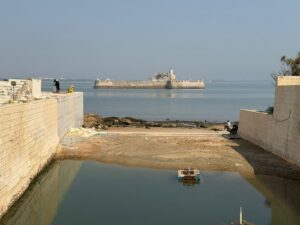
The lighthouse within the fort adds another layer of charm. From above, you can see the vast coastline of Diu stretching out, dotted with fishing boats and distant shores. The sea breeze carries with it a feeling of freedom, as if the fort, once built for control and defense, now simply stands as a guardian of history.
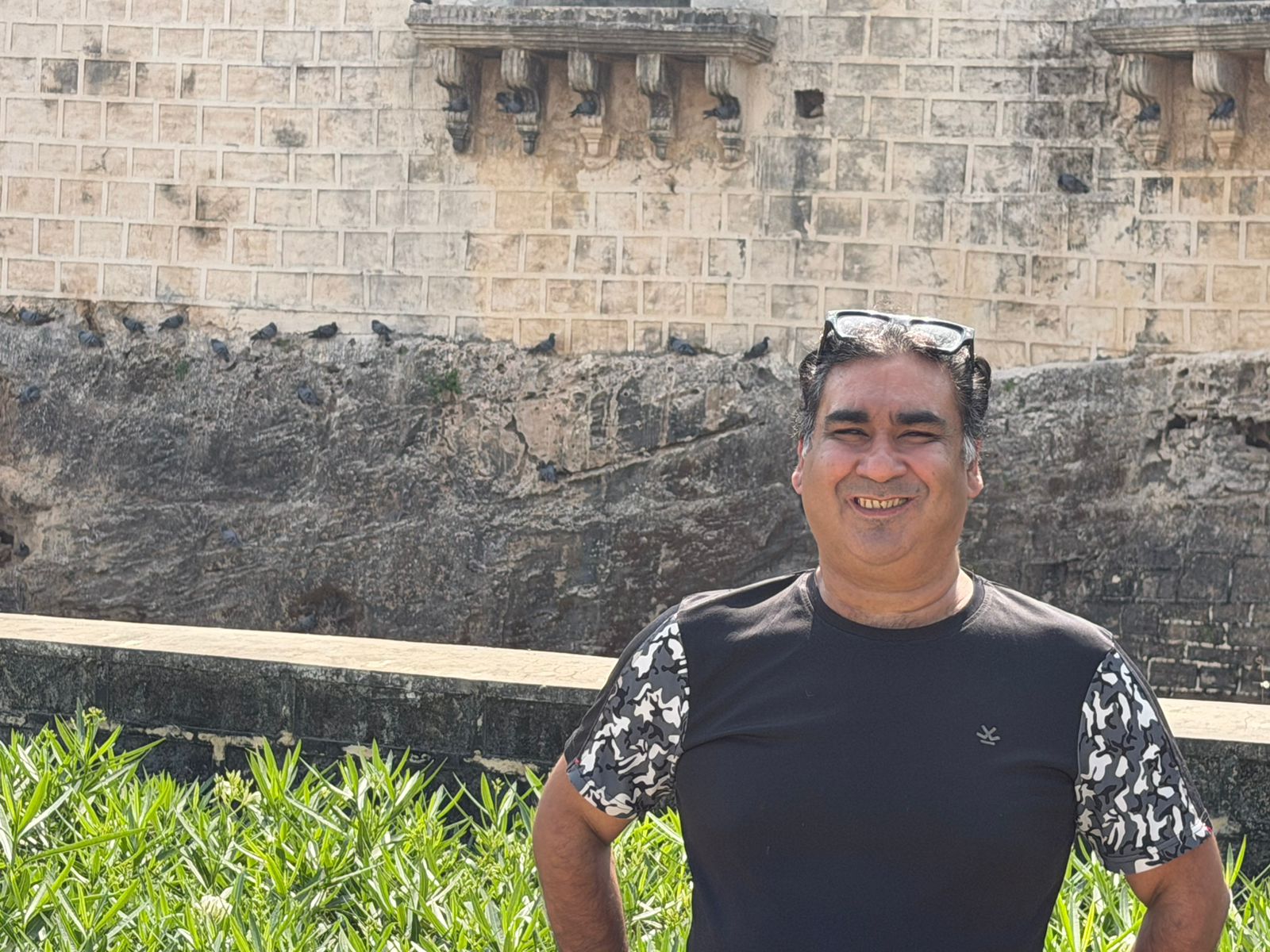
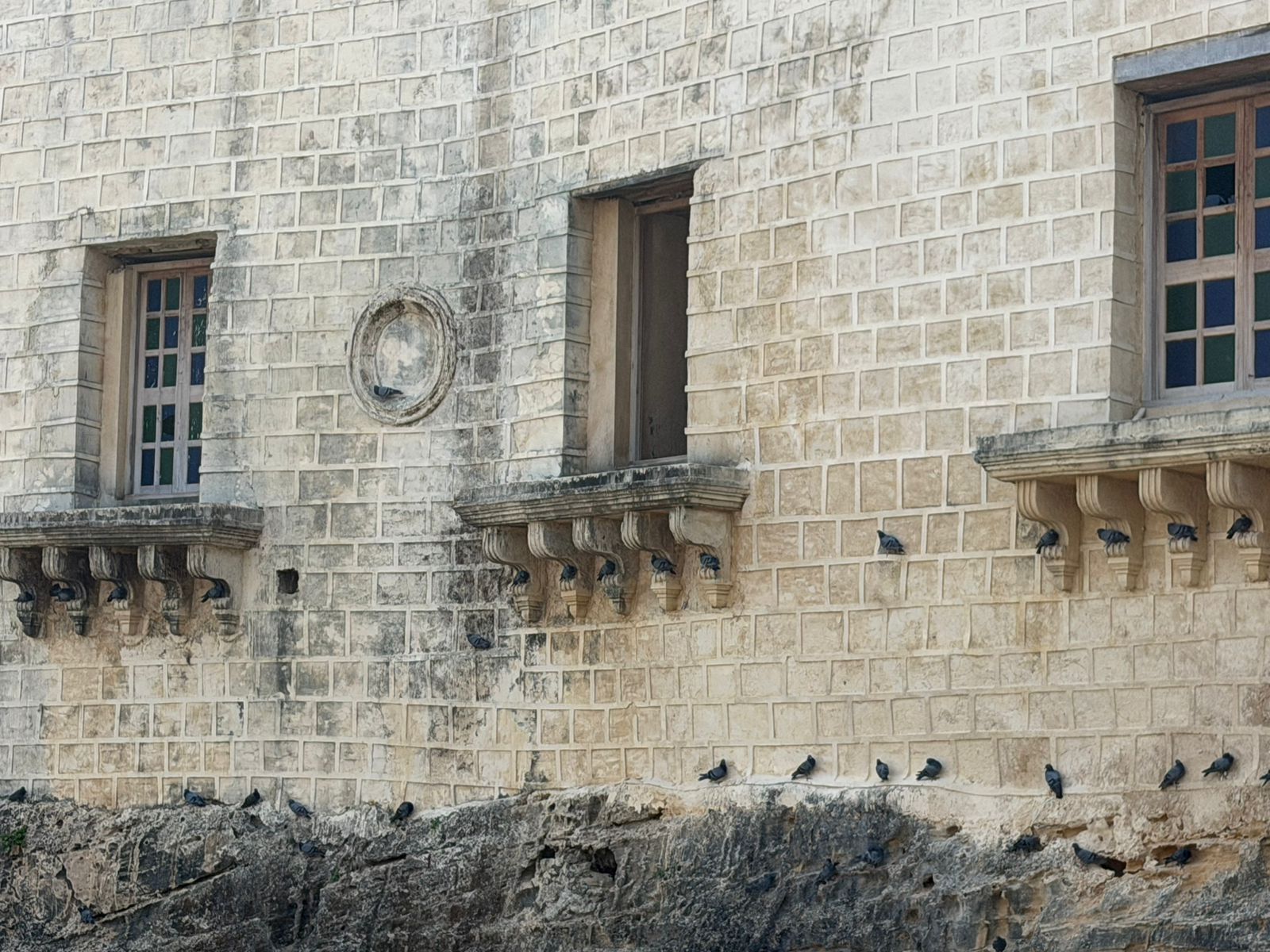
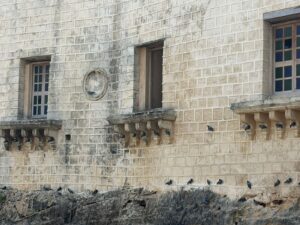
Walking through the corridors and bastions, I noticed the weathered textures of the walls — marks left by centuries of sun, wind, and salt. Time has softened the fort’s fierce purpose, transforming it into a place of quiet exploration. Tourists wander freely where soldiers once marched in formation.
Diu Fort is more than just an architectural landmark. It tells a story of global trade routes, colonial ambition, and the blending of cultures. It reminds us that Diu was once one of the most important ports on India’s western coast.
As I left the fort, I felt a deep appreciation for how history survives through structures like this. Diu Fort stands strong even today — not as a symbol of conquest, but as a reminder of resilience. If you ever find yourself in Diu, do not miss this majestic fortress. Walk along its walls, feel the sea breeze, and let your imagination travel back to an era when the fate of empires depended on what sailed across that vast horizon.

Add a review
Your email address will not be published. Required fields are marked *