
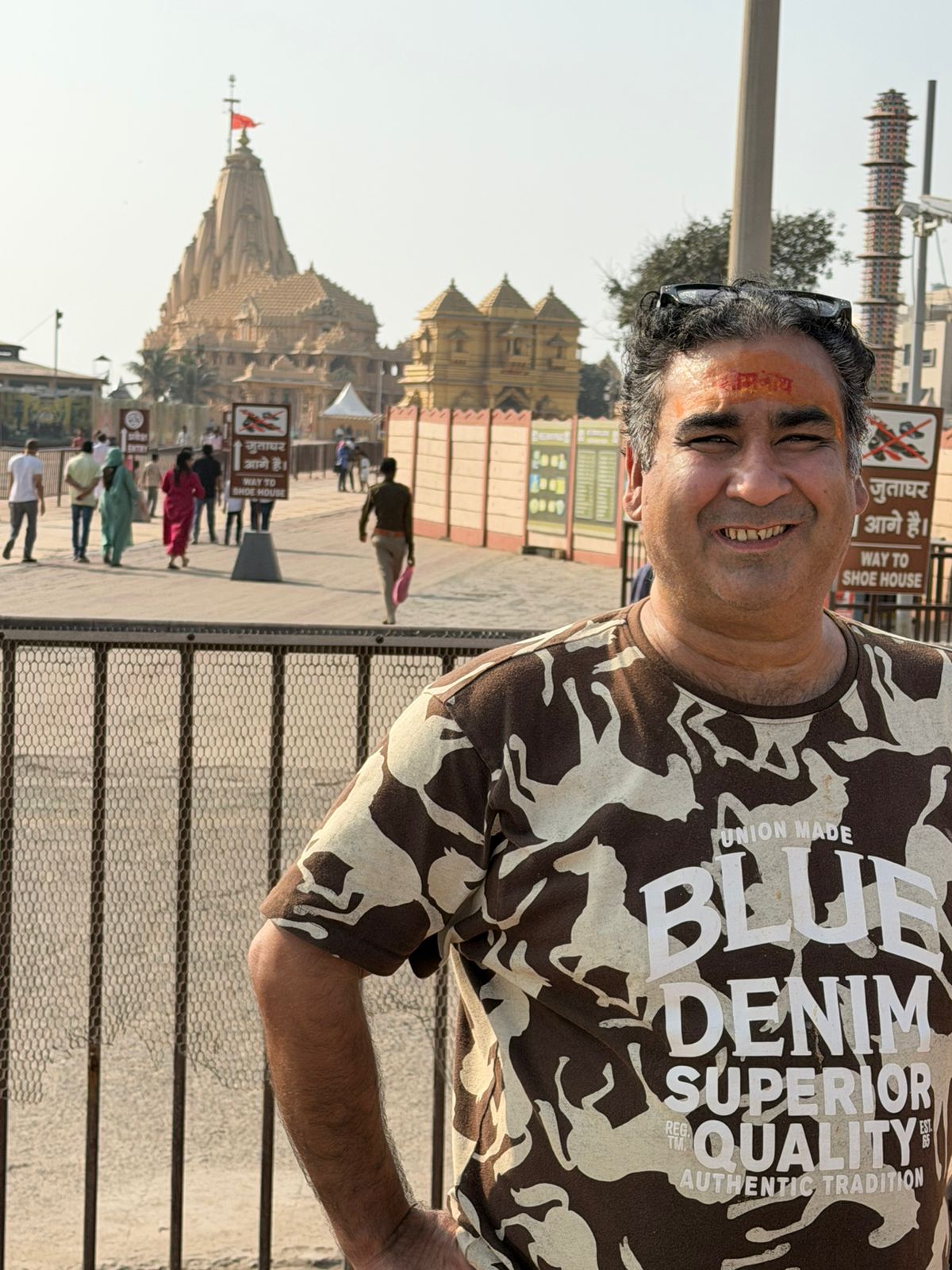
Somnath: The Temple That Refused to Fall
The road to Somnath does not merely lead to a temple—it leads into history. As I followed the signboards pointing towards Shree Somnath Jyotirlinga, I felt as though I was tracing the footsteps of kings, invaders, saints, and pilgrims who have walked this path for centuries. The Arabian Sea breeze carried more than salt in the air—it carried stories. Somnath has many of them.
The First Light
Legend says that the Moon God, Chandra, built the original Somnath temple in gold to honour Lord Shiva. It was later rebuilt in silver by Ravana, in wood by Lord Krishna, and in stone by King Bhimdev. Myth and history intertwine here so seamlessly that it becomes difficult to tell where faith ends and fact begins.
Somnath
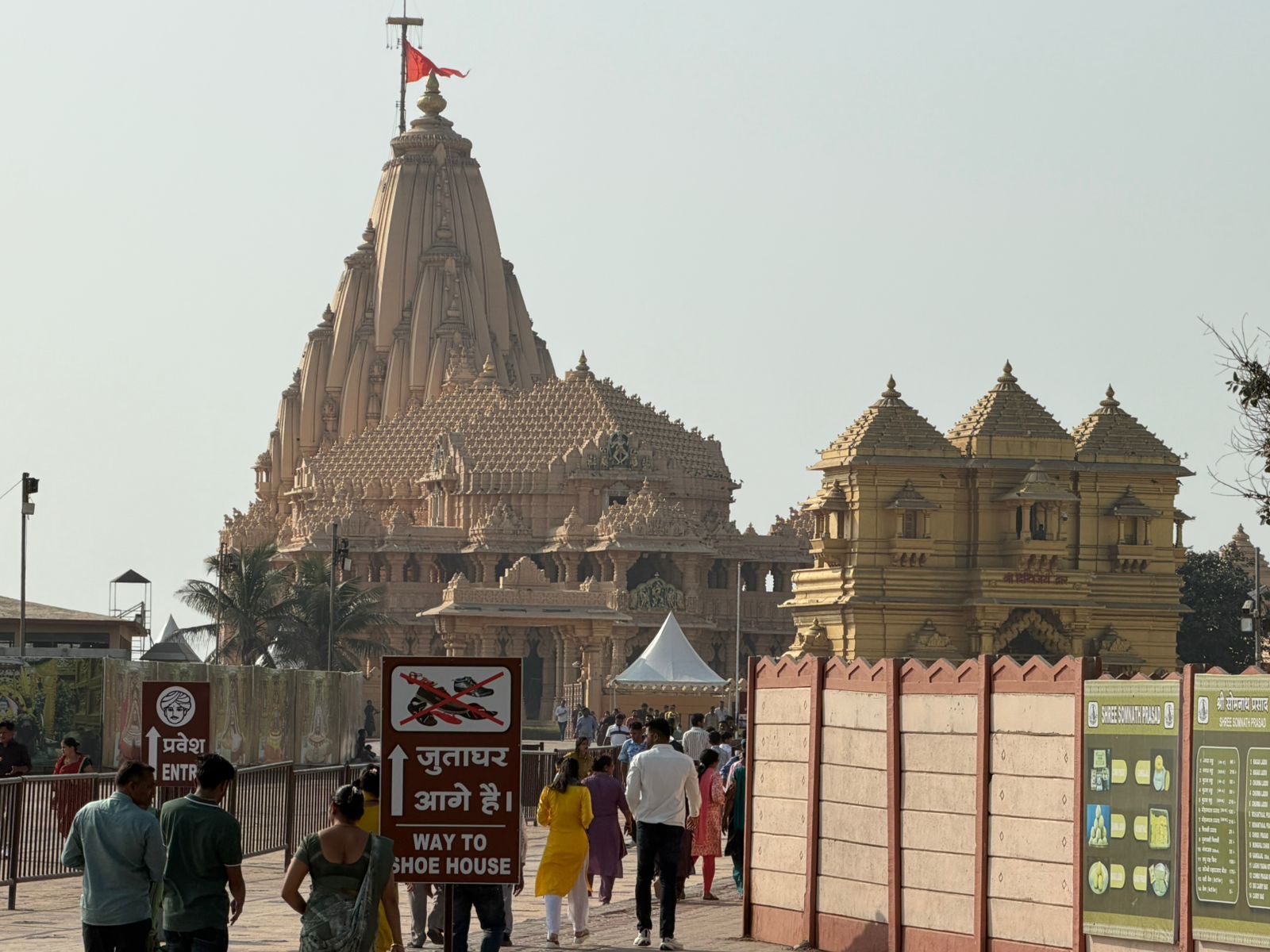
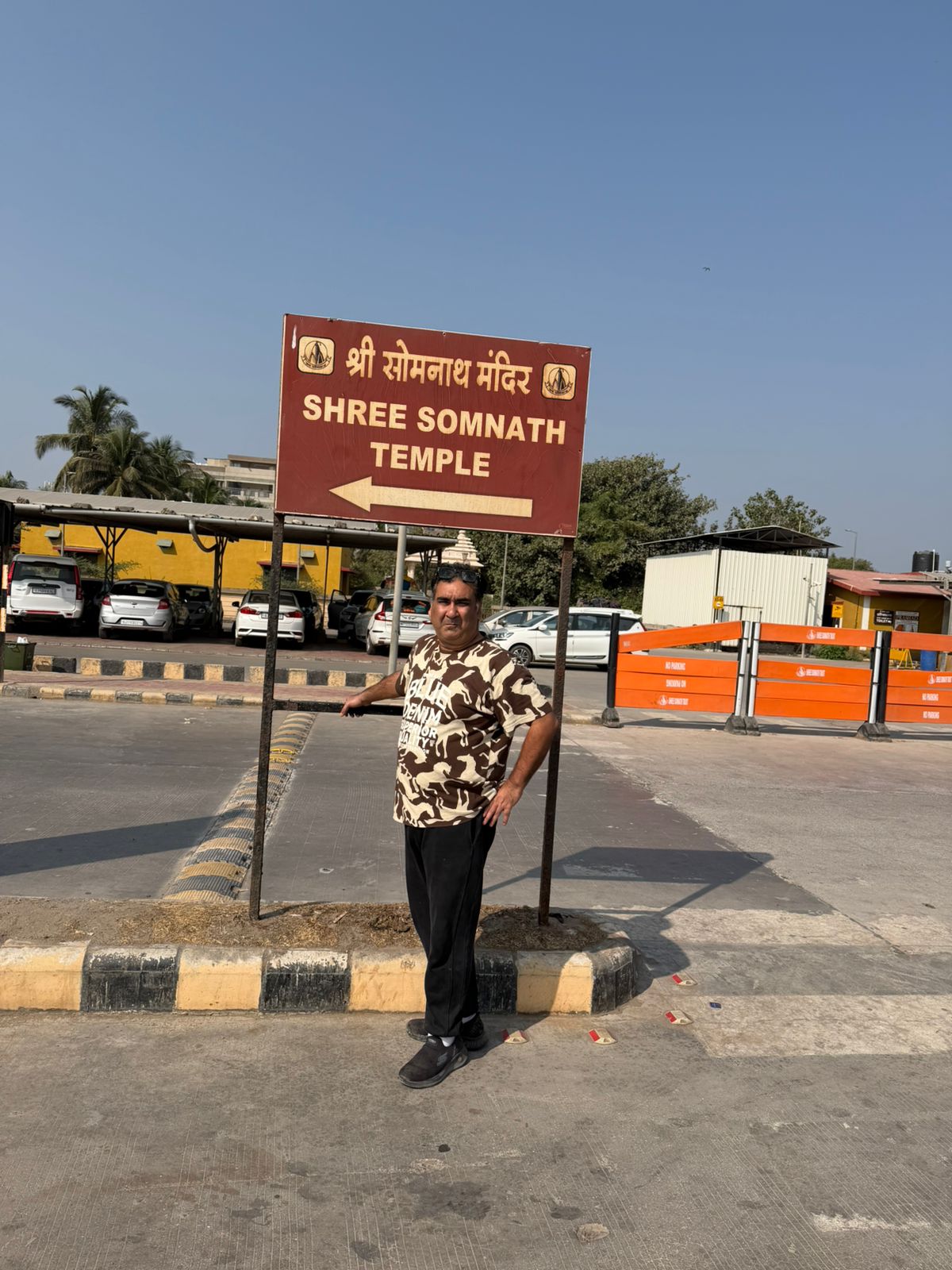
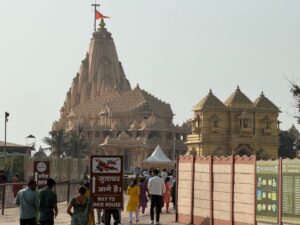
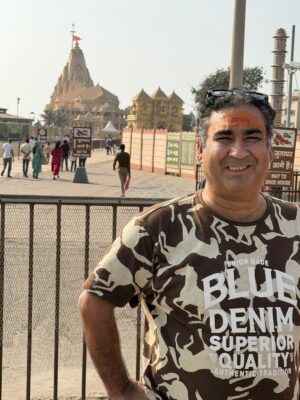
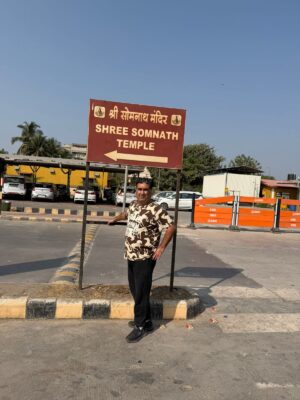
Standing before the present-day temple, its sandstone walls glowing under the Gujarat sun, I imagined those earlier structures rising and falling through time—each one an offering of devotion, each one a testament to belief.
The Sound of Hooves and Swords
Somnath’s story is also a story of destruction. In 1025 CE, Mahmud of Ghazni invaded and looted the temple, carrying away its treasures. It was rebuilt—then destroyed again, and rebuilt once more. Over the centuries, the temple faced repeated attacks, each time reduced to rubble, each time rising again.
As I stepped into the temple courtyard, I tried to imagine what those eras must have felt like—the chaos, the uncertainty, the grief. Yet what survives in Somnath is not the memory of defeat, but the spirit of rebuilding.
The temple that stands today was reconstructed in 1951 after India’s independence, under the vision of Sardar Vallabhbhai Patel. It became a symbol—not merely of religion, but of cultural resurgence.
The Sea as Witness
Behind the temple lies the vast Arabian Sea—endless and restless. Waves crash against the shore as they have for millennia, witnessing every prayer and every reconstruction.
There is an inscription near the temple marking the Baan Stambh, indicating that there is no land between Somnath and Antarctica in a straight line. It felt deeply symbolic. Beyond this point lies nothing but open water. The temple stands at the edge of the subcontinent like a guardian.
As I stood there, watching the horizon blur into the sky, I felt the weight of centuries settle gently around me.
The Moment of Darshan
Inside the sanctum, time dissolved. Devotees moved forward in quiet reverence. Bells echoed softly. The fragrance of incense lingered in the air, and there, in the dim sacred space, stood the Jyotirlinga—the eternal symbol of Lord Shiva.
For a brief moment, I was not just a visitor from the present. I was part of an unbroken chain of faith stretching back through dynasties and empires.
A Temple Beyond Stone
Somnath is not remembered because it was attacked. It is remembered because it endured. Empires have vanished. Kingdoms have faded. Yet the temple stands—rebuilt not just with stone, but with belief.
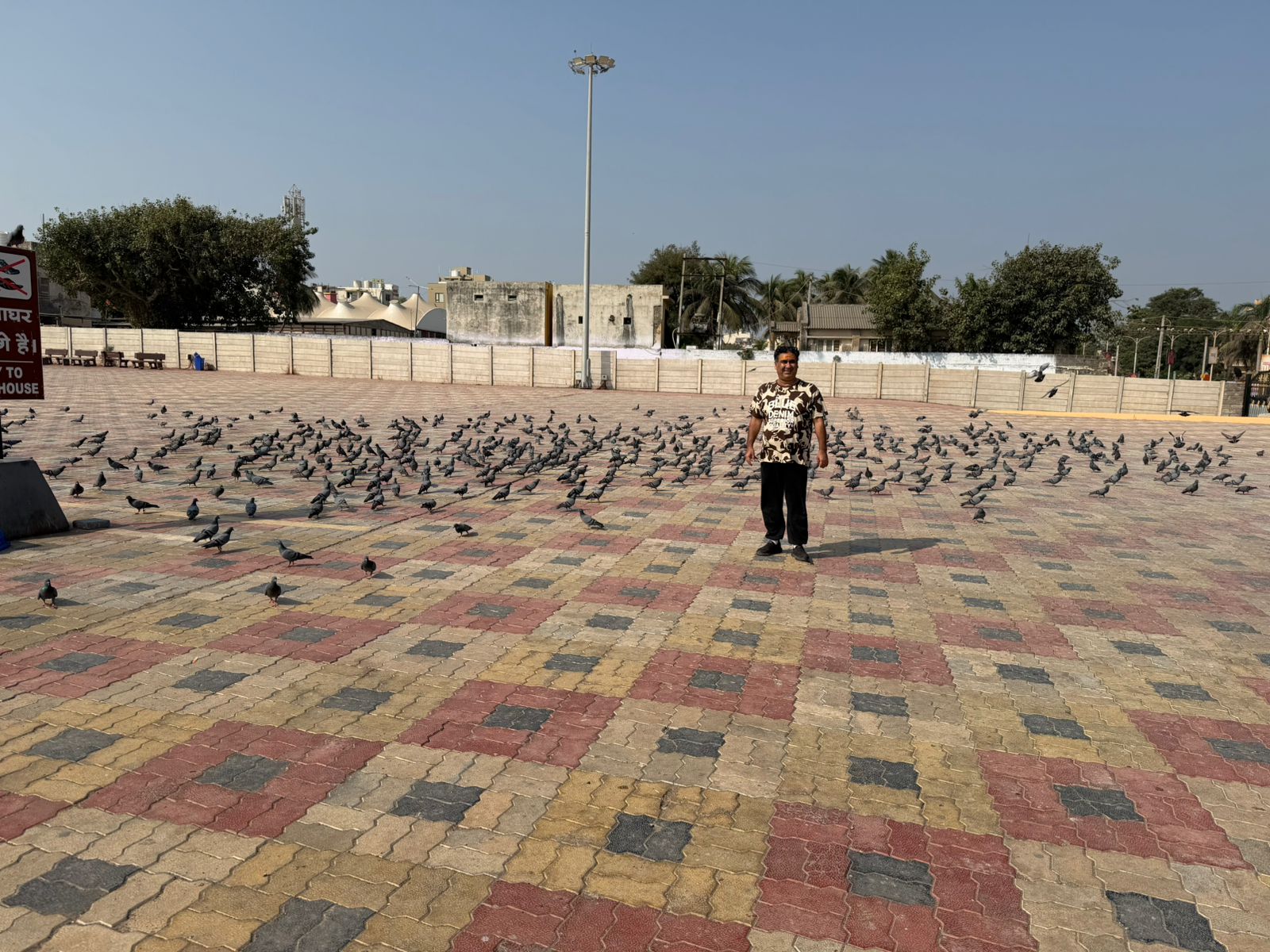
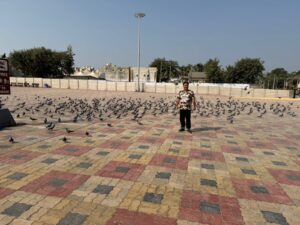
As I walked away from the complex, pigeons circled above and the saffron flag fluttered fiercely against the sky. I understood something simple yet profound.
Somnath is not just a monument of the past. It is a declaration—that faith, once rooted deeply enough, cannot be erased. And in that realisation, my visit became more than a journey. It became a conversation with history itself.

Add a review
Your email address will not be published. Required fields are marked *