
The Head Hunters of Nagaland: Anuj Tikku’s Unforgettable Day with the Chief
Nagaland has always been a land of mystery – smoky kitchens, tattooed warriors, tribal chants and memories of a fierce past. Among its many tribes, the Konyaks of Mon district stand apart as the last tribe of India once known for their legendary, and now historic, tradition of headhunting.
Today, the practice is long gone, replaced by Christianity, education, agriculture and craftsmanship. But the leaders who once lived that world still remain – majestic, tattooed, steeped in memory, and carrying stories etched into their skin.
And on a crisp morning in Longwa, Anuj Tikku found himself walking straight into that living history.
Meeting the Chief Headhunter of Longwa
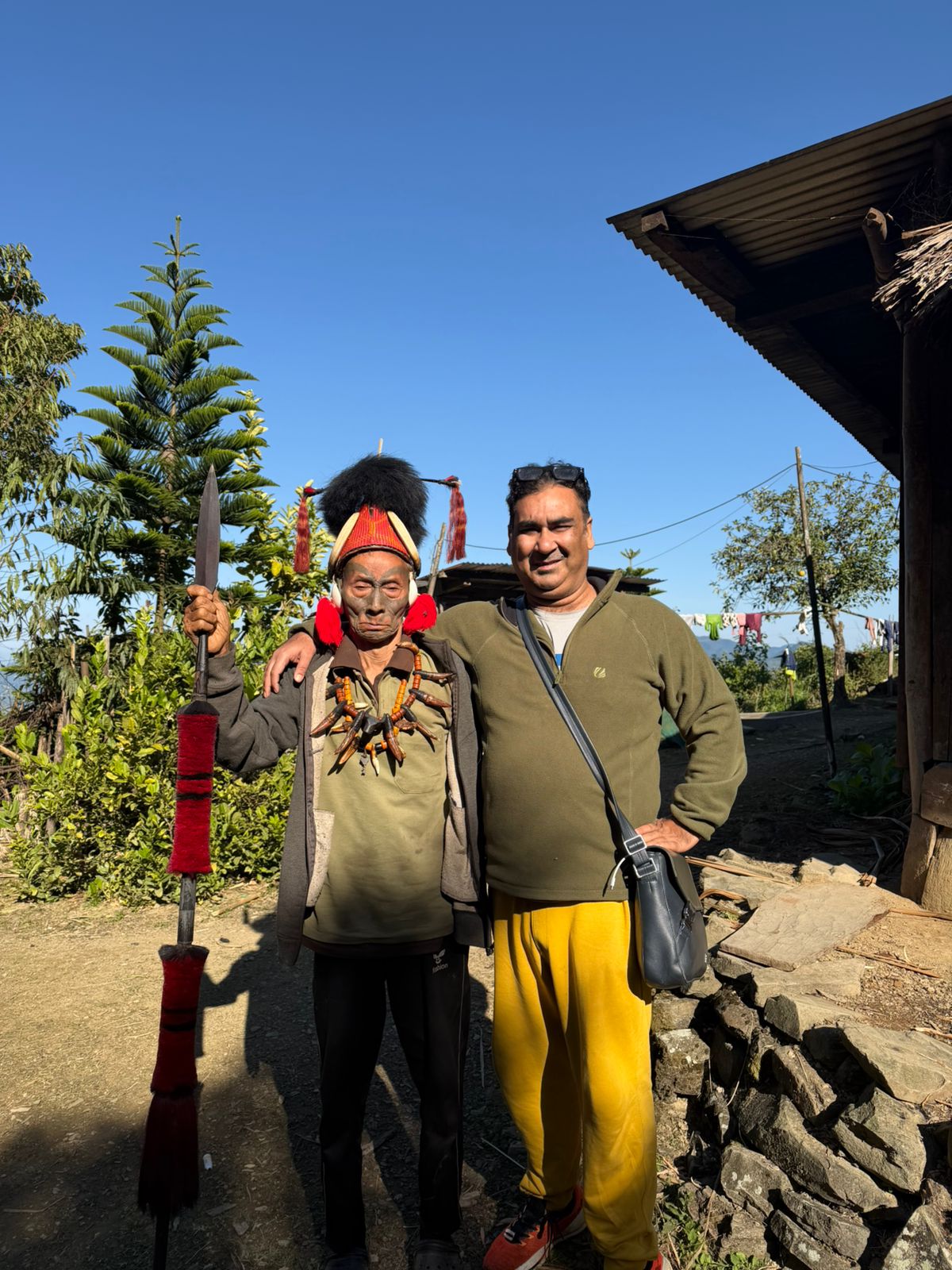
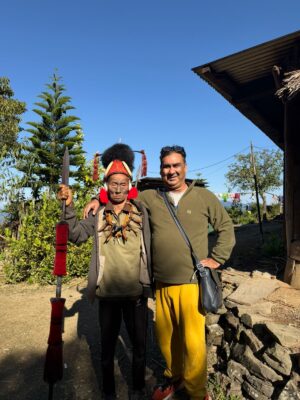
Longwa is unlike any place on Earth – a village split between India and Myanmar, ruled by the Angh, the hereditary chief whose house literally straddles both nations. Tikku arrived at the Angh’s home, where the chief headhunter sat like a figure carved out of the past – tattooed face, boar-tusk necklace, spear in hand, and the unmistakable presence of a warrior who had once commanded fear and respect.
The chief smiled, posed with dignity and welcomed Tikku the way Konyak chiefs have welcomed outsiders for generations – with warmth, hospitality and stories.
Tikku, in his curious and adventurous style, blended into the scene instantly. From the outside he looked like just another traveller; on the inside, he was absorbing every shred of their heritage.
Hunters of Nagaland

A Walk Through Memory: Tattoos, Spears and Brotherhood
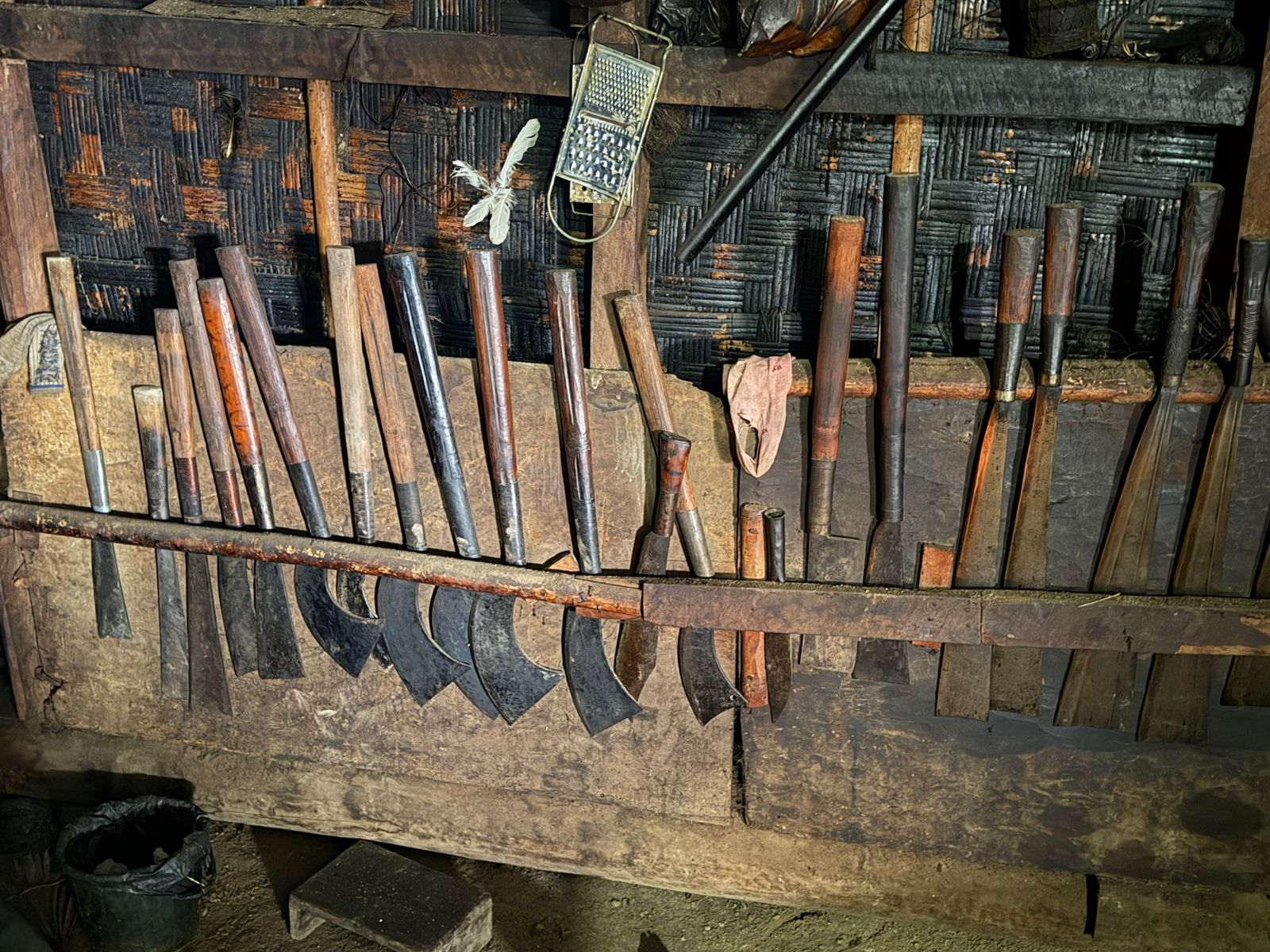
The chief’s body art told his story. Every tattoo was a badge earned – not of mindless violence, but of bravery, adulthood and identity. In the old days, only a warrior who had “taken a head” could wear the full face tattoos of honour.
Inside the Chief’s Bamboo and Wood Home
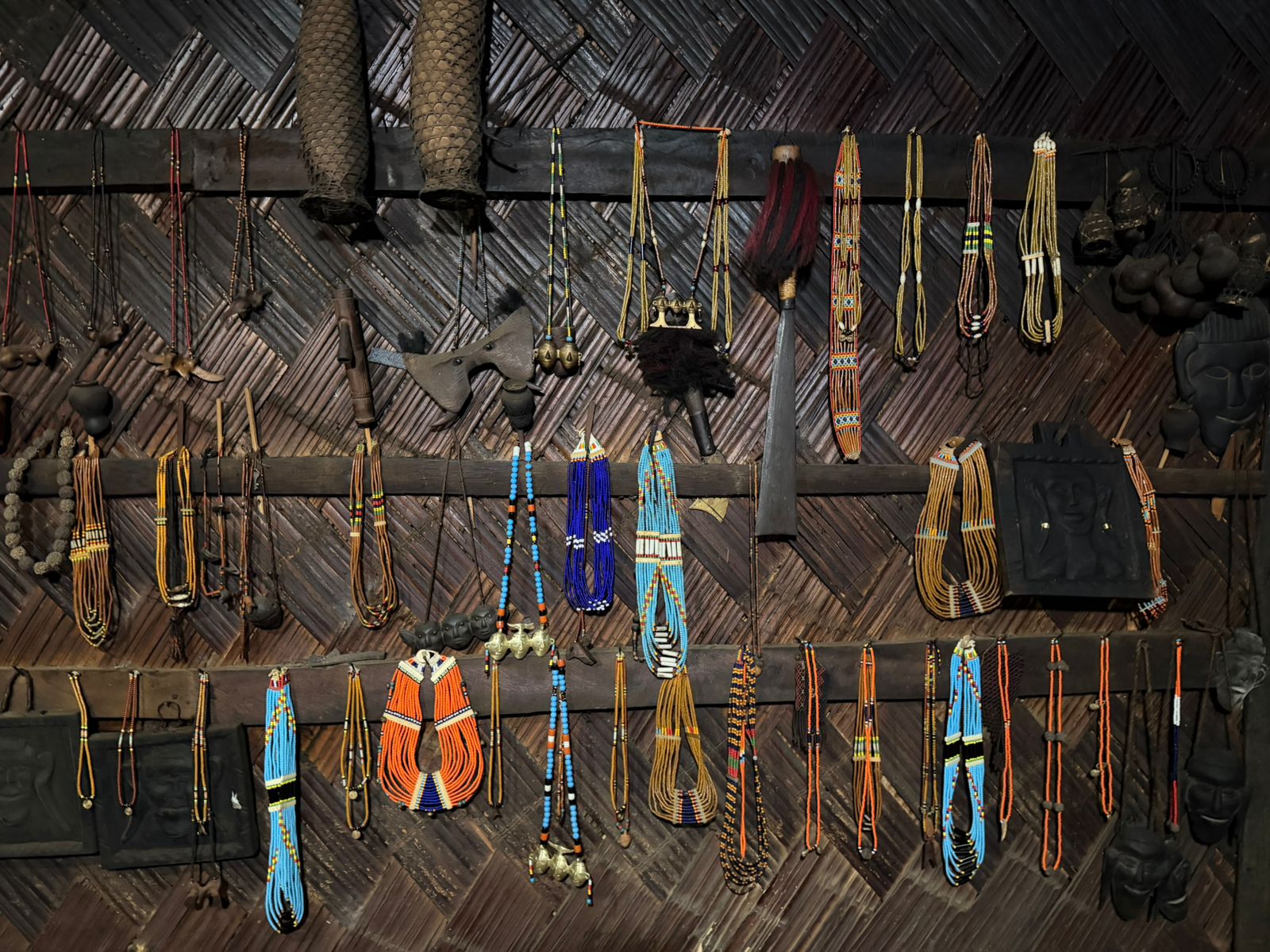
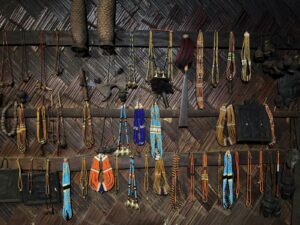
Inside the chief’s bamboo-and-wood home, Anuj Tikku found old photographs of past visitors, certificates from the Longwa Students’ Union and the Baptist church, and portraits of the chief in ceremonial attire. There were images of tribal gatherings and fire-lit rituals.
These walls were not decoration – they were a museum of memory. Tikku spent time examining the photos, even finding images of the same chief posing with travellers from around the world. It reminded him that Longwa is a global magnet – a rare window into human heritage.
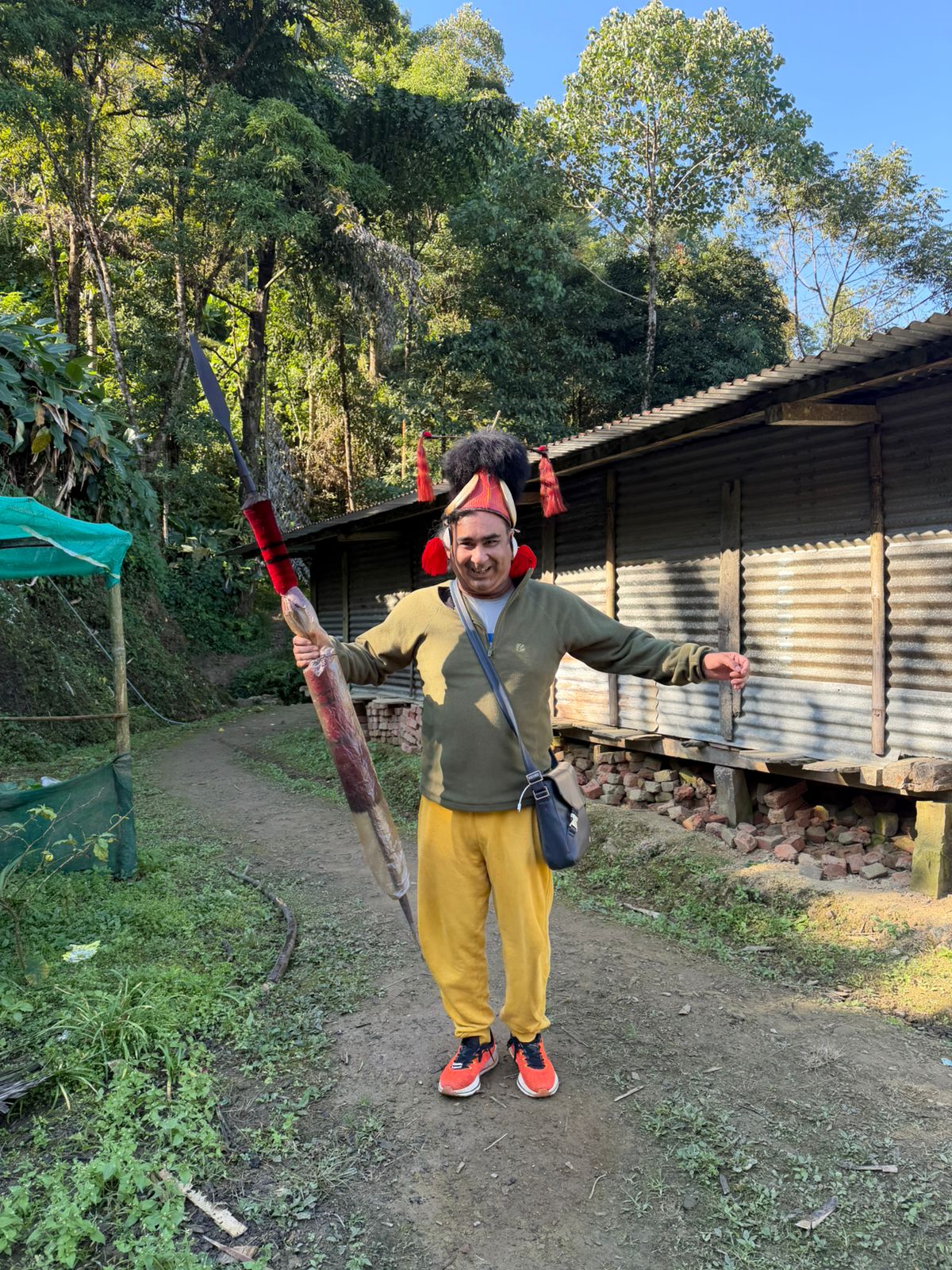
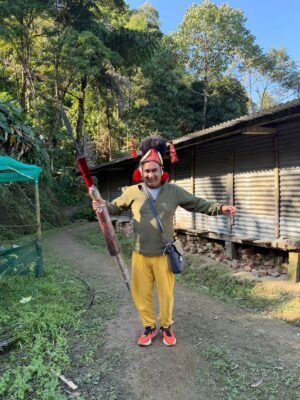
In classic Tikku fashion, he didn’t stop at just observing – he joined in. The chief handed him traditional warrior headgear and a spear decorated with red and black threads, and Tikku walked through Longwa like a man stepping out of another century.
The villagers laughed warmly, enjoying his enthusiasm. The chief watched with amusement, and Tikku, always ready for adventure, looked completely in his element. He was not mocking their culture – he was celebrating it. He was participating, learning and honouring their living legacy.
The Warmth of a Konyak Kitchen
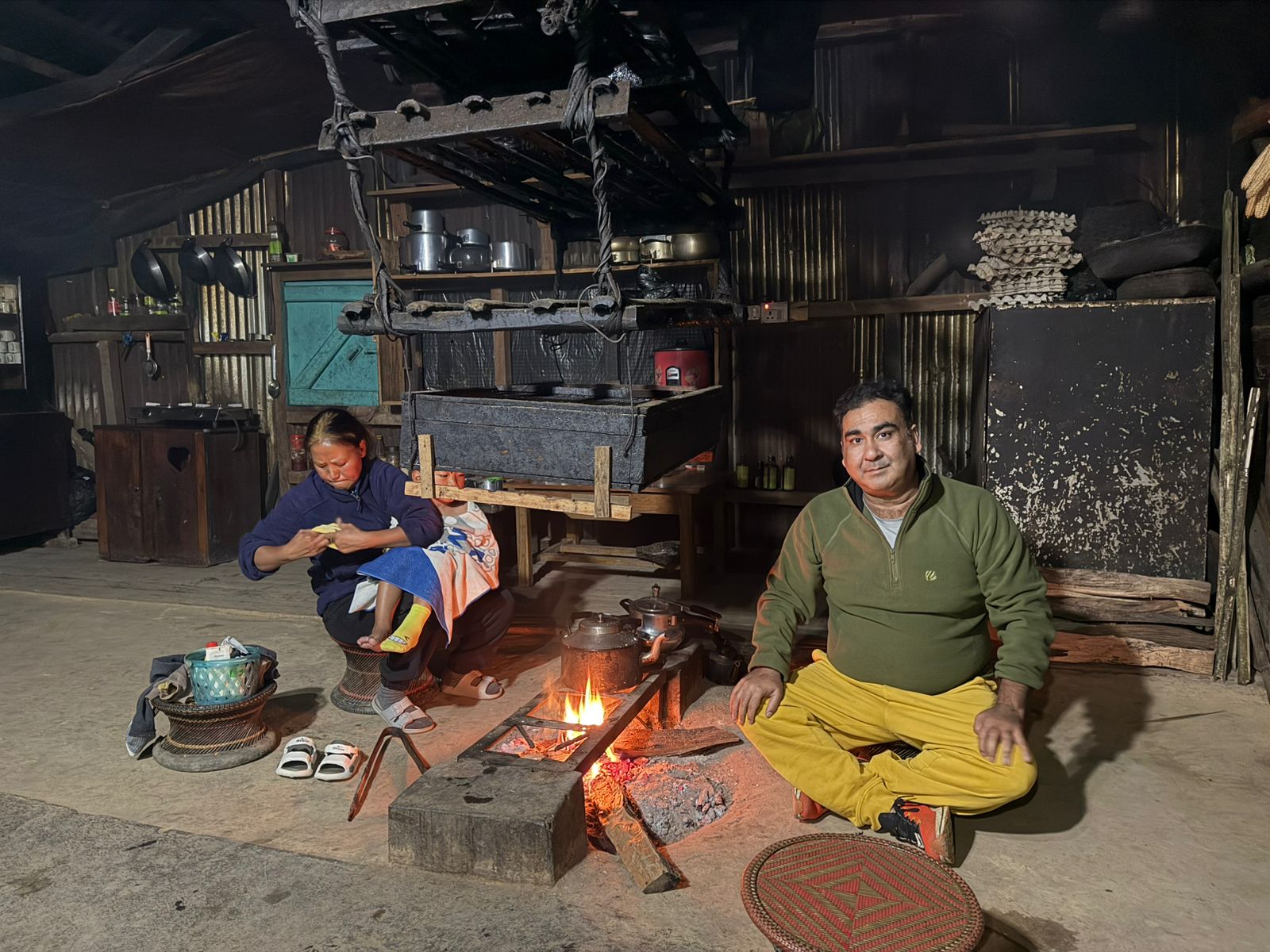
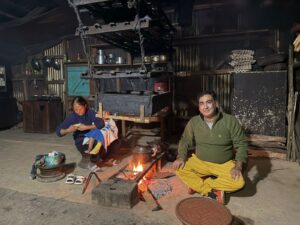
As the sun dipped behind the bamboo groves, Tikku sat by the central hearth – the soul of every Konyak home. He shared the mud floor with the family, warming his hands by the fire. Above him hung slabs of smoked meat – a Konyak delicacy that cures slowly over months. Around him lay utensils blackened by decades of woodfire cooking.
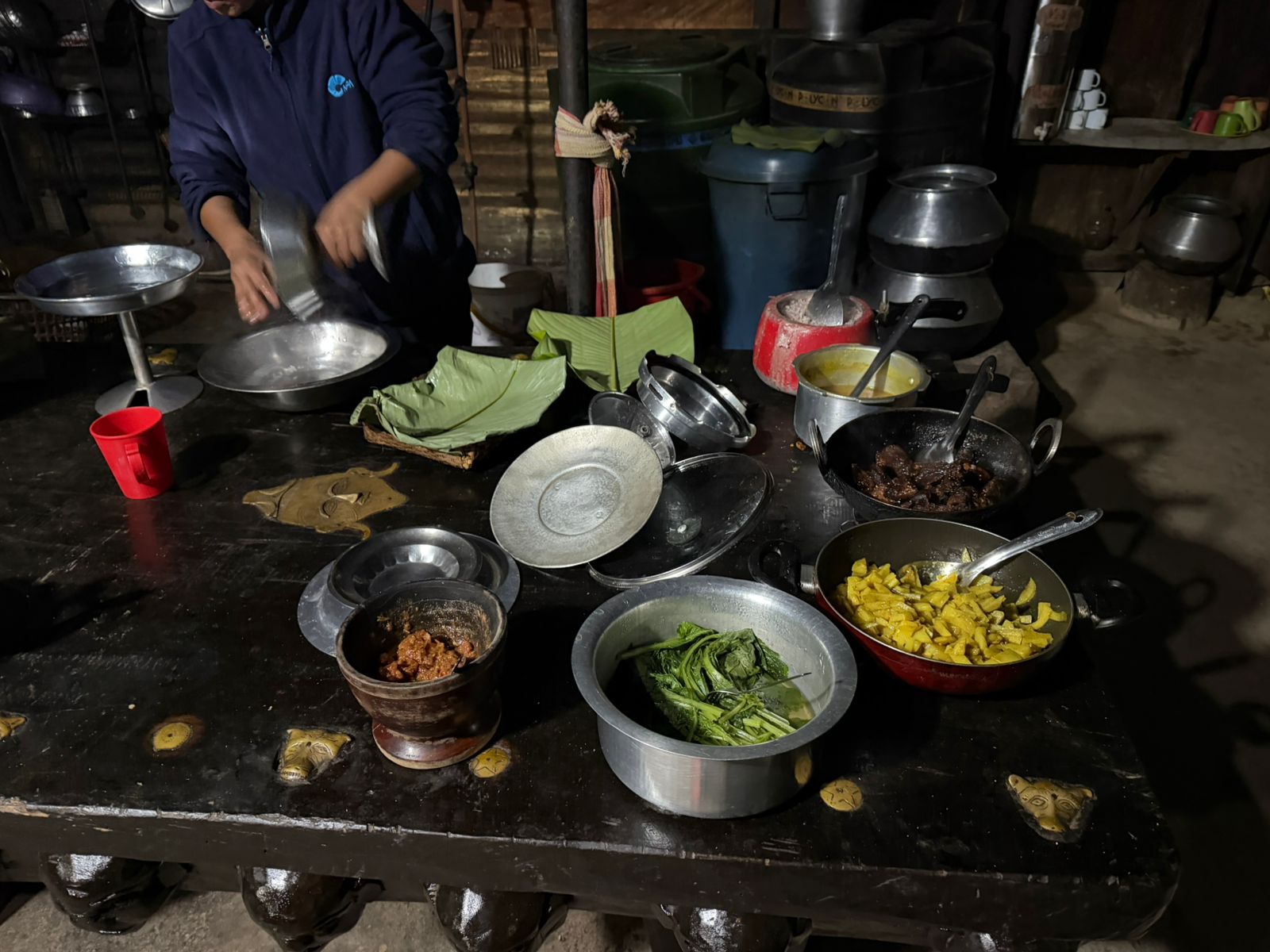
Dinner was served traditionally – boiled greens, smoked meat, bamboo shoot curry, wild herbs, rice, salt and chilli chutney. Tikku, always comfortable in rustic settings, ate with delight, fully immersing himself in their lives, their stories, their food and their humanity.
A Culture That Lives On
The Konyaks are no longer headhunters – those days ended over 80 years ago. Today, they are farmers, artists, church members and custodians of a heritage that fascinates the world. But their legacy still survives in their stories, rituals, art and memories.
Tikku’s escapade in Longwa became a powerful reminder of India’s rich tribal culture. What made this experience special was not the exotic thrill of meeting a “headhunter,” but the human connection between a modern traveller and an elder who once lived by the codes of an ancient warrior society.
Tikku didn’t just take photos and videos – he built memories and honoured a legacy.

Add a review
Your email address will not be published. Required fields are marked *