
The Kali at Bura Mayong
Today was calm and tranquil—a day that seemed to move at its own quiet rhythm. I’ve decided to spend another five days in Mayong, taking things slow and savoring the place in unhurried doses. Every alternate day, I step out of my resort to explore, allowing the essence of the land to sink in deeper with each journey.
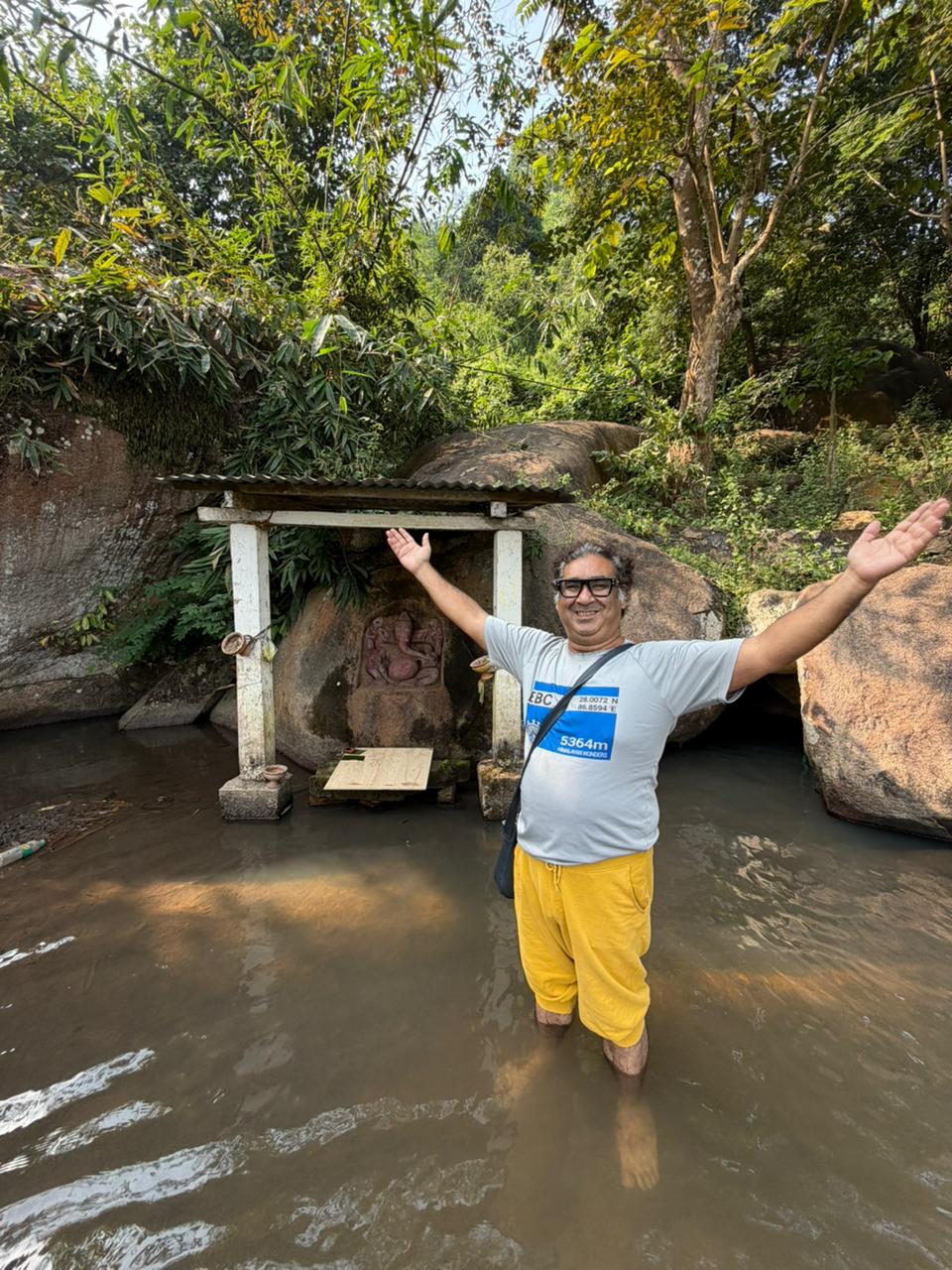
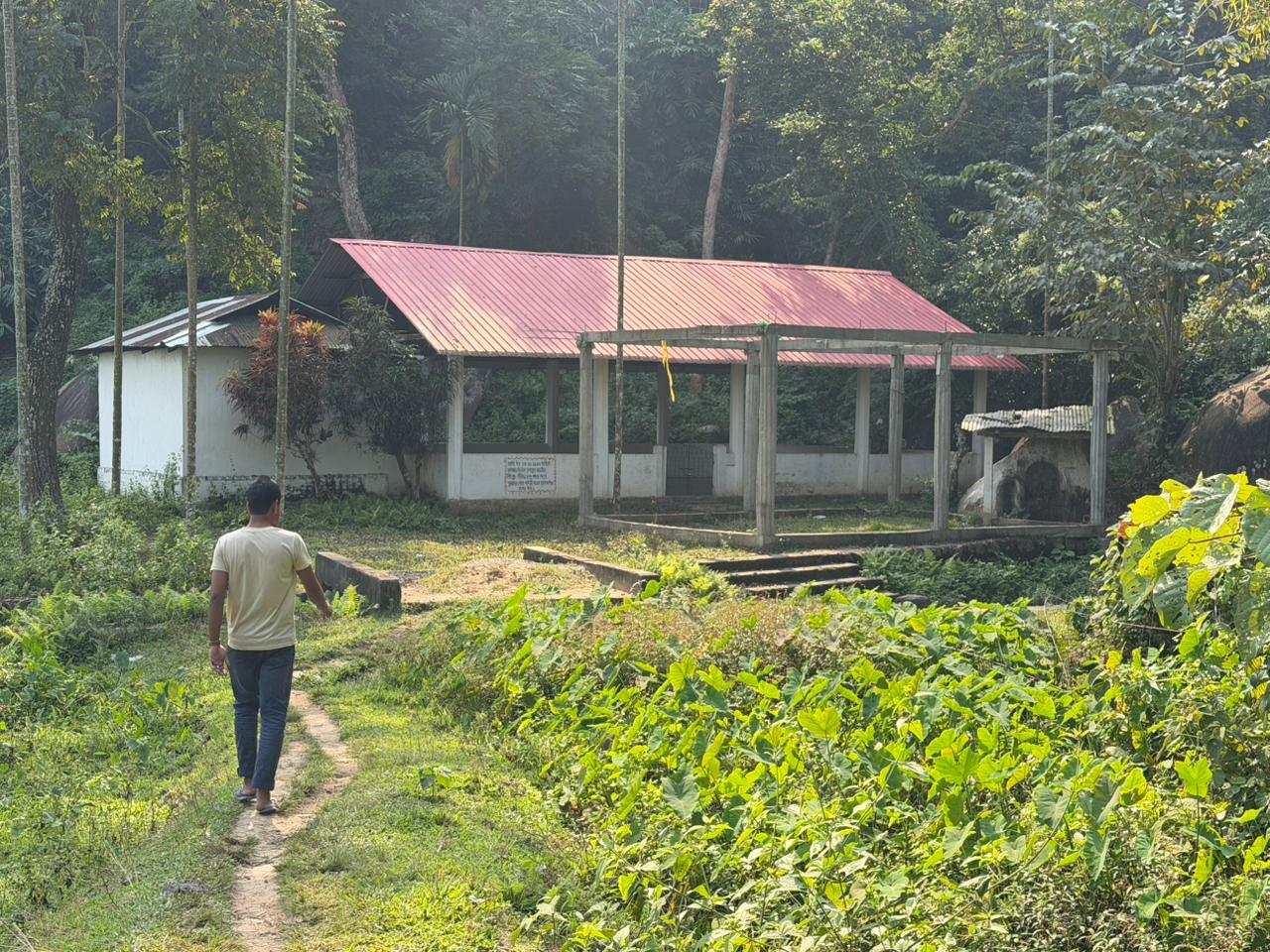
After a simple breakfast of sausages and eggs, I set out towards Bura Mayong, also known as Bada Mayong, meaning Big Mayong. The village lies on the outskirts, surrounded by open farmlands, clusters of huts, and tranquil ponds. As we meandered through this rustic landscape, a cool, shallow stream appeared before us.
Bura Mayong
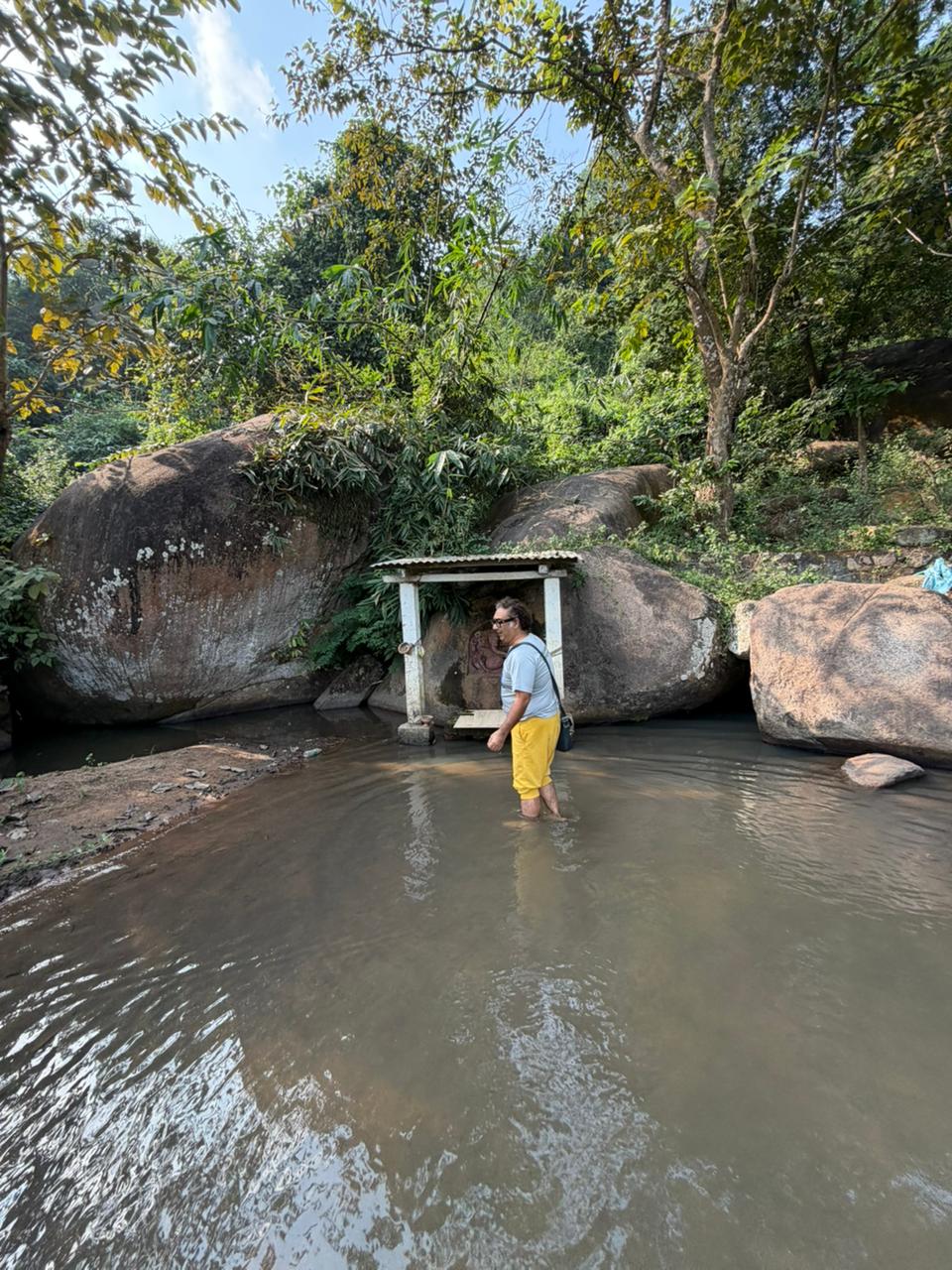
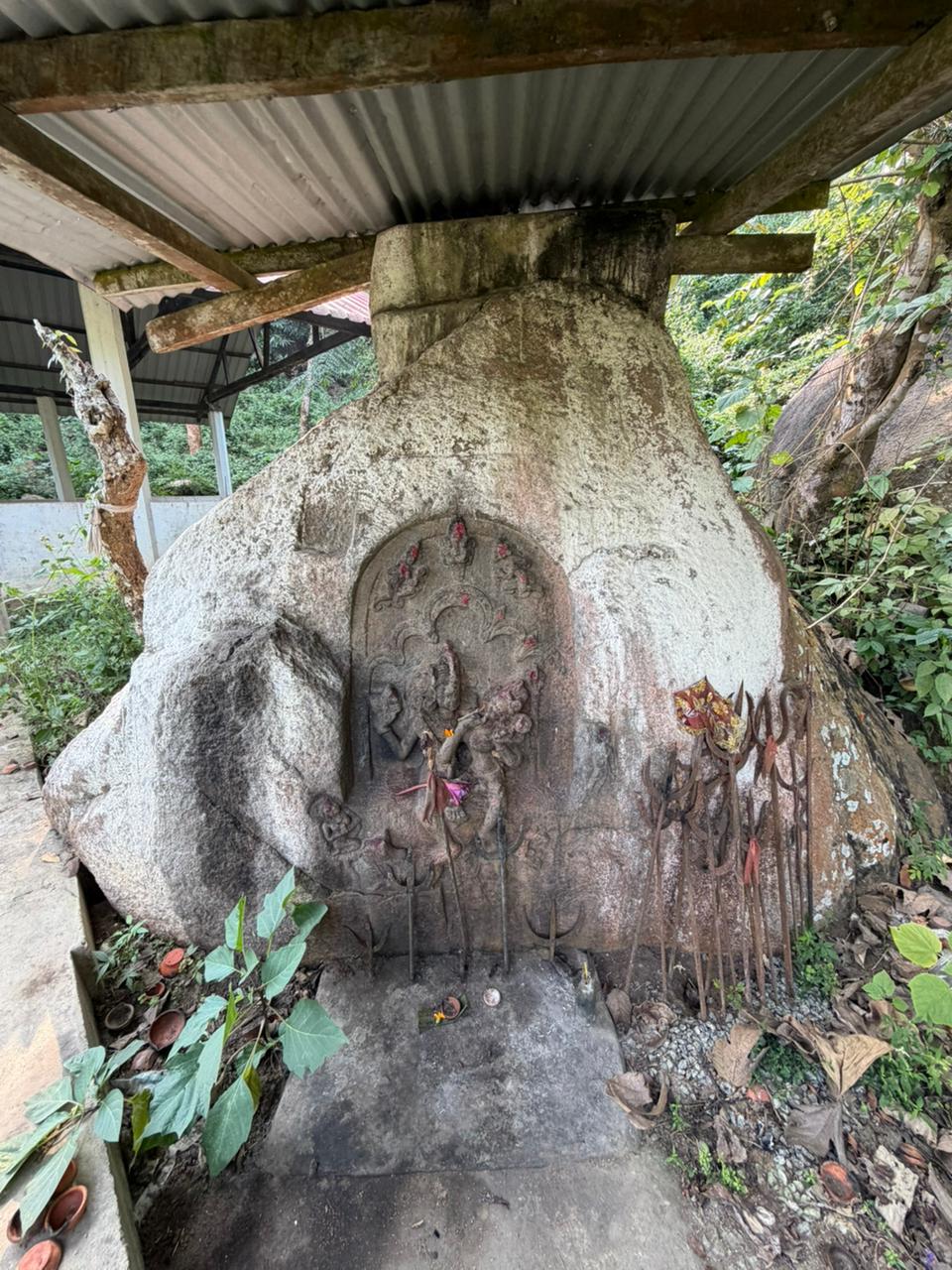
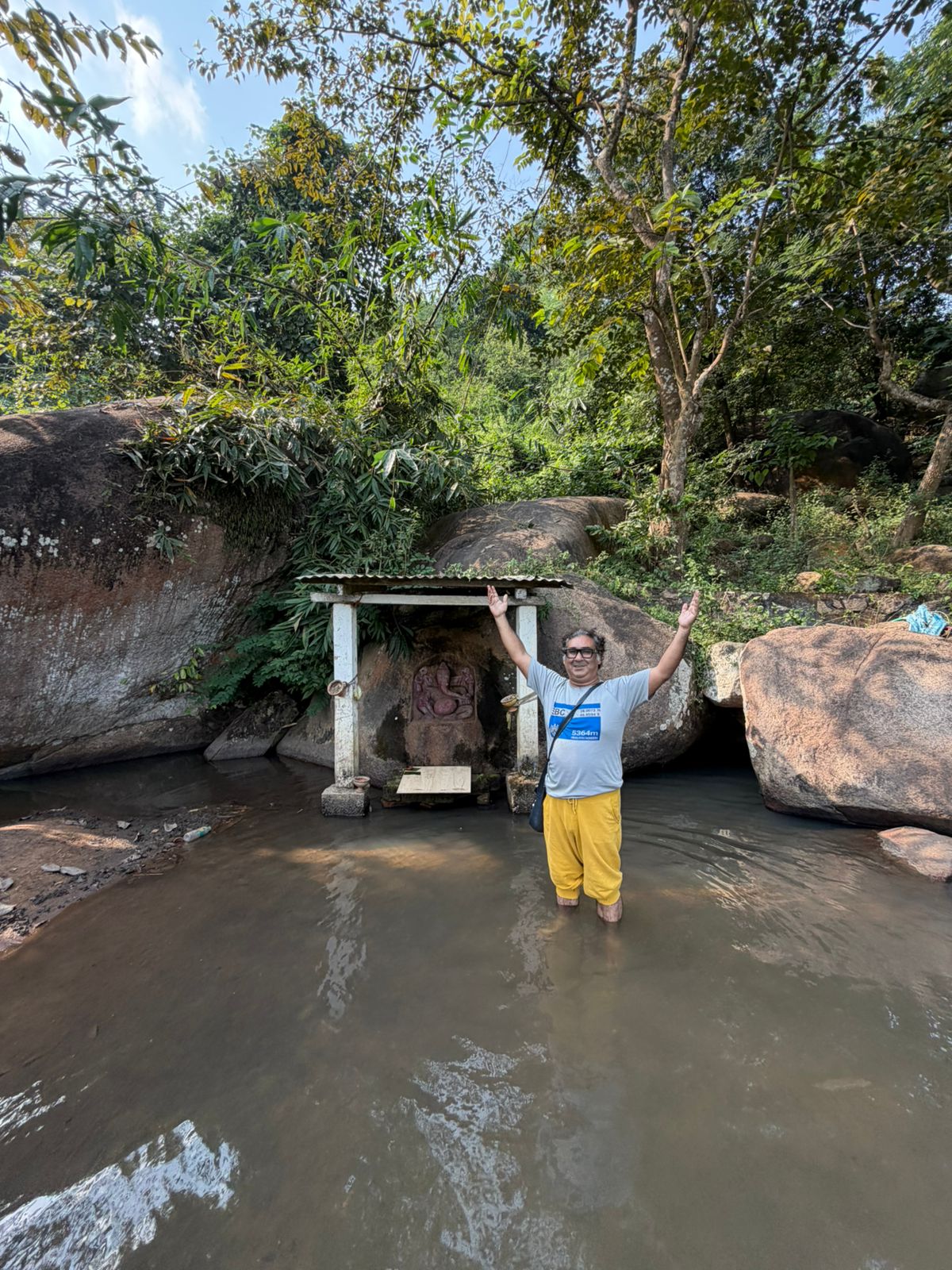
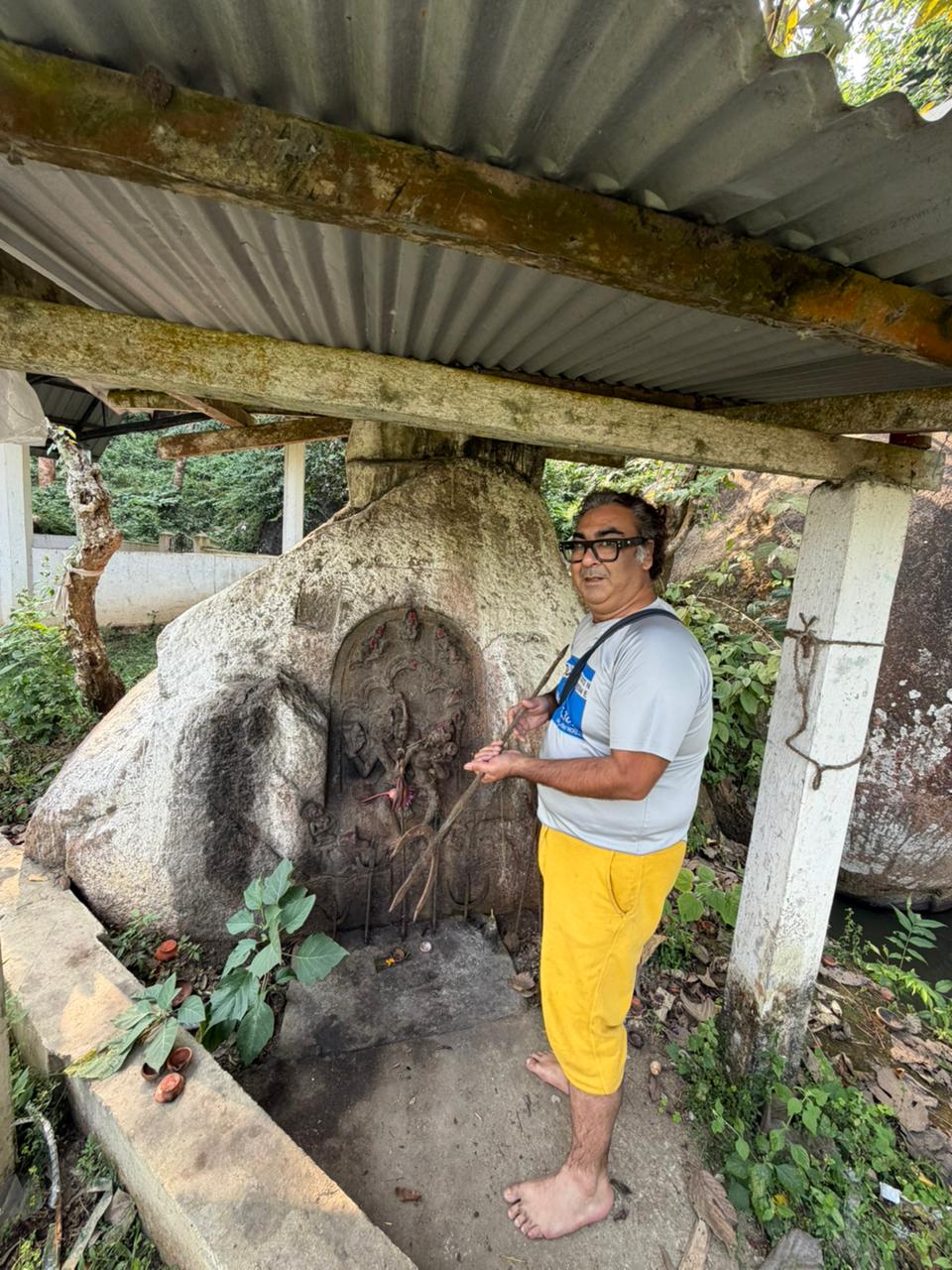
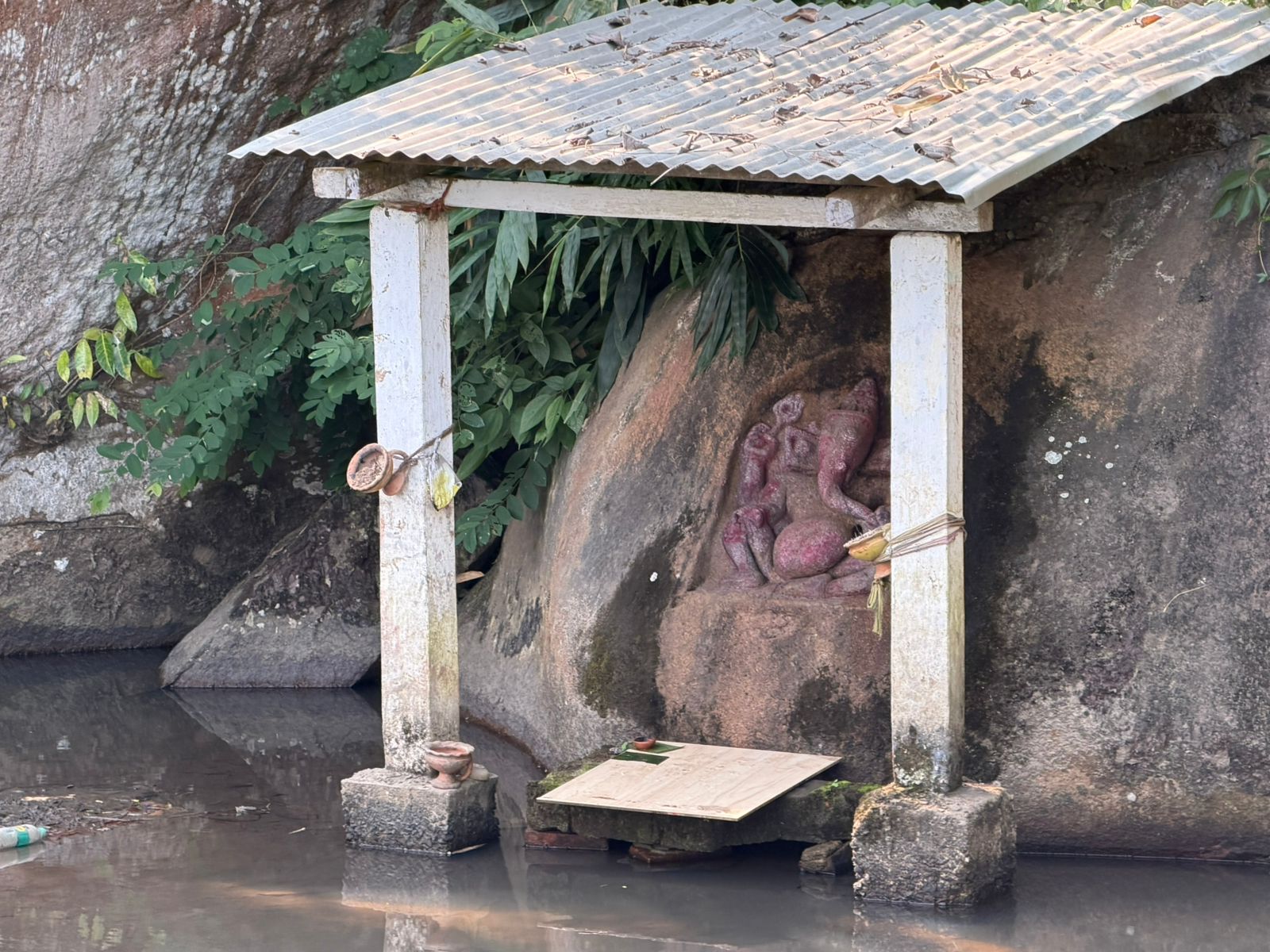
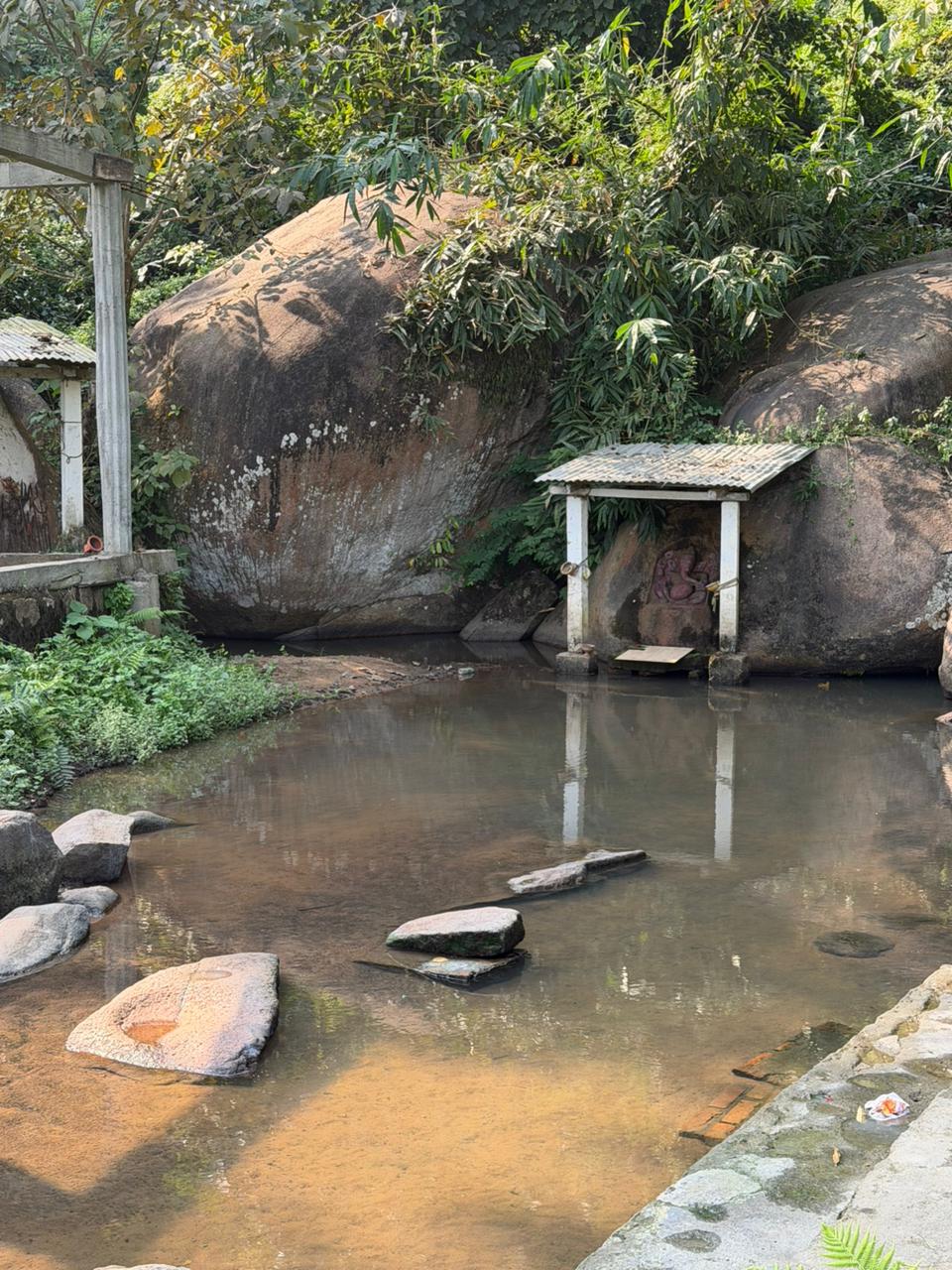
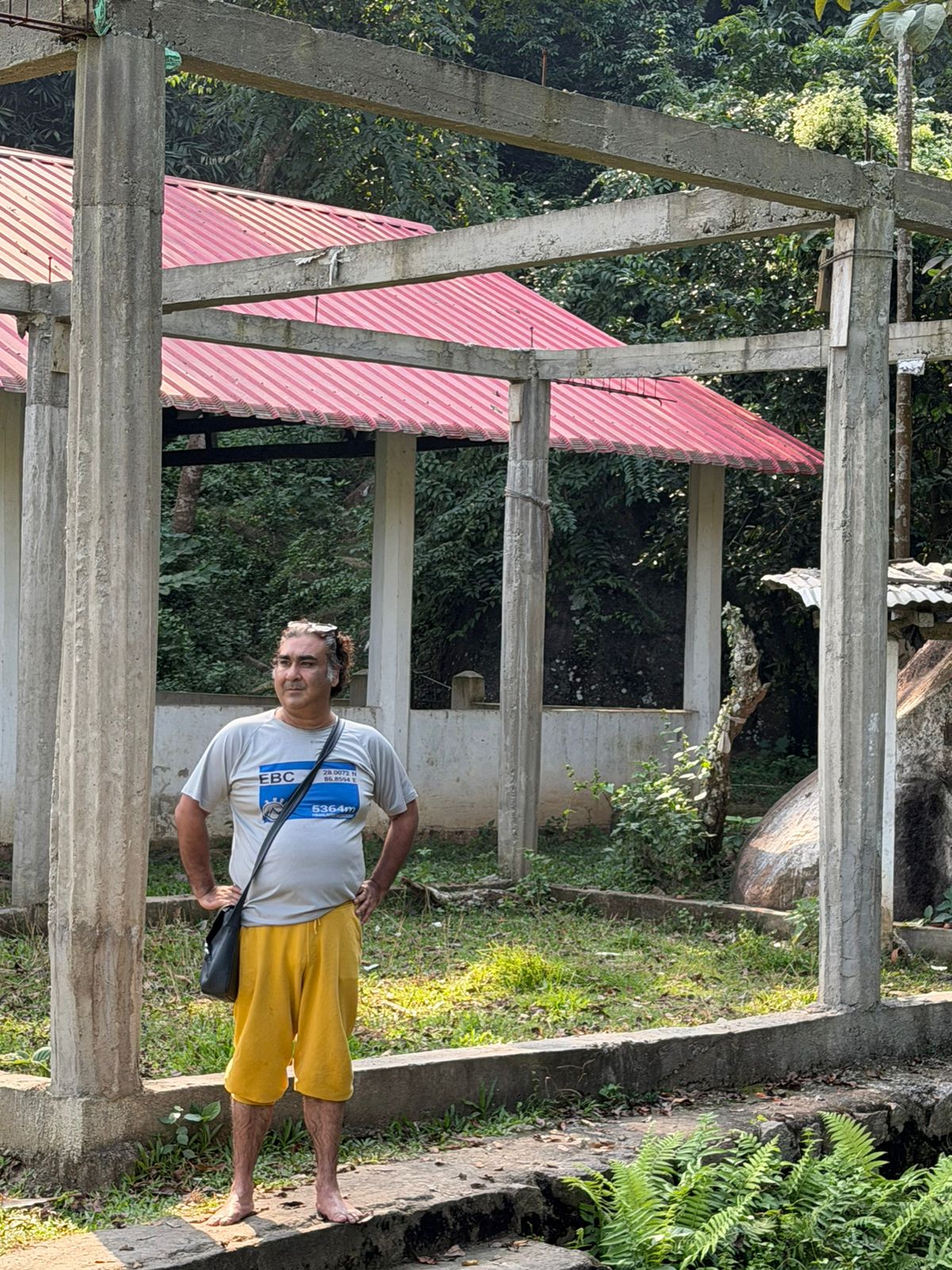
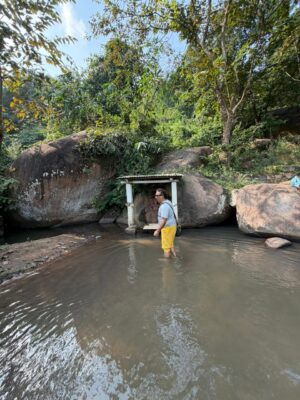
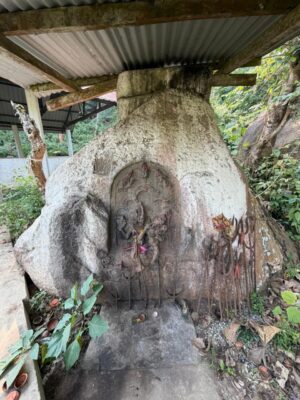
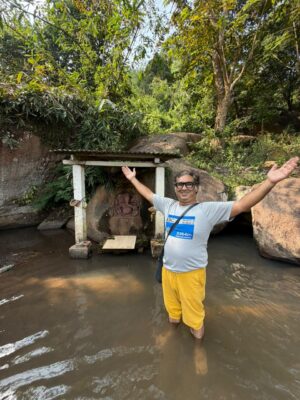
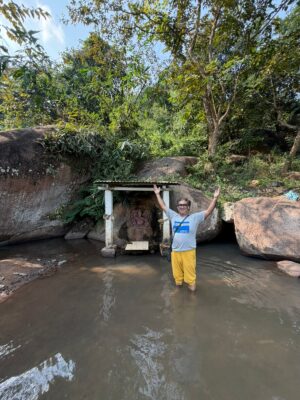
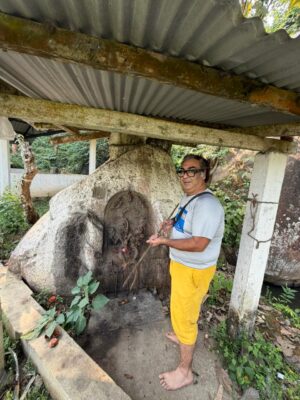
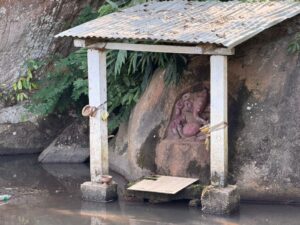
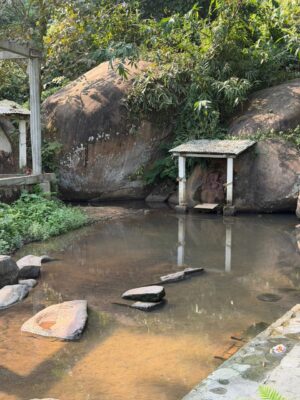
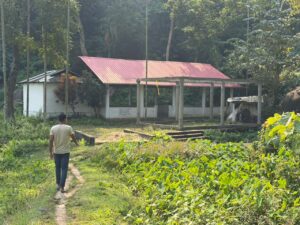
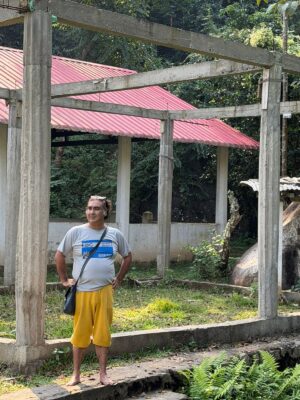
Across the gentle water stood a stone idol of Lord Ganesha, serene and welcoming. On the opposite bank, carved directly from rock, was the statue of Goddess Kali—fierce, powerful, and adorned with iron tridents on either side.
Hidden in the folds of Assam’s mystical terrain, Bura Mayong is a place that breathes with an ancient energy—part devotion, part mystery. It lies just a short drive from the more familiar Mayong village but feels like stepping into an older, deeper layer of time.
Scattered along its hills and forested slopes are stone carvings of deities—Goddess Kali and Lord Ganesha etched into the living rock centuries ago. These are not temple idols crafted by modern hands; they are living sculptures, fused with the earth itself. Covered in moss and aged by rain, they seem to pulse softly with life—as though the gods emerged from the very soil to guard this sacred land.
Locals believe these forms are manifestations of divine energy, not mere human creations. Each carving radiates a raw, ancient devotion—primitive yet profound. The Kali figures embody power and protection, while the Ganesha sculptures exude calm and grace, balancing her fiery strength.
Legend holds that the region around Mayong has long been tied to tantric rituals, healers, and mystic traditions that predate organized religion. Outsiders often labeled Mayong the land of black magic, but for the people here, it is simply the land of power.
There are no grand temples or noisy pilgrimages in Bura Mayong. Instead, there are whispers of history and silent stones that tell their own stories. My driver pointed to a small stone chamber near the rocks and claimed it was once used for human sacrifices in ancient times. Whether true or not, the air here feels charged—with awe, reverence, and a strange serenity.
Standing before the rock-carved Kali of Bura Mayong, I felt something stir within me—not fear, but presence. It was as though the goddess herself breathed through the stone, and for a brief moment, time bowed in silence.
Add a review
Your email address will not be published. Required fields are marked *