

The Mystique of The Mayong Museum
I have parked myself in a lovely resort that resembles heaven, nestled between the jungle and forests that surround the mystical village of Mayong in Assam, located 50 km from Guwahati. There is a wildlife park here called the Pobitora Wildlife Sanctuary, a favourite safari route for rhino and elephant lovers. One can spot the great one-horned Indian rhinoceros there.
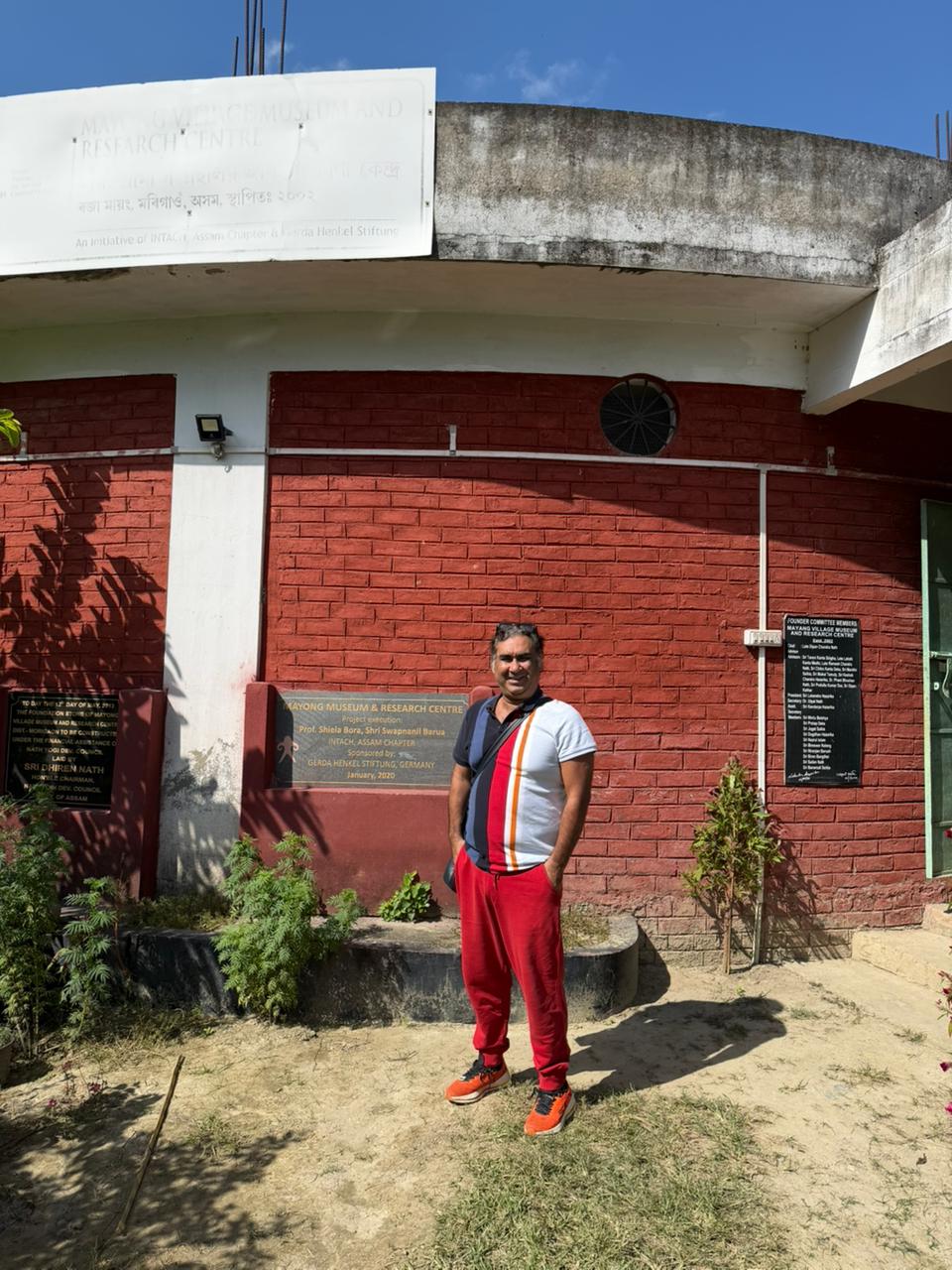
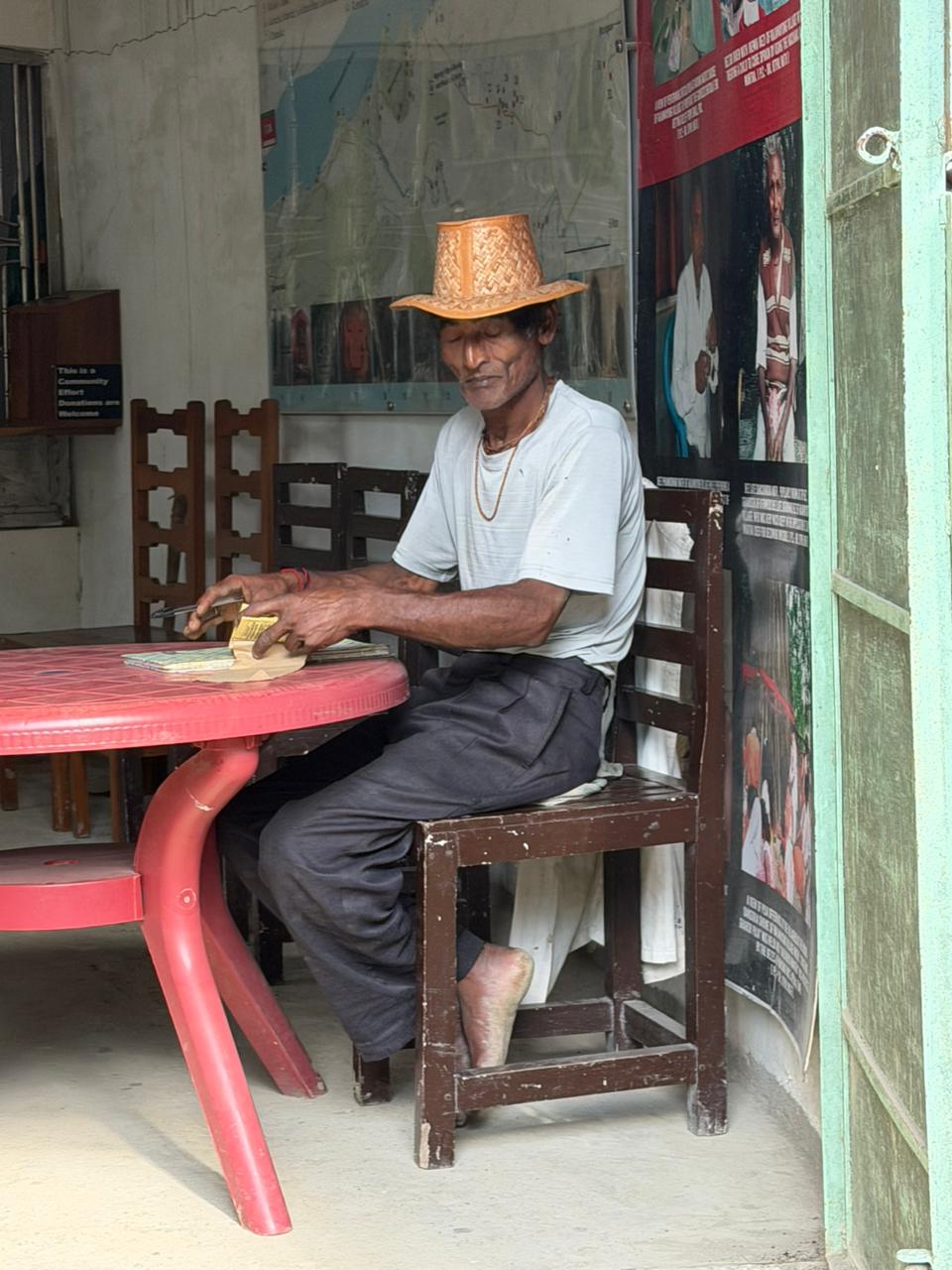
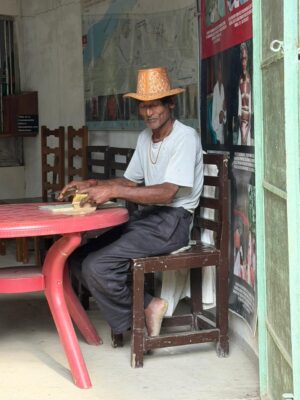
The resort I am staying at has a large pool, and I spend most of my afternoons there, simply dipping myself in the water. Today I decided to venture out of the resort and was lucky to find a driver who took me around. We first went to see the famous Mayong Museum. I was greeted by a tall, thin, rather odd-looking tribal man who asked me to pay the entry fee of Rs 50 before I went in.
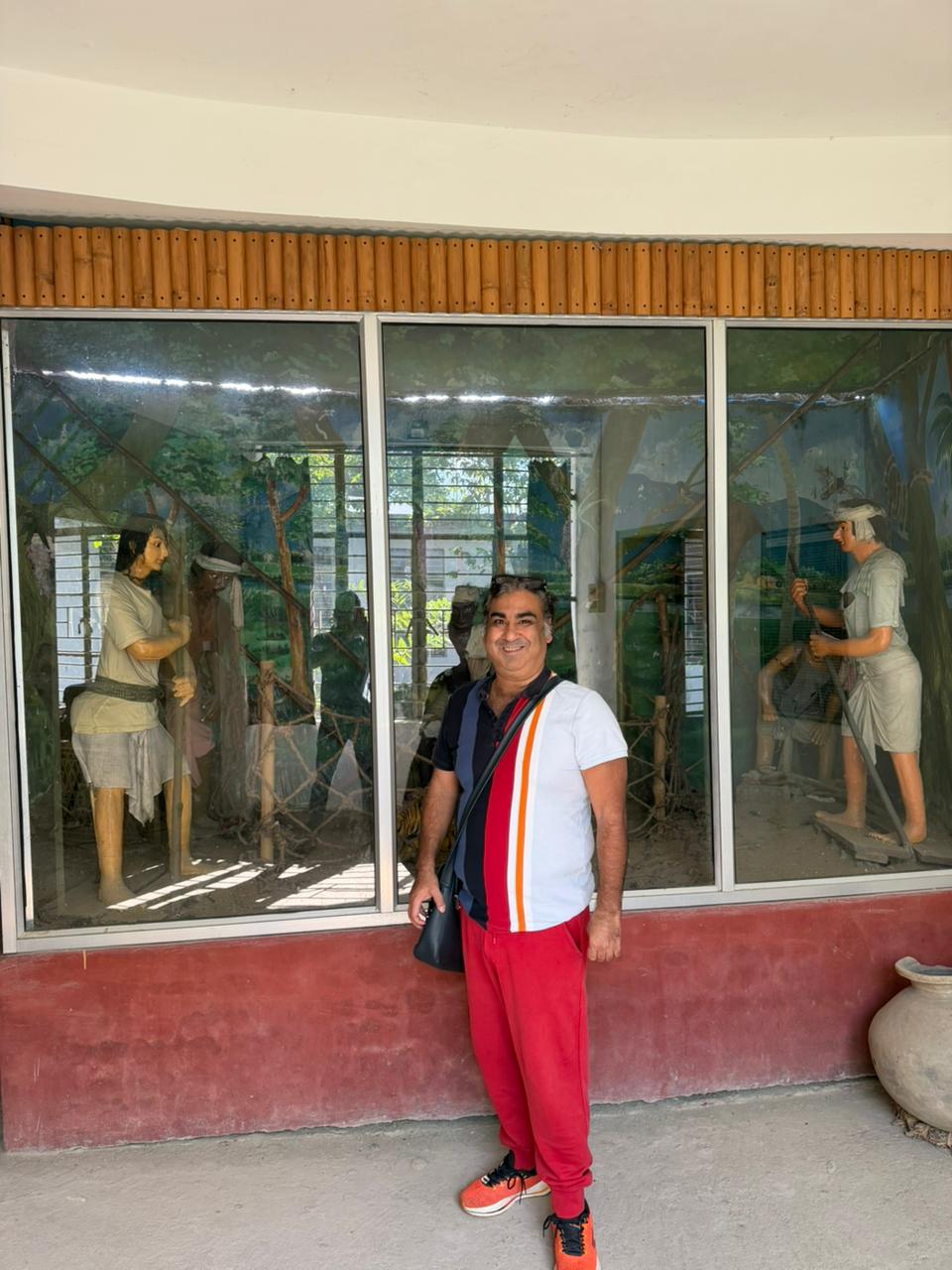
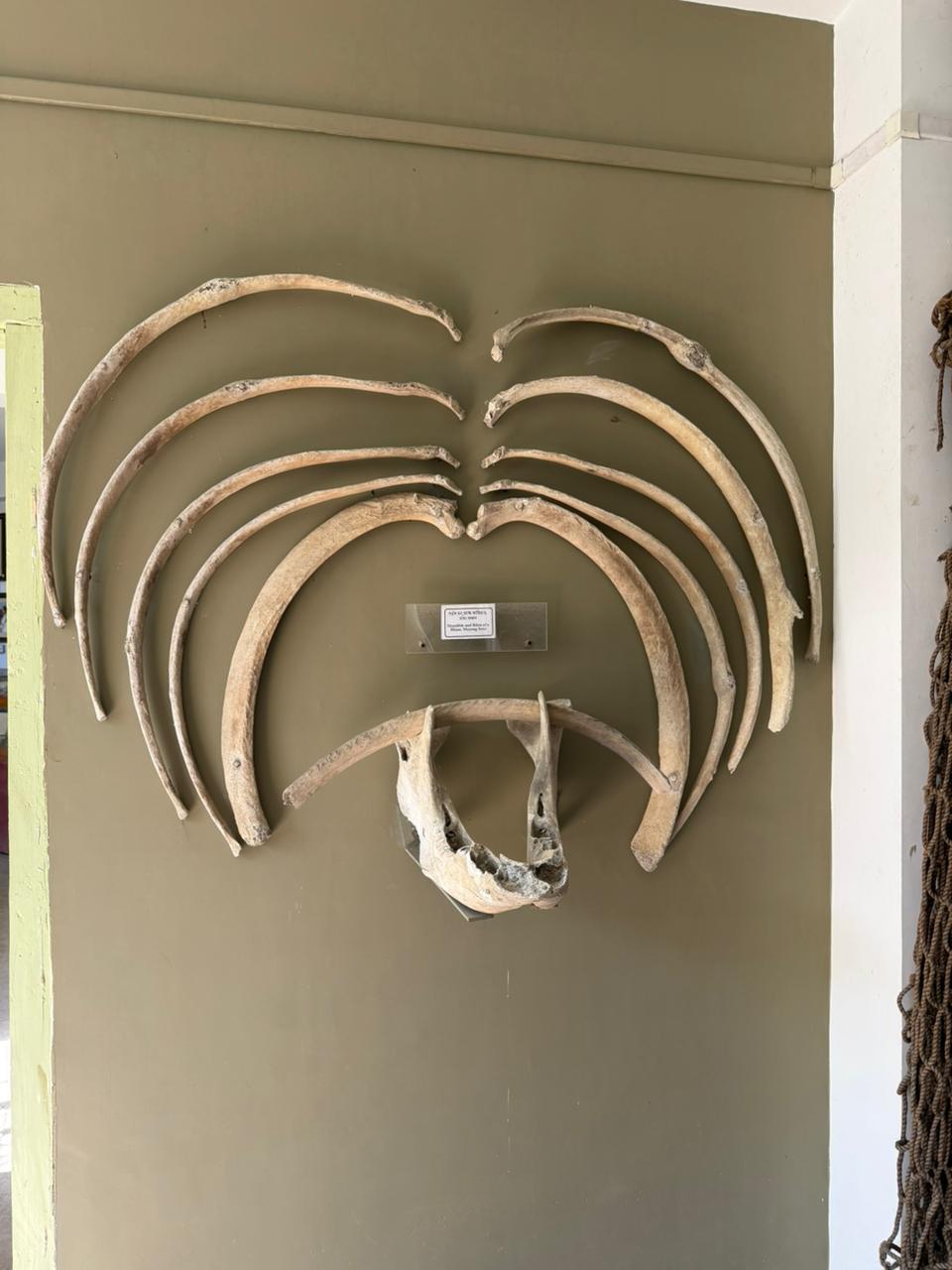
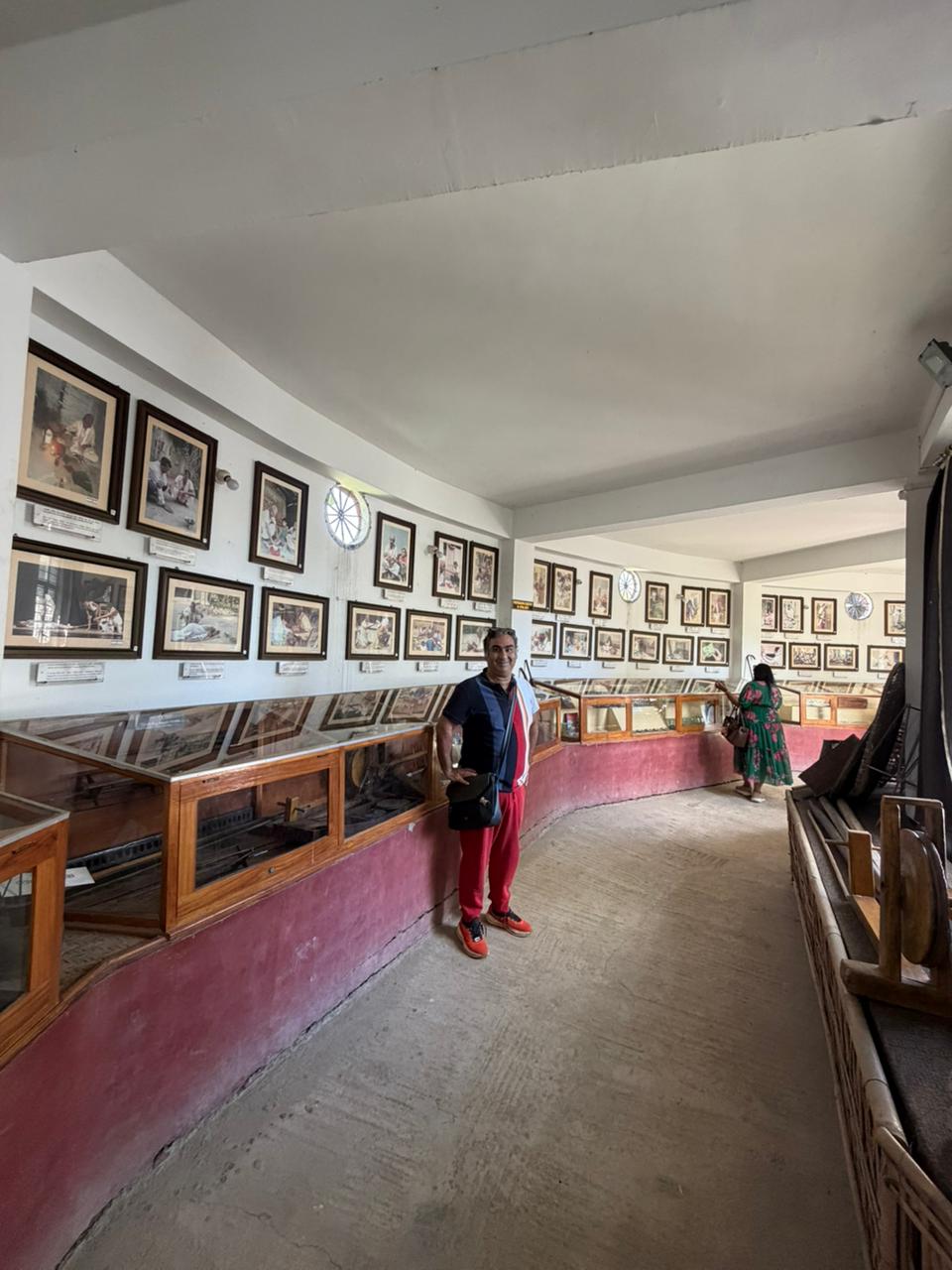
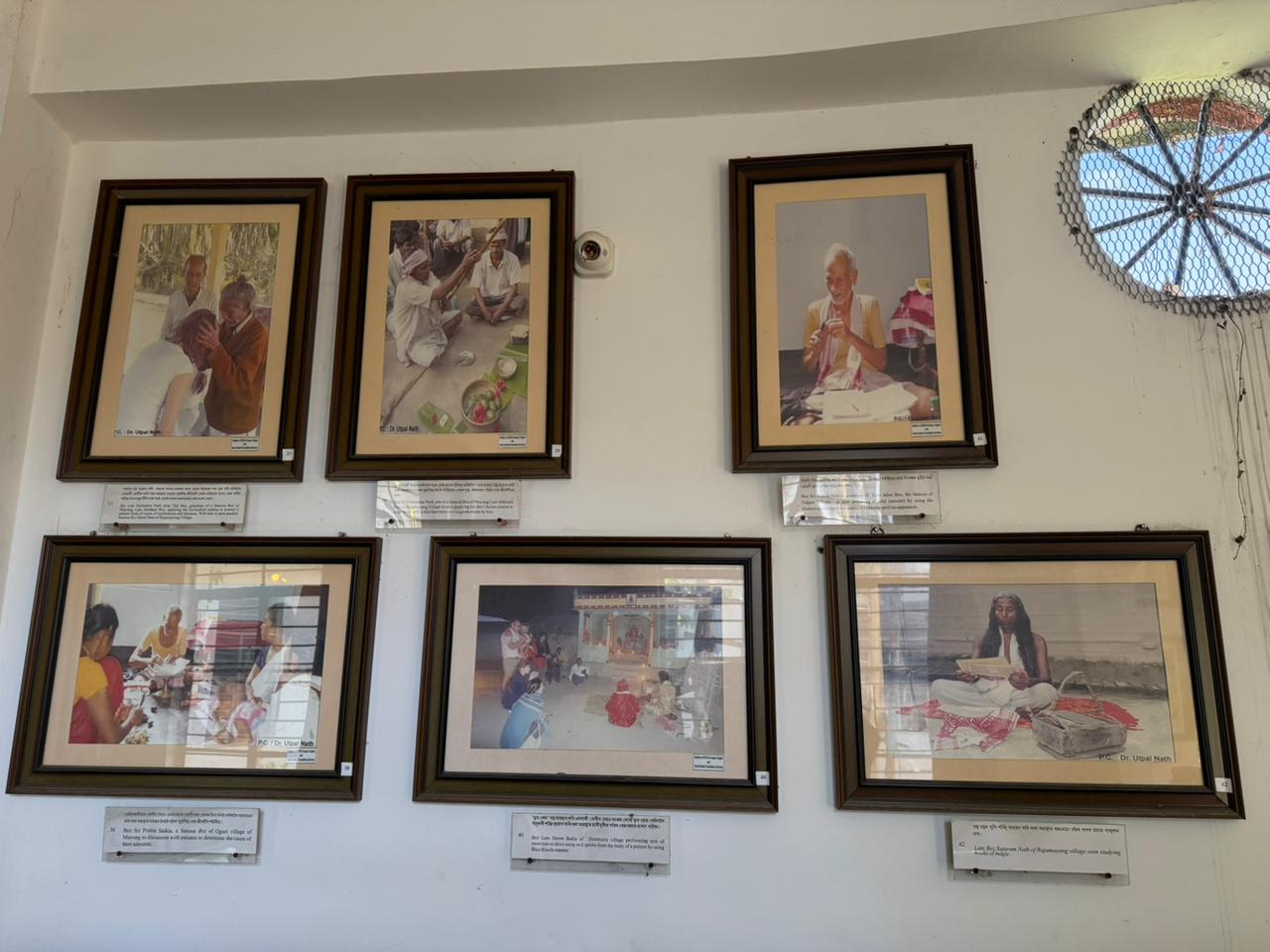
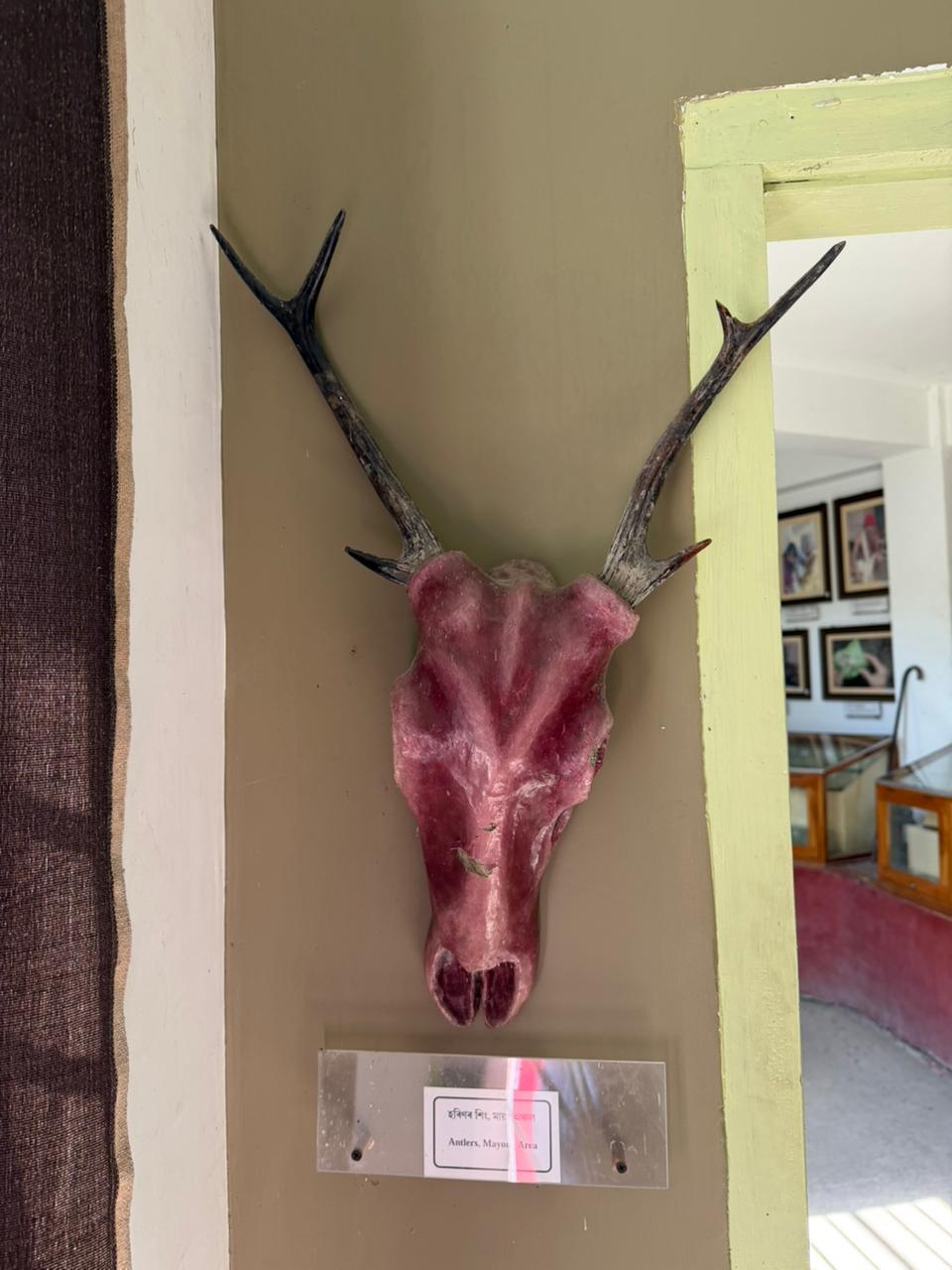
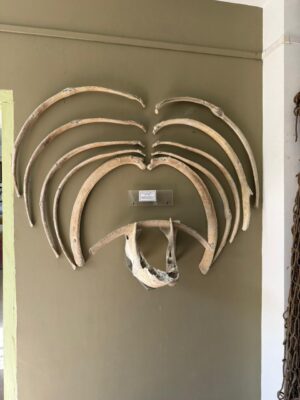
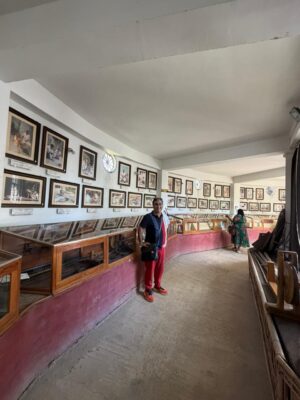
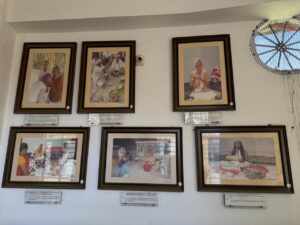
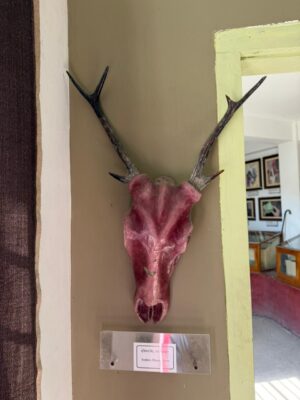
The museum reminded visitors of the history and culture of Mayong. There were pictures and portraits of occult practitioners performing tantra and black magic to heal physical and psychological pain. There were large elephant bones and even a pelvic bone of a rhino. The museum tells these stories through its silence. What you see here is not a spectacle — it is memory. There are ancient palm-leaf manuscripts filled with tantric verses.
Brass ritual objects used by village healers. Carved stone idols of Shakti and Bhairava.
Omate masks used in folk exorcism and trance rituals. Old herbal medicine tools used in healing chants. Each object tells a story — not of fear, but of how people once understood sickness, suffering, love, desire, and fate.
The real magic of Mayong is not displayed in glass. The museum staff and local storytellers share tales of healers who cured snake bites with a whisper; warriors who vanished into forests using invisibility mantras; lovers who bound their fates together with chanting; protectors who drove away illness and misfortune with smoke rituals.
Mayong Museum
Listening to these stories, one realises that magic is not about power — it is about meaning. It is about how human beings make sense of what they cannot explain.
The museum is a cultural mirror — that’s what it was. It reveals the community’s relationship with nature: the psychological beliefs, the ancient science of herbs and chants. Before modern medicine and formal education, people relied on stories, rituals, and intuition to survive. The museum honours that heritage without sensationalism.
The best way to experience the museum is to go slow and not rush through the exhibits. One must stare and look deeply at each piece and try to fully understand it. Listen more than you speak. This is a museum to feel.
The museum had artefacts used in magic, like a porcupine’s tail. A box collected from the tantric Jatin Leka contains rhino horn, animal skins, and the barks and leaves of old trees. There was a wall adorned with rhino ribs; it all felt out of this world, as if I had been transported into a strange and ancient past where sorcery and witchcraft were part of daily life and its many rituals. There were ancient healing mantras called the Nar Singh Mantra written in an old Assamese script called Kaitheli, and the Jwara Jara Mantra as well. There are photographs of a bez healer using an old mantra to cure back pain and perform other body therapies. A Bez priest uses the Bhul Keda mantra to drive away evil spirits from a patient.
If you are in Mayong, you must go to the museum first — it’s the best place to start one’s journey.
Add a review
Your email address will not be published. Required fields are marked *