
Walking Through the Motions – Daman Fort
Travel has a strange way of transporting you not just through geography, but through centuries. My visit to Moti Daman Fort felt exactly like that — a quiet walk through a living monument where the past still lingers in every stone wall and weathered archway.
Located in the old quarter of Daman, this grand Portuguese fort stands like a silent guardian overlooking the Arabian Sea. Built in the 16th century, the fort once served as the administrative heart of Portuguese rule in the region. Today, it remains one of the most impressive historical landmarks in the Union Territory.
Entering the Old Fort
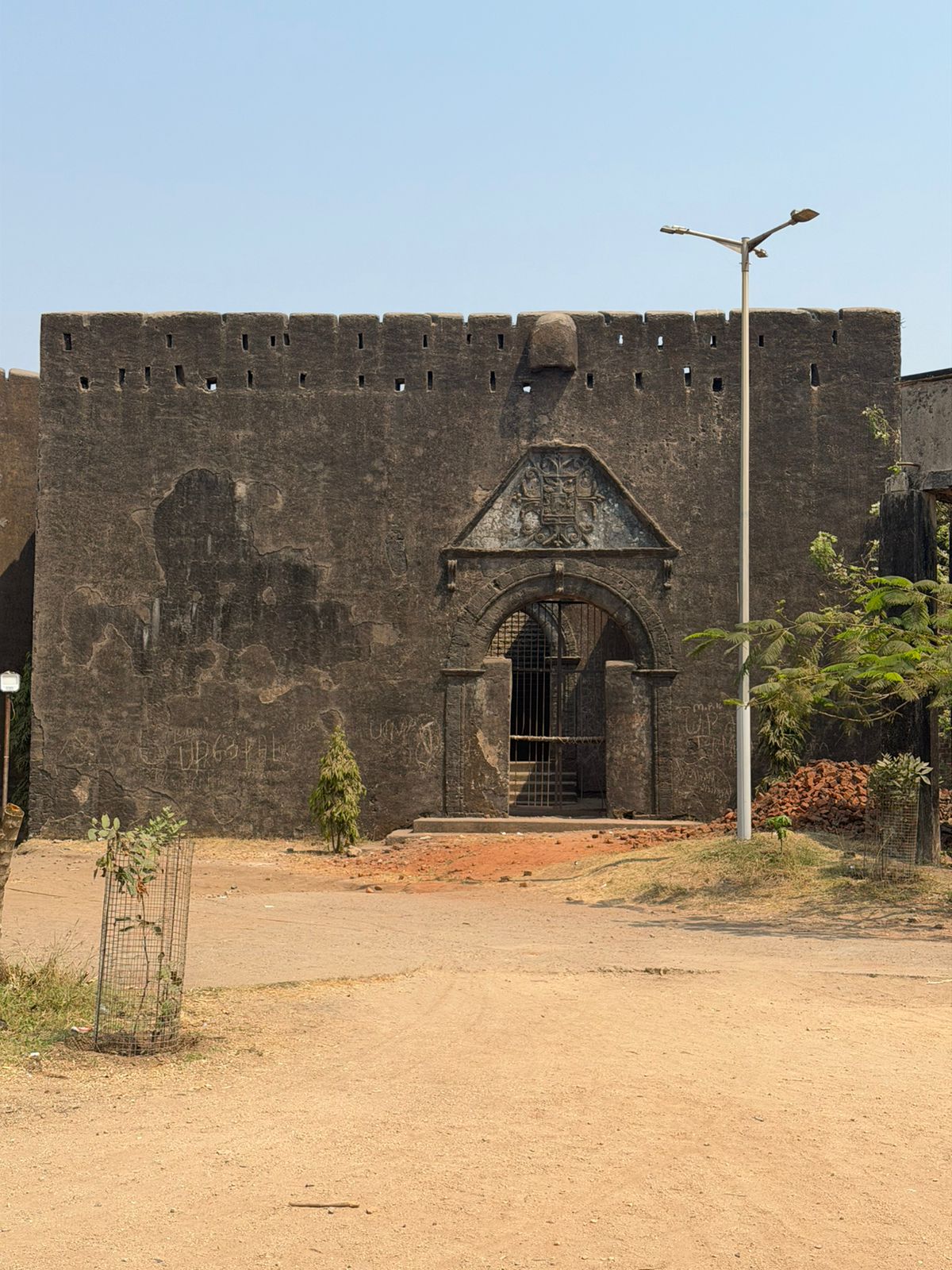
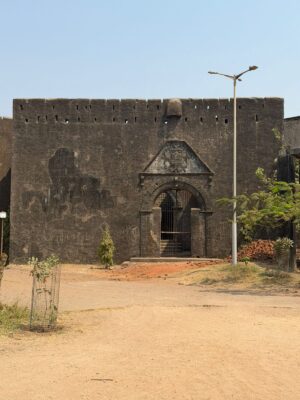
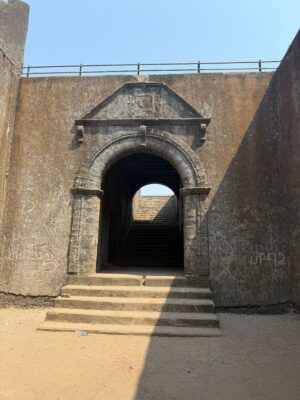
As I approached the fort, the massive stone walls immediately caught my attention. The architecture had that unmistakable colonial character — thick ramparts, heavy arches, and ancient stairways worn smooth by centuries of footsteps.
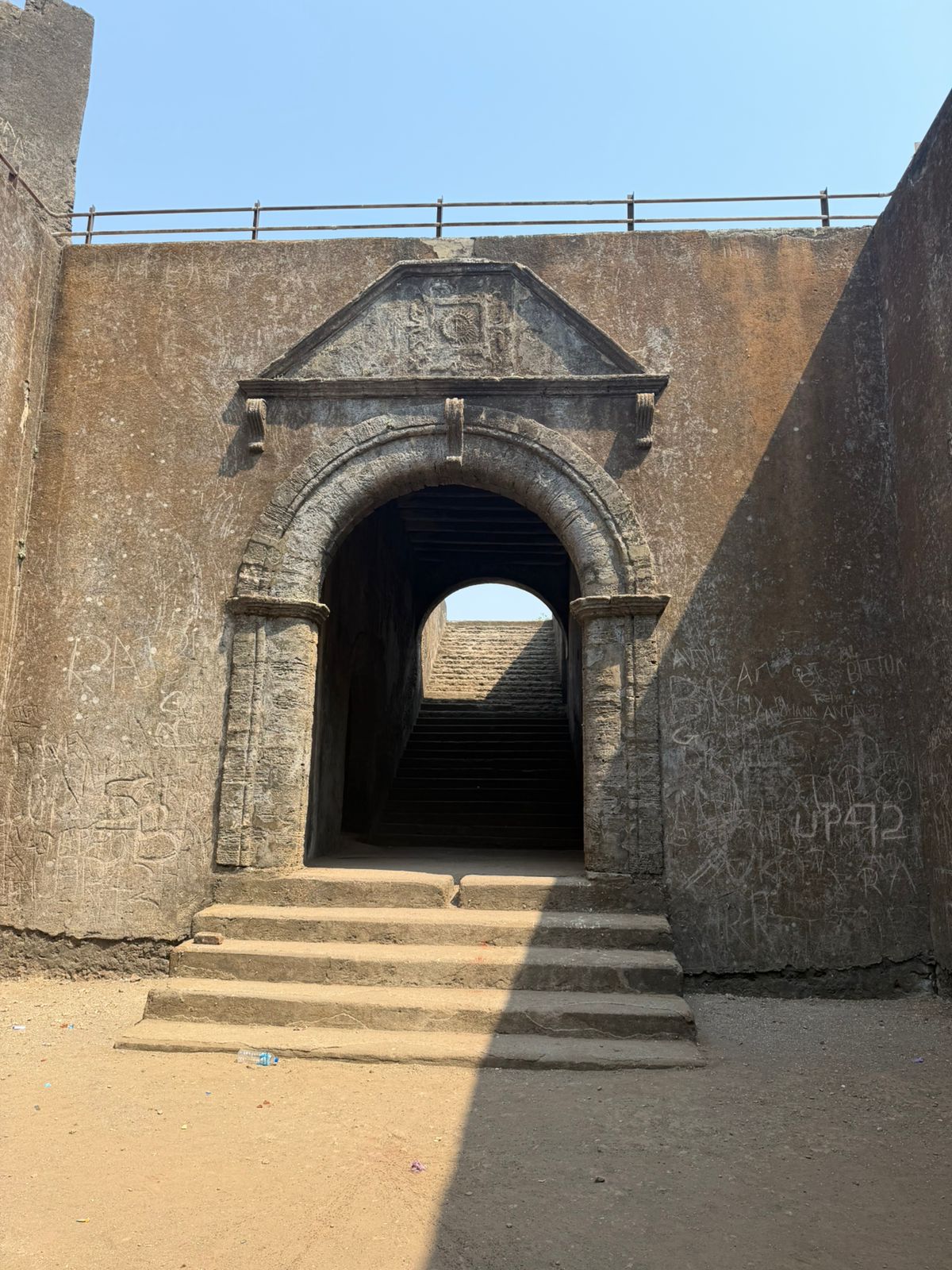
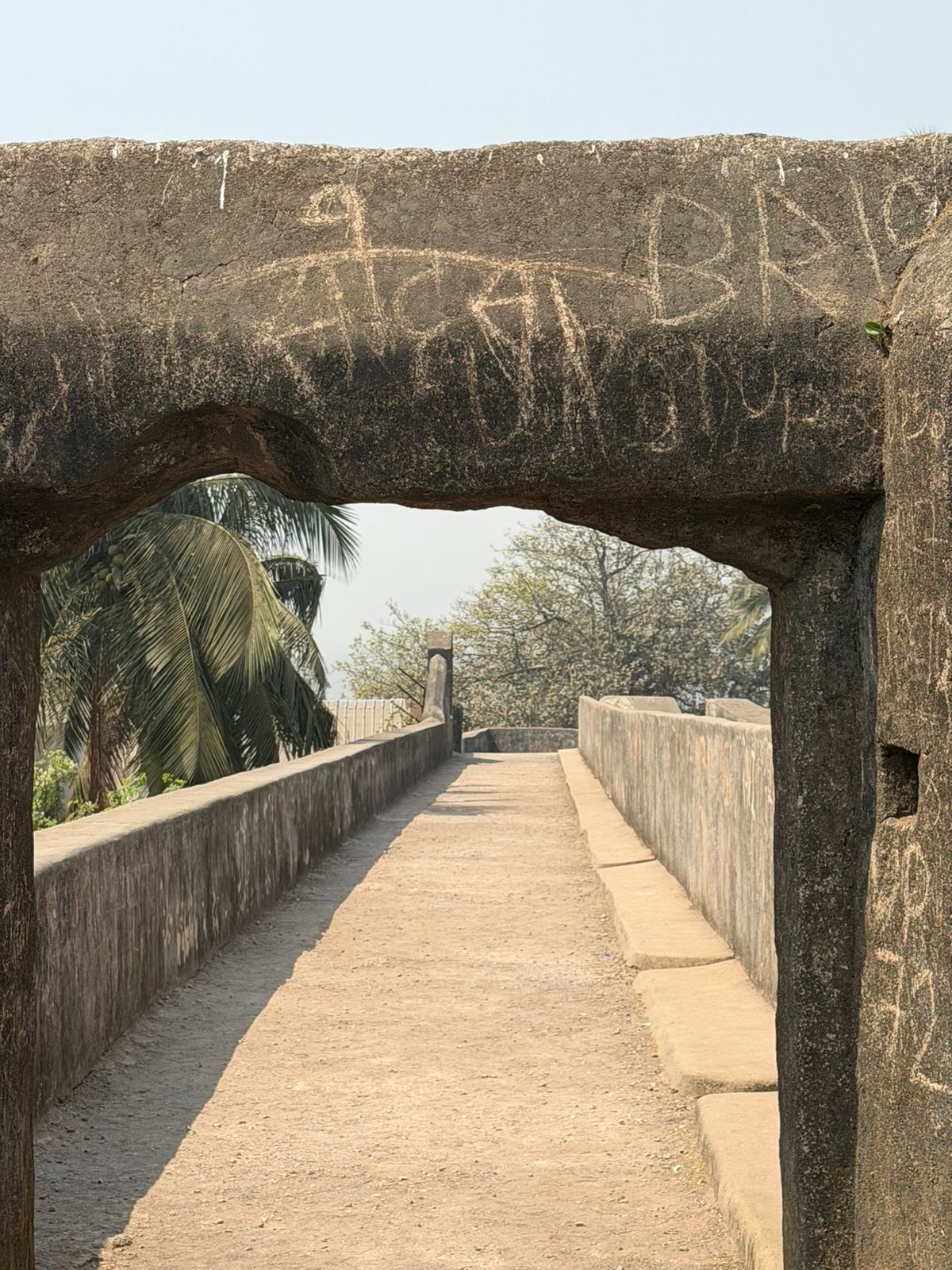
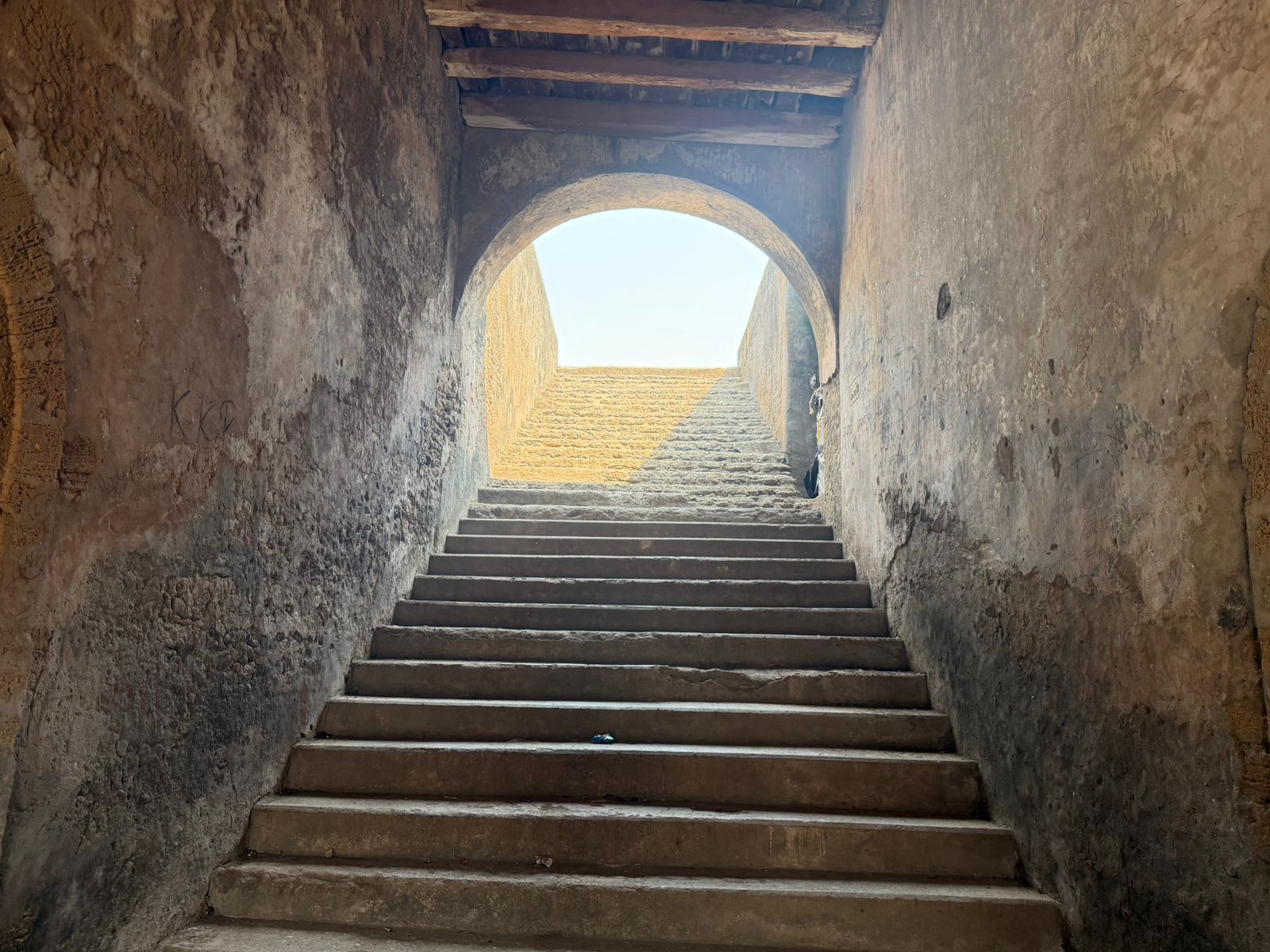
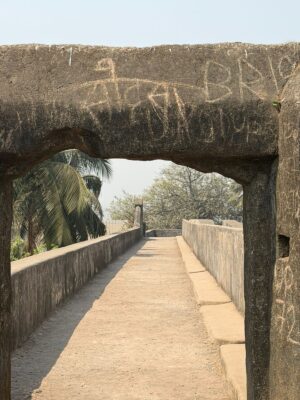
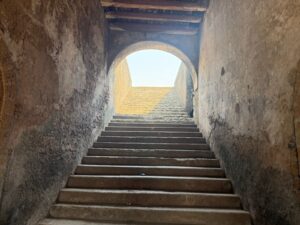
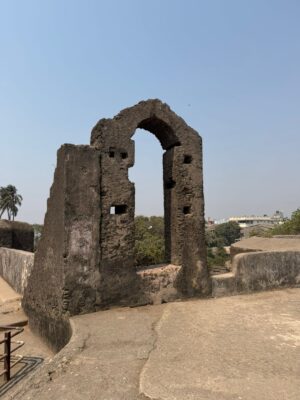
Walking through one of the arched gateways felt like stepping into another era. The stone passage led to a staircase climbing upward through the fort walls. Sunlight poured in from above, creating a dramatic contrast between shadow and light. Standing inside the archway for a moment, I felt the quiet solitude of history around me.
Daman Fort





Climbing the Ramparts
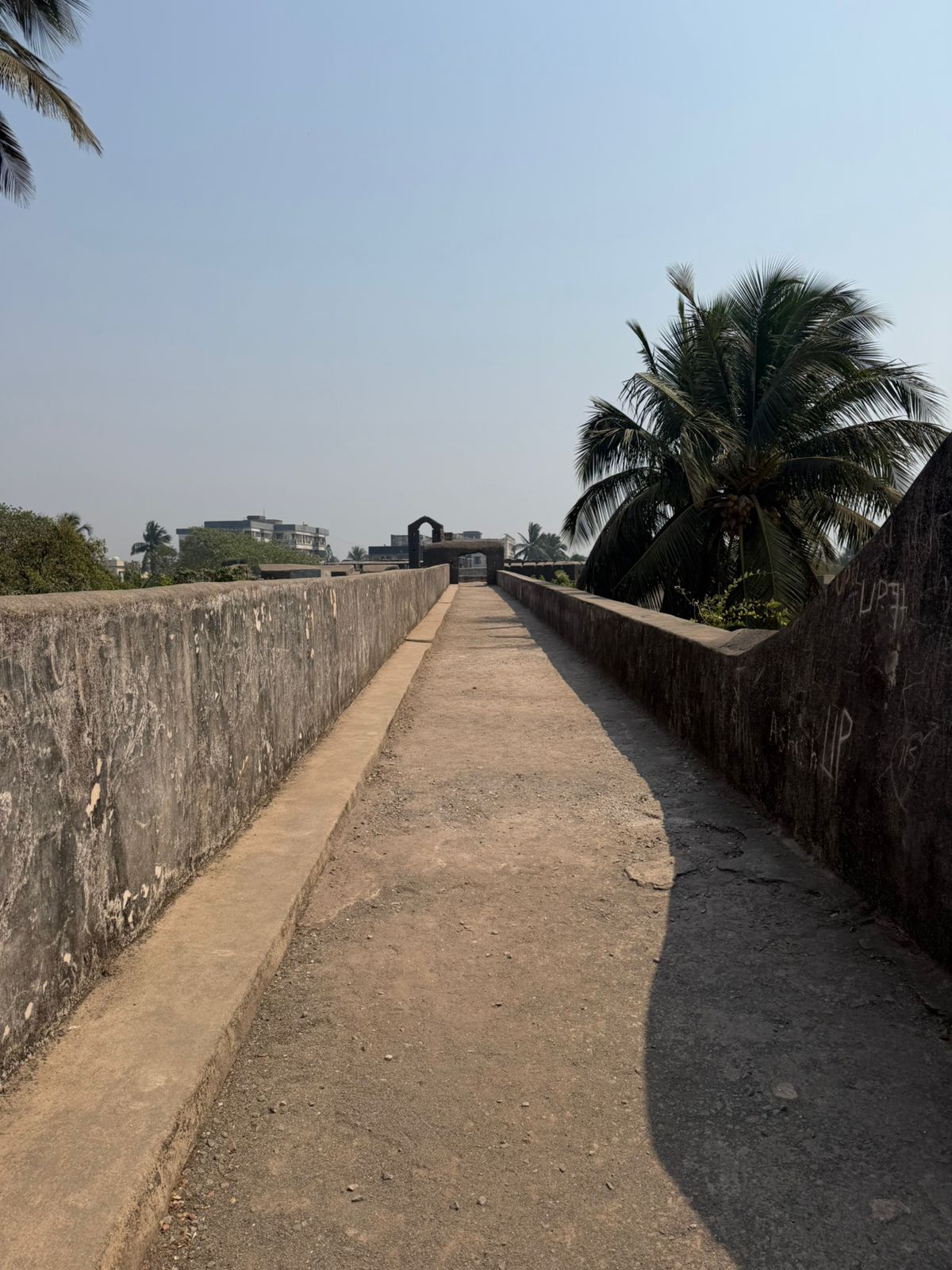
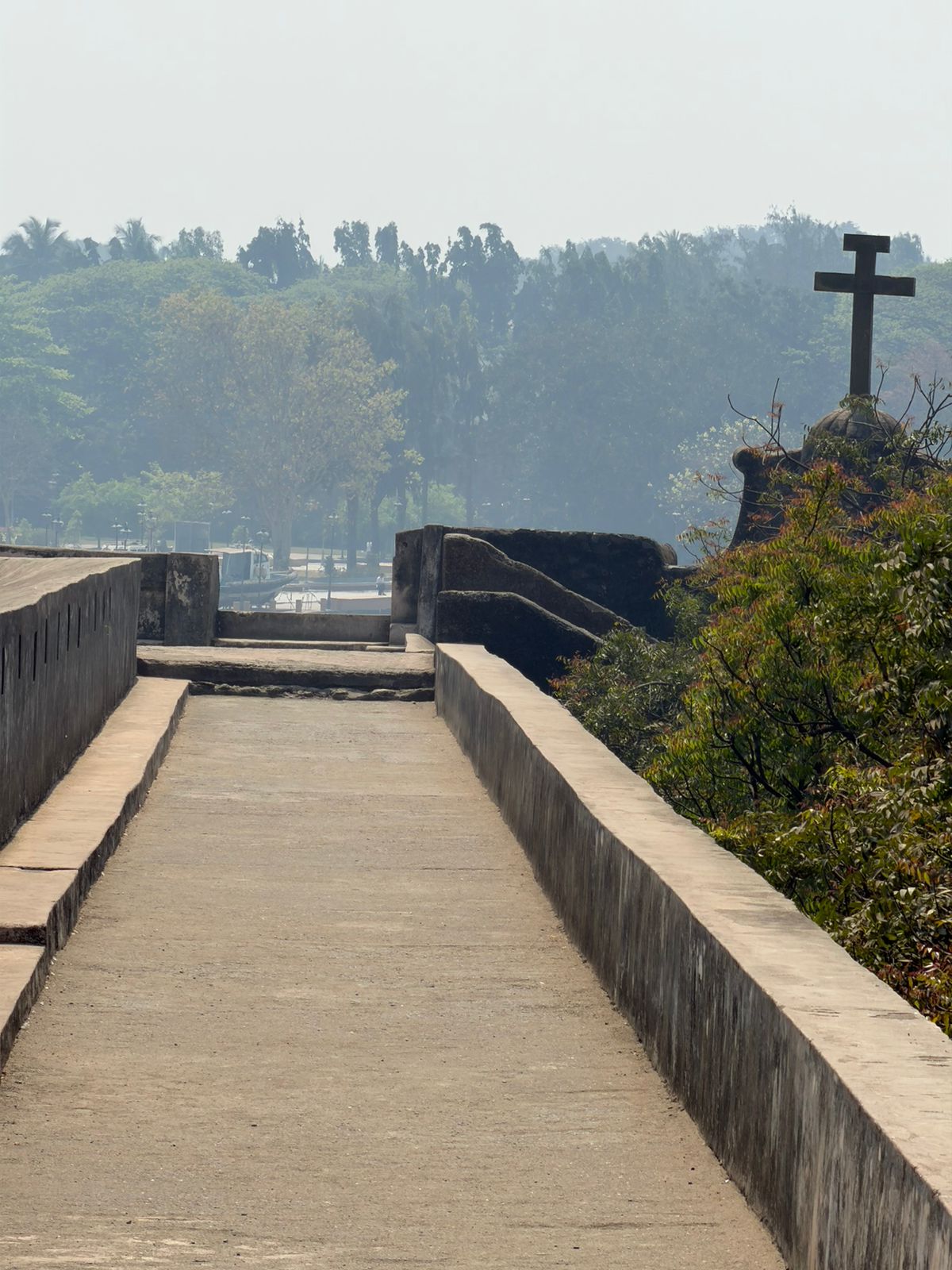
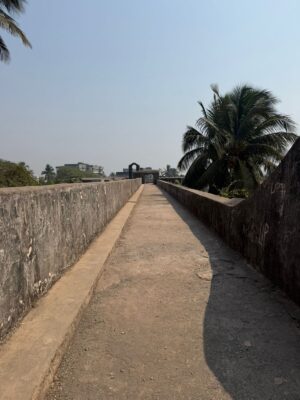
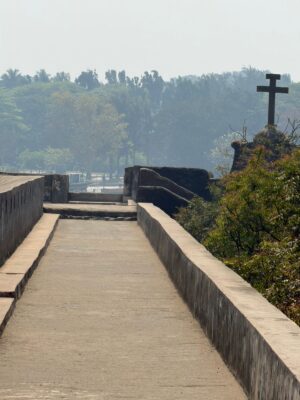
Once I climbed up the steps, I reached the top of the fort walls. The ramparts stretch out in long, straight lines, wide enough to walk comfortably along them. It’s easy to imagine soldiers once patrolling these walls, watching the coastline for ships approaching from the sea.
From up there, the view opens out beautifully. On one side, you can see the town of Daman with its trees and old buildings, and on the other side stretches the calm horizon of the Arabian Sea. The wind carries the salty smell of the coast, adding to the sense that this place has witnessed centuries of maritime history.
Echoes of Portuguese History
The fort itself was built by the Portuguese around the late 1500s, during a time when they controlled several important ports along the western Indian coastline.
Within the walls of the fort lies the old Portuguese settlement, including historic churches like Bom Jesus Church, government buildings, and quiet colonial-era streets.
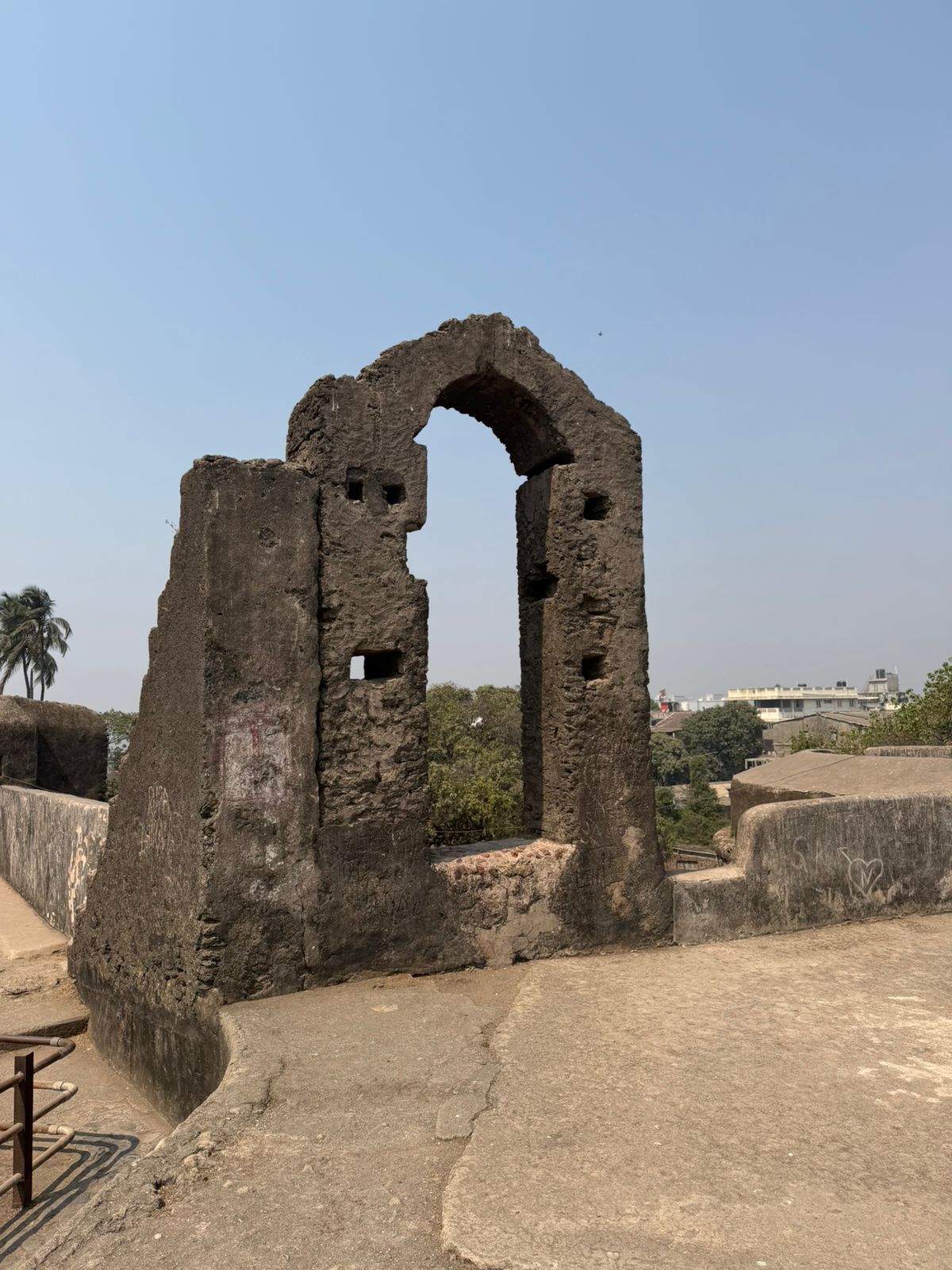
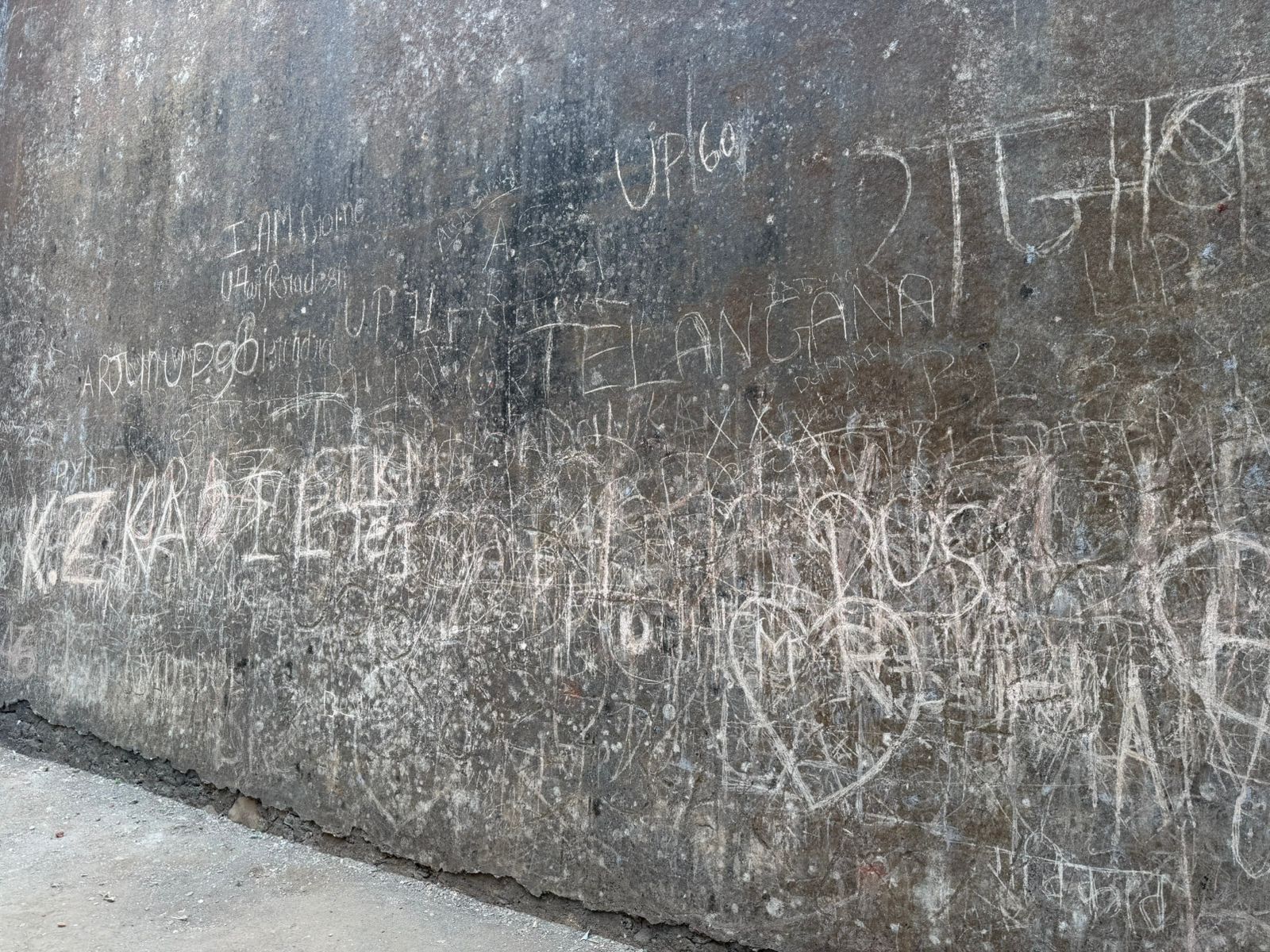
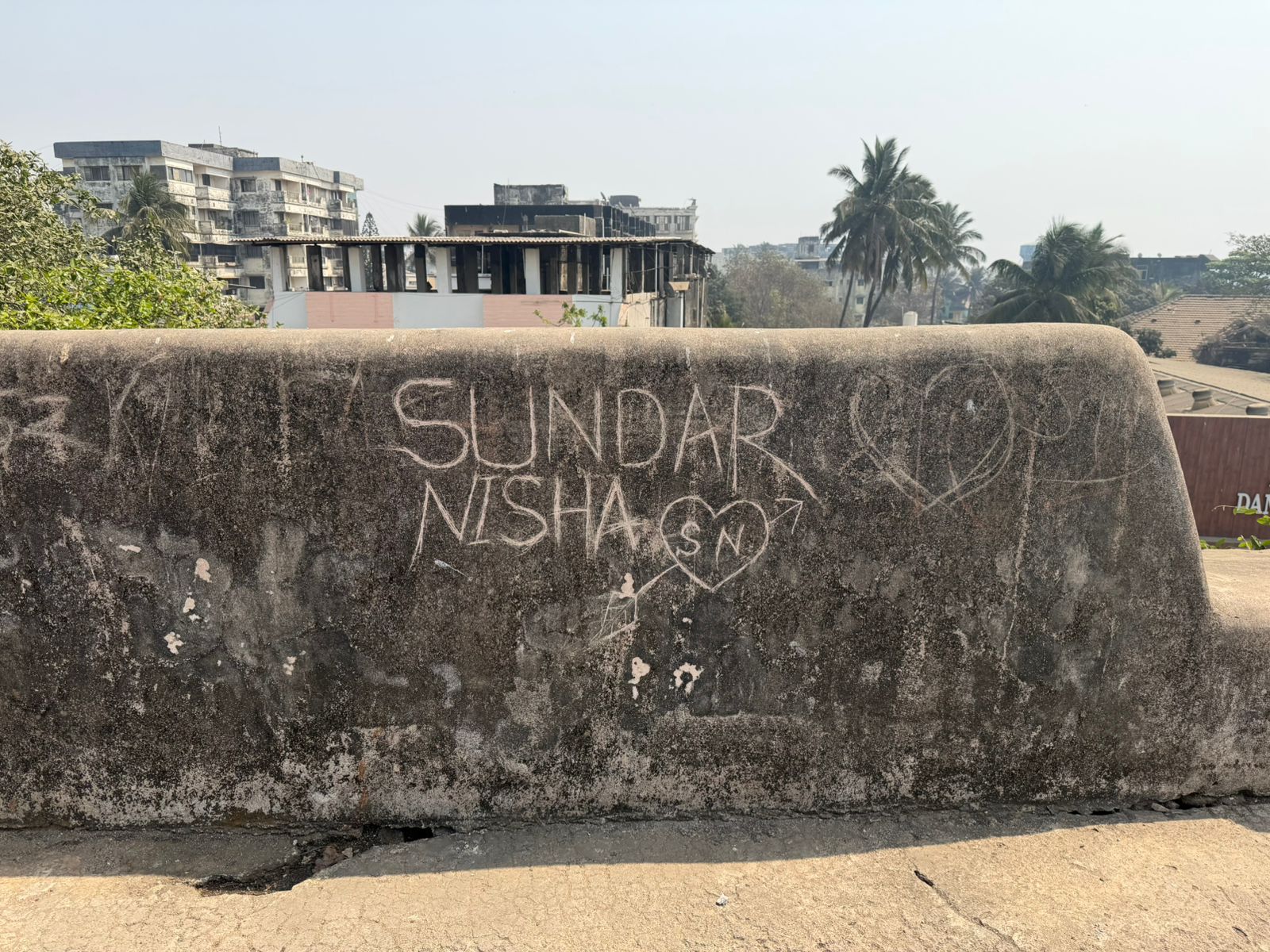
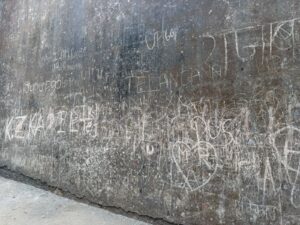
Walking around, you can still see remnants of watchtowers and bastions. Some of the structures have aged and eroded, giving them a rugged charm. The weathered stone, the faded carvings, and even the graffiti on the walls tell stories of how this fort has continued to exist through changing times.
A Quiet Walk Through History
What I loved most about my visit was the peaceful atmosphere. Unlike crowded tourist monuments, Moti Daman Fort feels calm and almost forgotten. You can wander along the walls, sit for a while, and simply soak in the surroundings.
Standing there under the bright blue sky, looking at those centuries-old walls, I realised how places like this quietly preserve history without much noise or attention.
Final Thoughts
My walk through Moti Daman Fort turned out to be one of the most memorable parts of my trip to Daman. It wasn’t just about seeing a historical monument — it was about experiencing the atmosphere of a place where time seems to slow down.
If you ever come to Daman, take time to explore the fort. Walk along its ancient ramparts, climb the old stairways, and let the quiet echoes of history accompany you.
Sometimes the most powerful travel experiences come not from busy attractions, but from silent walls that have been standing for hundreds of years.
Add a review
Your email address will not be published. Required fields are marked *