
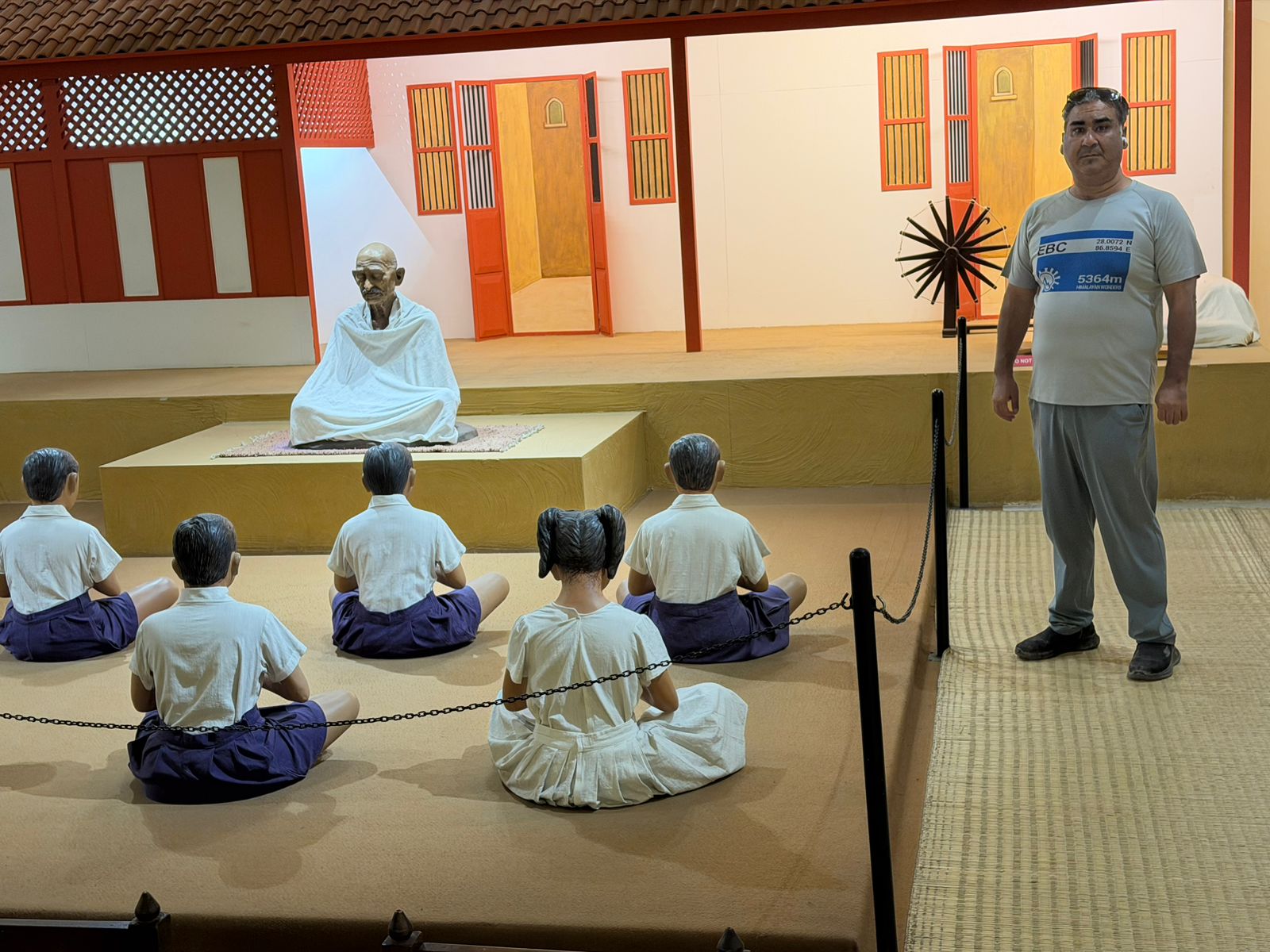
Walking Through History – The Mahatma Gandhi Museum, Rajkot
There are some places you visit as a tourist, and then there are places you visit as a student of history. My trip to the Mahatma Gandhi Museum was the latter — a quiet, reflective journey into the formative years of one of the world’s most influential leaders.
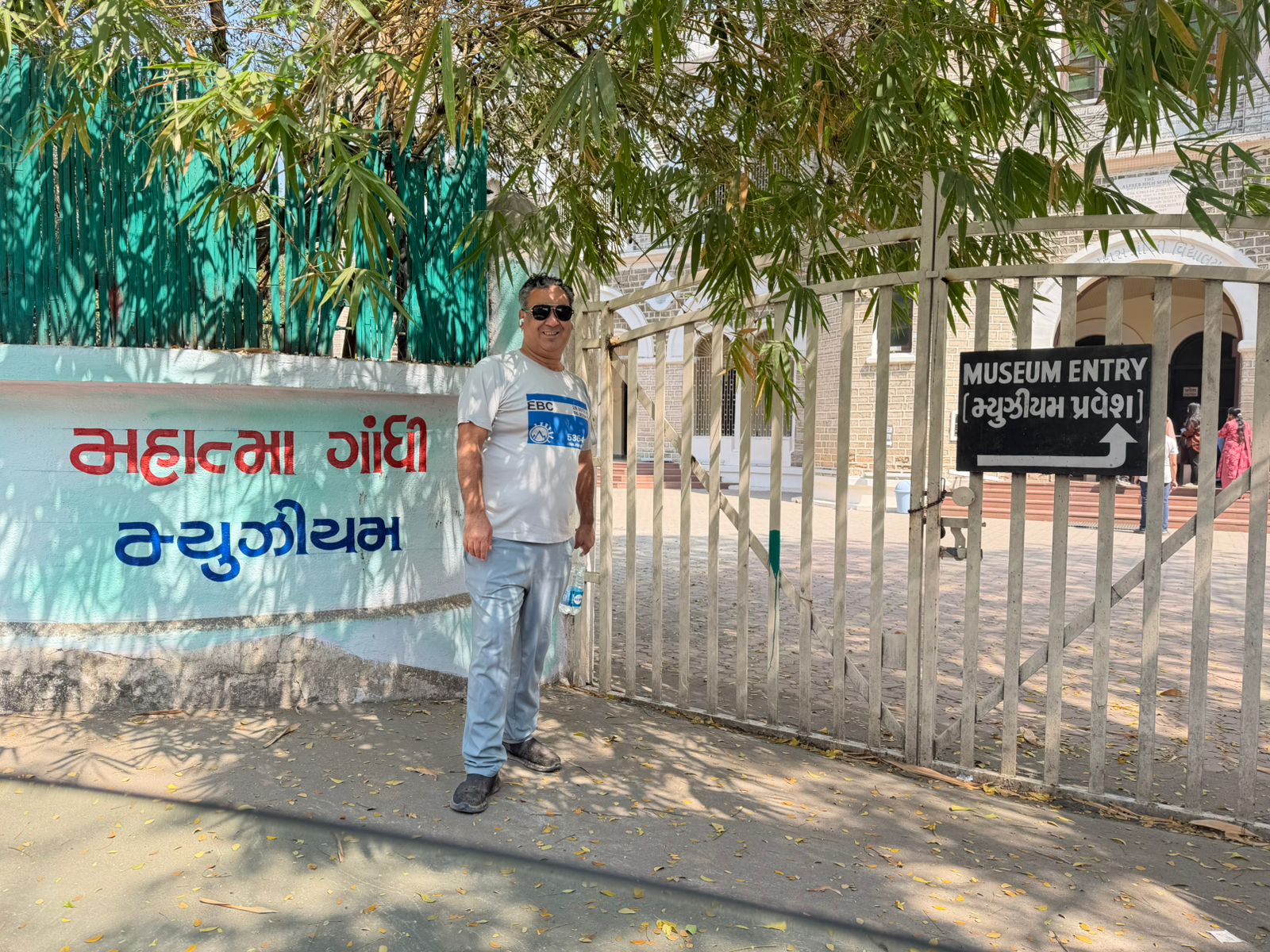
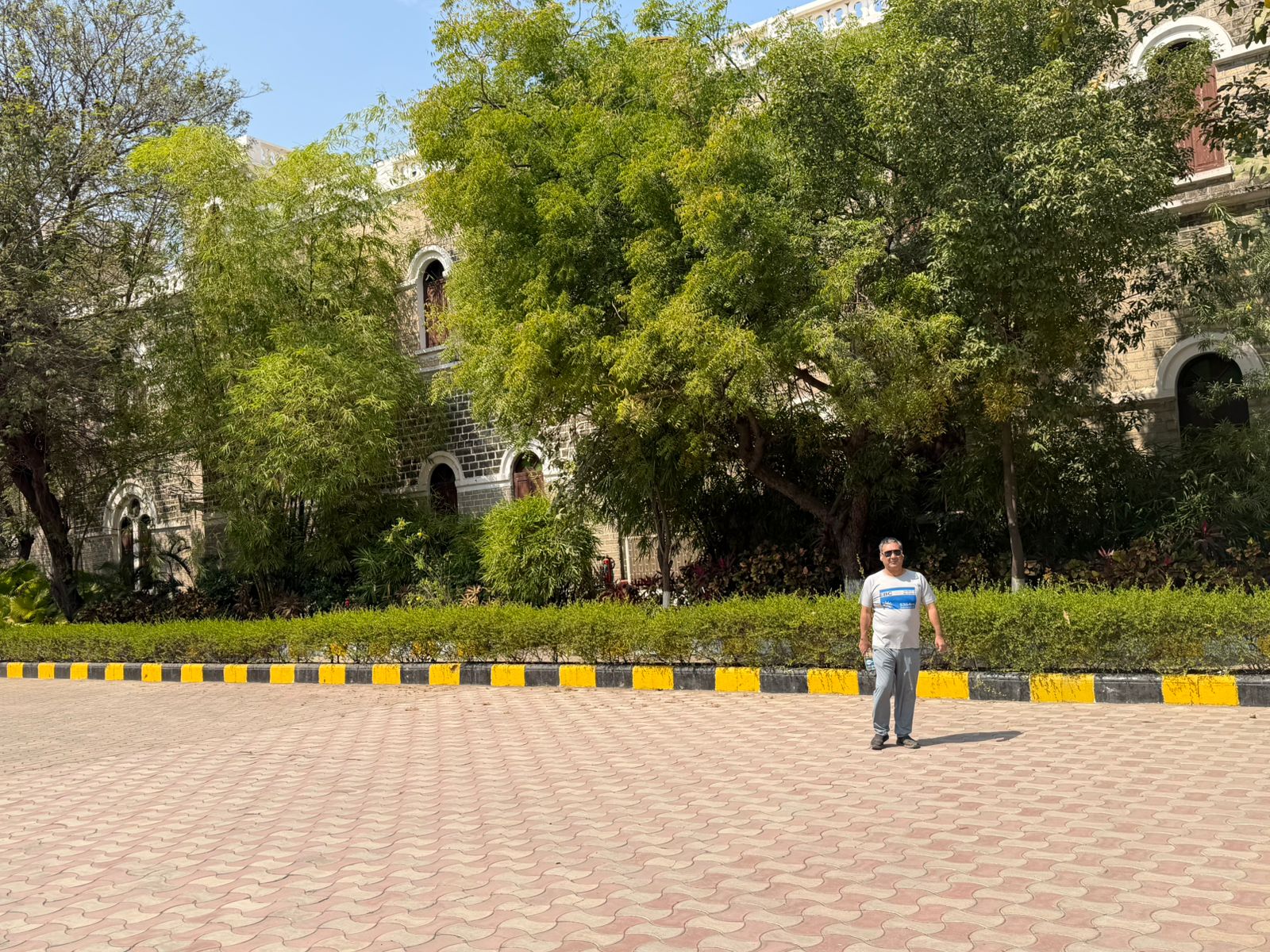
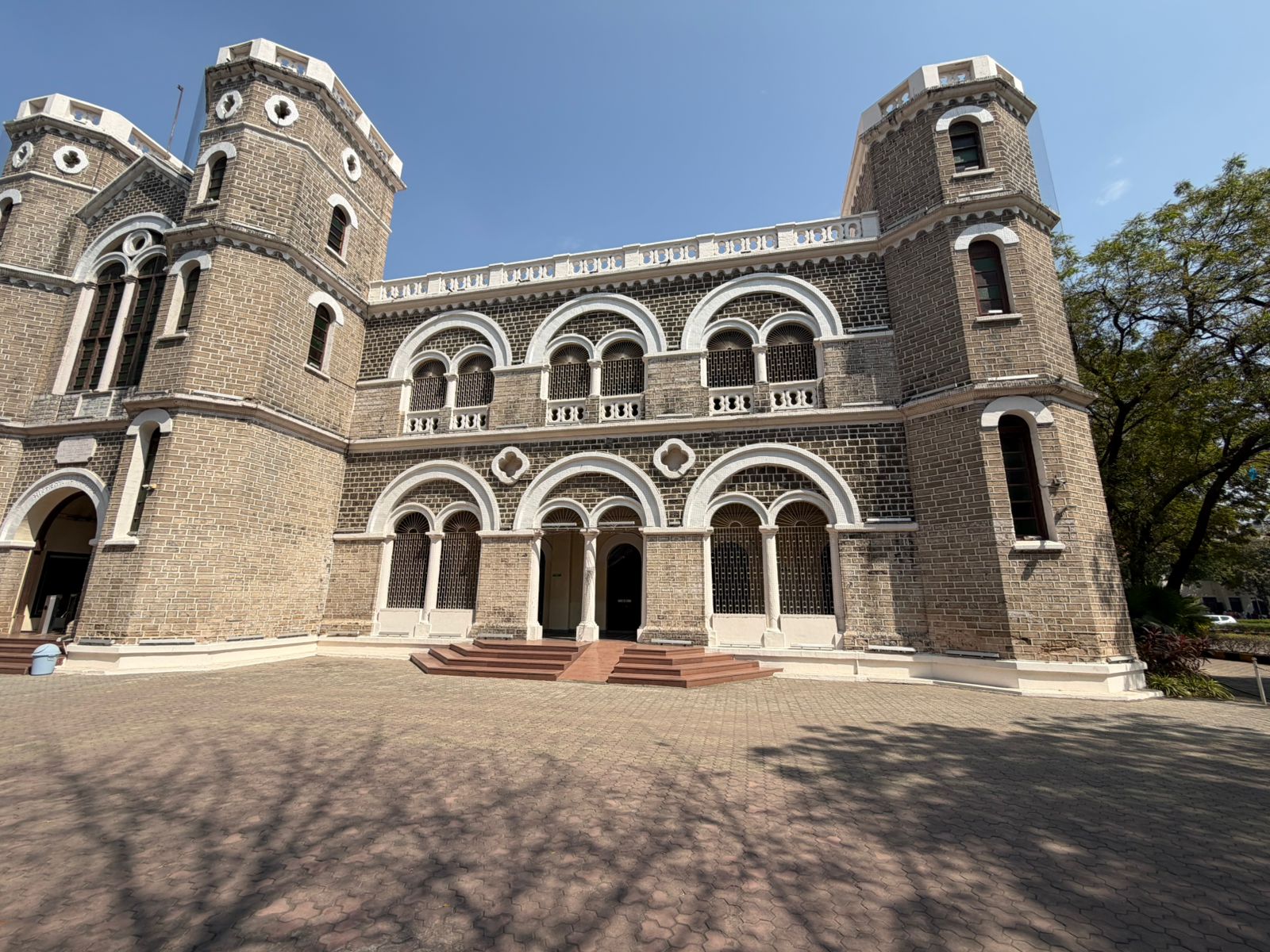
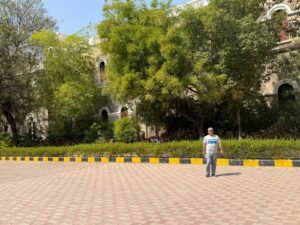
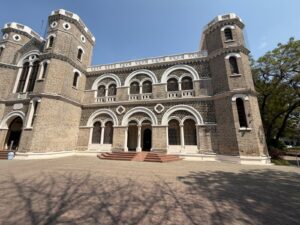
Located in the historic Alfred High School building, where the young Mohandas once studied, the museum carries an atmosphere of reverence without being overwhelming. The structure itself, with its colonial-era architecture, high ceilings, and arched corridors, feels like a preserved chapter of time.
Where It All Began
Before he became the Mahatma, before the Salt March, before leading India’s freedom struggle, he was simply a student here. Walking through the corridors, I imagined a young Mahatma Gandhi attending classes, perhaps unaware of the destiny that awaited him.
The museum beautifully documents his early life — his upbringing in Gujarat, his education, and the influences that shaped his moral compass. Photographs, letters, and carefully curated exhibits trace his transformation from a shy student into a global symbol of nonviolence.
The Power of Simplicity
What struck me most was the simplicity of the displays. There are no flashy installations. Instead, the museum allows Gandhi’s ideas to speak for themselves — truth, nonviolence, self-discipline, and civil disobedience.
Mahatma Gandhi Museum, Rajkot
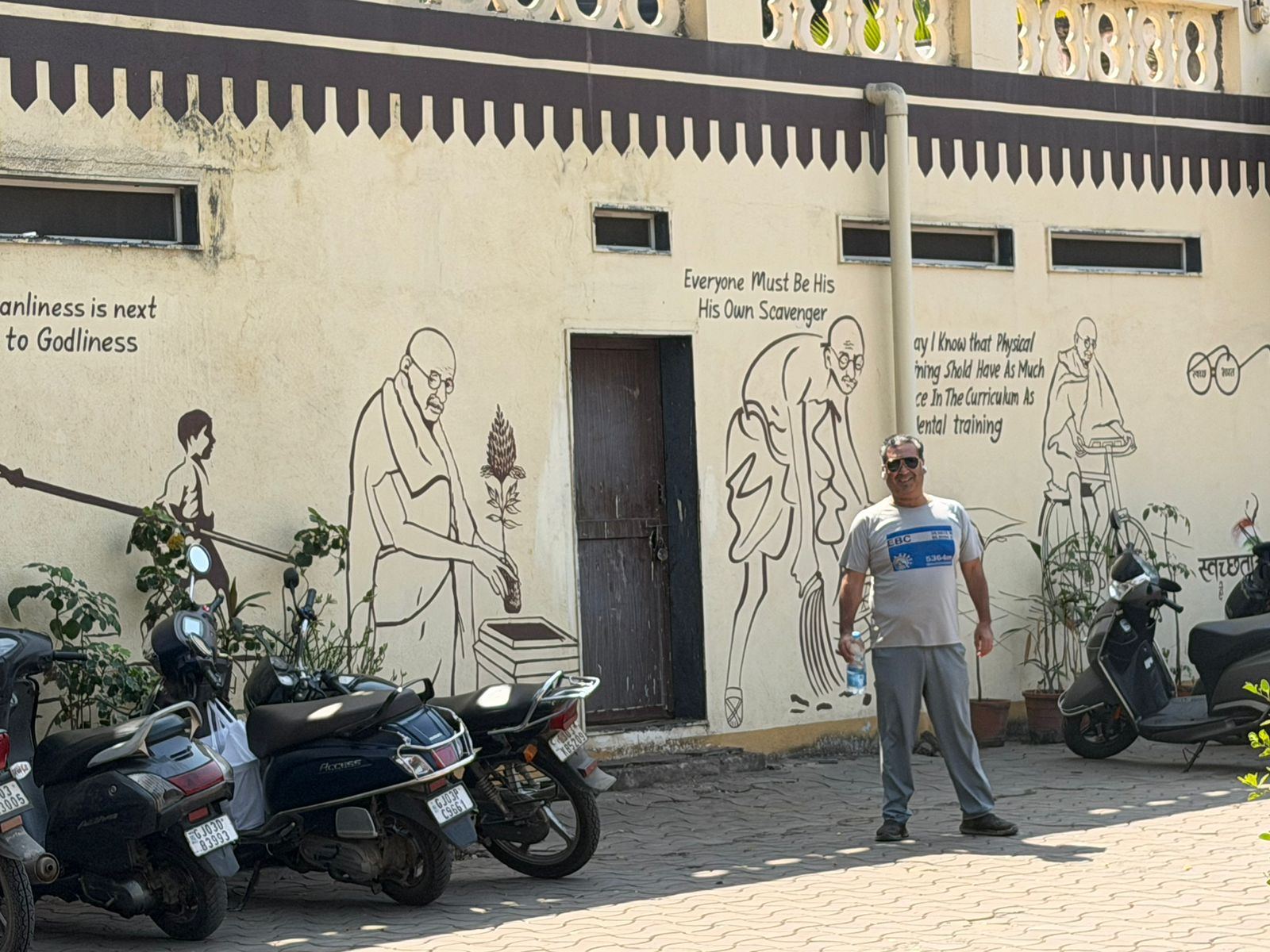
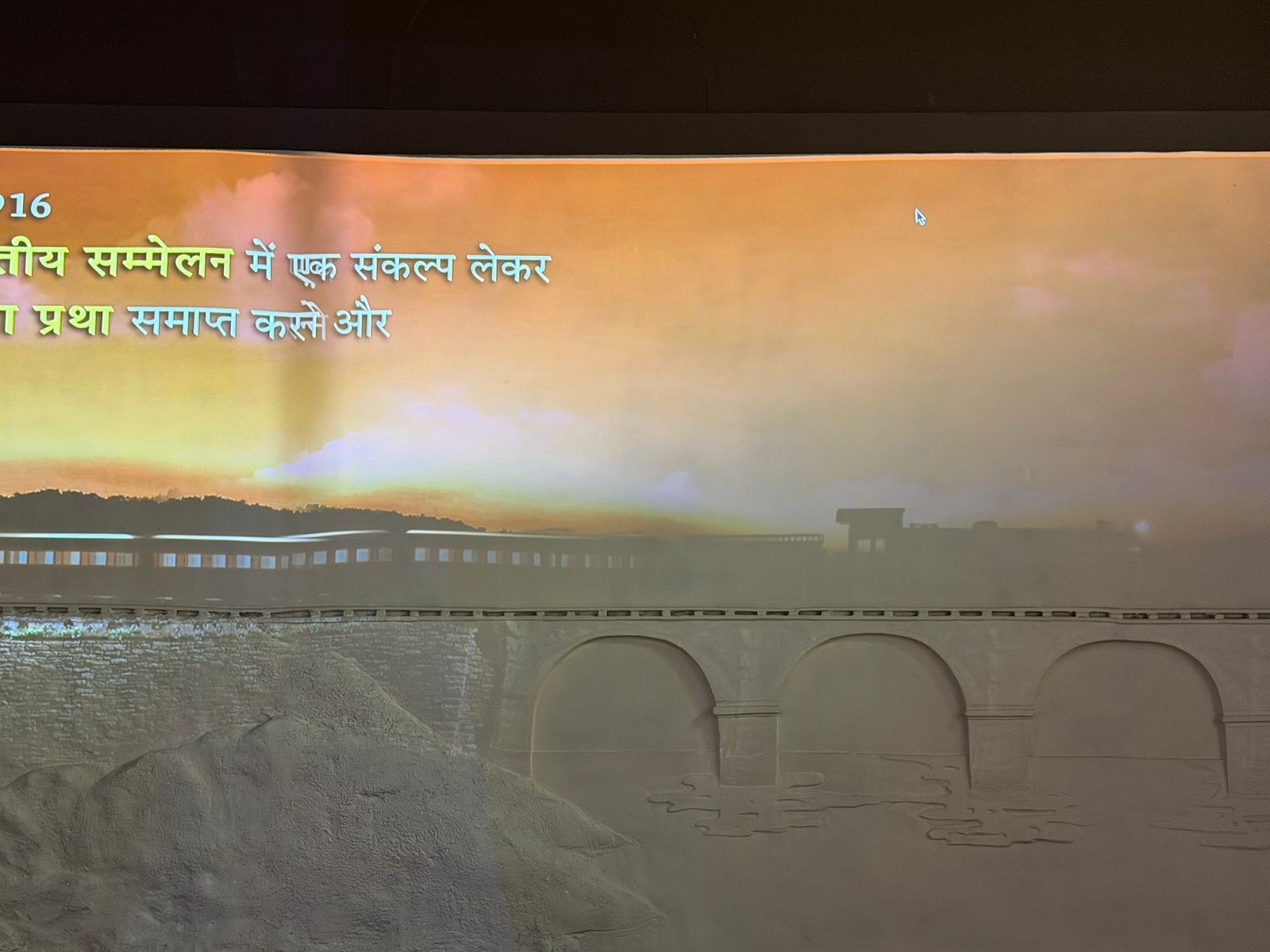
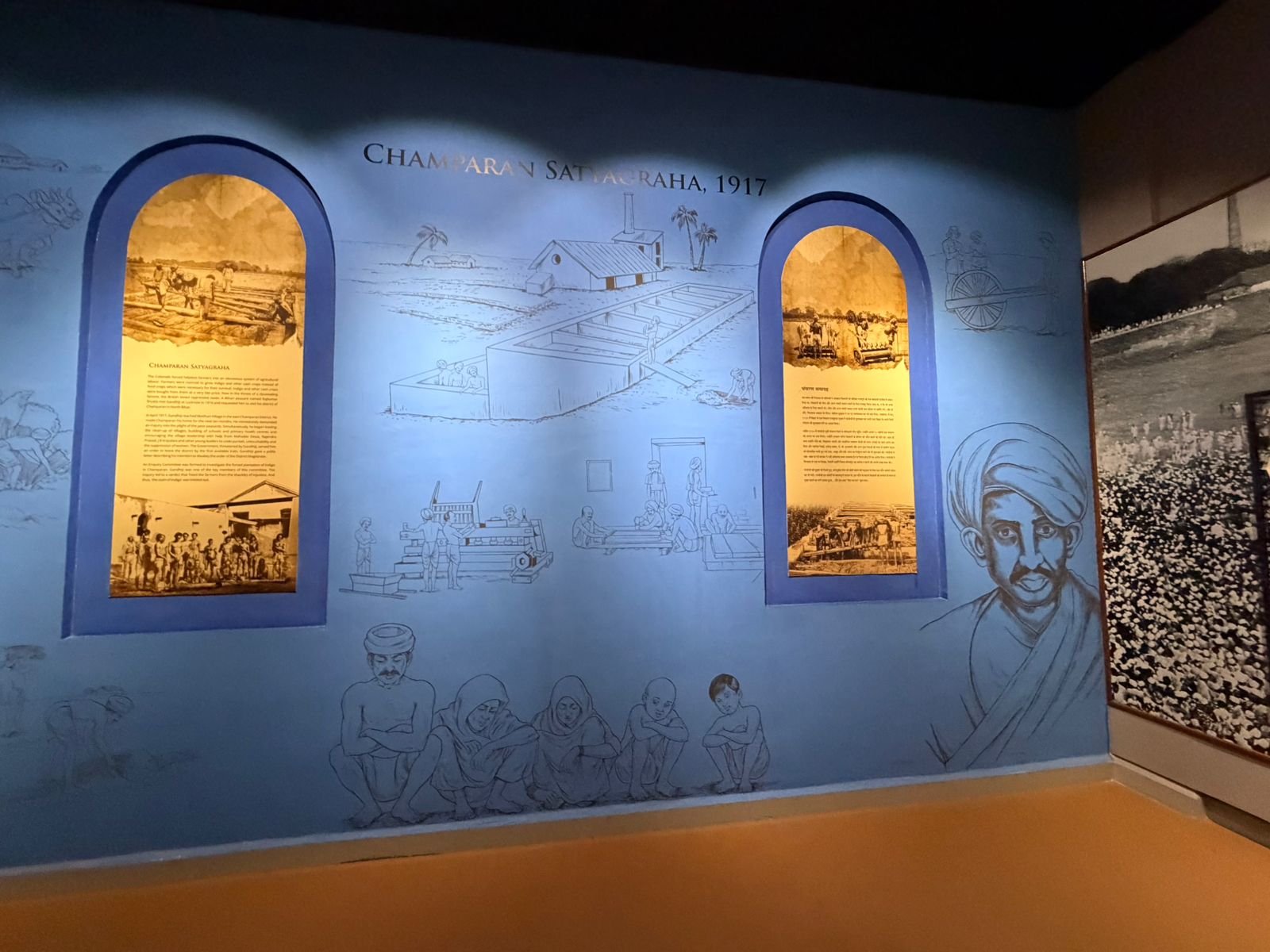
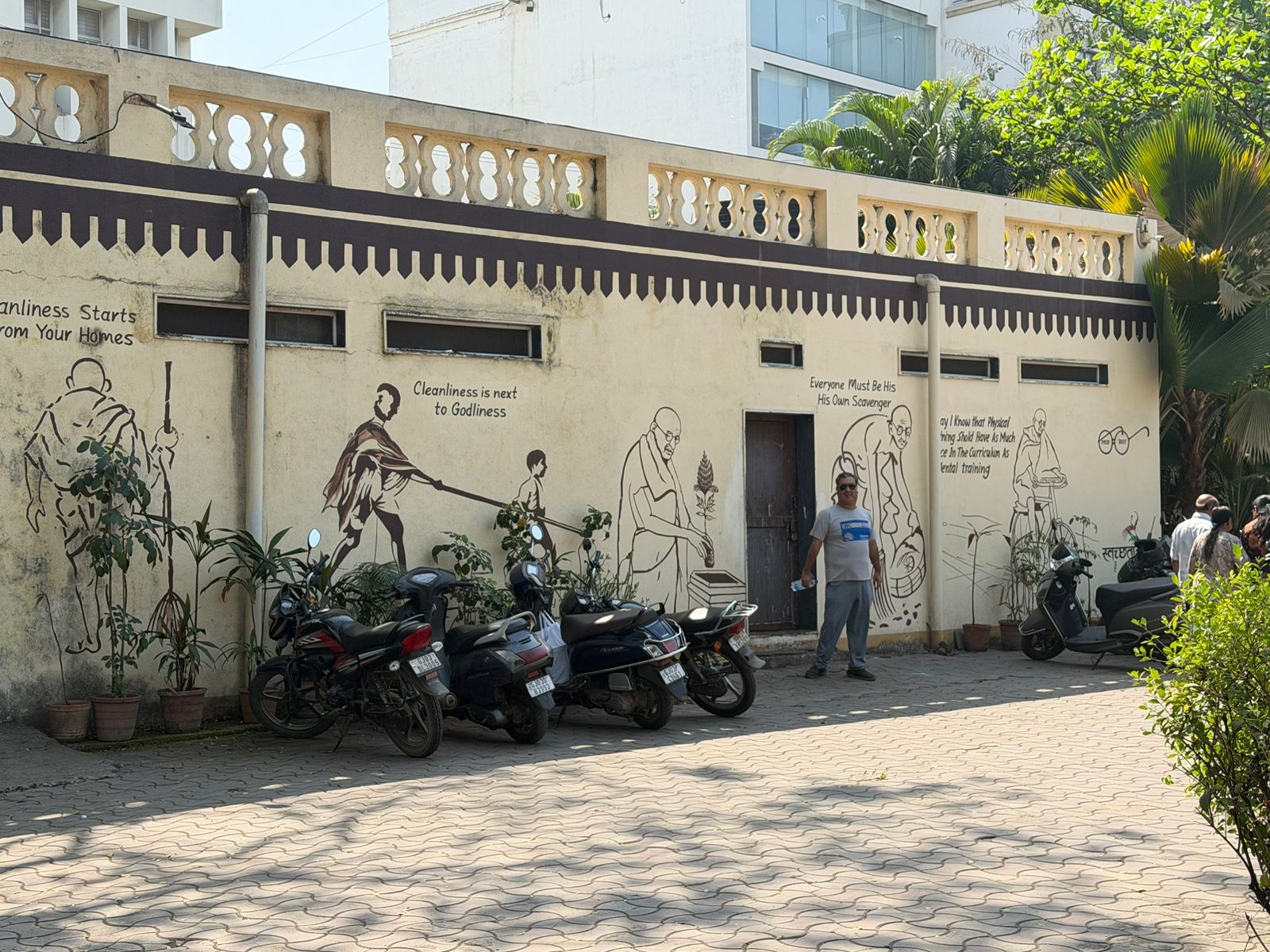
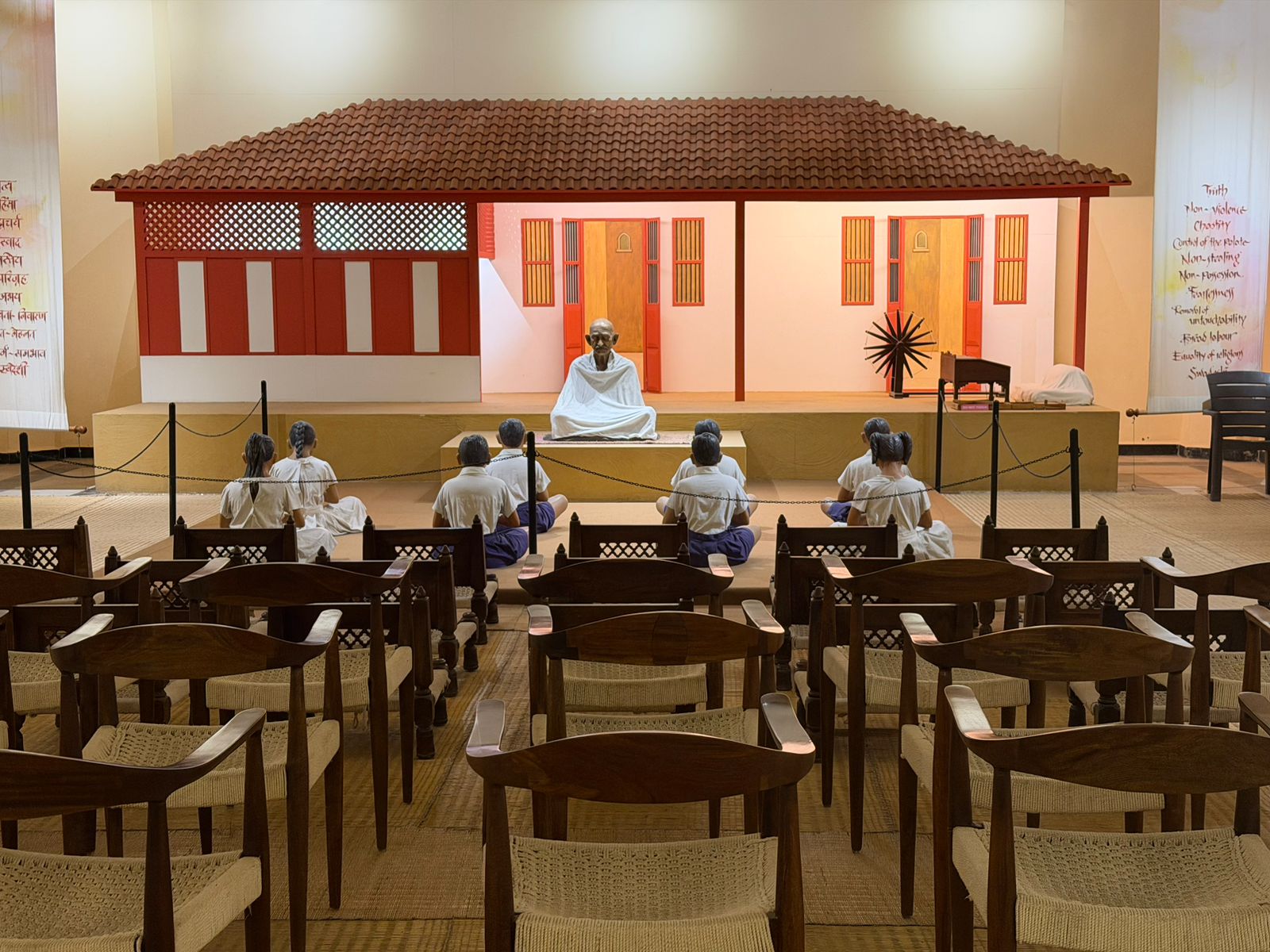
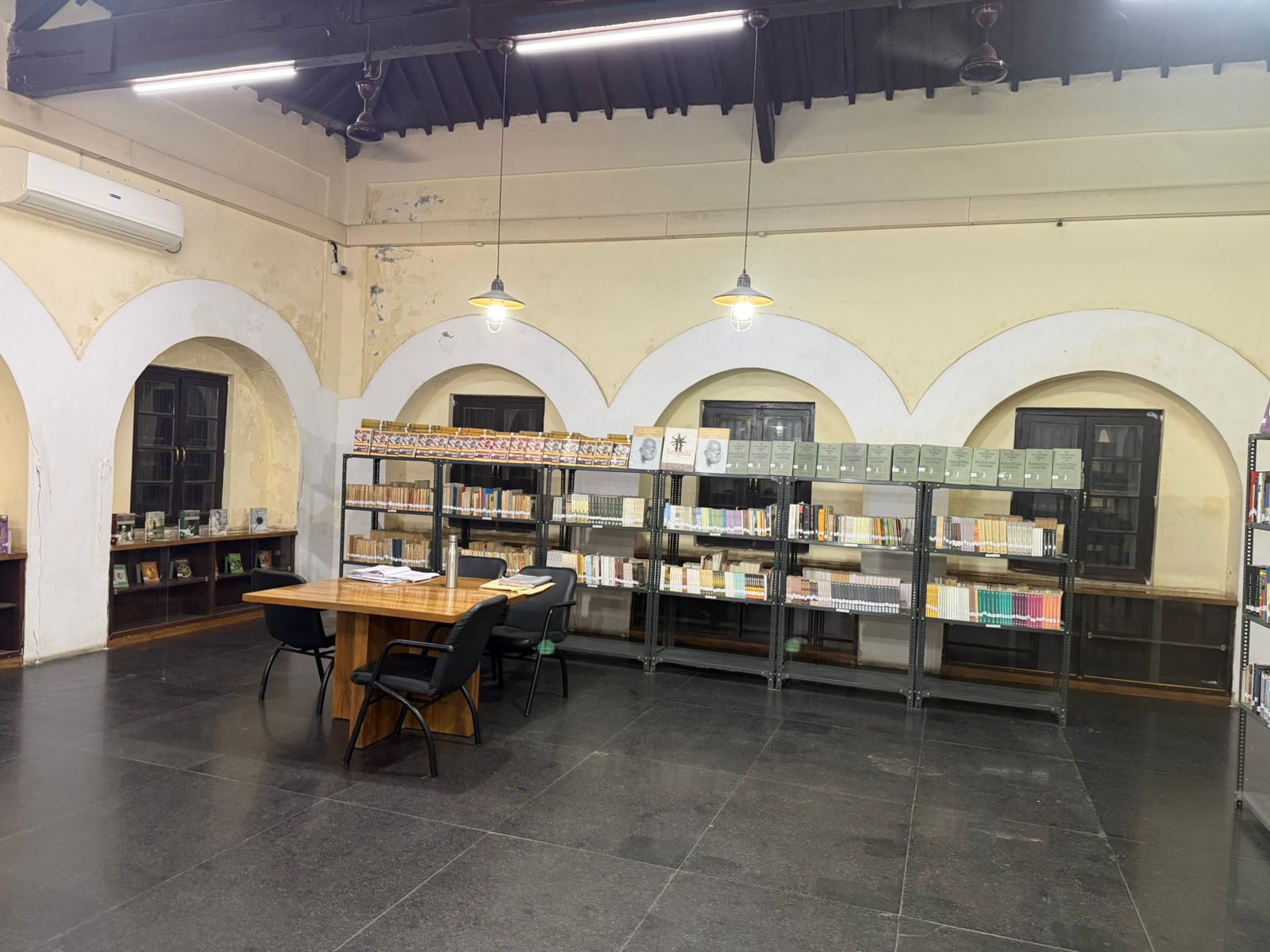
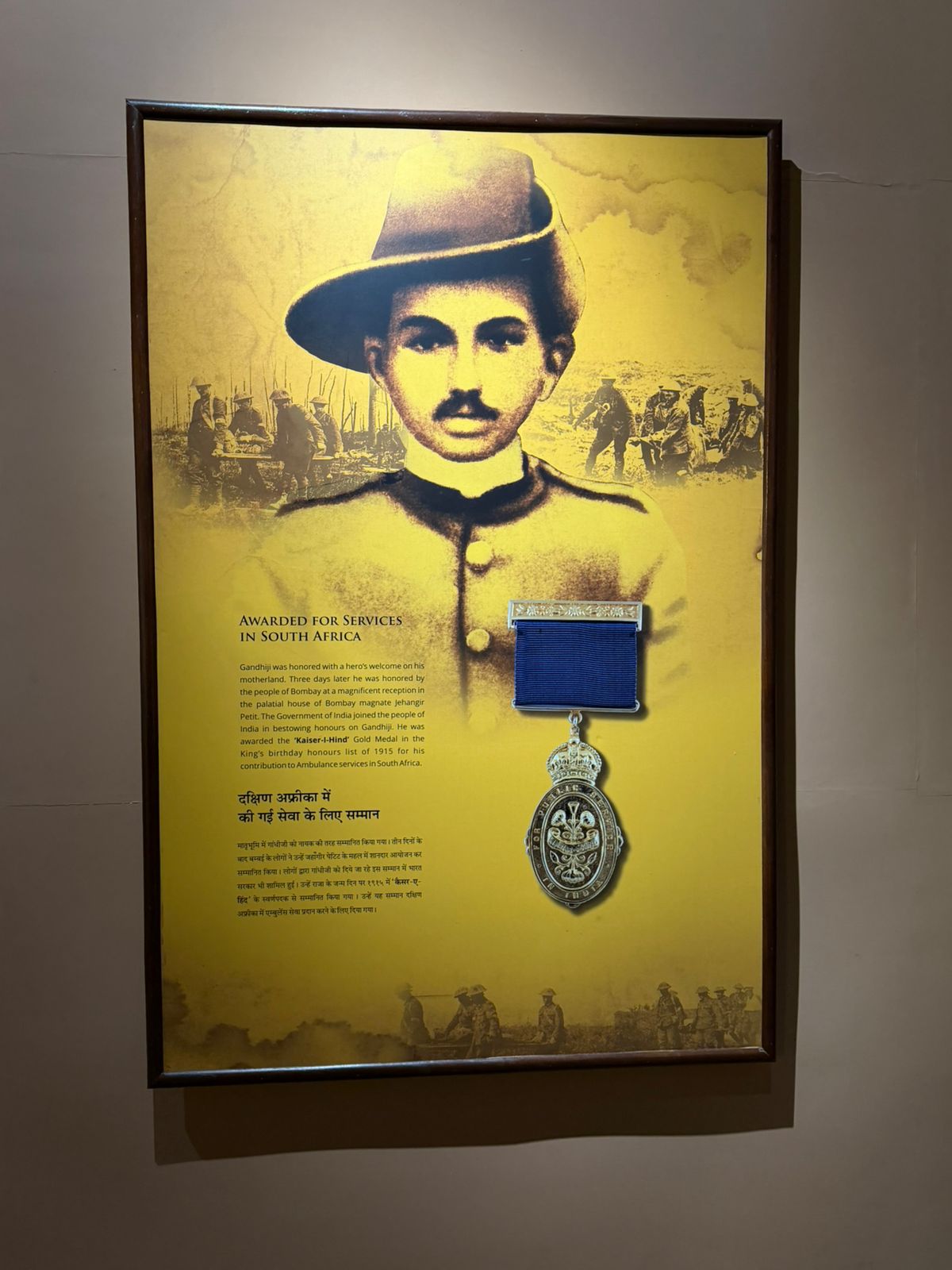
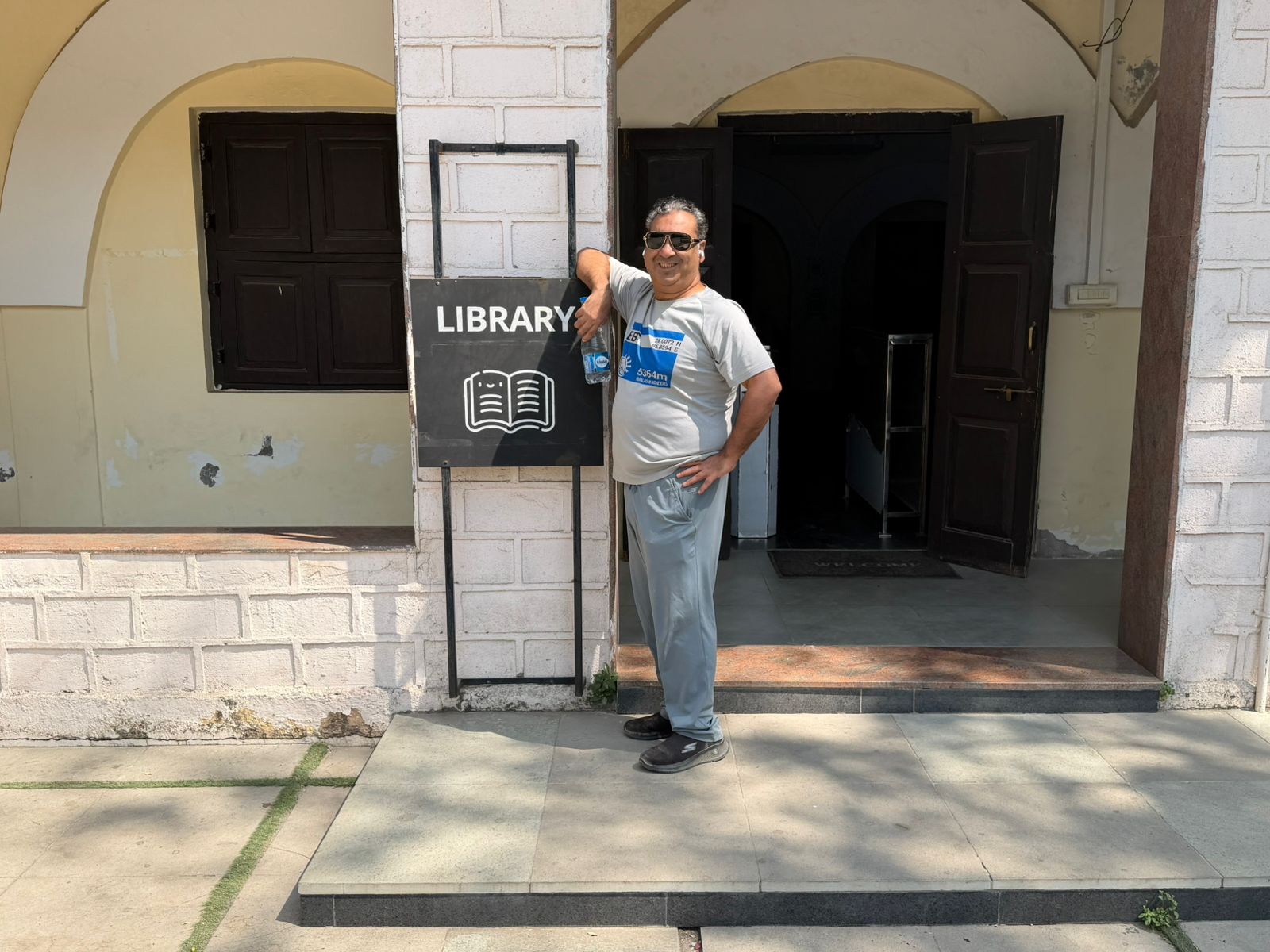
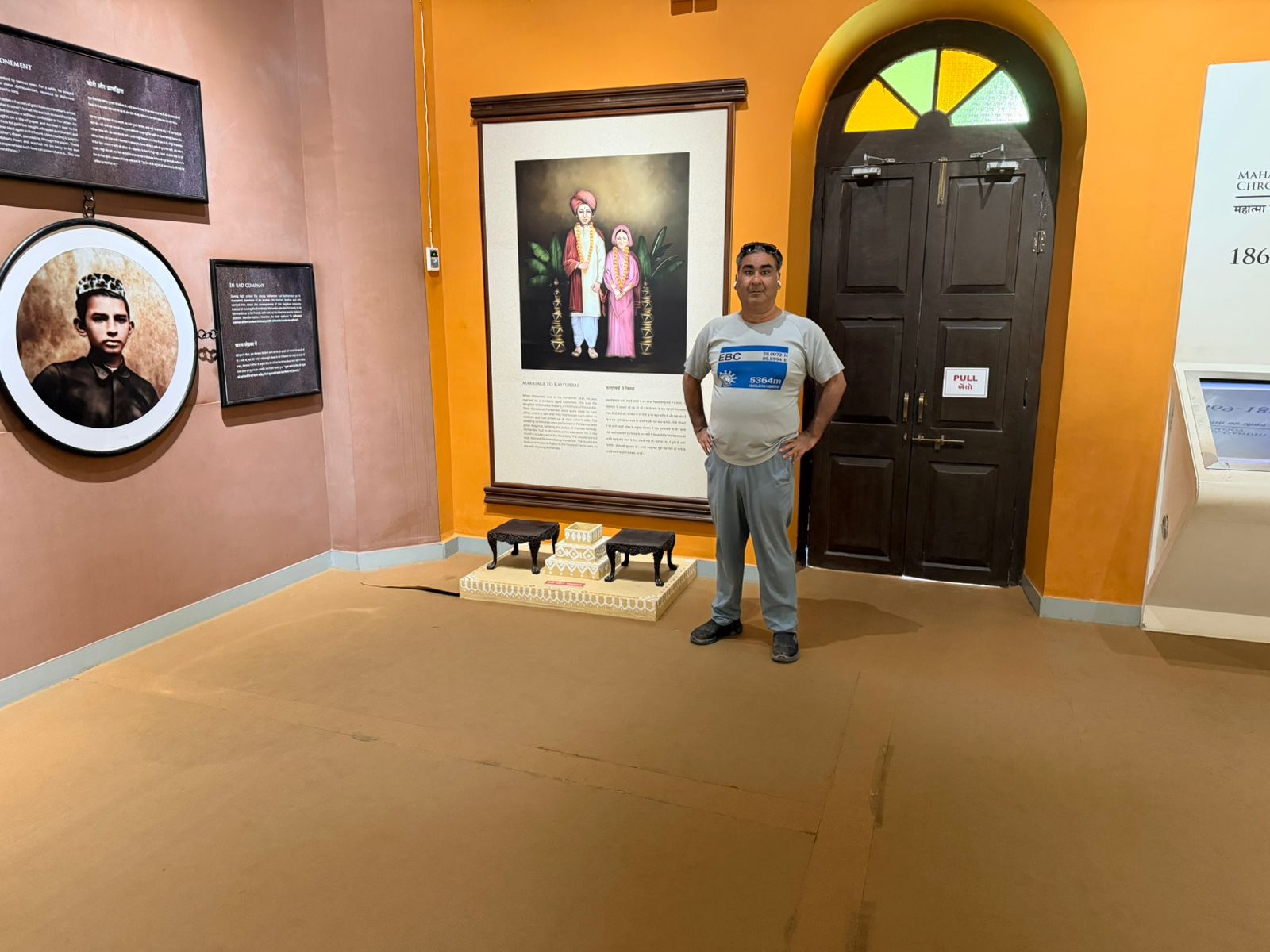
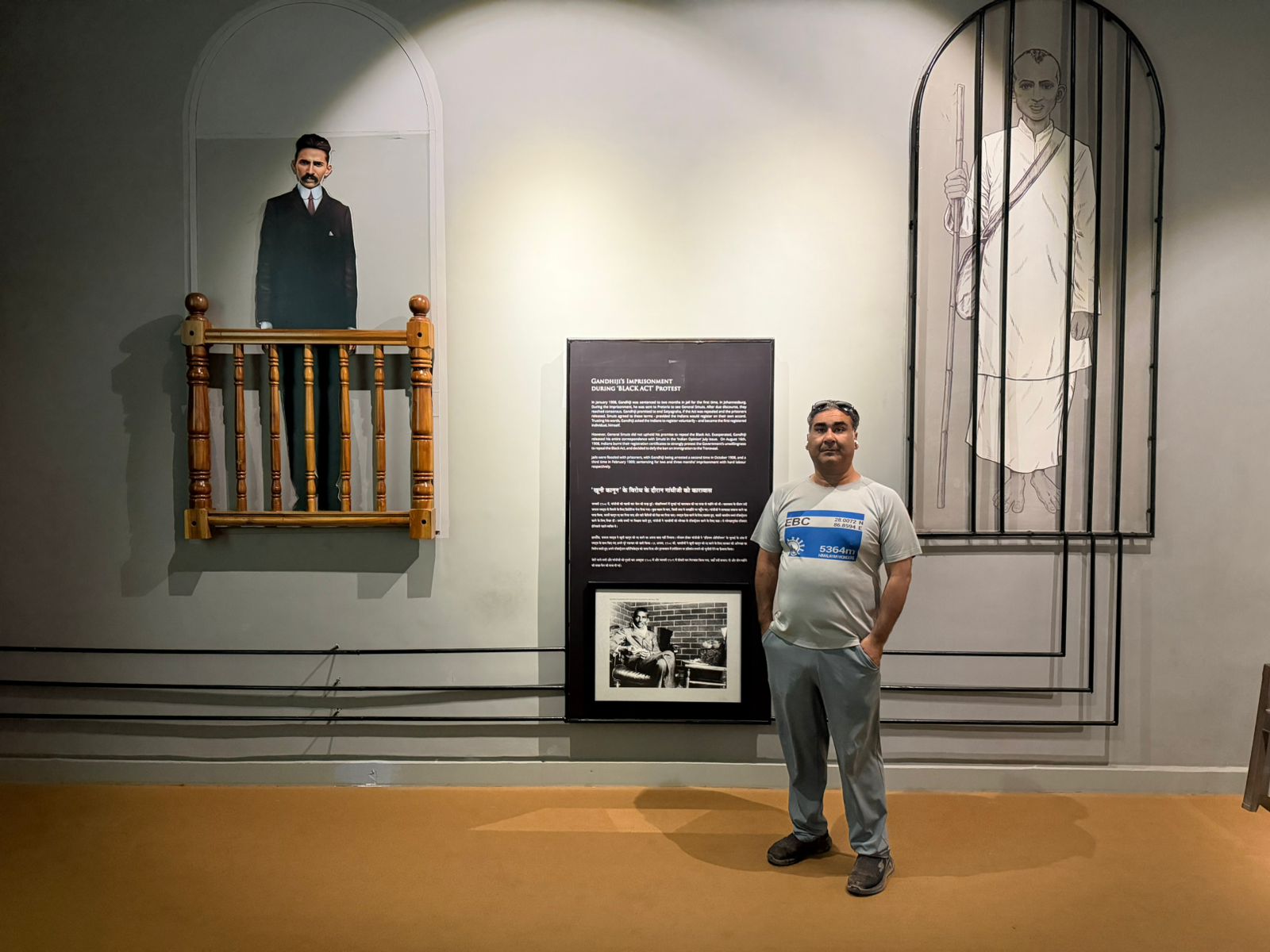
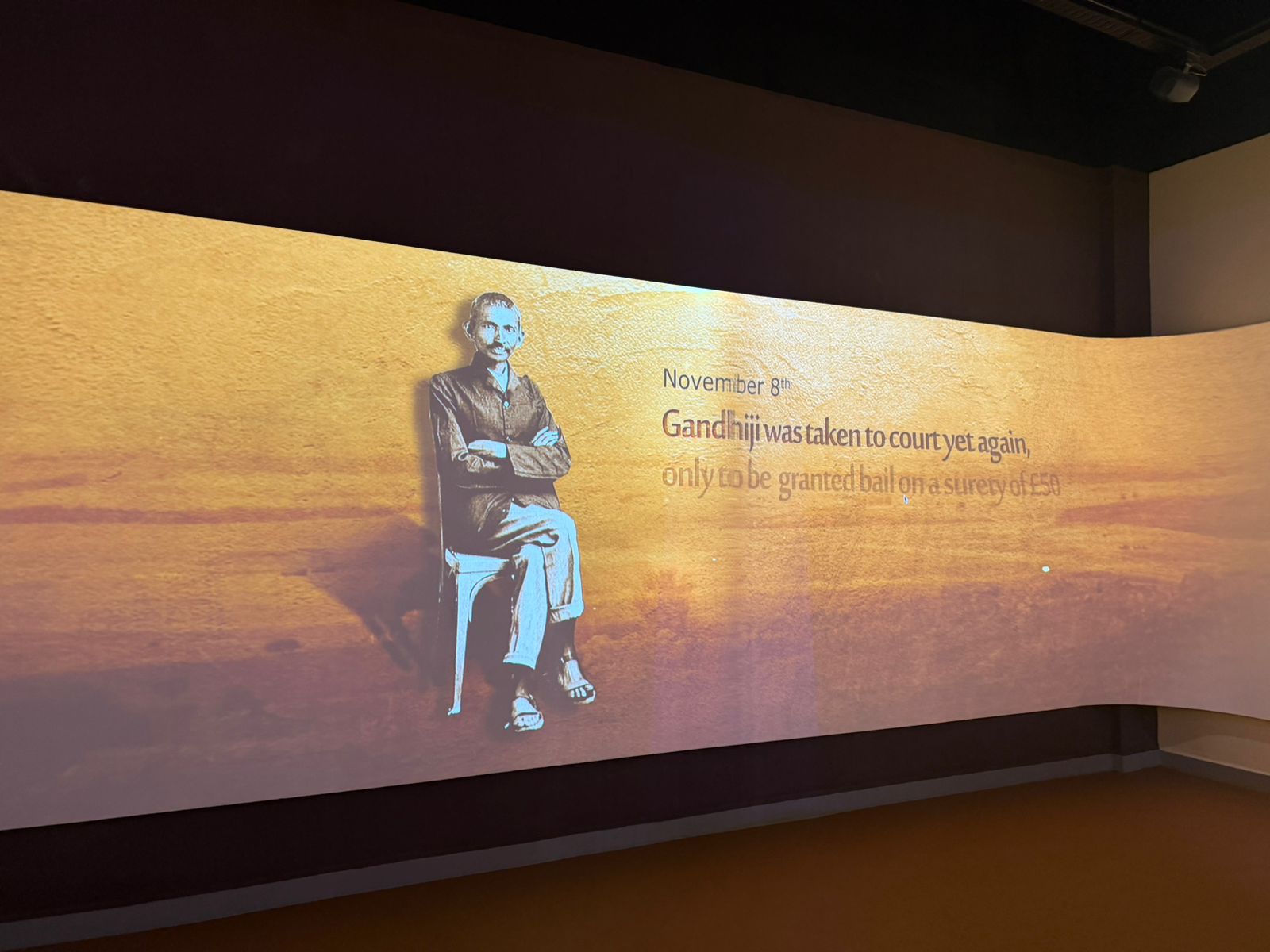
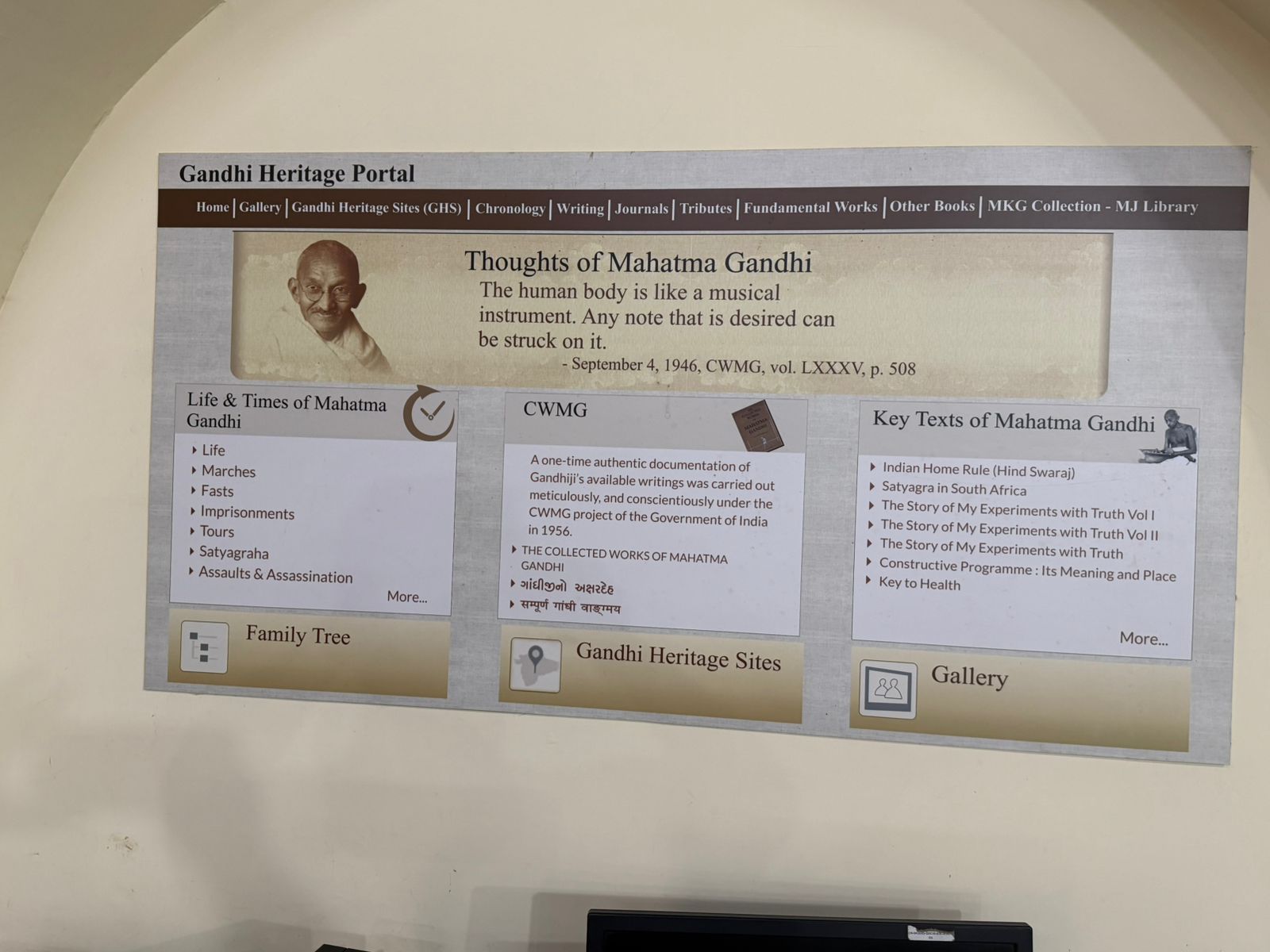
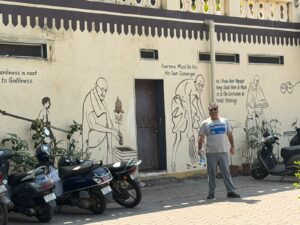
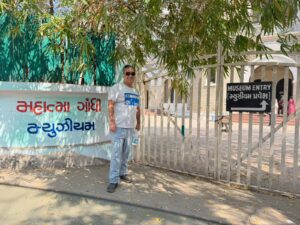
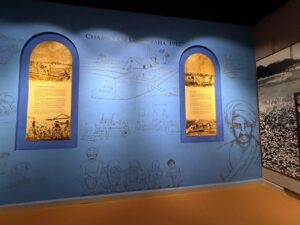
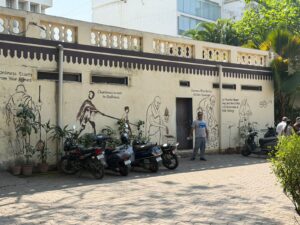
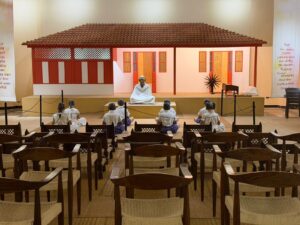
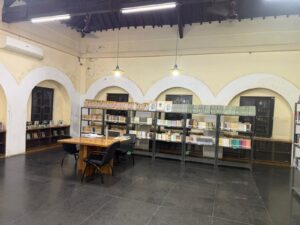
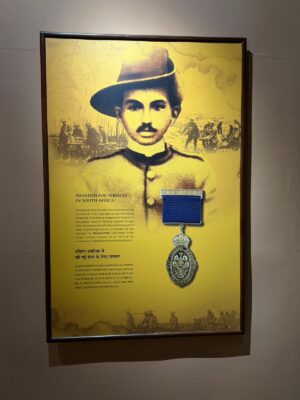

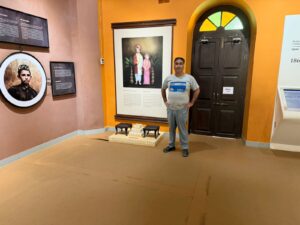

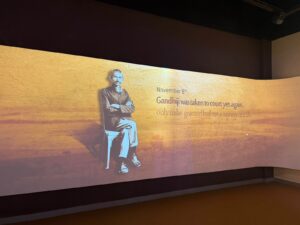
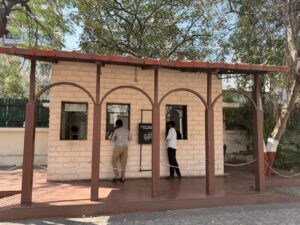
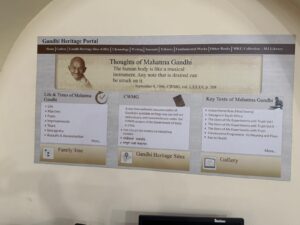
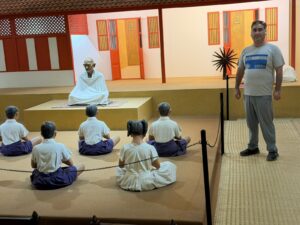
Artifacts and panels recount pivotal moments from his time in South Africa to his leadership in the Indian independence movement. Seeing these events laid out chronologically gives a deep understanding of how perseverance and conviction can reshape history.
A Space for Reflection
Unlike crowded tourist attractions, the museum invites silence. As I moved from gallery to gallery, there was a sense of calm — almost meditative. I even sat down and practiced deep breathing for twenty minutes. In the central room, I softly chanted “Om,” and the experience felt profoundly peaceful.
One section highlights the global impact of Gandhi’s philosophy, showing how leaders like Martin Luther King Jr. and Nelson Mandela drew inspiration from his principles. Standing there, I realized that Gandhi’s legacy is not confined to textbooks. It lives on in the ongoing struggles for justice and peace around the world.
More Than a Museum
This visit was not just about exploring exhibits — it was about introspection. In today’s fast-paced world, filled with noise and division, Gandhi’s principles feel both distant and urgently relevant. The Mahatma Gandhi Museum is not merely a tribute to a historical figure; it is a reminder of moral courage, restraint, and the power of peaceful resistance.
Final Thoughts
My visit left me thoughtful and grounded. Sometimes travel is about discovering new places; other times, it is about rediscovering values. As I stepped back into the busy streets outside, I carried with me a renewed appreciation for the idea that lasting change often begins with inner discipline and unwavering truth.
Add a review
Your email address will not be published. Required fields are marked *