
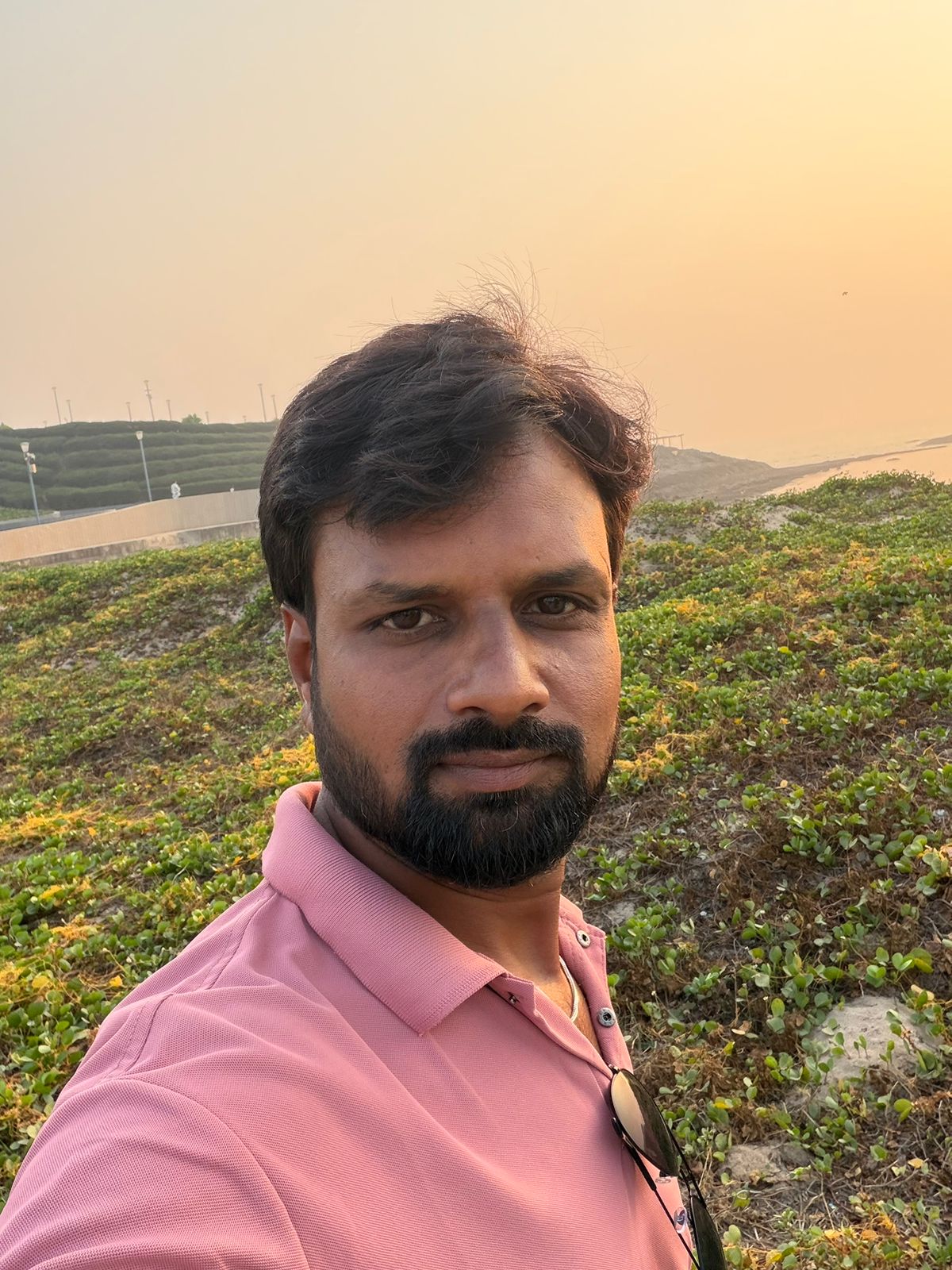
Vidhani Ka Ulta Chashma
My driver, Vidhani, has become very chirpy of late. He has been thoroughly enjoying these travels with me.
“Aap ke saath bahut maza milta hai, sir. I enjoy a lot. Main Taarak Mehta Ka Ooltah Chashmah show ka bada fan hoon, sir. Saara family mera us show ko like karta hai,” Vidhani told me, sharing little nuggets of his life.
“Sir, aap gyani ho… jeevan ke baare mein kuch bataiye?” he asked.
“Jeevan? Well, in my dictionary, travel is life,” I replied.
“Sir, mera story bhi likho. Mera bhi love story hai, sir,” Vidhani said, trying to continue the conversation. “Sir, main bhi romantic tha apni wife ke saath. Now we have been married 15 years. I have a son and a daughter also,” he added proudly.
Vidhani has been serving me well — arranging hotels, fetching me dinner and breakfast, and generally looking after me like my man Friday on this trip. He is enjoying the trails and keeps egging me on to go further. We might even do a trip to Madhya Pradesh after finishing Gujarat.
It seems Gujaratis absolutely love Taarak Mehta Ka Ooltah Chashmah, as everyone here appears glued to it.
“Tu bhi apna chashma ulta kar lo,” I told Vidhani almost in jest.
Towards Dholavira – The Desert Metropolis
We soon moved towards Dholavira, an ancient desert metropolis — a remarkable city of the ancient world. Located on Khadir Bet Island in the vast salt desert of the Great Rann of Kutch, Dholavira feels remote, almost mystical.
Vidhani Ka Ulta Chashma
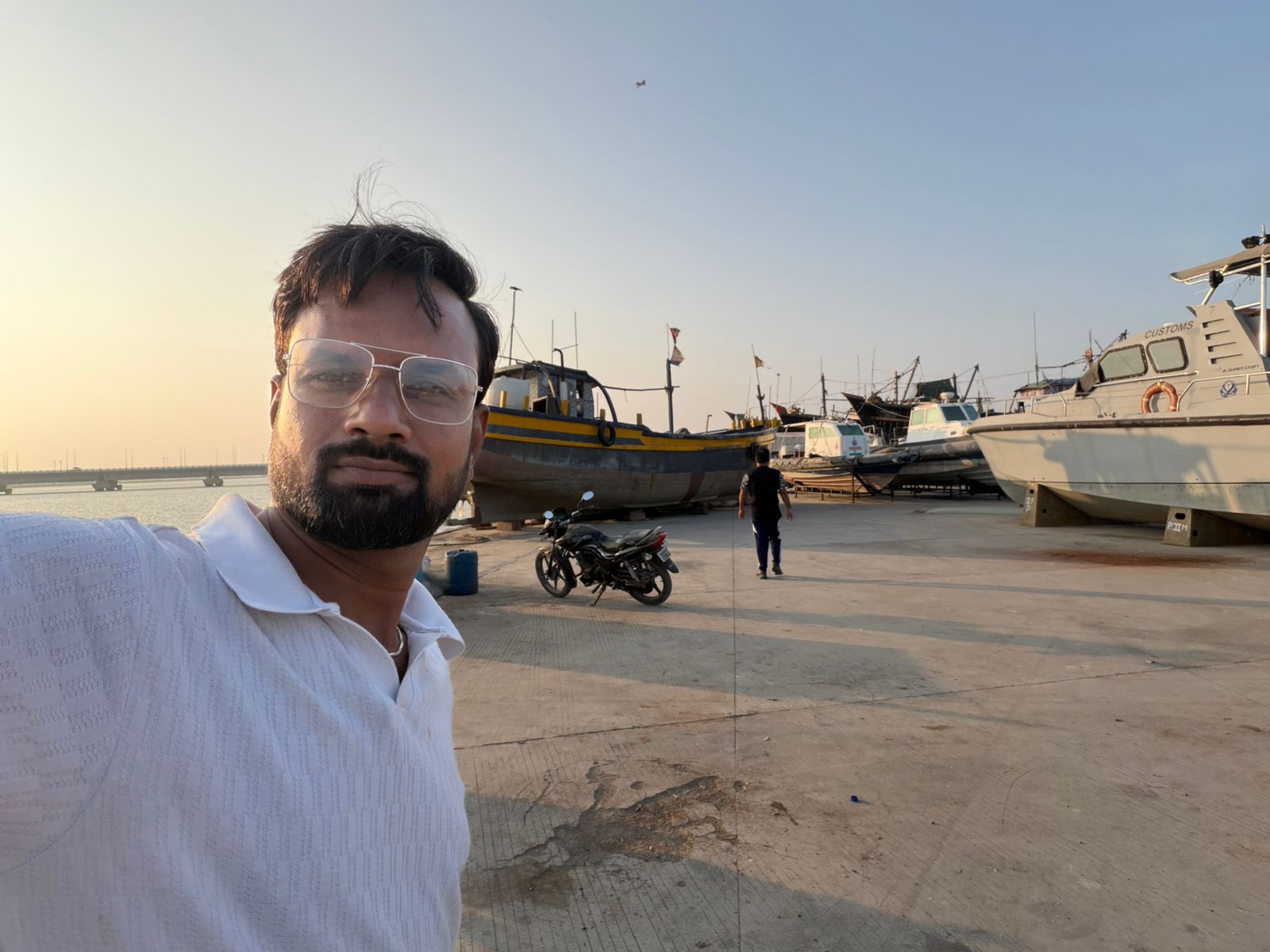




The road leading there cuts through stark desert landscapes, shimmering salt plains, and occasional wetlands dotted with birds. The silence of the region prepares you for something extraordinary.
Arrival at the Metropolis of the Harappans
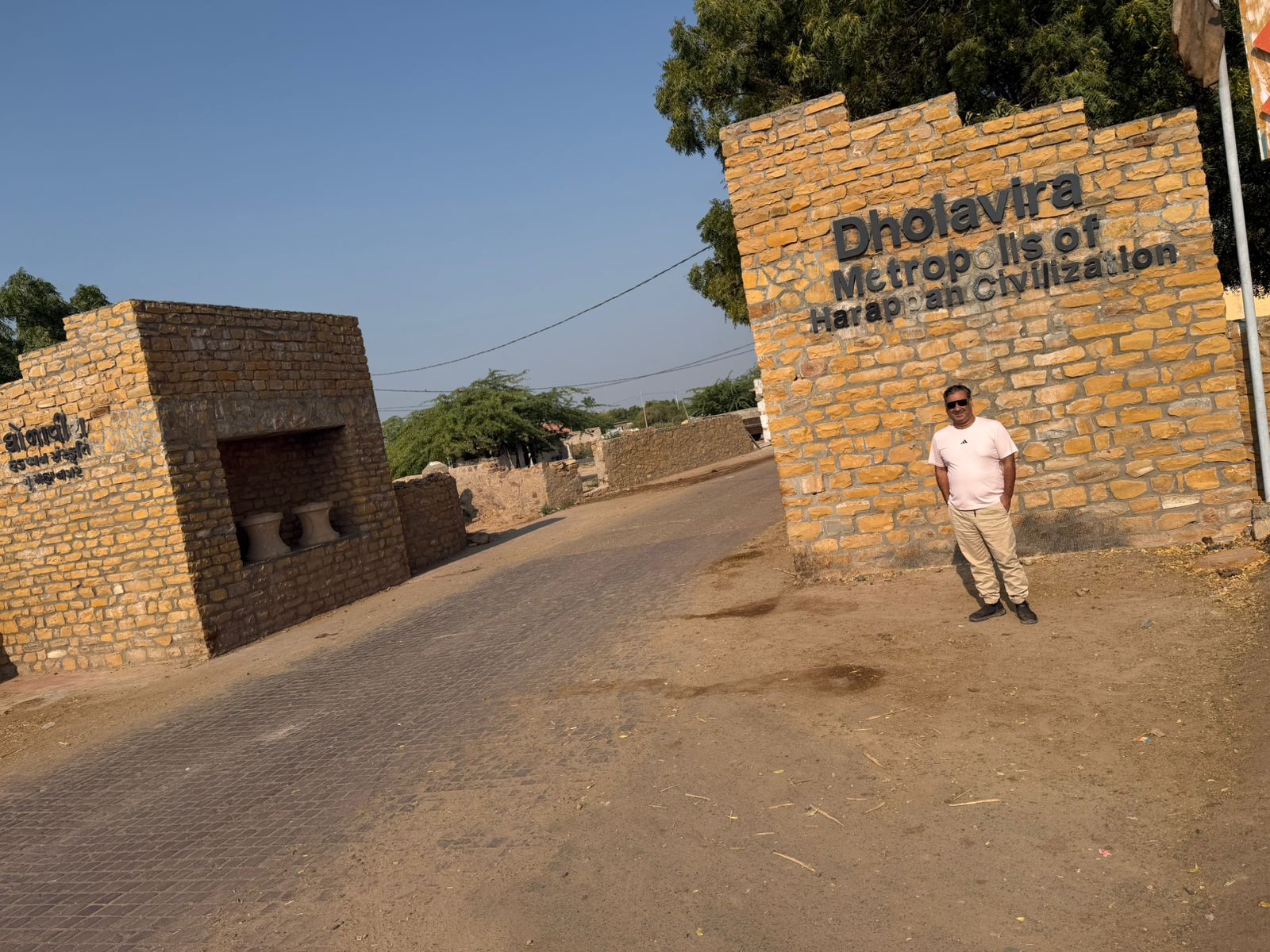
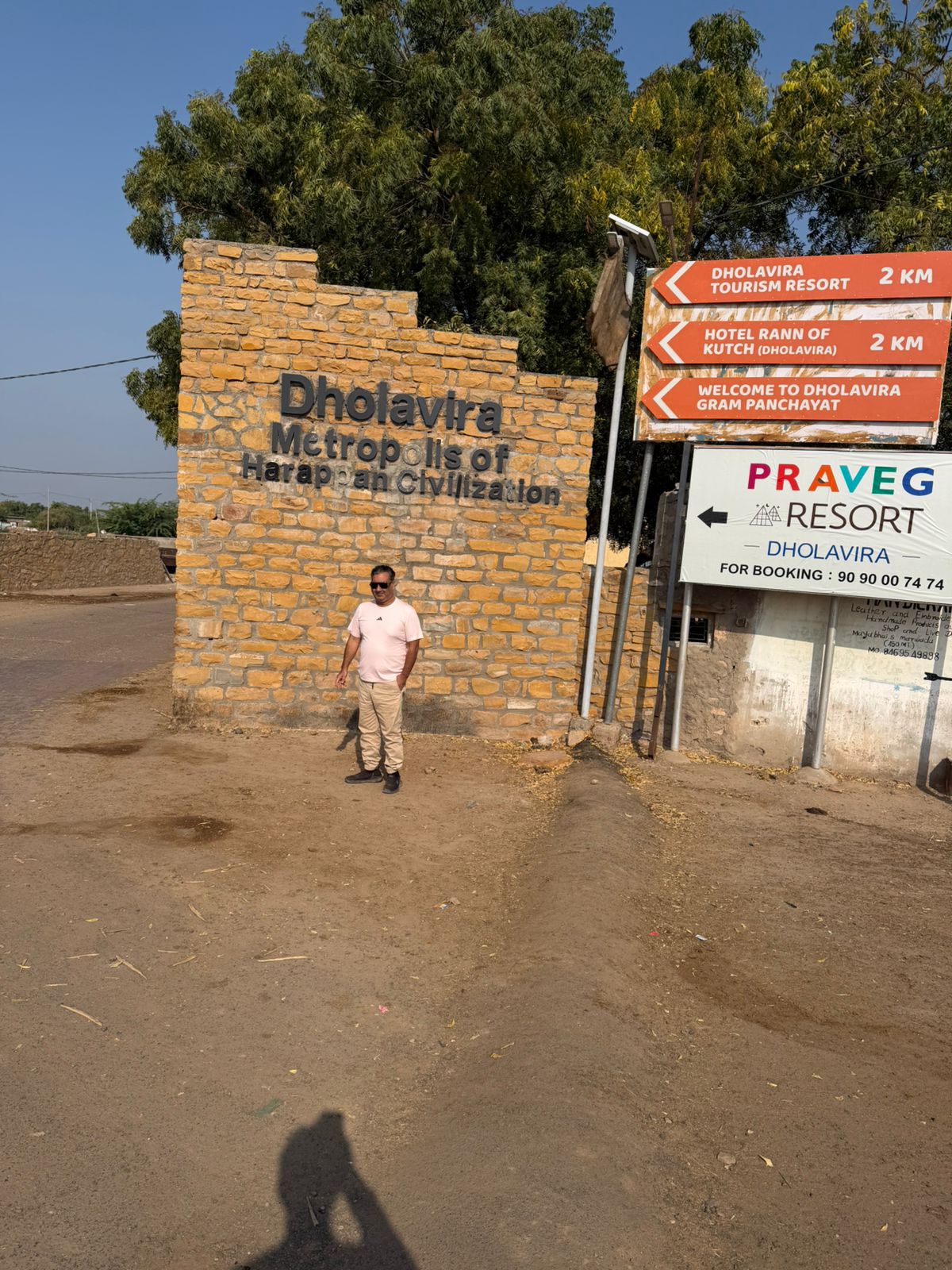
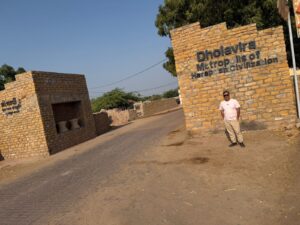
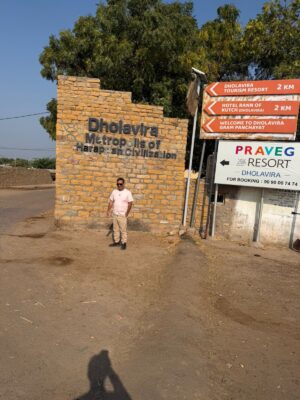
Standing before the stone entrance sign reading “Dholavira – Metropolis of the Harappan Civilization,” I felt a quiet awe. Dholavira dates back nearly 4,500 years.
To stand there under the bright Kutch sun, knowing that an advanced city once flourished here — with drainage systems, water reservoirs, streets, and planned architecture — is humbling.
A City Ahead of Its Time
As I explored the site, what struck me most was the brilliance of its urban planning:
- Massive water reservoirs carved out of stone
- Sophisticated rainwater harvesting systems
- Clearly divided sections of the city
- Carefully laid-out streets and gateways
In the middle of a desert landscape, the Harappans mastered water conservation. That alone feels like a lesson for modern India.
The Landscape Around Dholavira
Beyond the archaeological site, the surrounding environment adds to the experience. The desert stretches endlessly. The sky feels larger than usual, and there is a quiet dignity in the air.
On the way, I passed long causeways with water shimmering on either side — wetlands where flamingos sometimes gather. The contrast between ancient stone ruins and living natural ecosystems makes the journey even more profound.
Staying in Traditional Kutchi Huts
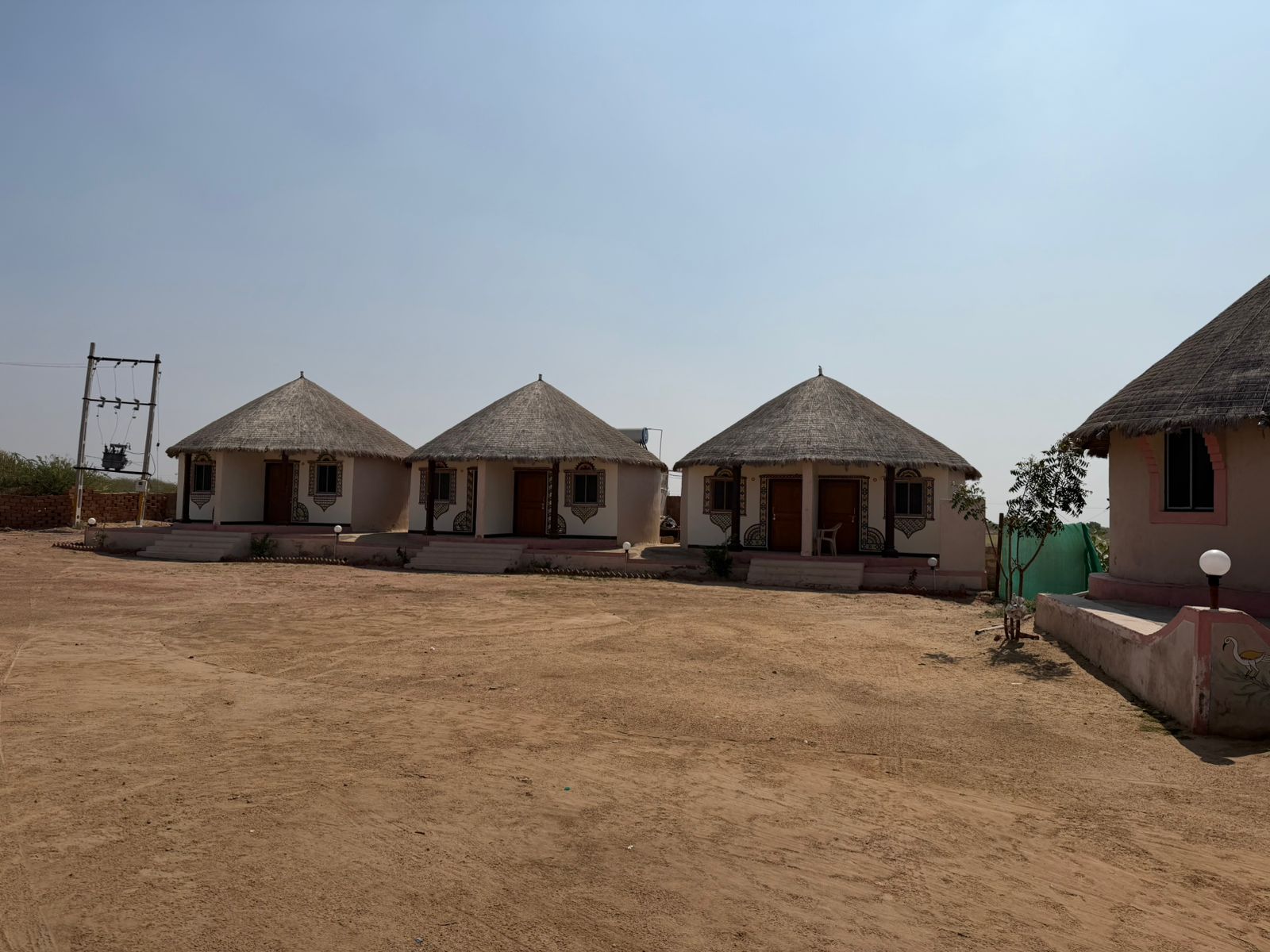
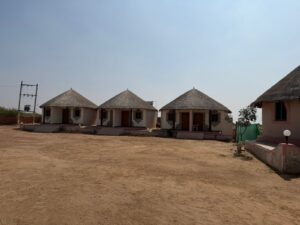
Nearby accommodations beautifully reflect local culture — rows of circular mud huts with thatched roofs, inspired by traditional Kutchi bhungas, offering a rustic yet comfortable stay.
Waking up in such a setting, surrounded by dry earth and soft morning light, enhances the feeling of being connected to both history and landscape.
Dholavira is also a UNESCO World Heritage Site. It is one of the best-preserved urban settlements of the Indus Valley Civilization.
Standing among the ruins, I could not help but think — civilizations rise, flourish, and fade. But their ideas, their innovations, and their spirit remain embedded in stone.
My journey to Dholavira was not merely travel; it was a step back into one of the earliest chapters of Indian civilization.
Add a review
Your email address will not be published. Required fields are marked *