
The Rock-Cut Ganesha and Its Many Myths and Stories
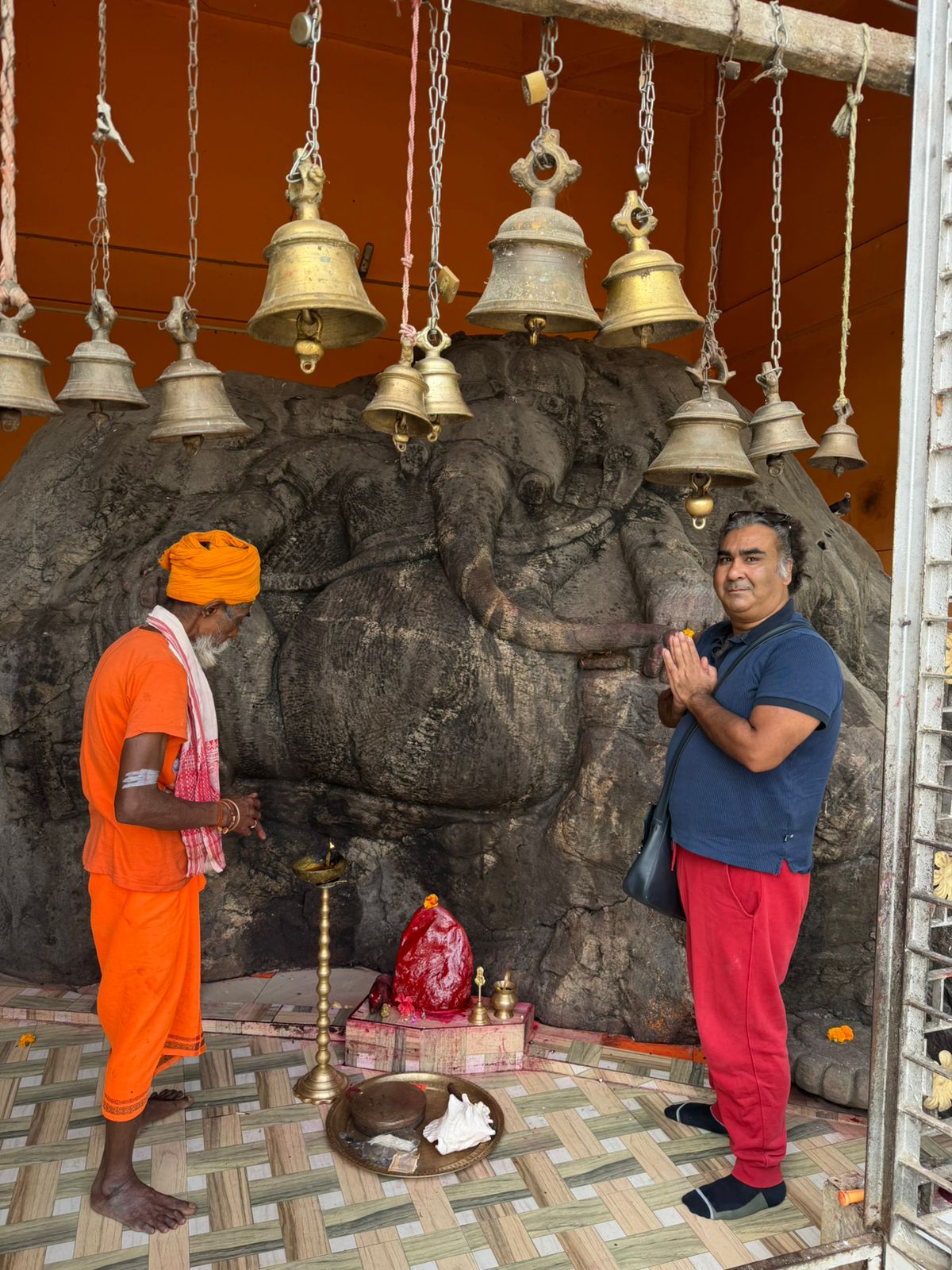
There are many legends and stories associated with the Bura Mayong Ganesha temple. The legend says that the large carving of Ganesha happened naturally. It was not carved by an artisan, but formed on its own as the rock weathered over time. First, a shape appeared that looked like the trunk of Ganesha, and slowly the formation began to resemble a large Ganesha with a huge pot belly.
As the rock formation on the hill developed cracks and features, the shepherds and forest gatherers claim they first spotted this unusual stone face and began offering flowers. Over time, the place became a proper shrine.
The Rock-Cut Ganesha
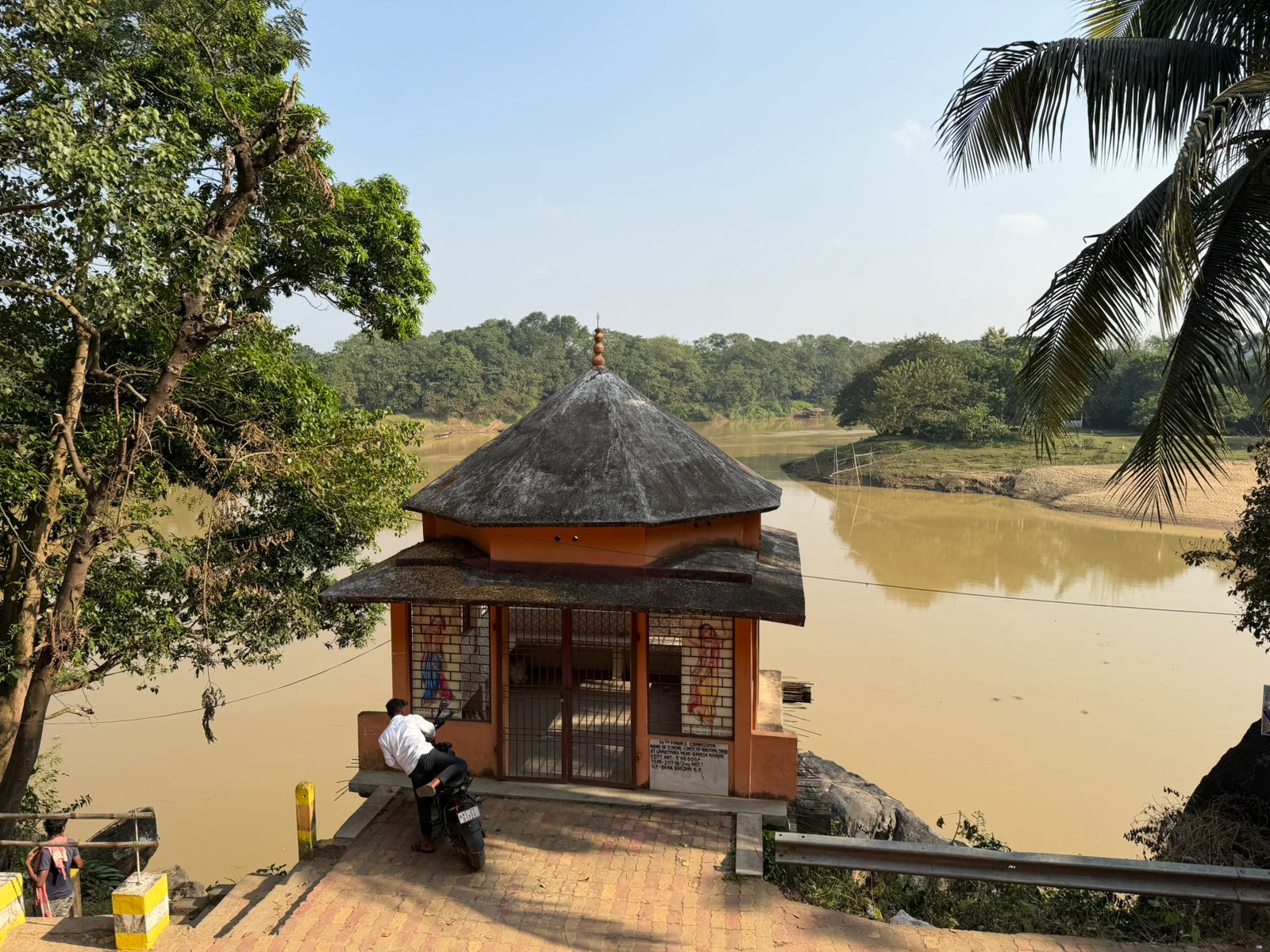
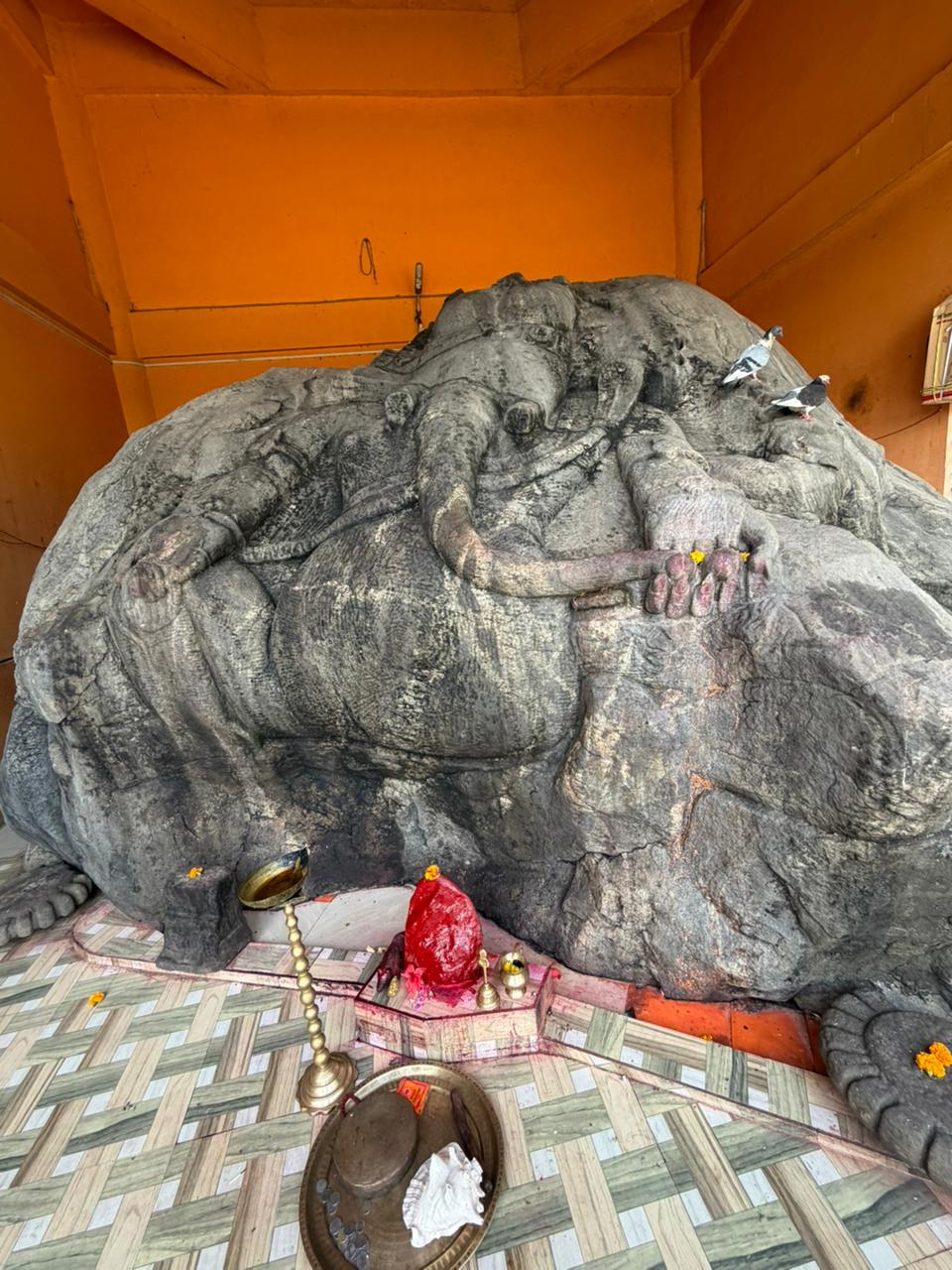
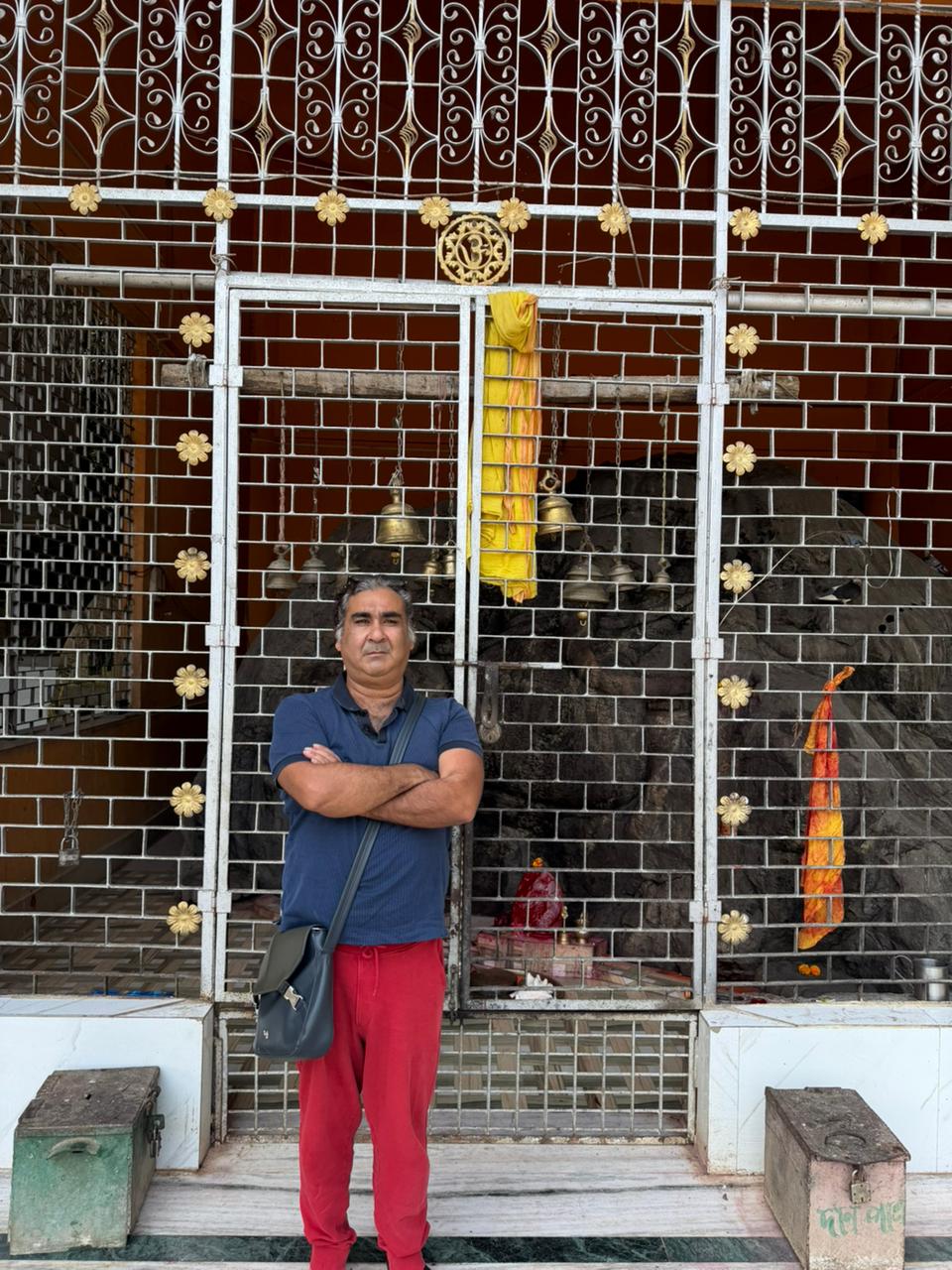
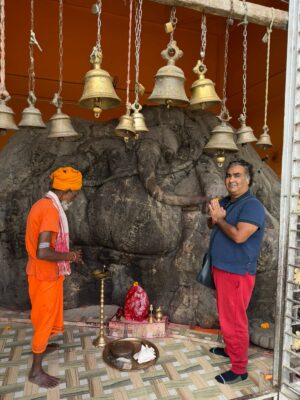
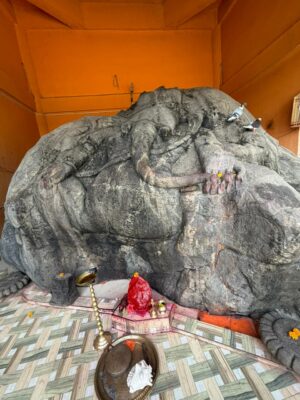
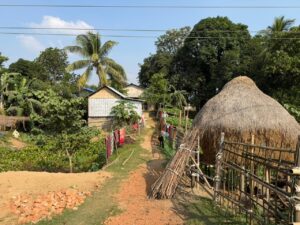
An older folk tale says that wild elephants from the forests around Mayong would stop at the base of the hill, raise their trunks, and trumpet loudly. The villagers interpreted this as the elephants acknowledging their lord Gajanan, the elephant-headed god.
When the temple structure was later built, locals said the elephants already knew their god was there.
It is also believed that ancient ojhas, tantriks and mayavis—the traditional practitioners of Mayong’s magic—would perform rituals at the base of Boha Pahar before any major act of healing, protection, or divination. Ganesha was invoked as the remover of obstacles, so that their rituals would succeed.
Some villagers say, “Even magic doesn’t work unless Ganesh Baba grants permission.”
Another myth says that Bora Pahar itself is a guardian hill. During storms and Brahmaputra floods, the hill absorbs the chaos. No major disaster has ever crossed into Bojari village from that direction.
Some local archaeologists and elders believe the site may have been a pre-Hindu tribal sacred spot, later absorbed into Hindu worship as the Ganesha temple grew. This is common in the Northeast, where animistic and Hindu traditions blend.
Add a review
Your email address will not be published. Required fields are marked *