
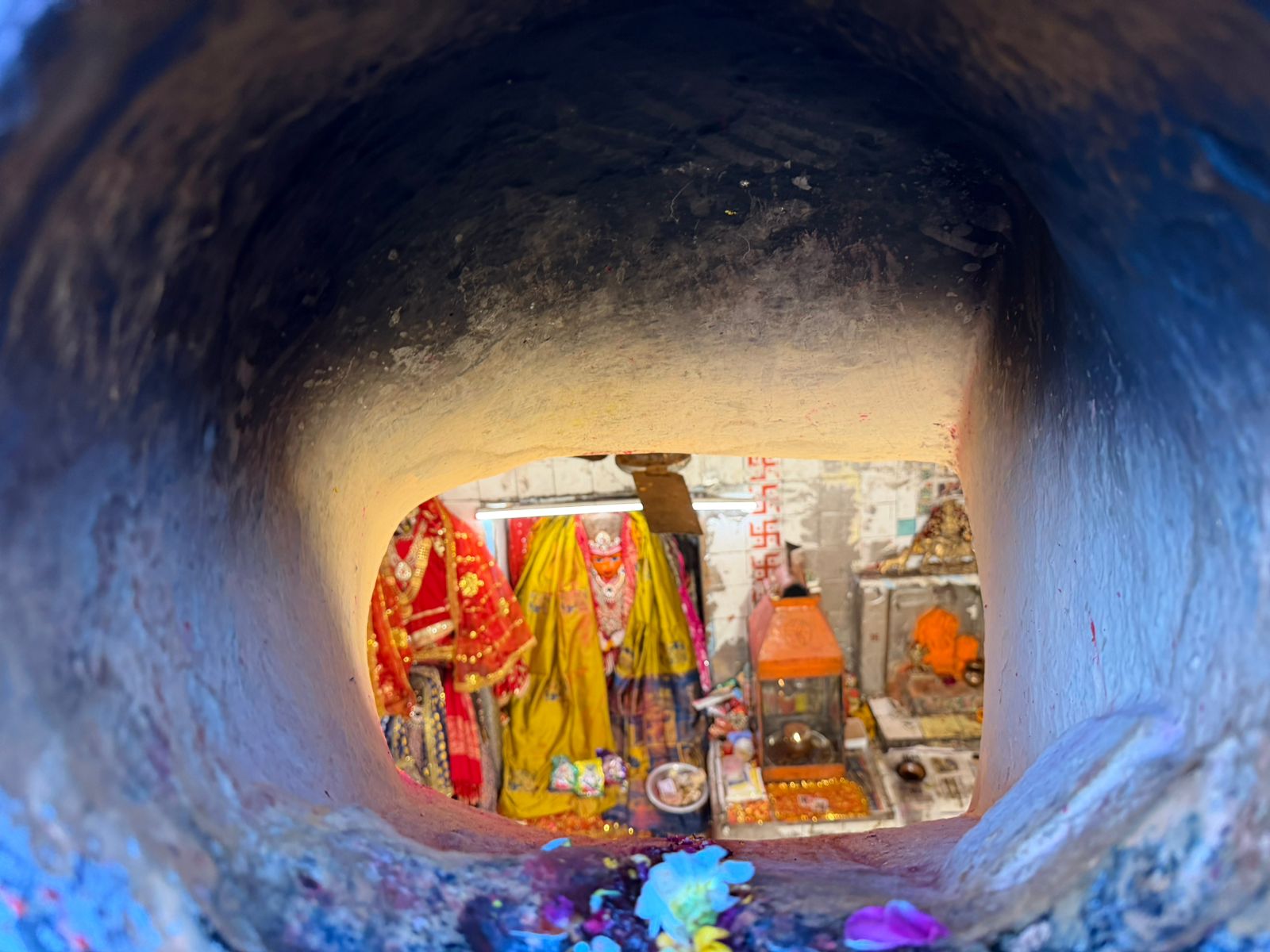
The Myth, Mystery and History of the Sacred Harsiddhi Temple
In the ancient city of Ujjain, where mythology breathes through every stone and temple bells echo stories thousands of years old, stands one of the most powerful Shakti shrines in India — the revered Harsiddhi Temple. My visit to this sacred place felt like stepping into a living legend, where faith, history, and mystery merge into one spiritual experience.
Arrival at the Temple
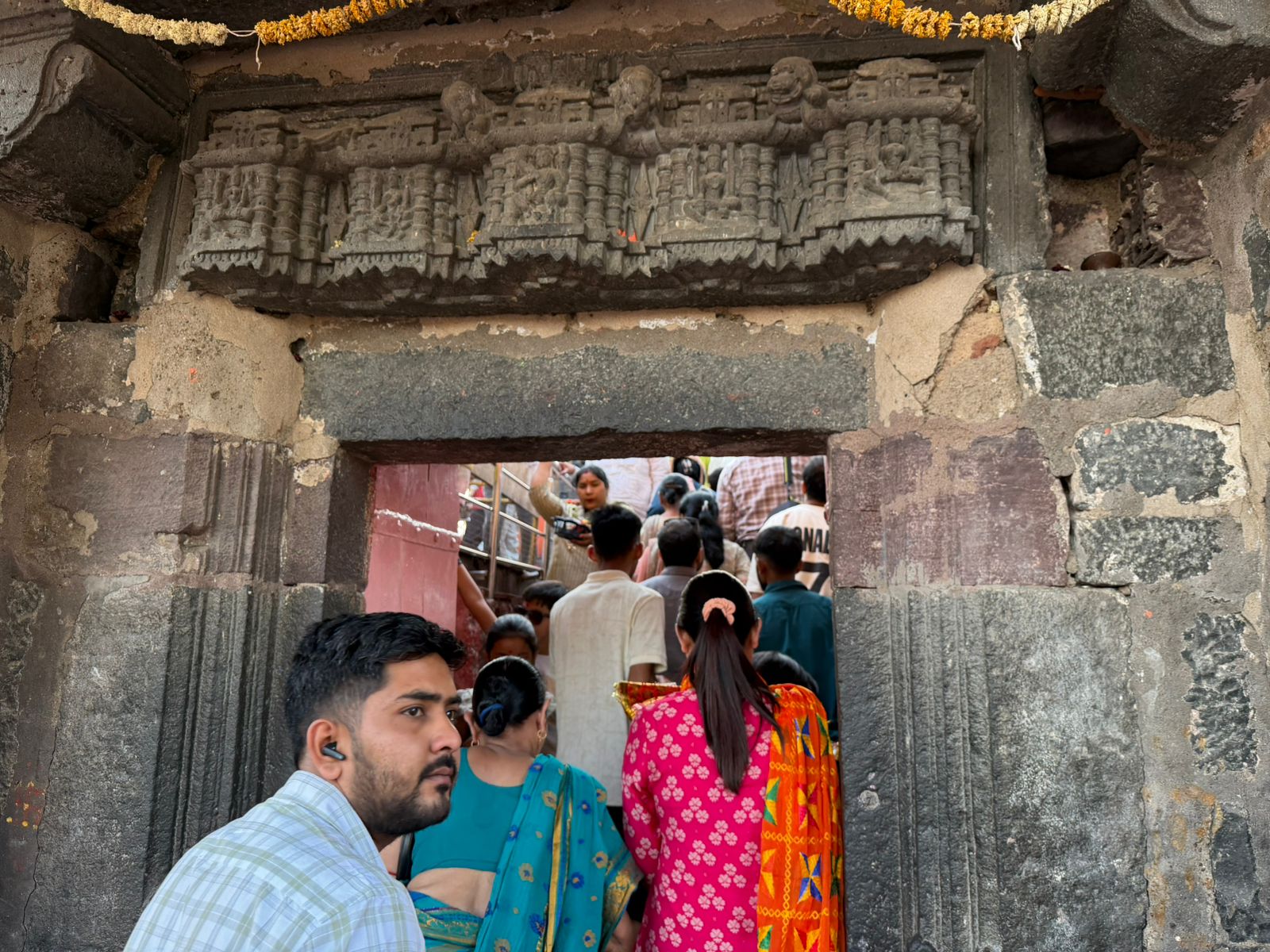
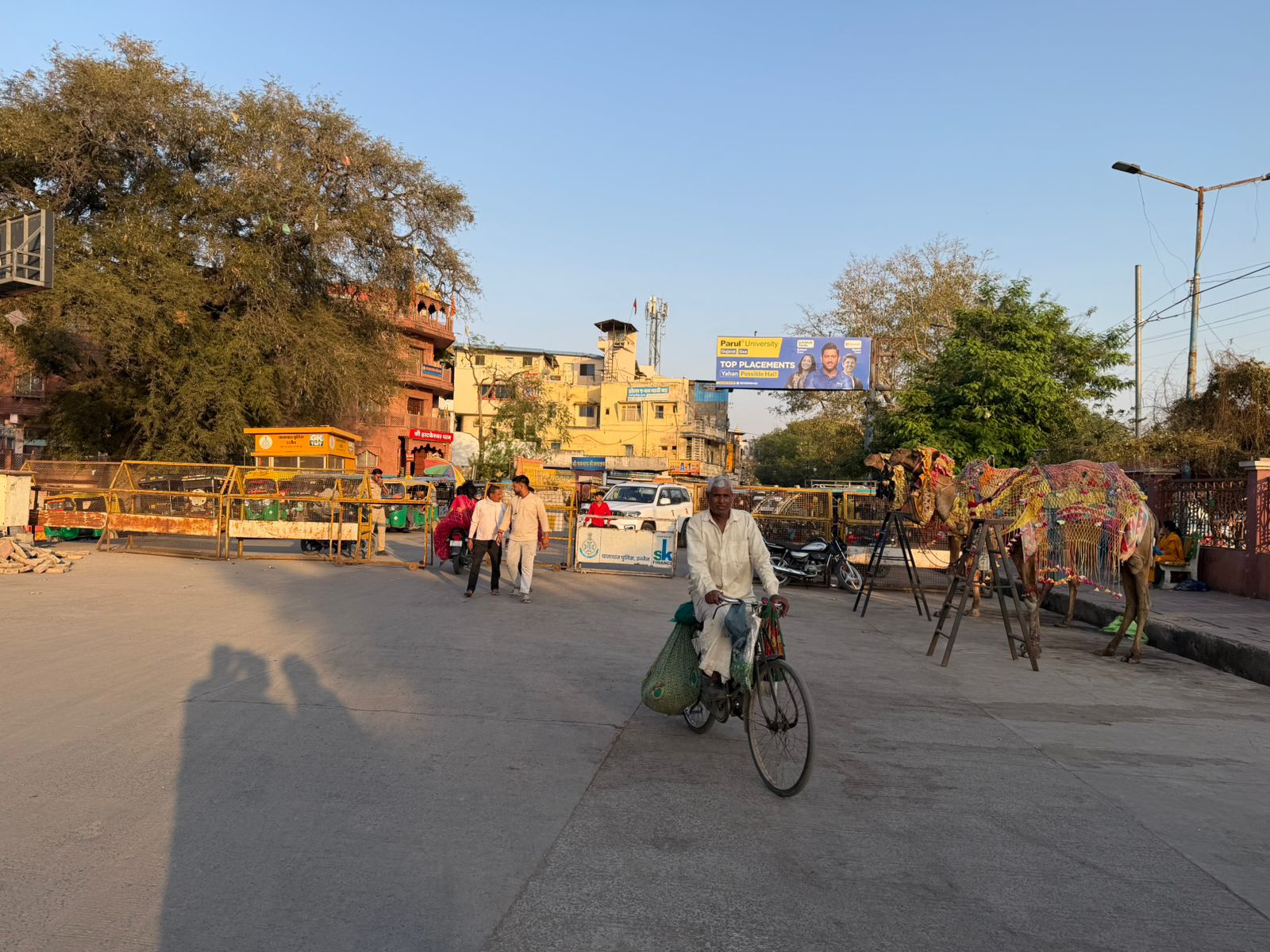
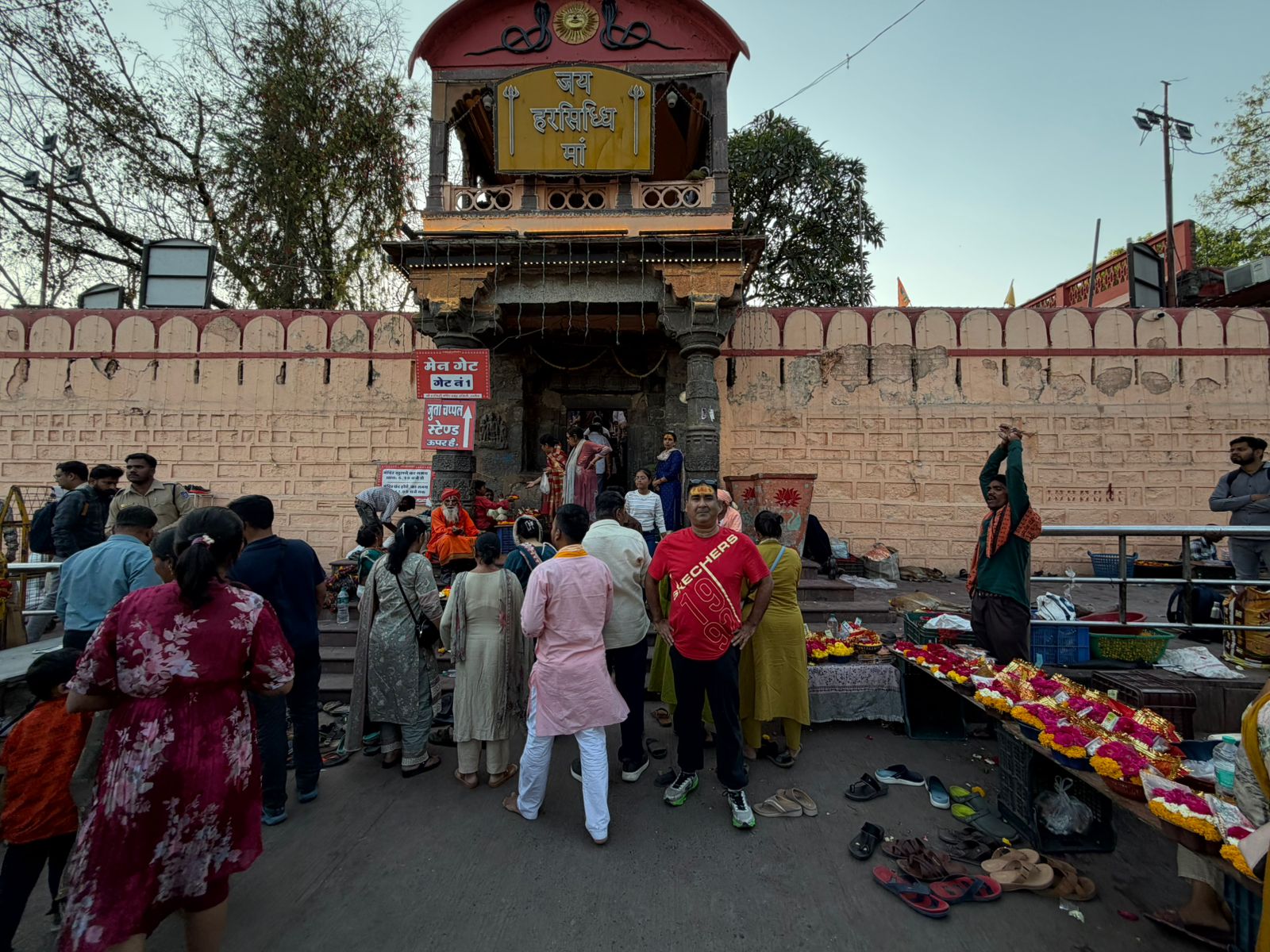
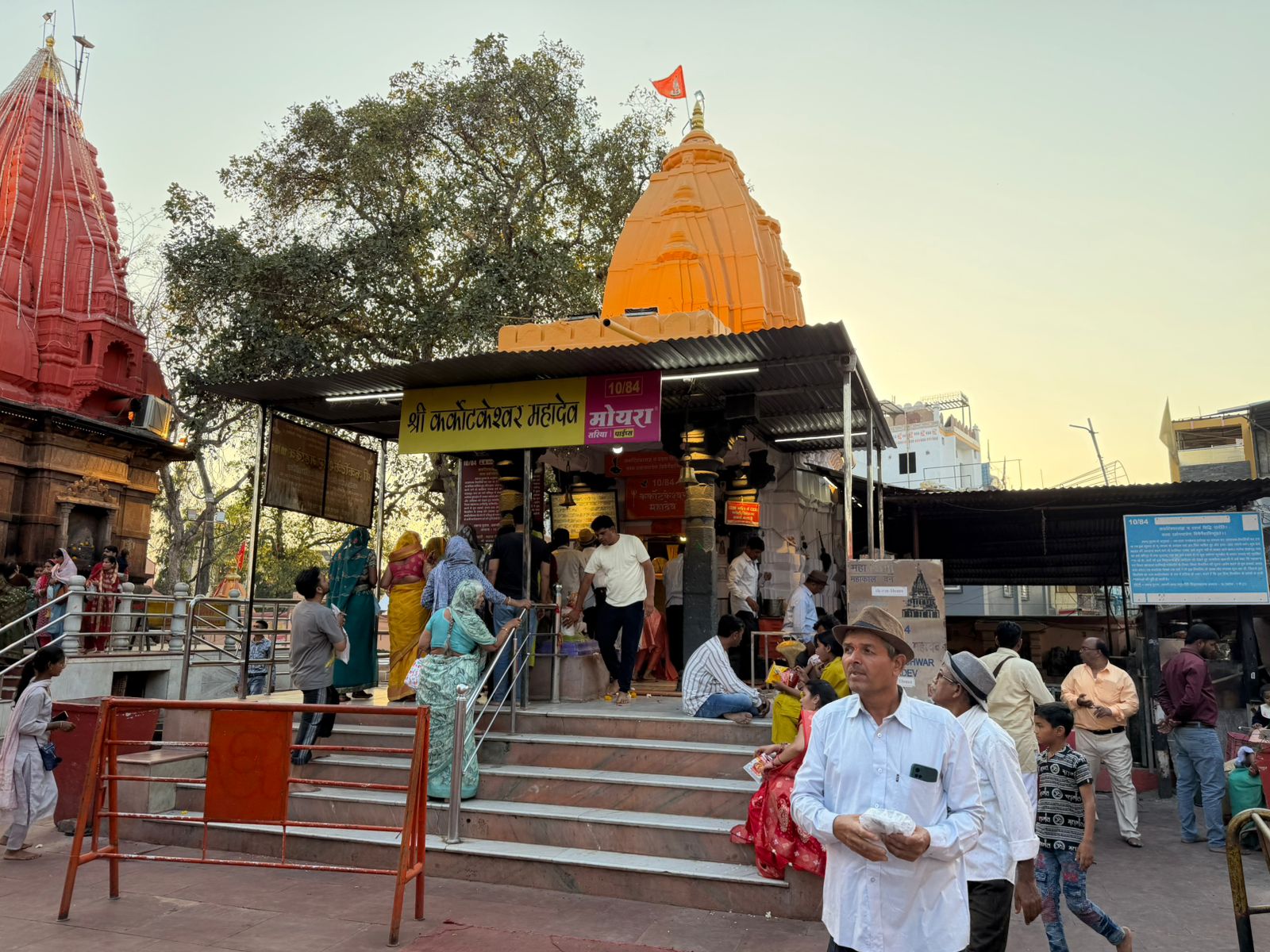
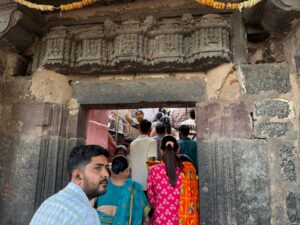
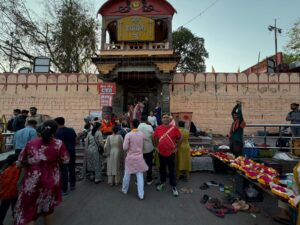
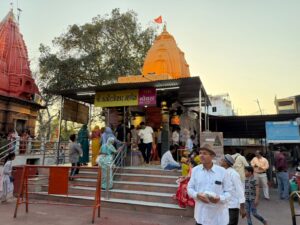
As I approached the temple gates, the air was thick with devotion. Pilgrims carrying flowers and coconuts lined up patiently, chanting “Jai Harsiddhi Maa.” The temple entrance, simple yet deeply spiritual, welcomed devotees from every corner of India.
Just a short distance from the famous Mahakaleshwar Jyotirlinga Temple, this shrine forms an important part of the spiritual circuit of Ujjain. The moment you step inside, the atmosphere changes — the bustle of the city fades, and a powerful sense of divine presence takes over.
The Mythological Origins
According to ancient Hindu mythology, the temple is closely connected with the legend of Sati and Shiva.
When Sati immolated herself in protest against the insult to her husband Shiva by her father Daksha, a grieving Shiva carried her body across the universe. To restore cosmic balance, Vishnu used his Sudarshan Chakra to cut Sati’s body into pieces. Where these sacred body parts fell became powerful Shakti Peeths.
It is believed that the elbow of Sati fell at Ujjain, making the Harsiddhi Temple one of the revered Shakti Peeths.
The Legend of King Vikramaditya
Another fascinating legend connects the temple with the legendary emperor Vikramaditya. It is said that King Vikramaditya was an ardent devotee of Goddess Harsiddhi.
According to folklore, he offered his own head to the goddess, who then restored his life. Pleased by his unwavering faith, Harsiddhi Maa blessed him with power, wisdom, and protection over his kingdom.
Harsiddhi Temple
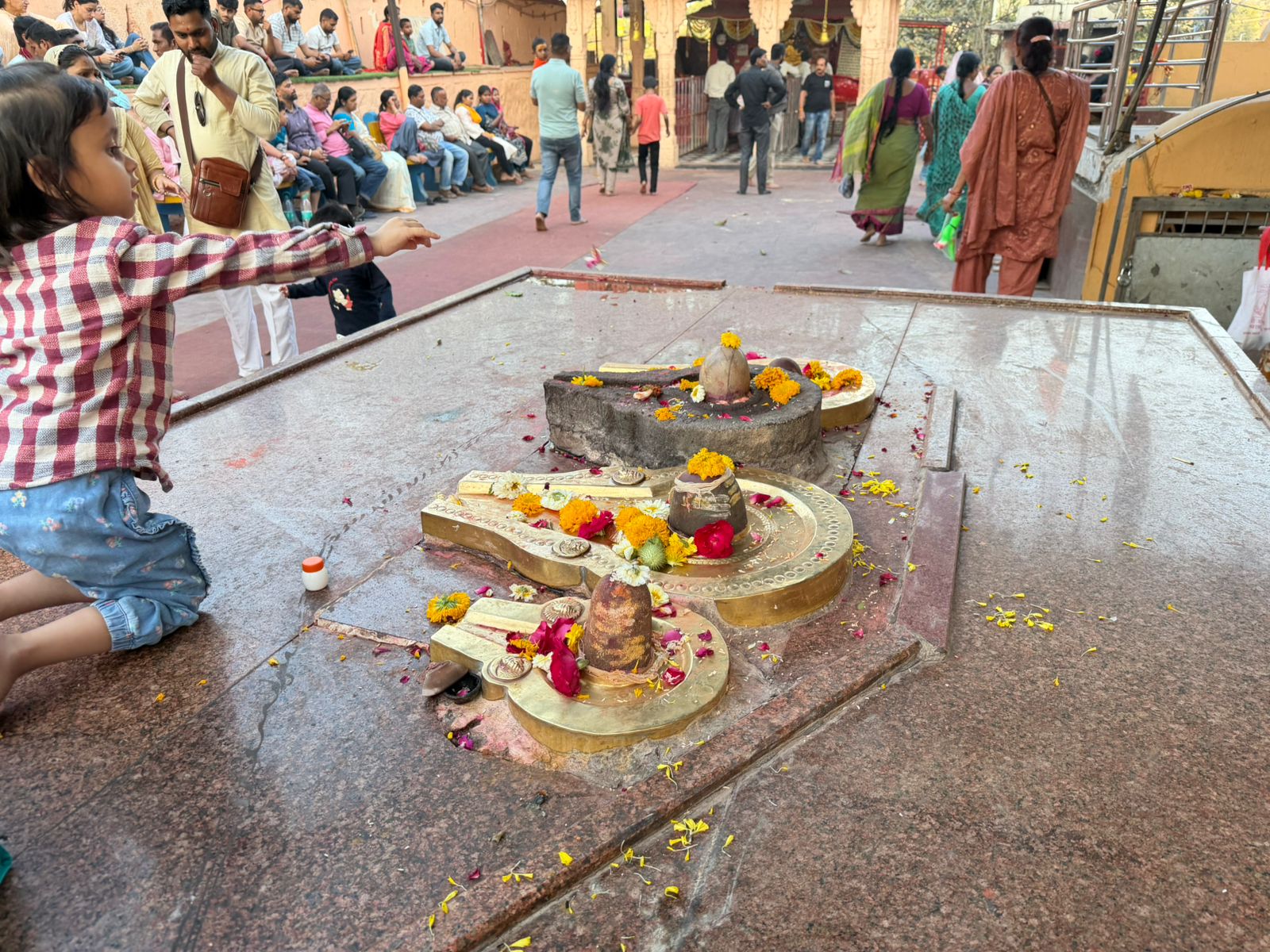
This deep connection made the temple a royal shrine during Vikramaditya’s rule and cemented its place in the spiritual identity of Ujjain.
The Towering Deep Stambhs
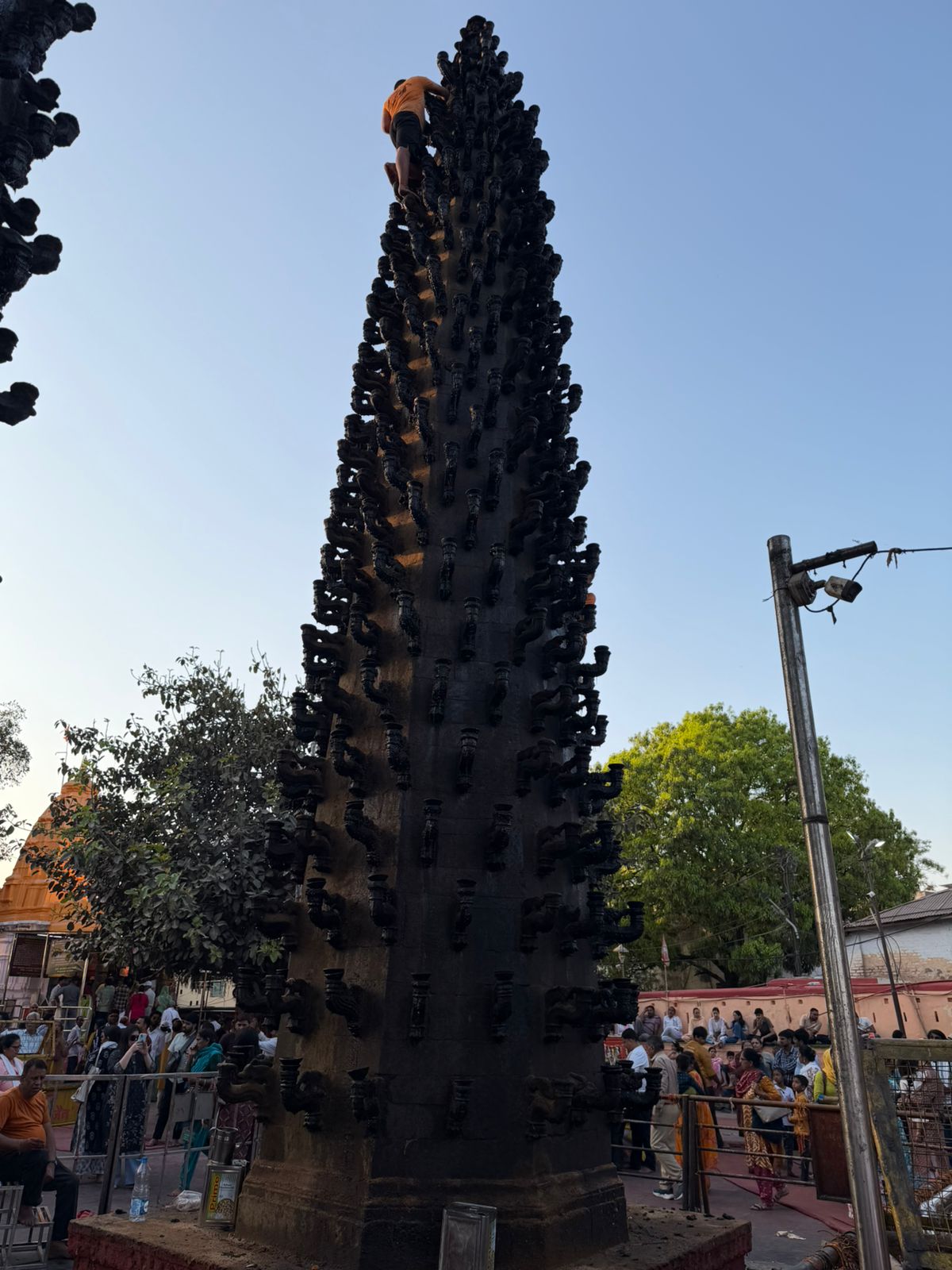
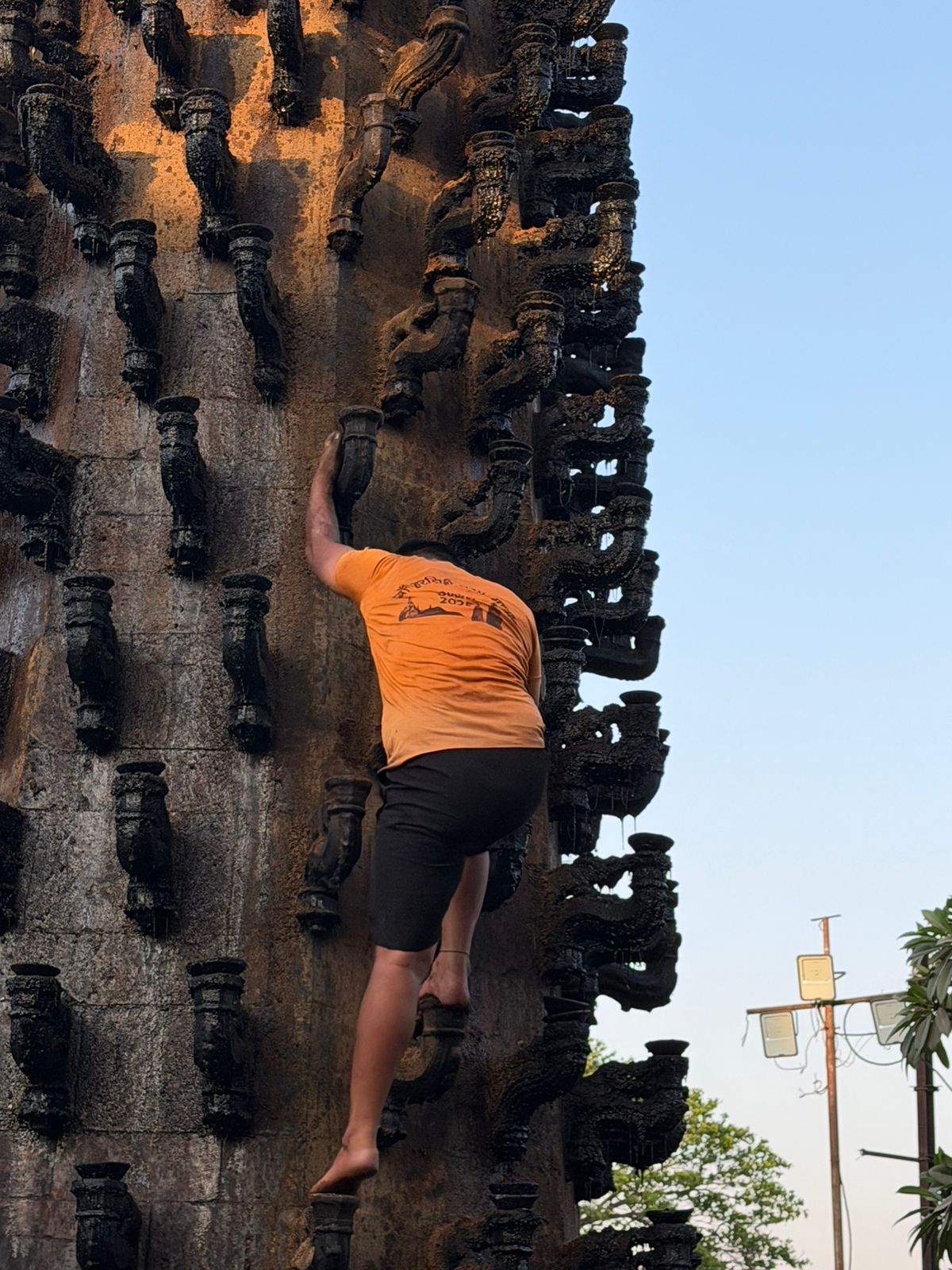
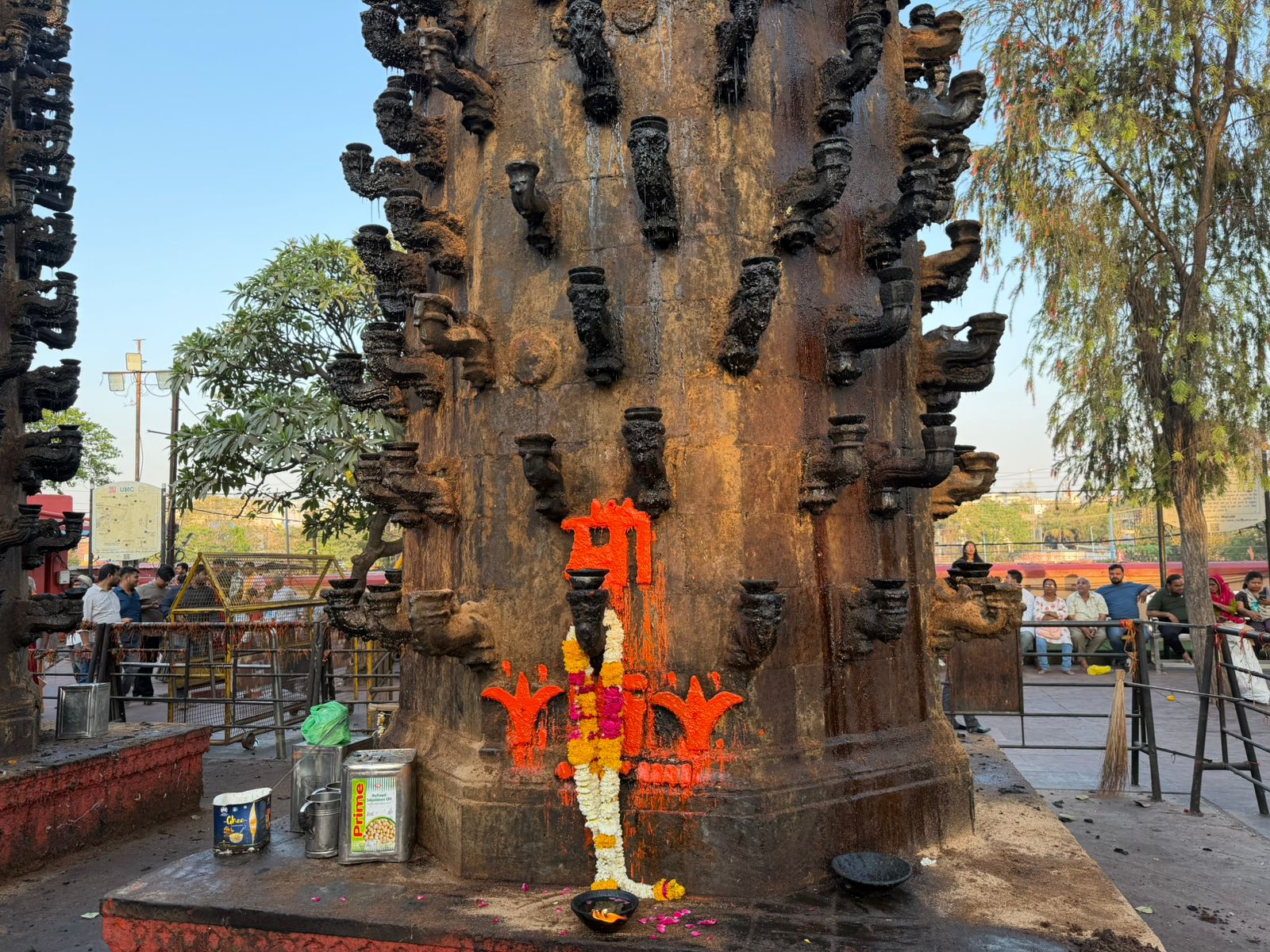
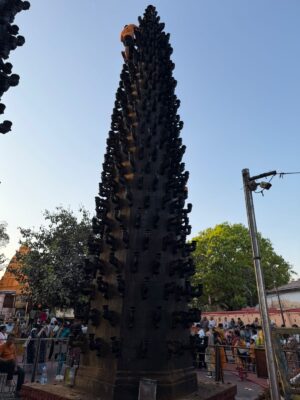
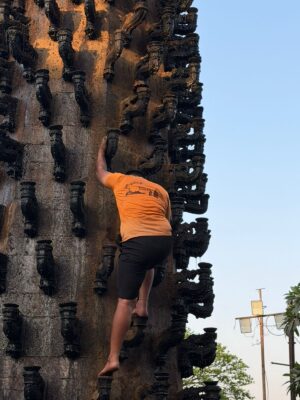
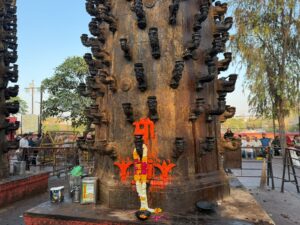
One of the most striking sights in the temple courtyard is the pair of massive lamp towers known as Deep Stambhs. These towering iron pillars are covered with hundreds of small oil lamps.
During the grand festival of Navratri, priests climb these structures and light every single lamp. When illuminated, the pillars glow like giant fire towers, creating a breathtaking spectacle that symbolizes the victory of divine light over darkness.
Watching devotees gaze at these pillars, I could feel how centuries of devotion have transformed them into sacred symbols of faith.
The Sacred Banyan Tree of Wishes
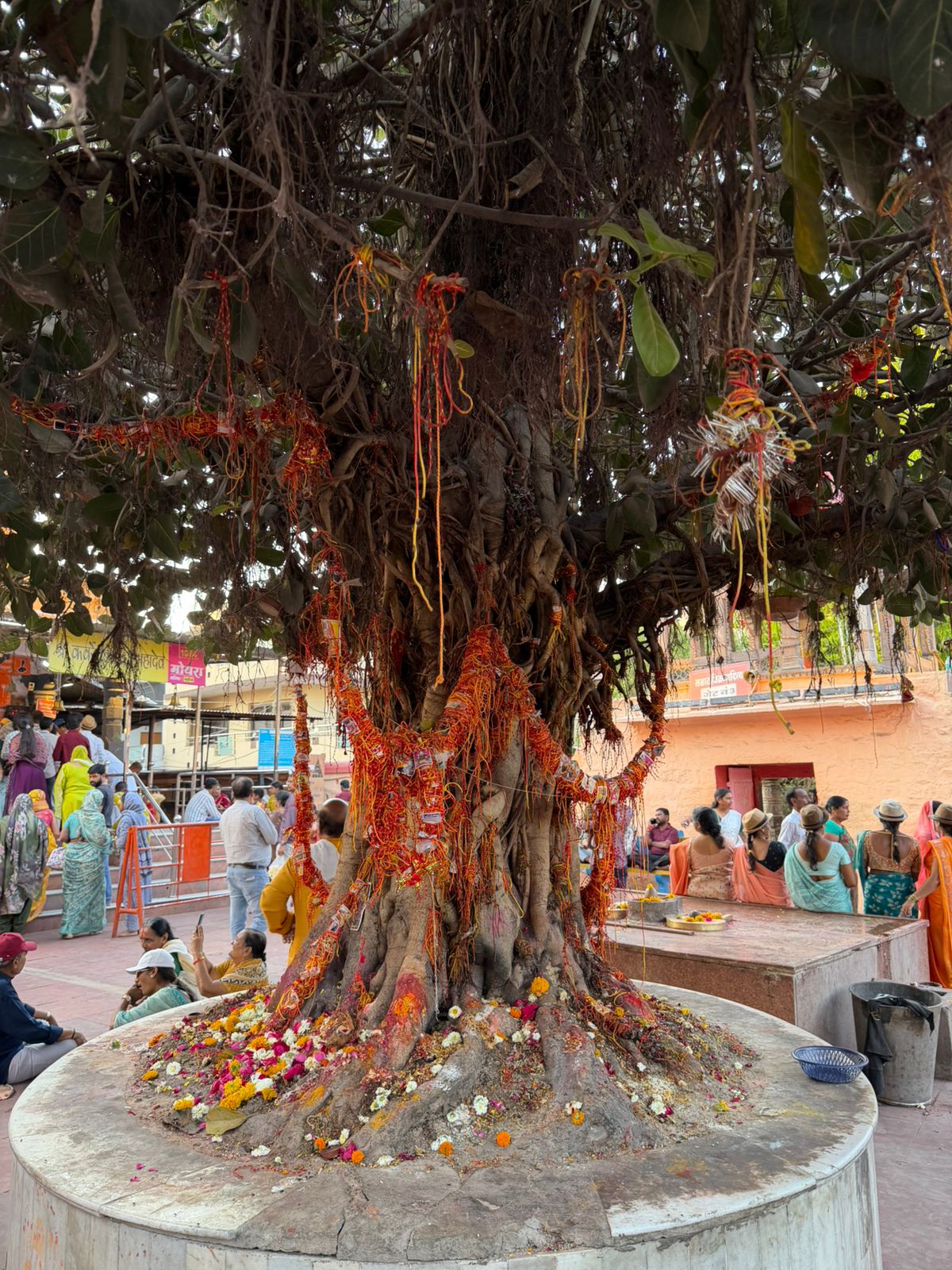
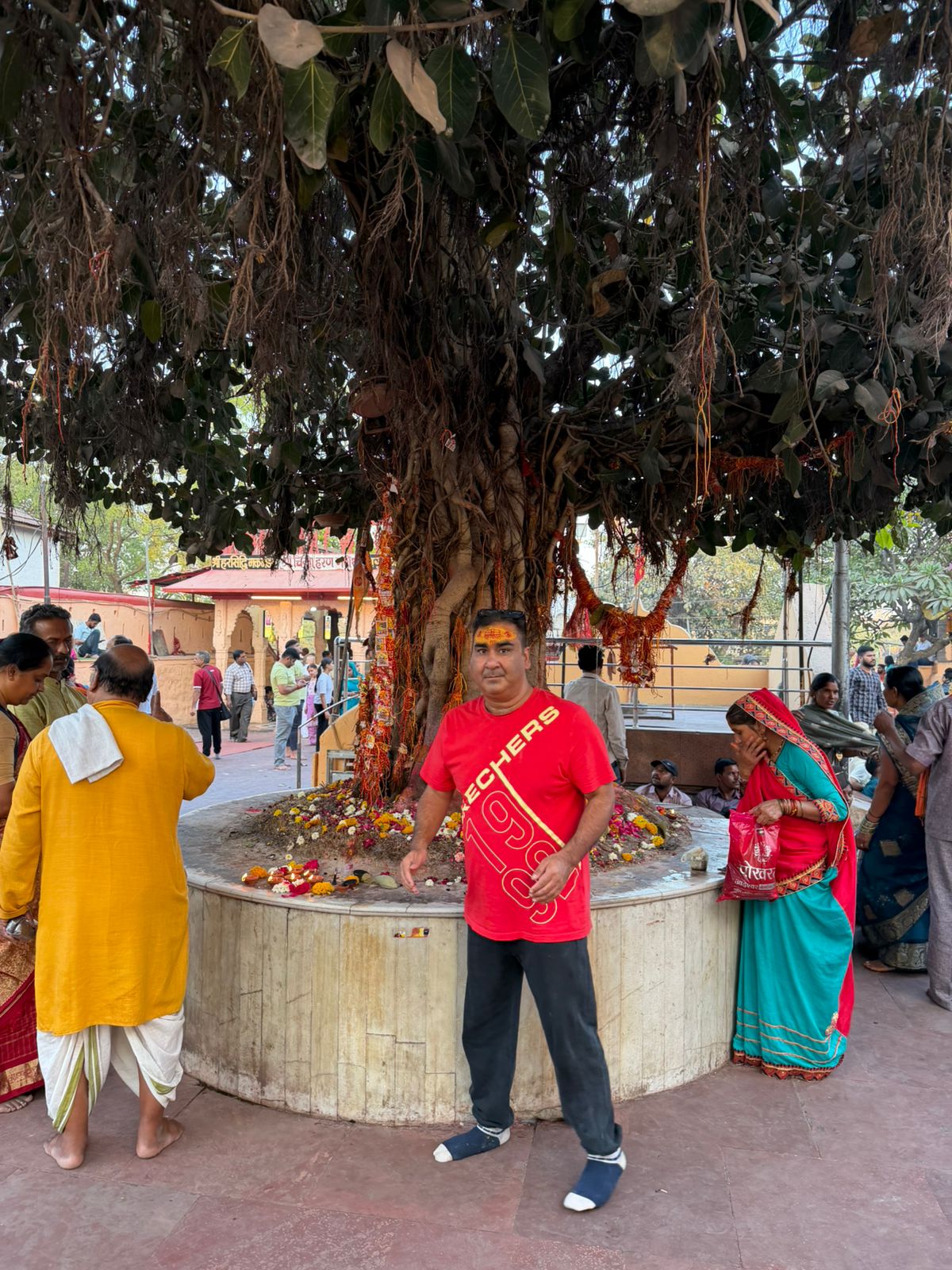
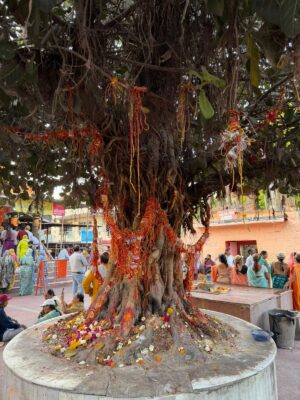
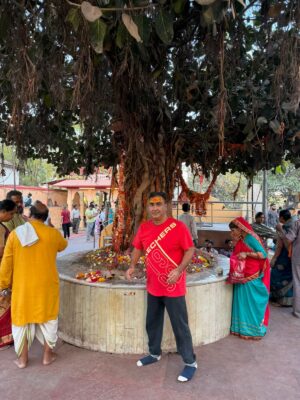
Within the temple complex stands an ancient banyan tree wrapped in thousands of red and yellow sacred threads. Devotees tie these threads while making wishes to the goddess.
The roots and branches of the tree are covered with offerings, flowers, and prayers — each one representing a hope or a miracle someone seeks. It is believed that Harsiddhi Maa listens to every sincere prayer offered here.
Inside the Sanctum
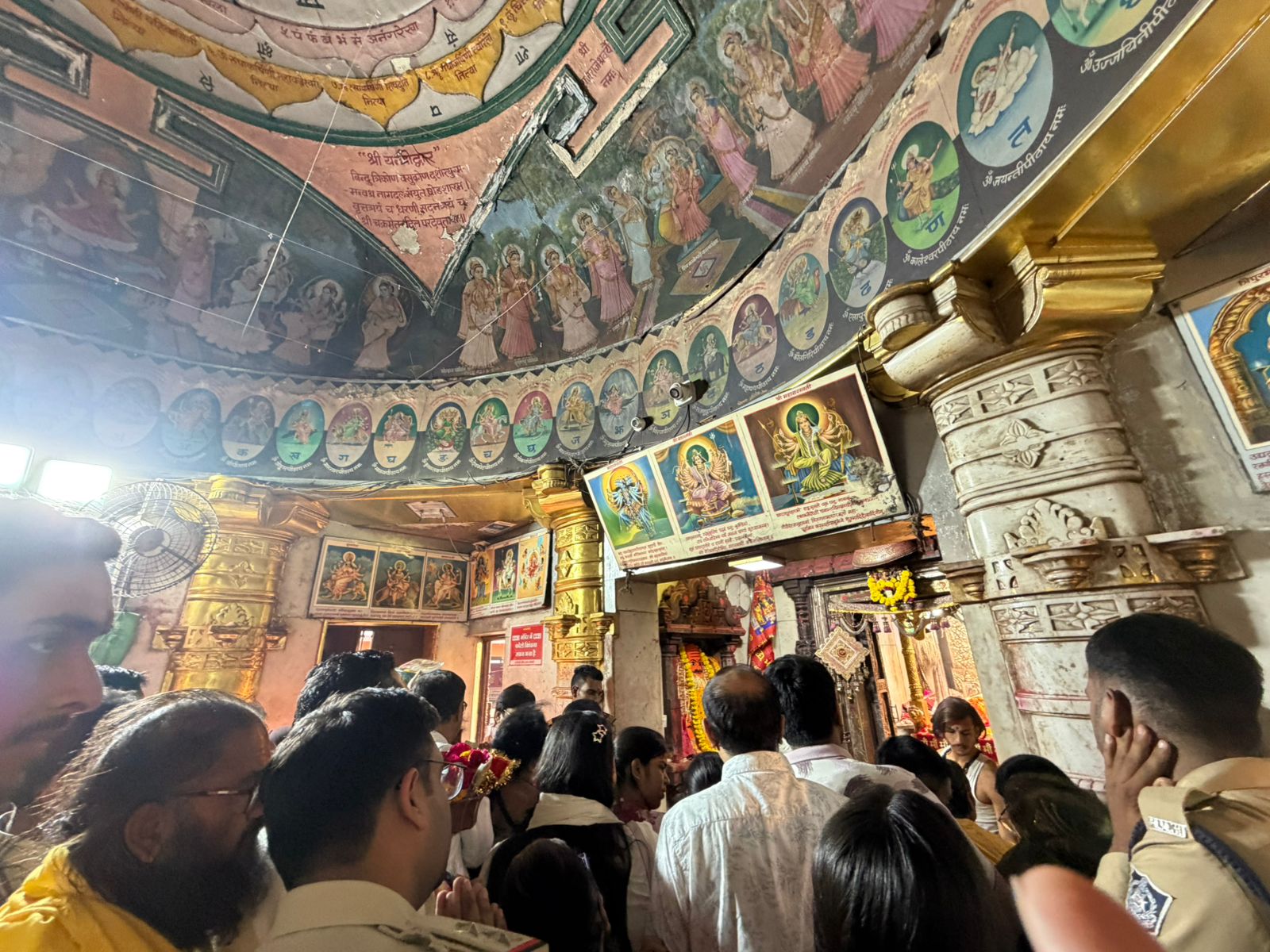
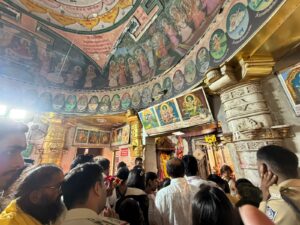
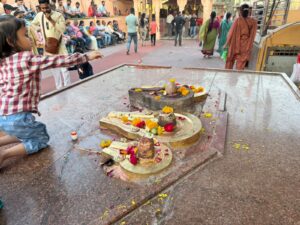
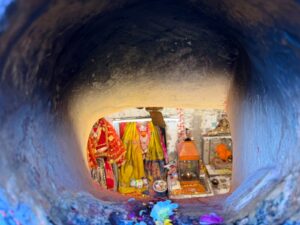
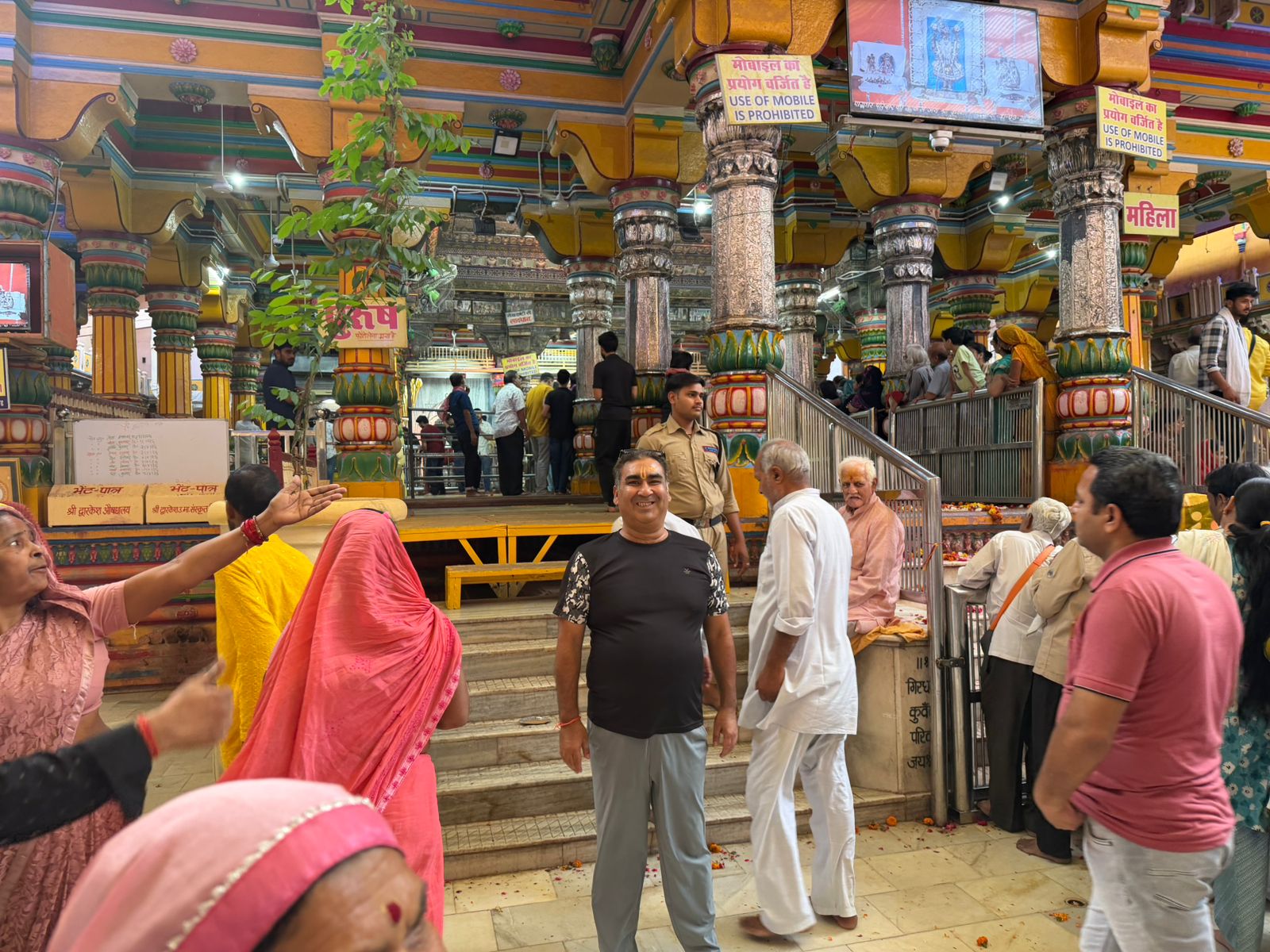
Inside the sanctum, the idol of the goddess is powerful and mesmerizing. The shrine is adorned with traditional paintings of Hindu deities and sacred imagery on the dome ceiling.
Devotees stand patiently in line for a brief but intense moment of darshan. The crowd, the ringing bells, and the chanting of priests all merge into a powerful spiritual rhythm.
In that moment, standing among hundreds of devotees, I felt the ancient energy of Ujjain — a city that has been a center of faith, astronomy, and spirituality for thousands of years.
The Eternal Power of Harsiddhi
The Harsiddhi Temple is not just a place of worship; it is a place where mythology lives, legends breathe, and devotion continues across generations.
Here, stories of gods and kings intertwine with the prayers of ordinary people. The temple reminds visitors that faith is timeless, and the divine presence continues to guide those who seek it sincerely.
Add a review
Your email address will not be published. Required fields are marked *