
The detailed history of other mighty peaks around Everest
Here’s a detailed history of other mighty peaks around Mount Everest, focusing on their discovery, first ascents, and notable facts. These peaks are part of the Himalayan range, particularly clustered around the Mahalangur Himal subrange, where Everest resides.
🌄 1. Lhotse (8,516 m / 27,940 ft)
- Location: South of Mount Everest, connected via the South Col.
- Name Meaning: “South Peak” in Tibetan.
- Discovery: Surveyed during the Great Trigonometric Survey in the mid-19th century.
- First Ascent: May 18, 1956, by Fritz Luchsinger and Ernst Reiss (Swiss Expedition).
- Notable Facts:
- Lhotse shares much of the route with Everest’s South Col route up to Camp IV.
- Lhotse Middle (8,410 m) was considered the highest unclimbed named point until 2011.
- Lhotse Face is a treacherous wall of blue ice frequently climbed by Everest climbers.
🌄 2. Makalu (8,485 m / 27,838 ft)
- Location: 19 km (12 mi) southeast of Everest, on the Nepal-Tibet border.
- Name Meaning: Named after the Hindu god Mahākāla.
- Discovery: Identified by the British in early Everest surveys.
- First Ascent: May 15, 1955, by Lionel Terray and Jean Couzy (French Expedition).
- Notable Facts:
- Known for its steep pitches and knife-edged ridges.
- Makalu is considered one of the most difficult 8000ers.
- Makalu II/Kangchungtse (7,678 m) is a subsidiary peak.
🌄 3. Cho Oyu (8,188 m / 26,864 ft)
- Location: 20 km west of Everest, straddling Nepal and Tibet.
- Name Meaning: “Turquoise Goddess” in Tibetan.
- Discovery: Mapped during Everest reconnaissance in the 1920s.
- First Ascent: October 19, 1954, by Joseph Jöchler, Herbert Tichy, and Sherpa Pasang Dawa Lama (Austrian Expedition).
- Notable Facts:
- Considered the easiest 8000-meter peak to climb.
- Frequently used for acclimatization by Himalayan climbers.
- Popular among commercial expeditions.
🌄 4. Nuptse (7,861 m / 25,791 ft)
- Location: Southwest of Everest, part of the Everest massif.
- Name Meaning: “West Peak” in Tibetan.
- Discovery: Surveyed along with Everest in the 1950s.
- First Ascent: May 16, 1961, by Dennis Davis and Sherpa Tashi (British Expedition).
- Notable Facts:
- Often mistaken as part of Everest due to proximity.
- Known for deadly avalanches; technically difficult.
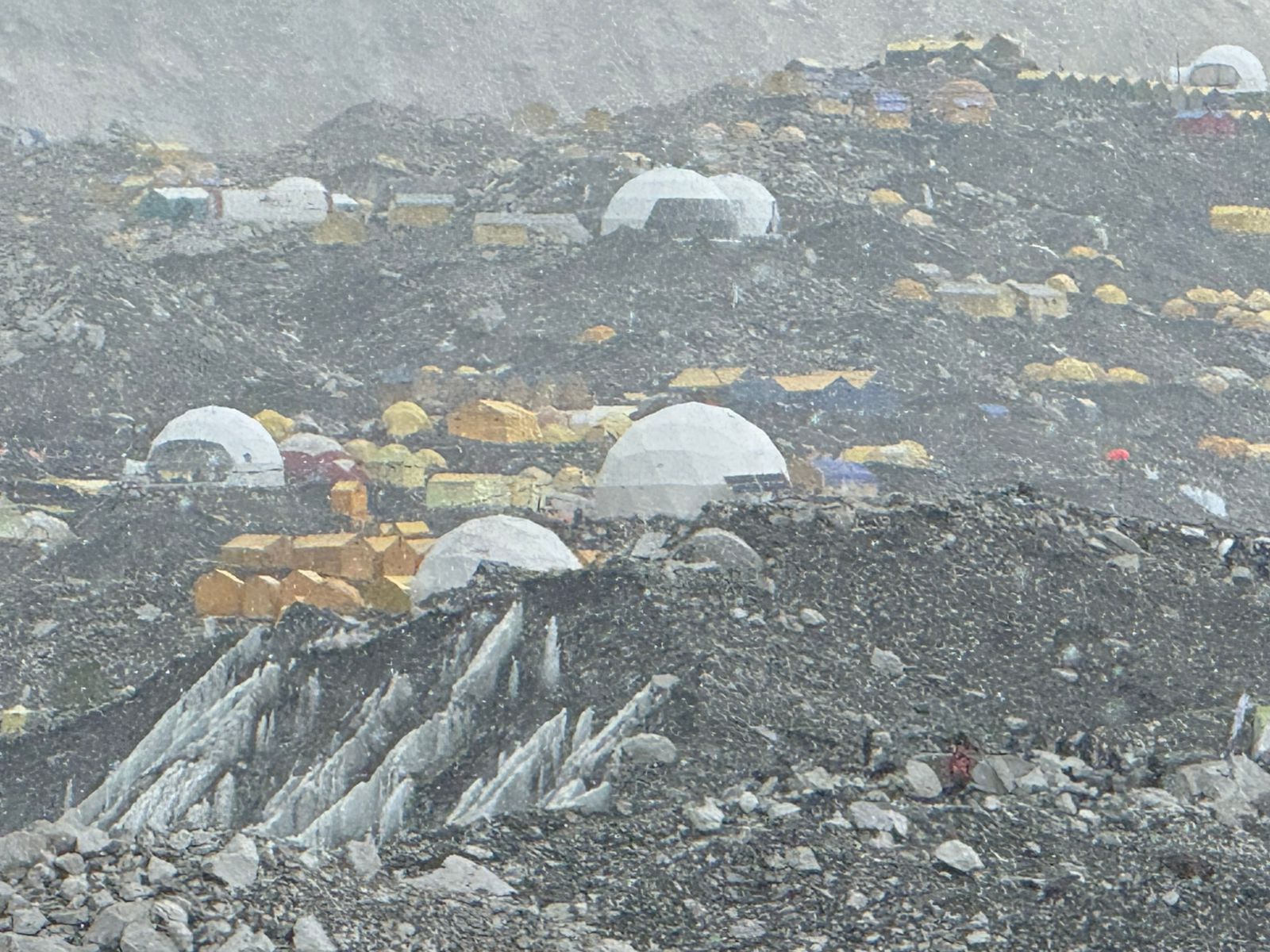
- Its towering face dominates views from Everest Base Camp.
🌄 5. Pumori (7,161 m / 23,494 ft)
- Location: Just 8 km west of Everest.
- Name Meaning: “Daughter of the Mountain” — named by George Mallory.
- First Ascent: May 17, 1962, by Gerhard Lenser (German-Swiss Expedition).
- Notable Facts:
- Offers stunning views of Everest.
- Popular for intermediate high-altitude mountaineers.
- Dangerous due to frequent avalanches and exposure.
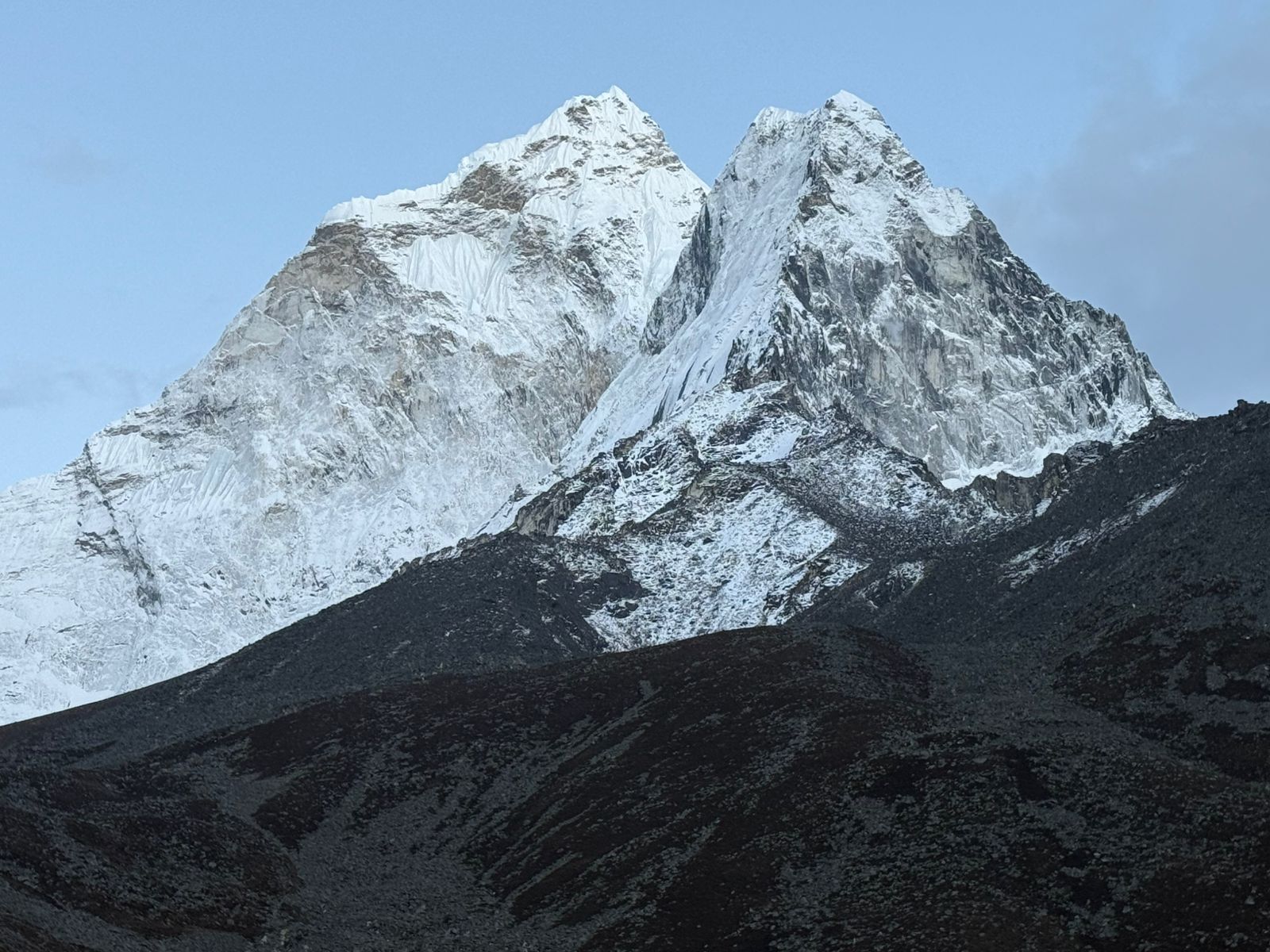
🌄 6. Ama Dablam (6,812 m / 22,349 ft)
- Location: Southeast of Everest near the trail to Base Camp.
- Name Meaning: “Mother’s Necklace” — the hanging glacier resembles a dablam (traditional pendant).
- First Ascent: March 13, 1961, by Mike Gill, Barry Bishop, Mike Ward, and Wally Romanes.
- Notable Facts:
- Considered the most beautiful mountain in the region.
- Technically challenging despite its moderate height.
- A popular peak for skilled climbers seeking technical routes.
🗺️ Context of Discovery
Many of these peaks were first documented during the Great Trigonometric Survey of India (1802–1871), especially when the British were attempting to determine the highest point on Earth. Mt. Everest (Peak XV) was declared the tallest in 1856, which brought global attention to the surrounding Himalayan giants.
Related blog post
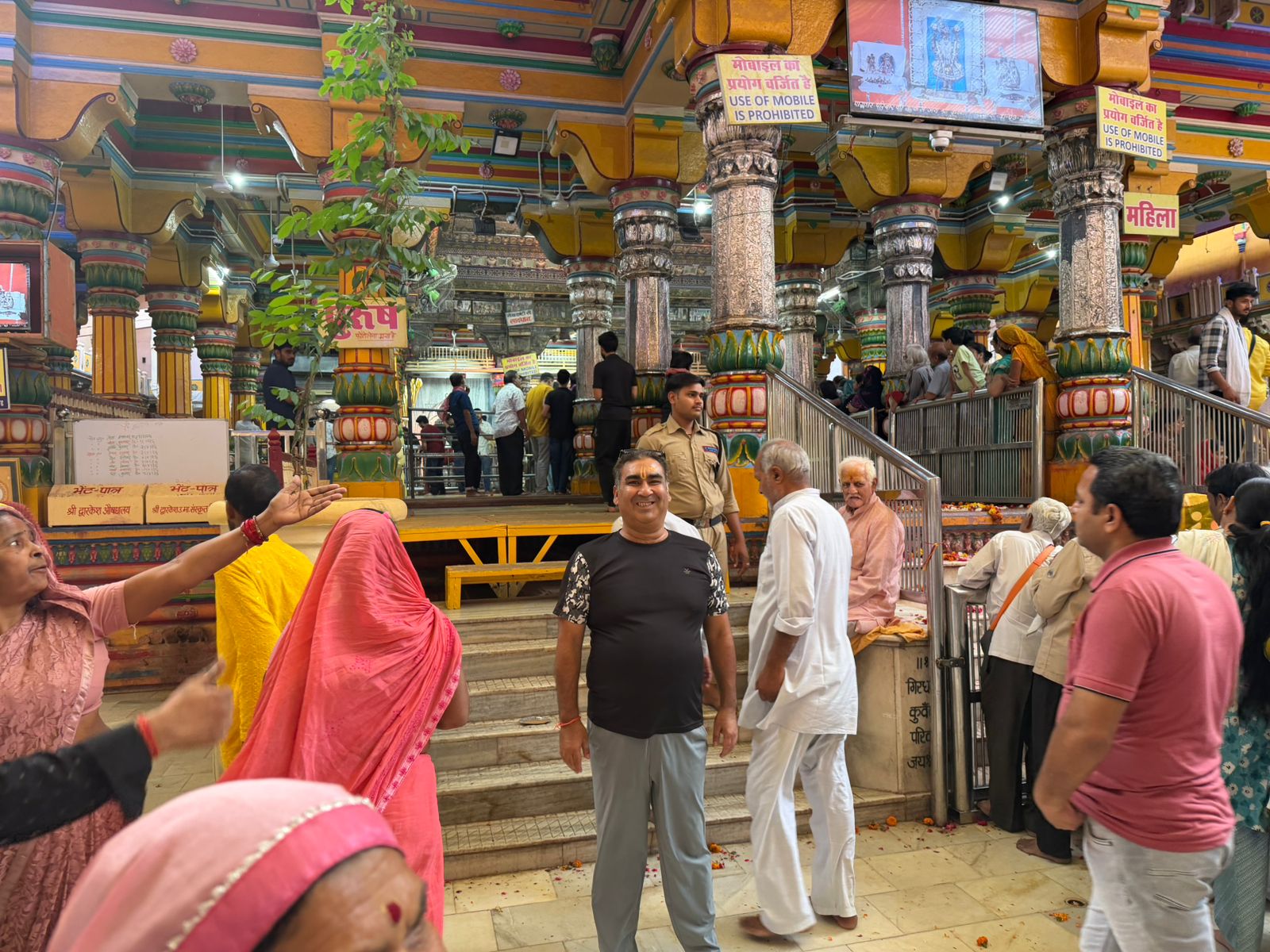
A Divine Visit to Shri Dwarkadhish Maharaj Temple: Mathura
In the sacred heart of Mathura, where every corner whispers stories of Krishna, my visit to Shri Dwarkadhish Temple turned out to be one of the
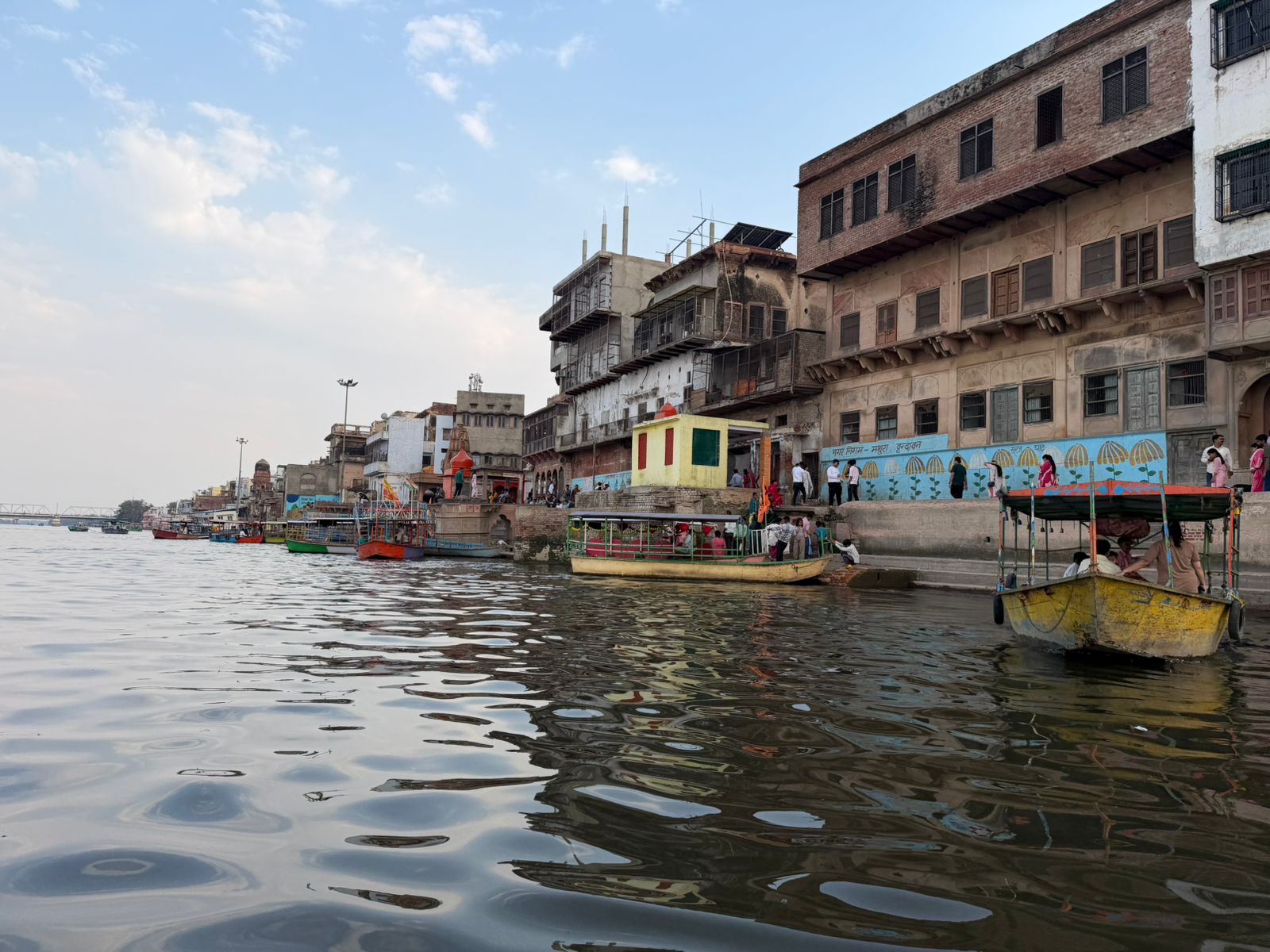
Gau Ghat, Mathura – Where the Yamuna Whispers Stories of Time
In the sacred city of Mathura, where every street seems to echo with the name of Krishna, the ghats along the Yamuna River hold a quiet,
Krishna Janmabhoomi – Mathura: Walking Through the Birthplace of a God
There are places you visit as a traveller, and then there are places you arrive at as a pilgrim—whether you intend to or not. The Krishna
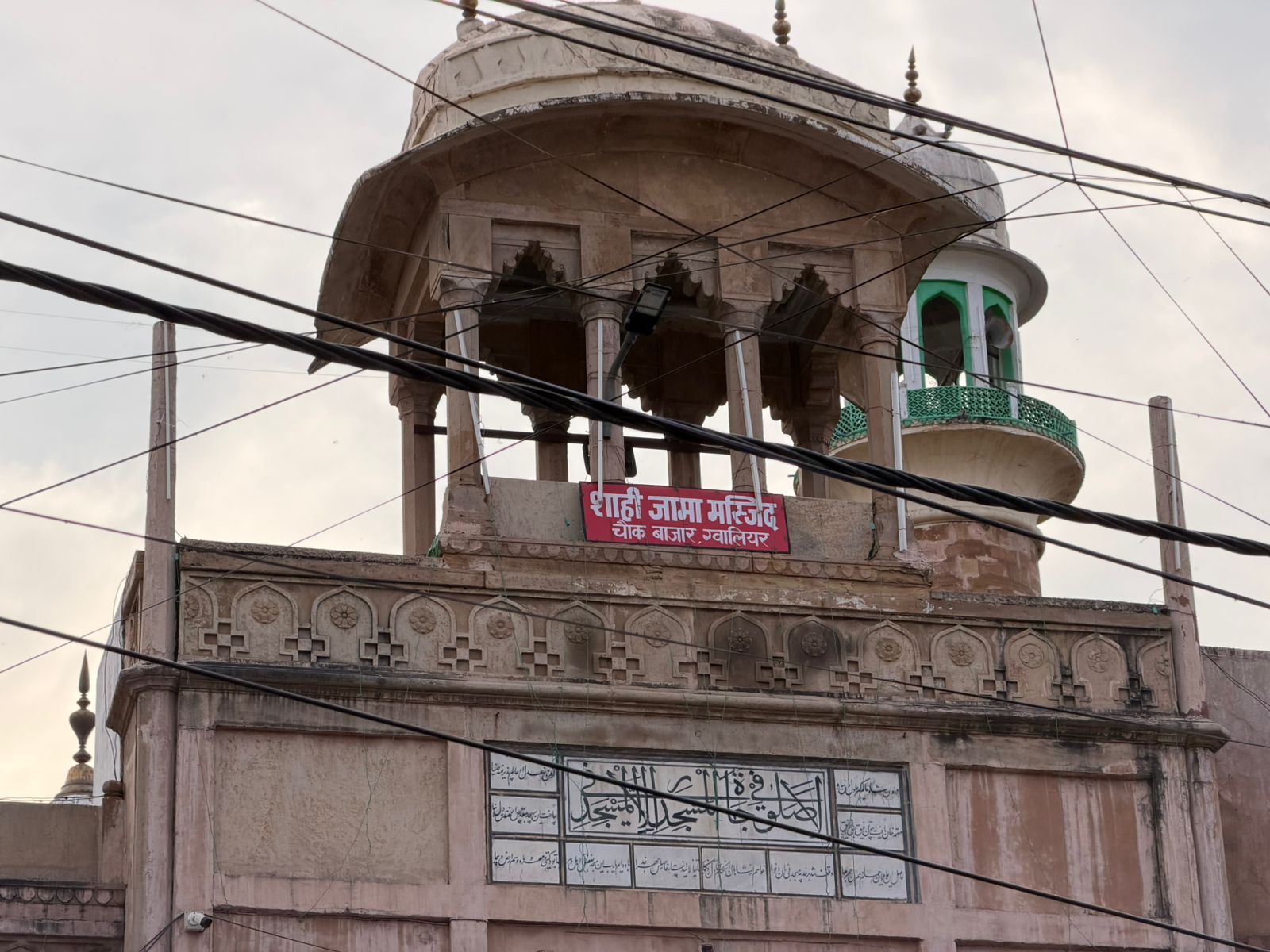
A Walk Through Faith and Chaos: The Shahi Jama Masjid, Gwalior
First Impression
My journey to the Shahi Jama Masjid didn’t begin with silence; it began with noise. The narrow lanes of Chawk Bazaar were alive with honking
Gujari Mahal, Gwalior: A Place Built for Love, Strength, and Legacy
First Glimpse: Walking into History
As I stood at the entrance of Gujari Mahal, the weathered red sandstone gateway felt like a portal into another era. The
Add a review
Your email address will not be published. Required fields are marked *