
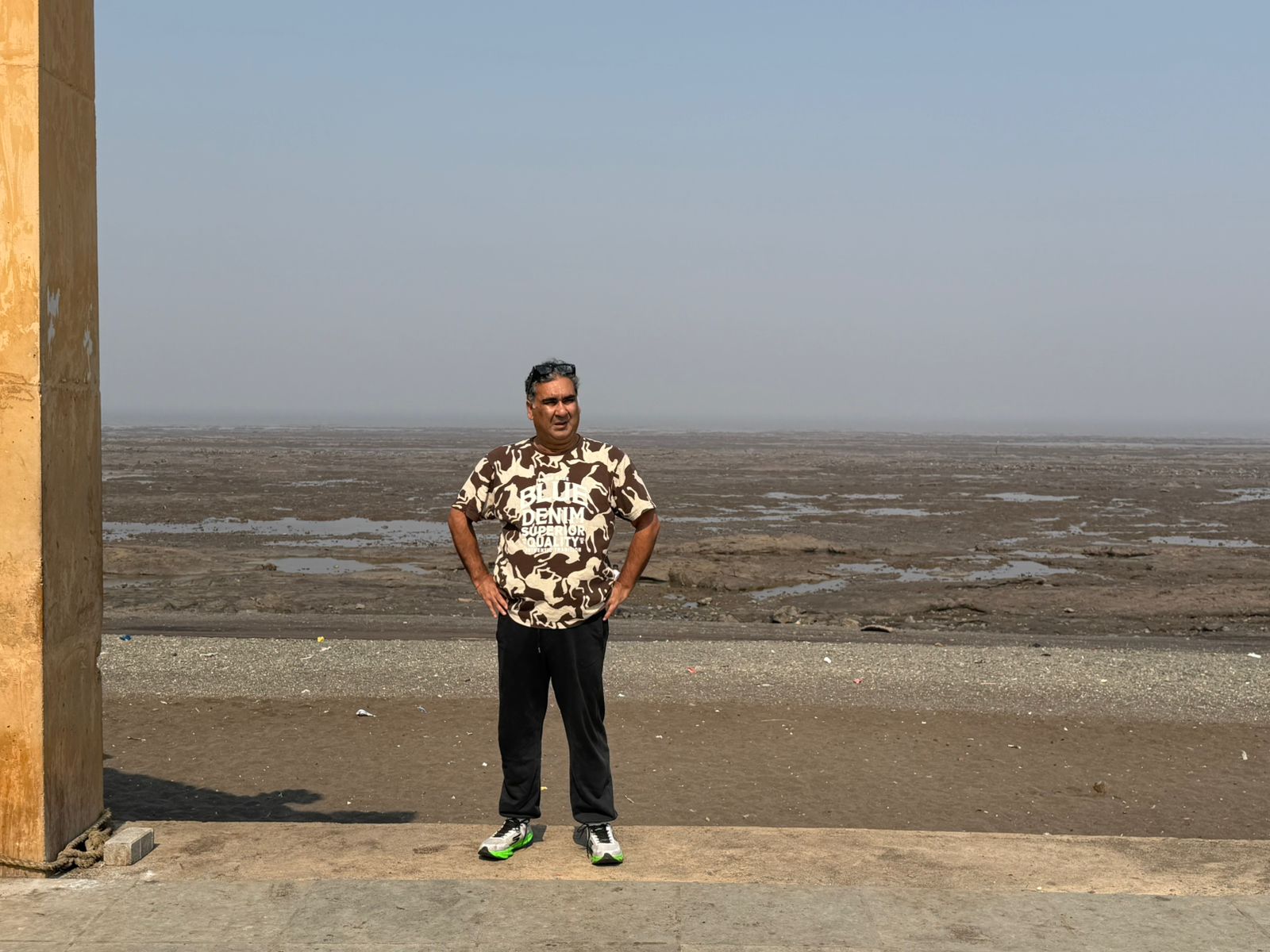
Off to Daman – Exploring Ancient Portuguese Heritage
Daman was where I was headed next. This was going to be my last stop on my Gujarat odyssey, and I had already made up my mind to spend more time near the sea. Seaside cities like Diu and Daman have given me immense joy during this journey. I feel blessed to be here.
It took us about five hours to reach my resort near Devka Beach. It was a warm afternoon when we arrived. Later in the evening, I stepped out to get a feel of the city.
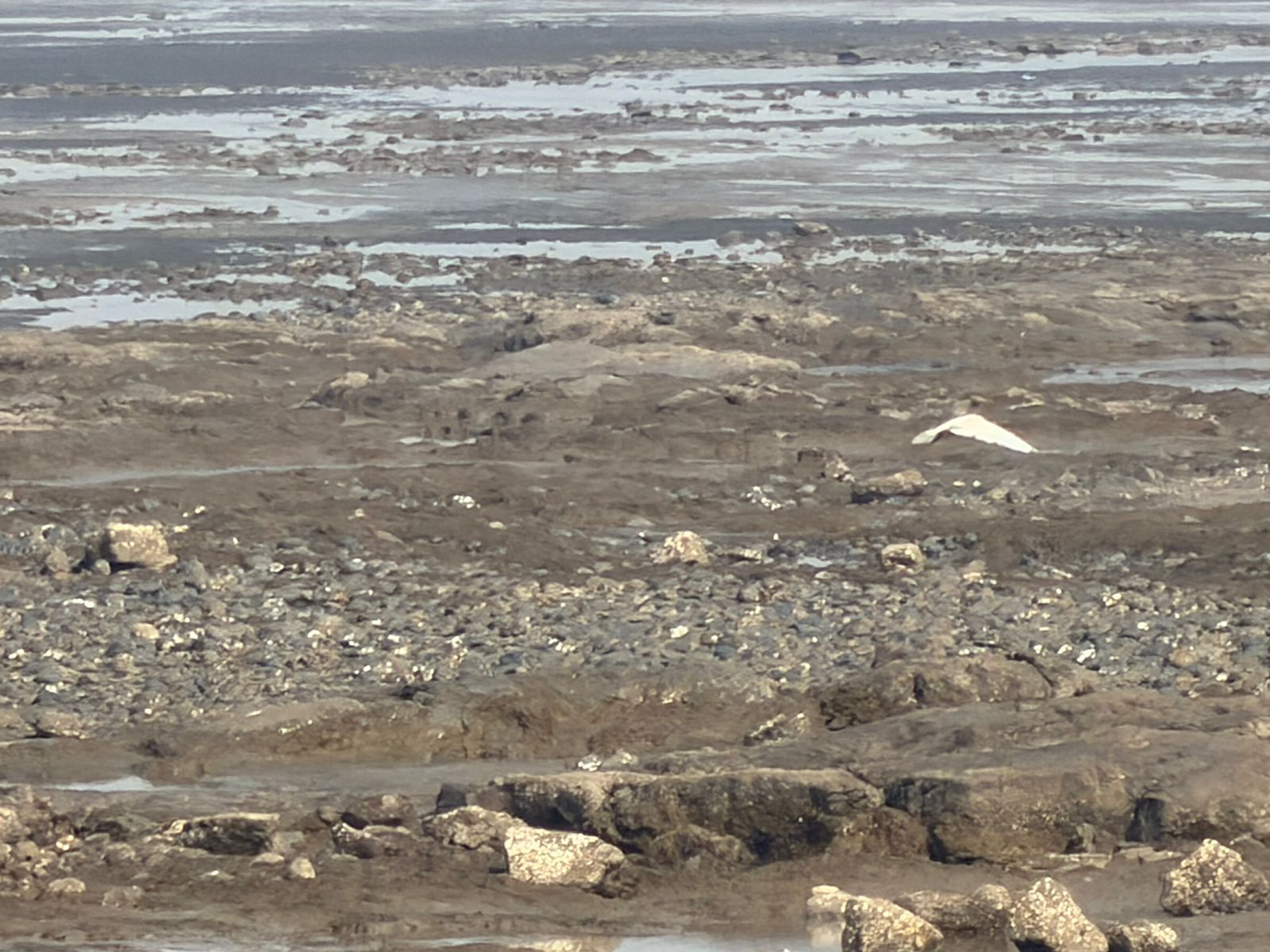
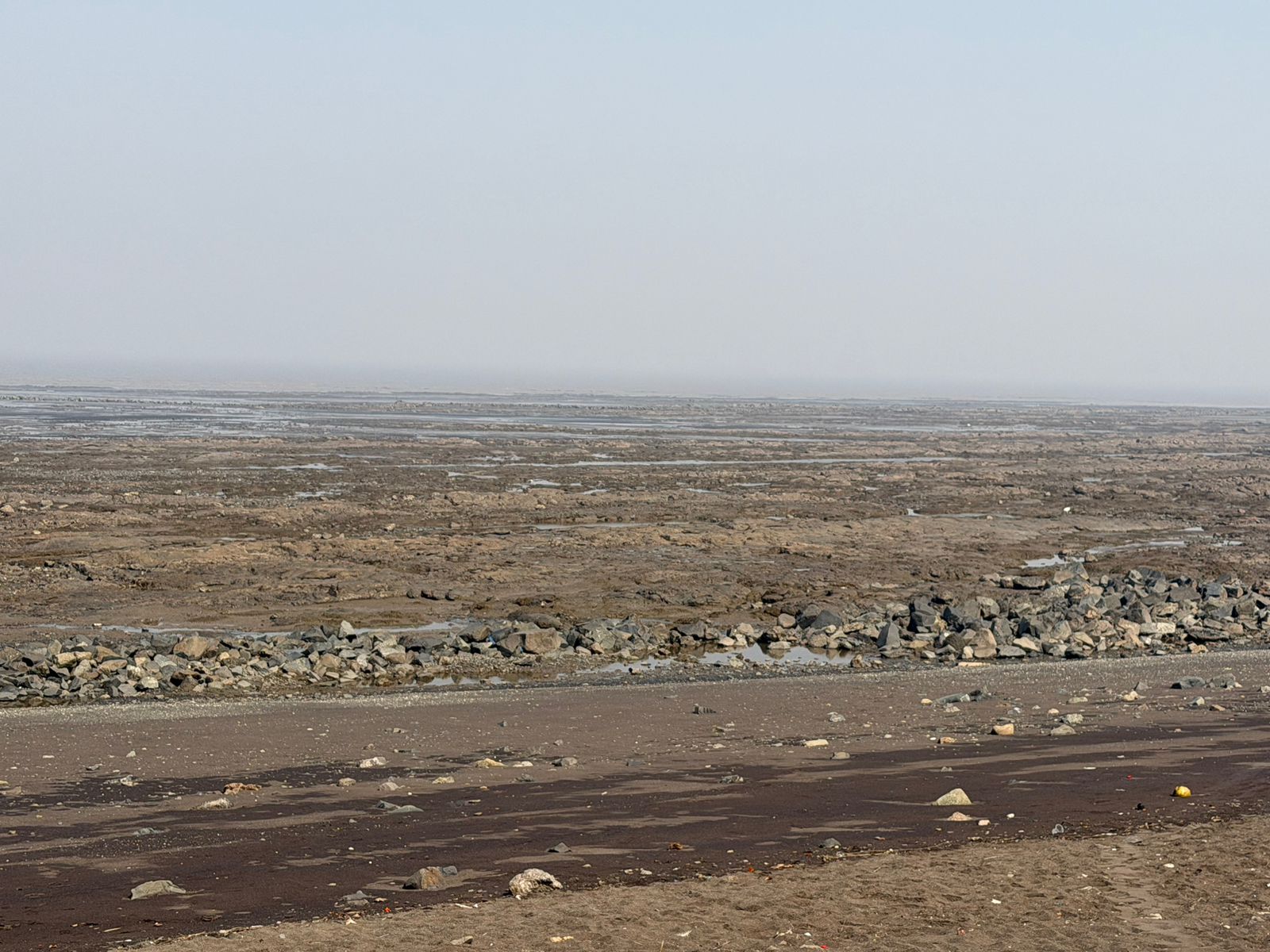
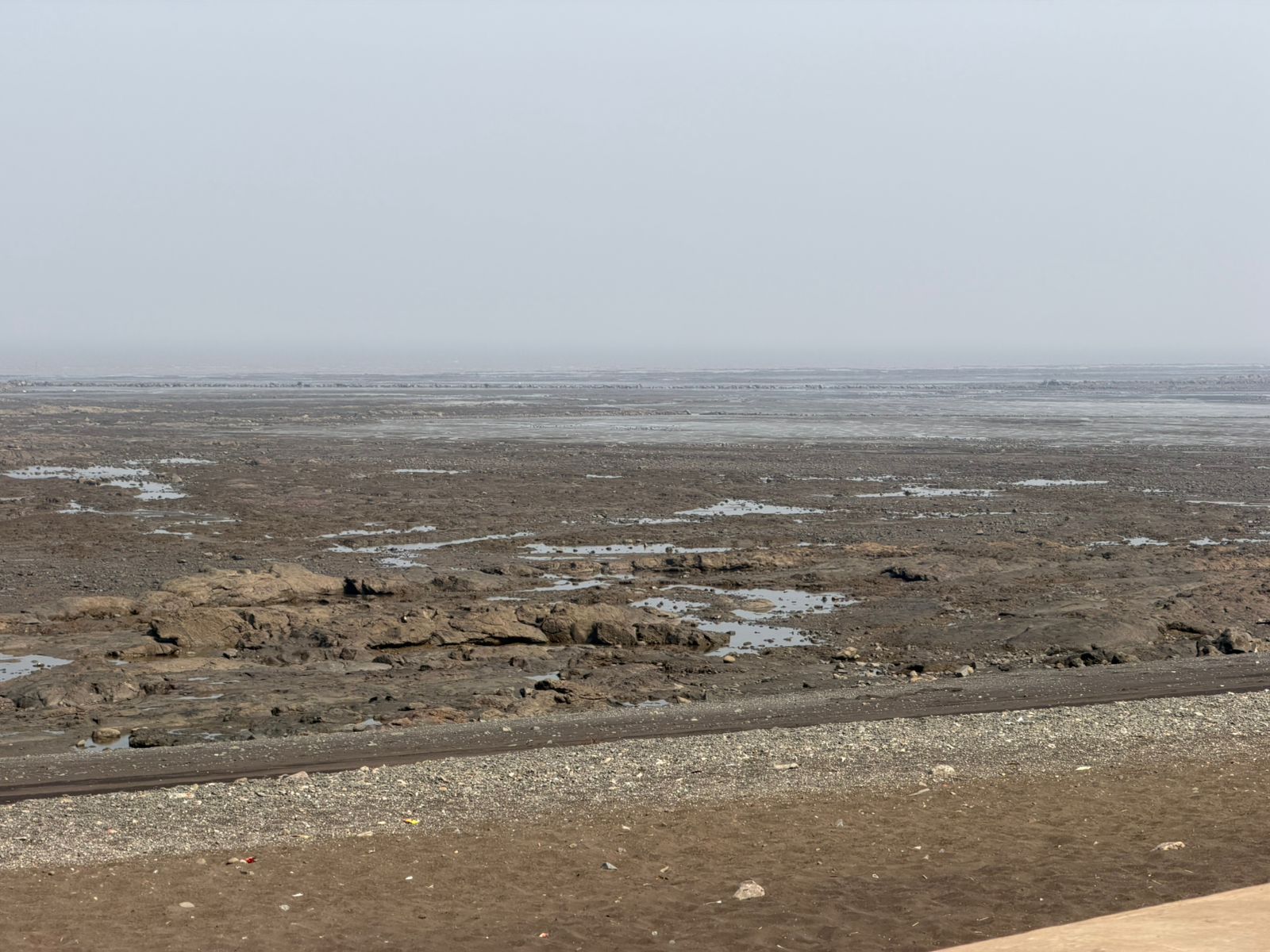
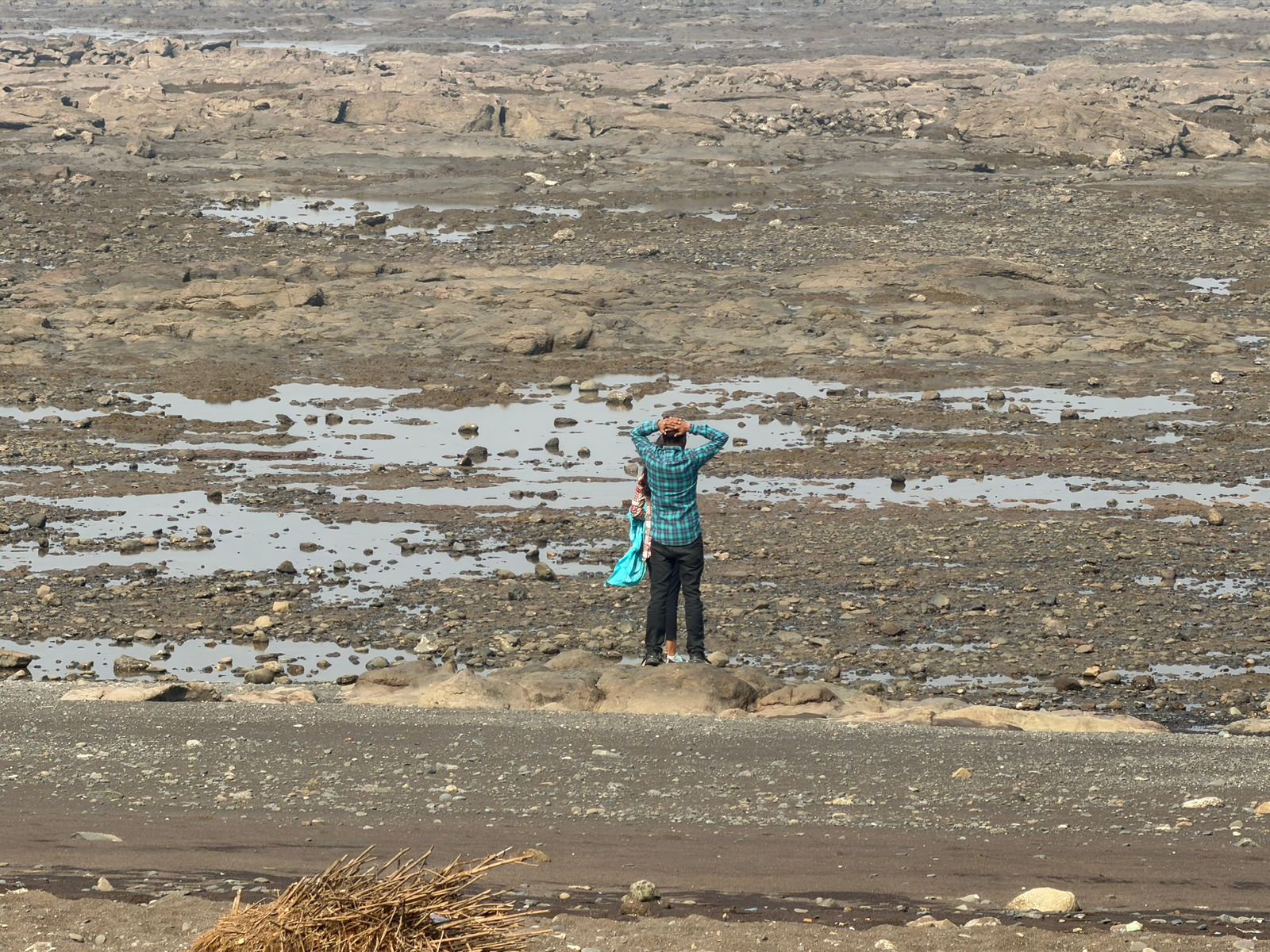
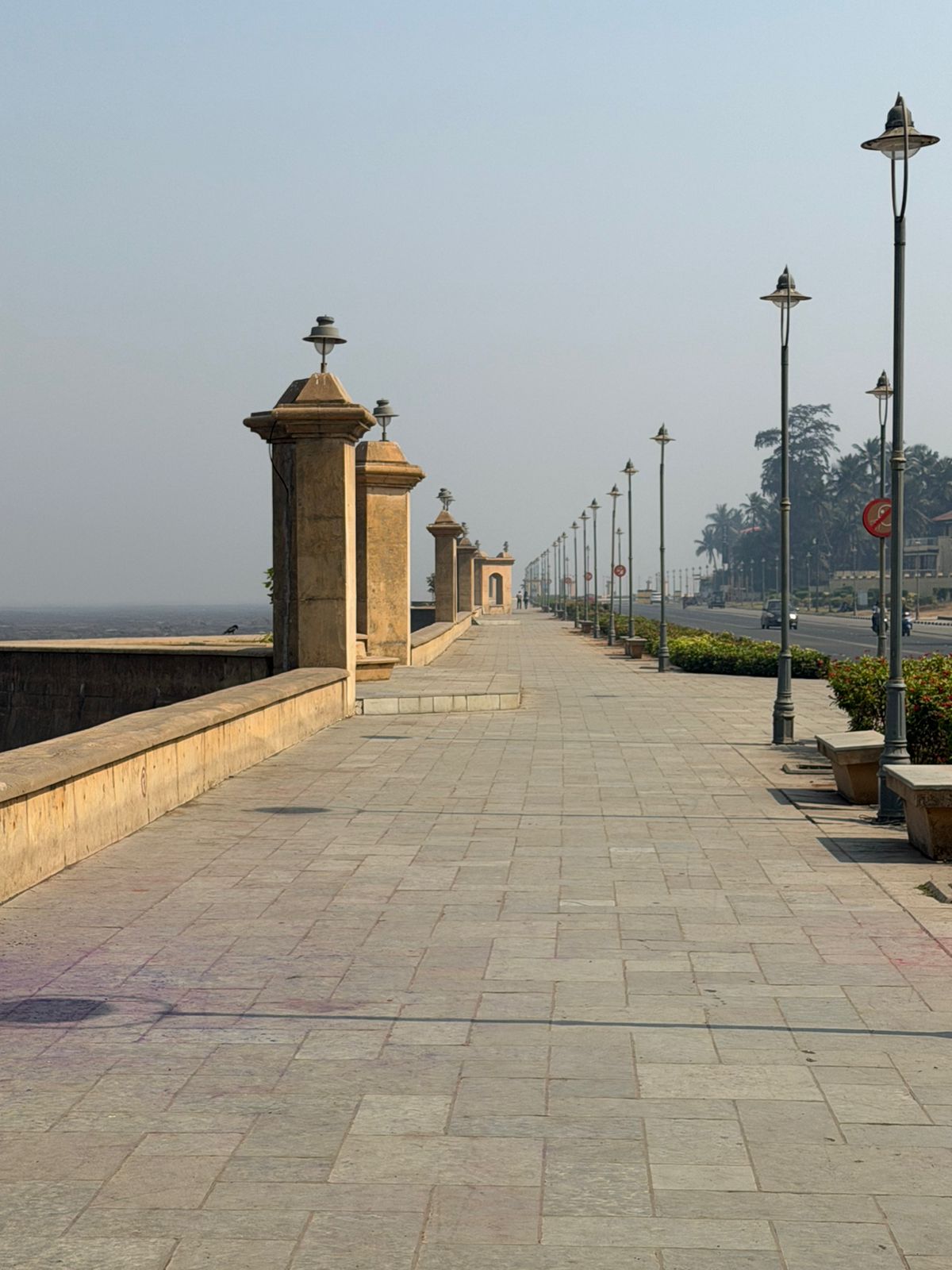
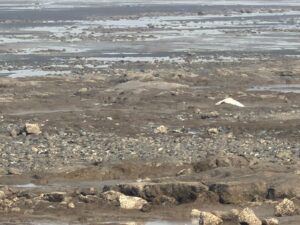
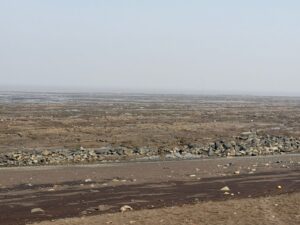
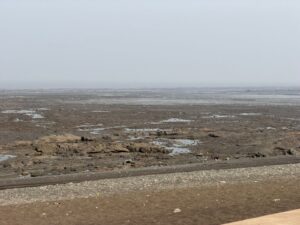
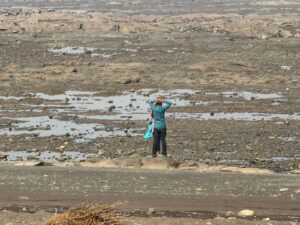
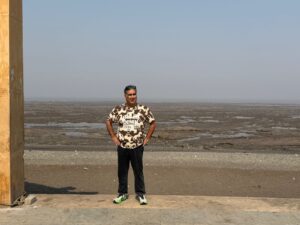
My first impression was that Daman is extremely clean. There was very little traffic, and the air felt fresh and pleasant. The beach was sandy and wet as the sea had retreated during low tide, allowing people to walk far out on the seabed that stretched endlessly in front of me. The city seemed well planned, with broad roads and open spaces.
To my delight, the resort also had a swimming pool, and I enjoyed a refreshing swim in the afternoon. It was the perfect way to escape the coastal heat.
A Small Travel Problem
But before settling into the evening, we had to deal with another issue — our car had become full of mosquitoes.
“Sir, all macchar… these came from Baroda. It is Holi time also, so we get them. Spray karna hoga, sir,” my driver Vidhani said.
And he was right. The car had indeed been invaded by mosquitoes, so we had to get it sprayed and cleaned. By the evening, the car was ready again, and we set off to explore the beach city of Daman.
A Coastal Town with a Long History
On the western edge of India, where the Arabian Sea meets the shores of a small Union Territory, lies the historic coastal town of Daman.
Daman
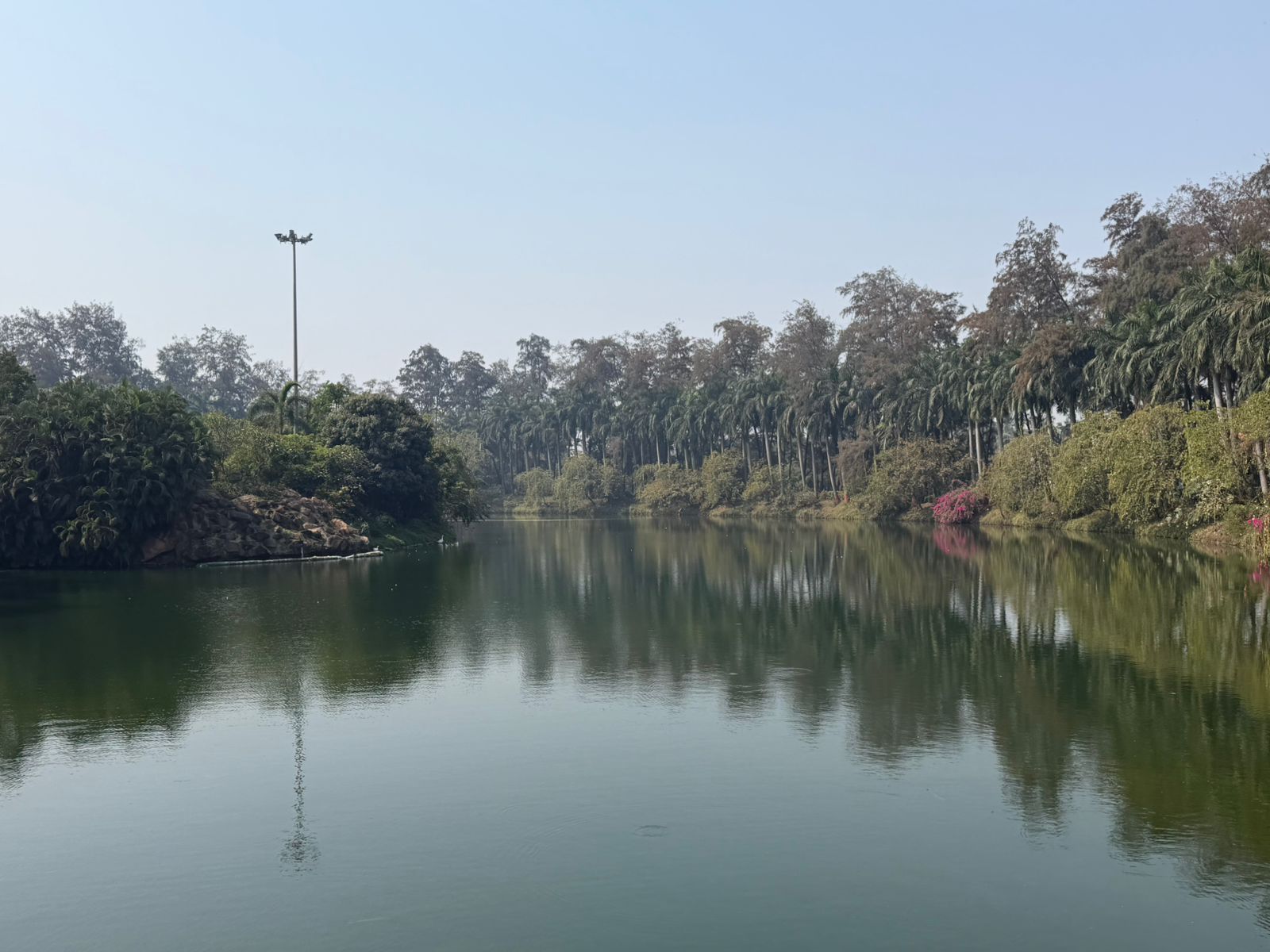
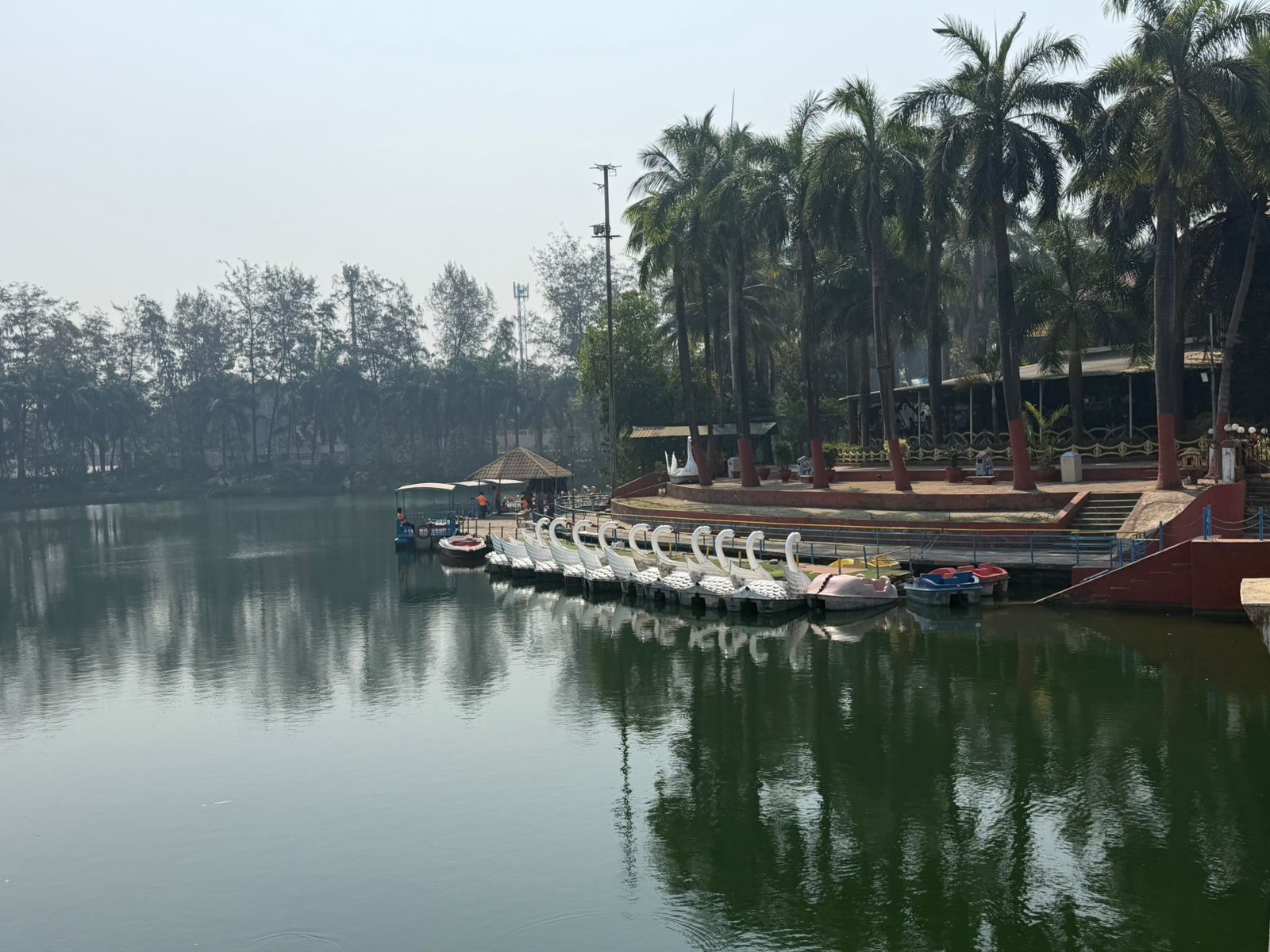
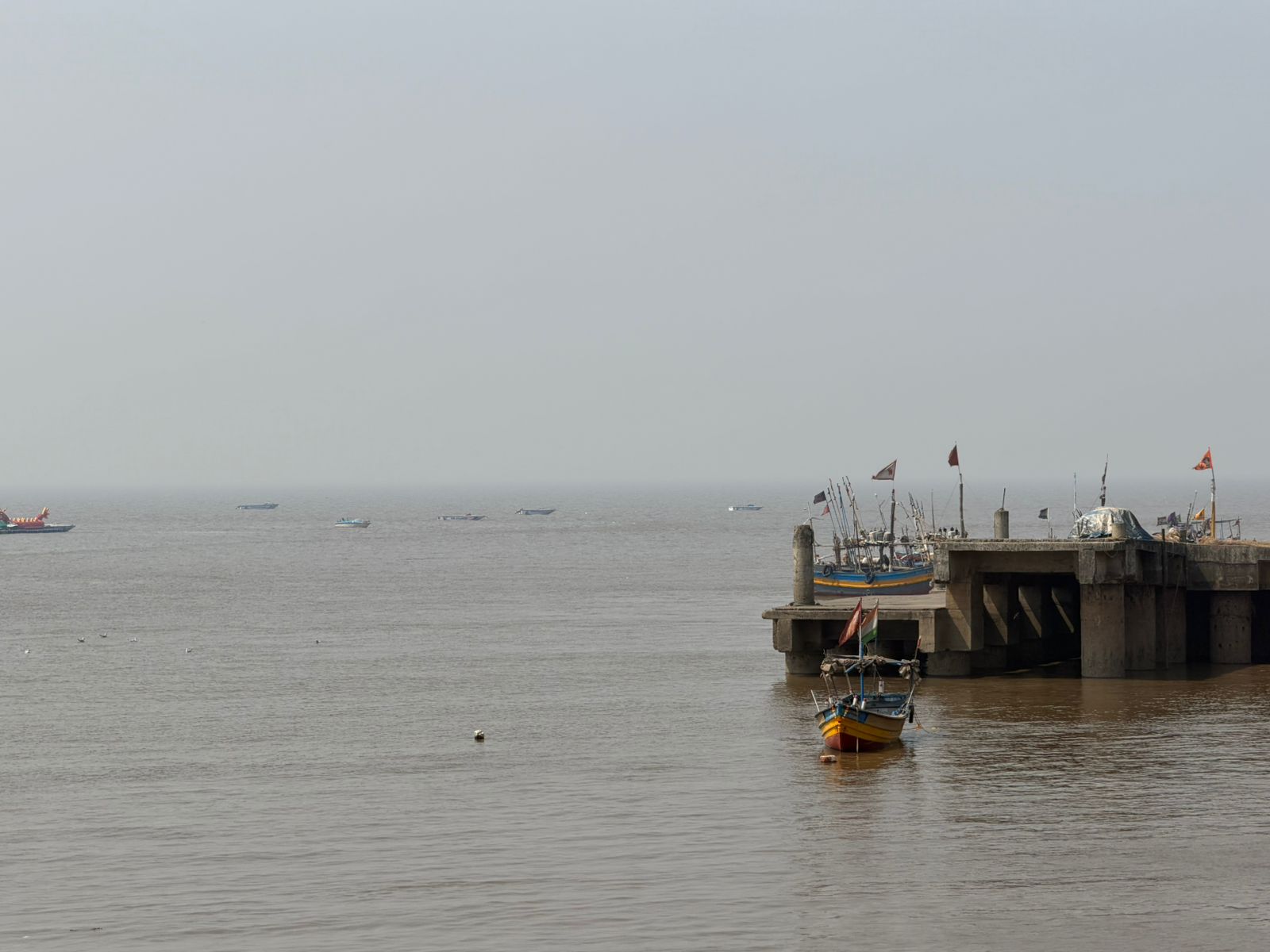
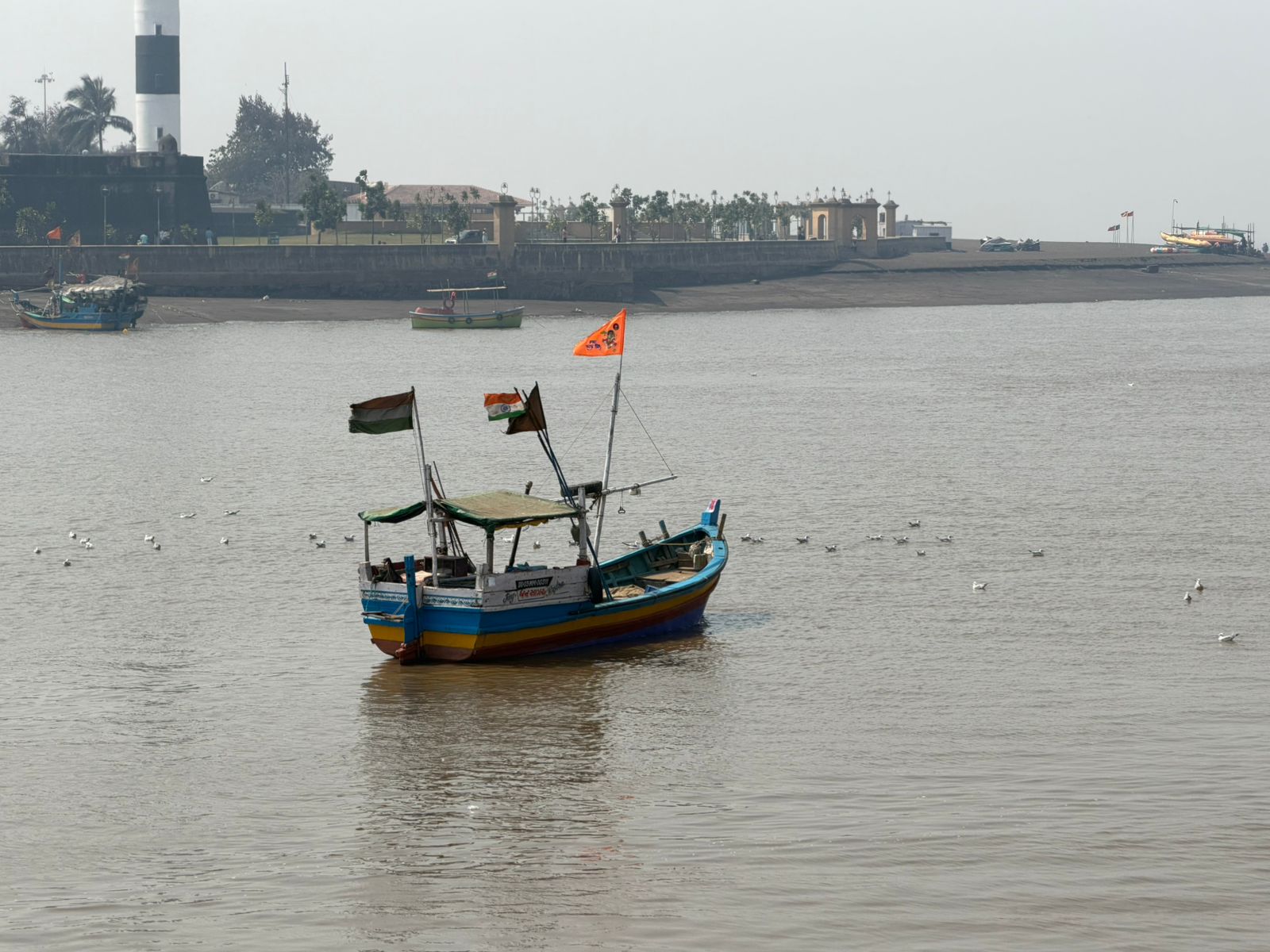
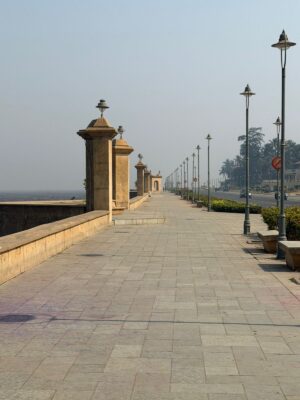
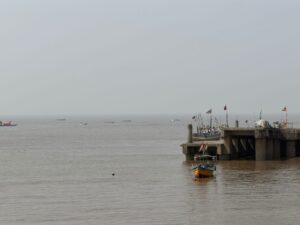
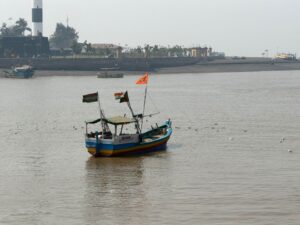
Today, it is known for its beaches, laid-back charm, and colonial architecture. But beneath its peaceful surface lies a fascinating story of traders, empires, battles, and cultural blending that stretches back centuries.
Ancient Routes and Early Trade
Long before European ships appeared on the horizon, the region around Daman was an important coastal settlement connected to maritime trade. It was historically linked with the powerful rulers of the Gujarat Sultanate.
Because of its location near the mouth of the Daman Ganga River, the area served as a natural harbor for traders moving between the Arabian Peninsula, East Africa, and India’s western coast.
Merchants carried spices, textiles, and precious goods through these waters, turning the region into a small but active trading hub.
The Arrival of the Portuguese
The real turning point in Daman’s history came in the 16th century with the arrival of the Portuguese.
During the expansion of European maritime power, the Portuguese sought to control the lucrative spice trade routes of the Indian Ocean. After establishing themselves in Goa and several other ports, they turned their attention to Daman.
In 1559, under the command of Dom Constantino de Bragança, Portuguese forces captured Daman from the Sultan of Gujarat. The conquest became part of the broader Portuguese colonial network known as Portuguese India.
From that moment onward, Daman remained under Portuguese rule for more than four centuries.
A Fortified Colonial Town
Once they gained control, the Portuguese transformed Daman into a fortified coastal town. They built massive walls, churches, administrative buildings, and military defenses to protect their new territory.
One of the most impressive remnants from that era is the Moti Daman Fort. Built in the 16th century, the fort enclosed the administrative heart of Portuguese Daman. Inside its walls stood churches, government buildings, and residences for colonial officials.
Another remarkable landmark is the Bom Jesus Church, an elegant church built in 1603 that still stands today as a symbol of Portuguese religious architecture.
Across the river, the Portuguese also developed a smaller settlement known as Nani Daman, which grew into a commercial and residential area.
Cultural Fusion
Life under Portuguese rule created a unique cultural identity in Daman. Local Gujarati traditions blended with Portuguese influences in architecture, cuisine, and customs.
European architectural styles appeared in houses and government buildings, while local fishing communities continued their centuries-old way of life along the coast.
Even today, this cultural fusion can be seen in the town’s food, festivals, and architecture.
Liberation and Integration
Although India gained independence in 1947, Portuguese colonies like Daman remained under Lisbon’s control for several more years.
In December 1961, during Annexation of Goa, Indian forces took control of Daman along with Diu and Goa, ending more than 450 years of Portuguese rule.
A Living Coastal Heritage
Today, Daman is a peaceful seaside destination that quietly preserves layers of its past. Walking through its forts and churches feels like stepping into a living museum of colonial history.
The old Portuguese walls still stand. Fishermen still launch their boats into the Arabian Sea. And the slow rhythm of coastal life continues much as it has for centuries.
For travelers, Daman is more than just beaches and resorts — it is a place where history whispers through stone walls, church bells, and sea winds.
Add a review
Your email address will not be published. Required fields are marked *