

My Vibrant Journey Into the Heart of Nagaland
The moment I stepped into the Hornbill Festival grounds, I knew I was entering something far more profound than a cultural event — it felt like walking into the living heartbeat of Nagaland. Held annually at Kisama Heritage Village, the festival is a breathtaking celebration of Naga identity, heritage, and unity. My visit this year turned into a colourful, energetic, and eye-opening journey into the traditions of one of India’s most culturally rich states.
The rhythmic pounding of log drums echoed through the air, sending a shiver down my spine. The area was buzzing with excitement as locals, tourists, photographers, and travellers from around the world gathered in anticipation of the performances.
Tribal Performances — Where Stories Dance to Life
The highlight of the Hornbill Festival is undoubtedly the tribal performances. Watching them up close was nothing less than magical. I witnessed dancers from various Naga tribes — each group telling its own story through movement, chants, and ritualistic choreography. Some depicted ancient war rituals, others celebrated harvest, community bonding, hunting traditions, and age-old customs.
Heart of Nagaland
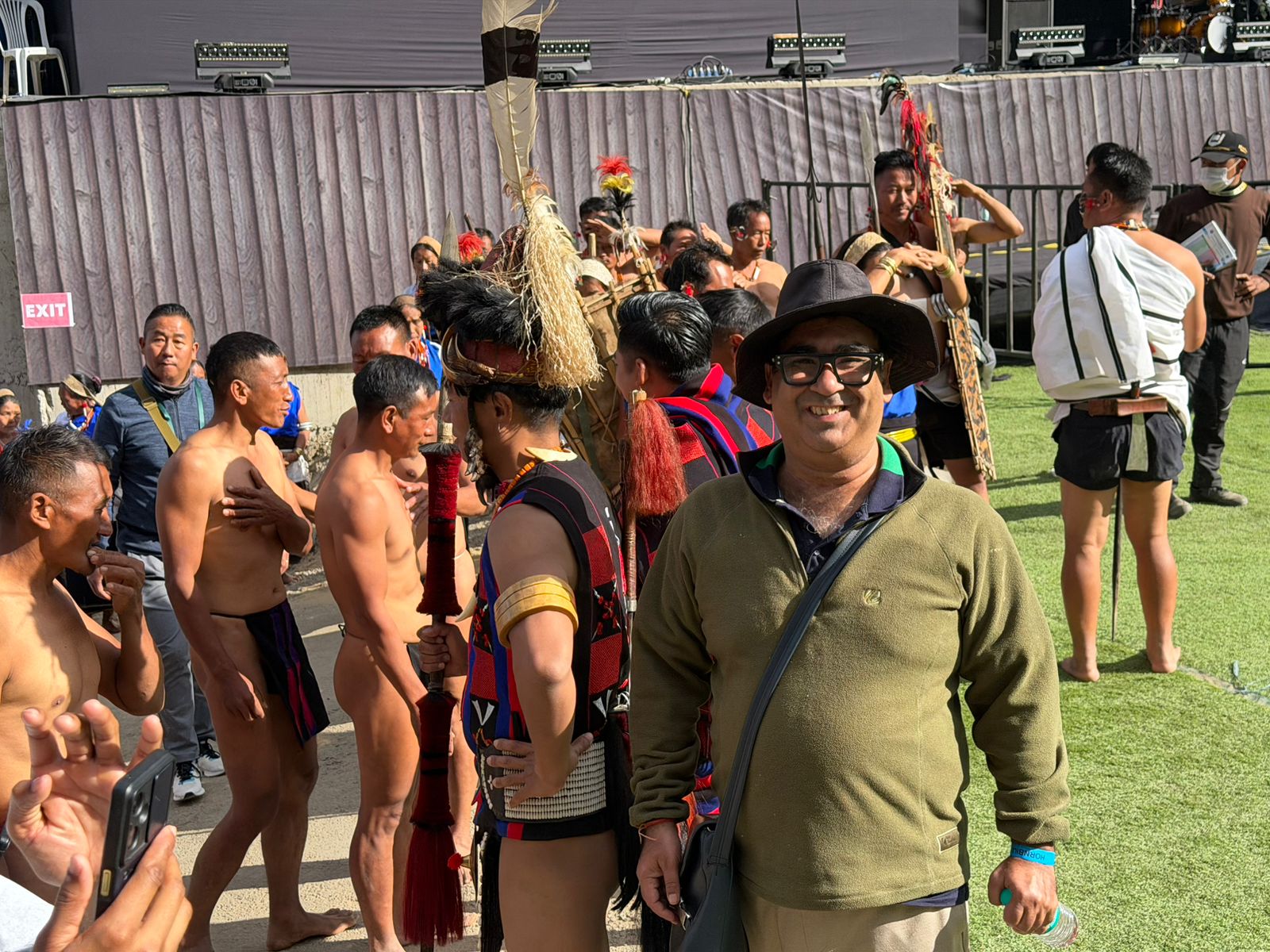
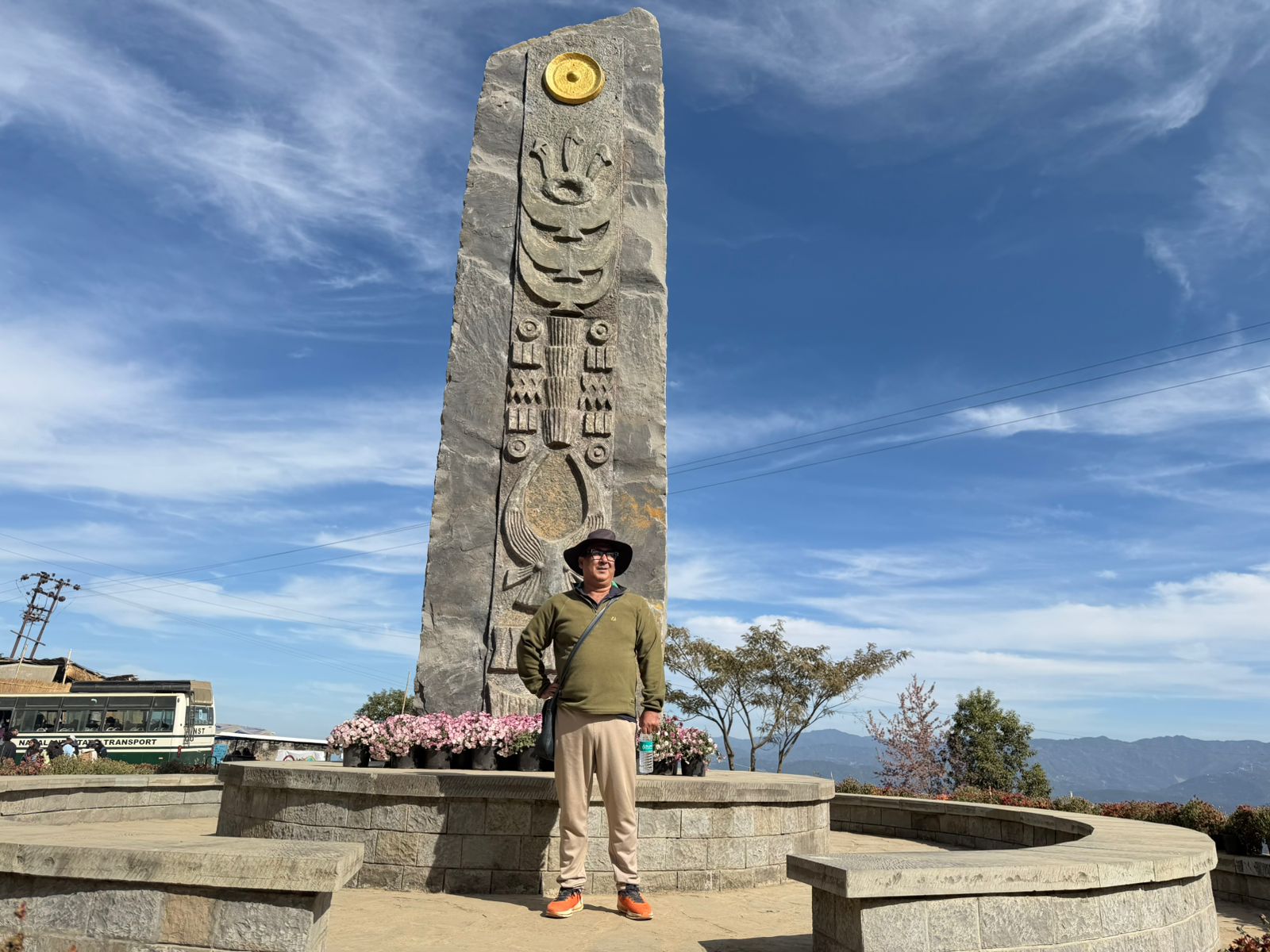
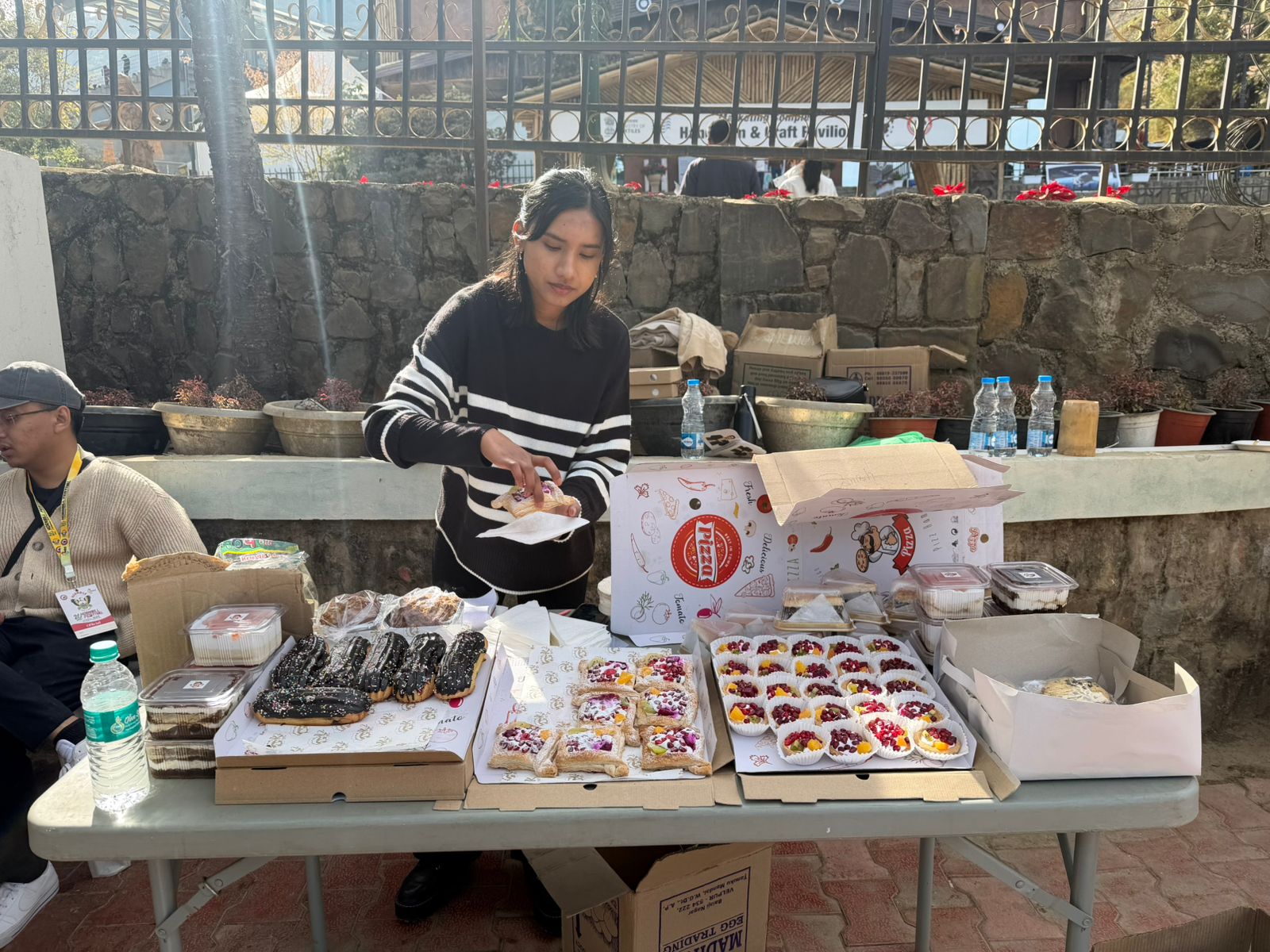
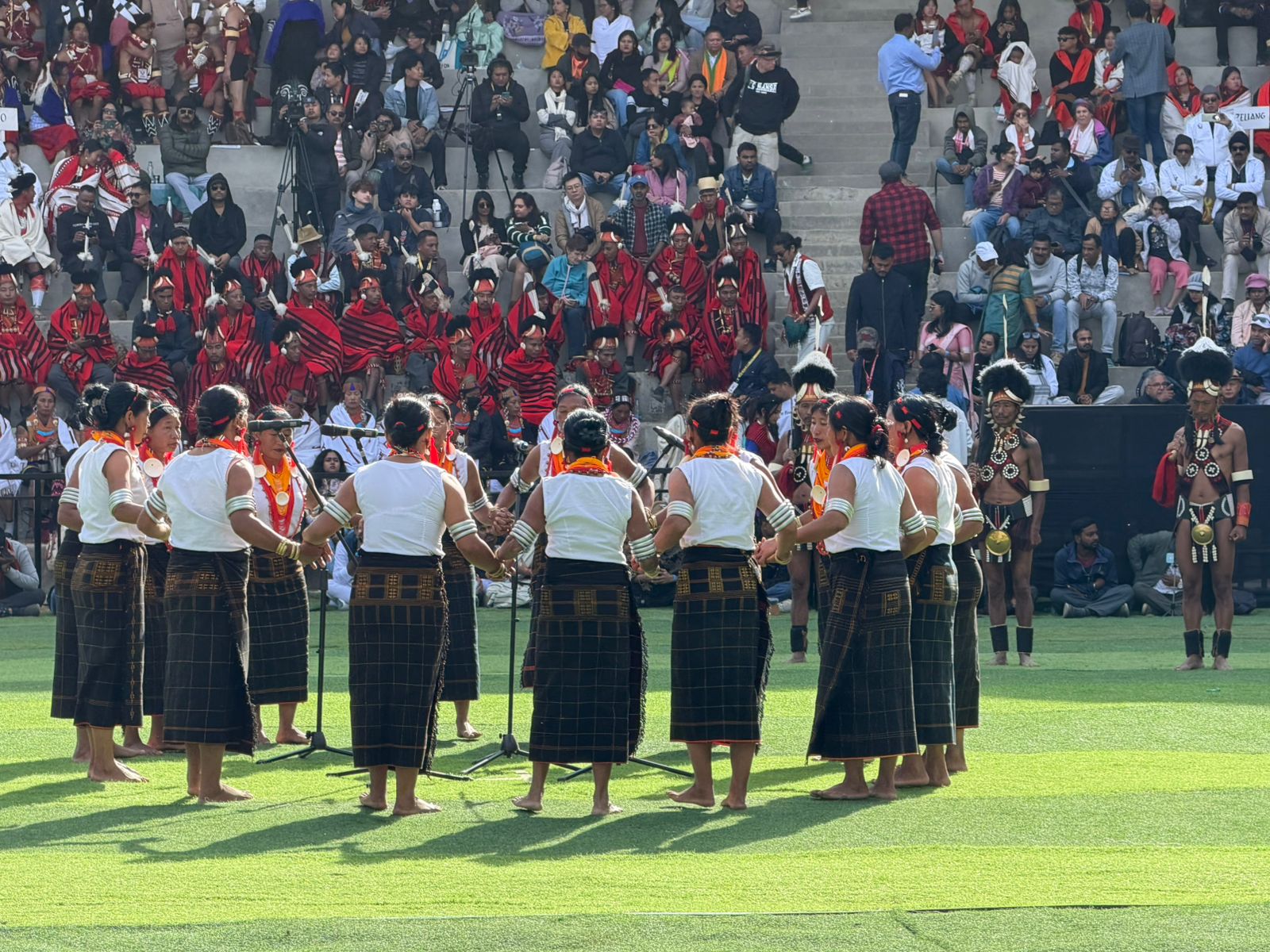
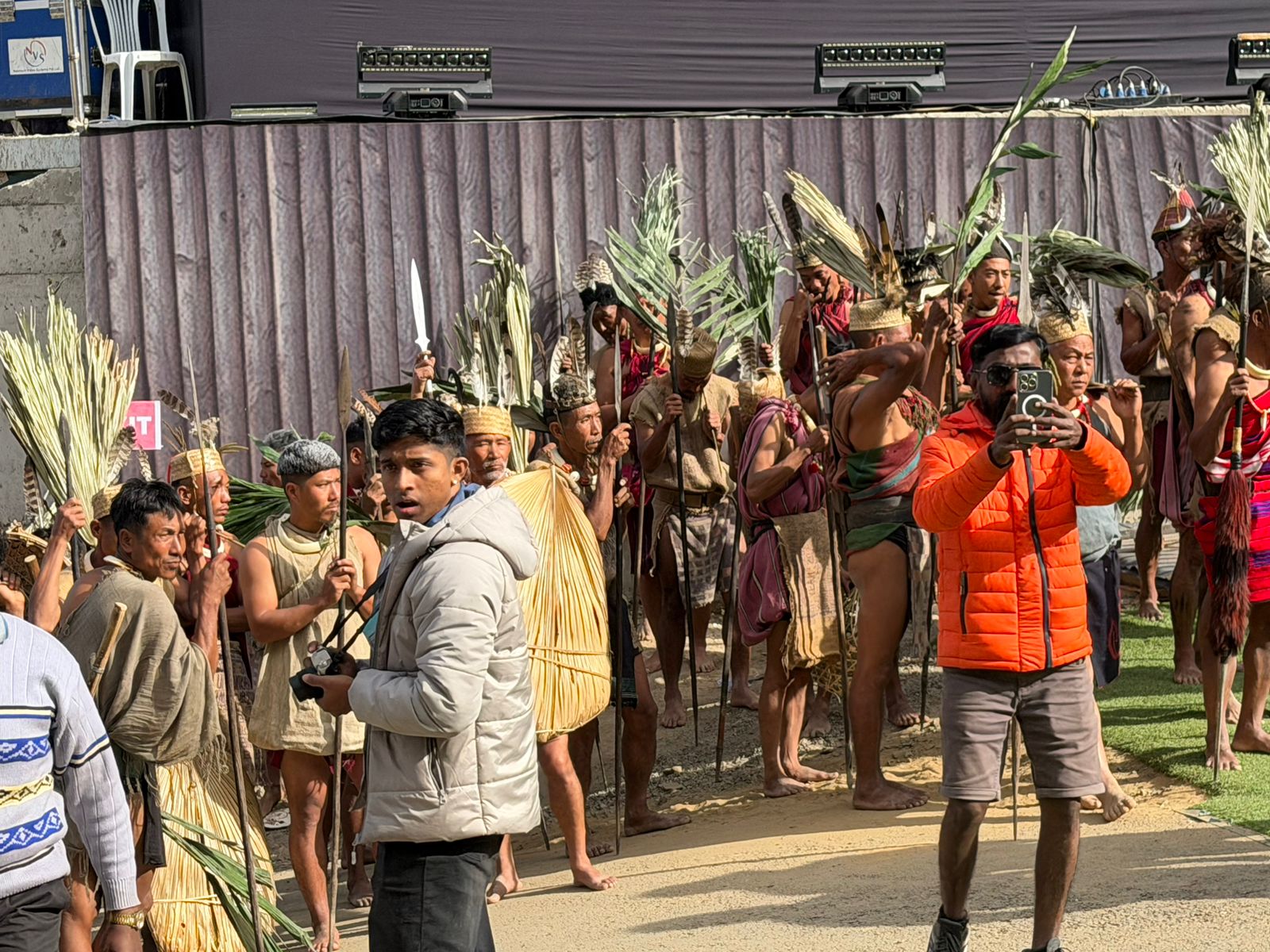
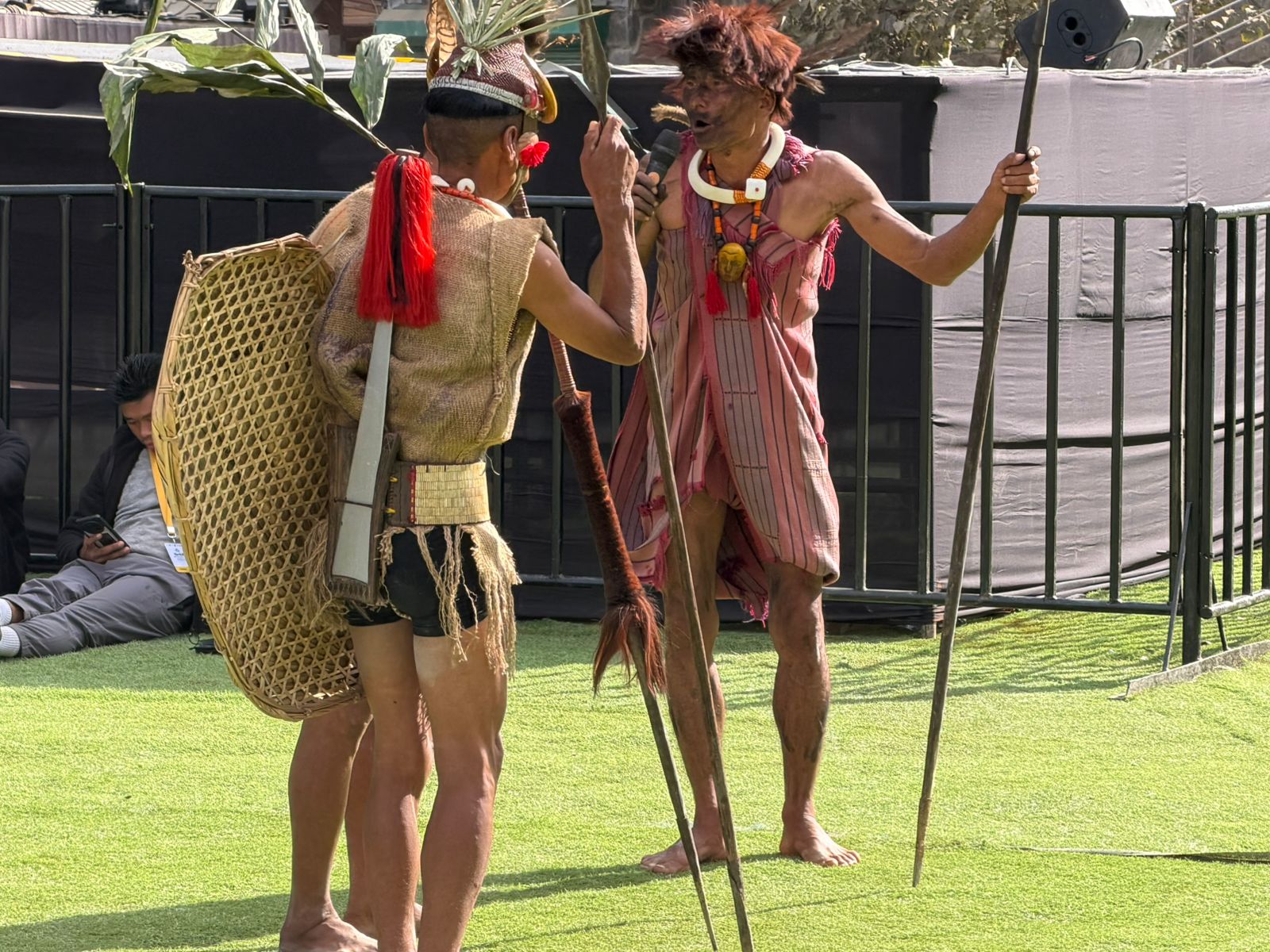
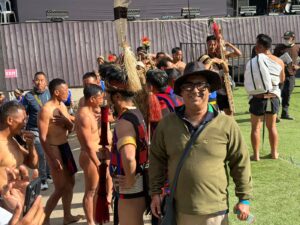
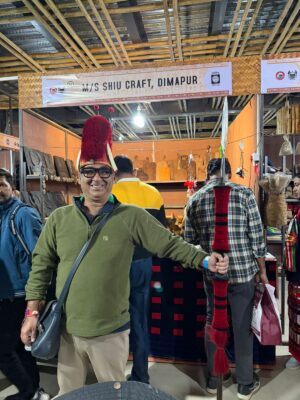
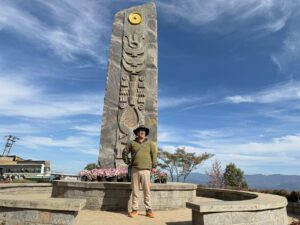
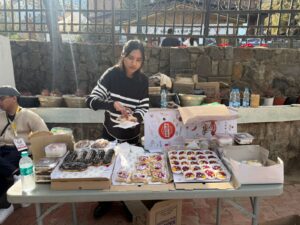
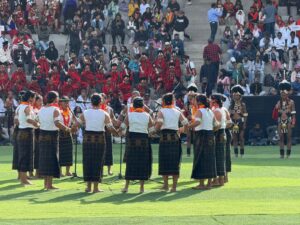
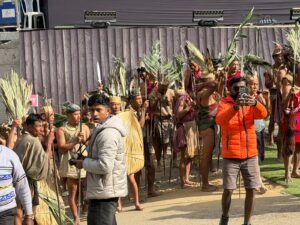
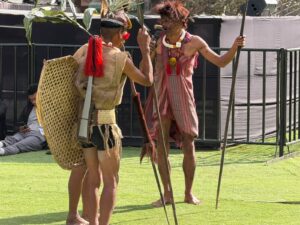
One moment that stood out to me was the lineup of Naga warriors, standing tall in perfect formation with their spears and shields. The pride in their stance reflected centuries of heritage carried forward with honour. Another striking performance was by a group reenacting an ancestral ritual. Their costumes, body paint, and synchronised movements transported me back in time. It was raw, authentic, and deeply rooted in tradition.
A Warm Welcome From the Locals
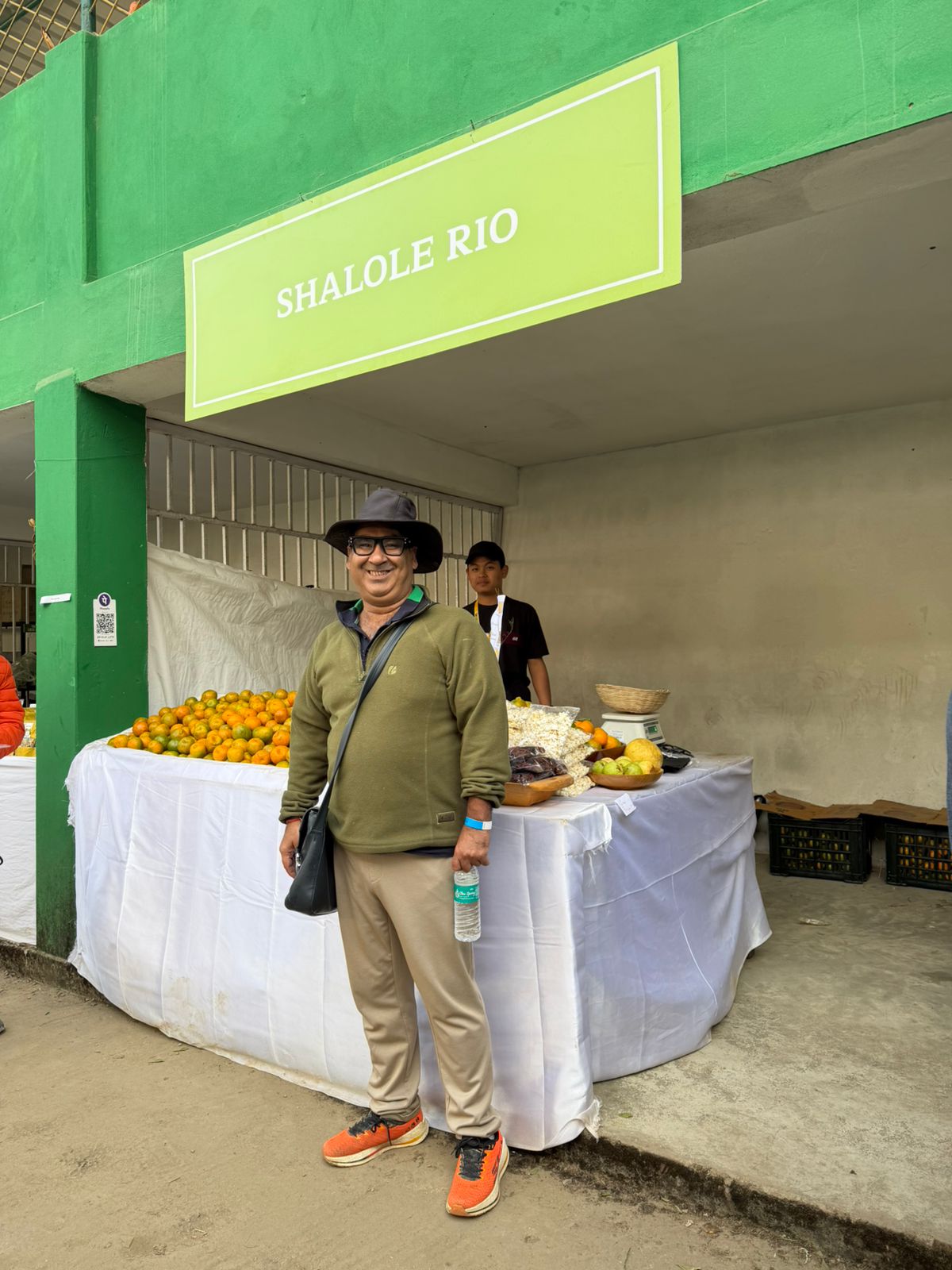
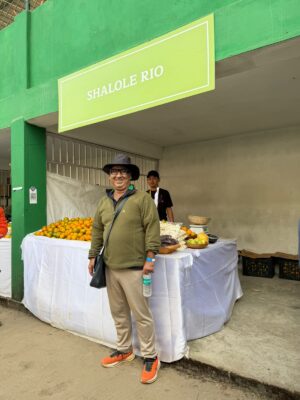
Nagaland’s hospitality is something that stays with you. Whether it was the cheerful vendor offering local fruit, the young volunteers assisting visitors, or the friendly villagers explaining the significance of their costumes — every encounter was filled with warmth. As I posed for a photograph at the “Shall Rio” fruit stall, I couldn’t help but admire the simple joy and authenticity that the people shared so effortlessly.
Food, Flavours and a Taste of Naga Life
No festival is complete without food, and the Hornbill Festival is a paradise for food lovers. From smoked pork and bamboo shoot curry to sticky rice, fermented soybean, dried fish chutneys, and even milder options for visitors — the flavours were earthy, bold, and unforgettable.
Fresh oranges, local produce, and traditional snacks filled the stalls. Each bite felt like discovering a new layer of Naga culture.
Getting Lost in the Festival Spirit
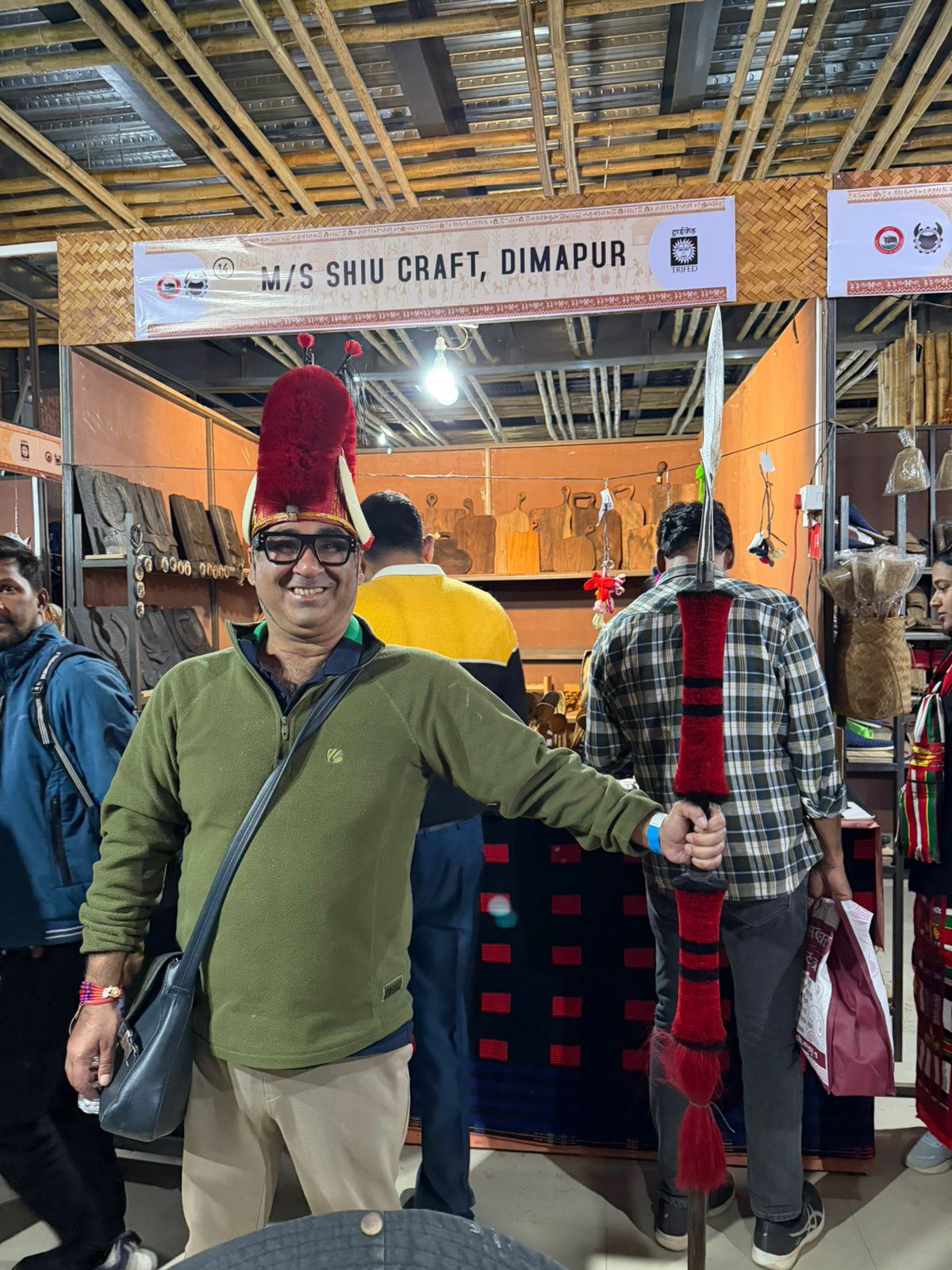
Every corner of the venue had something to explore — tribal morungs (traditional huts), handicraft stalls, handwoven shawls, bamboo artwork, and local spices. The air was rich with the smell of woodfire, the sound of tribal horns, and the sight of vibrant traditional attire.
In one moment, I found myself watching energetic dances; in the next, I was standing among warriors preparing backstage. The festival felt alive — dynamic and deeply rooted.
A Festival Beyond a Festival
The Hornbill Festival is more than just a cultural showcase — it is a powerful symbol of unity among the 17 major tribes of Nagaland. It preserves traditions, supports artisans, promotes sustainable tourism, and offers an unforgettable cultural immersion.
Standing there among the people, the dancers, and the energy of the place, I felt a deep respect for Nagaland’s heritage and the pride with which they preserve it. My visit was transformative. It wasn’t just sightseeing — it was participation, connection, and learning.
Nagaland opened its heart, and I walked away with memories etched in colour, culture, and kindness.
Related blog post
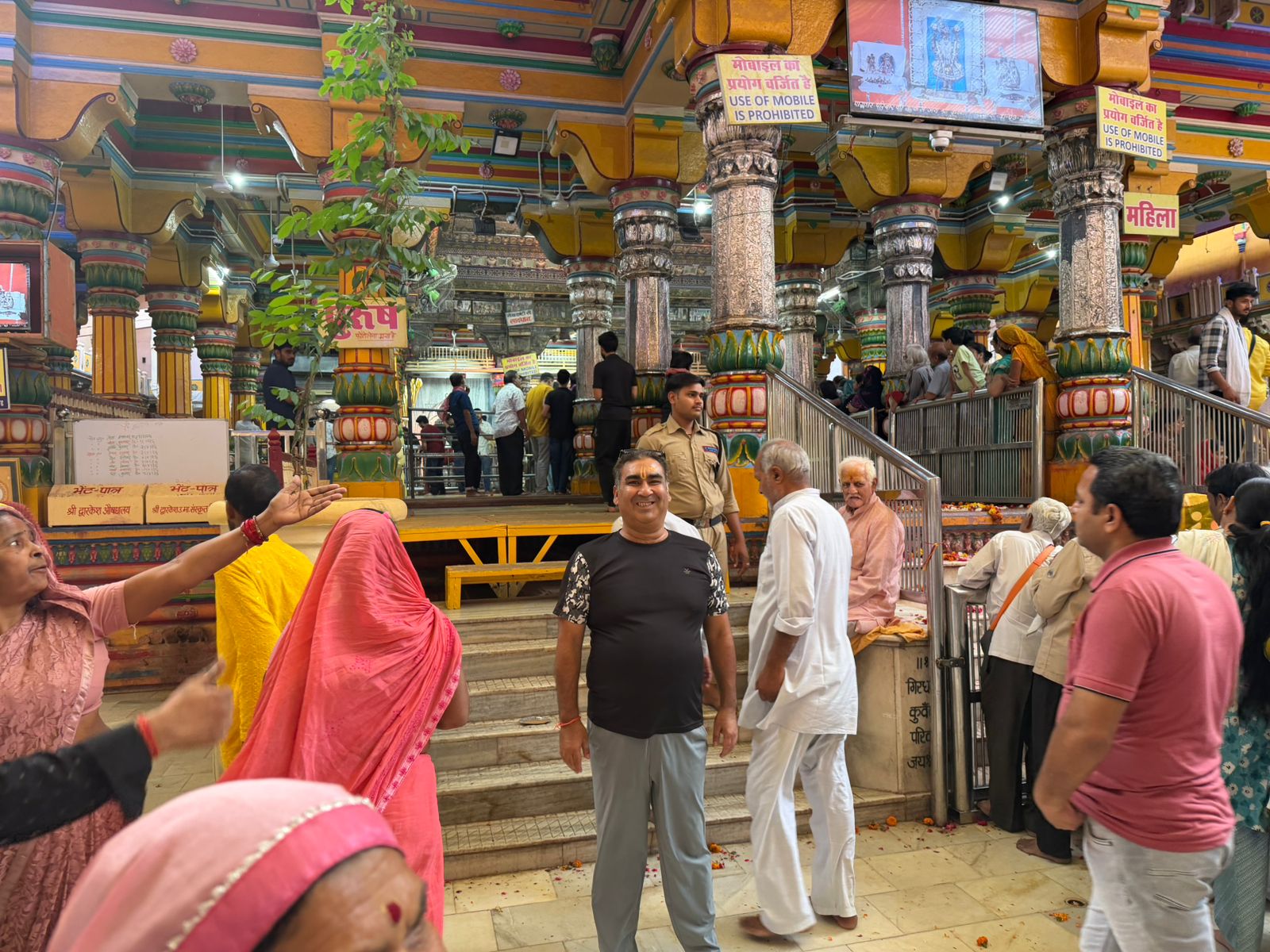
A Divine Visit to Shri Dwarkadhish Maharaj Temple: Mathura
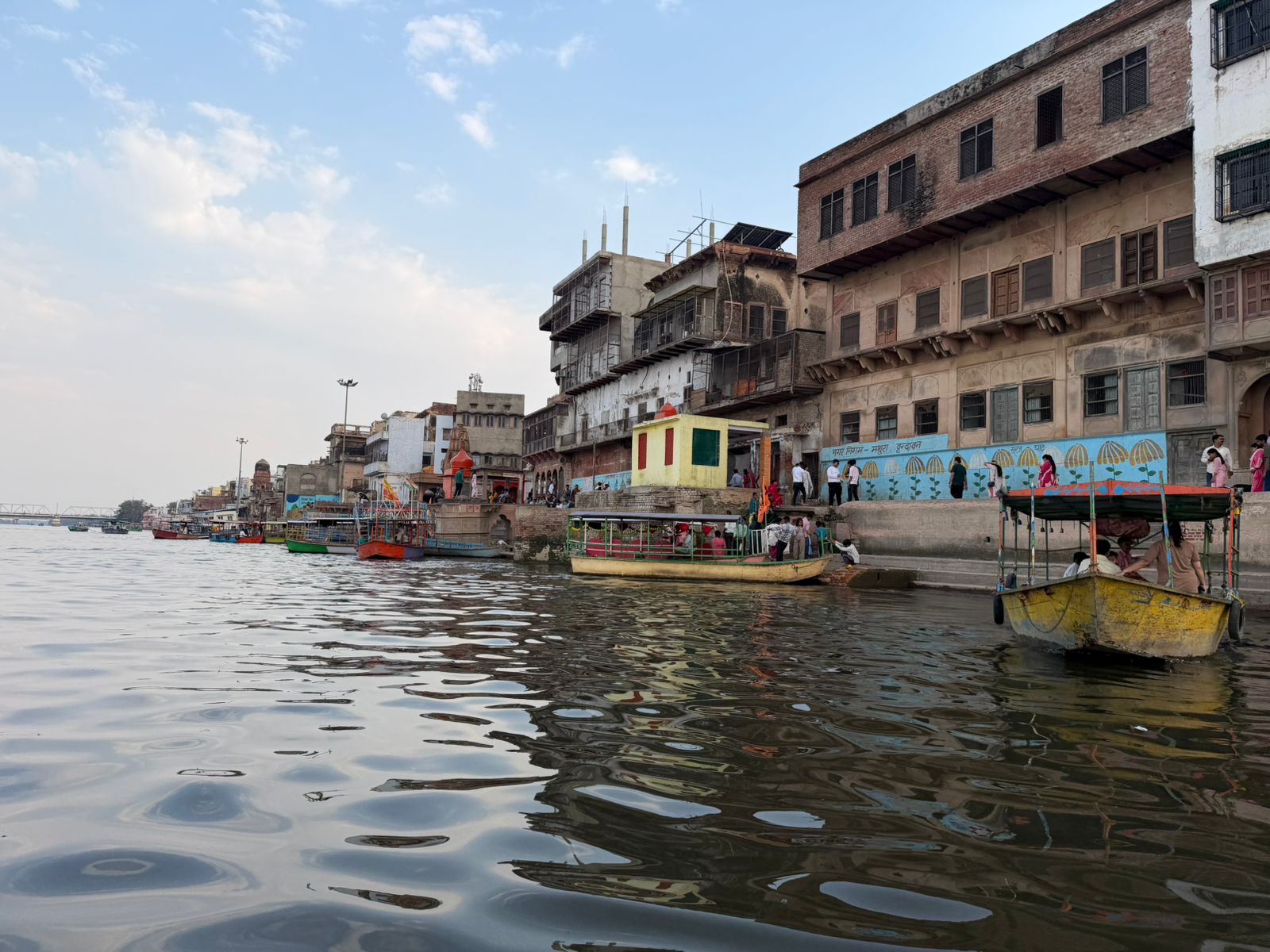
Gau Ghat, Mathura – Where the Yamuna Whispers Stories of Time
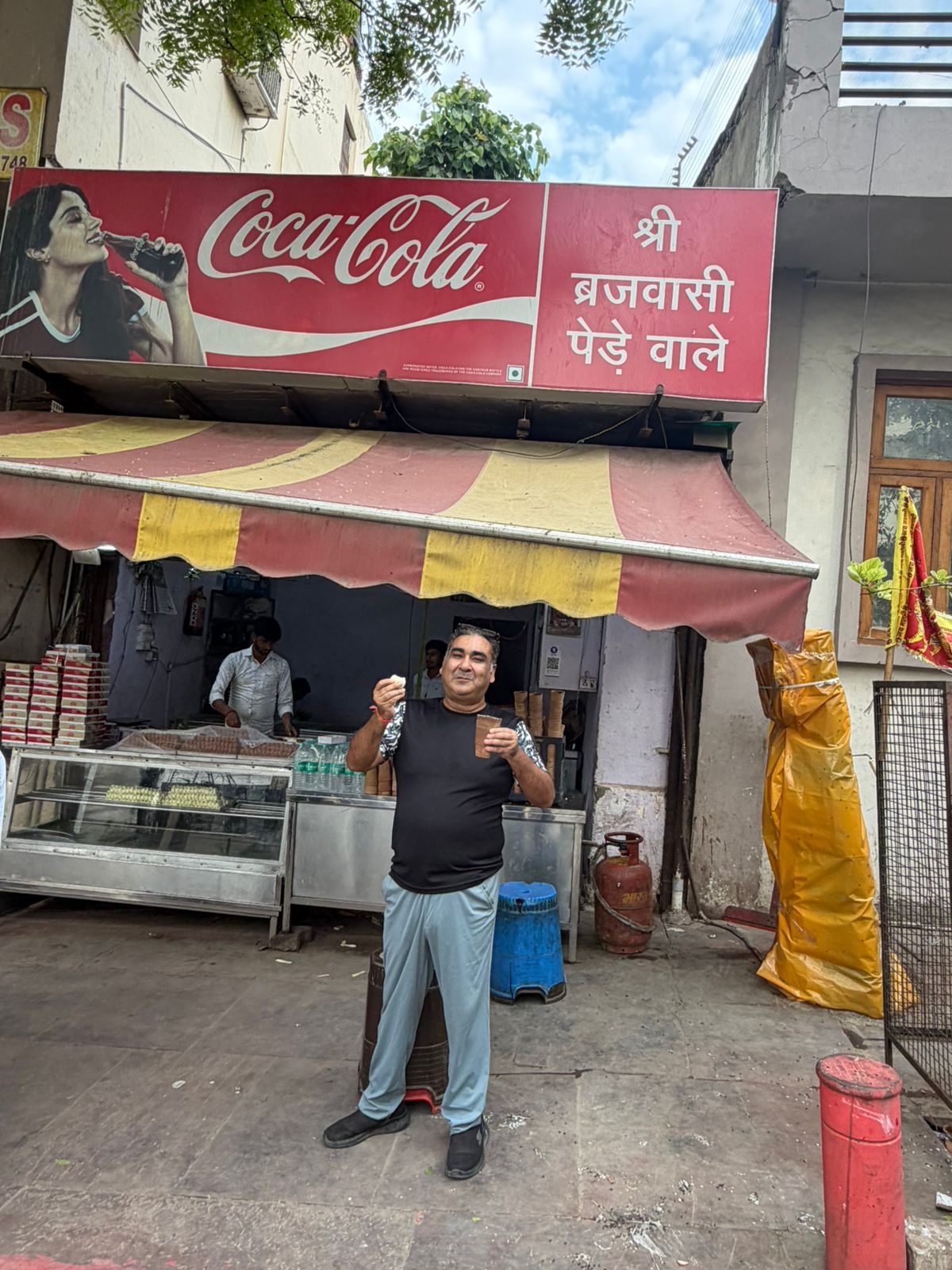
Krishna Janmabhoomi – Mathura: Walking Through the Birthplace of a God
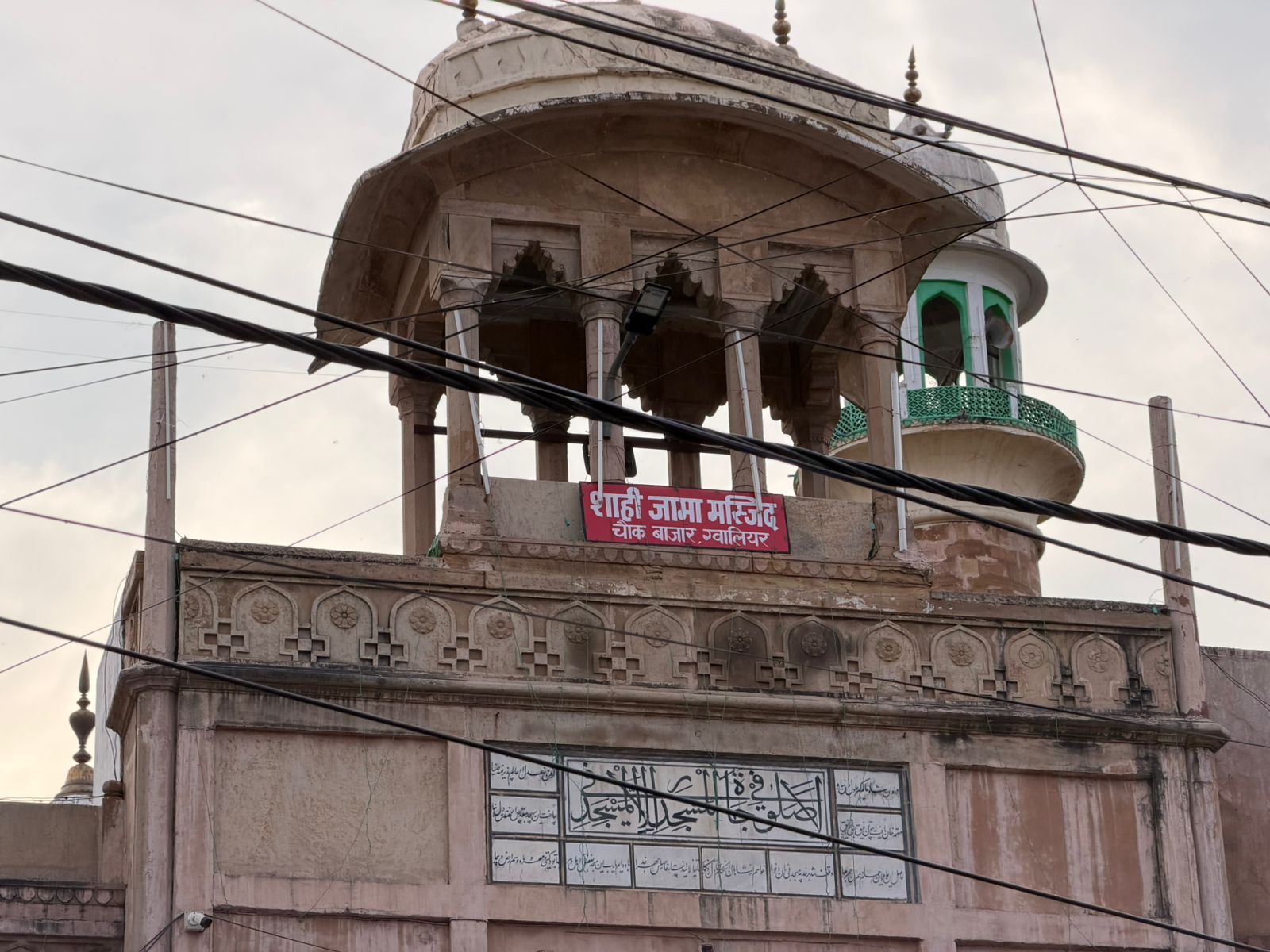
A Walk Through Faith and Chaos: The Shahi Jama Masjid, Gwalior
Add a review
Your email address will not be published. Required fields are marked *