
Malhari Martand and the Holkar Legacy: A Journey Through Faith and Time
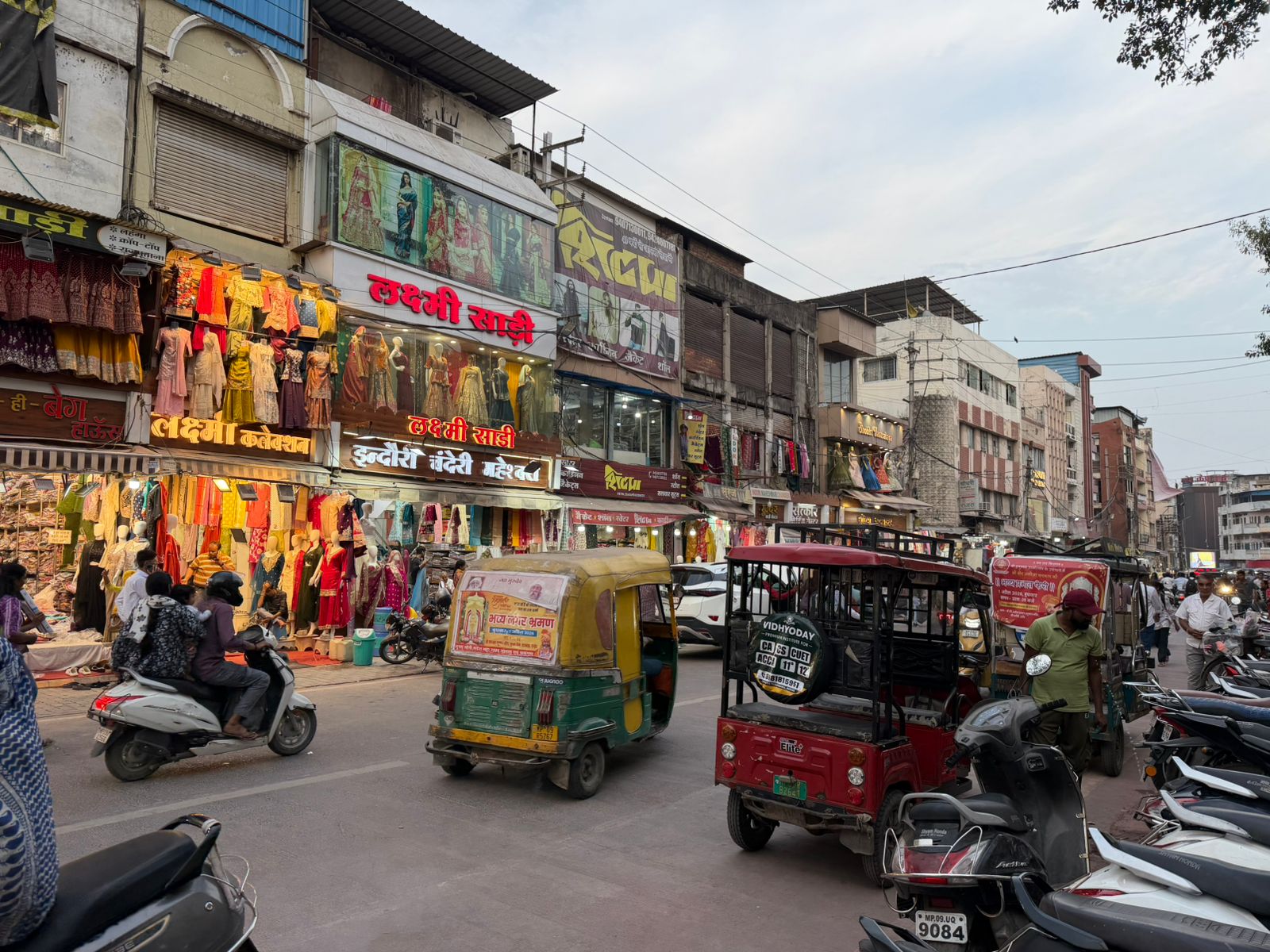
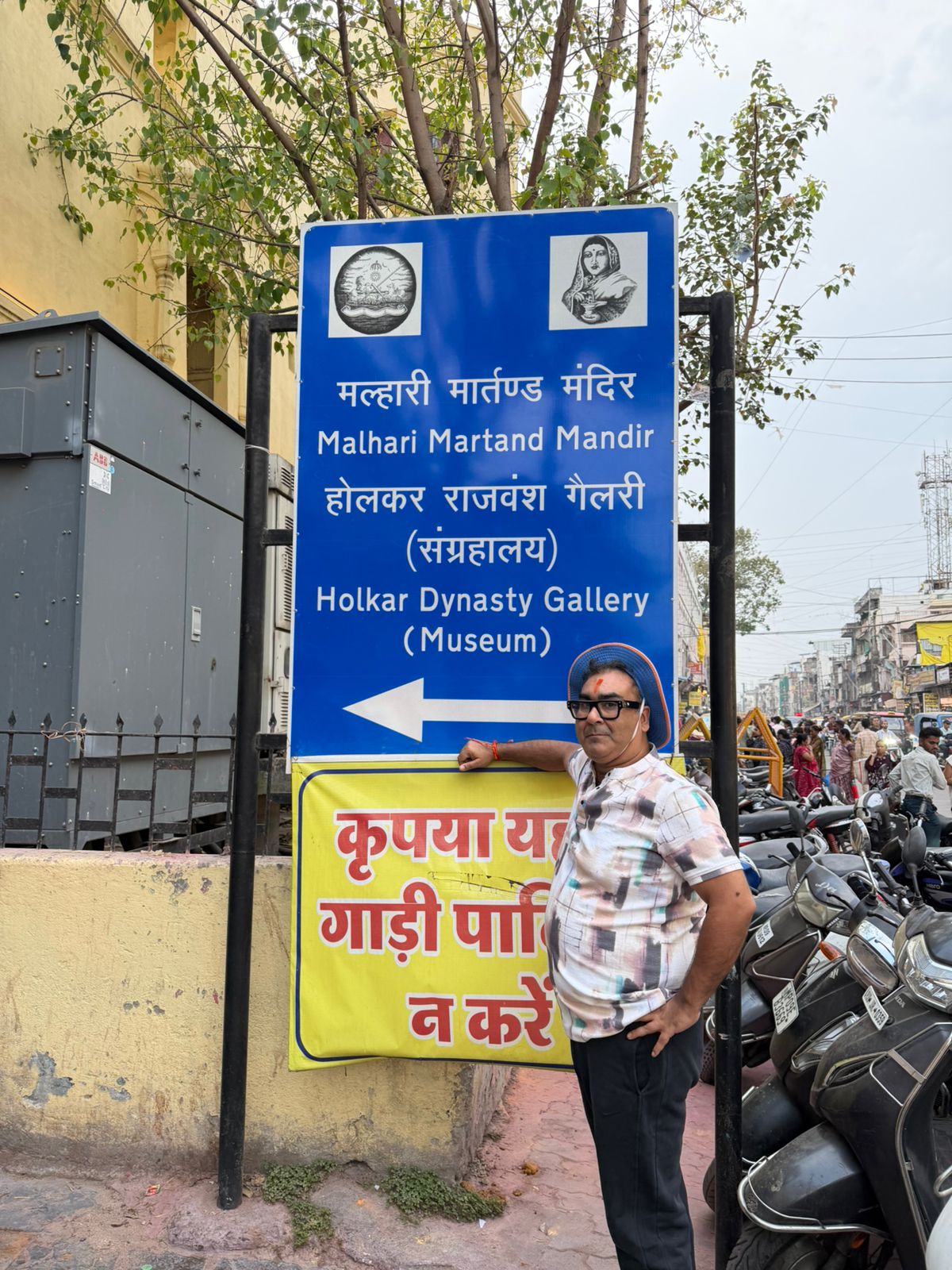
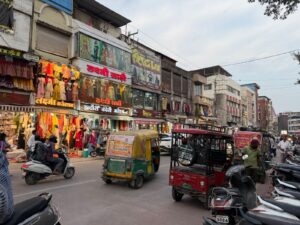
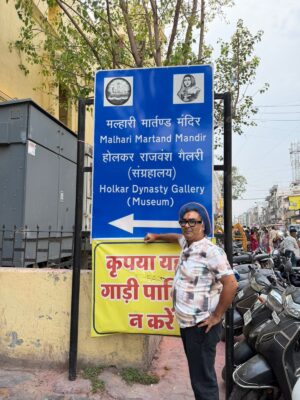
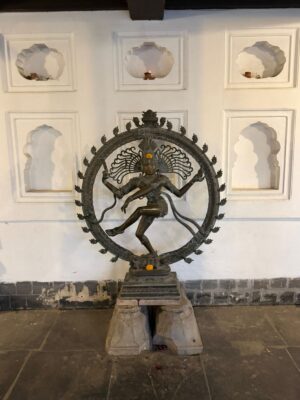
In a quieter corner of Indore, away from the neon glow of street food and the rush of city life, I stepped into a world that felt frozen in time—into the sacred spaces of the Malhari Martand Temple and temples rooted in the legacy of the Holkar Dynasty. This wasn’t just a visit—it felt like walking into a story shaped by devotion, royalty, and myth.
A Courtyard of Silence and Devotion
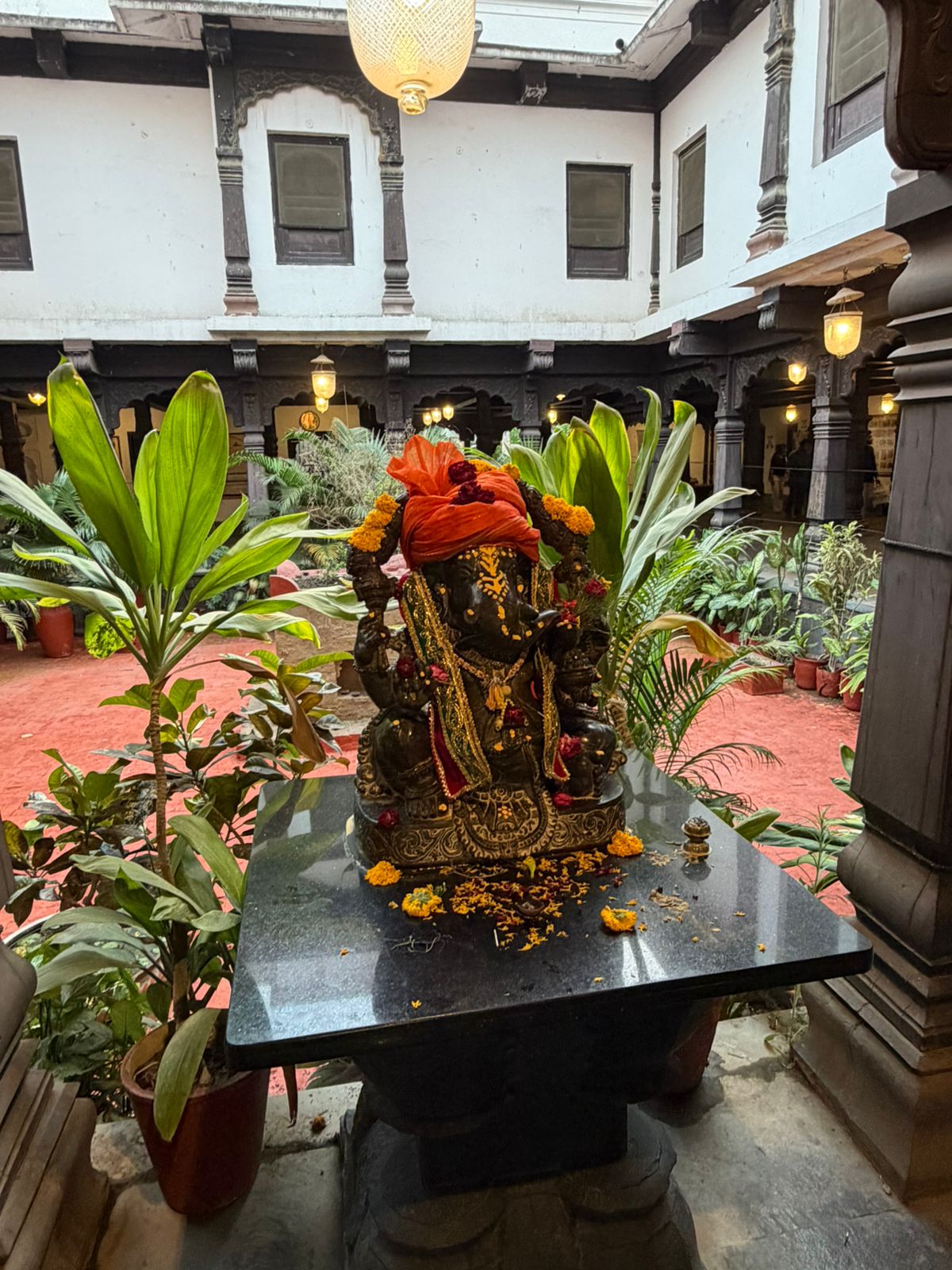
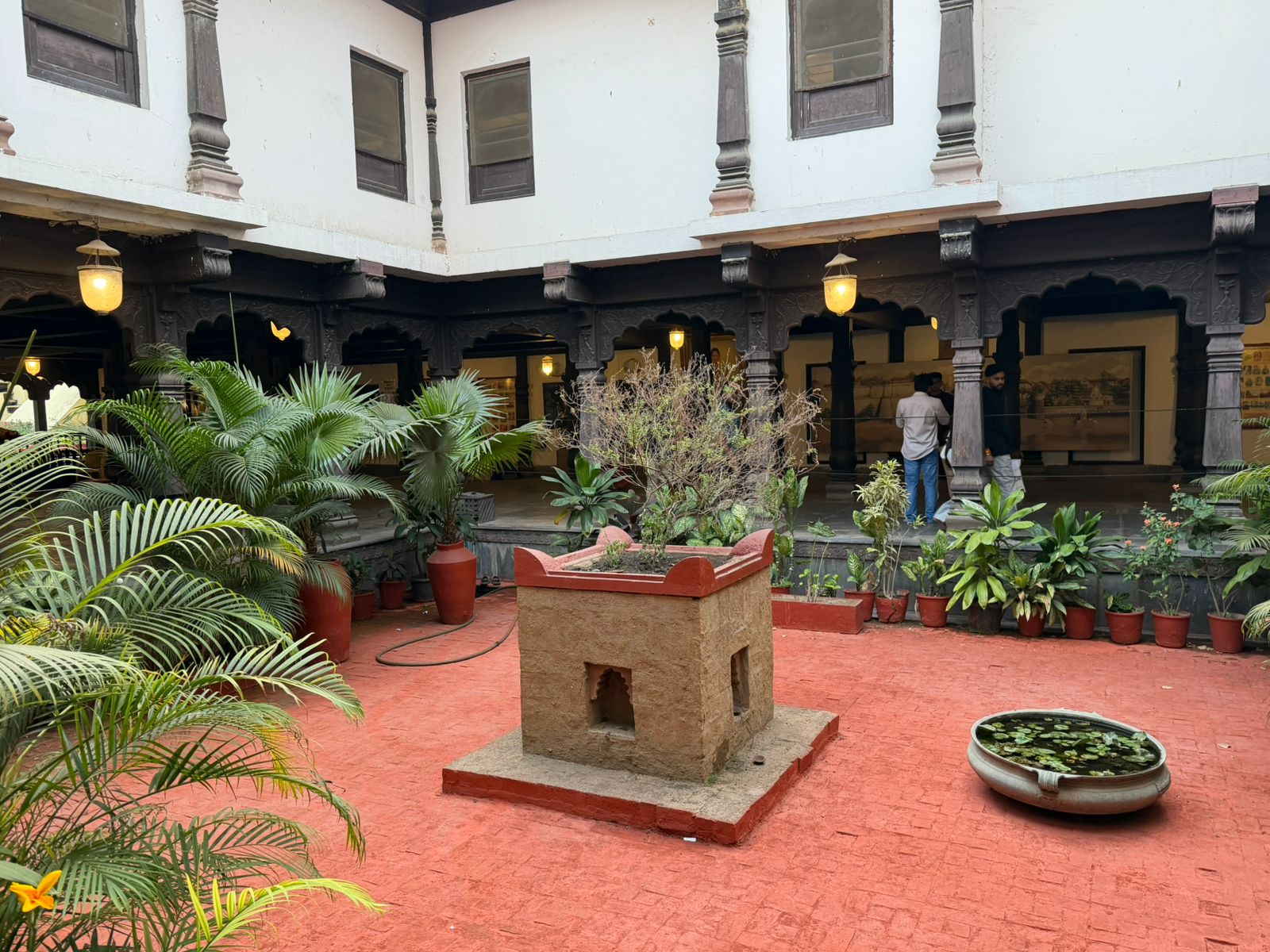
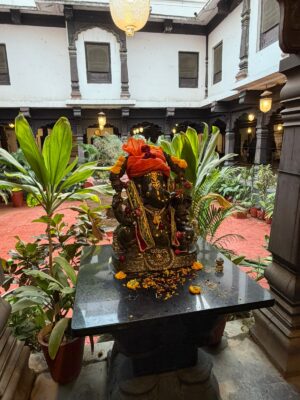
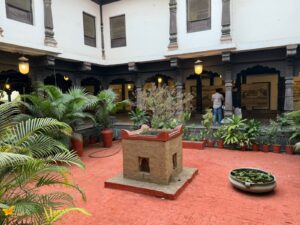
The moment I entered, the atmosphere changed. A peaceful courtyard opened up—lined with plants and surrounded by old wooden pillars and carved balconies, echoing the elegance of Holkar architecture.
Soft yellow lamps hung above, casting a warm glow that made everything feel intimate and sacred. At the center, a quiet shrine held space—unassuming yet powerful. There was no crowd, no rush—just stillness.
The Presence of Nandi and Shiva
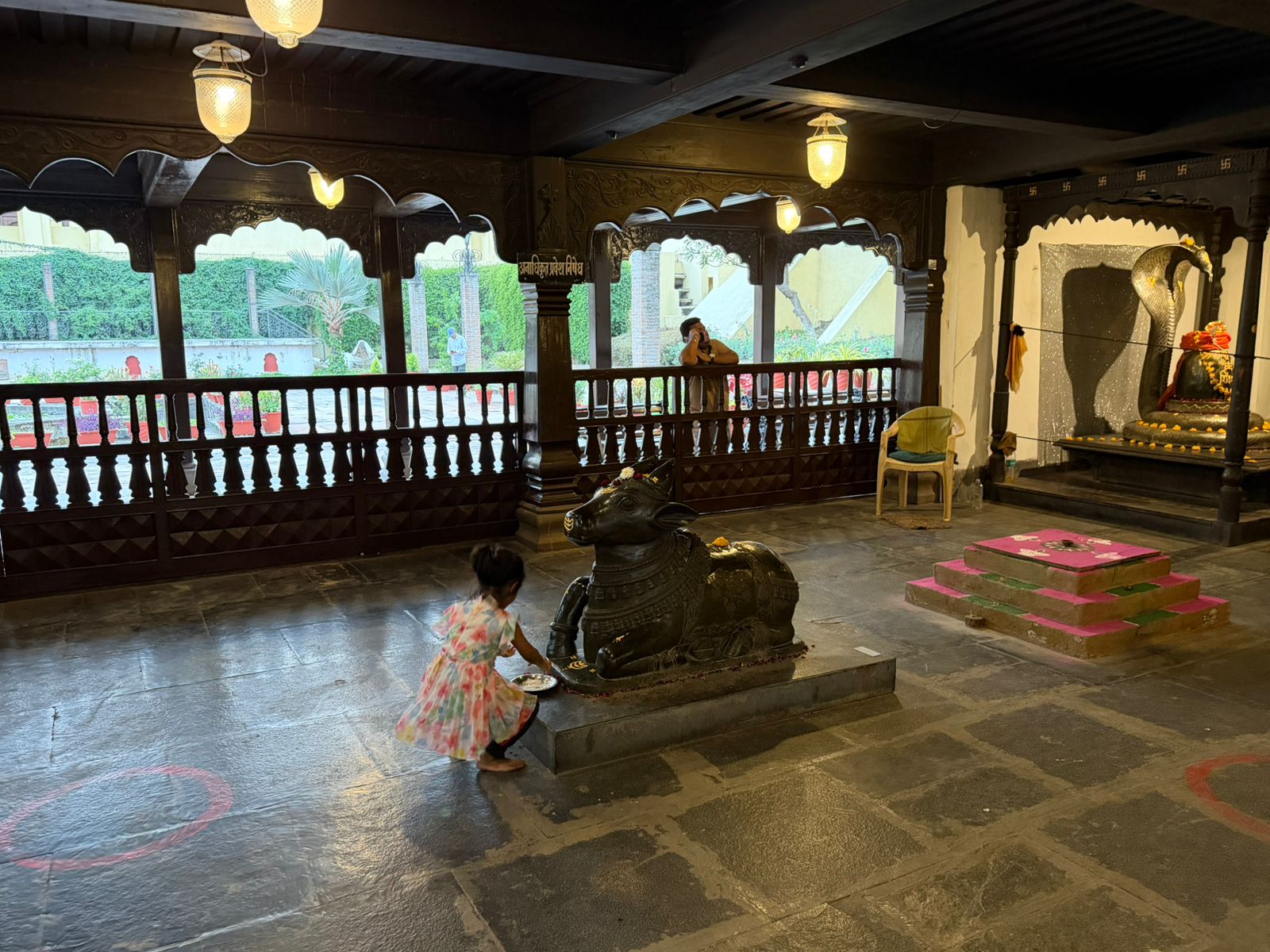
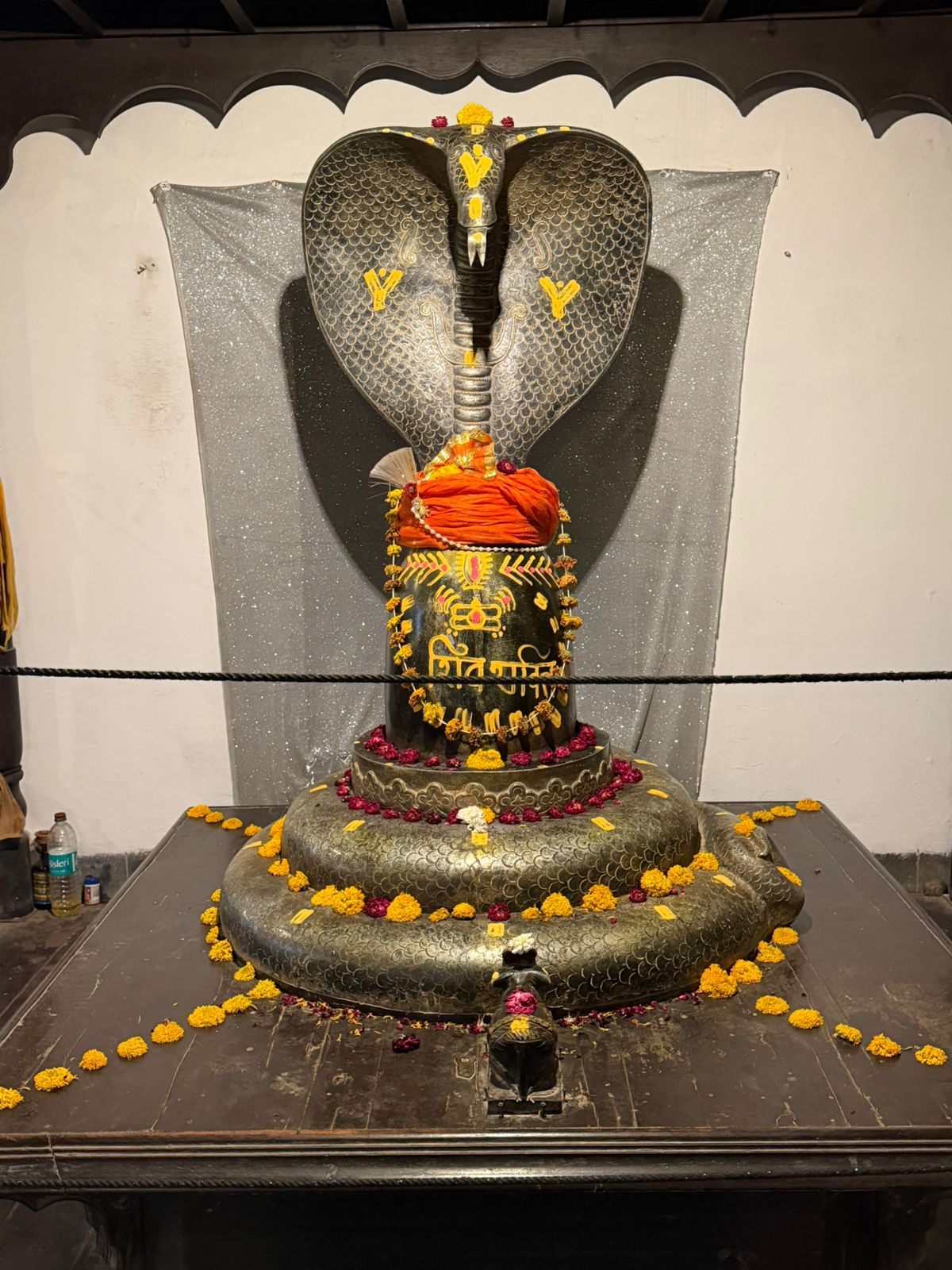
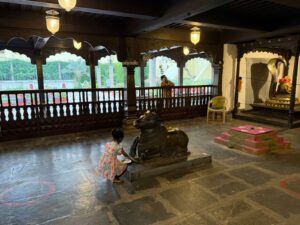
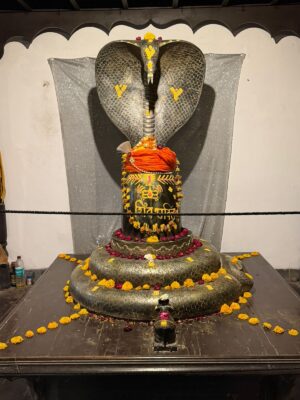
Inside the temple, I found the familiar presence of Nandi, seated calmly and facing the sanctum. Behind him, the shivling, adorned with flowers and offerings, stood as a symbol of timeless devotion to Shiva.
A young child circled the shrine, offering prayers with innocence—reminding me that faith here isn’t performed; it is lived.
Holkar Legacy

The Legend of Malhari Martand
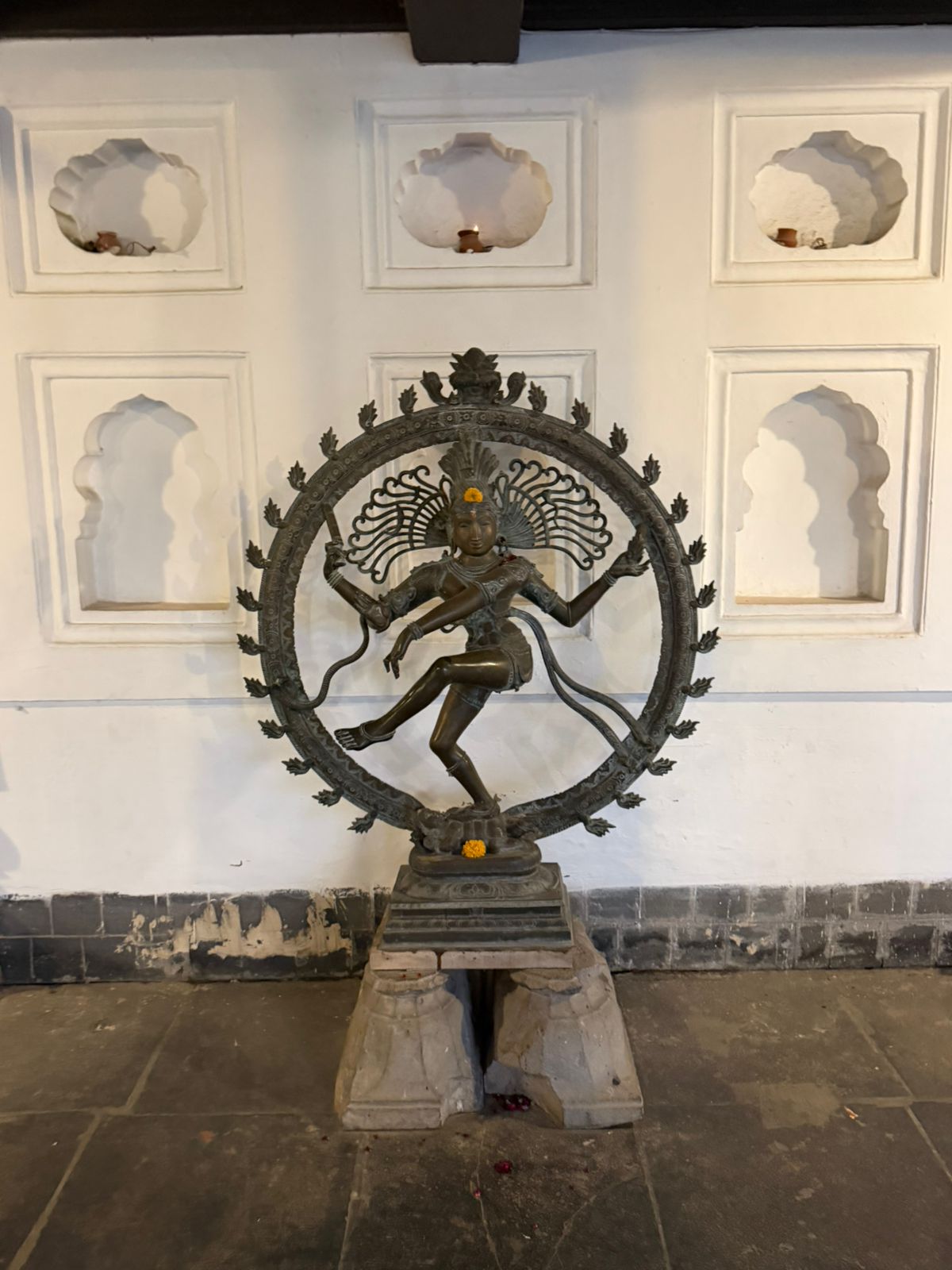
The temple is dedicated to Malhari Martand, a form of Shiva also known as Khandoba—a warrior deity deeply revered in Maharashtra and parts of Madhya Pradesh.
According to legend:
- The demons Mani and Malla created chaos on earth
- The gods appealed to Shiva for help
- Shiva manifested as Malhari Martand, a radiant warrior riding a horse
- In a fierce battle, he defeated the demons, restoring cosmic balance
It is said that before dying, the demons asked for forgiveness, and Shiva granted them a place near him—symbolizing not just the destruction of evil, but transformation and redemption. This is why Malhari Martand is both a warrior and a compassionate protector.
The Holkar Connection
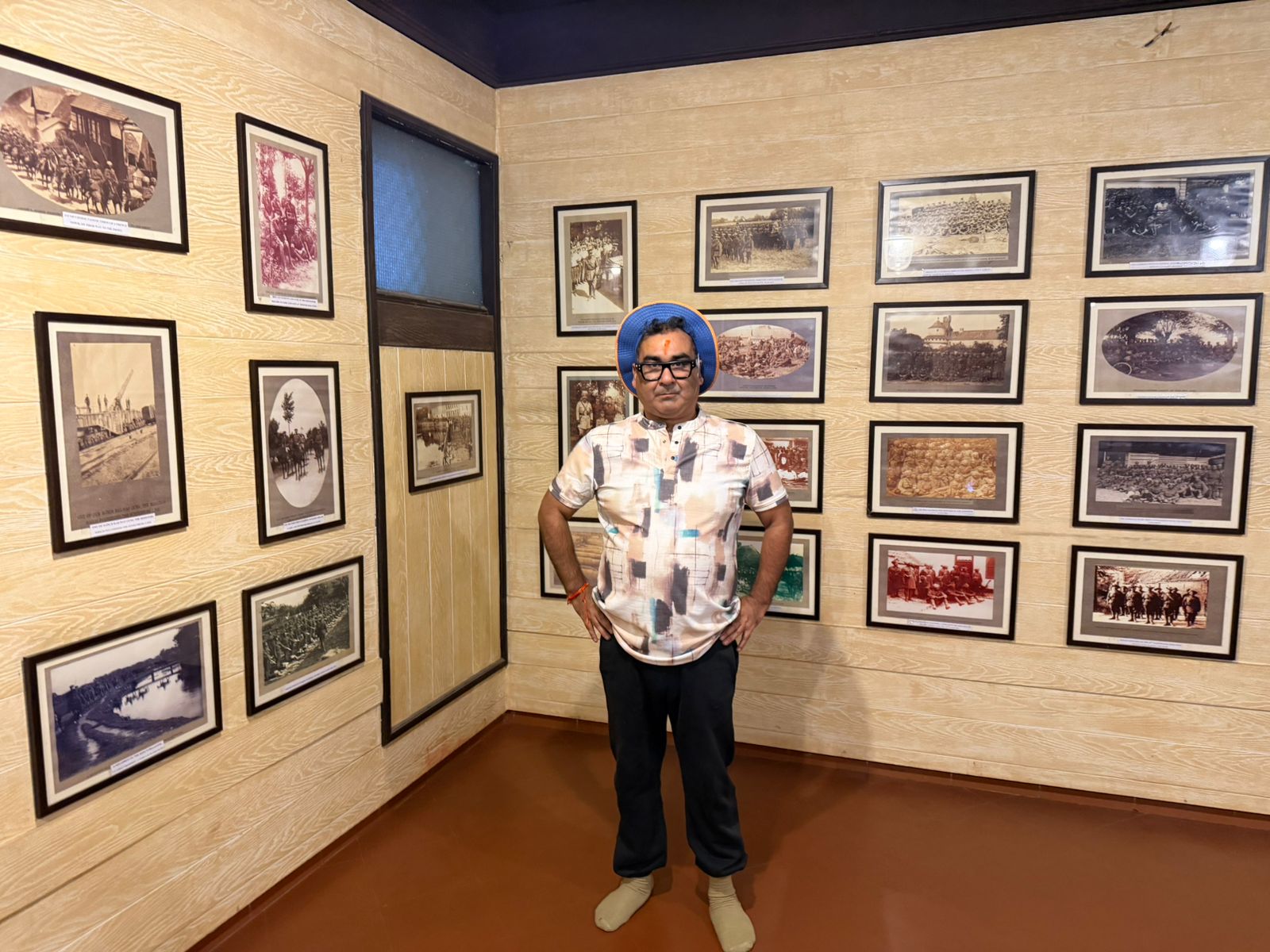
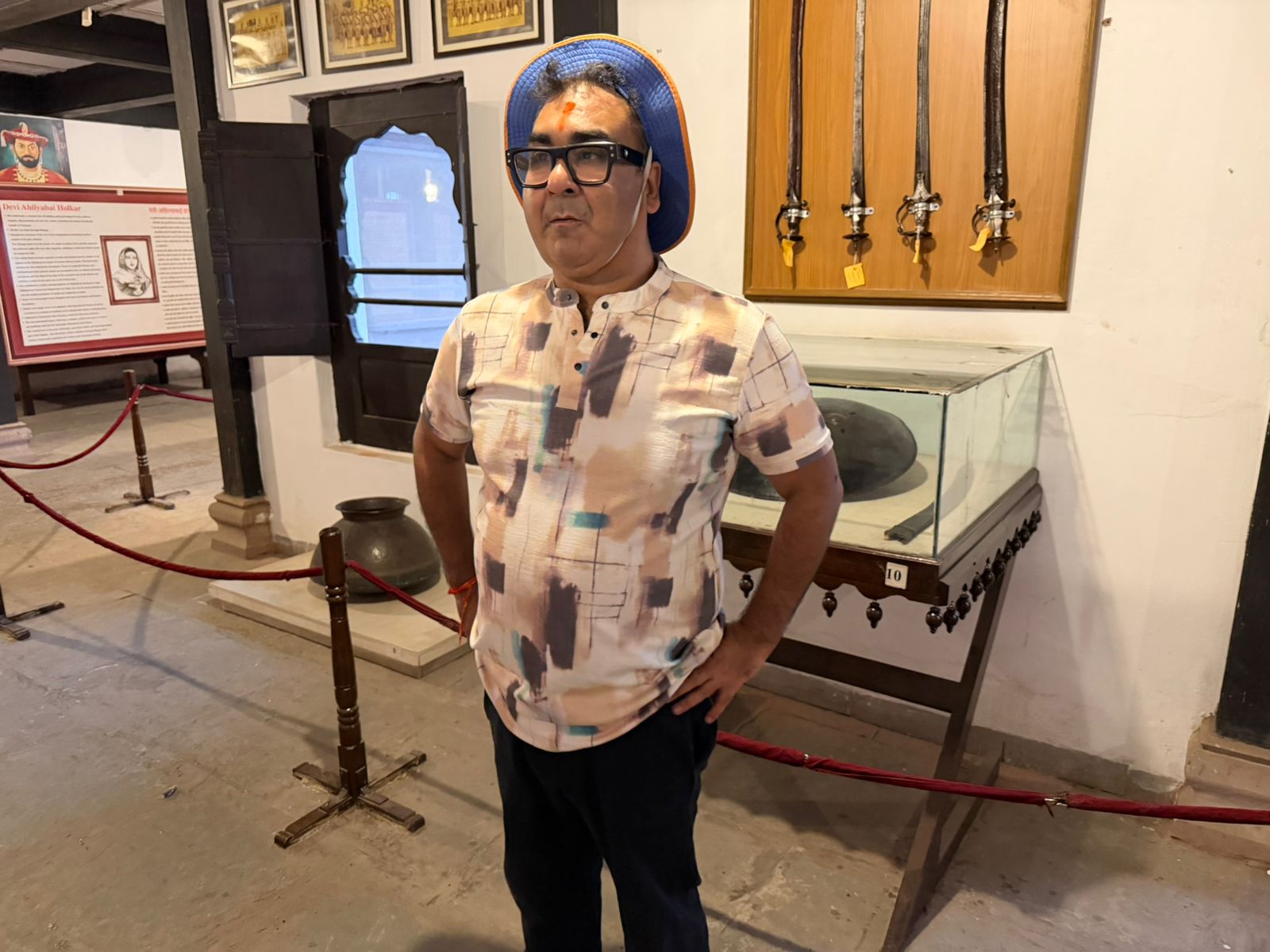
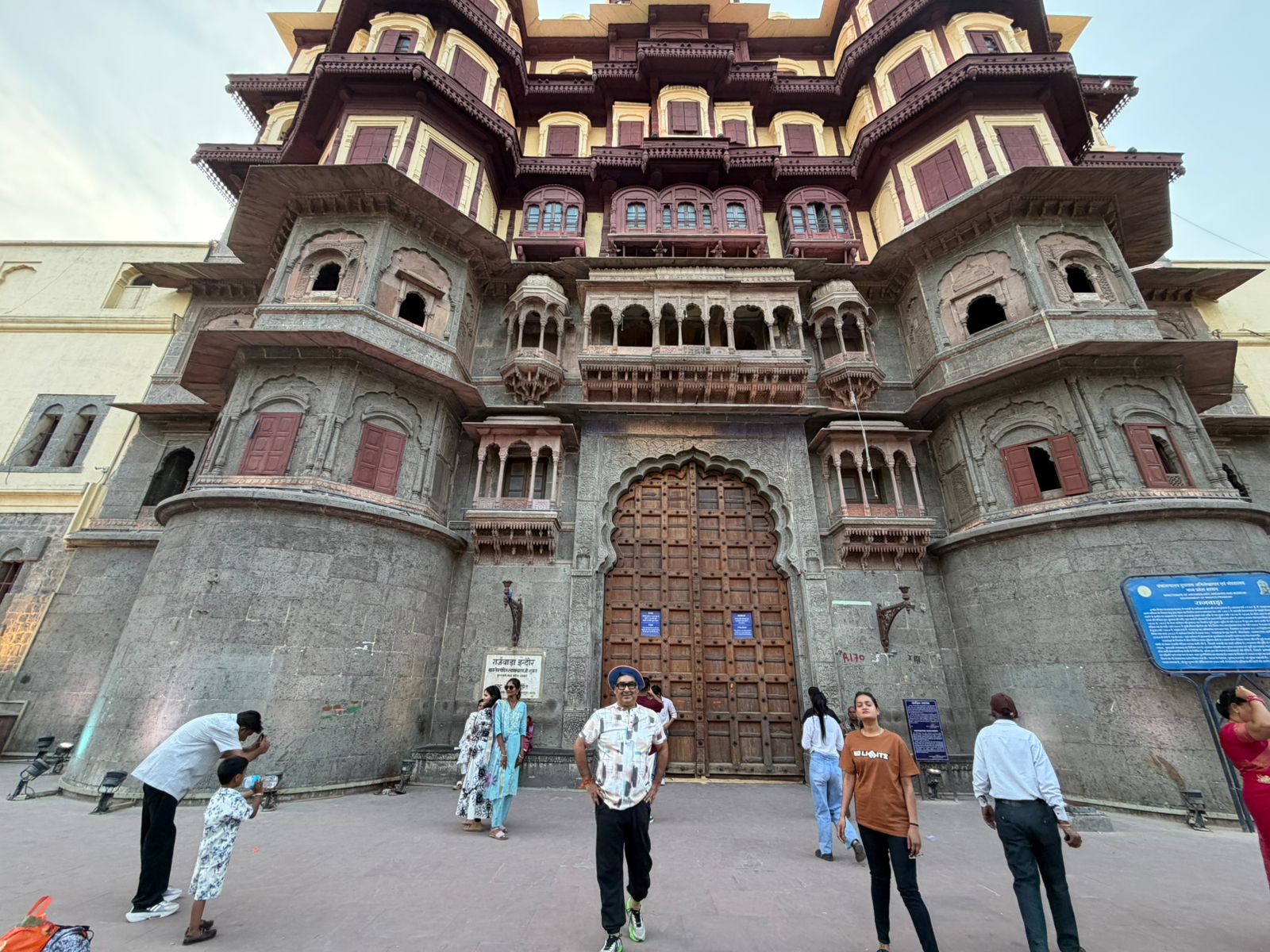
The temple’s architecture whispers stories of Holkar rulers, especially the legendary queen Ahilyabai Holkar.
She was known for her deep devotion and for building and restoring temples across India. Her style emphasized simplicity, spirituality, and accessibility. The wooden corridors, open courtyards, and human-scale design reflect this philosophy—temples meant for people, not just for grandeur.
A Living Heritage
What struck me most was how alive this place felt—not as a monument, but as a living space:
- People casually walking in to pray
- Conversations blending with silence
- Devotion existing alongside everyday life
Even a painting of a meditating yogi I saw seemed to echo the same message—inner stillness amidst outer chaos.
Reflection: Where Myth Meets Memory
Visiting the Malhari Martand Temple and the Holkar-era spaces wasn’t about ticking off a location.
It was about:
- Feeling the weight of history
- Understanding the depth of myth
- Experiencing the quiet continuity of faith
Here, mythology is not just a story from the past—it is something that still breathes in the present.
Indore surprised me. Beyond its famous food and busy streets, it holds places like this—hidden and deeply spiritual. Places where kings once prayed, legends were believed, and even today, people come seeking something simple—peace.
Add a review
Your email address will not be published. Required fields are marked *