
Kohima War Cemetery: Where Silence Speaks of Sacrifice
Perched on the gentle slopes of Kohima, surrounded by manicured lawns and whispering pine trees, lies one of the most poignant memorials of World War II — the Kohima War Cemetery. My visit to this sacred ground was a journey back in time, to a chapter of history etched with courage, loss, and an unbreakable spirit.
A Beautiful Resting Place Amongst the Hills
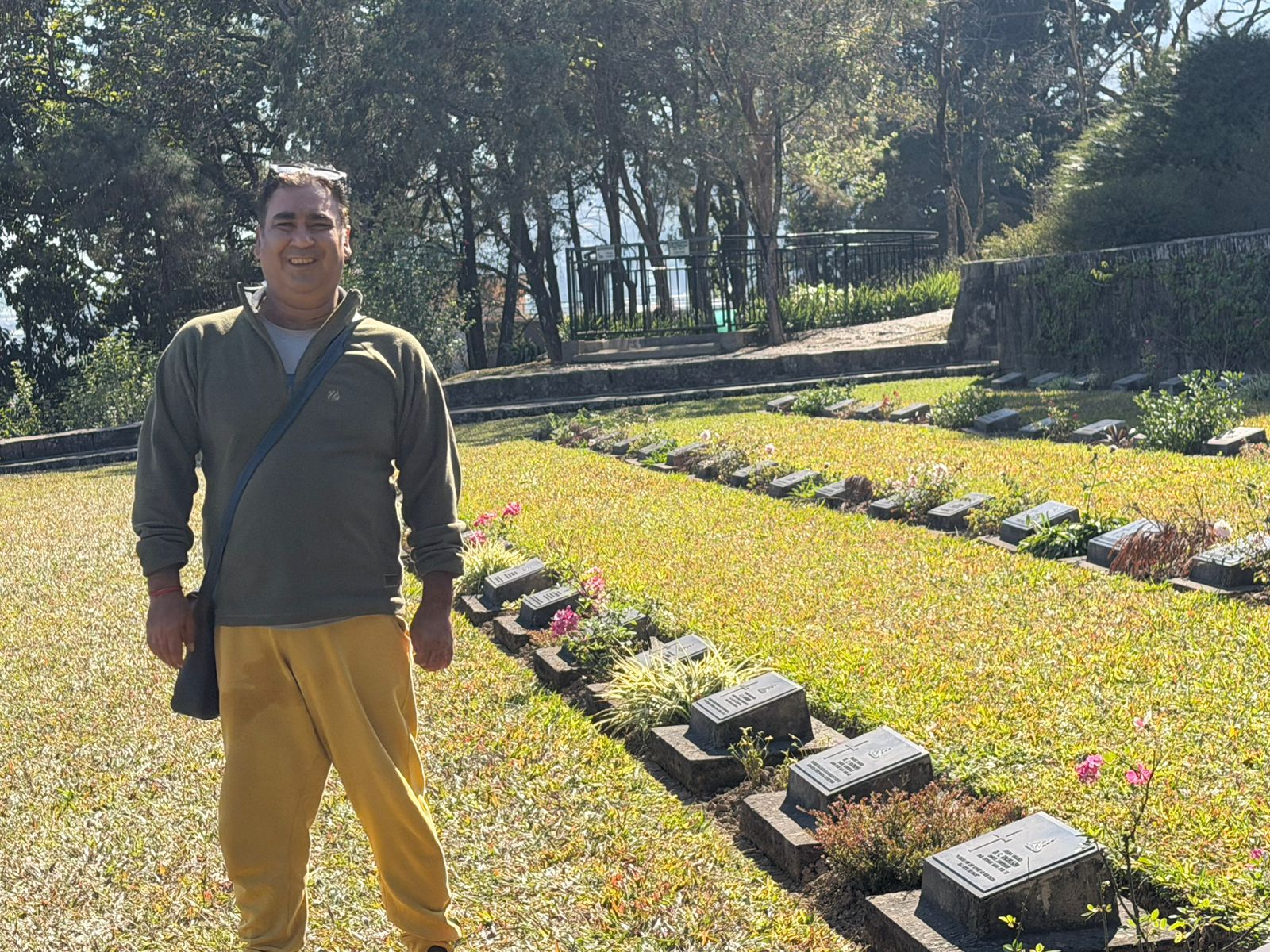
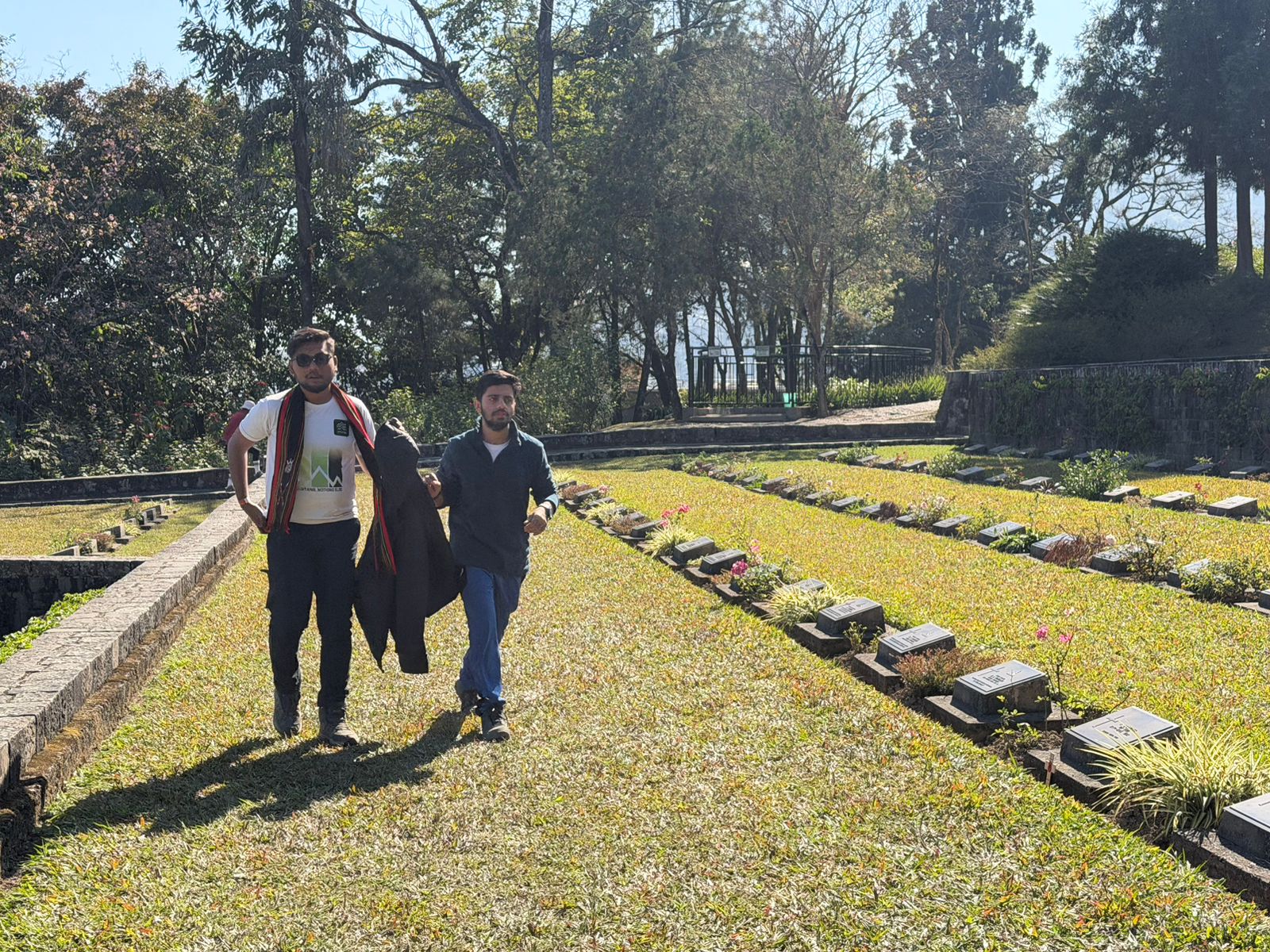
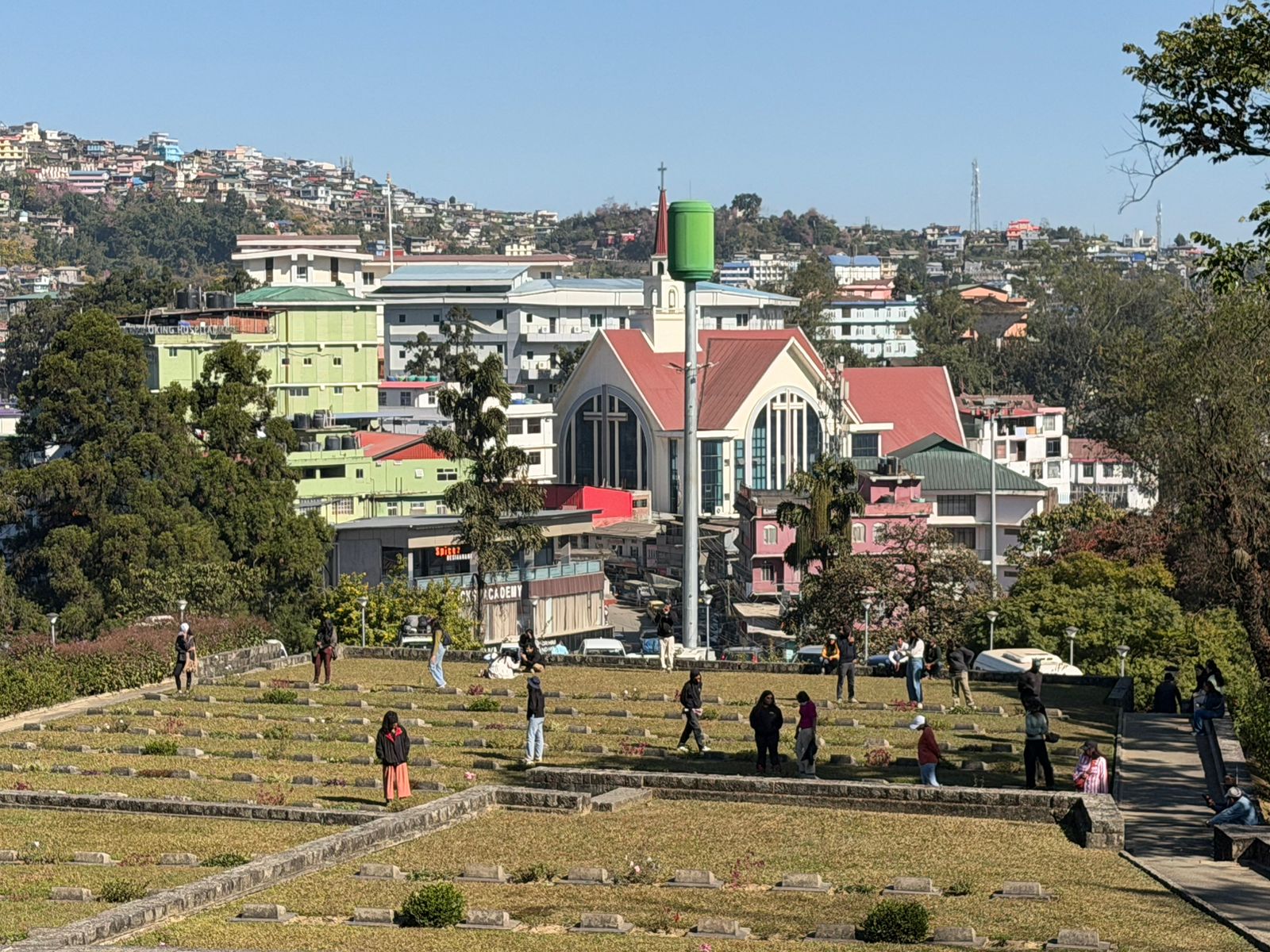
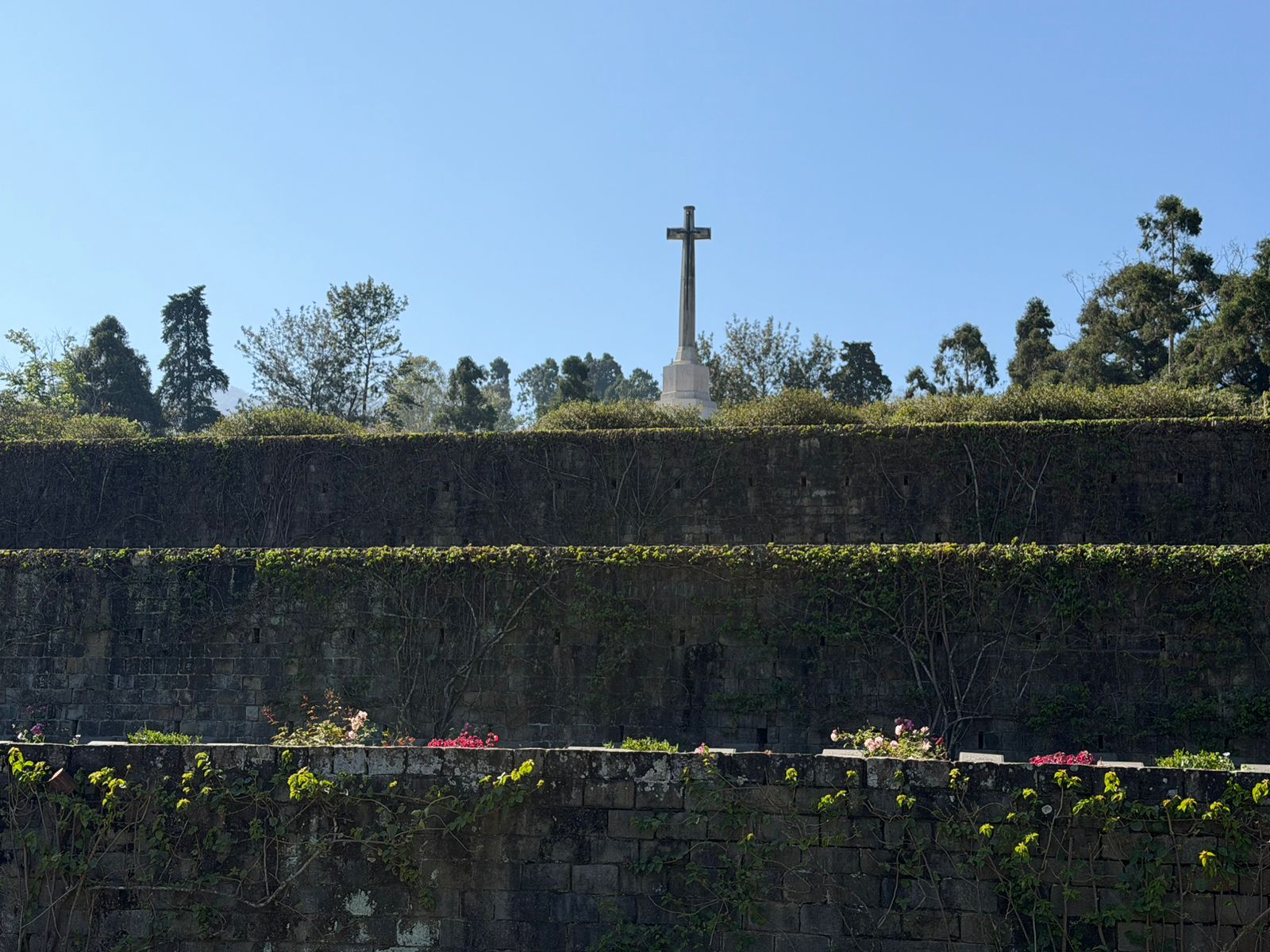
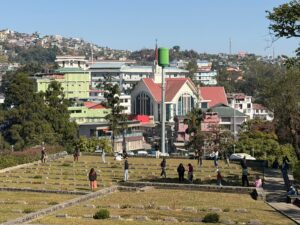
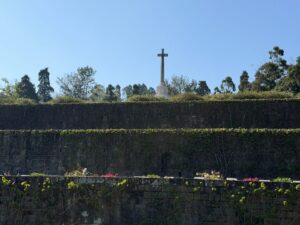
Walking through the entrance, I was greeted by the serenity of terraced gardens, each step leading deeper into a landscape of remembrance. The cemetery is meticulously maintained — lush green grass, flowering shrubs, and symmetrical lines of gravestones that stretch across the hill like pages of a solemn story.
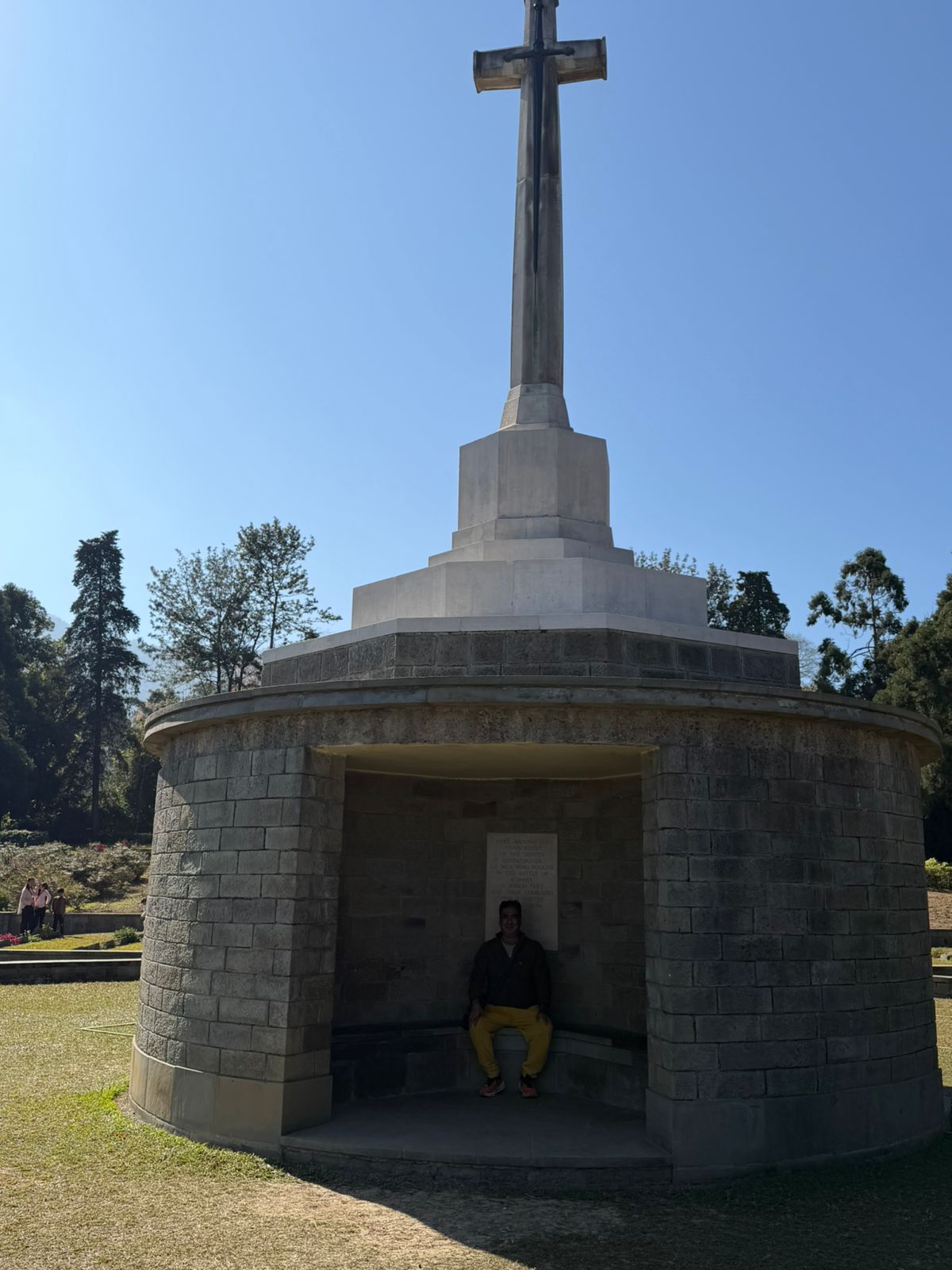
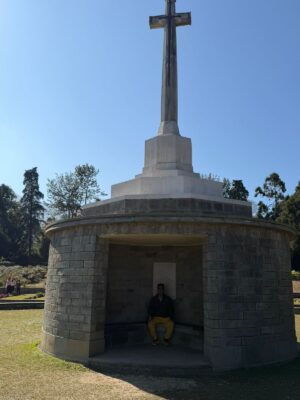
The towering Cross of Sacrifice stands guard over the grounds, visible from afar, symbolising honour and eternal peace. Sitting beneath its cool stone shade, I felt a profound quiet settle within — one that words struggle to describe.
Kohima War Cemetery
The Battle That Changed the War
The Kohima War Cemetery marks the site of the Battle of Kohima (April – June 1944), often called “the Stalingrad of the East.” This was where British and Indian soldiers halted the advancing Japanese Army, changing the course of the Burma Campaign.
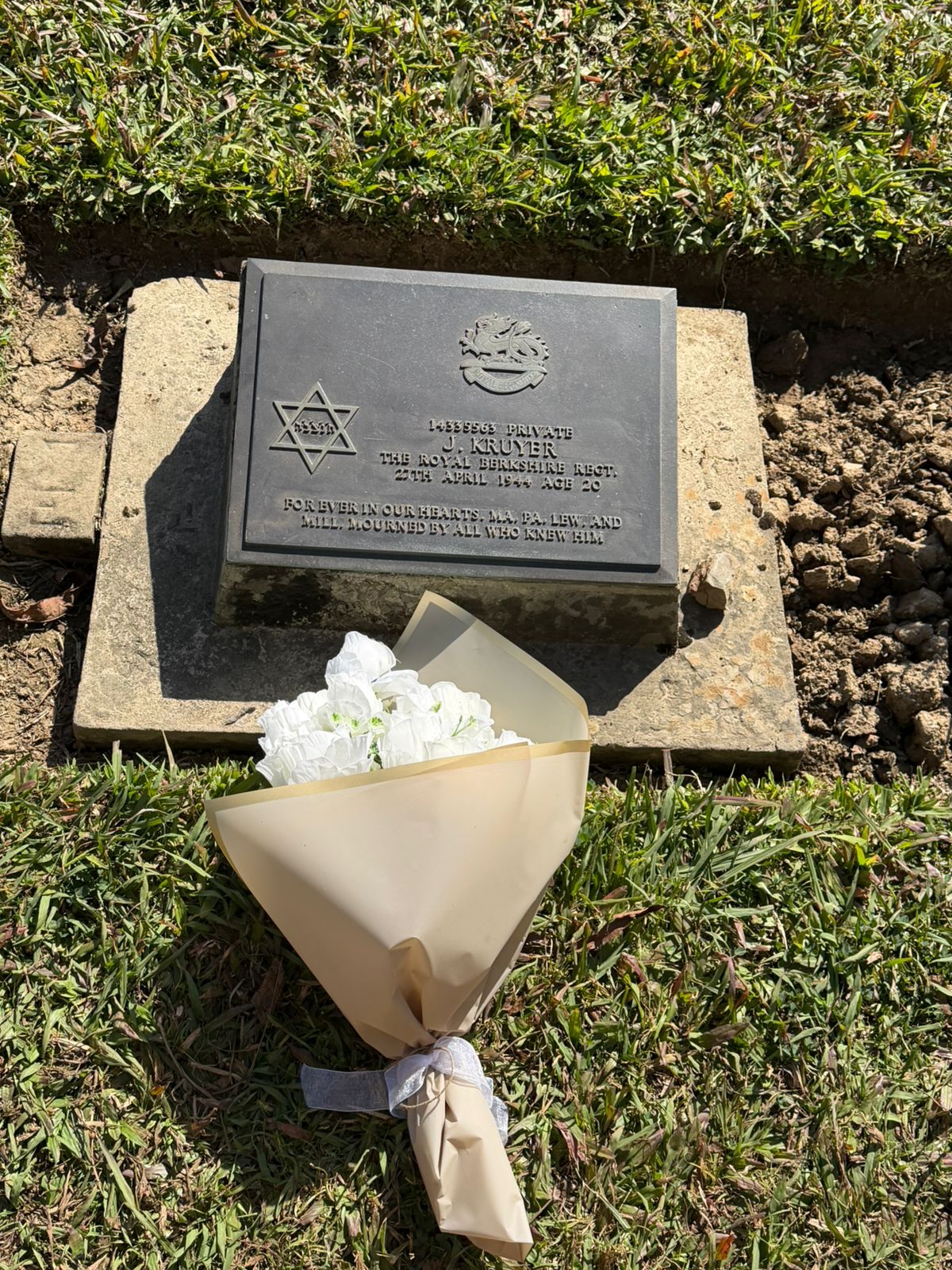
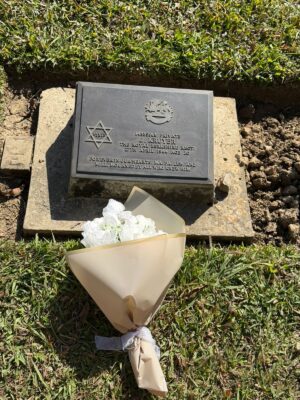
Many of the soldiers who rest here were heartbreakingly young — some barely in their twenties. As I walked along the rows of gravestones, I paused at an inscription:
“Deep in our hearts his memory is kept. We loved him too well to ever forget.”
It belonged to Private W. Gregory, aged 27, from the Dorsetshire Regiment, who died on the 4th of May, 1944. A life cut short, yet remembered forever in this peaceful corner of Nagaland.
A Landscape of Names and Nations
The cemetery is the final resting place of more than 1,420 Commonwealth soldiers — British, Indian, and Naga scouts — who fought side by side. Each stone bears a name, a regiment, a date, and sometimes a heartfelt message from family far across the world.
Standing among these rows, with the sun casting a warm glow, I felt the deep respect this place demands. It is not just a cemetery — it is a reminder of unity across borders, religions, and cultures.
The Famous Epitaph
On the upper terrace of the cemetery lies one of the most iconic epitaphs in military history, dedicated to the soldiers of the 2nd Division:
“When you go home, tell them of us and say,
For your tomorrow, we gave our today.”
These words, composed by John Maxwell Edmonds, resonate deeply as you look upon the peaceful resting grounds where so many tomorrows were sacrificed.
Peace in the Midst of History
Despite the weight of its past, the cemetery is overwhelmingly peaceful. Birds call from nearby trees, the breeze rustles through the hedges, and sunlight dances across the polished stone markers. In your photos — whether sitting quietly on a stone bench or walking through the lined graves — there is a natural sense of reflection. This is a place where history becomes personal.
A Place That Teaches Us to Remember
My visit to the Kohima War Cemetery was not just a stop on a journey — it was a humbling experience. It reminded me that the peace and freedom we enjoy today were shaped by countless unnamed heroes who once stood where I stood, saw the same hills, breathed the same air, and fought with extraordinary courage.
Kohima holds many such treasures, but this cemetery is its quiet heart — one that beats with honour, sacrifice, and undying gratitude.
Add a review
Your email address will not be published. Required fields are marked *