
Hail Pashupatinath Temple
No trip to Nepal would be complete without a visit to the famous Pashupatinath Temple. As a devoted follower of Shiva, I made sure to set aside two days in the city to explore its vibrant markets and pay my respects at this great temple. Pashupatinath is a primary shrine dedicated to Shiva, revered by those seeking liberation from the cycle of birth and death.
I took a taxi to the temple, paying the driver 700 rupees for the trip. The temple complex is vast, featuring a cremation ground along the banks of the sacred Bagmati River, with a massive water tank (Kumbh) at its heart. Inside the main temple, there is a colossal idol of Nandi, Shiva’s devoted mount. I managed to sneak in at just the right moment to catch a glimpse of the sacred Shiva lingam.
Hail Pashupatinath Temple
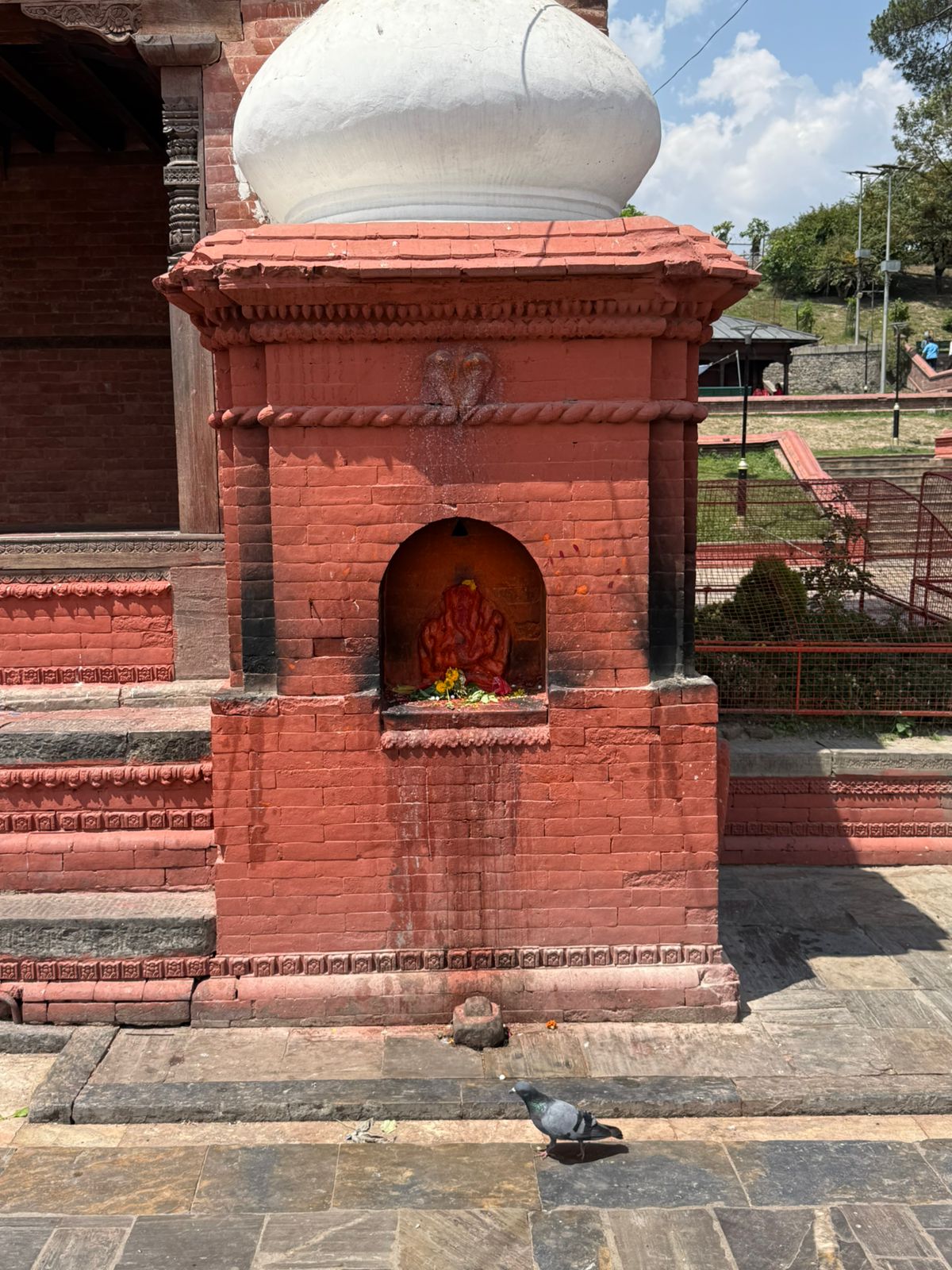
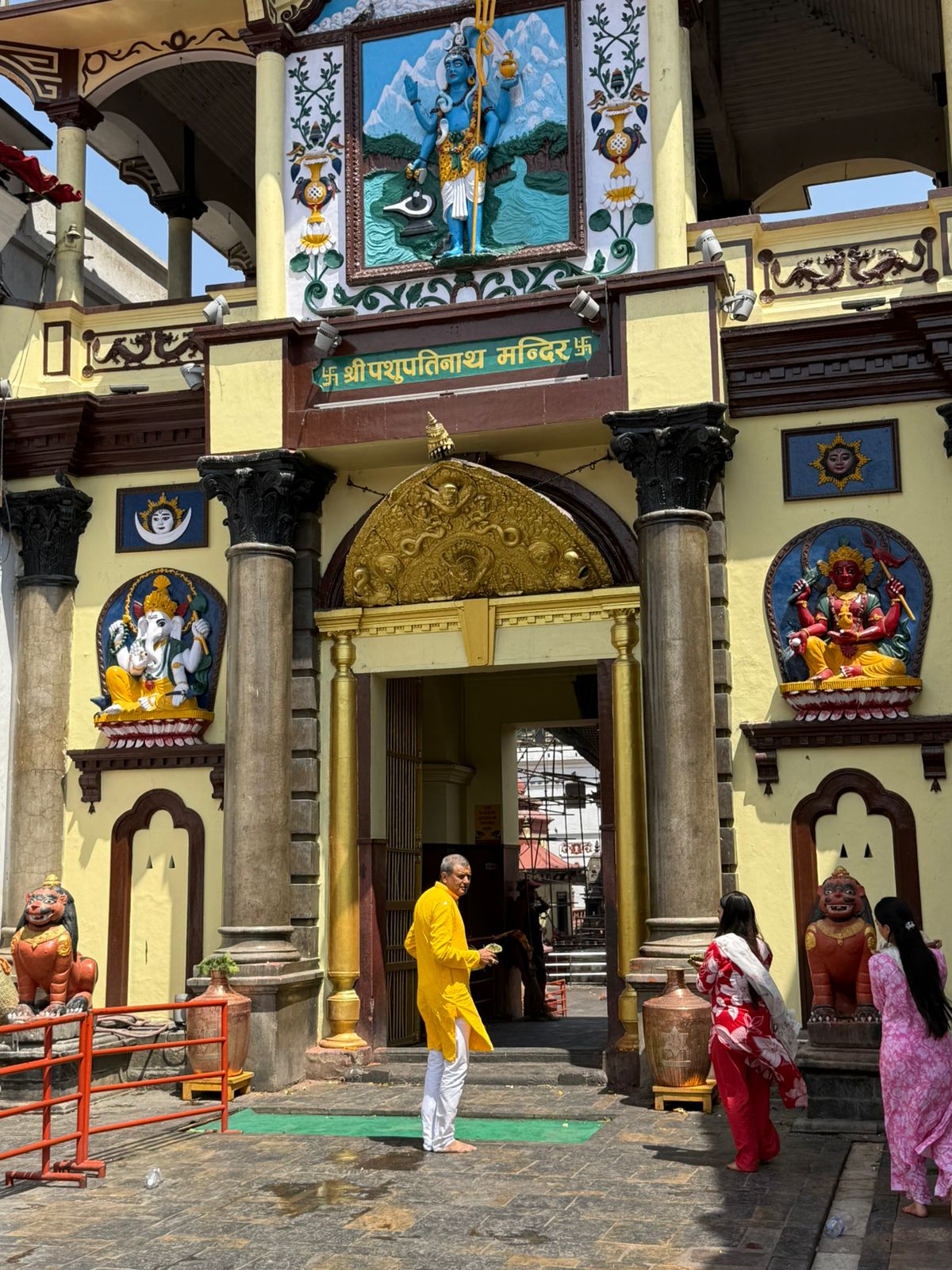
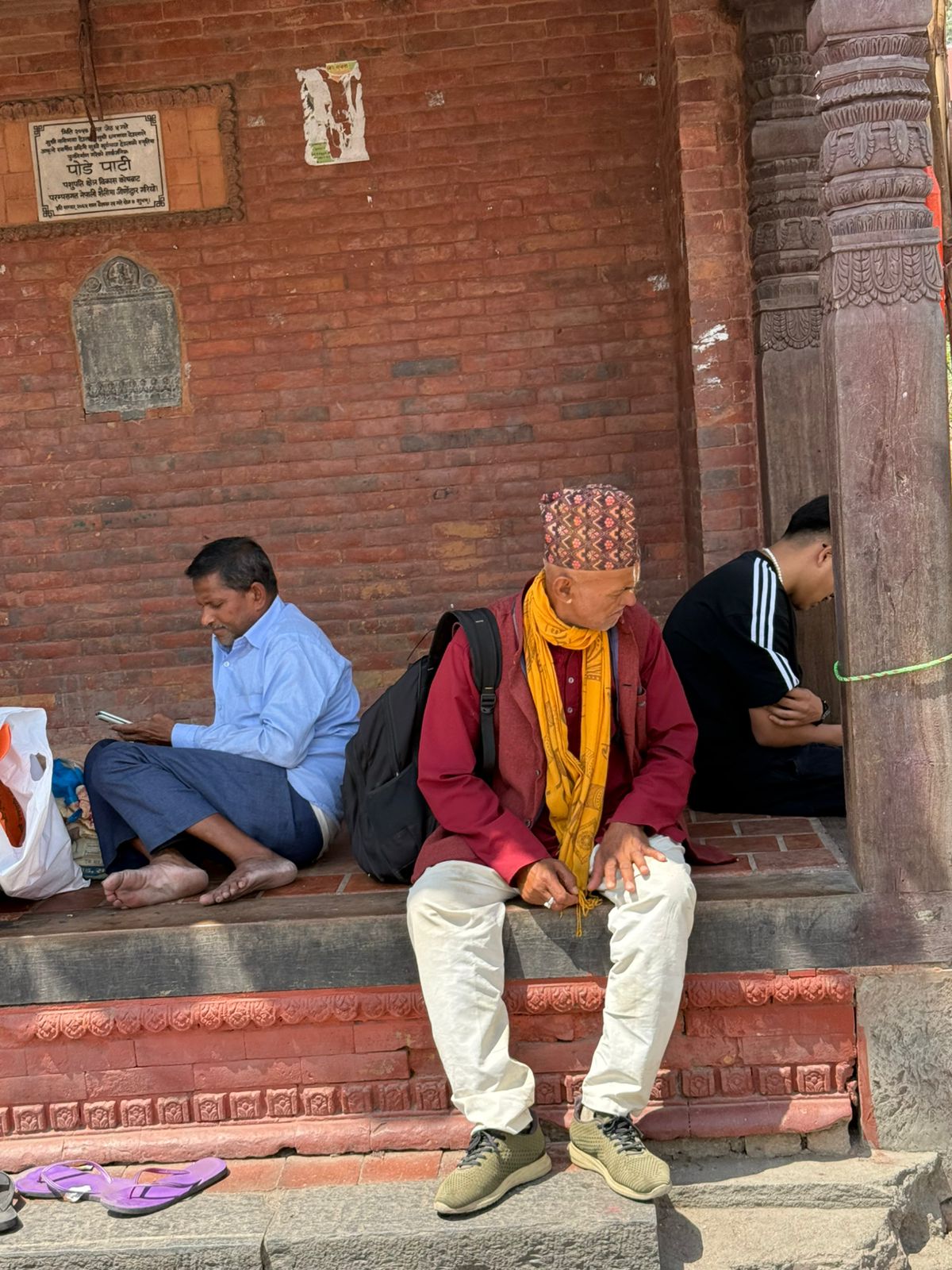
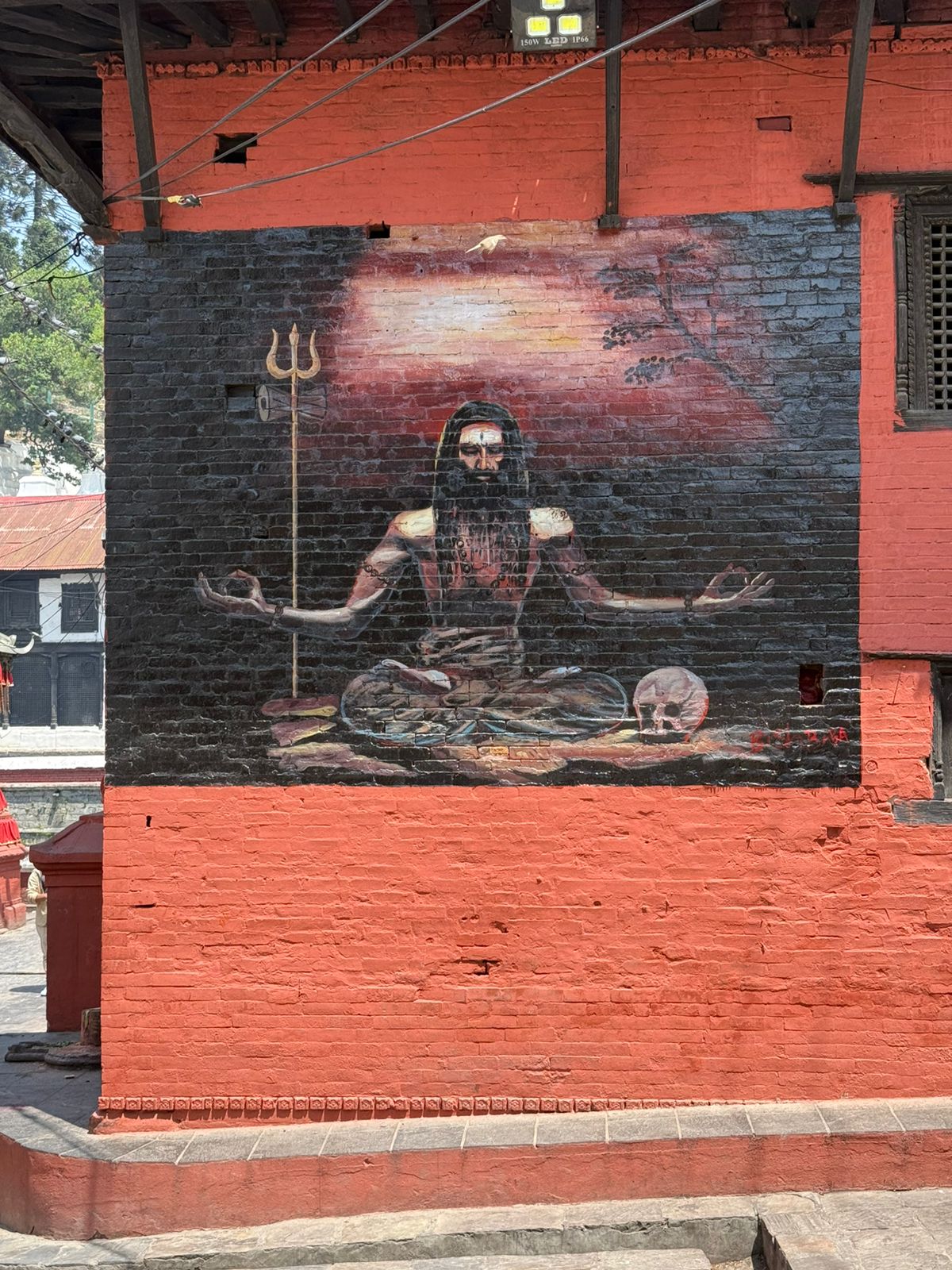
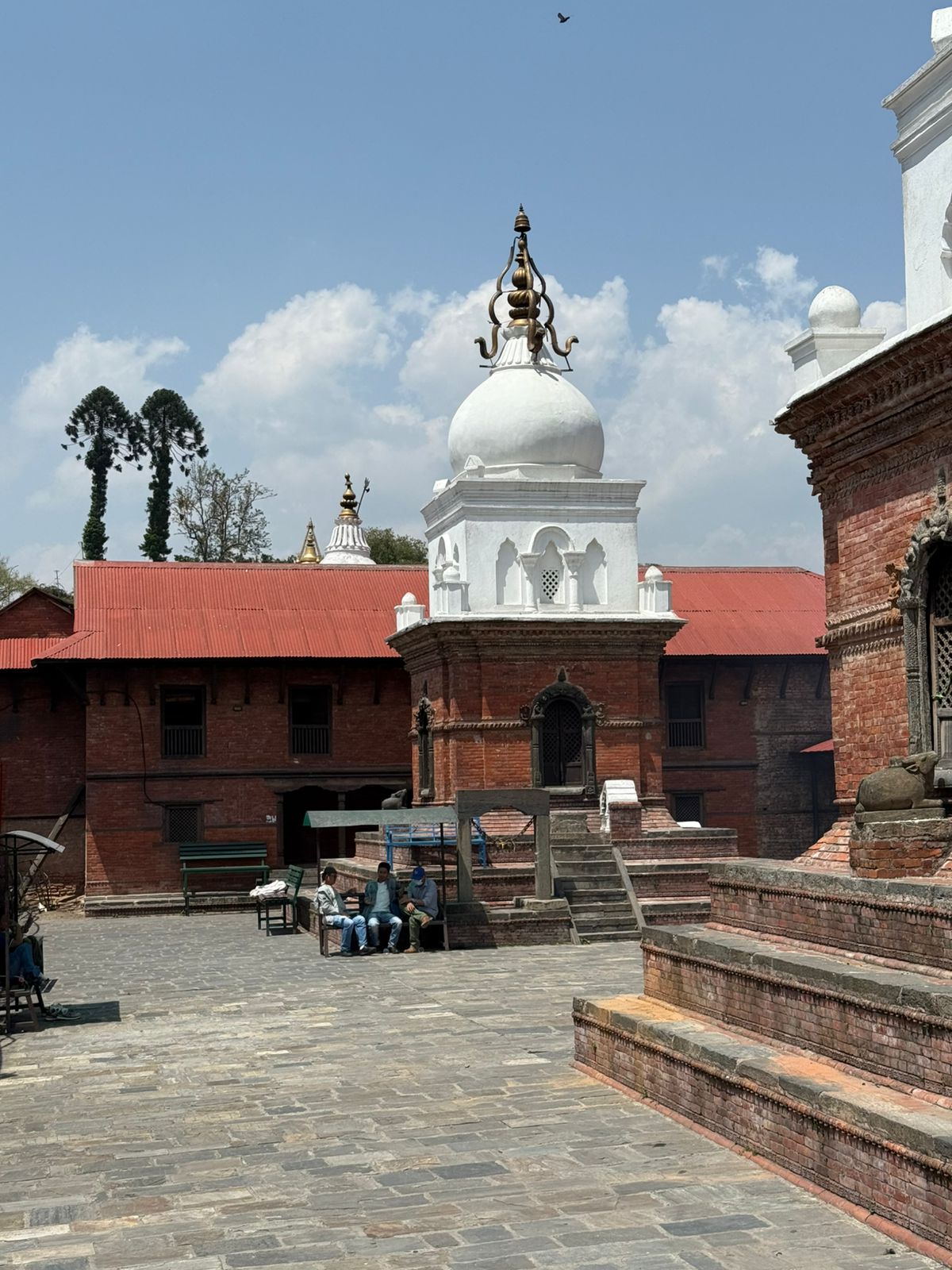
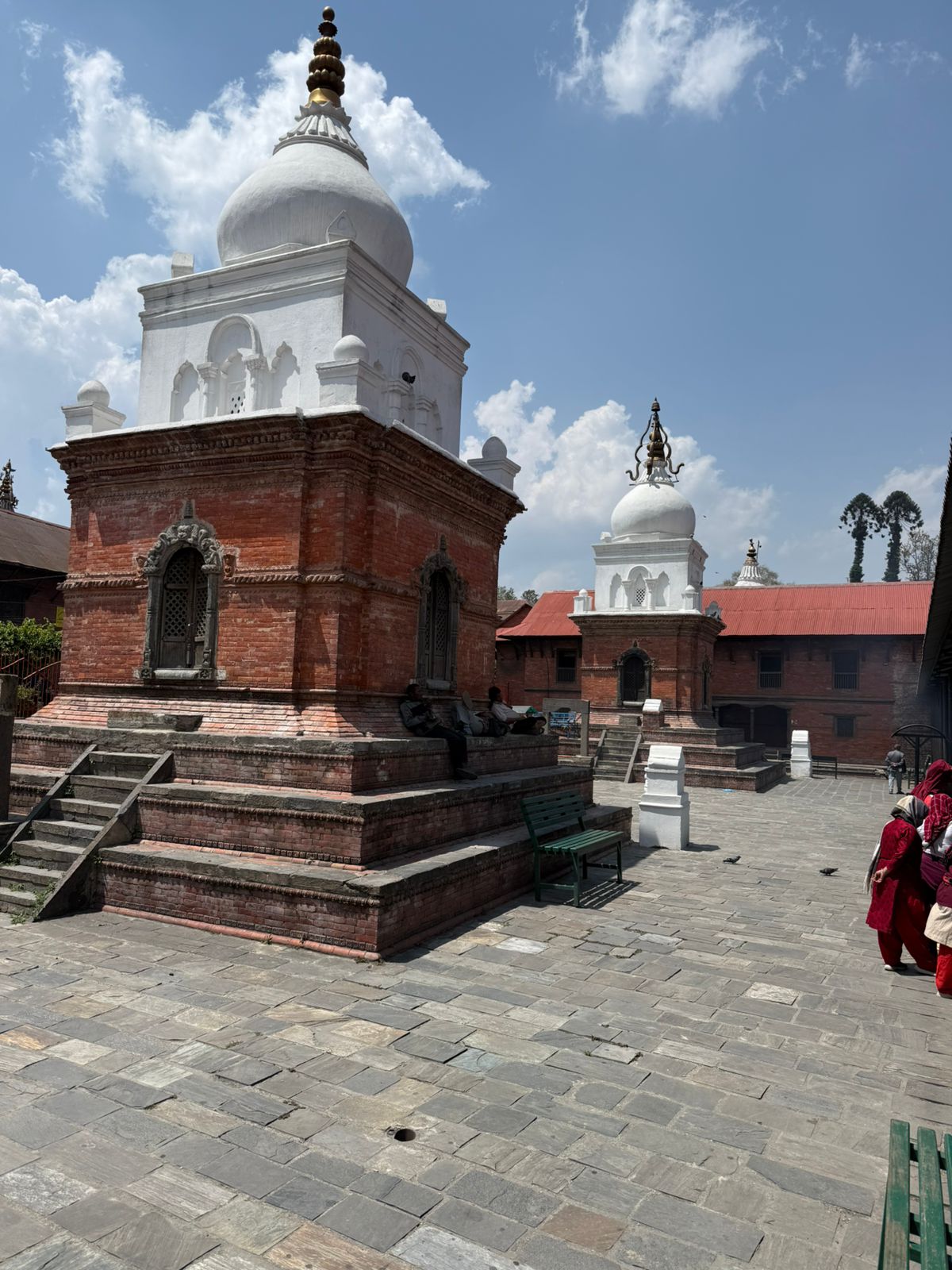
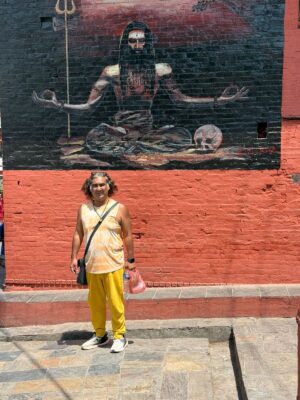
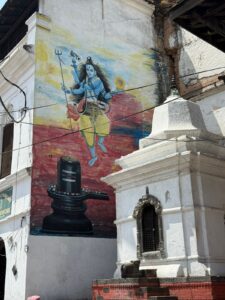
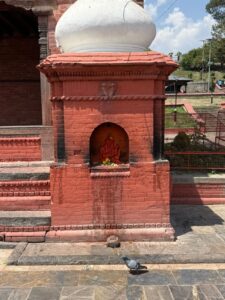
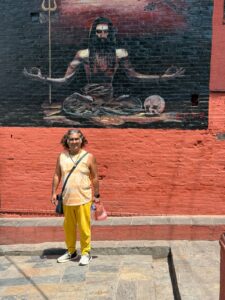
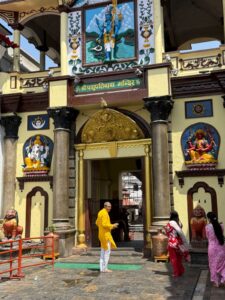
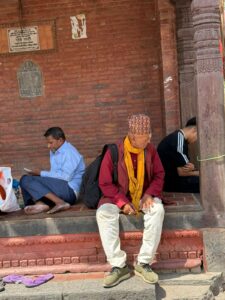
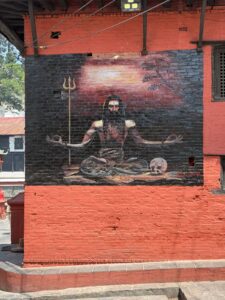
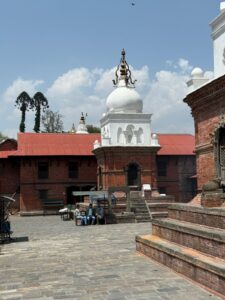
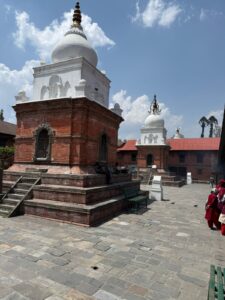
I began taking pictures inside the temple, only to be quickly admonished by the guards. One of them even threatened to confiscate my phone, but I managed to escape their notice before things escalated.
The Pashupatinath Temple, located on the banks of the Bagmati River, has been a UNESCO World Heritage Site since 1979. It covers an area of 249 hectares and houses 519 smaller shrines and temples within its vast complex. It is believed that the head of Shiva rests here at Pashupatinath, while his body lies at Kashi Vishwanath, with spiritual connections also extending to Kedarnath, Kalpeshwar, and Rudranath. The temple is said to date back to the pre-Vedic period and is considered the 13th Jyotirlinga, a highly sacred manifestation of Shiva.
Only the four main “pujaris” (priests) are allowed to touch the central idol, and photography within the inner sanctum is strictly forbidden. The Bhatta priests, who perform the temple rituals, are highly educated scholars from Karnataka. They are carefully selected and trained before being sent to Kathmandu to serve the lord. Meanwhile, the Rajbhandaris act as the treasurers and caretakers of the temple, assisting the Bhattas in the inner sanctum.
The temple complex has four entrances, with the western gate always open to the public, while the other three are reserved for special festivals. Interestingly, the temple holds significance for Buddhists as well, as it is said to be the place where the great saint Gorakhnath taught the principles of Hatha Yoga.
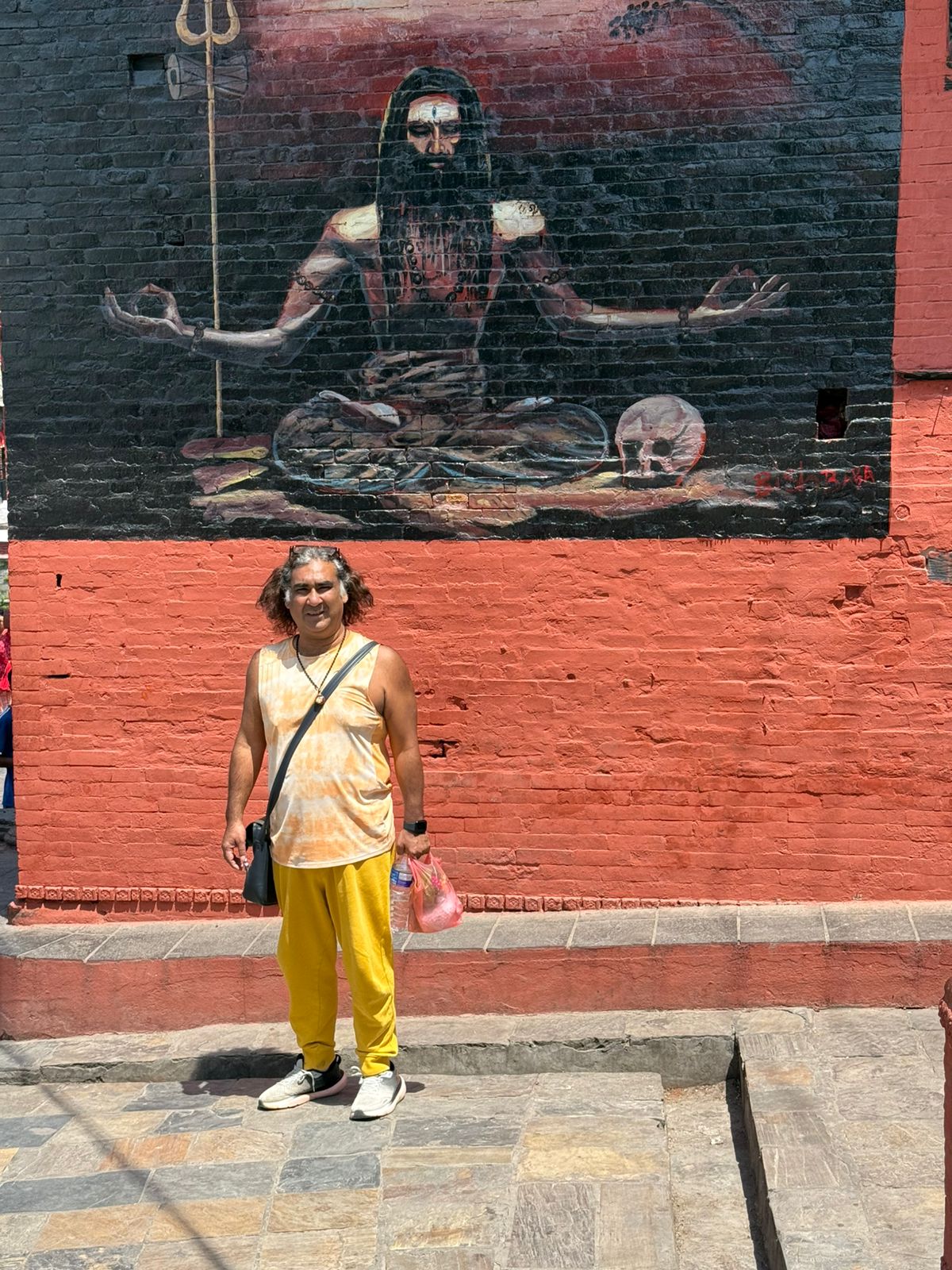
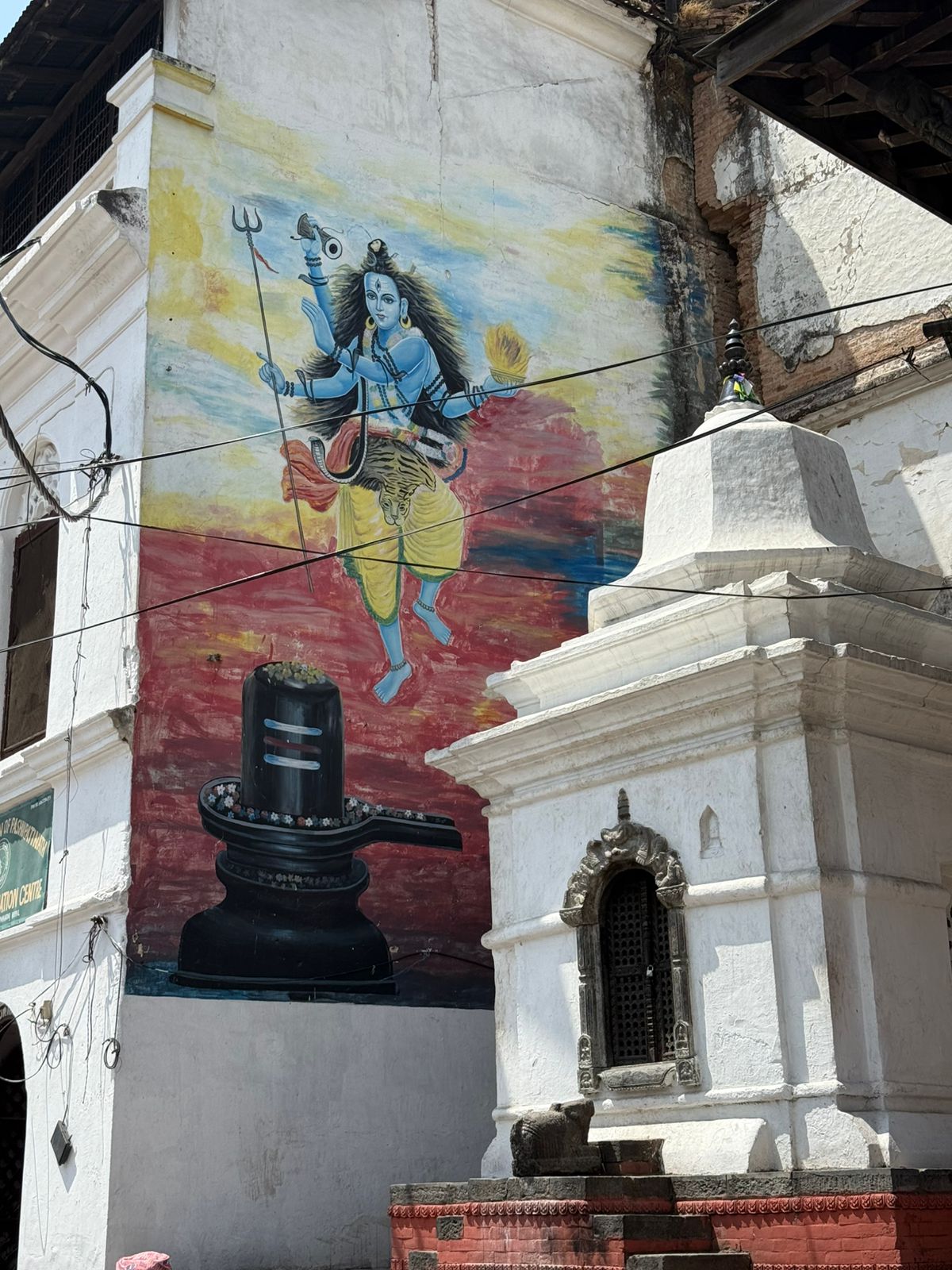
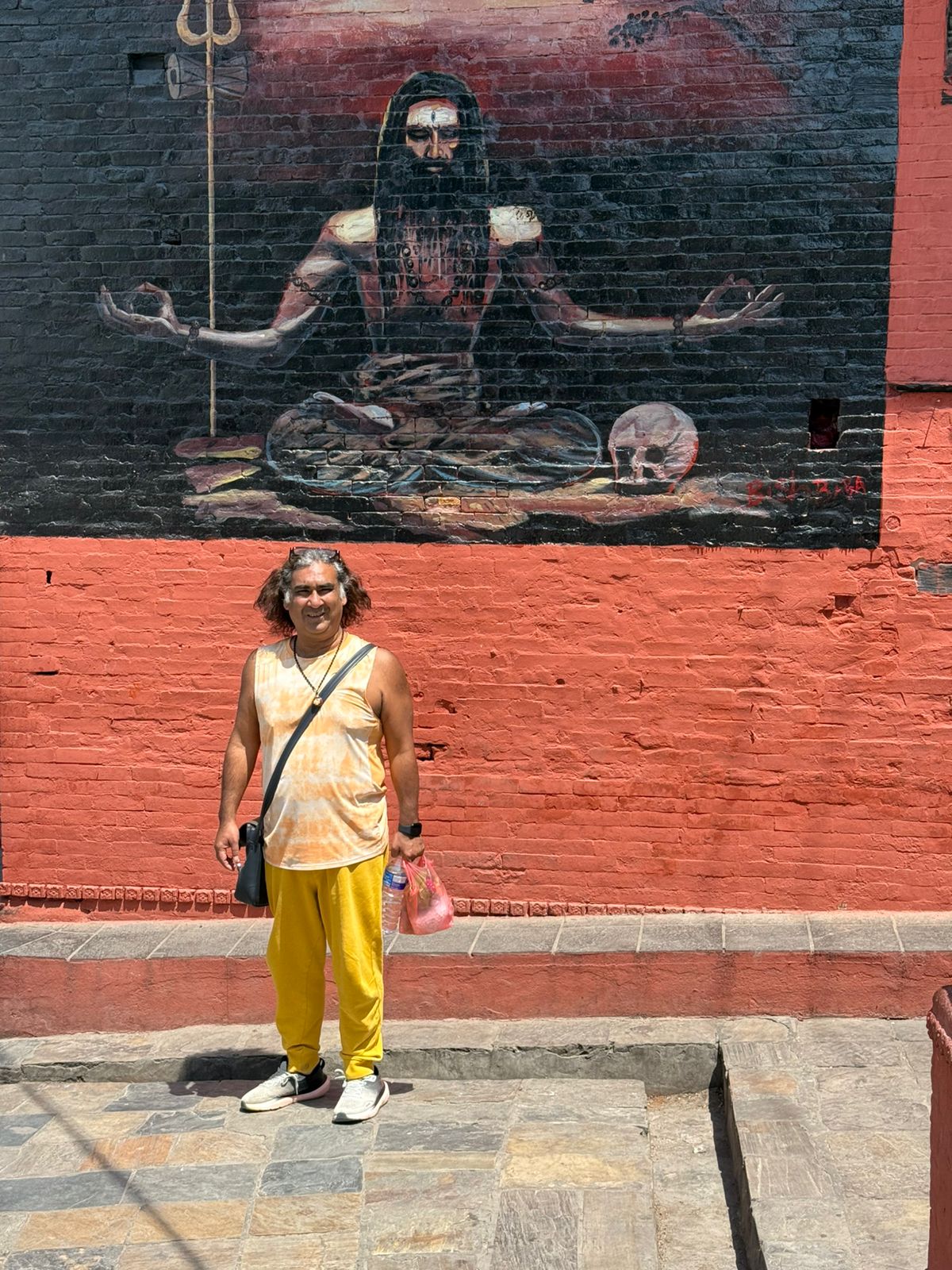
The name “Pashupatinath” translates to “Lord of the Animals,” and true to its name, the temple grounds are often teeming with monkeys, pigeons, and stray dogs. Numerous stalls around the complex sell prasad, flowers, and garlands, which devotees offer to the deity. The walls are adorned with vivid paintings of Shiva and Aghori saints, capturing the raw spiritual energy of the place.
Security around the temple is tight, with a heavy police presence to ensure order. Leather items, including belts, shoes, and bags, are strictly prohibited within the temple grounds as a mark of respect.
Before leaving, I completed my pooja and whispered my wish into the ear of the great Nandi, a symbolic gesture of devotion. It was a deeply spiritual experience, one that left me feeling truly connected to the divine.
Add a review
Your email address will not be published. Required fields are marked *