
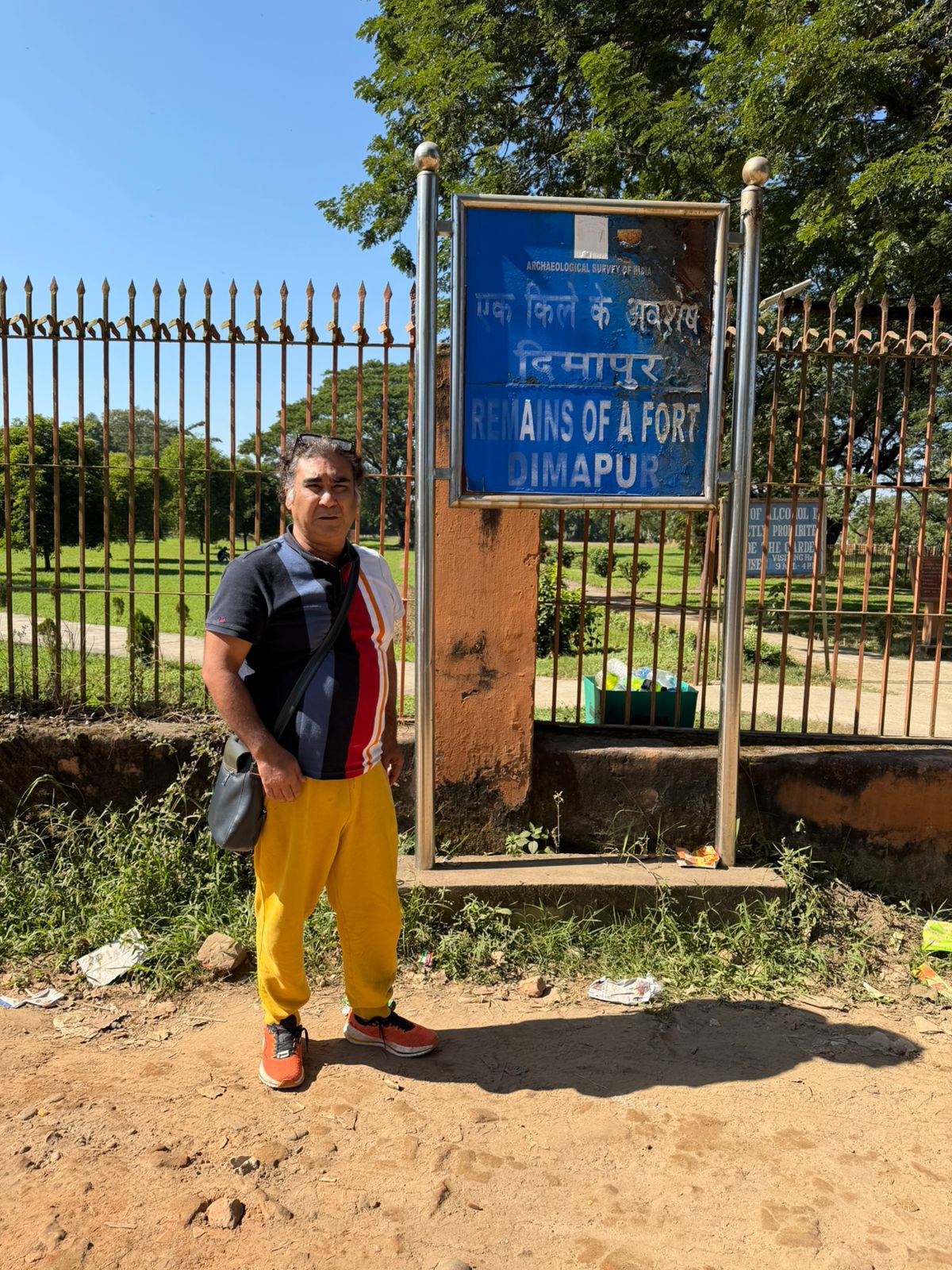
Fort Dimapur and the Kachari Ruins
It was an exciting morning as I arrived in Nagaland and its capital, Dimapur. The flight was breezy, and I quickly realised the city is full of autos, so I decided to take one to my hotel. It had been a hectic day, and I was feeling a bit low after leaving Mayong, where life had been very slow and tranquil. Dimapur is a bigger city, and there was enough traffic on the road – it felt like coming back to a concrete jungle again.
As has been my modus operandi, I did enough research on the city I was about to visit and then caught hold of a taxi driver named Vijay, who took me around the city. Our first stop was the famous Dimapur Fort and the Kachari Ruins.
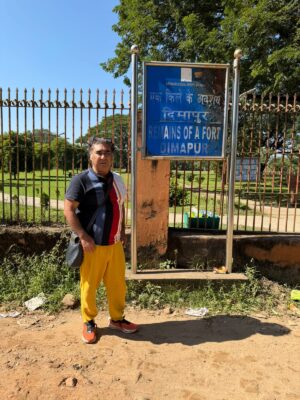
This is a silent world of stones, pillars, and ancient earthworks that whisper stories far older than the city itself. Tucked away near the heart of the town lie the Kachari Ruins, the most striking remains of the once-powerful Kachari (Dimasa) kingdom. These ruins are what many refer to as Fort Dimapur, though the surviving structures are more ceremonial than militaristic. Walking through this site feels like stepping into a chapter of history that was never fully written – or perhaps deliberately forgotten.
The Kingdom Lost in Time
The Kachari Kingdom flourished between the 10th and 13th centuries, ruling a large part of present-day Assam and Nagaland. Dimapur was one of its political and cultural capitals – a strategic settlement on the banks of the Dhansiri River.
Most of what we know today comes from archaeological discoveries, surviving folklore, and brief colonial-era descriptions. The kingdom was eventually overtaken by the Ahoms in the 16th century, but the royal complex they left behind still stands in silent defiance.
Fort Dimapur
The Mysterious “Megalithic” Pillars
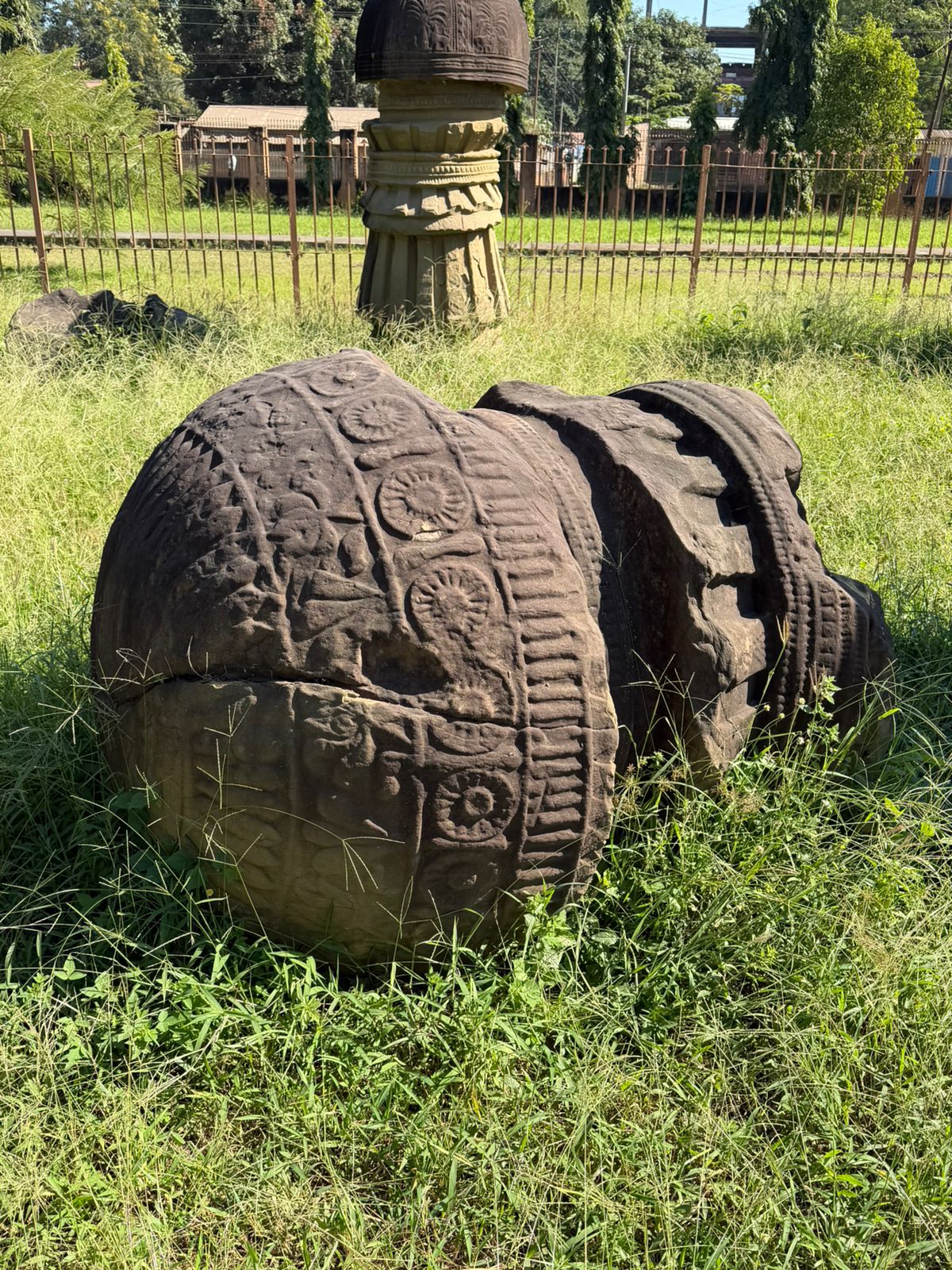
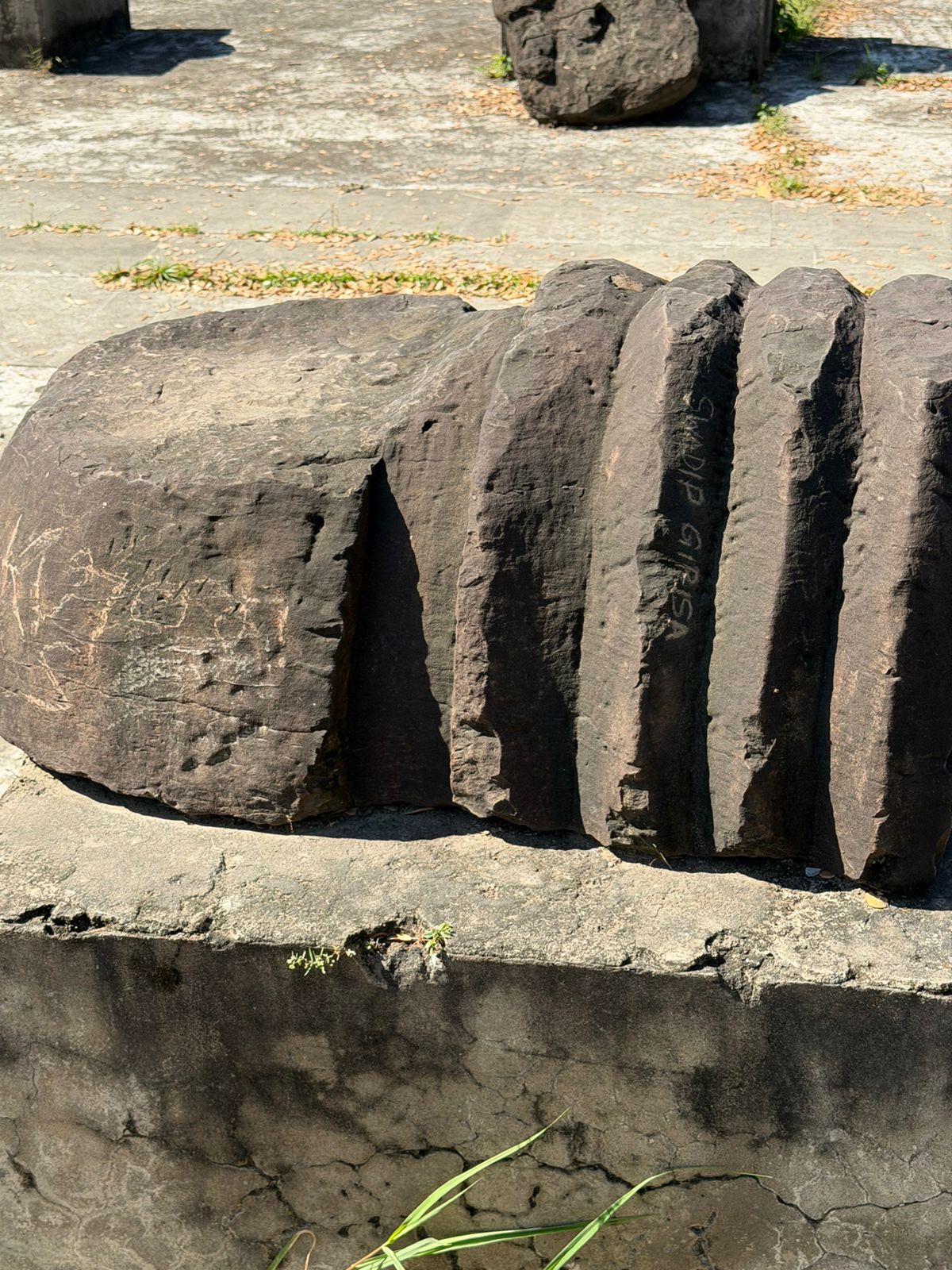
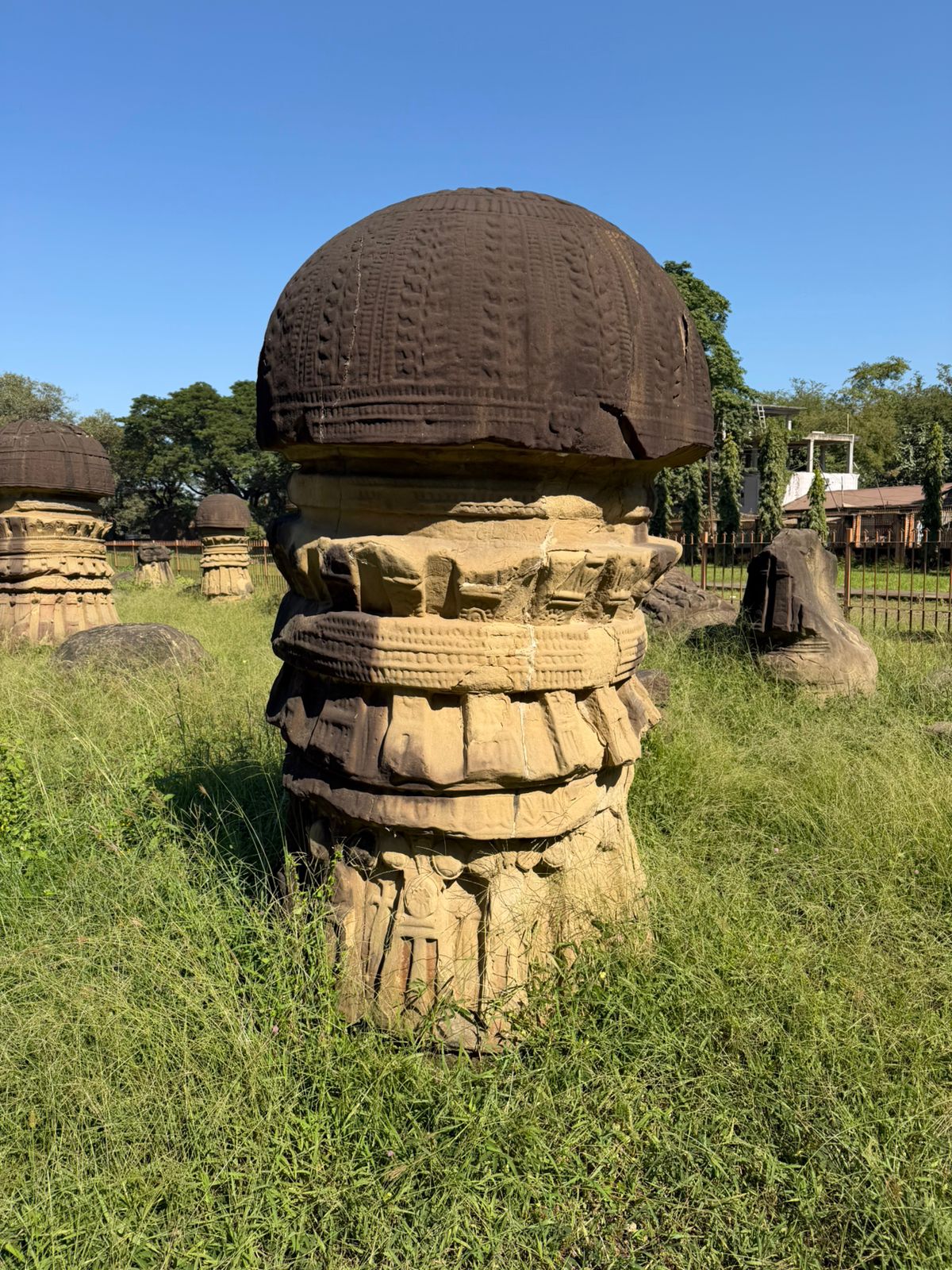
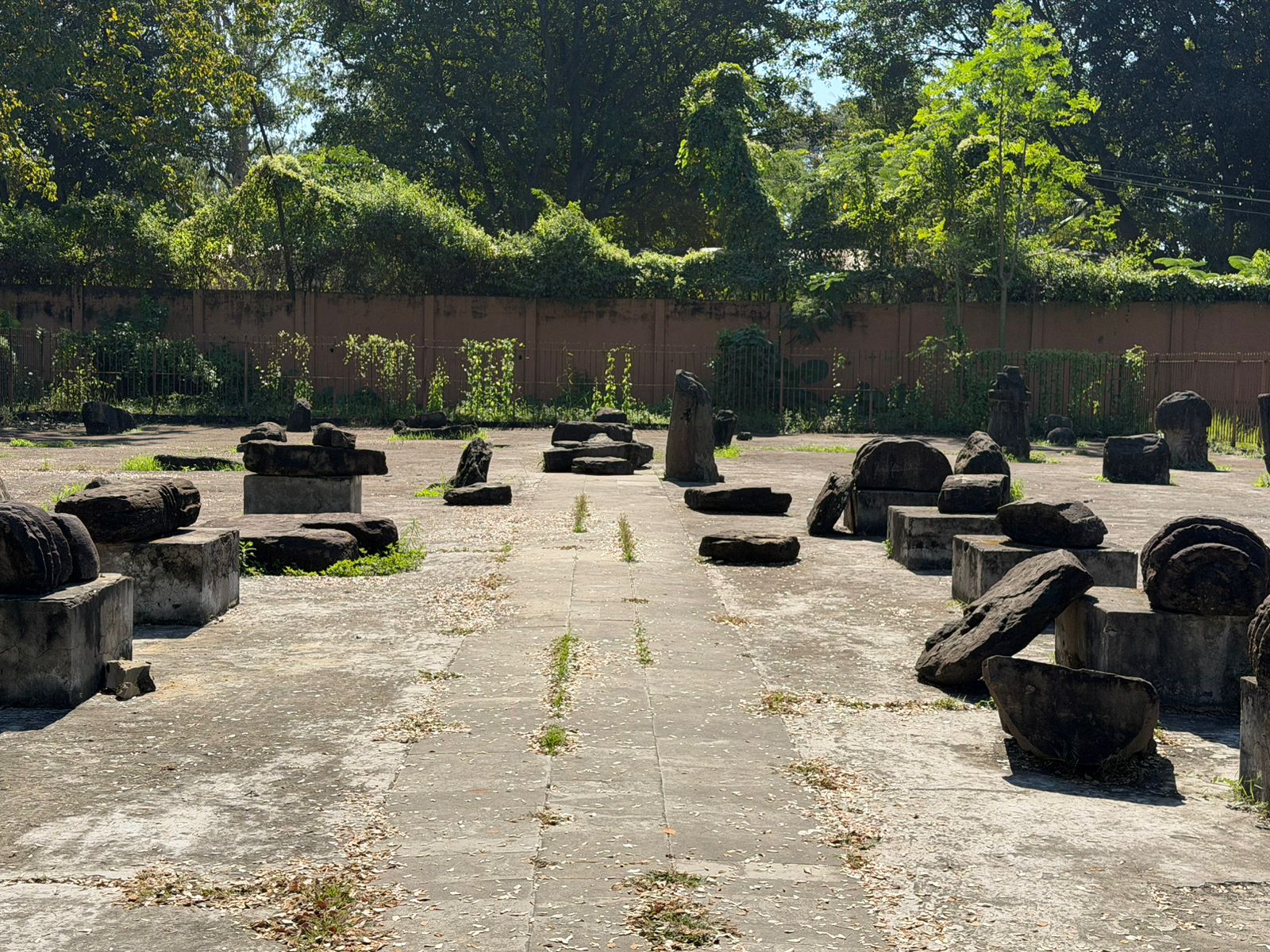
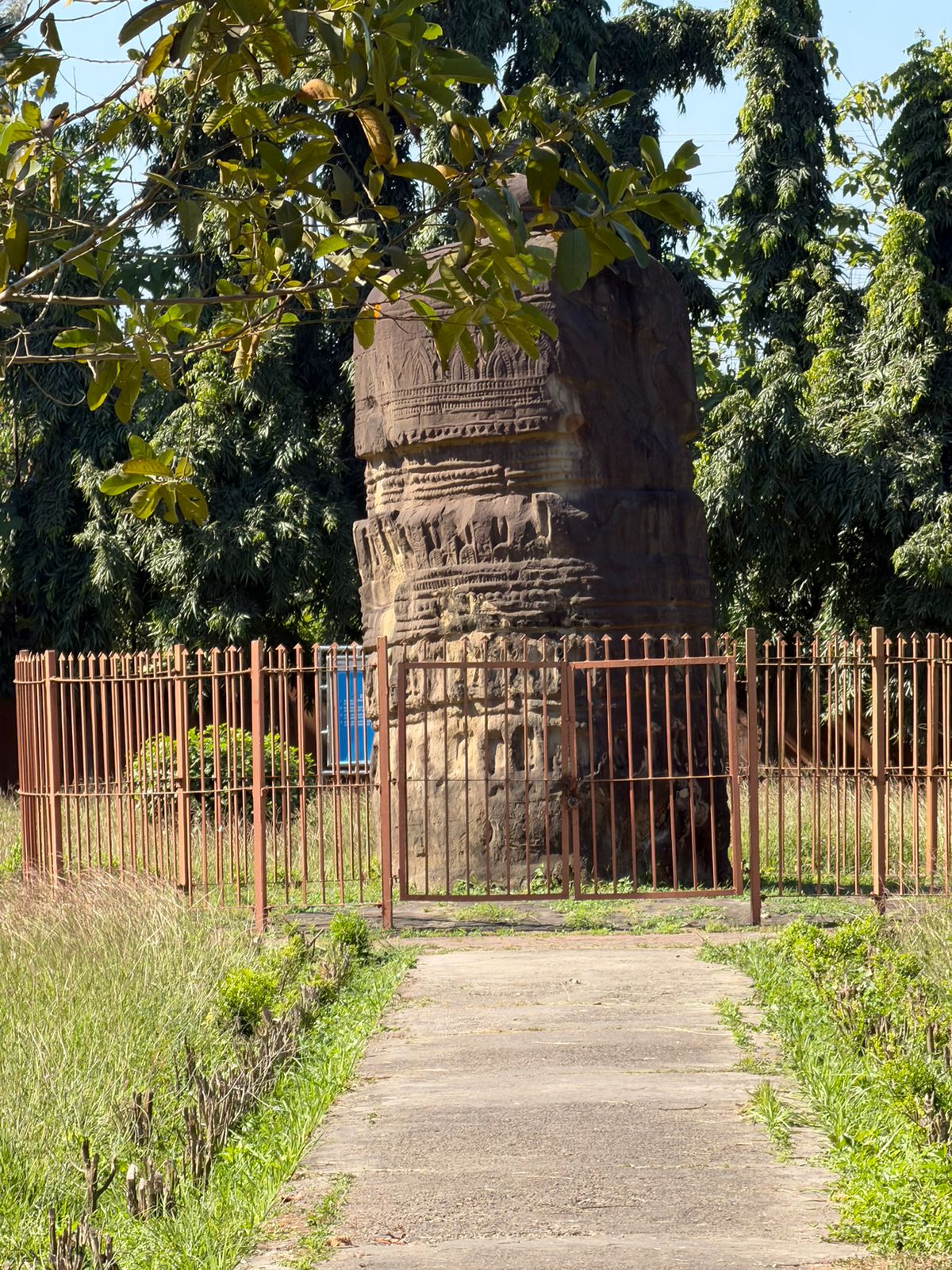
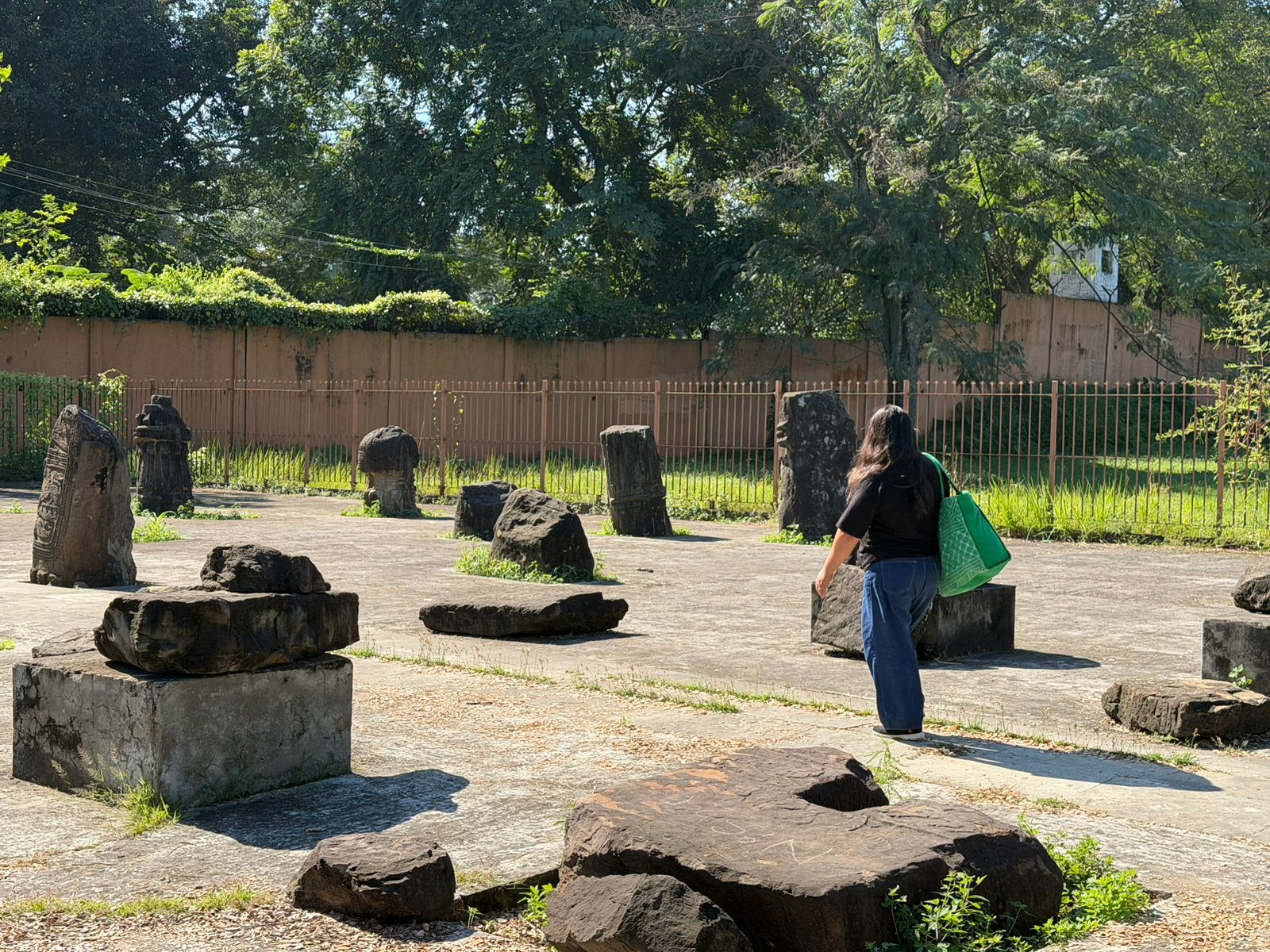
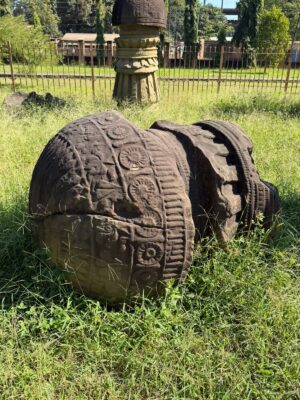
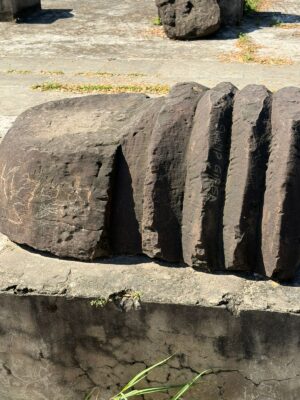
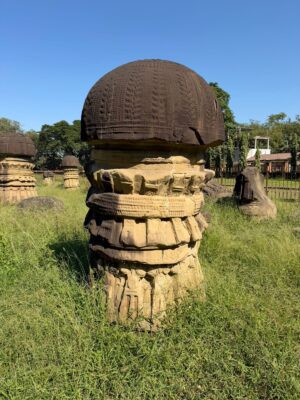
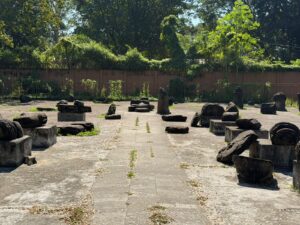
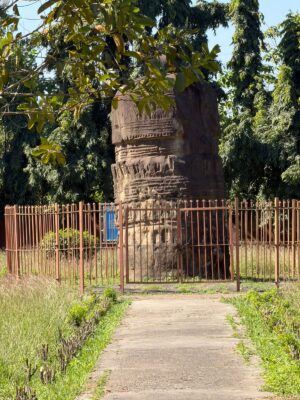
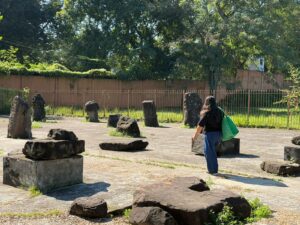
At the centre of the site are the iconic stone monoliths – tall, cylindrical pillars arranged in rows. Their exact purpose is still debated. Some believe they resemble chess pieces of a massive outdoor board game, played by rulers and priests.
Others claim they marked ritual or sacrificial sites. Some think they were victory stones, erected to commemorate triumphs in war. Whatever their purpose, the pillars radiate a sense of enigma. Each stone is carved with intricate motifs – floral patterns, geometric lines, and faint symbols that time has nearly erased. Walking among them, you feel as if you’ve entered a coded language carved in rock.
Traces of the Fort
Although most of the fortifications have crumbled, you can still identify remnants of:
- Earth ramparts and defensive embankments
- Brick platforms believed to be bases of royal structures
- Drainage channels showcasing surprisingly advanced engineering
- Relics of doorways or gateways leading into enclosed courtyards
If you walk closer to the edge of the site, the raised ground outlines the footprint of what would once have been the ancient fortified city. The ruins do not overwhelm the landscape; instead, they merge with it, giving an organic, earthy feel to the entire complex.
What Makes These Ruins Special?
The Kachari Kingdom was one of the earliest powers shaping the culture of the Northeast. The ruins maintain a rawness that feels almost sacred. There are no crowds, no loud vendors, no artificial beautification.
The wind moves through wild grass growing among the stones. Birds perch on the megaliths. Locals pass by on bicycles, barely noticing the ancient kingdom beneath their feet. This natural simplicity is what makes the ruins so compelling. It is as though the site wants to be discovered slowly – respectfully – by those who come not just for photos, but for an experience.
Standing at the Crossroads of Cultures
The Kachari Kingdom was one of the earliest powers shaping the culture of the Northeast. The ruins reflect a fascinating blend of animistic beliefs, early Hindu influences, and tribal motifs unique to the Dimasa people.
This cultural combination makes the ruins unlike anything in the rest of India. They are not purely Hindu, not purely tribal, and not purely megalithic – they are all of these at once.
The Experience Today
Visiting the Kachari Ruins feels peaceful, almost meditative. The archaeological park is maintained but not over-curated, allowing you to imagine the site as it once was. Spend an hour or two:
- Walking between the monoliths
- Sitting under the shade of large trees
- Observing the patterns on the stones
- Letting your imagination rebuild the lost city
It’s an excellent place for history lovers, photographers, and anyone who enjoys quiet heritage spaces that still retain their authenticity.
Why You Should Visit
Fort Dimapur and the Kachari Ruins are not about grandeur; they are about memory. They remind us that entire civilisations can rise and fall, leaving behind only a handful of stones as evidence of their existence.
Add a review
Your email address will not be published. Required fields are marked *