
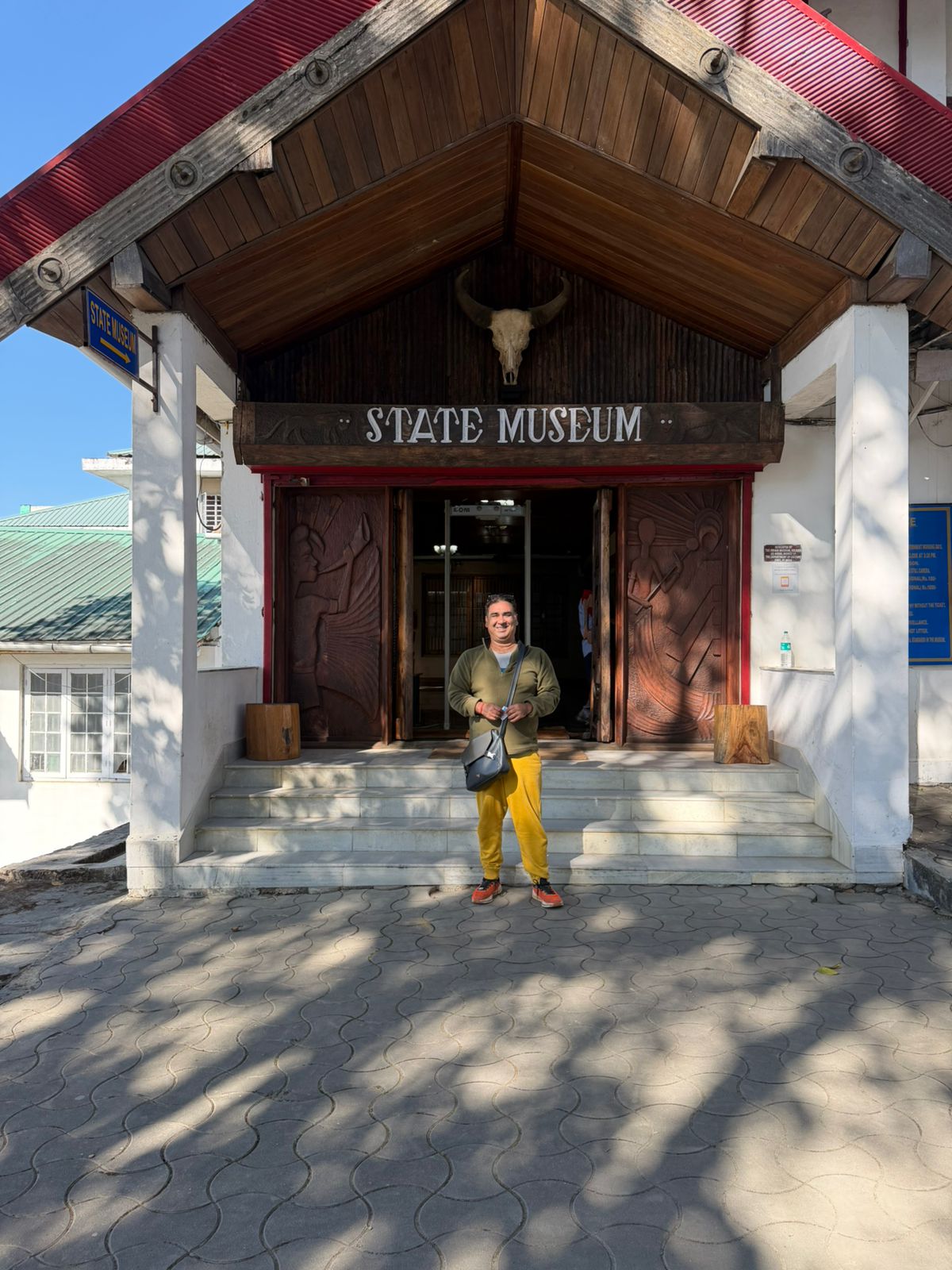
Exploring Nagaland State Museum
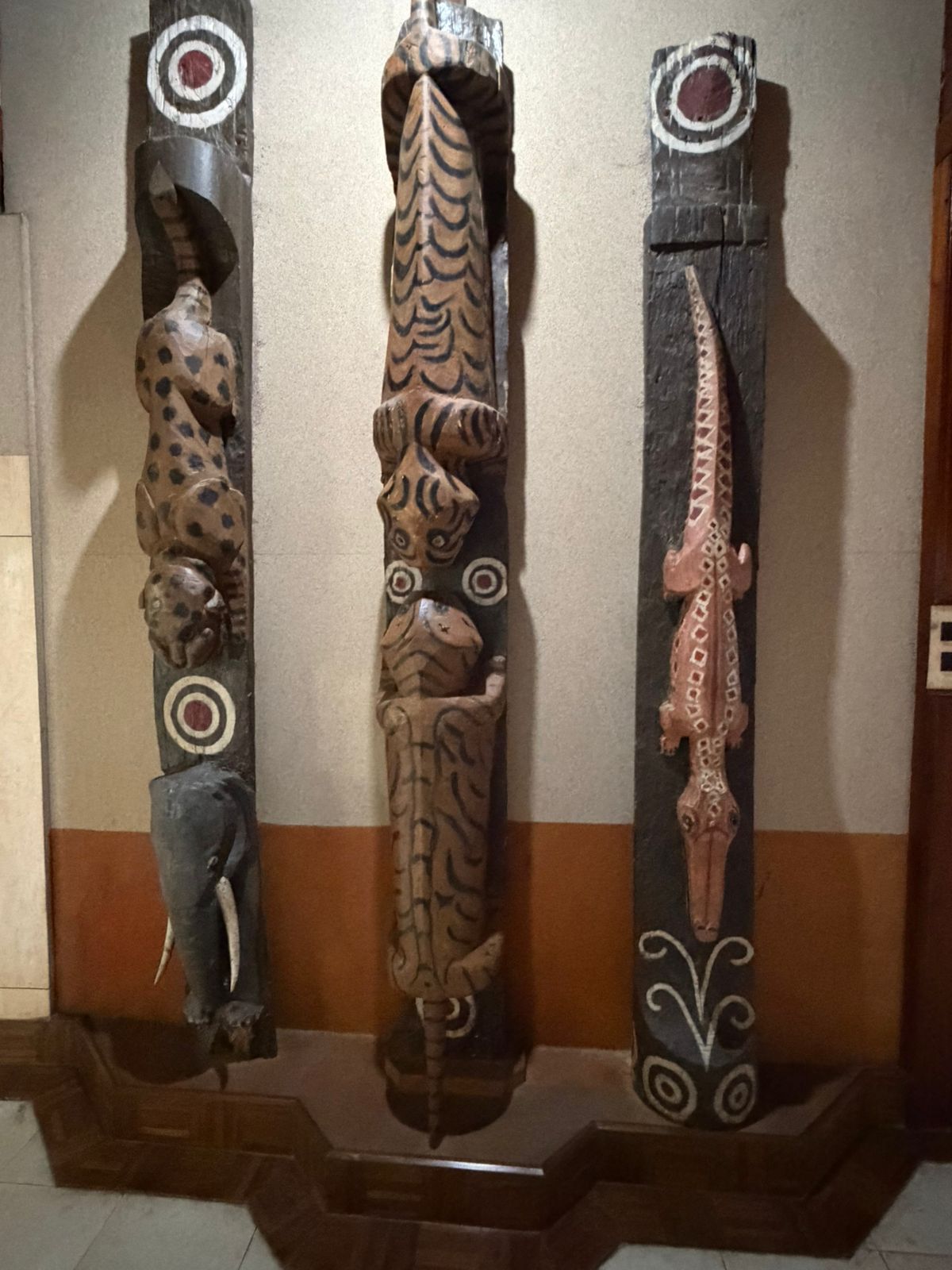
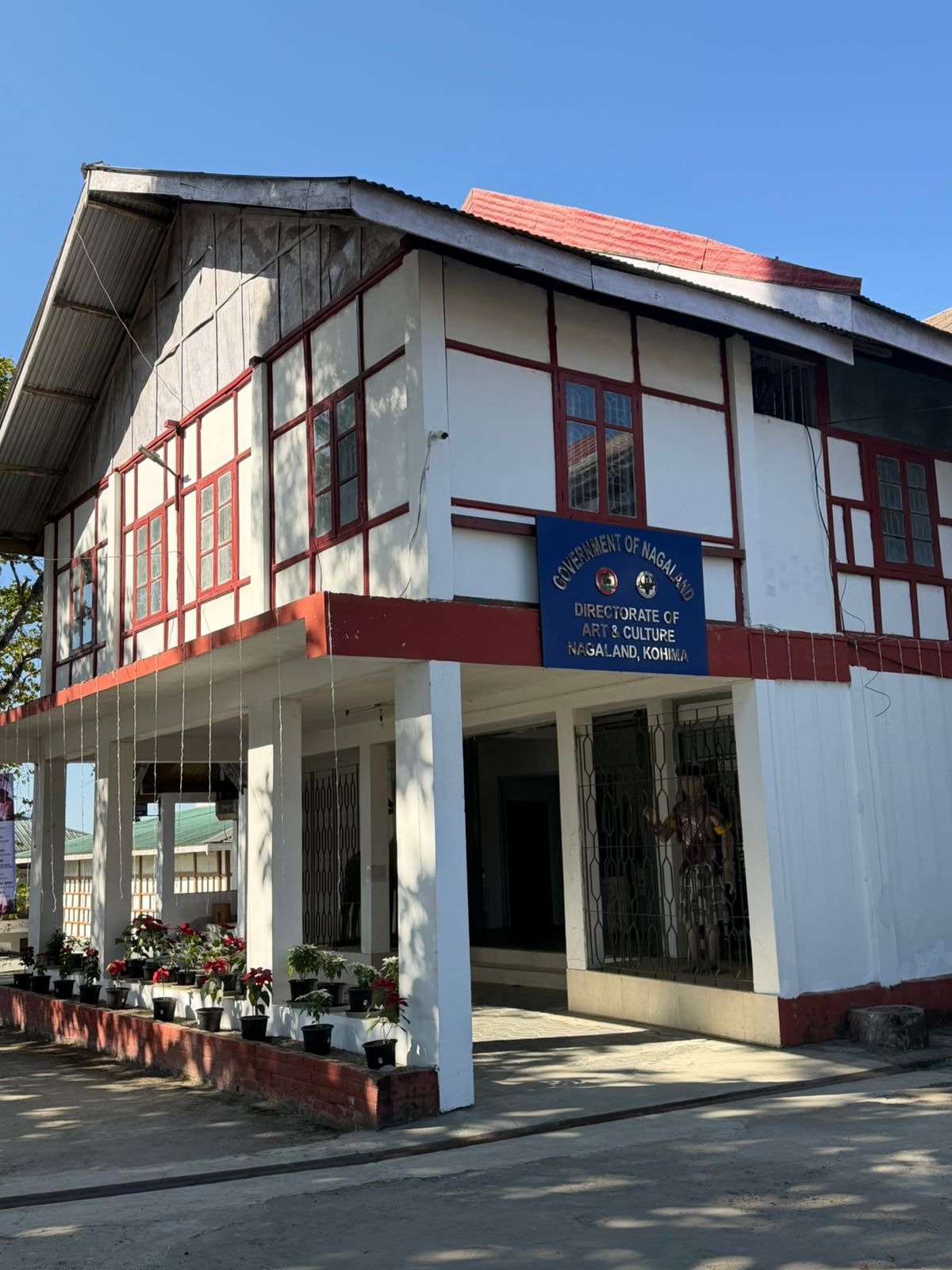
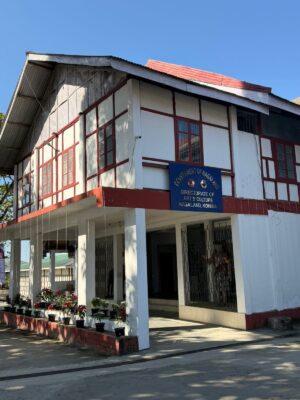
Nestled in the heart of Kohima, the Nagaland State Museum stands as a cultural treasure chest — one that preserves the story of Nagaland’s diverse tribes, ancient traditions, and evolving identity. My visit to this museum was not just sightseeing; it felt like stepping into a time portal and entering the soul of the Naga people.
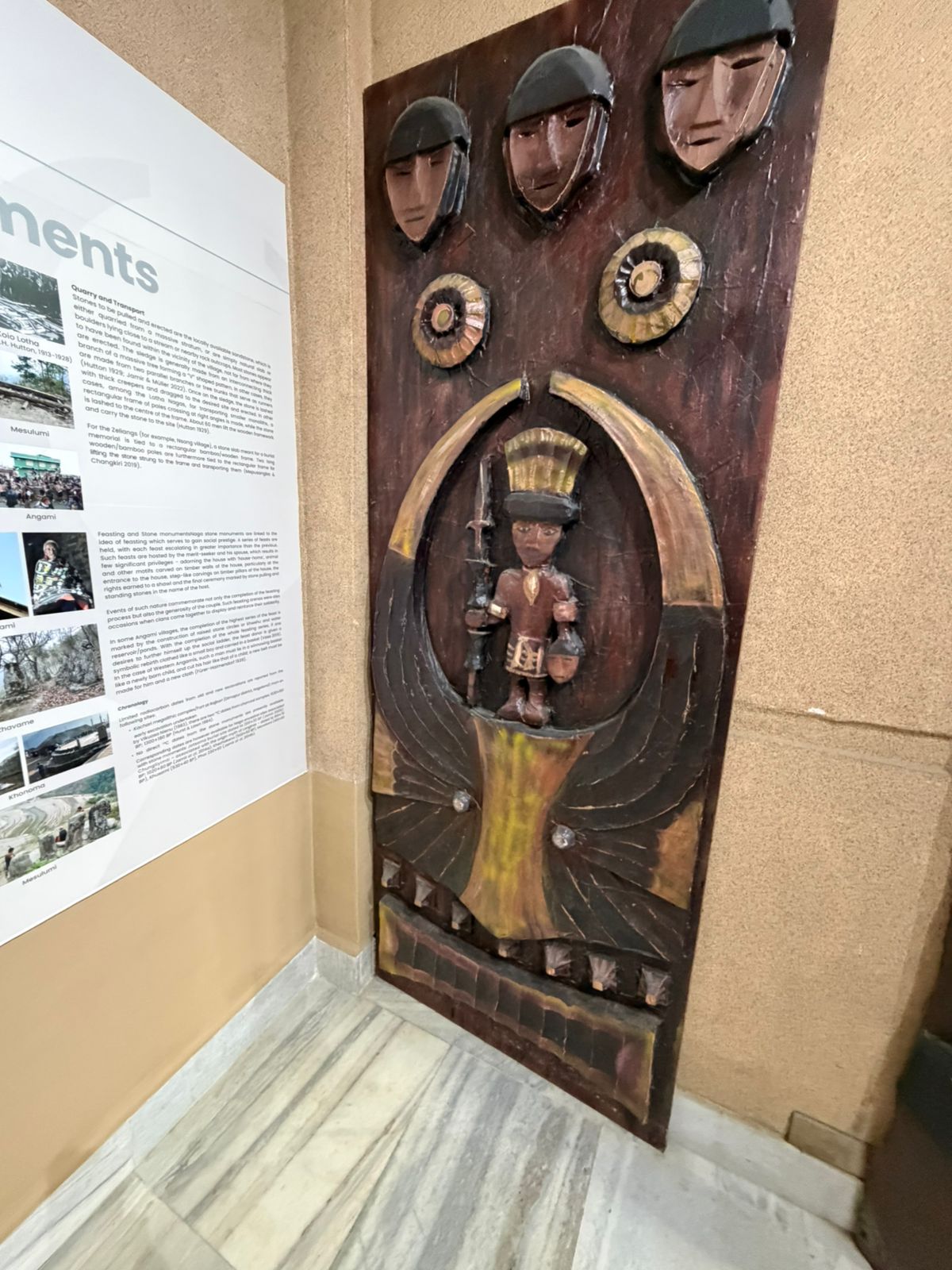
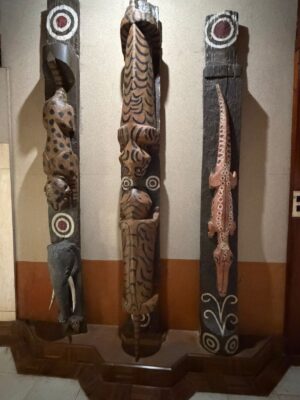
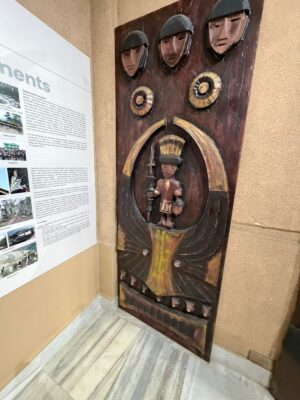
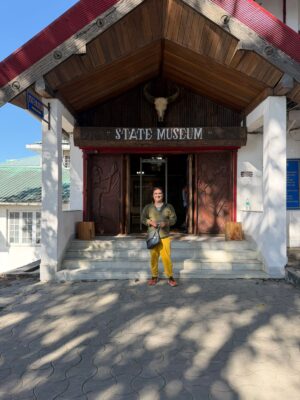
When I walked through the carved wooden doors — decorated with tribal motifs and crowned with buffalo skulls — I immediately sensed that this was no ordinary museum. This was a sacred space, built to honour a vibrant civilisation that continues to thrive proudly.
The museum’s ambience is simple yet deeply rooted in heritage — quiet, thoughtful, and immensely rich.
Tools of Survival: A Glimpse into Traditional Life
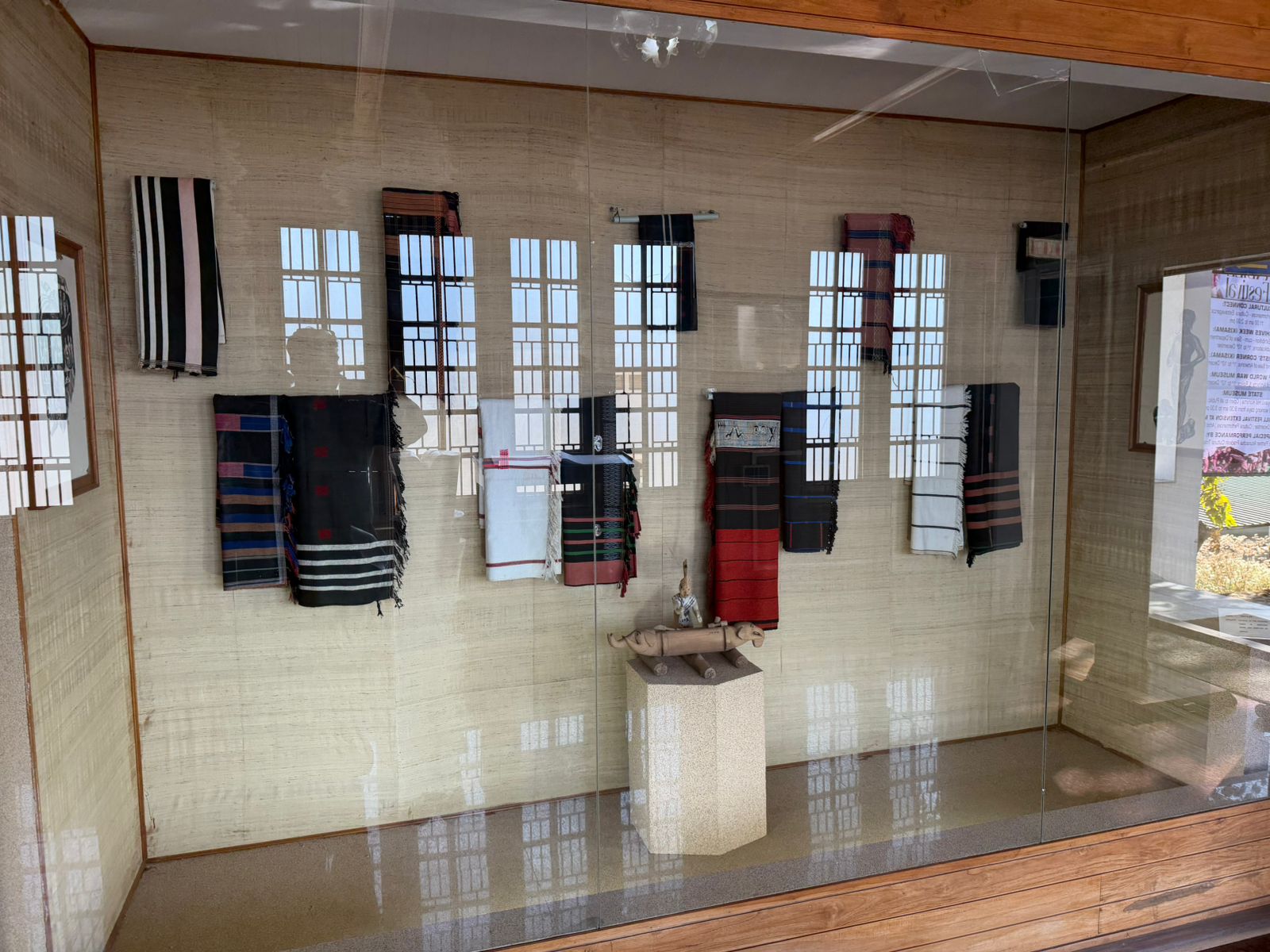
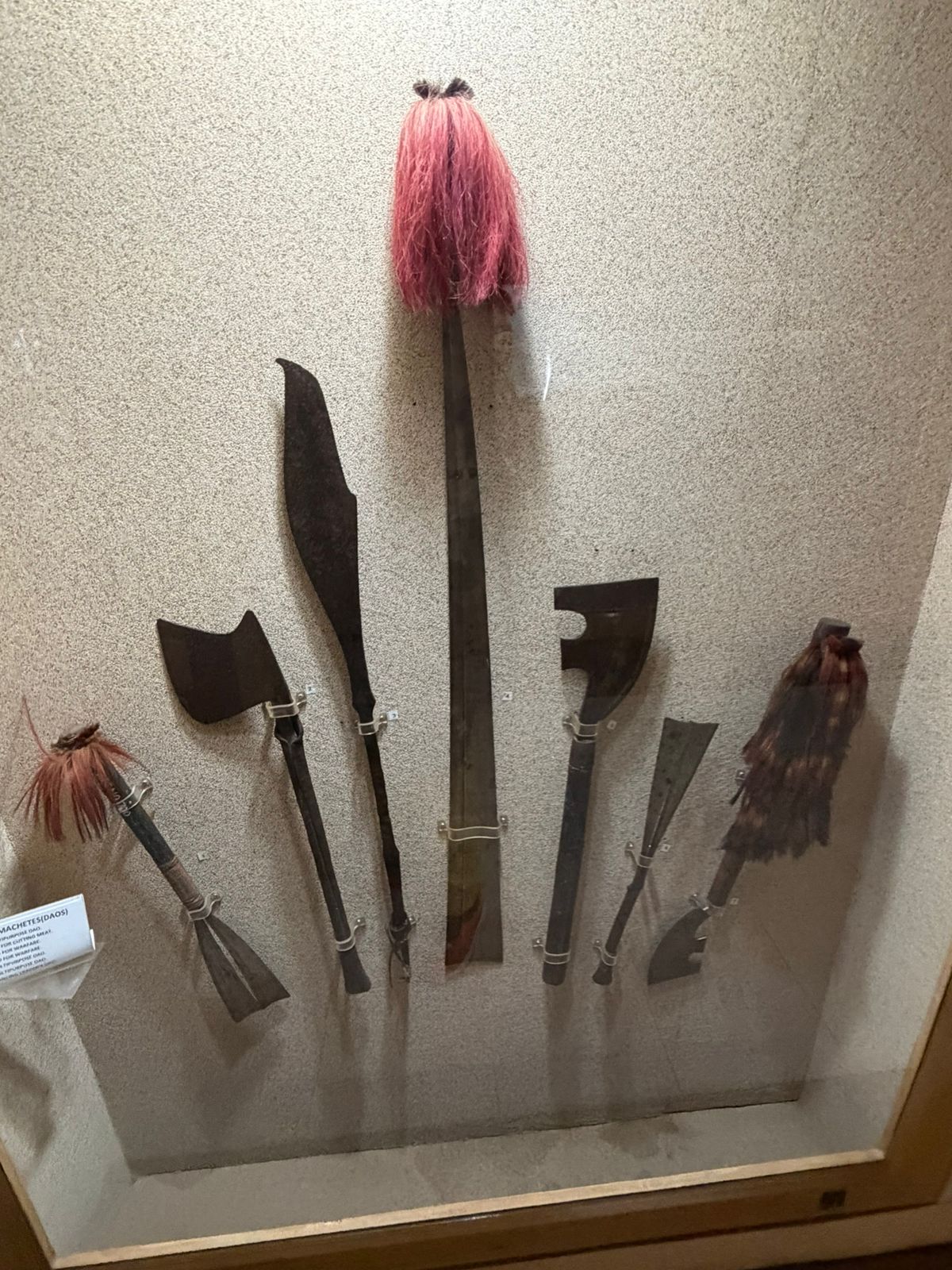
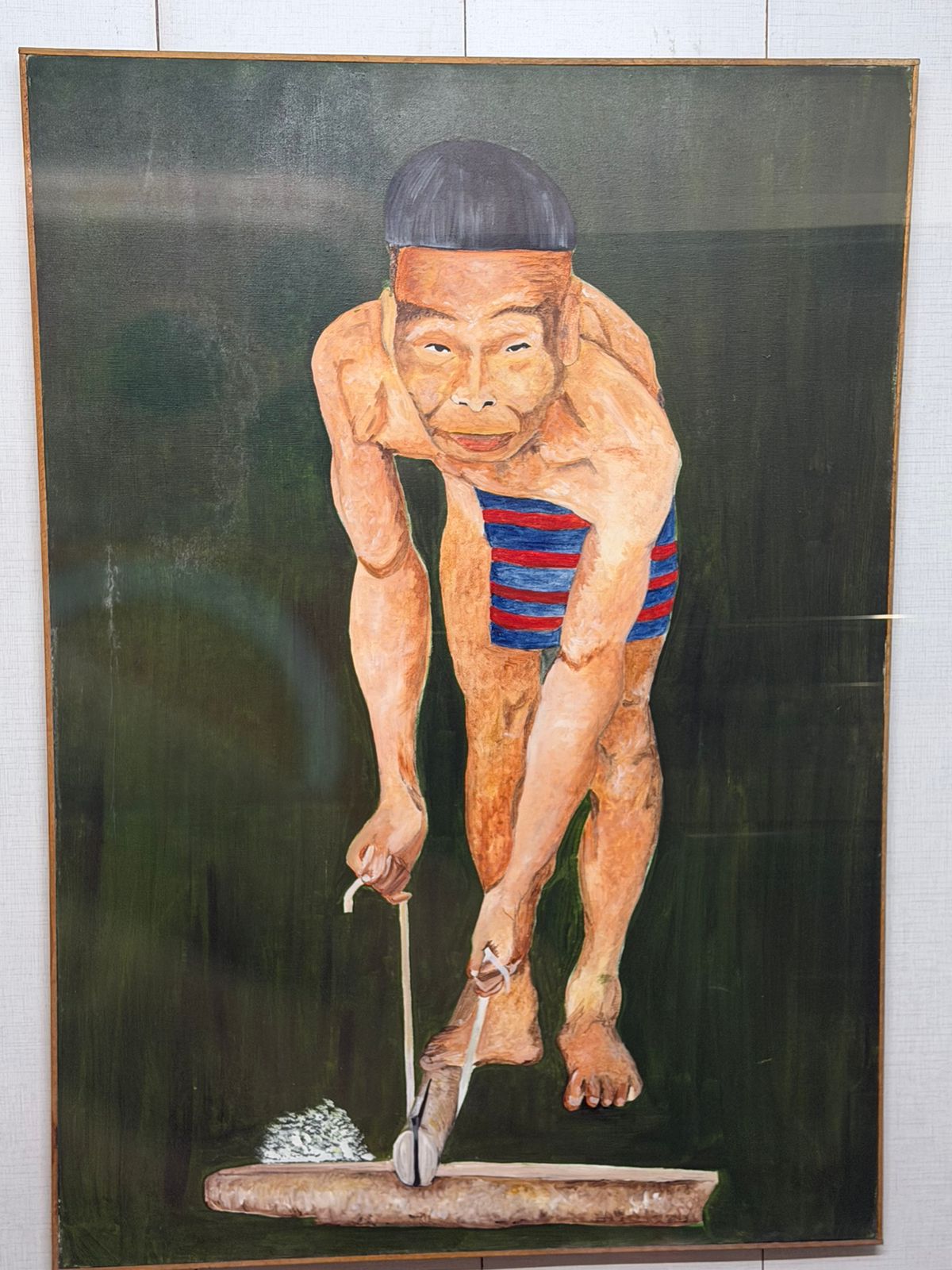
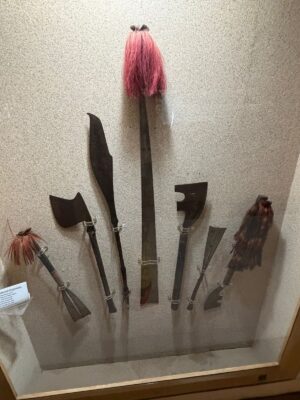
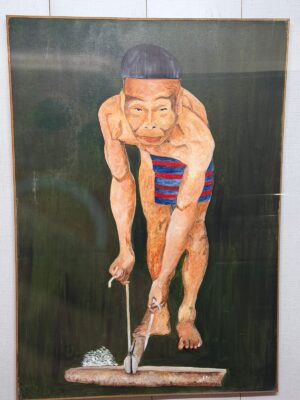
Once inside, one of the first displays that caught my eye was the collection of traditional Naga tools — handcrafted implements used for farming, hunting, weaving, and building. These weren’t just artefacts; they were echoes of a lifestyle shaped by mountains, forests, and community living. Every tool spoke of ingenuity.
Curved sickles, wooden ploughs, bamboo baskets, stone grinders, firewood carriers — each piece revealed the intimate relationship the Naga tribes share with nature.
Portraits of the Past
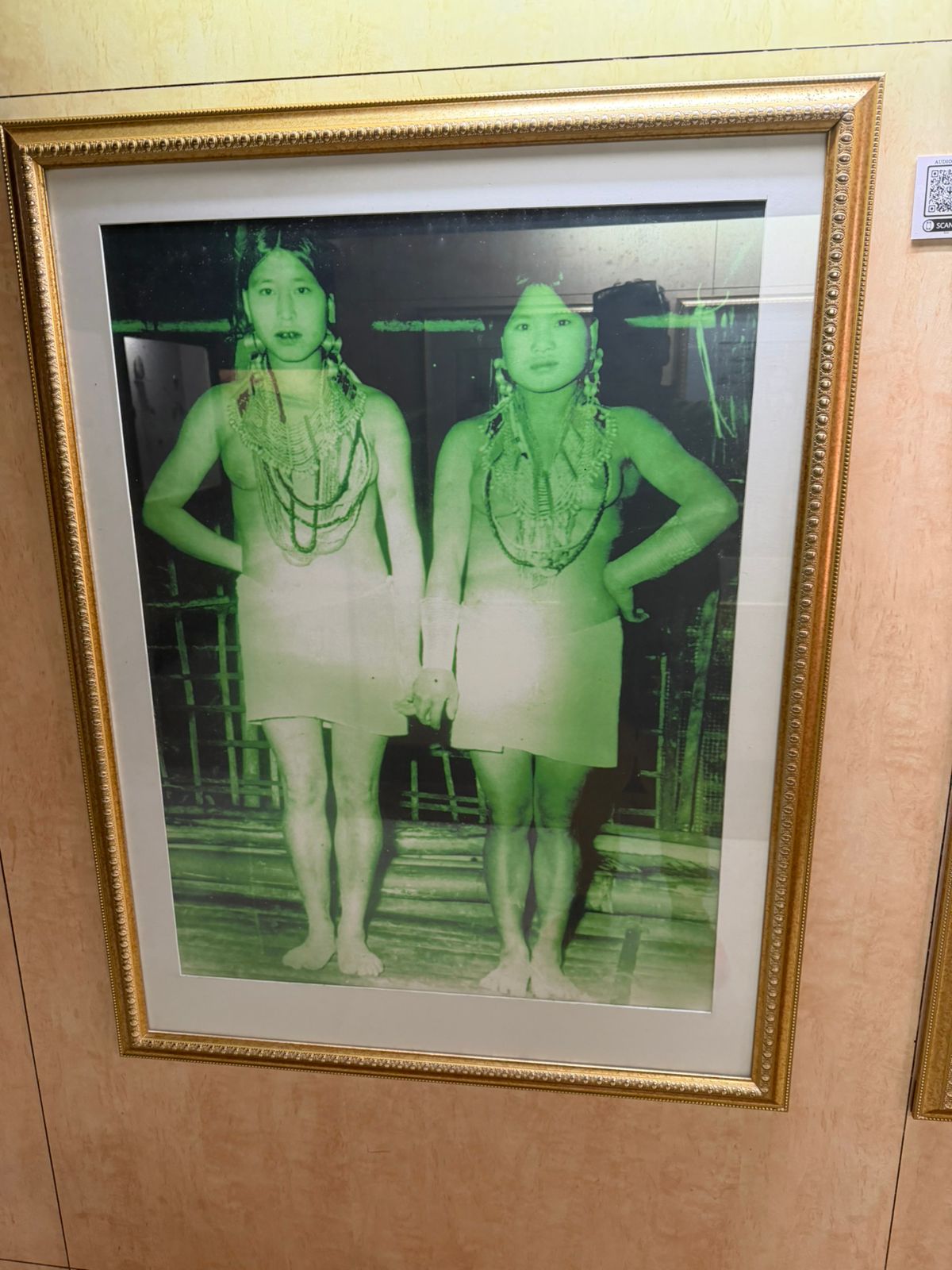
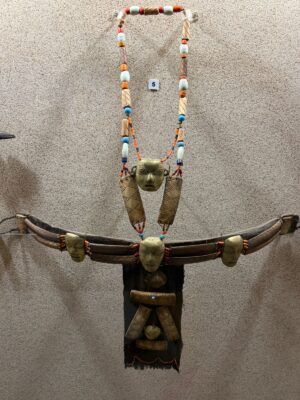
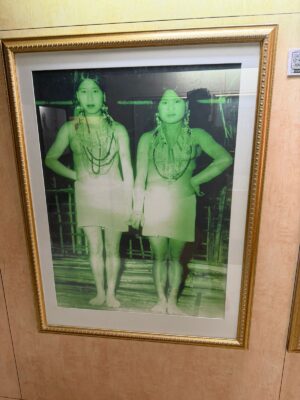
One of the most memorable parts of my museum tour was viewing the old monochrome photographs, particularly the striking portrait of two young Naga women adorned in traditional jewellery. Their expressions, their attire, and their bold presence told stories of beauty and pride. They felt alive — inviting me to imagine life in Naga villages decades ago.
A Quiet Corner with a View
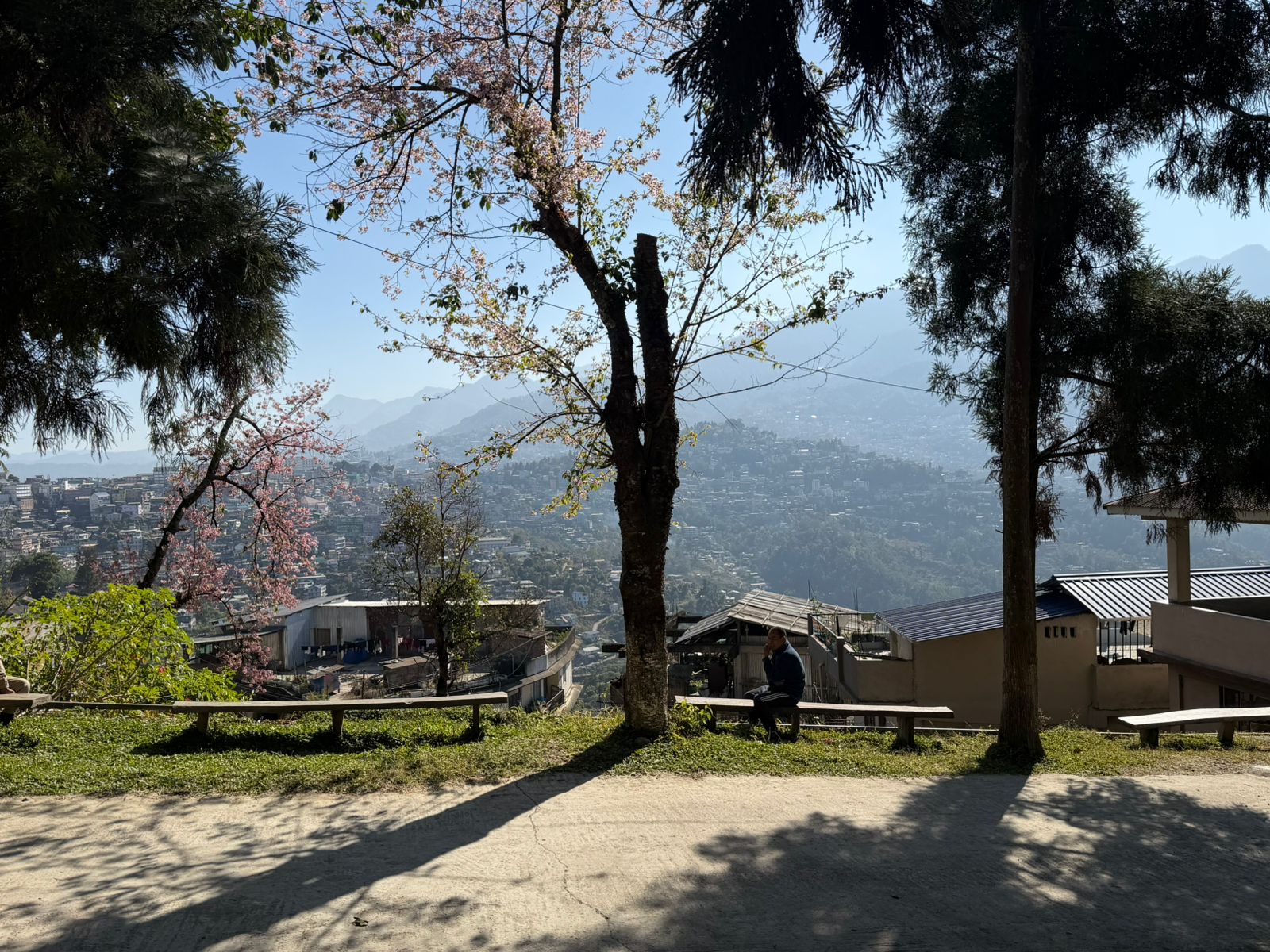
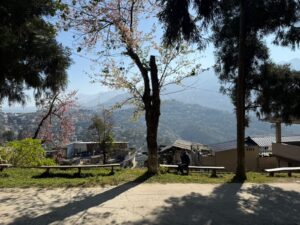
After exploring the museum halls, I stepped outside into a peaceful open area with a stunning view of Kohima city. Blossoming cherry trees, tall pines, and scattered benches gave this spot a calm, reflective energy. People were sitting, relaxing, chatting, and soaking in the scenery. The cool breeze and soft sunlight made it the perfect place to rest and think about everything I had just learned inside the museum.
Nagaland State Museum




Why This Museum Matters
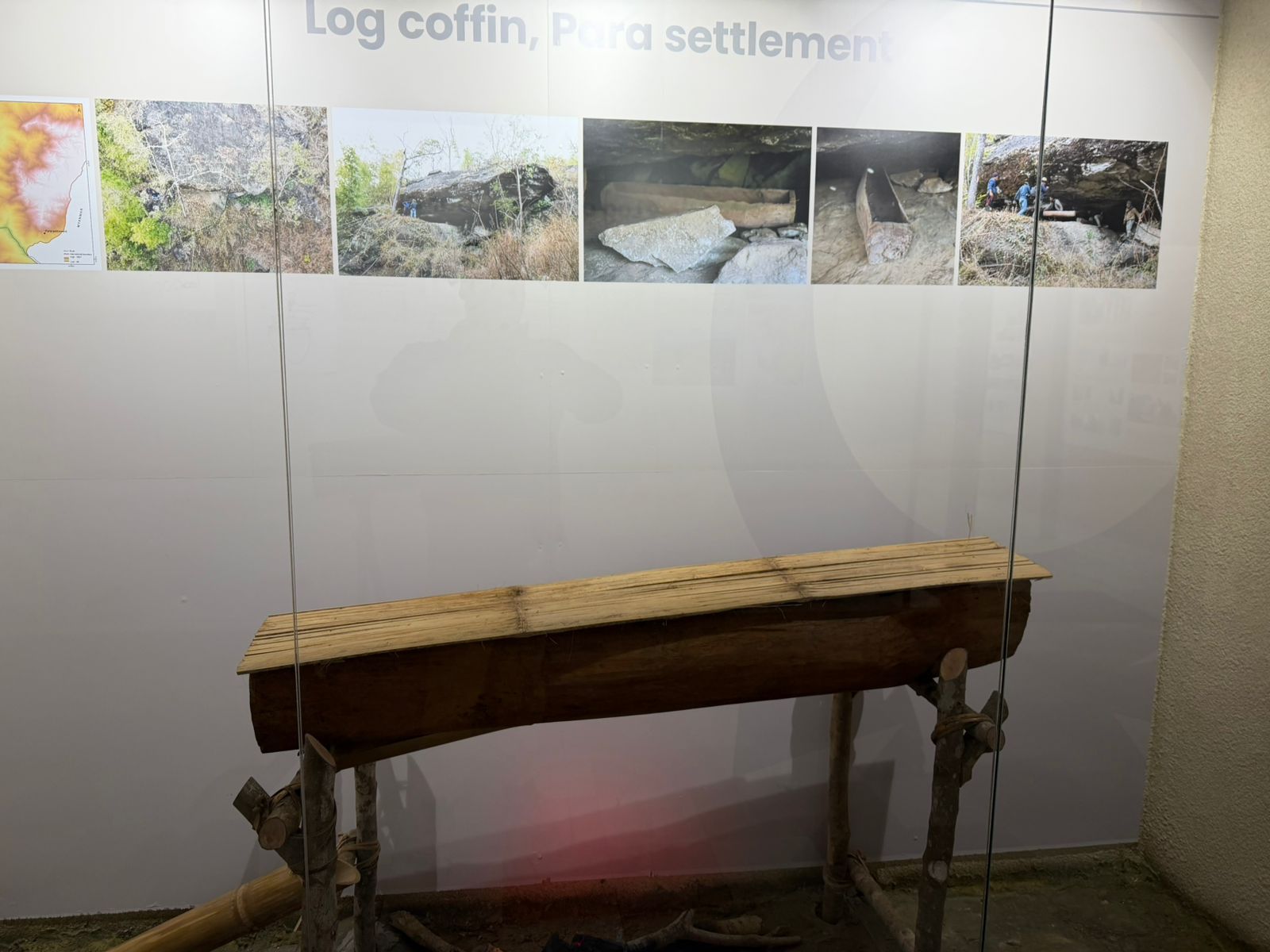
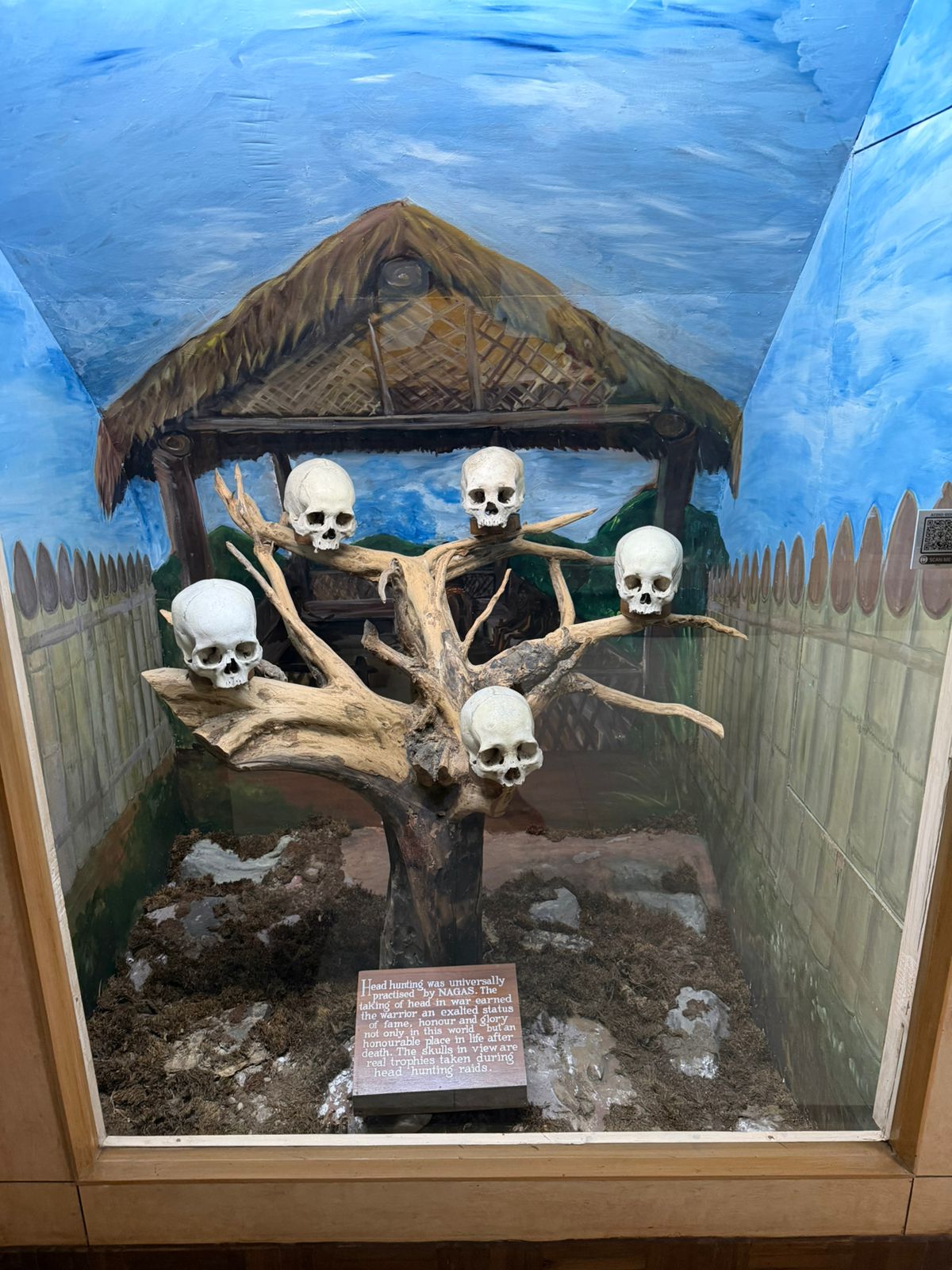
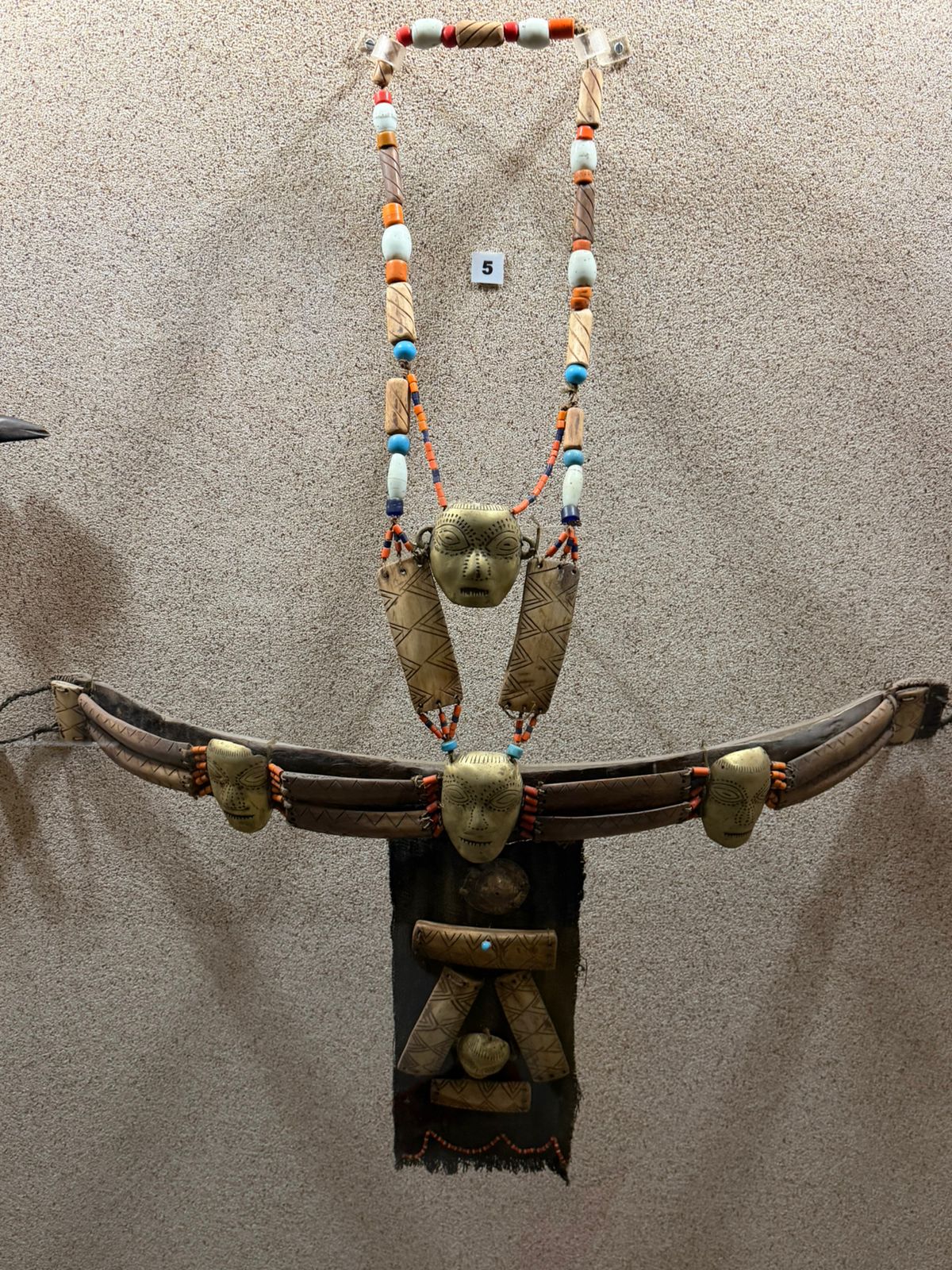
Nagaland is home to 16 major tribes, each with its own language, customs, dances, costumes, and tribal tales. The State Museum beautifully brings them together under one roof — documenting traditions that might otherwise fade with time.
My visit reminded me that museums are more than rooms filled with objects. They are memory-keepers, storytellers, and bridges between generations.
Add a review
Your email address will not be published. Required fields are marked *