
A Journey Through Time: My Visit to the Great Stupa at Sanchi
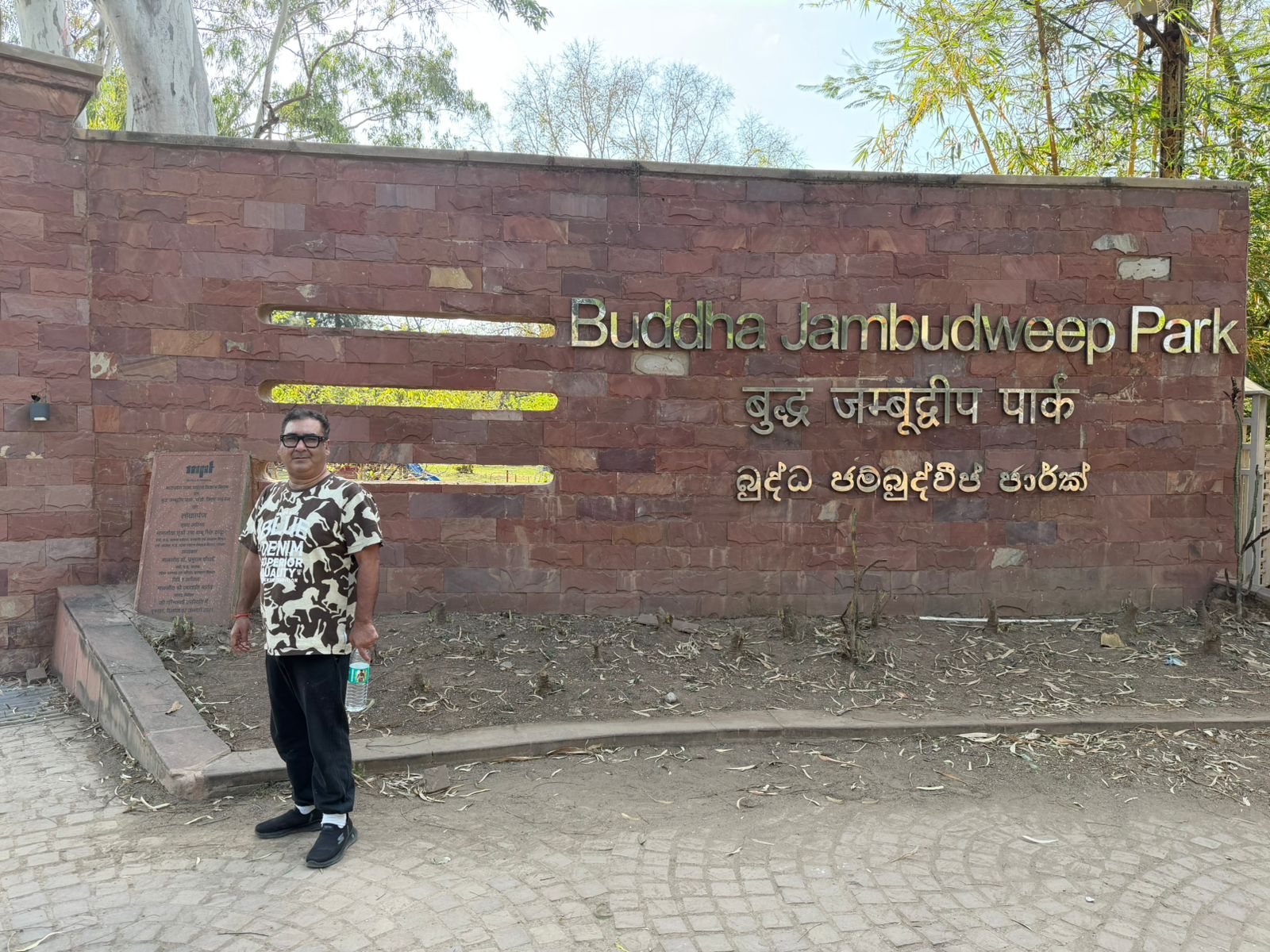
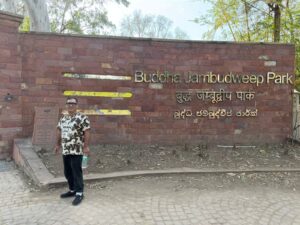
My journey began at the serene gates of Buddha Jambudweep Park, where the calmness of Buddhist philosophy had already started to seep into the atmosphere. As I made my way towards the Sanchi Stupa, the transition felt almost symbolic—like stepping out of the present and into a world shaped over two millennia ago. The quiet roads, the scattered trees, and the slow rhythm of life around Sanchi set the perfect tone for what was to come.
The First Glimpse of the Great Stupa
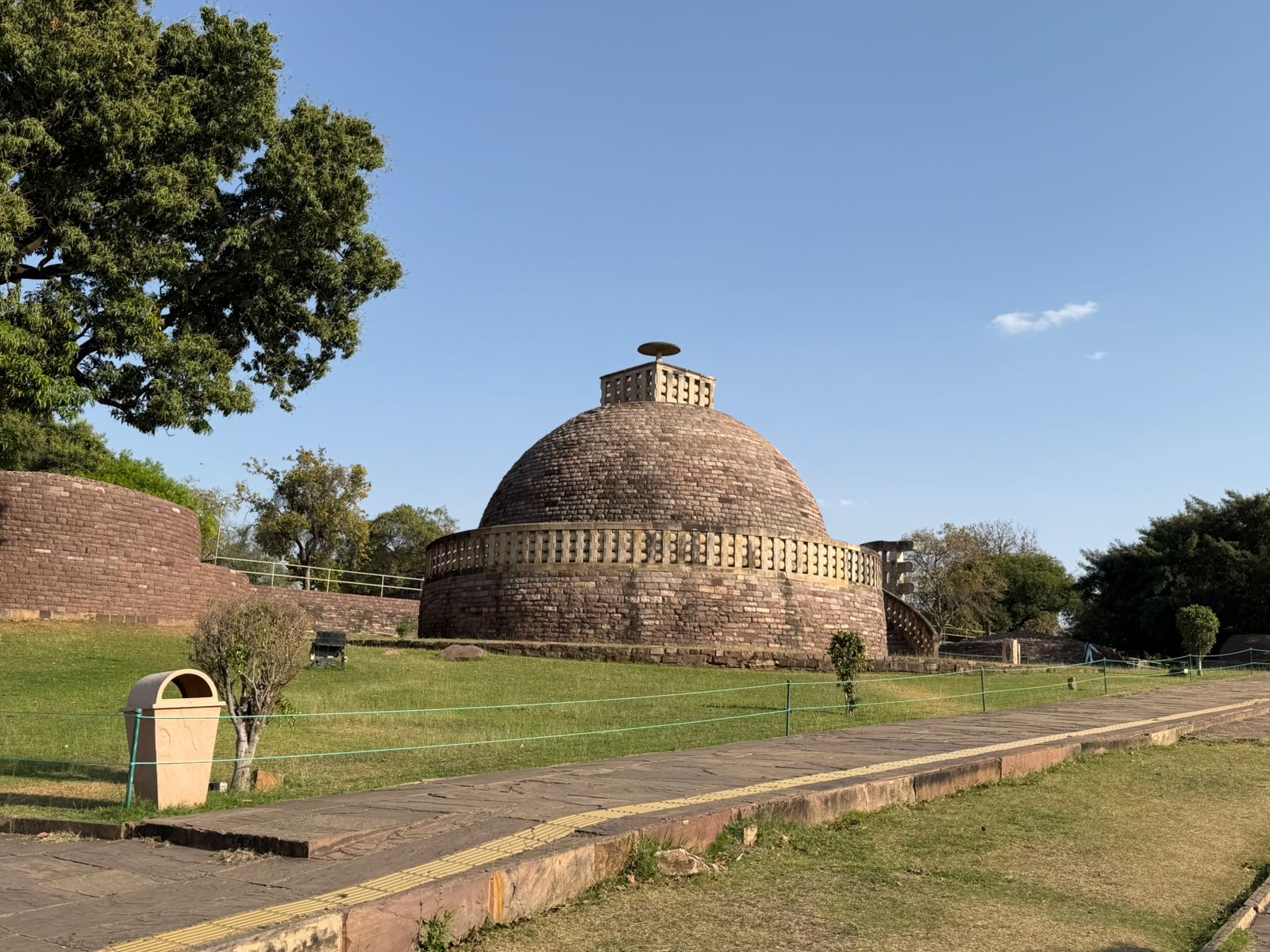
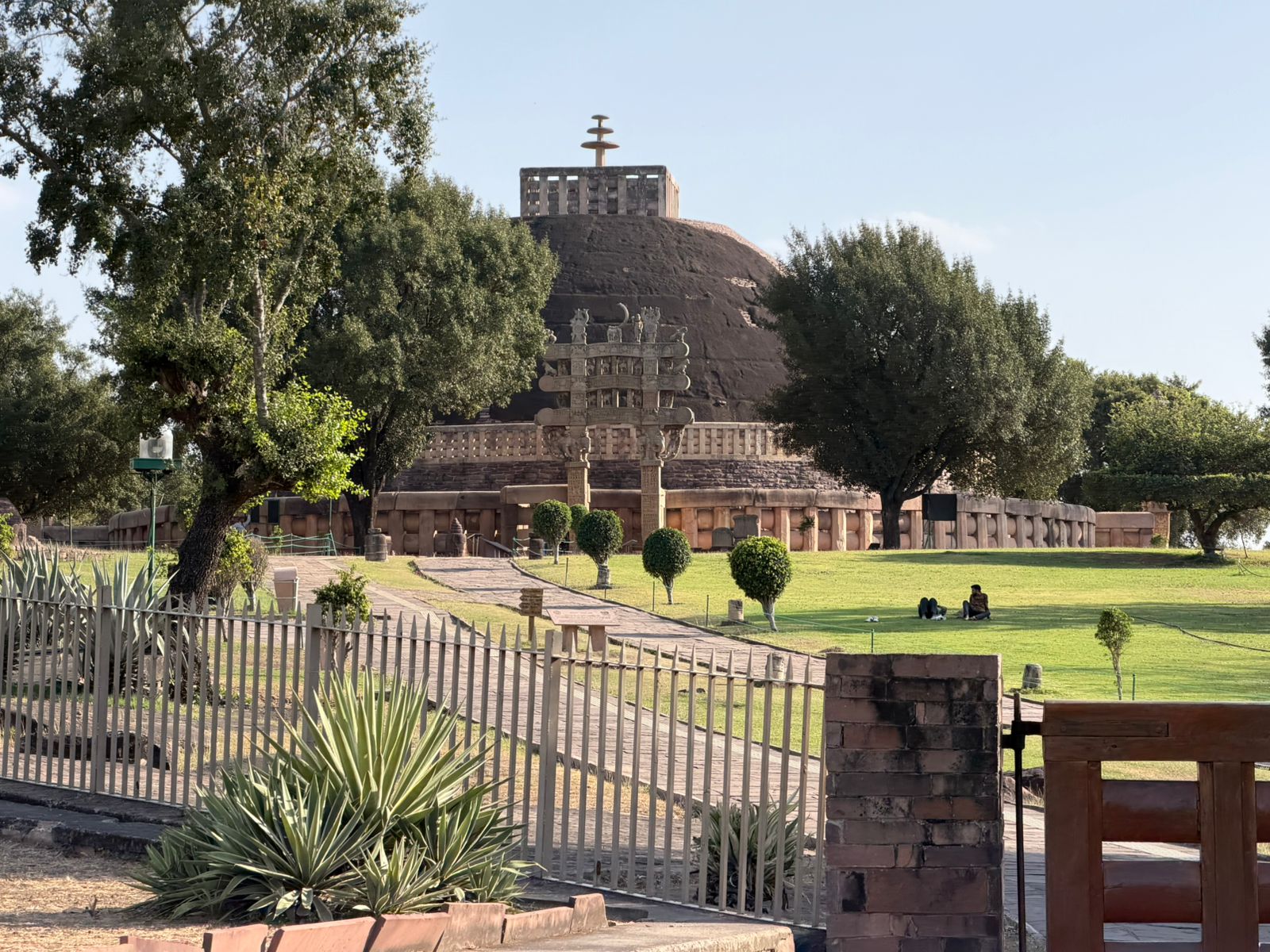
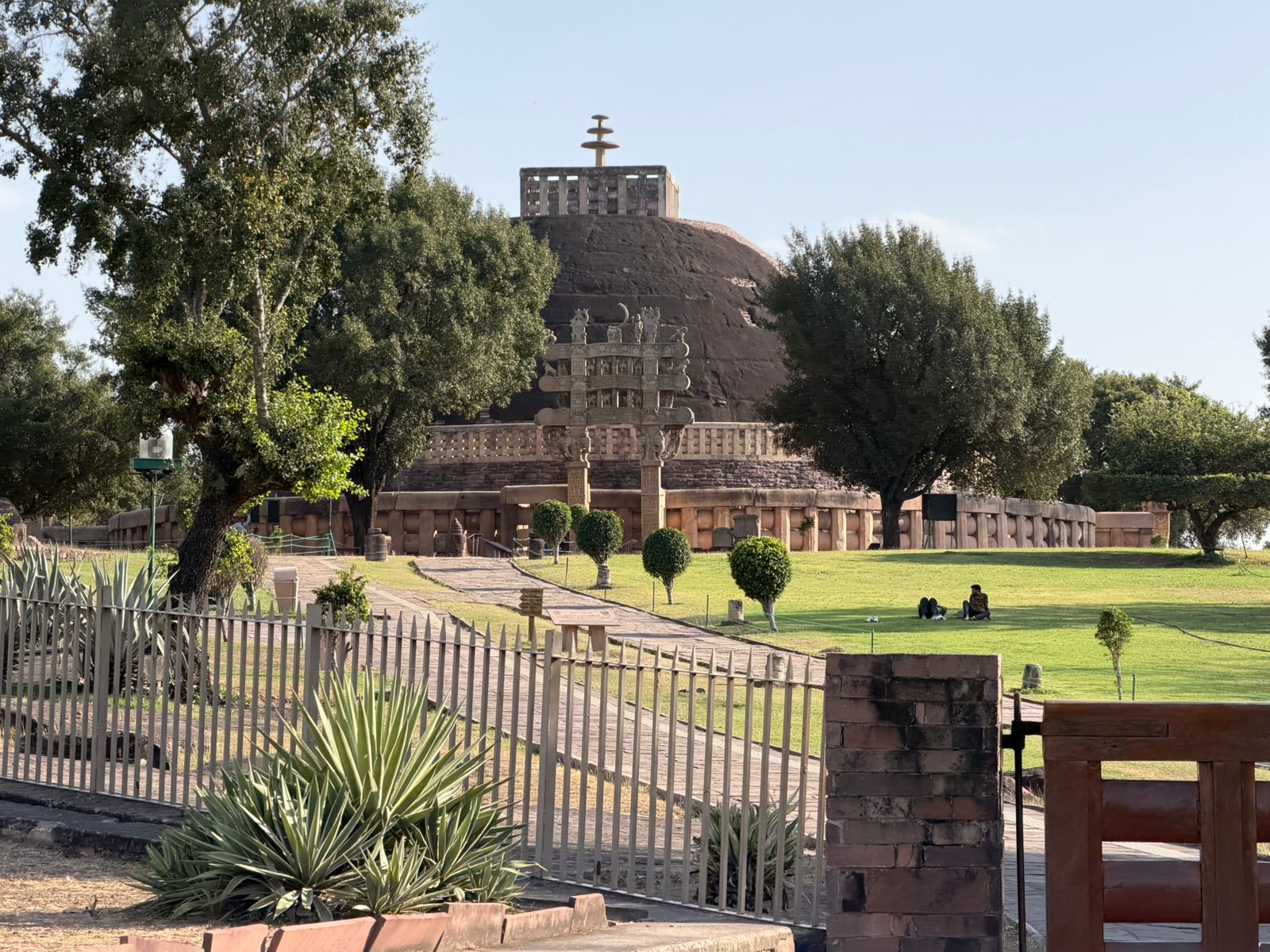
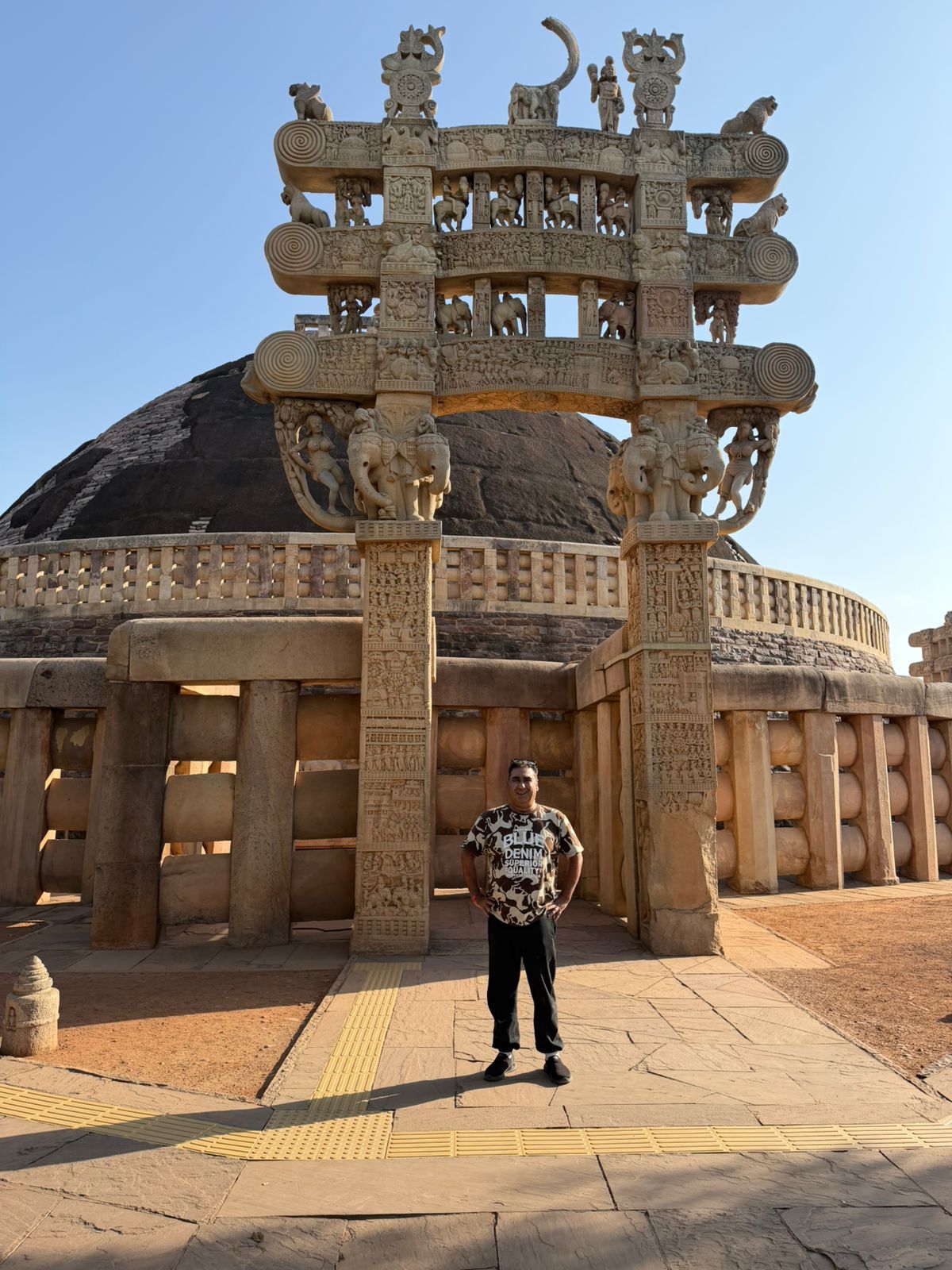
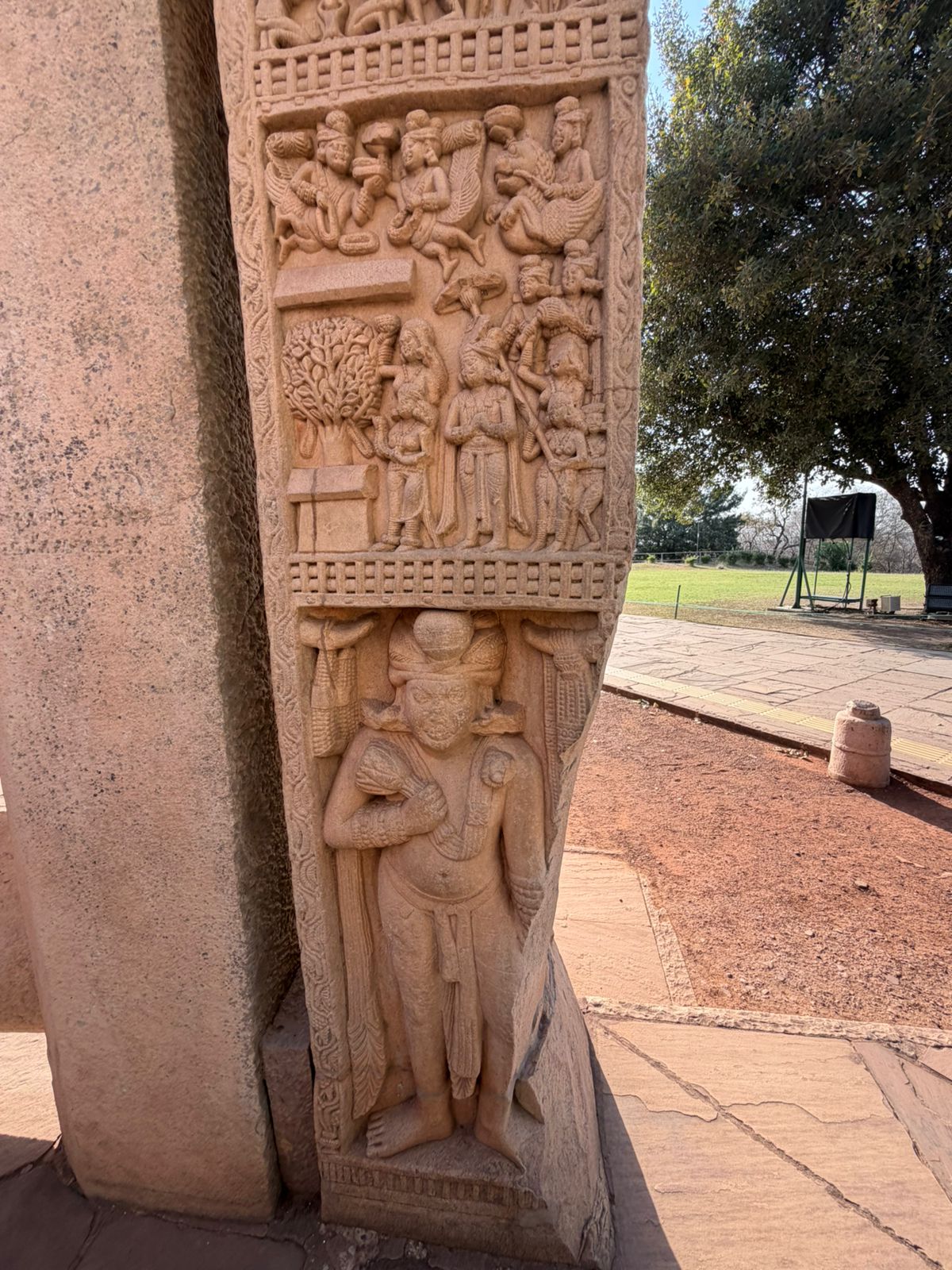
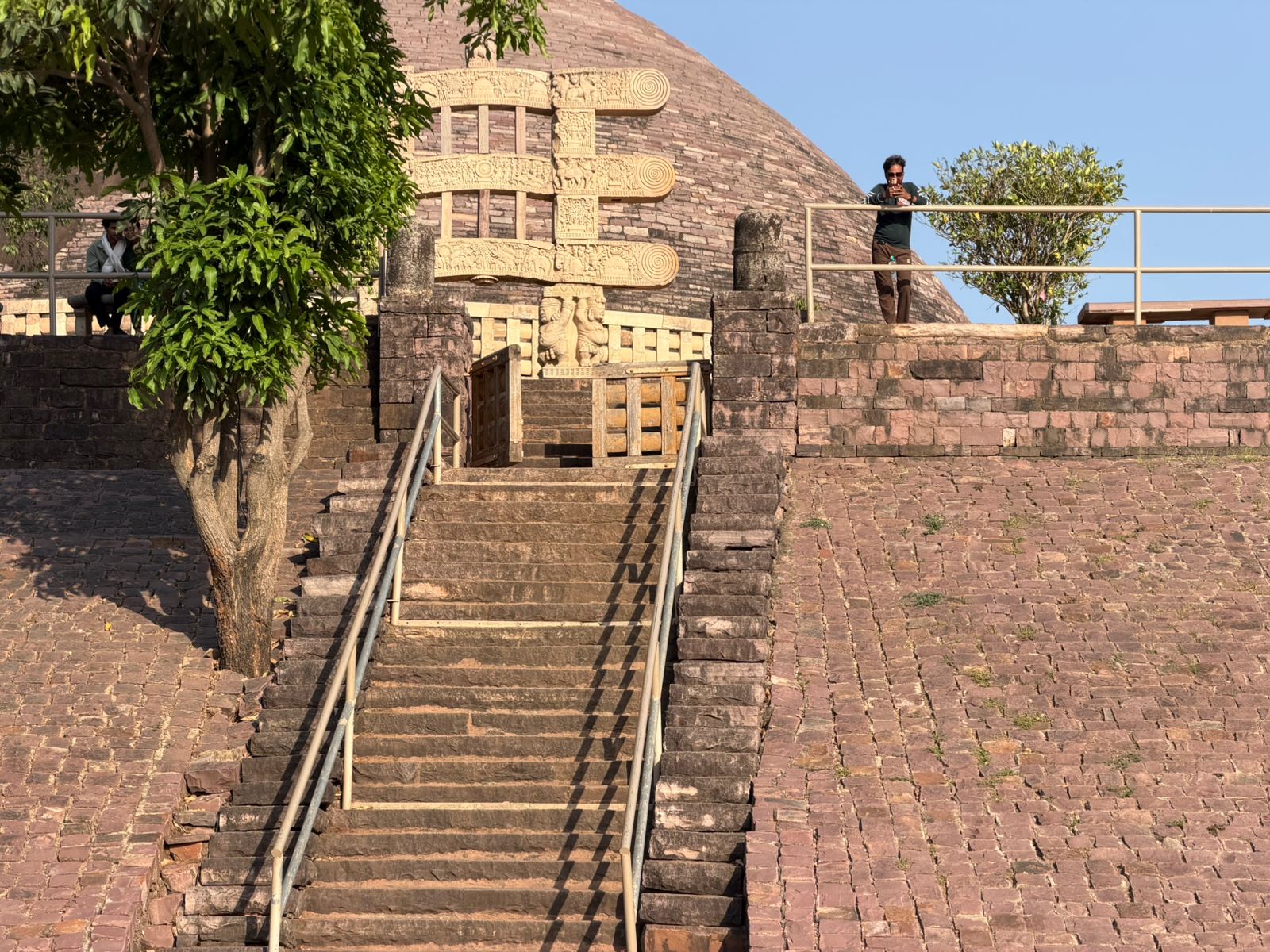
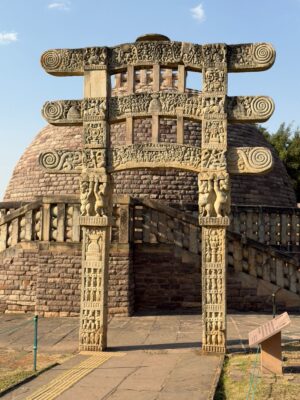
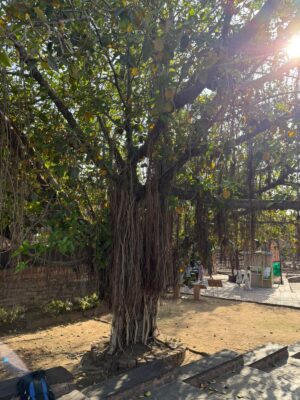
Standing before the Great Stupa for the first time was nothing short of awe-inspiring. The massive hemispherical dome—simple yet powerful—rose quietly under the vast sky, carrying centuries of history within its bricks. Built originally by Ashoka in the 3rd century BCE, the stupa was designed to house relics of Gautama Buddha. What struck me most was its silence—there was no grandeur shouting for attention, yet it commanded deep respect. The intricately carved toranas told stories without words—scenes from Buddha’s life, symbols like the Bodhi tree, footprints, and the empty throne.
Walking Through History
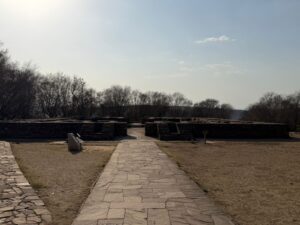
As I walked along the circular path around the stupa, I could not help but imagine monks from centuries ago doing the same—meditating, reflecting, and seeking enlightenment. The act of circumambulation felt meditative even today.
Great Stupa at Sanchi
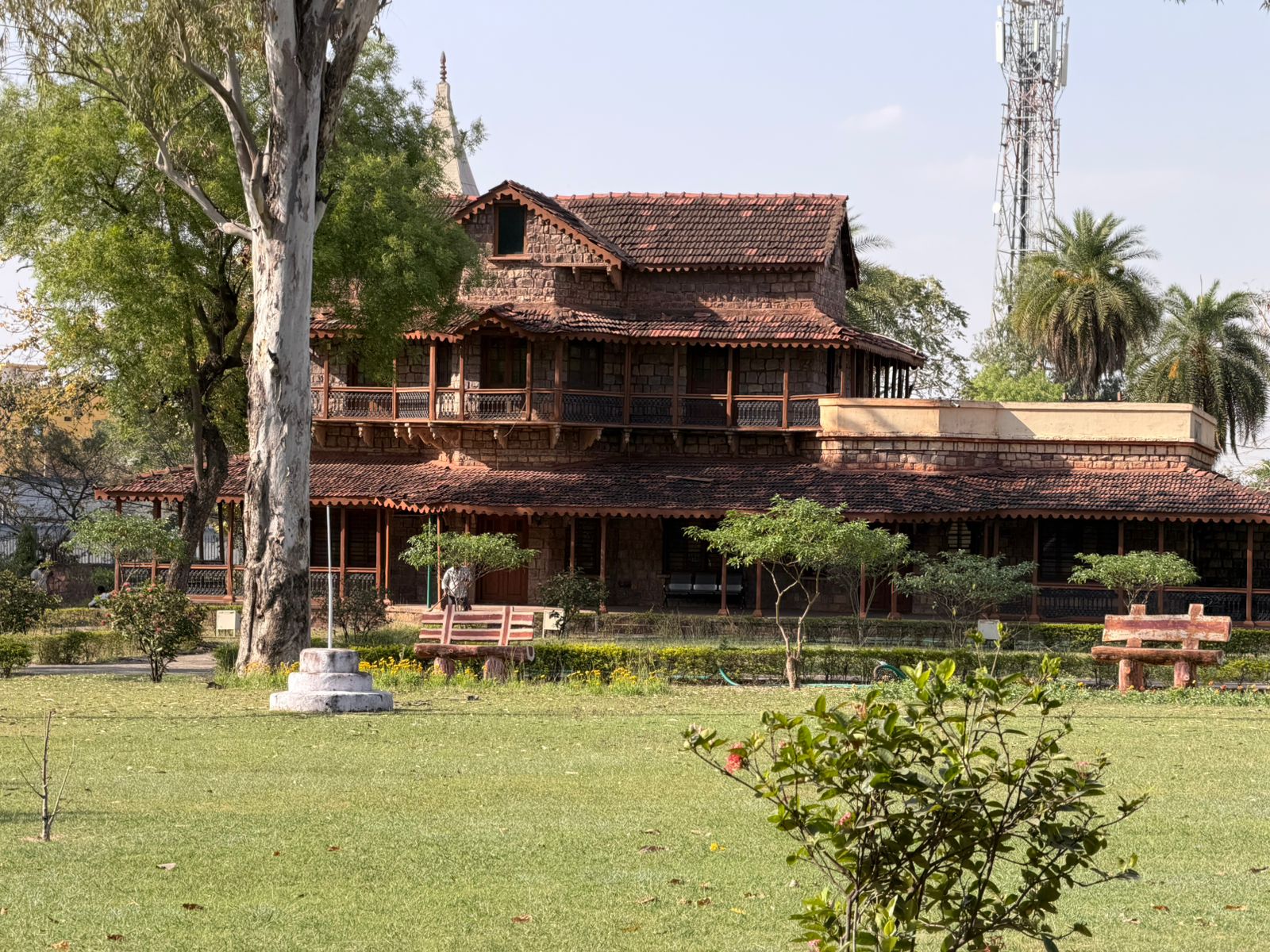
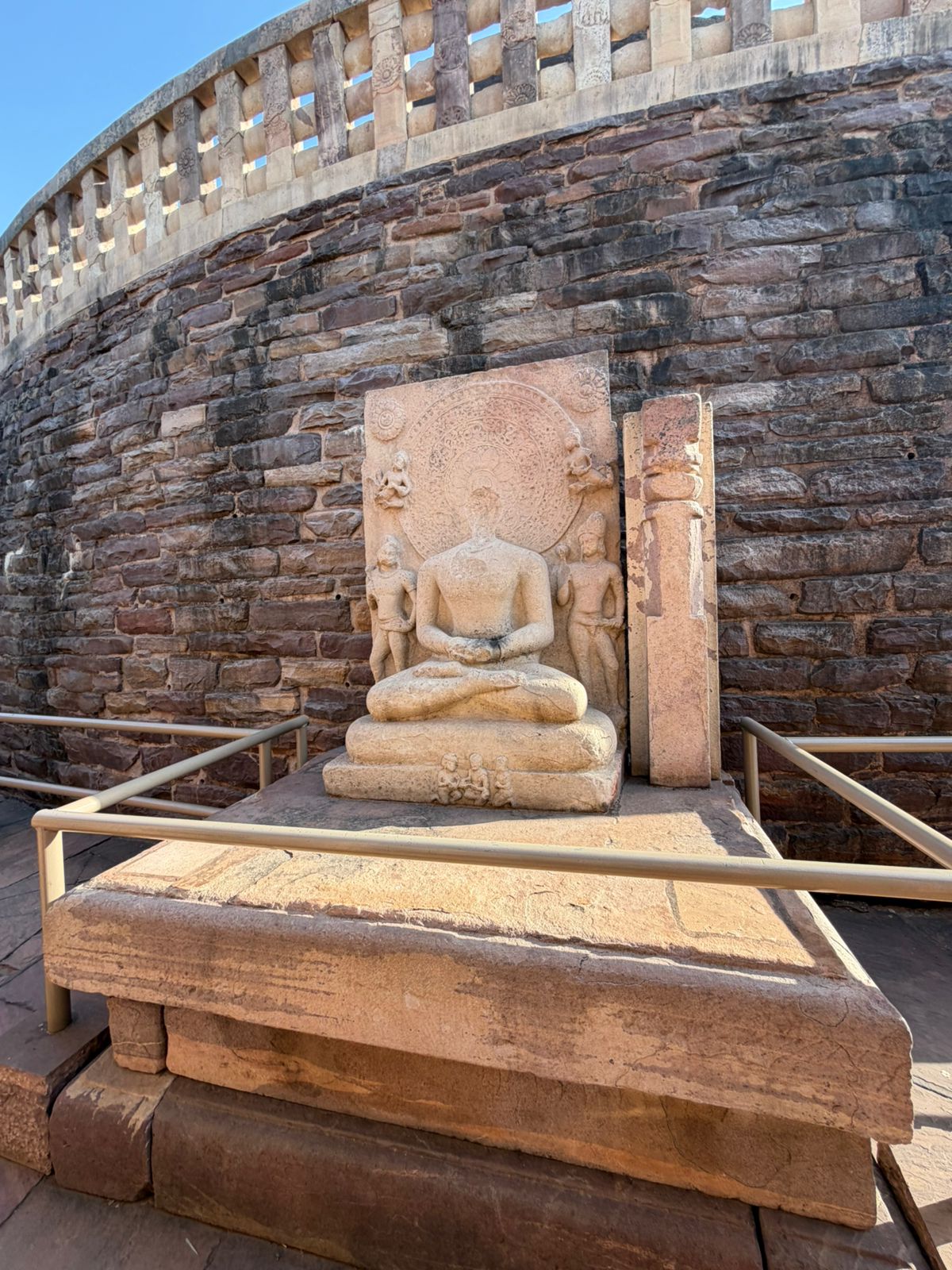
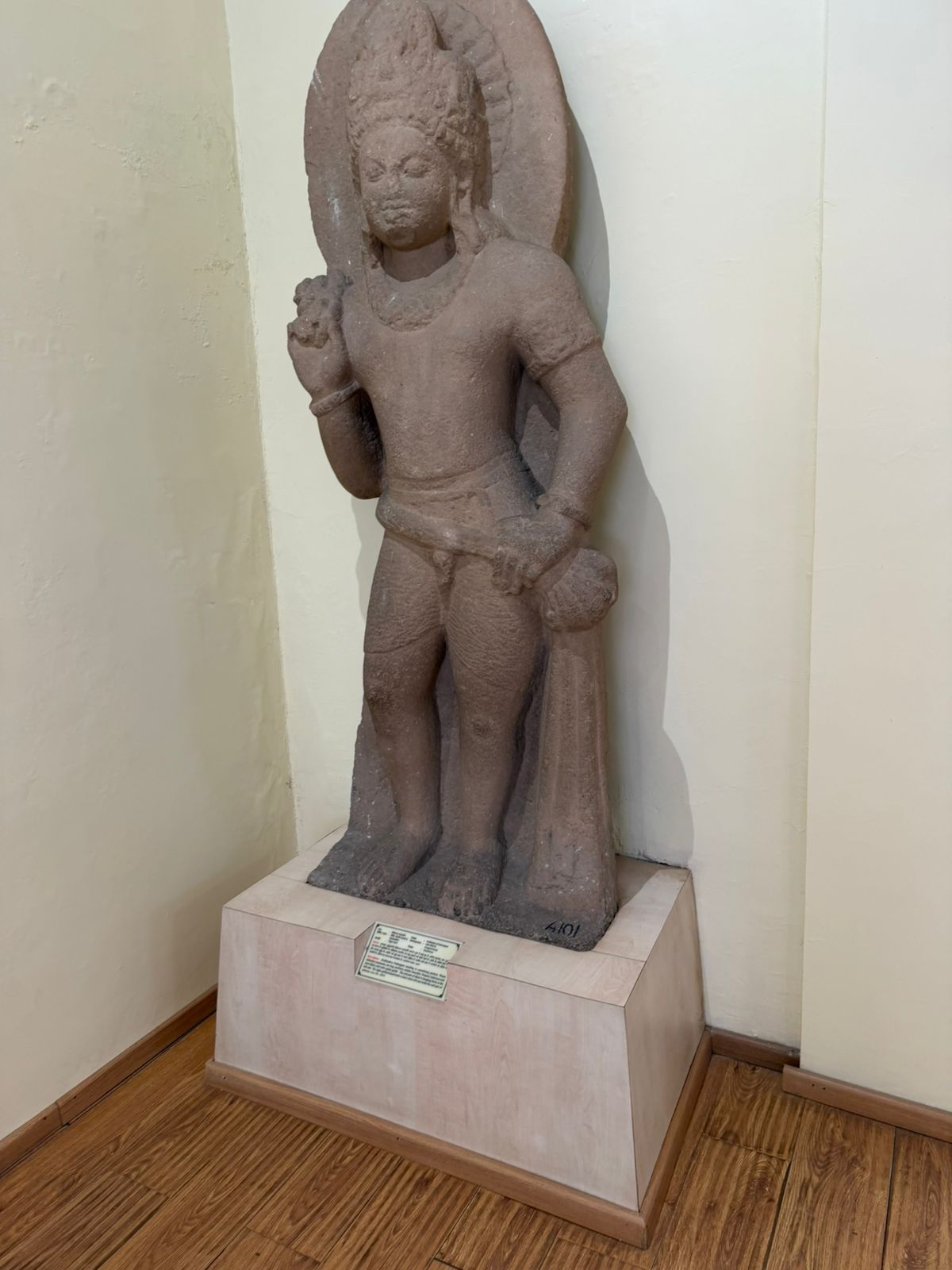
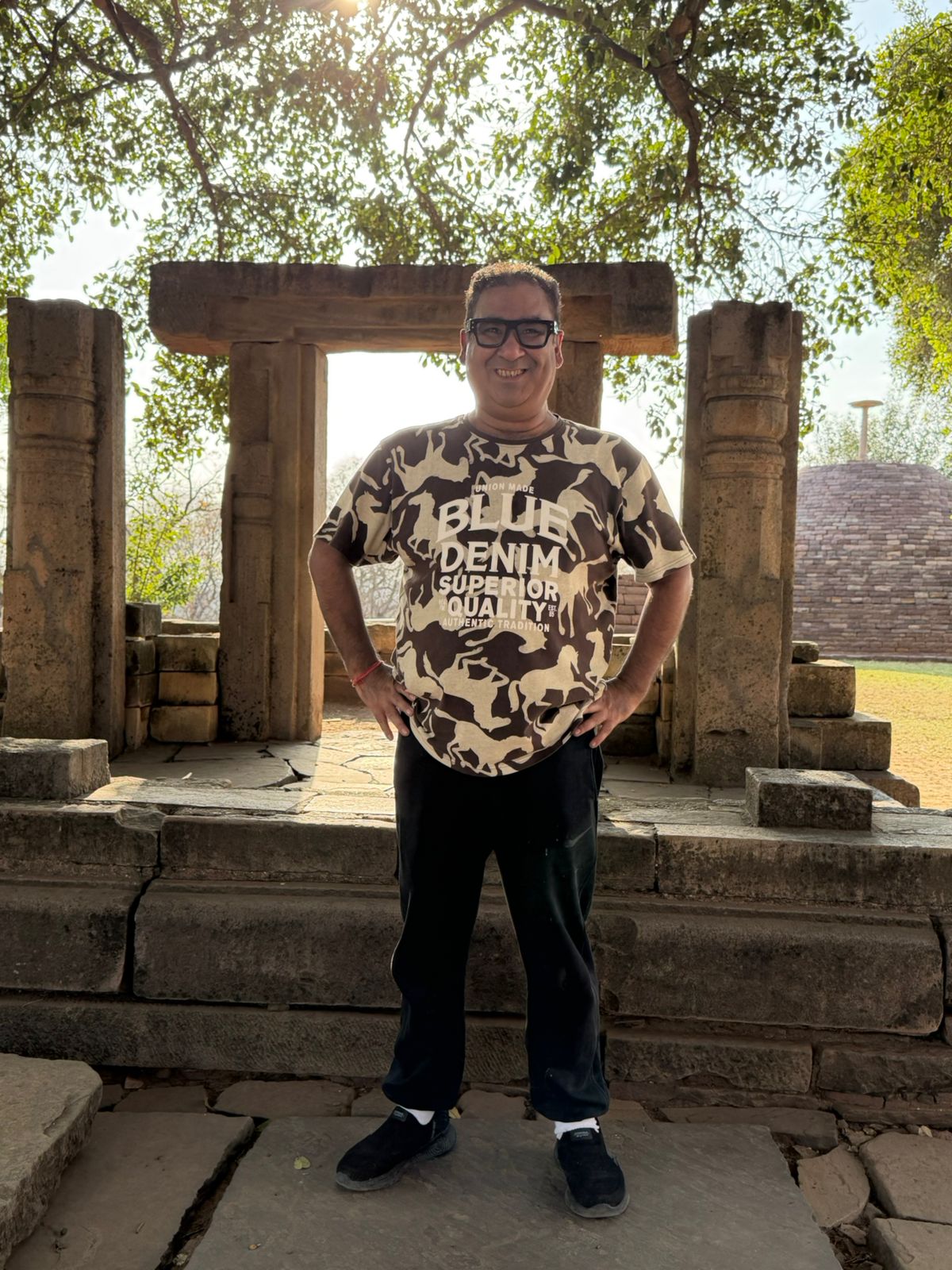
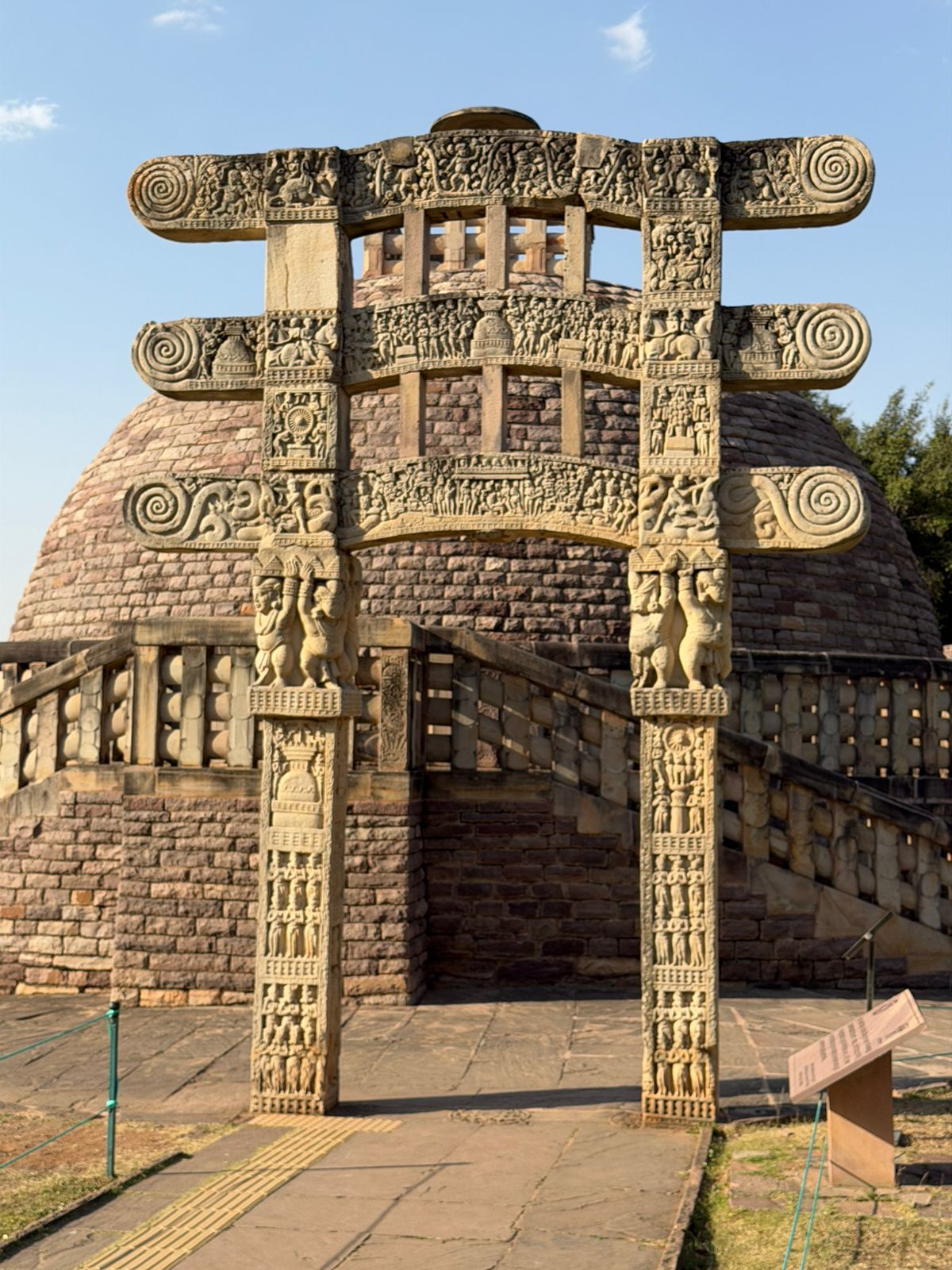
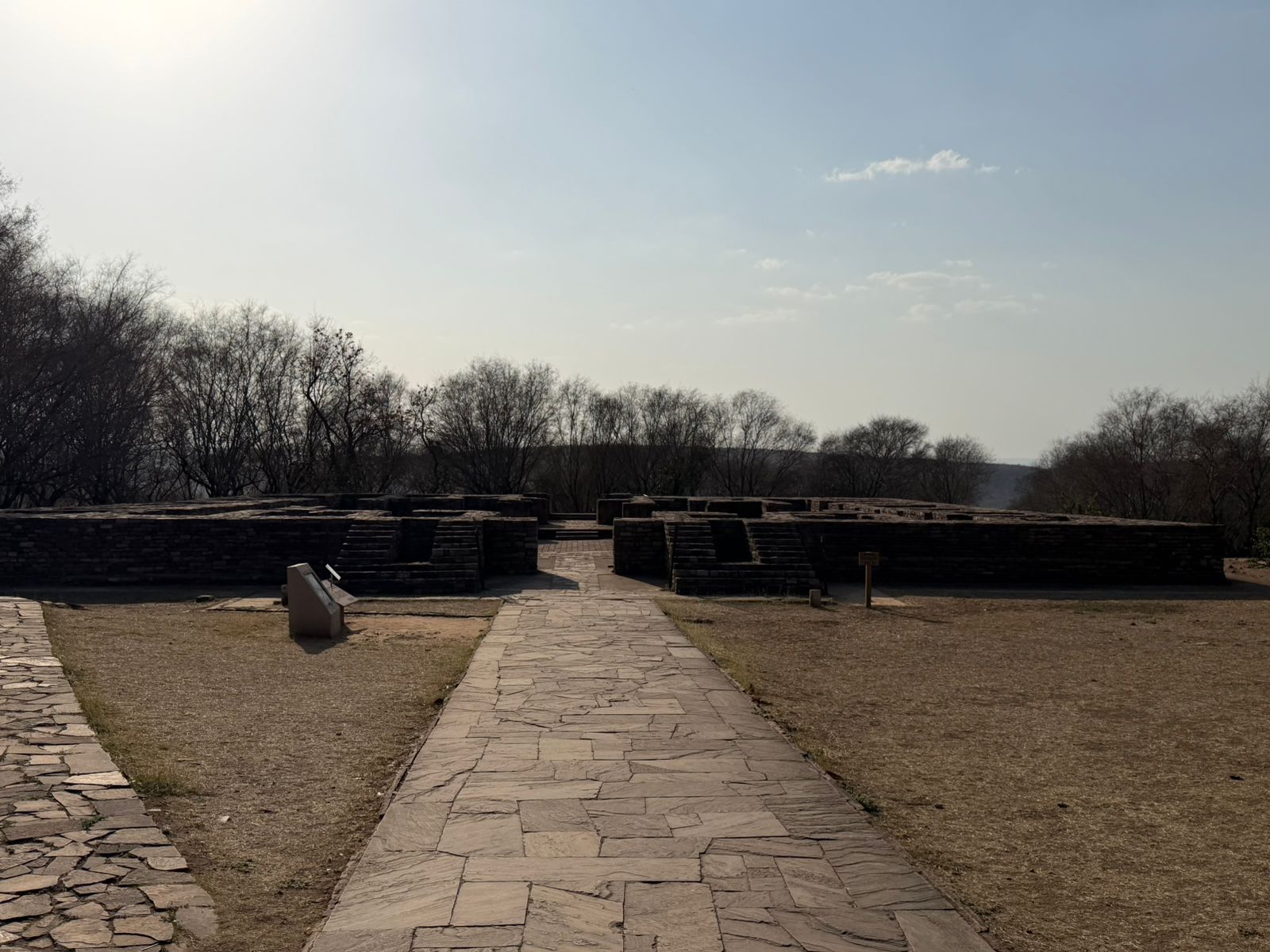
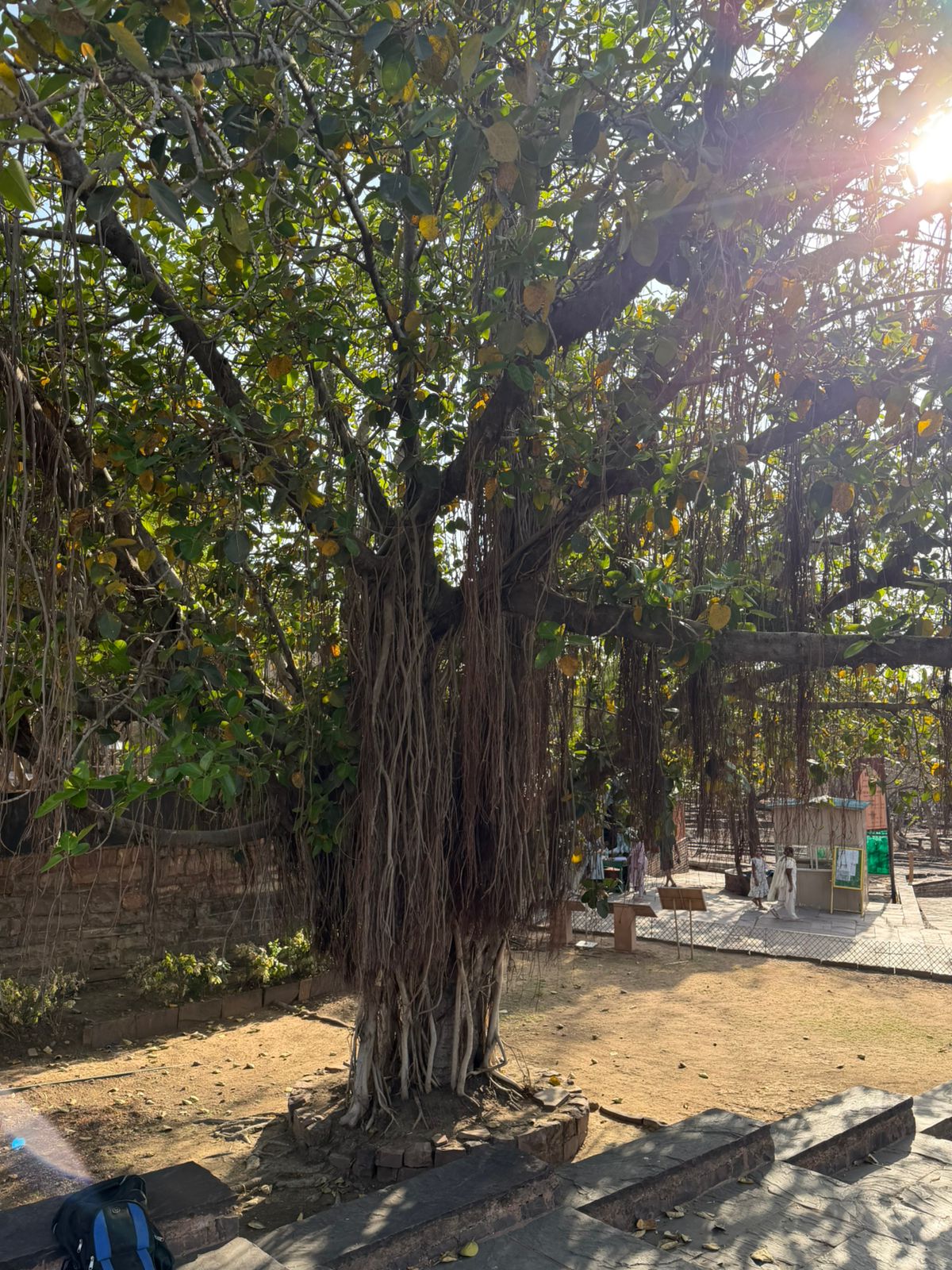
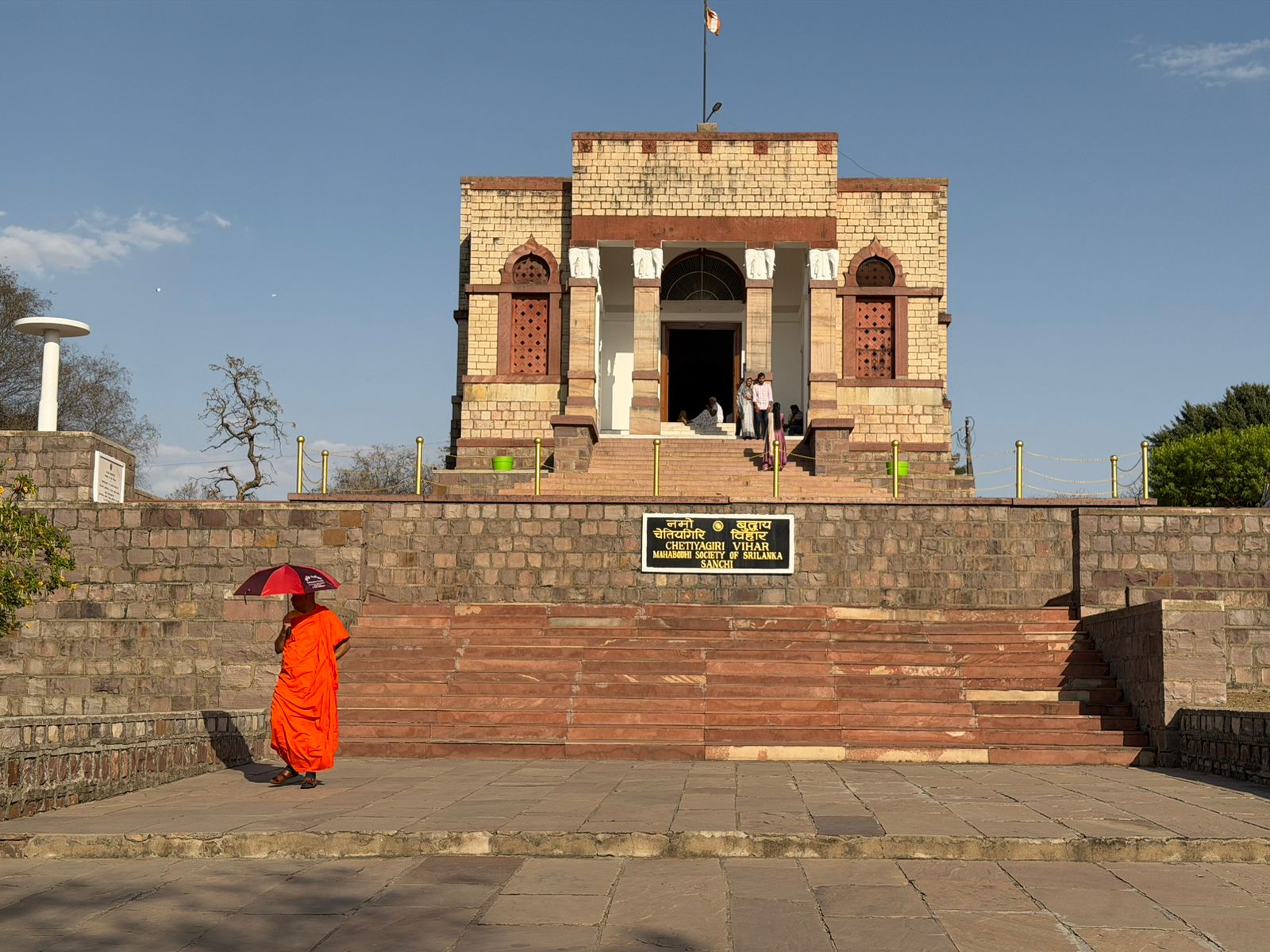
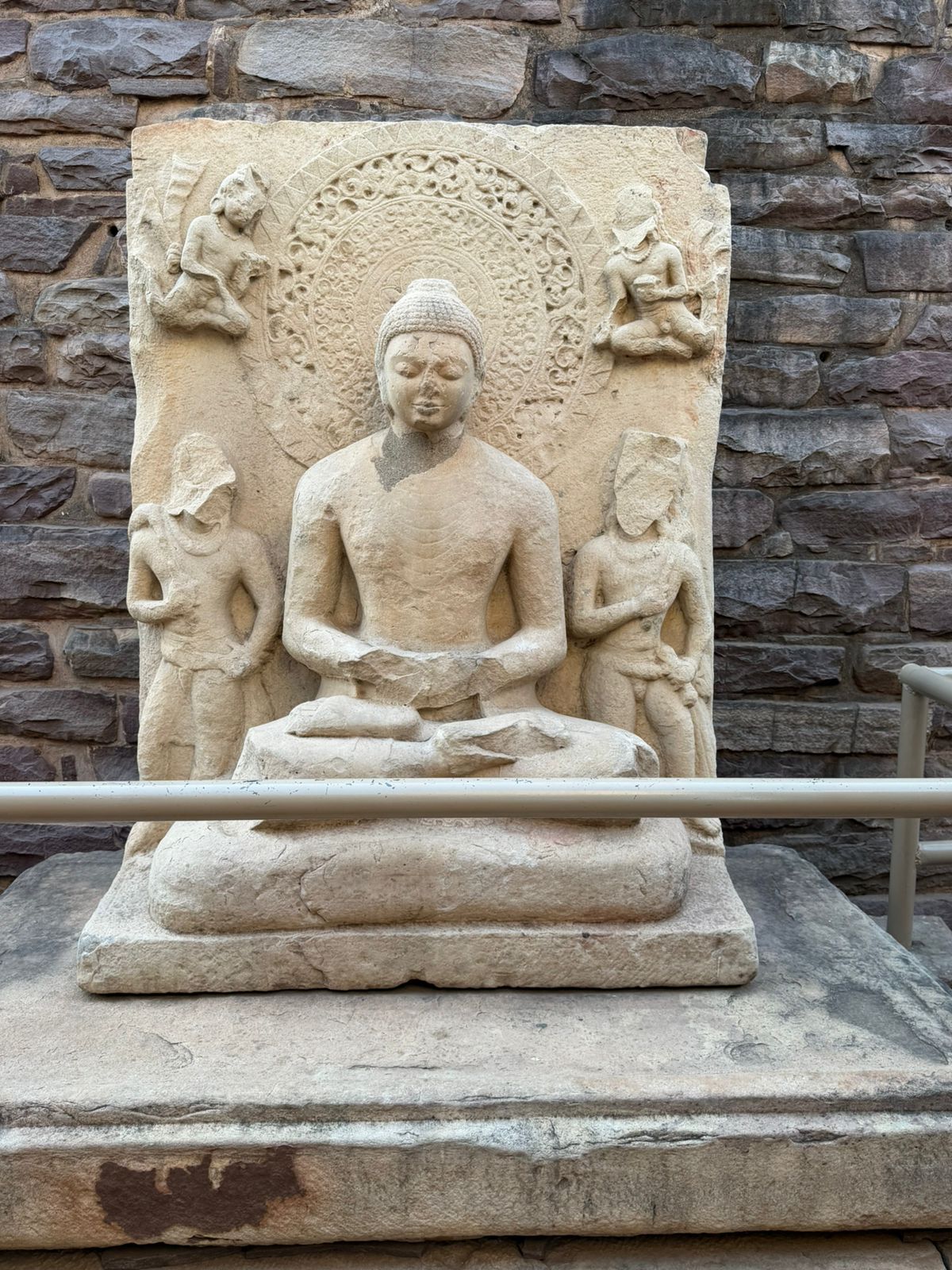
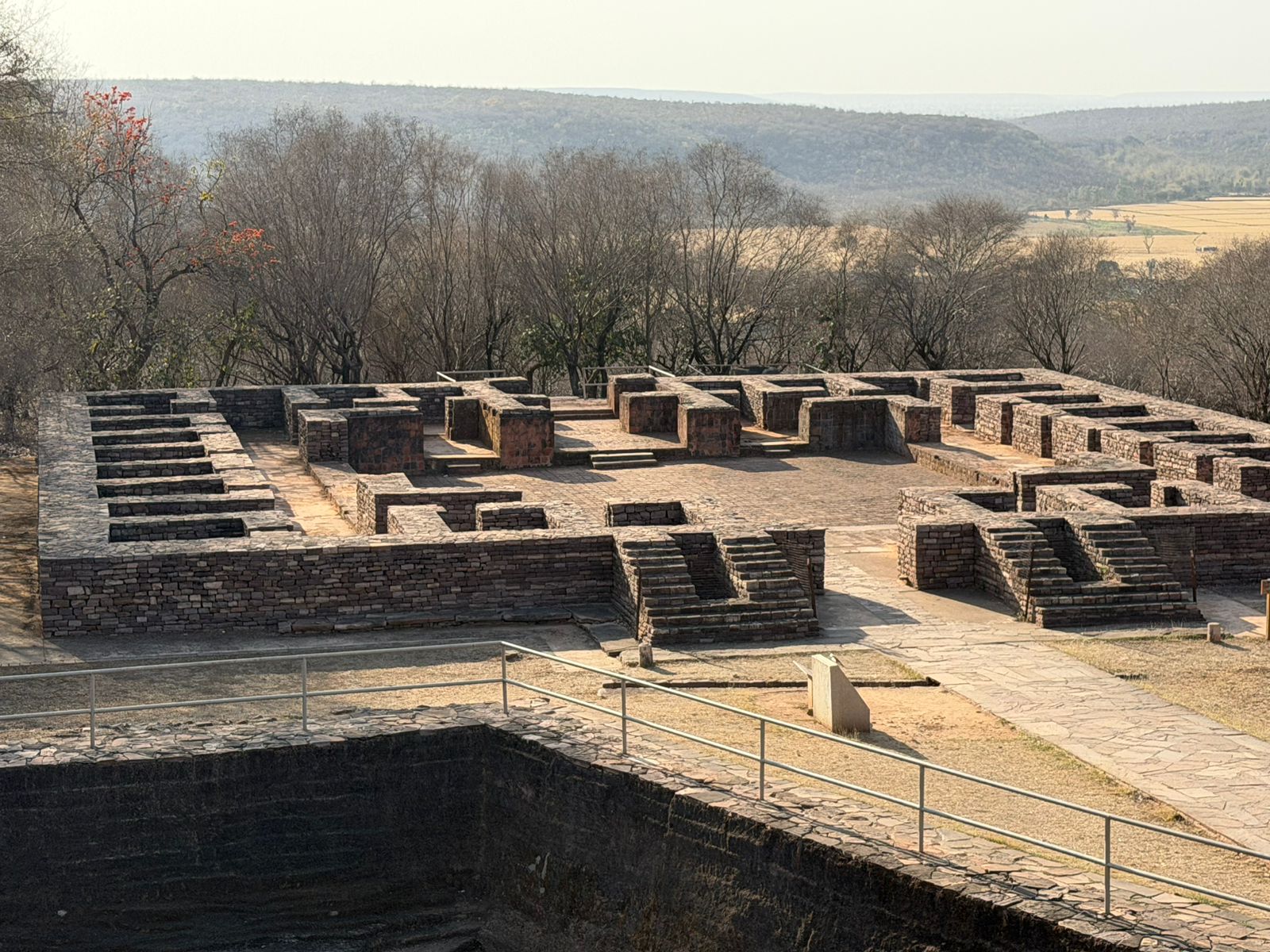
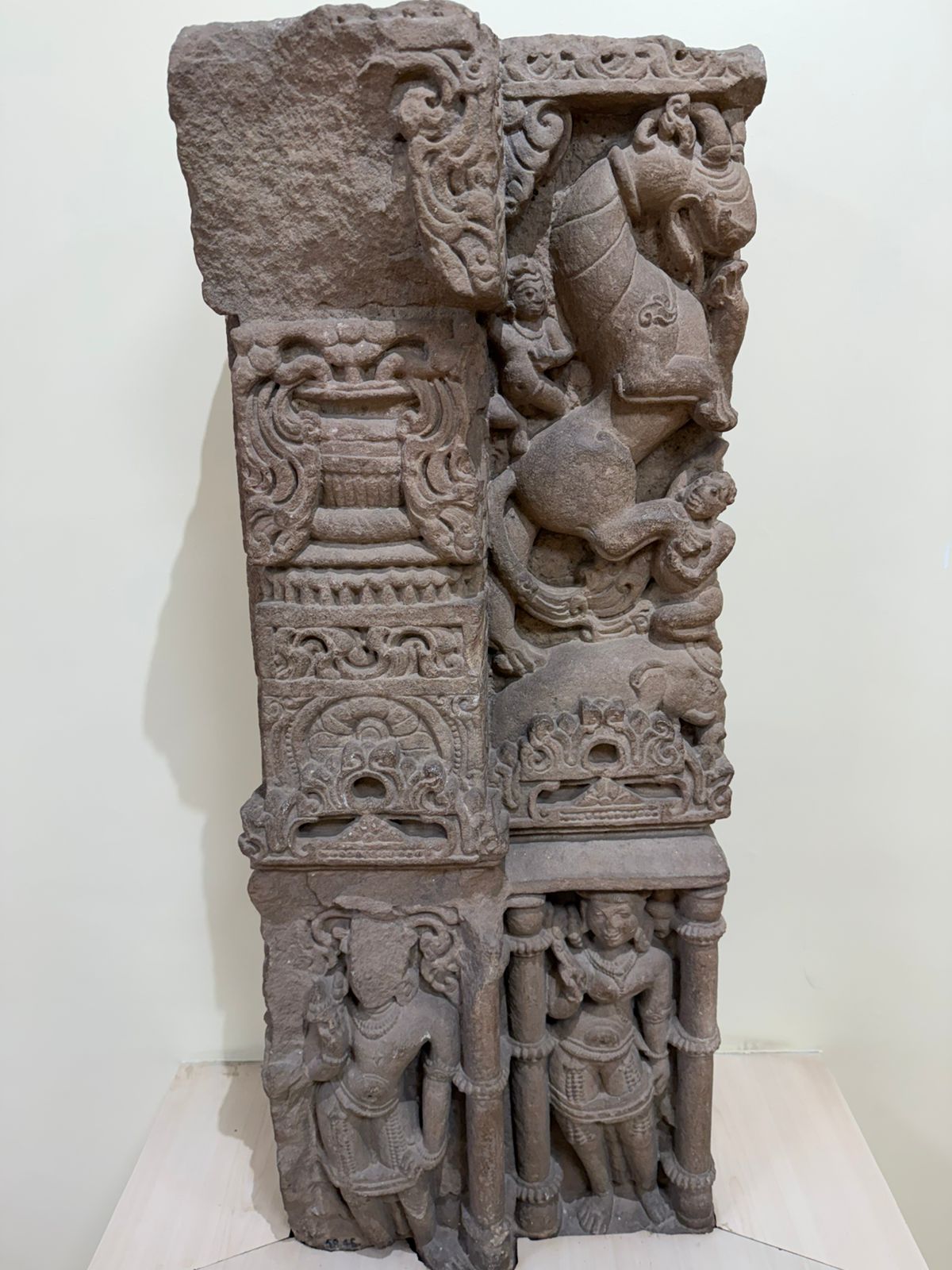
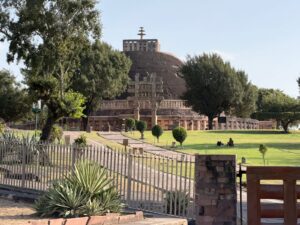
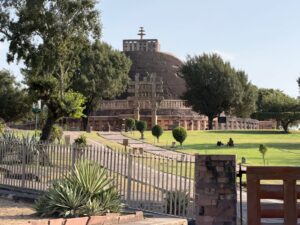
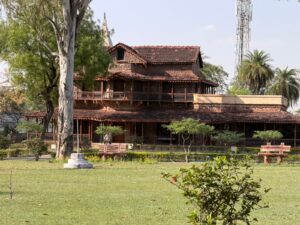
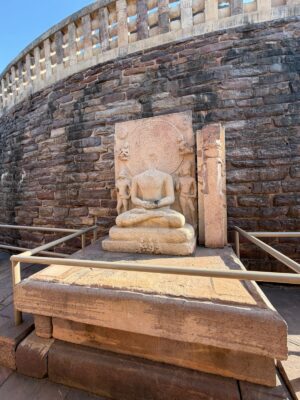
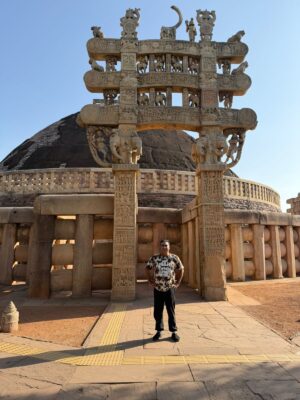
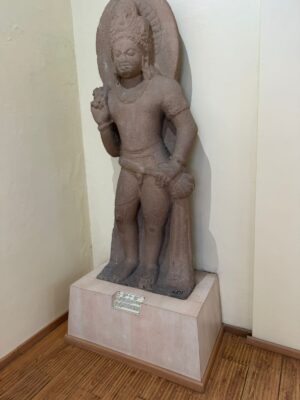
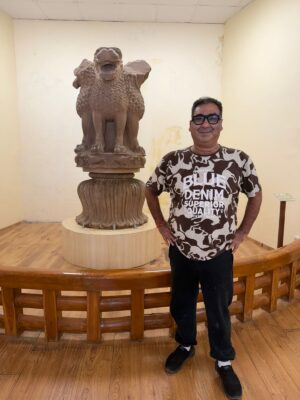

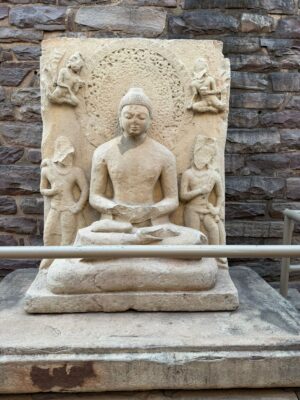
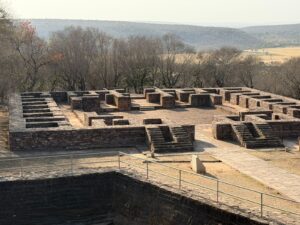
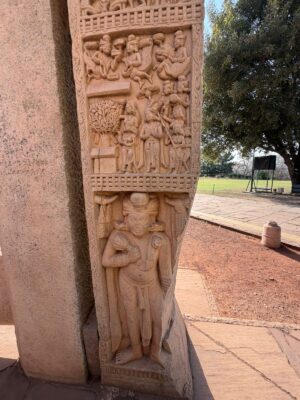
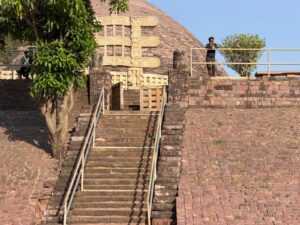
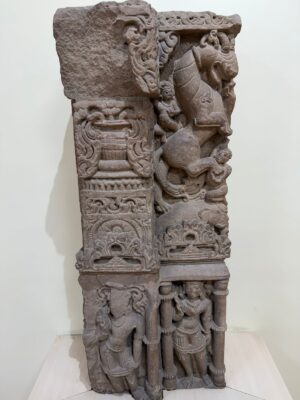
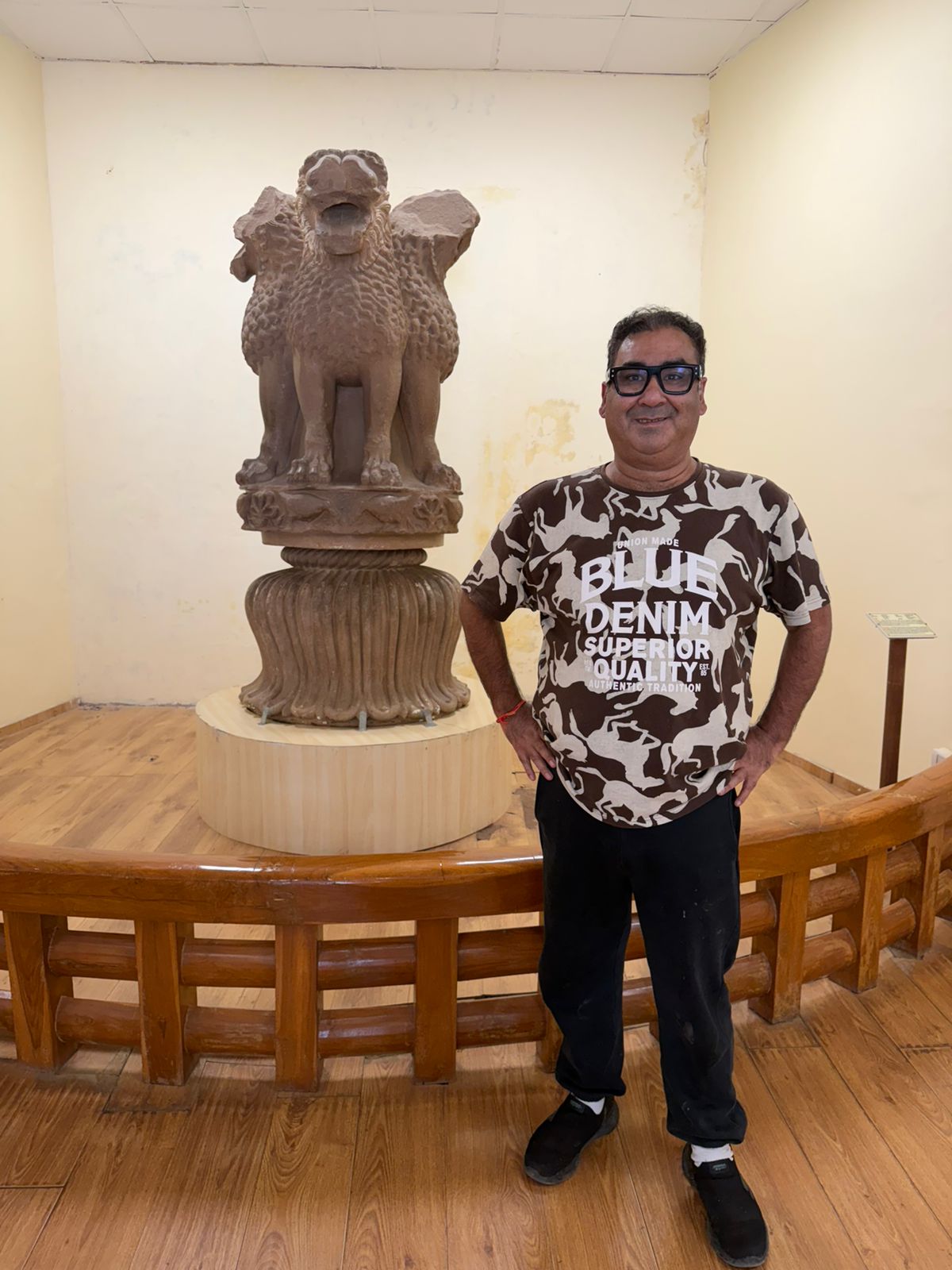
Inside the nearby museum, I came face to face with the iconic Ashokan Lion Capital, a symbol that would later inspire India’s national emblem. Seeing it up close made me appreciate the craftsmanship and vision of that era even more. The surrounding monasteries and smaller stupas revealed that Sanchi was not just a monument, but a thriving centre of Buddhist learning and life.
The Design of the Stupa is Deeply Symbolic
The hemispherical dome represents the universe.
The harmika signifies the abode of the gods.
The chhatra symbolises honour and spiritual authority.
Despite its simplicity, every element carries profound meaning—making it a spiritual diagram carved in stone.
A Moment of Stillness
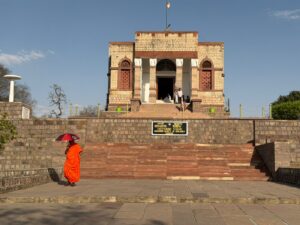
One of the most memorable parts of my visit was simply sitting on the grass, facing the stupa, watching the sunlight slowly shift across its ancient surface. A few visitors walked quietly, a monk in saffron robes passed by, and the wind carried a silence that felt almost sacred. In that moment, Sanchi was not just history—it was alive. Visiting the stupa was more than a travel experience—it was a journey into the roots of Indian spirituality.

Add a review
Your email address will not be published. Required fields are marked *