
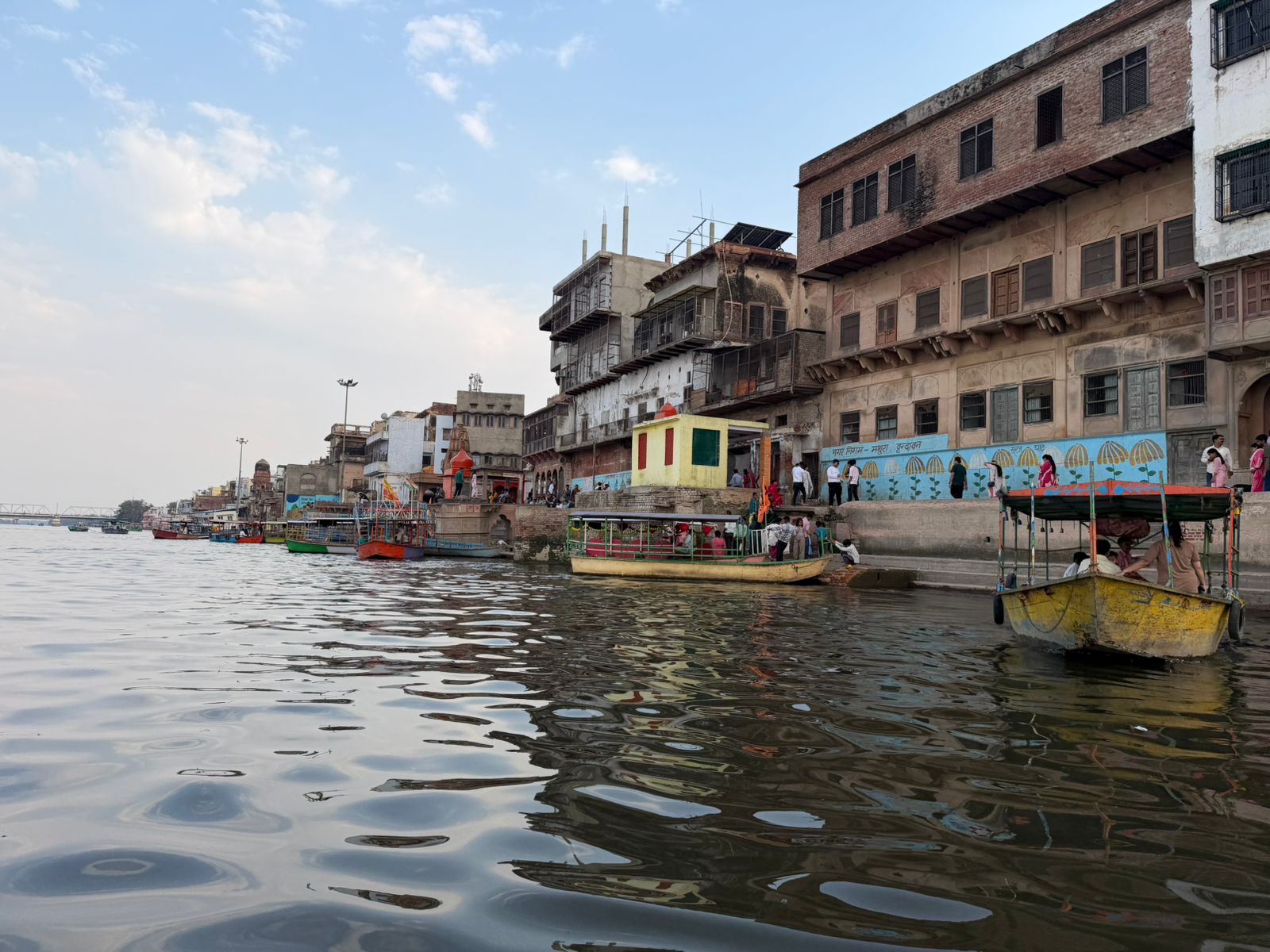
Gau Ghat, Mathura – Where the Yamuna Whispers Stories of Time
In the sacred city of Mathura, where every street seems to echo with the name of Krishna, the ghats along the Yamuna River hold a quiet, timeless charm. Among them is Gau Ghat—it stands as a place where history, devotion, and everyday life blend seamlessly. My visit to Gau Ghat wasn’t just about seeing a riverside; it was about experiencing a living story.
The History
Gau Ghat, like many ghats of Mathura, is deeply tied to the spiritual geography of Braj. The name itself—“Gau,” meaning cow—reflects its association with the pastoral life of Krishna, who is often remembered as Govinda, the protector of cows.
Historically, the ghats along the Yamuna were not just places for ritual bathing but also centres of community life. Pilgrims, saints, and traders would gather here, making these riverbanks vibrant hubs of culture and devotion.
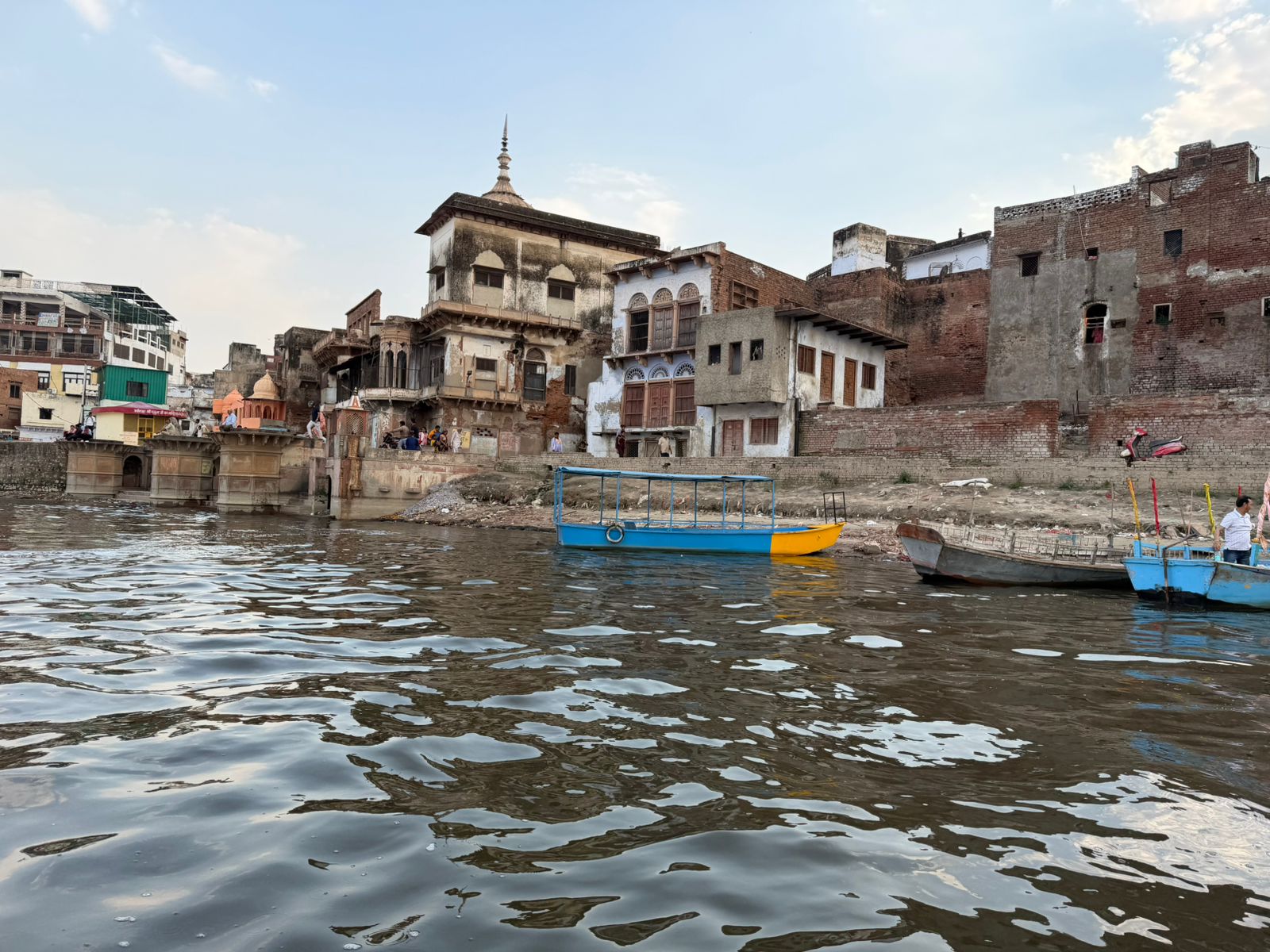
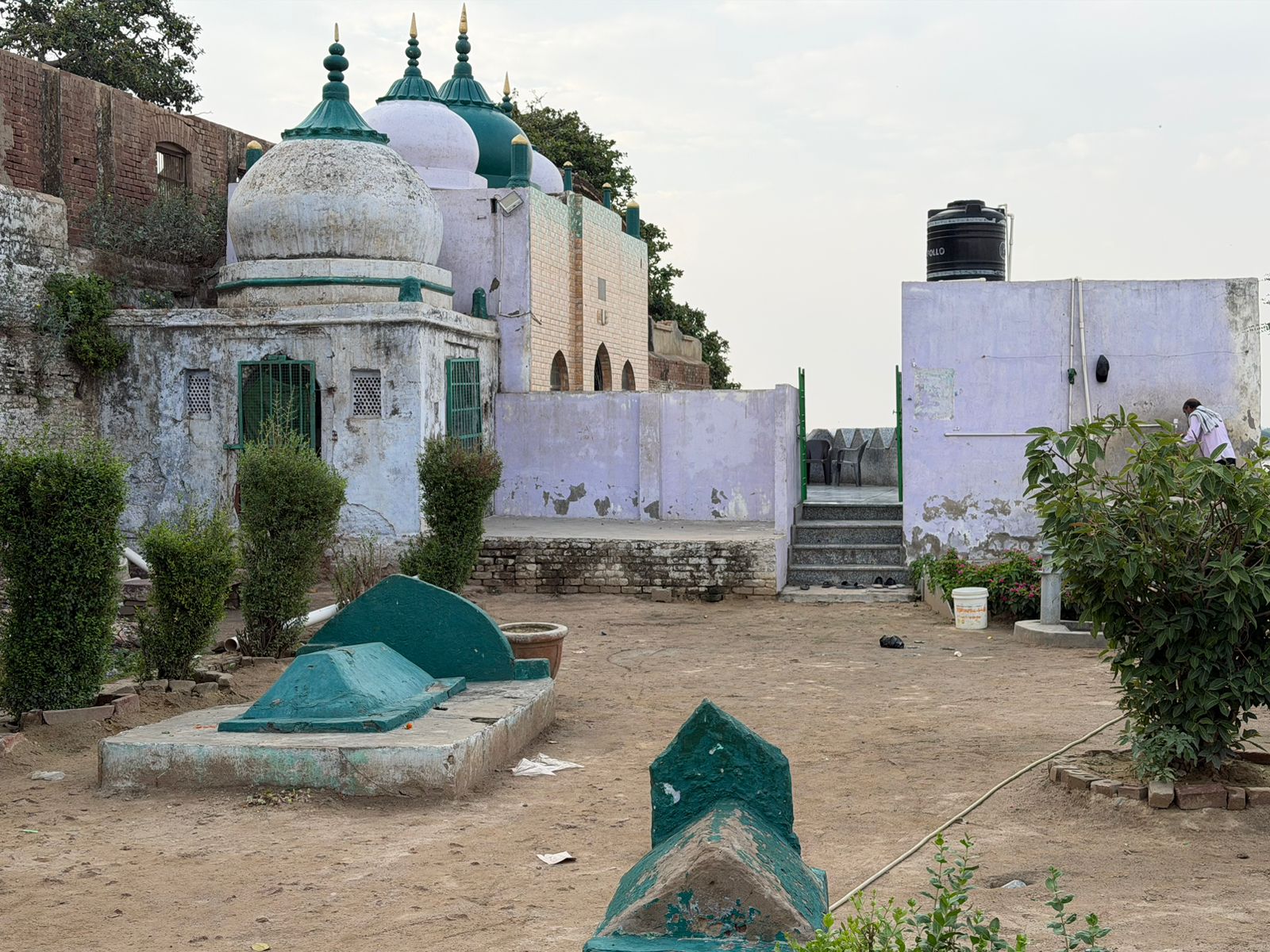
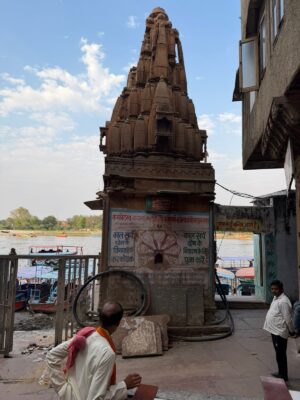
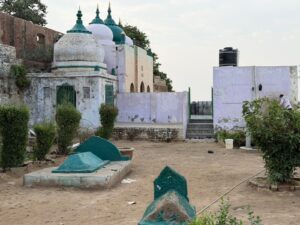
It is believed that saints and devotees have meditated here for centuries, and the Yamuna flowing beside it is considered sacred—its waters said to carry the blessings of Krishna’s childhood in this very land. Even today, the presence of old structures, weathered walls, and ancient trees around Gau Ghat hint at a past that refuses to fade away.
The First Glimpse – The River and the Boats
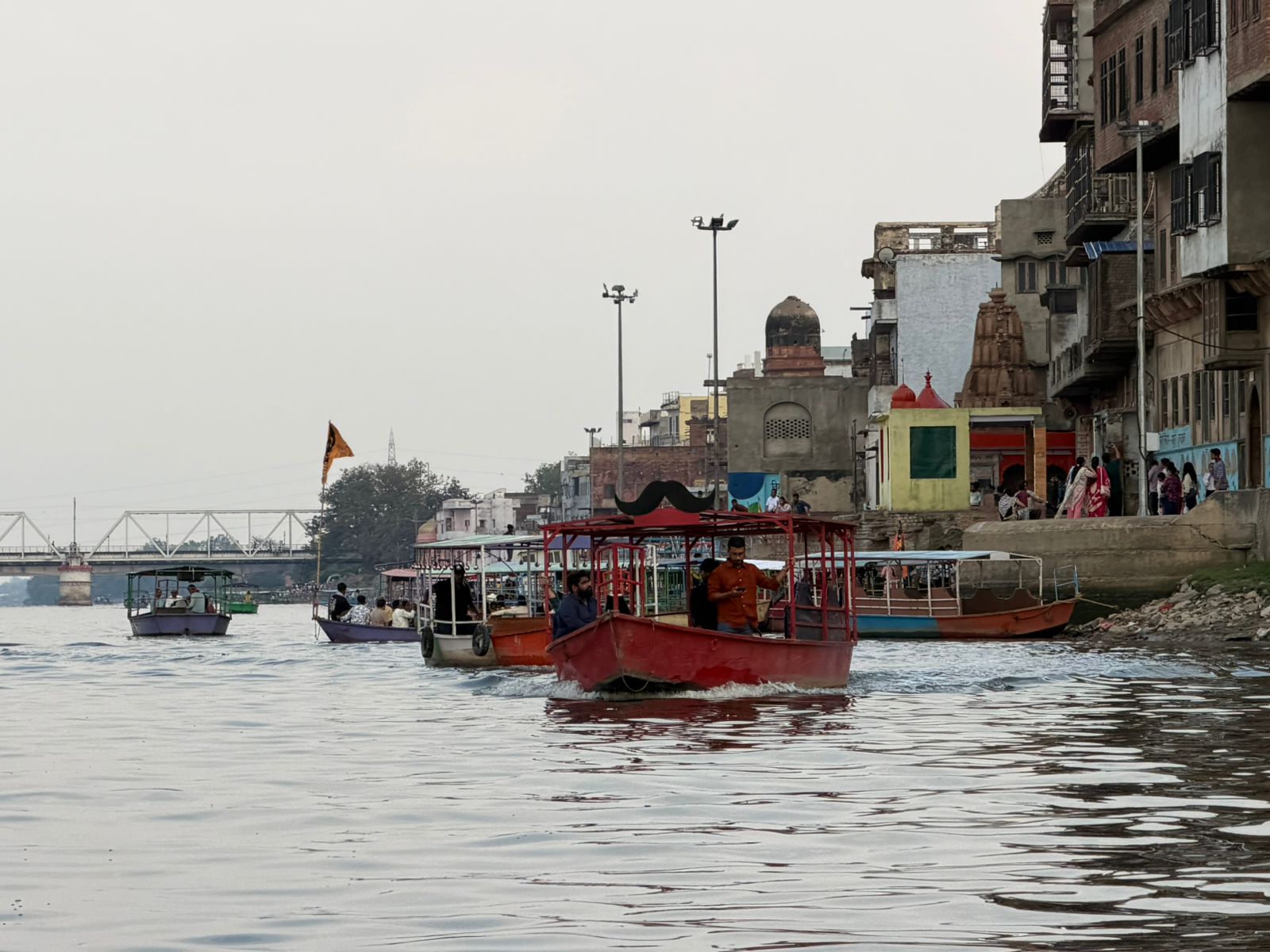
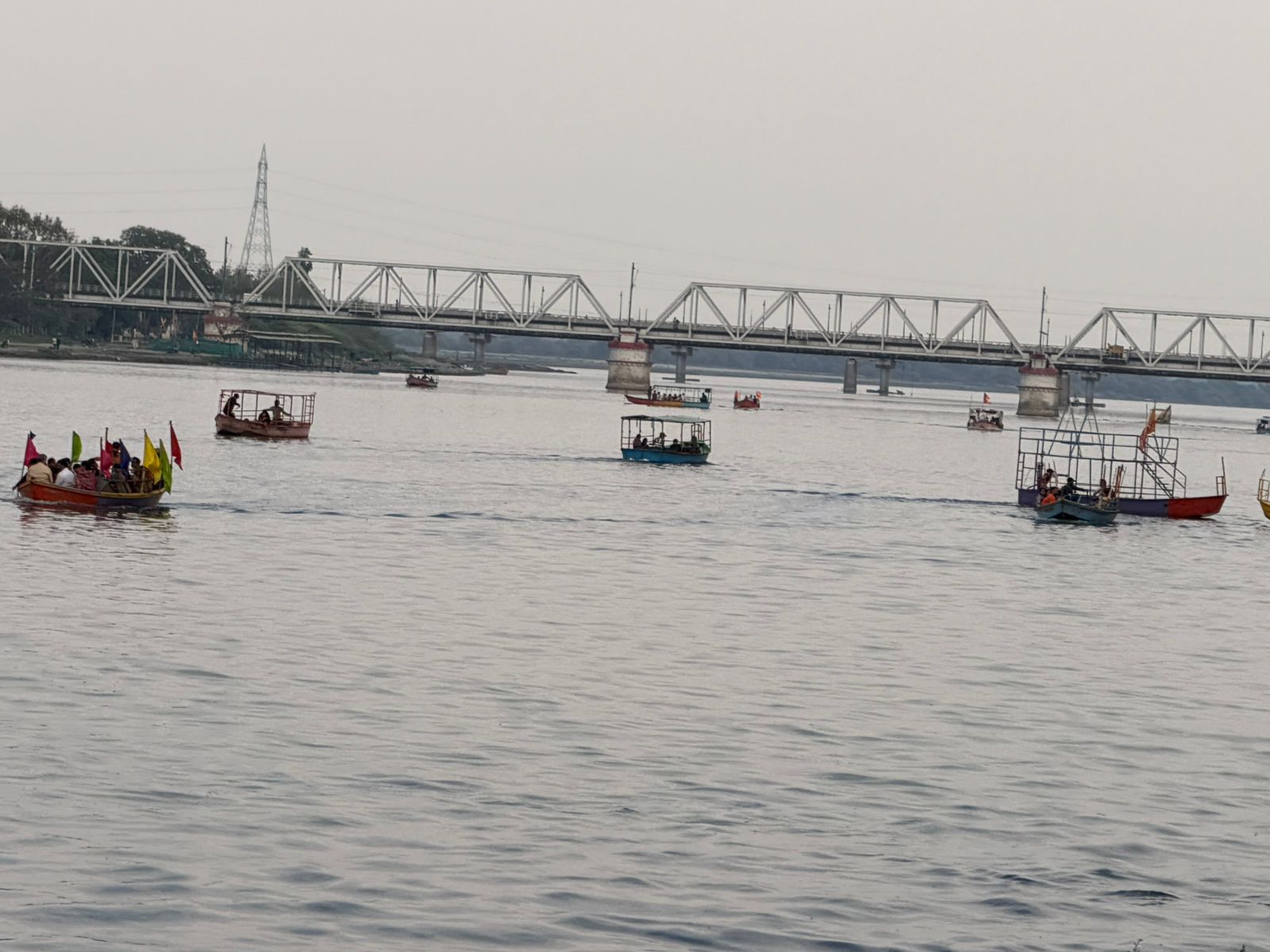
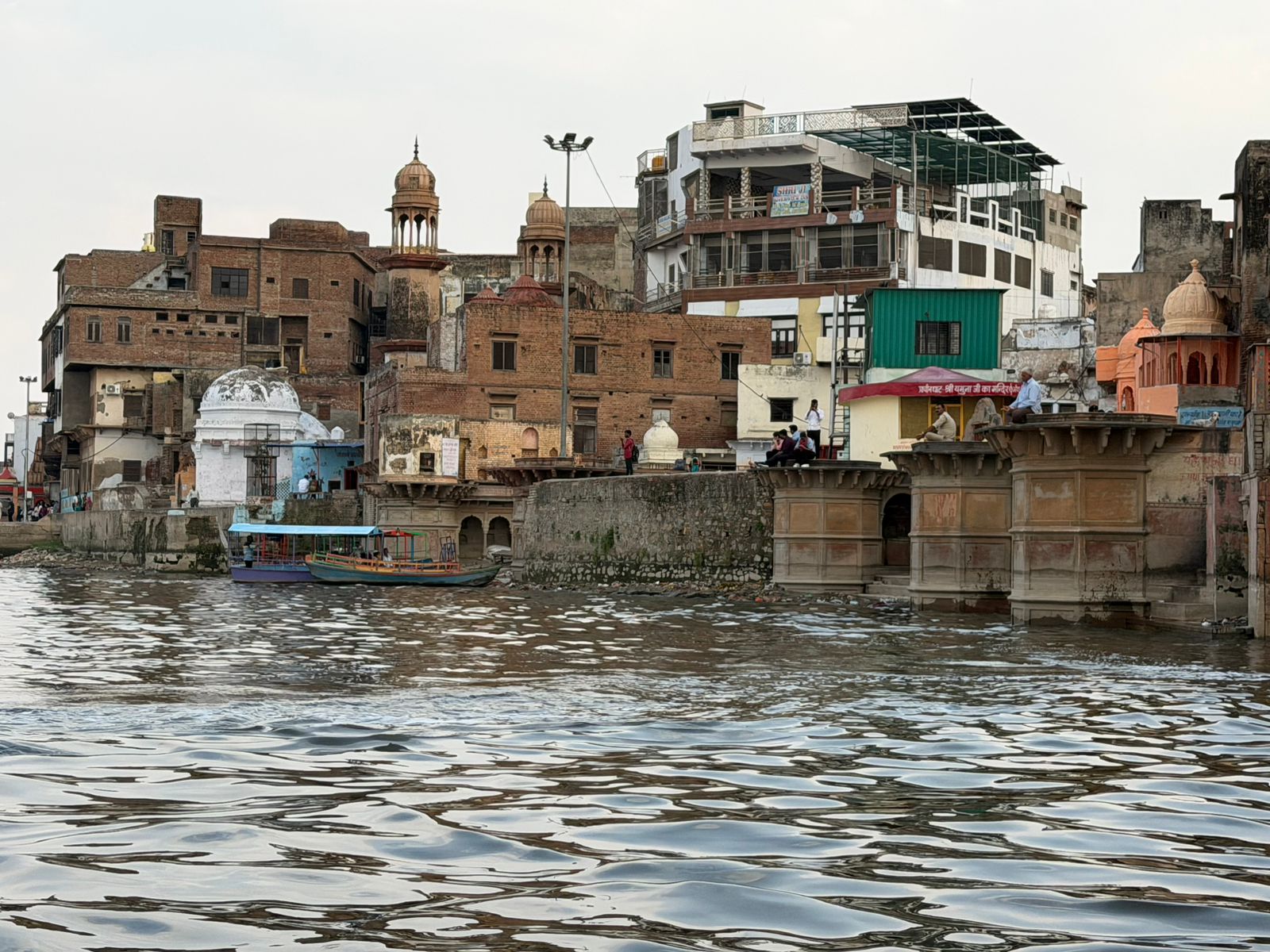
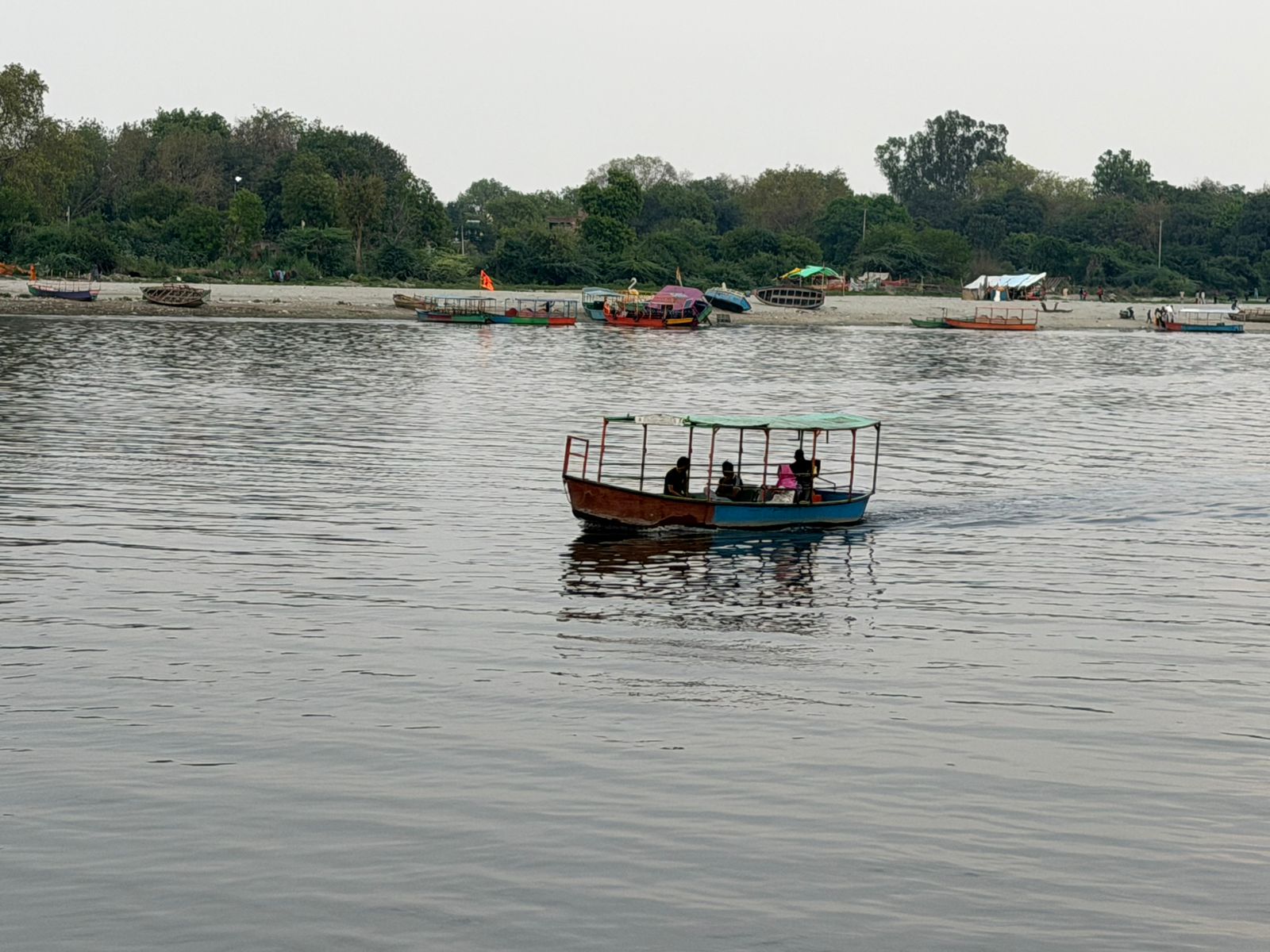
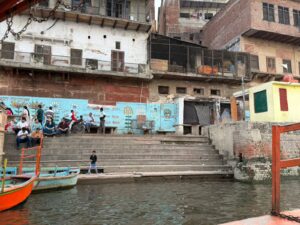
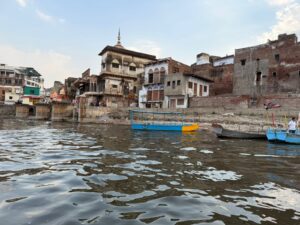
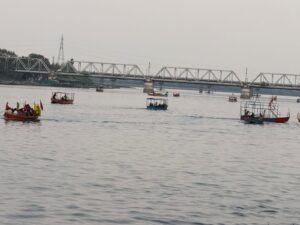
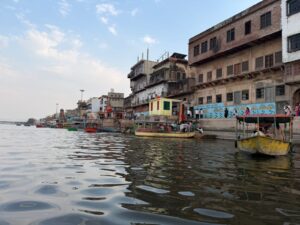
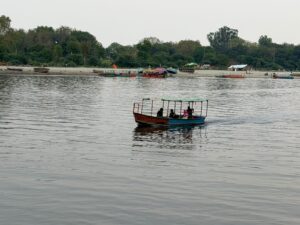
The first thing that caught my eye was the gentle spread of the Yamuna. Boats painted in bright greens, yellows, and blues floated quietly, waiting for passengers. I watched as people carefully stepped onto the boats—some with excitement, others with caution.
There was something beautifully raw about it—no rush, no chaos, just a natural rhythm of movement between land and water. As the boats drifted away, leaving ripples behind, it felt like time itself was slowing down.
Gau Ghat, Mathura
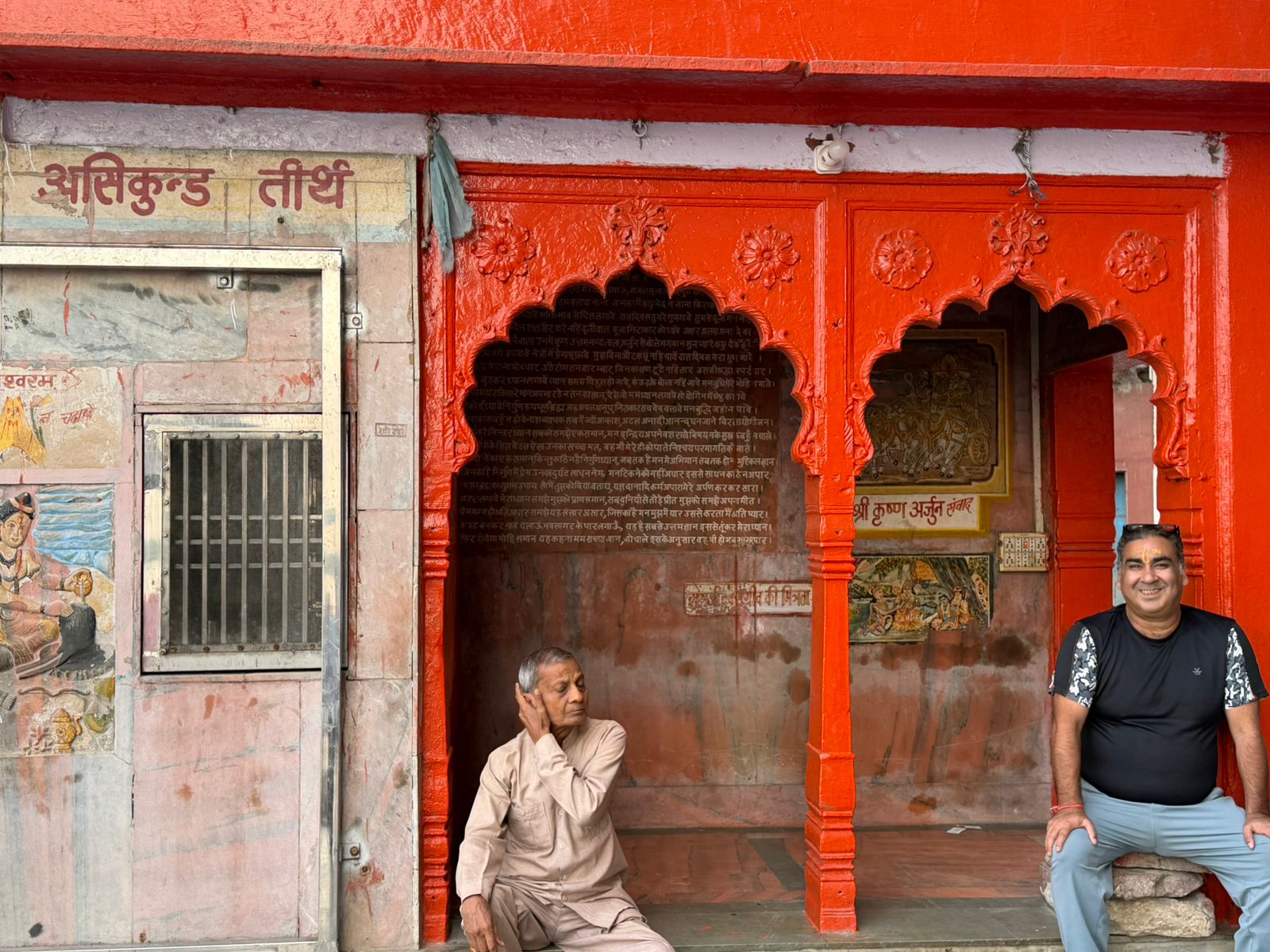
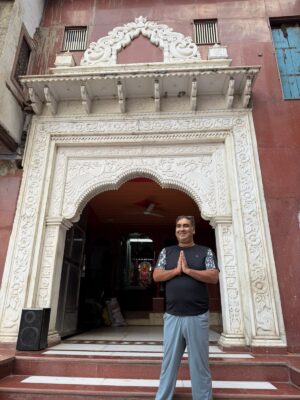

Life Along the Ghats
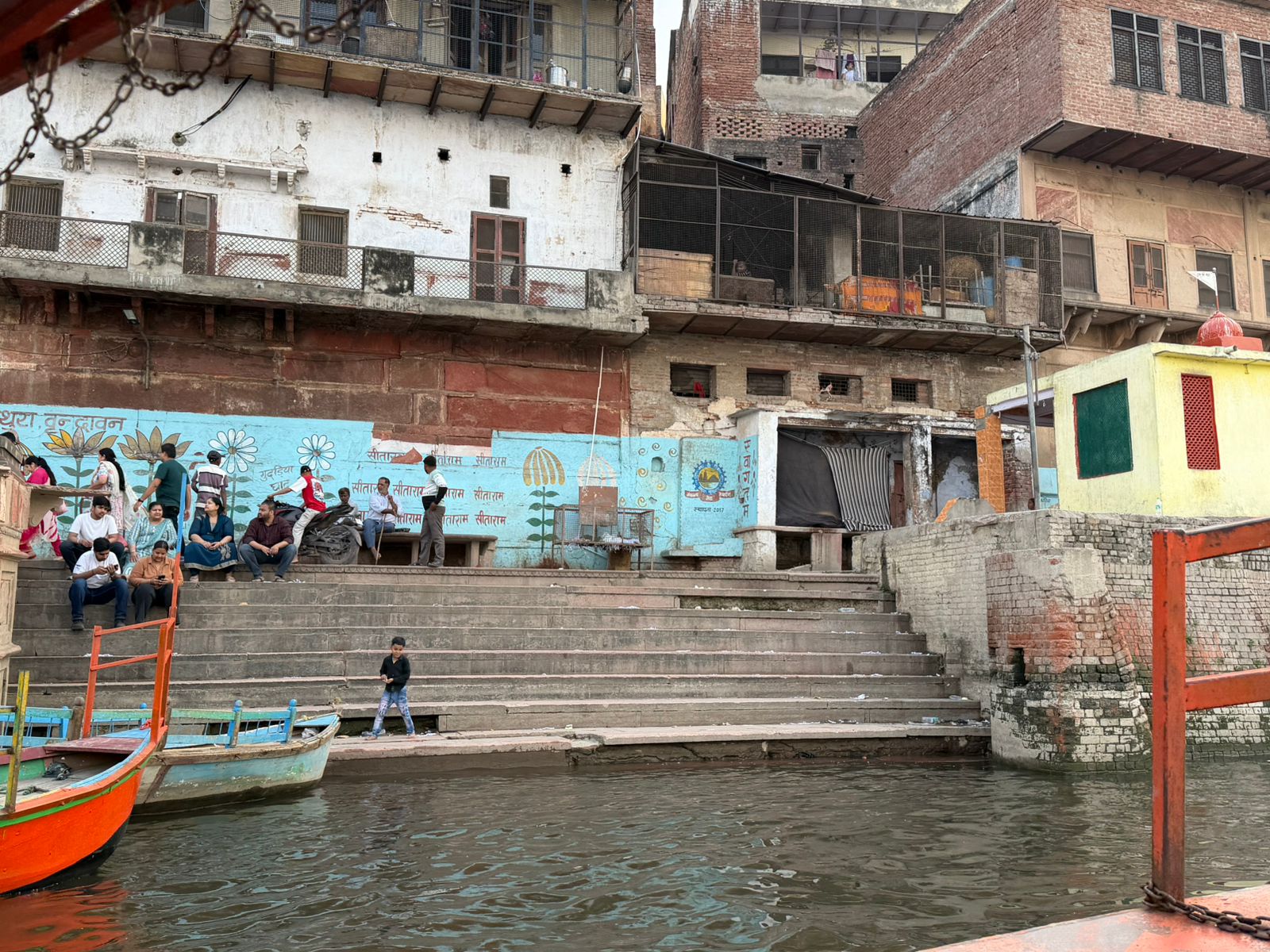
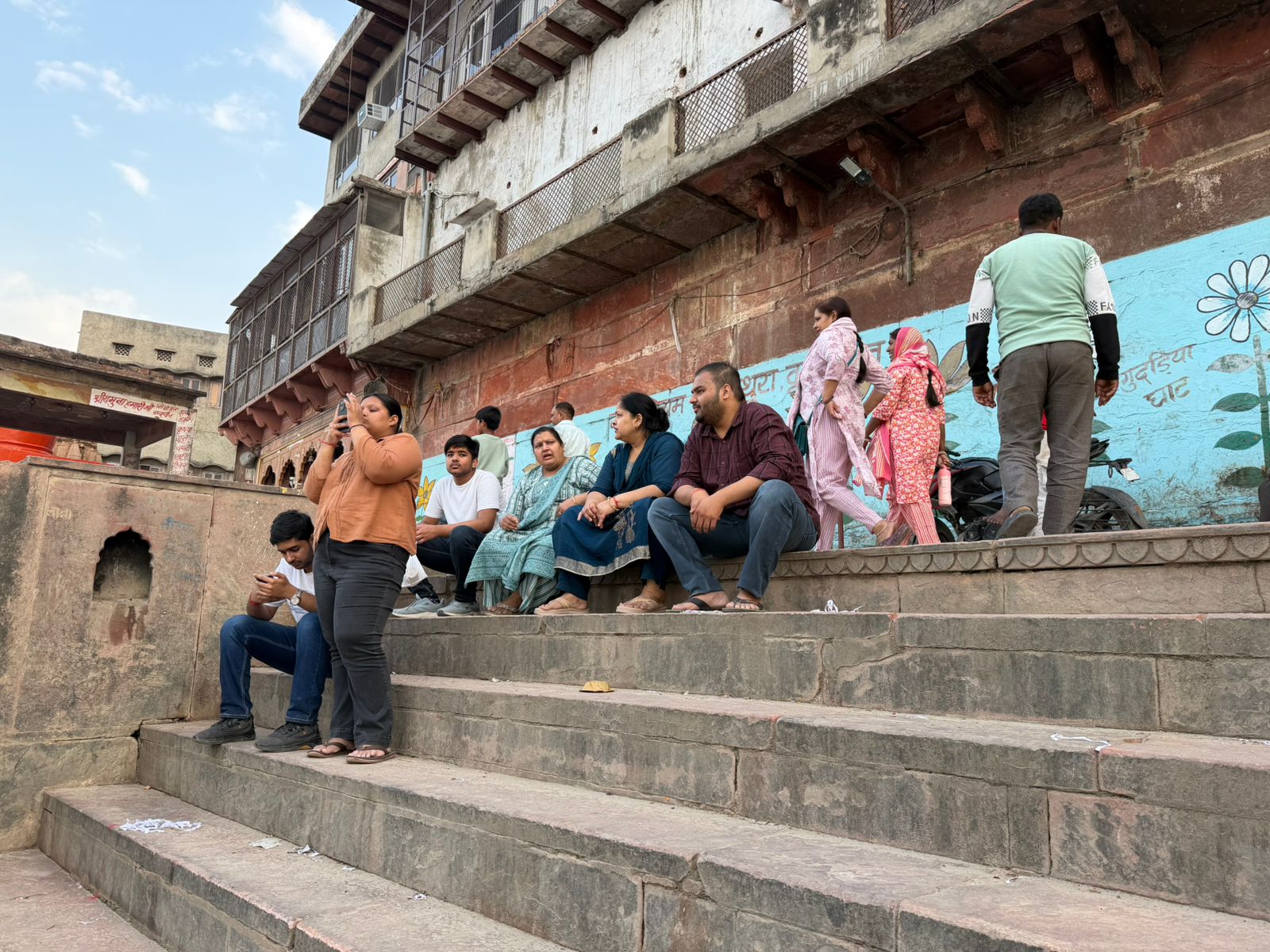
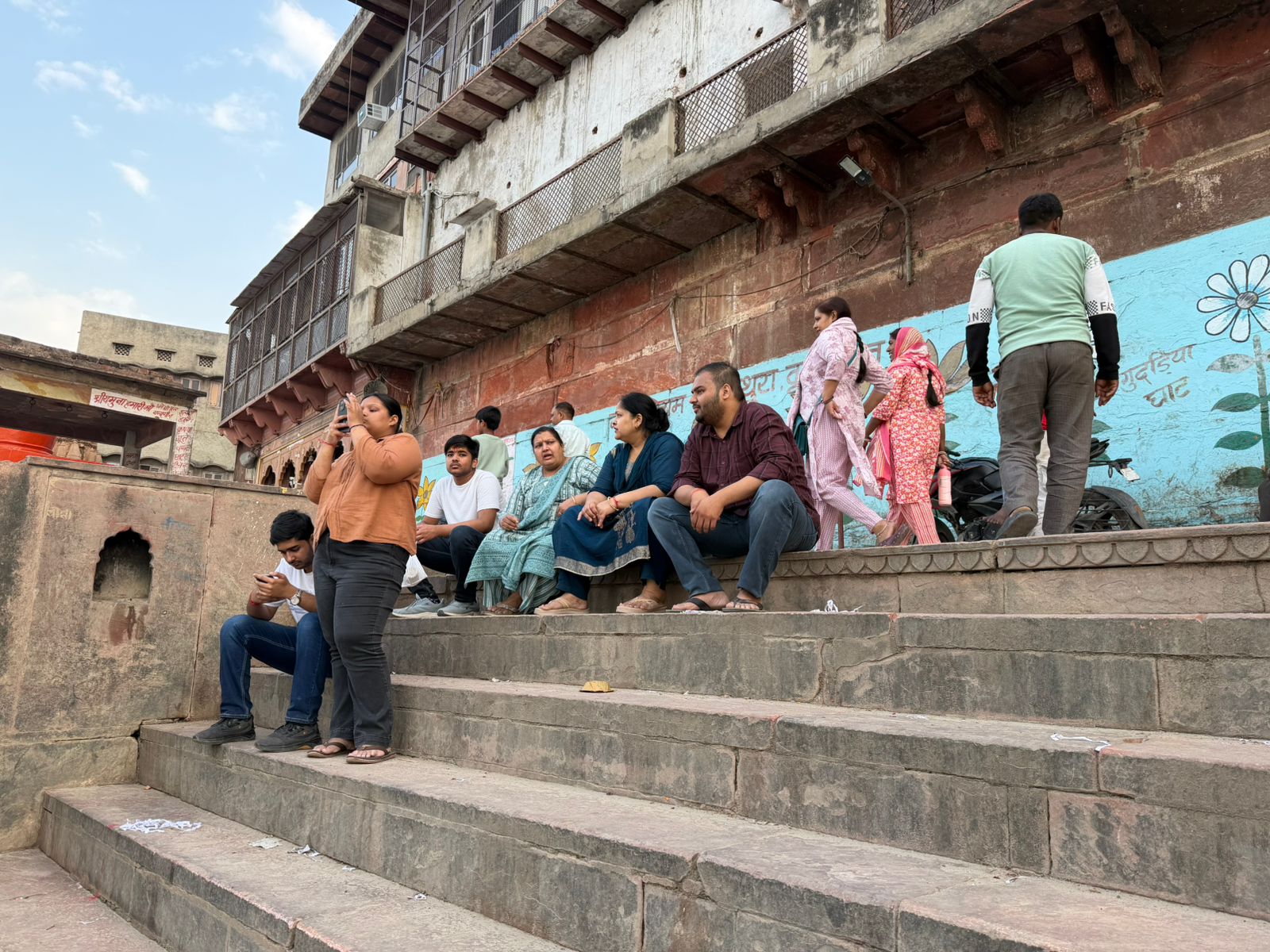
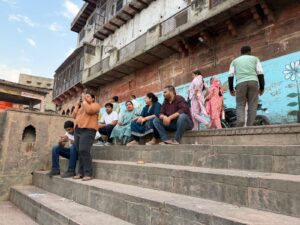
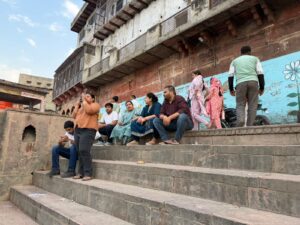
Gau Ghat is not just a spiritual spot—it’s a slice of everyday life. A man rested quietly on a bench under a tree, lost in his own thoughts. Nearby, families gathered, talking softly while waiting for their turn to cross the river.
Children looked curiously at the boats, while elders watched the flowing water with a sense of calm familiarity.
There were no grand rituals happening at that moment—just life unfolding in its simplest form, and somehow, that felt just as sacred.
Echoes of the Past
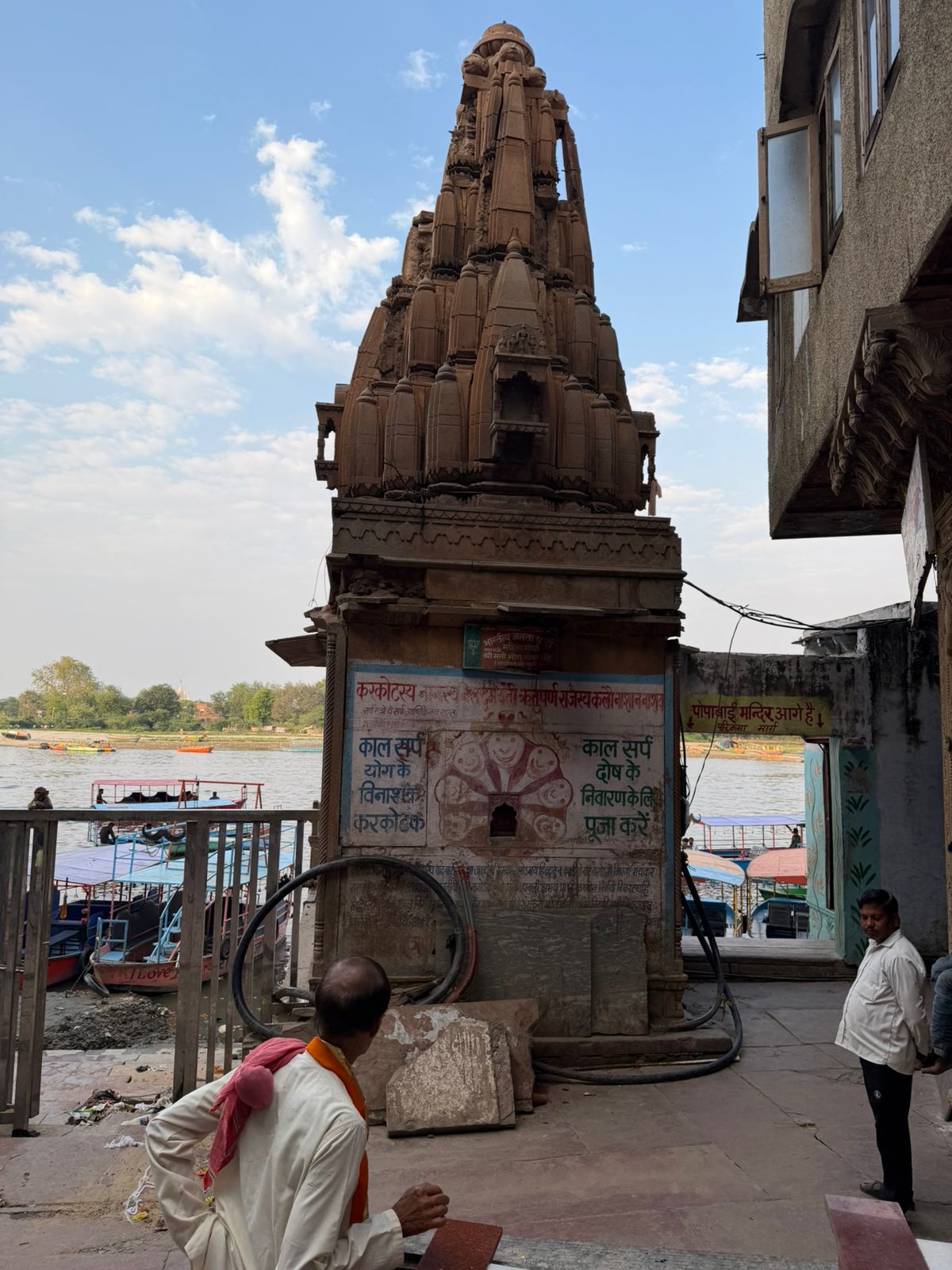
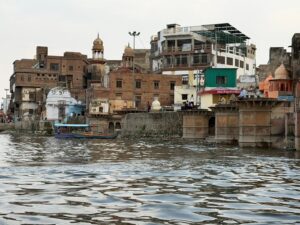
What fascinated me more were the old structures around the ghat. Crumbling walls, fading paint, and the roots of ancient trees wrapping themselves around brickwork—it all told stories of time, resilience, and quiet decay.
I even noticed a wall painted with “Yamuna Mission,” a reminder of the ongoing efforts to preserve this sacred river. Nearby, monkeys sat casually, as if they too were part of this timeless setting. It felt like the past and present were not separate here—they coexisted.
A Moment of Stillness
As I stood by the river, watching the boats glide across the water and people go about their lives, I felt a rare kind of peace. Unlike the intensity of temple crowds, Gau Ghat offered something softer—an unspoken connection between nature, history, and devotion.
There was no need to rush, no need to seek. Just standing there, listening to the quiet flow of the Yamuna, was enough.
My visit to this ghat was simple, but deeply meaningful.
Add a review
Your email address will not be published. Required fields are marked *