
Imam Bada of Indore: Where Faith, Community, and History Meet
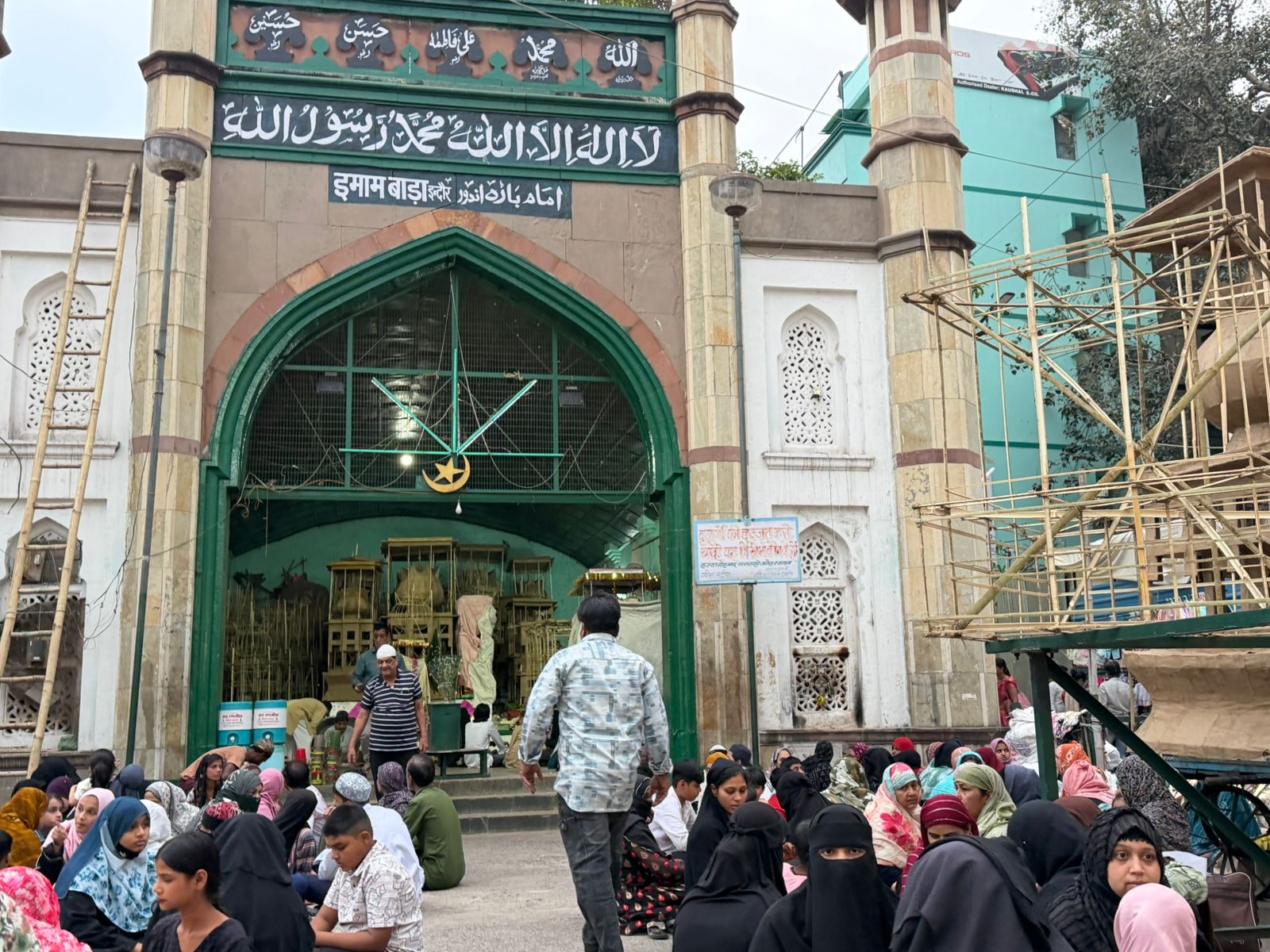
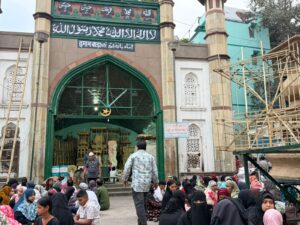
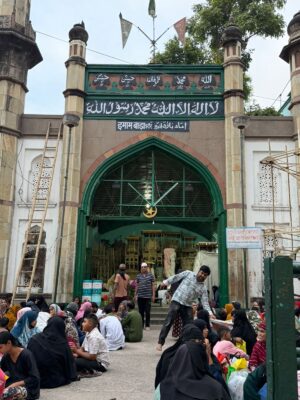
In the heart of the old quarters of Indore, where narrow streets hum with life and faith blends seamlessly into everyday existence, I found myself standing before the historic Imam Bada.
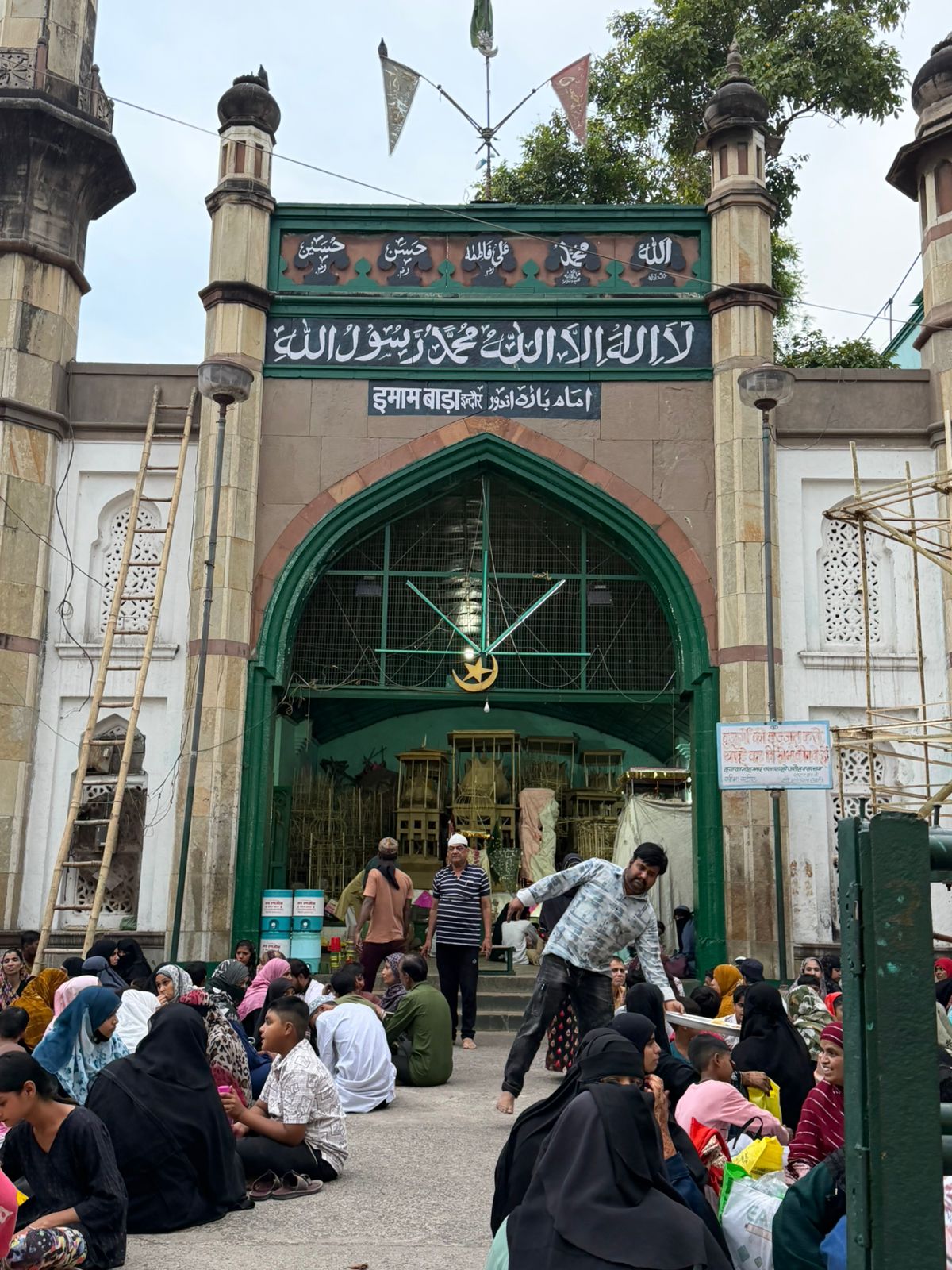
It wasn’t just a structure—it felt alive. People sat outside in clusters, conversations flowing softly, children moving between families, and a quiet sense of devotion hanging in the air. The green arched gateway, inscribed with sacred calligraphy, felt like a threshold—not just into a building, but into a deeper cultural memory.
A Place of Gathering, Not Just Worship
Unlike grand monuments that stand distant and silent, the Imam Bada felt intimate.
Families sat together on the ground, and devotees moved in and out with ease. The space was as much social as it was spiritual.
This is the essence of an Imambara—a congregation hall primarily associated with Shia Muslim traditions, especially during the mourning period of Muharram.
It is here that people gather to remember the sacrifice of Imam Hussain, the grandson of Prophet Muhammad, whose martyrdom at Karbala defines the spirit of Muharram.
Imam Bada
The Spiritual Significance
While the Imam Bada of Indore may not have a single dramatic myth like ancient temples, its spiritual narrative is deeply powerful. It revolves around:
- The tragedy of Battle of Karbala
- The stand of Imam Hussain against injustice
- The eternal message of sacrifice, truth, and resistance
During Muharram:
- The space fills with majlis (gatherings)
- Devotional recitations echo through the halls
- Processions pass through nearby streets
The Imam Bada becomes not just a place, but an emotion shared by the community.
Historical Roots
Indore’s old city developed under the patronage of the Holkar Dynasty, who were known for their inclusive governance.
The growth of diverse communities—Hindus, Muslims, and Jains—was encouraged. Religious structures like temples, mosques, and imambaras evolved as part of this expanding urban culture.
While not as ancient as some Mughal-era structures, the Imam Bada represents Indore’s layered identity—a city shaped by trade, migration, and shared spaces.
The Streets Around It
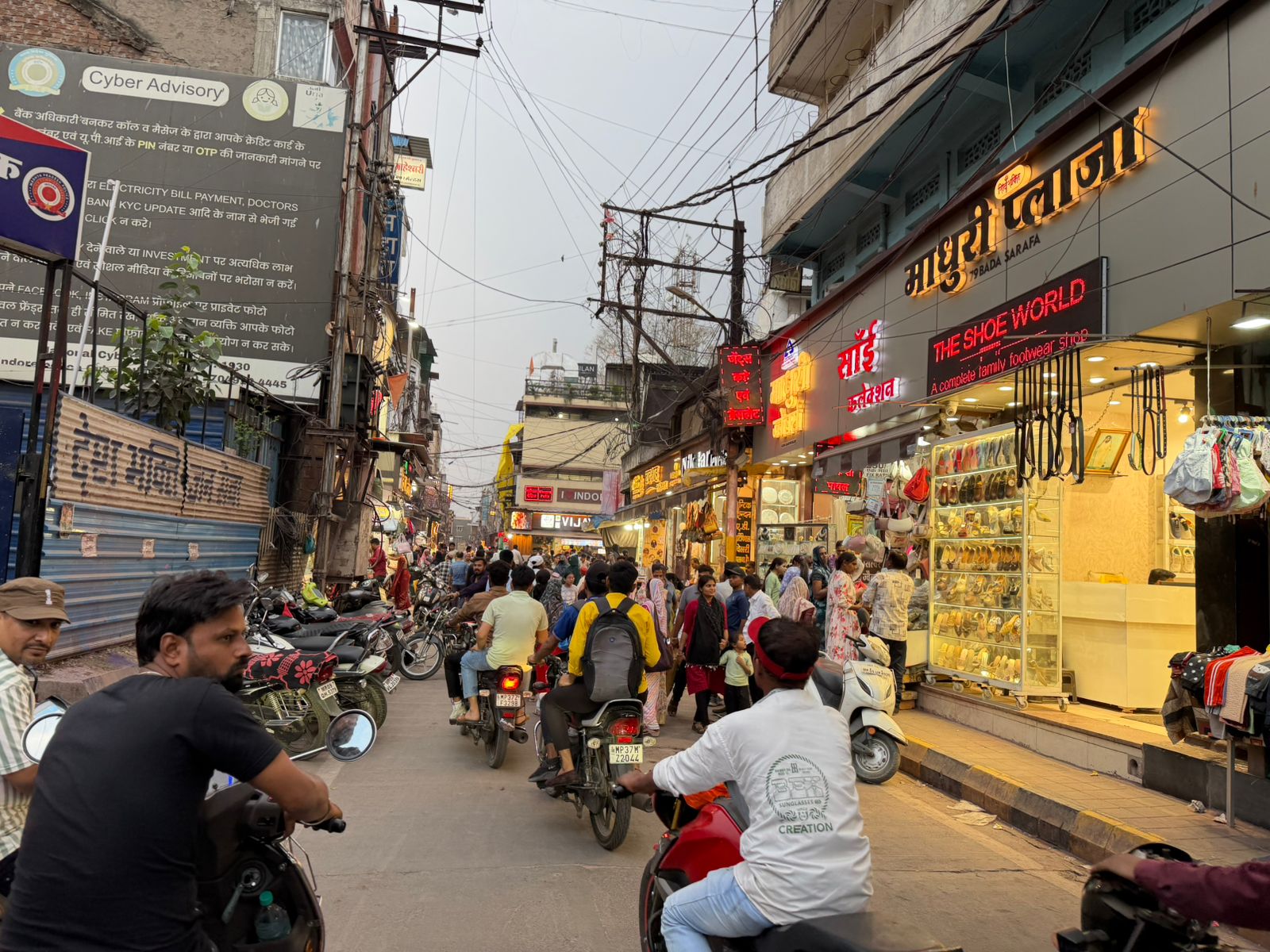
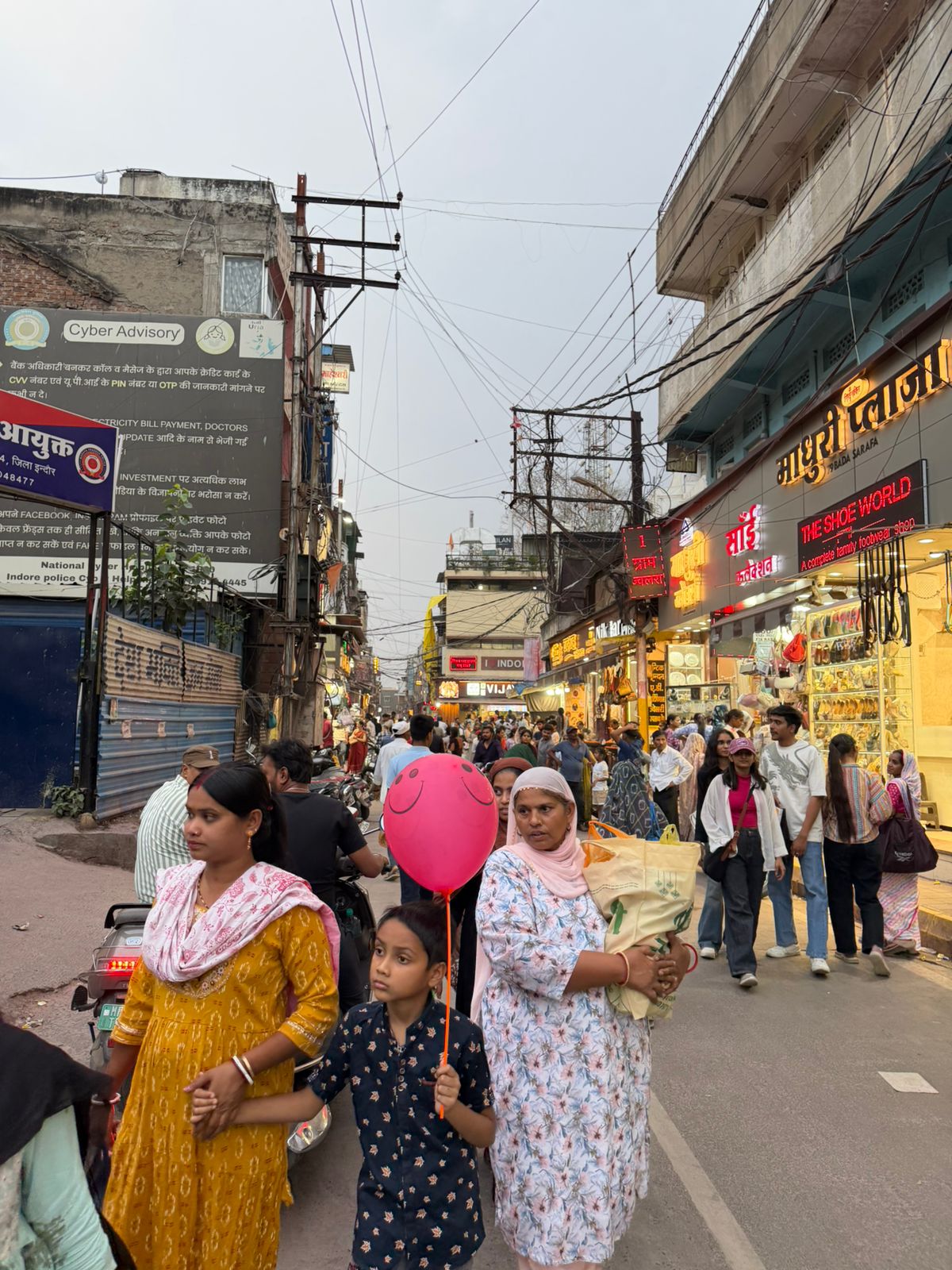
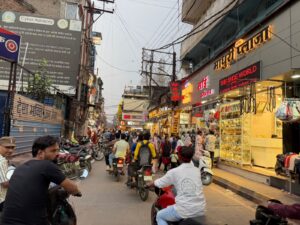
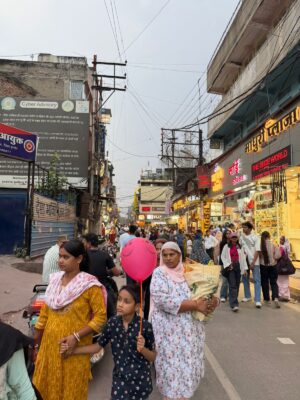
Stepping outside the Imam Bada, the scene shifts—but only slightly:
- Busy lanes filled with shops and neon signs
- People shopping, eating, and bargaining
- The rhythm of everyday life
And then, just a few steps away, the calm of the Imam Bada returns.
This contrast is what makes the experience unforgettable—chaos and calm existing side by side.
A Living Symbol of Harmony
What stayed with me most wasn’t just the architecture or history—it was the feeling.
Here was a place where:
- Faith is collective, not isolated
- History is remembered through people, not just walls
- Community is as sacred as prayer
In a city famous for its food and energy, the Imam Bada offers something quieter—a reminder of shared humanity.
Sacred places are not just built—they are lived.
Add a review
Your email address will not be published. Required fields are marked *