
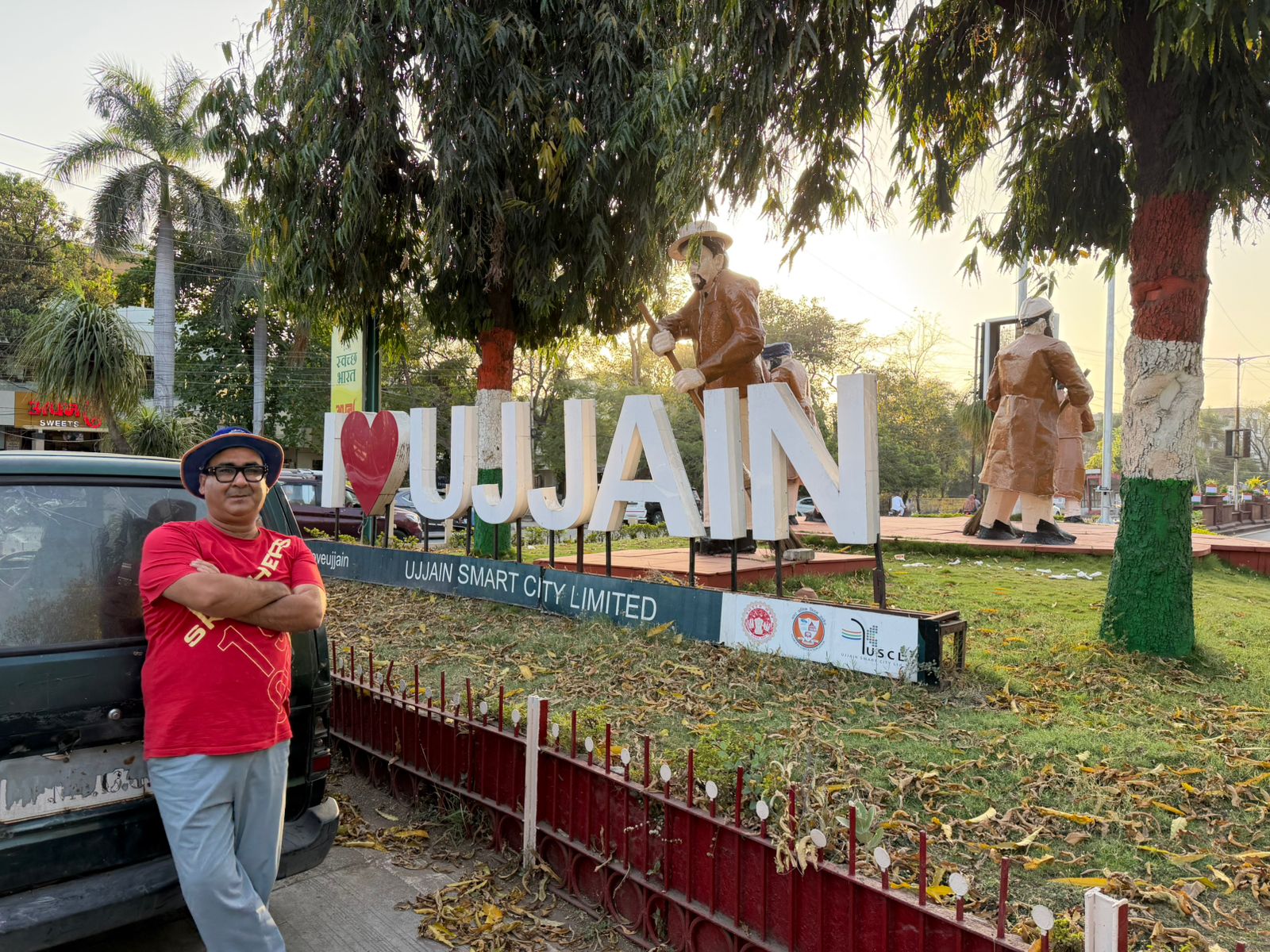
Ujjain: A Timeless City Where History Breathes Through Every Street
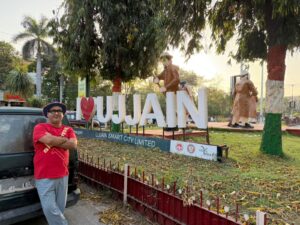
Standing in front of the vibrant Ujjain sign, I felt like I wasn’t just visiting a city—I was stepping into a living timeline. Ujjain is not just one of India’s oldest cities; it is a place where mythology, astronomy, spirituality, and history blend seamlessly into everyday life.
Ancient Roots: The City of Avantika
Ujjain was once known as Avantika, one of the seven sacred cities in Hindu tradition. Its history stretches back over 2,000 years, making it one of the oldest continuously inhabited cities in India.
The city finds mention in ancient texts like the Mahabharata and the Puranas, where it is described as a prominent cultural and spiritual center. It was believed to be a place where time itself held special significance.
The Age of Empires
Ujjain rose to prominence during the reign of the Maurya Empire, when it became an important administrative and trade center. It is said that Ashoka served as the governor of Ujjain before becoming emperor.
Later, during the Gupta Empire, Ujjain flourished as a hub of education, science, and culture. This era is often called the Golden Age of India—and Ujjain stood at its heart.
The City of Time, Astronomy, and Learning
One of the most fascinating aspects of Ujjain’s history is its deep connection with astronomy. The city was considered the prime meridian of ancient India, much like Greenwich is today.
The legendary king Vikramaditya is closely associated with Ujjain. His court was said to include the famous scholar Kalidasa, whose works continue to define classical Indian literature.
Ujjain
Centuries later, the Jantar Mantar Ujjain, built by Maharaja Jai Singh II, further cemented Ujjain’s role as a center for astronomical studies.
Spiritual Heart: A City of Temples
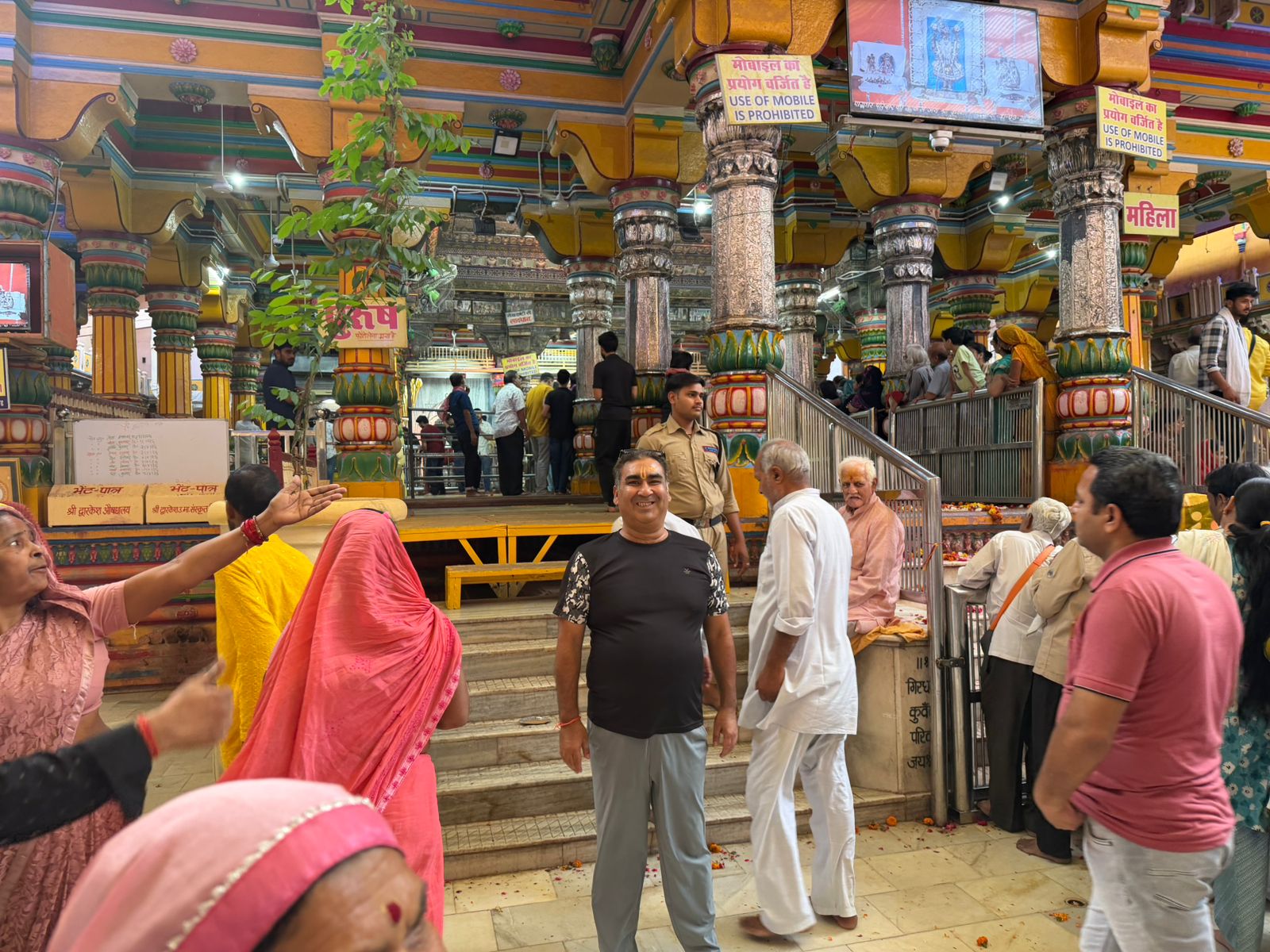
Ujjain’s identity is deeply spiritual. It is home to the revered Mahakaleshwar Jyotirlinga Temple, one of the twelve Jyotirlingas of Shiva. This temple alone draws millions from all over India.
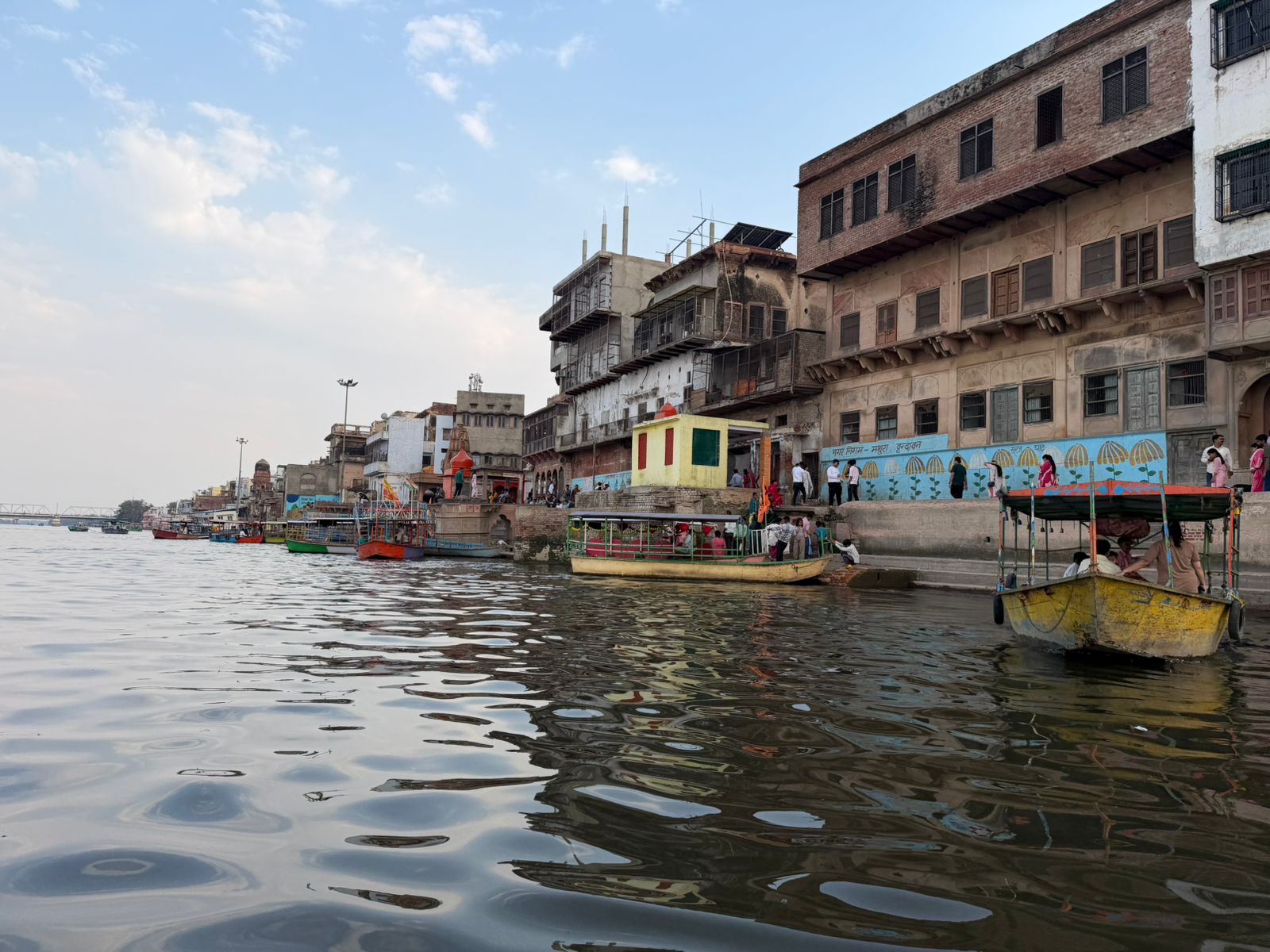
The sacred Shipra River flows through the city, and its ghats come alive during rituals—especially during the grand Kumbh Mela, held here every 12 years.
Medieval to Modern Ujjain
Over the centuries, Ujjain witnessed the rise and fall of various dynasties—from the Paramaras to the Mughals and later the Marathas. Each left its imprint on the city’s architecture, culture, and traditions.
In modern times, Ujjain has evolved into a vibrant blend of old and new. Smart city projects, cultural installations, and restored heritage sites reflect a city that accepts its past while embracing the future.
My Reflection: Walking Through Layers of Time
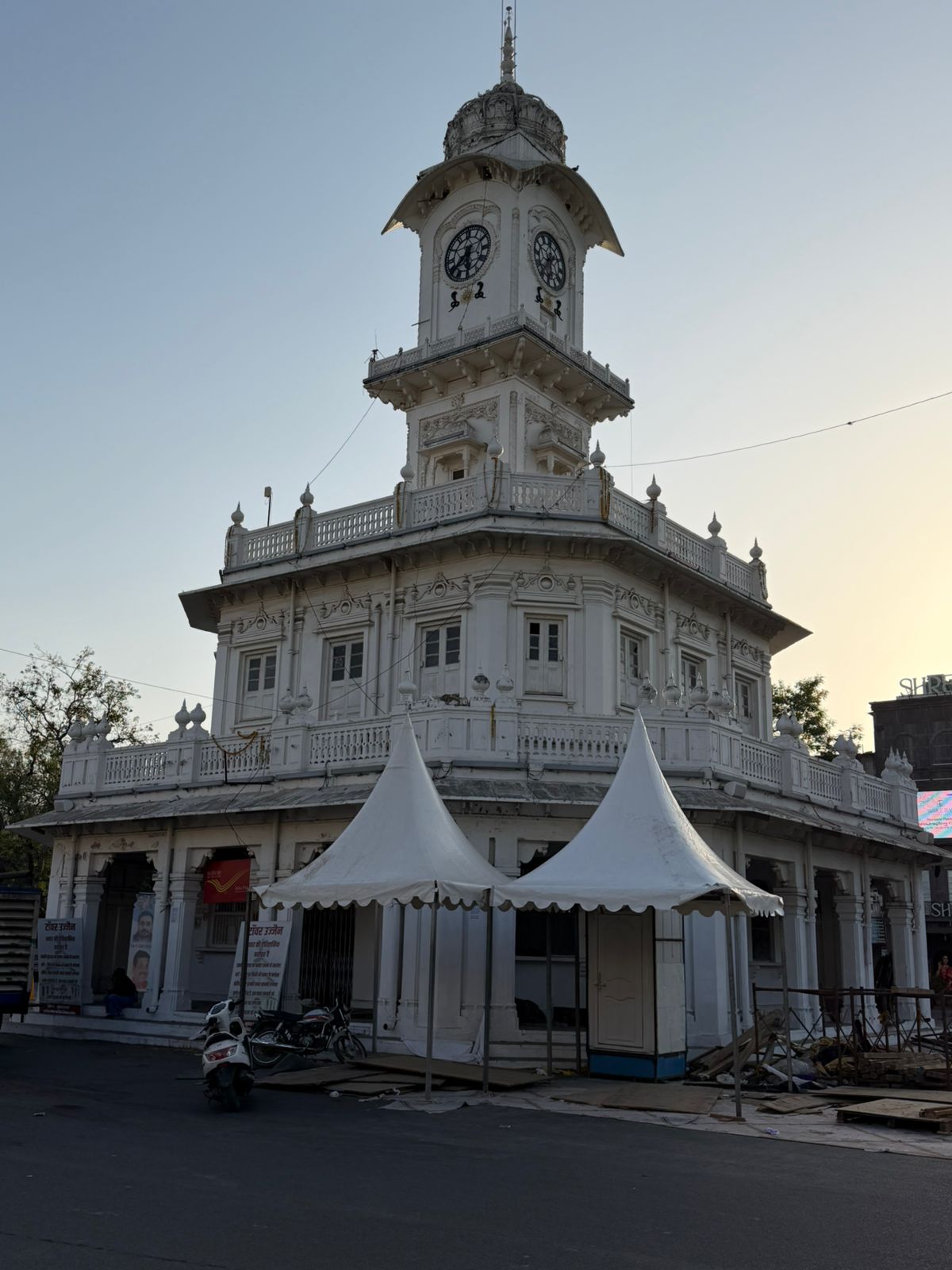
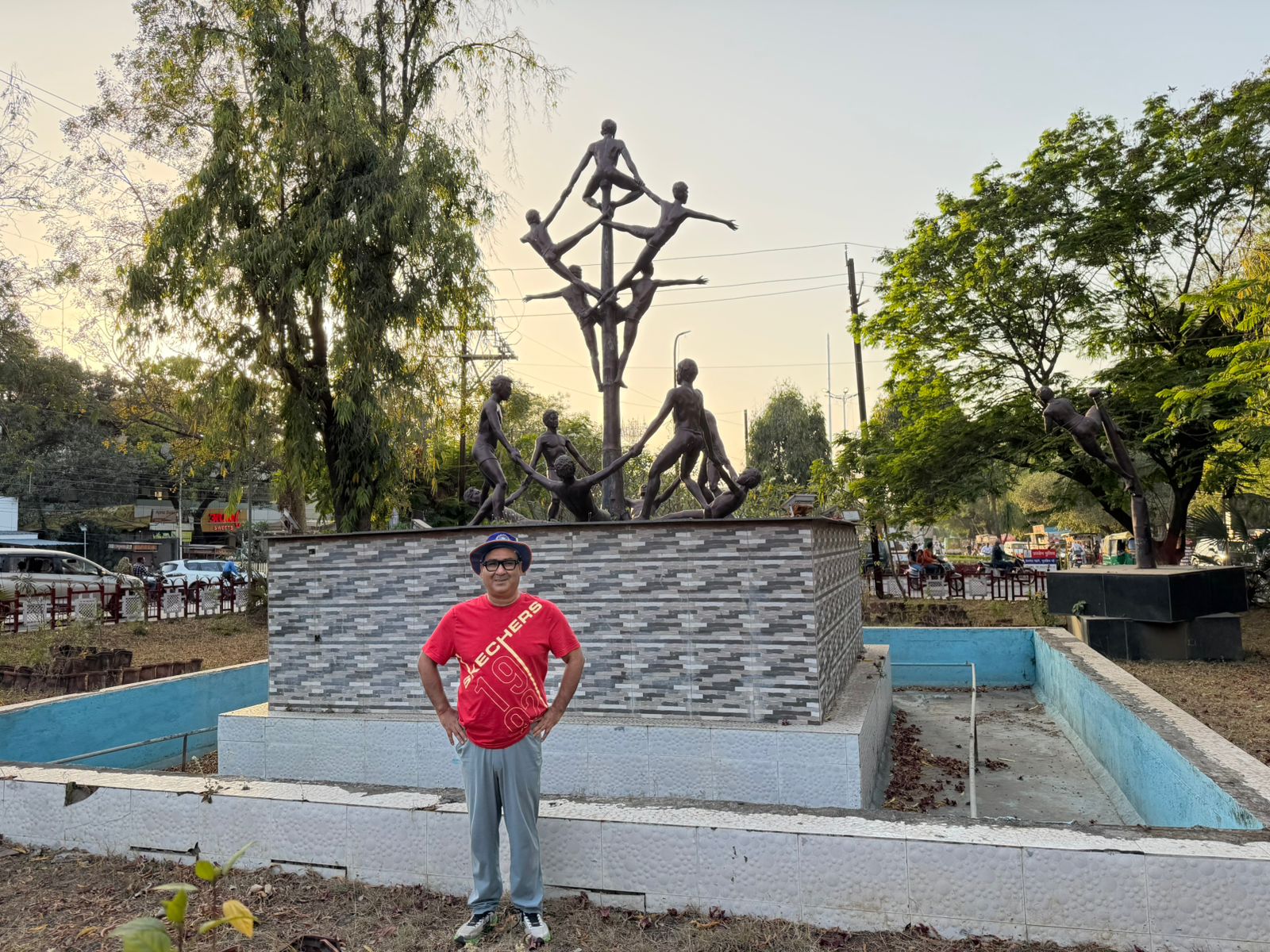
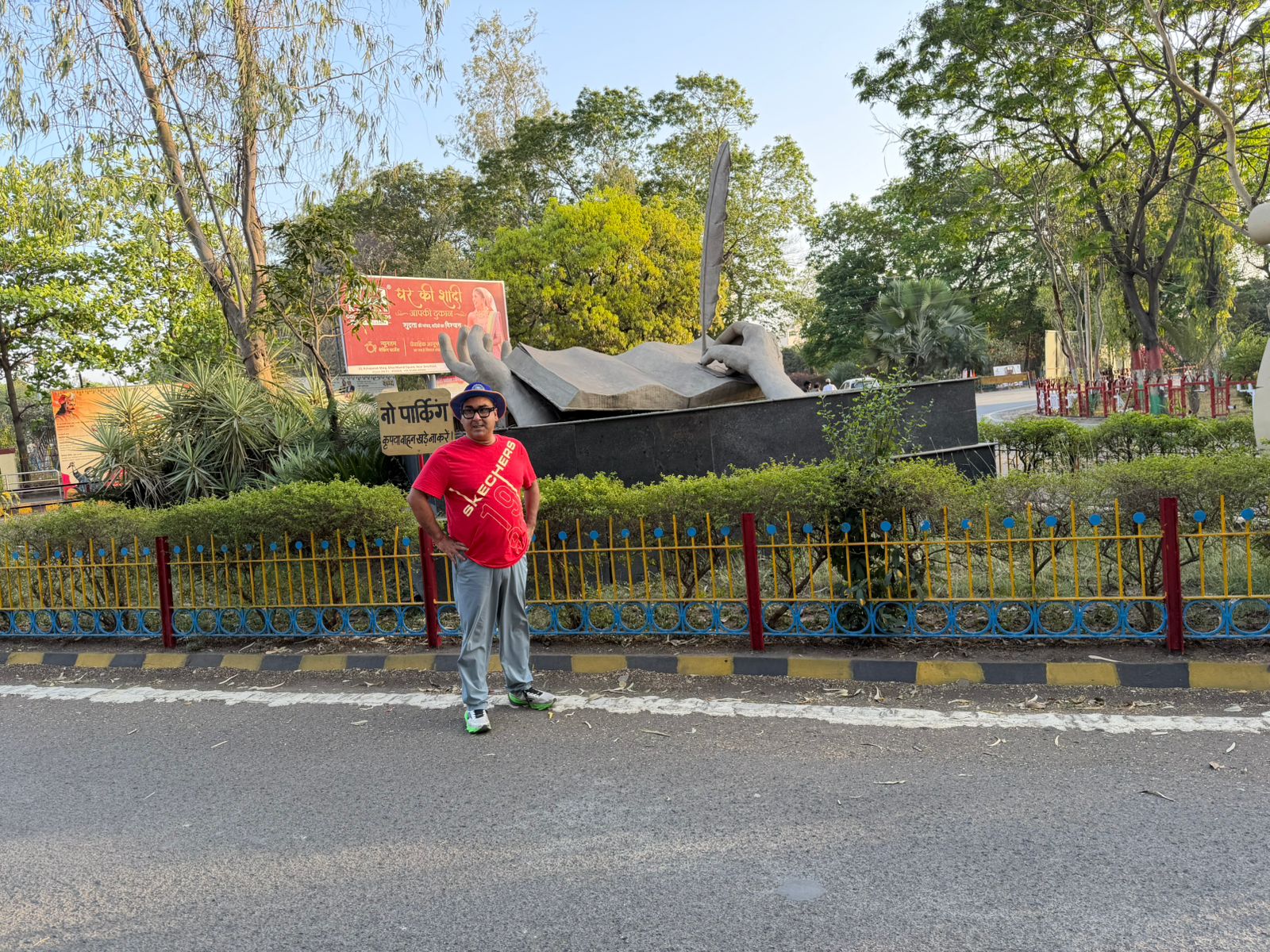
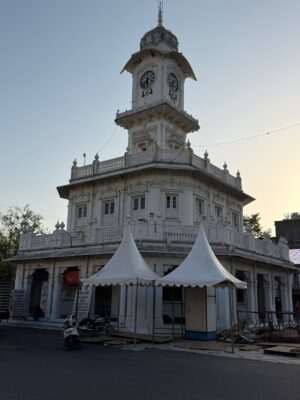
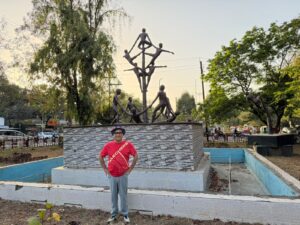
As I wandered through its streets—past statues, old clock towers, and artistic installations—I realized that Ujjain isn’t just about monuments or temples; it’s about continuity.
Here, history doesn’t sit quietly in books—it lives in the air, in the chants, in the architecture, and even in the everyday rhythm of the people.
Ujjain is not just a destination; it’s an experience. The city also promotes itself as one of the cleanest cities in India, something clearly visible through the many signs and initiatives seen across its streets.
Add a review
Your email address will not be published. Required fields are marked *