
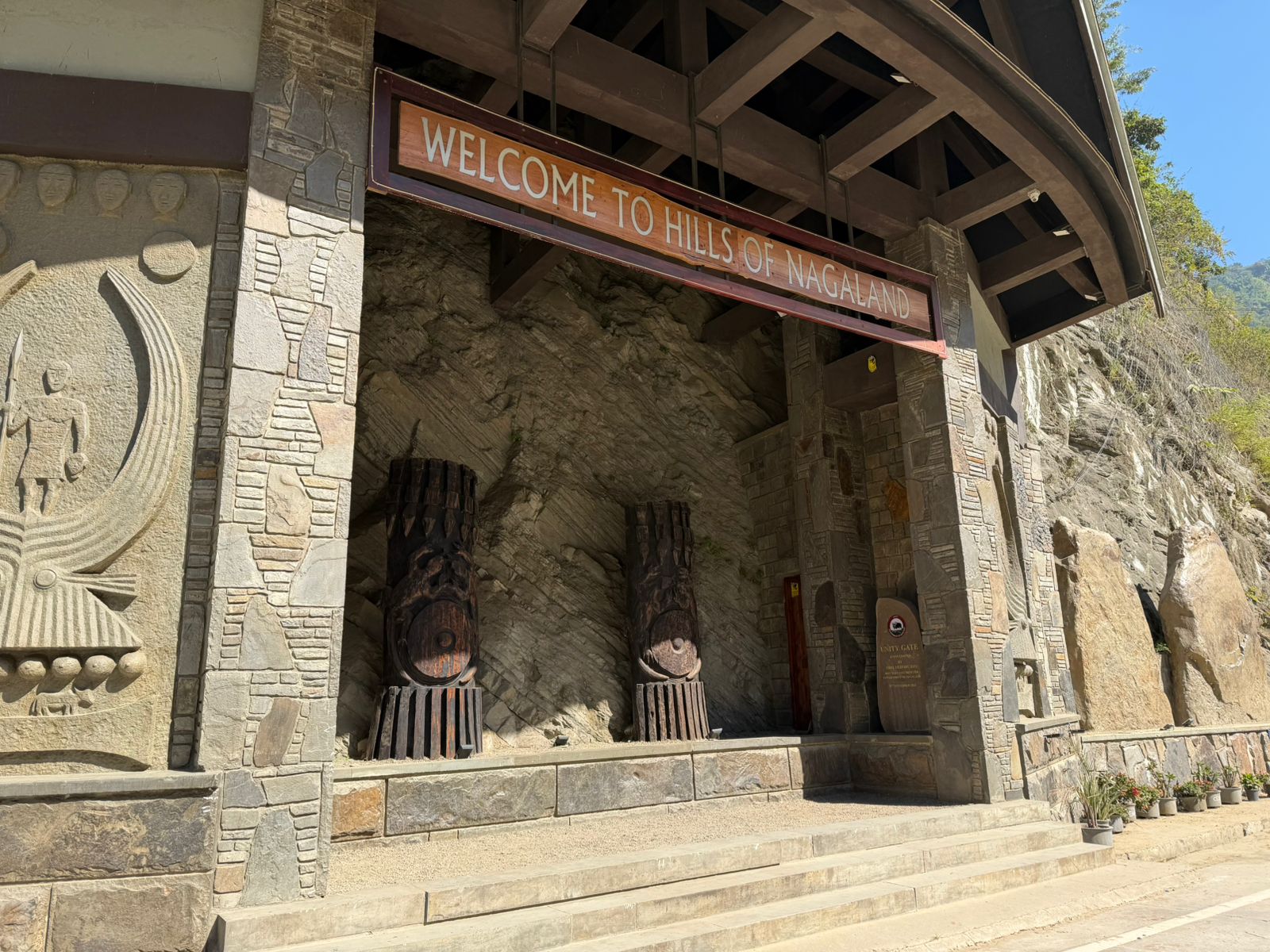
The Land of Dimapur: A Forgotten Kingdom
Dimapur, the bustling gateway of Nagaland, is today known for its markets, vibrant culture, and expanding urban life. But beneath the city’s modern surface lies a history layered with ancient kingdoms, powerful rulers, colonial transitions, and the birth of a new state. Dimapur is far more than a transit point – it is the historic trade centre of the Dimasa Kachari civilisation, one of the oldest political powers of the Northeast.
Long before modern Nagaland took shape, Dimapur was the glorious capital of the Dimasa Kingdom, dating back to the 10th–13th centuries CE. The Dimasa rulers created a fortified city-state along the Dhansiri River, building temples, strongholds, and the monoliths that still stand today. By the 16th century, the Dimasa Kingdom came under increasing pressure from the Ahom Empire of Assam. In 1536, the Ahoms invaded Dimapur, leading to the city’s downfall. The Dimasa court moved southwards into the North Cachar Hills, and their grand capital slowly fell into ruin.
Land of Dimapur
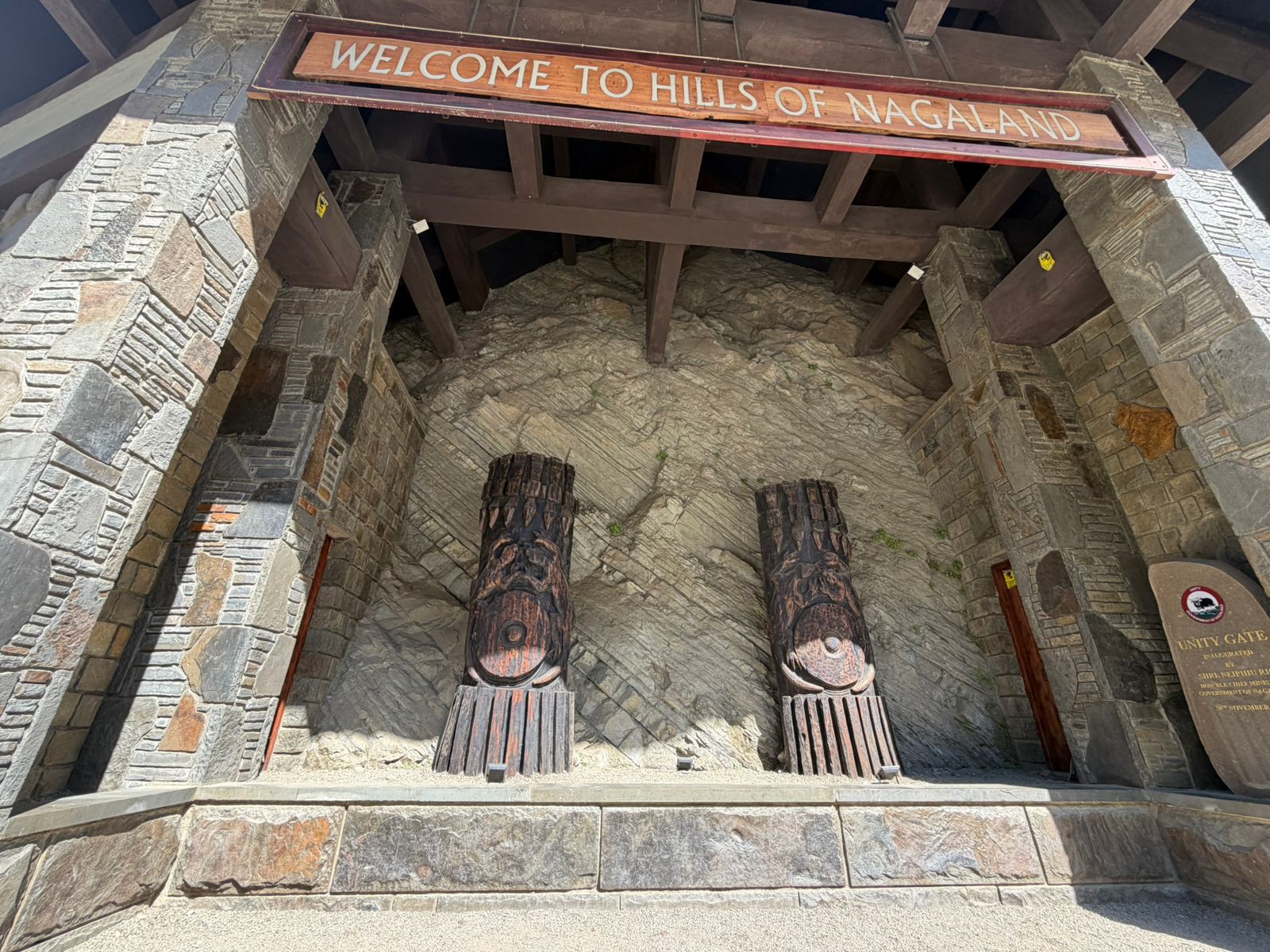
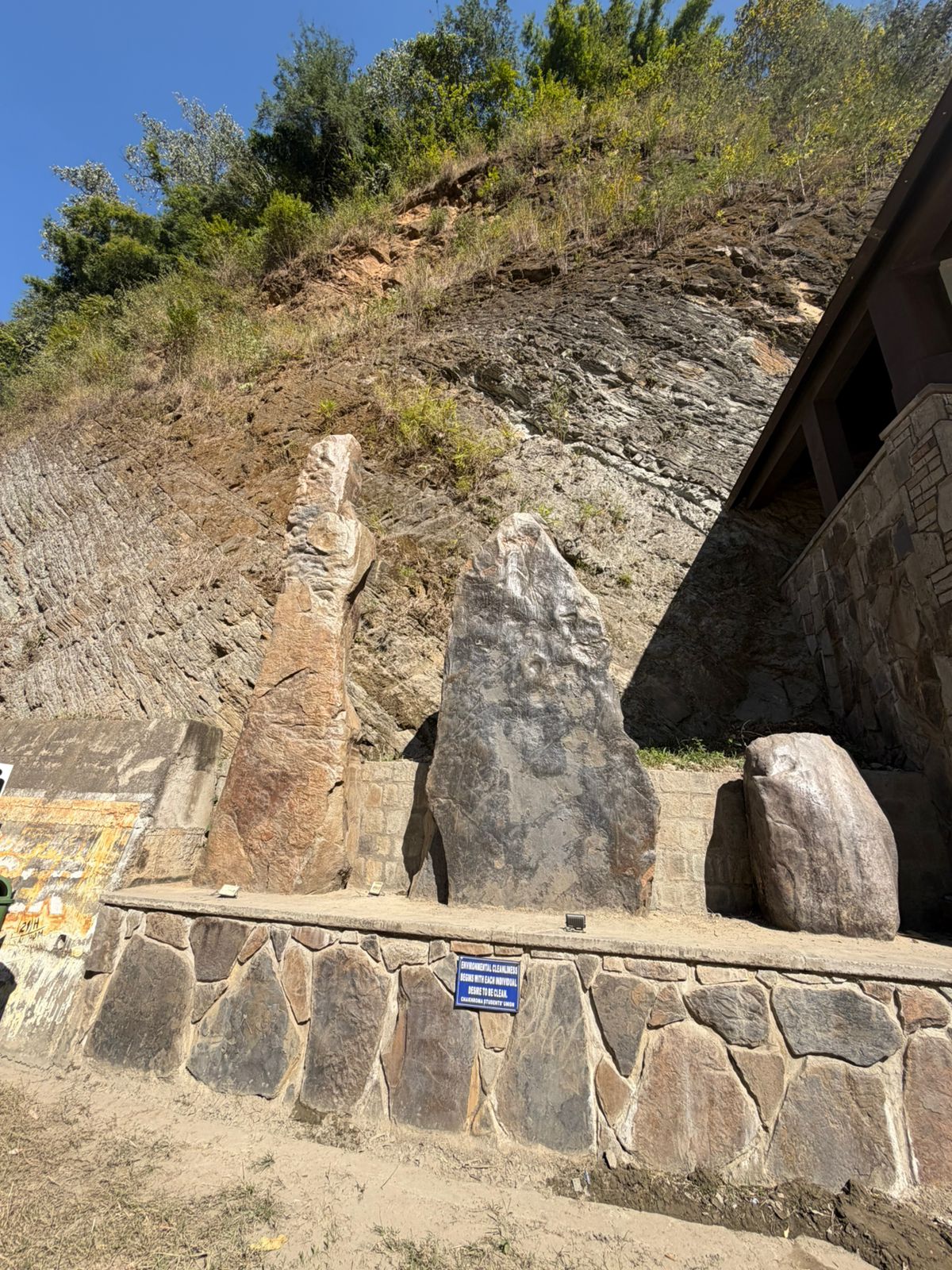
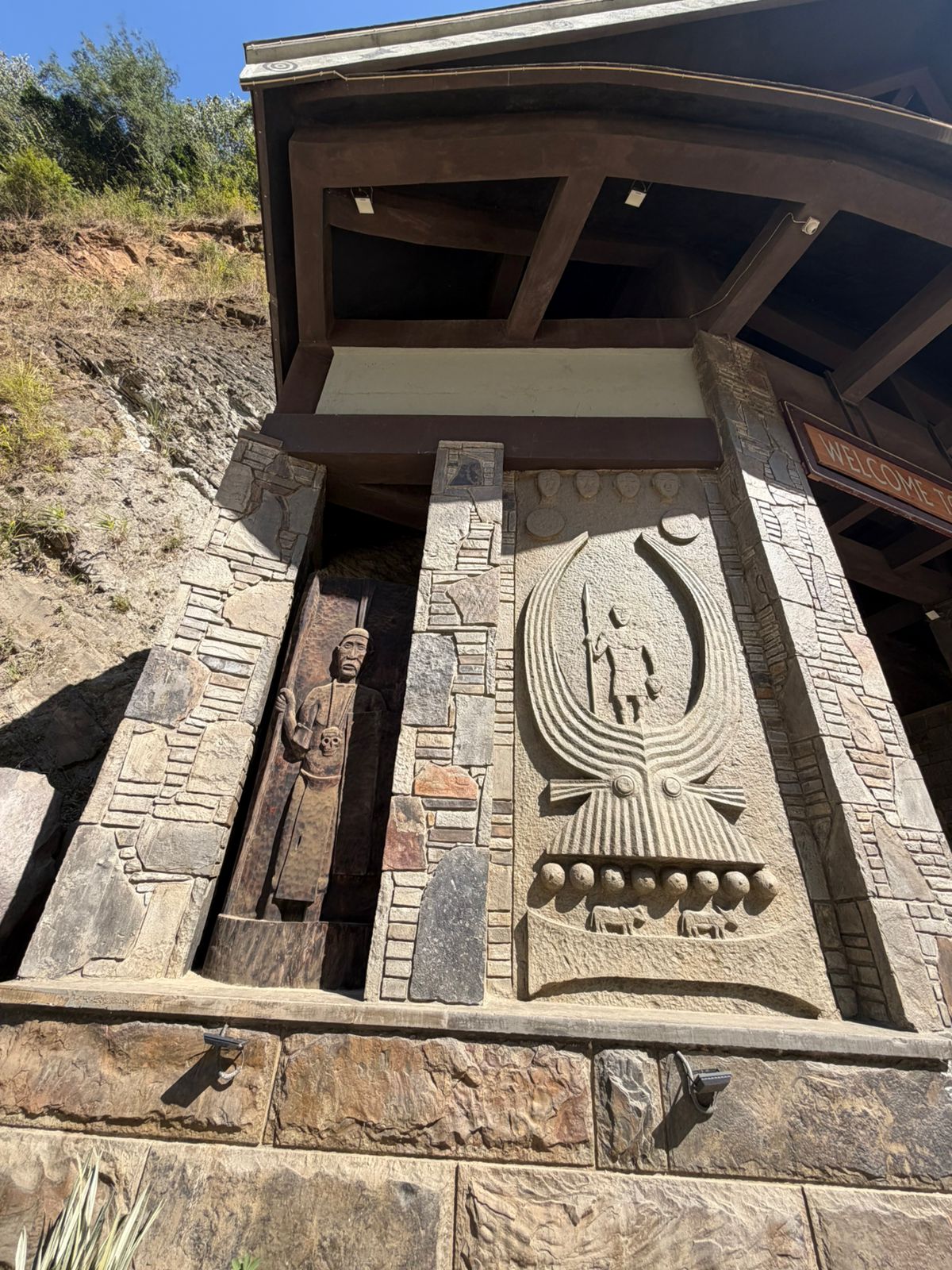
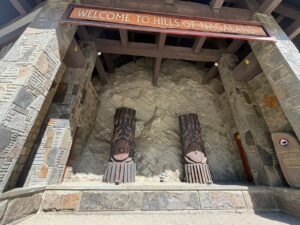
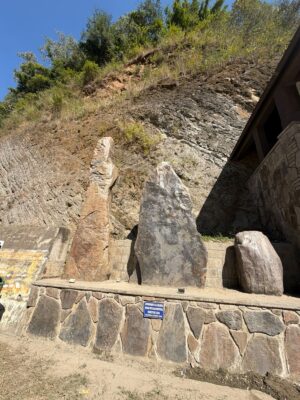
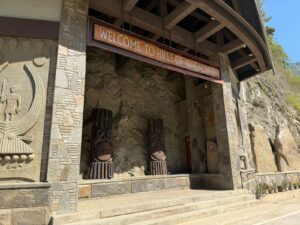
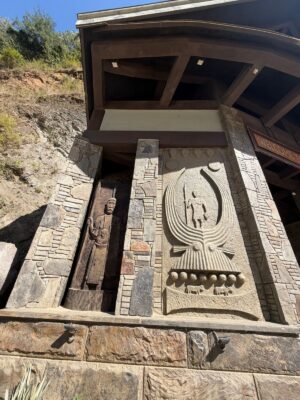
Local legends say the abandoned city was swallowed by the forest – a once-great capital reduced to memory and stone. Even after its fall, Dimapur remained an important cultural meeting point. It stood at the crossroads of Naga tribes and the Assamese plains. Traders from as far as Burma passed through its river routes. Hindu, tribal, and animist traditions coexisted here for centuries, and this cultural blend still shapes the city’s social identity.
Dimapur Under Colonial Rule
By the 19th century, Dimapur came under British control after their expansion into Assam and the Naga Hills. It served as a railway junction and a supply base. During World War II, Dimapur became a strategic base for the Allied forces. Large military camps were set up around the town, and the city served as a major supply point during the Battle of Kohima – one of the war’s fiercest battles in Asia. The post-war period transformed Dimapur into a commercial hub, a gateway to the new towns of Nagaland, and a vital transit space connecting Northeast India with Myanmar and beyond.
In 1963, when Nagaland became a full-fledged state, Dimapur emerged as its economic capital. Today, the city is known for its cosmopolitan population, Hong Kong Market, educational institutions, and a unique mix of tribal and non-tribal cultures. Dimapur remains not just a busy town, but a former capital and a living symbol of one of Northeast India’s oldest kingdoms.

Add a review
Your email address will not be published. Required fields are marked *